Attractions and Places To See around Plourin - Top 20
Best attractions and places to see around Plourin, a commune in Finistère, Brittany, France, include historical, cultural, and natural sites. The area features a rich history with megalithic structures and Bronze Age sites, alongside a picturesque bocage landscape. Visitors can explore ancient landmarks, chapels, and significant natural features. Plourin offers a variety of experiences, from coastal viewpoints to historical monuments.
Best attractions and places to see around Plourin
- The most popular attractions is Corsen Point, a viewpoint that marks…
Last updated: July 7, 2026
Corsen Point
Highlight • Viewpoint
Translated by Google •
Tip by

Port de Portsall
Highlight • Other
Translated by Google •
Tip by

Sign up now to discover places like this
Get recommendations on the best single tracks, peaks, & plenty of other exciting outdoor places.
Sign up for free
Saint-Samson Chapel
Highlight • Other
Translated by Google •
Tip by

Guilliguy Dolmen Viewpoint
Highlight • Viewpoint
Translated by Google •
Tip by

Saint-Pabu Liberation Memorial
Highlight • Monument
HOLY
PABU
Here, the German occupation
began on June 20, 1940.
The Germans began
to build a camp,
an aerial detection center,
means of defence,
mined the fields.
The …
Tip by

Sign up for free to discover even more attractions around Plourin.
Sign up for free
Already have an account?
Start today with a free account
Your next adventure awaits.
Login or Signup

Tips from the Community

Only the two stone beams form a cross in its simplest form, yet in a highly exposed location overlooking the bay that extends inland here. And of course, this small sacred monument—like all crosses encountered by hikers along the way—is an essential Christian symbol. It stands for the memory of his crucifixion, but at the same time also for the resurrection of Jesus Christ. The following quote comes from the important French order founder and doctor of the Church, Saint Bernard of Clairvaux: + "With us on earth there is His memory, but in the kingdom of heaven is His presence: This presence is the joy of those who have already attained salvation. The memory is our consolation, we who are still wanderers, traveling toward the Fatherland."
0
0


This is a 17th-century chapel. It stands on the wild coast and is a jewel of our religious heritage. Thanks to the association's efforts, it is often open, allowing many visitors, hikers (the chapel is located along the GR 34 hiking trail), and tourists to spend a few moments in their prayers. The chapel is open daily from 10 a.m. to 6 p.m., from Palm Sunday to All Saints' Day and during the Christmas holidays. Outside of these periods, the chapel is open every Sunday. The site and location of the chapel were already a place of worship in prehistoric times. A menhir, now lost, located near the chapel was long venerated. The presence of a Gallic stele to the south attests to a sacred place in the Celtic period. The site was later Christianized: two granite crosses dating from the early Middle Ages can be found next to the fountain and next to the chapel. In the fountain below the chapel, young children, or simply their shirts, were dipped to ensure their strength and health, help them speak or walk, or cure eye ailments. Read about this below the bottom of the parish letter, dating from 1856. https://www.chapelleslandunvez.fr/saint-samson
0
0

Two benches inside and a beautiful place of meditation 😍
0
0

Facing the vastness of the sea, the Saint-Samson chapel makes us feel infinitely small. It is no wonder that the site has been a place of worship since prehistoric times. The chapel itself was built in the 17th century.
1
0

always moving to learn about history
0
0

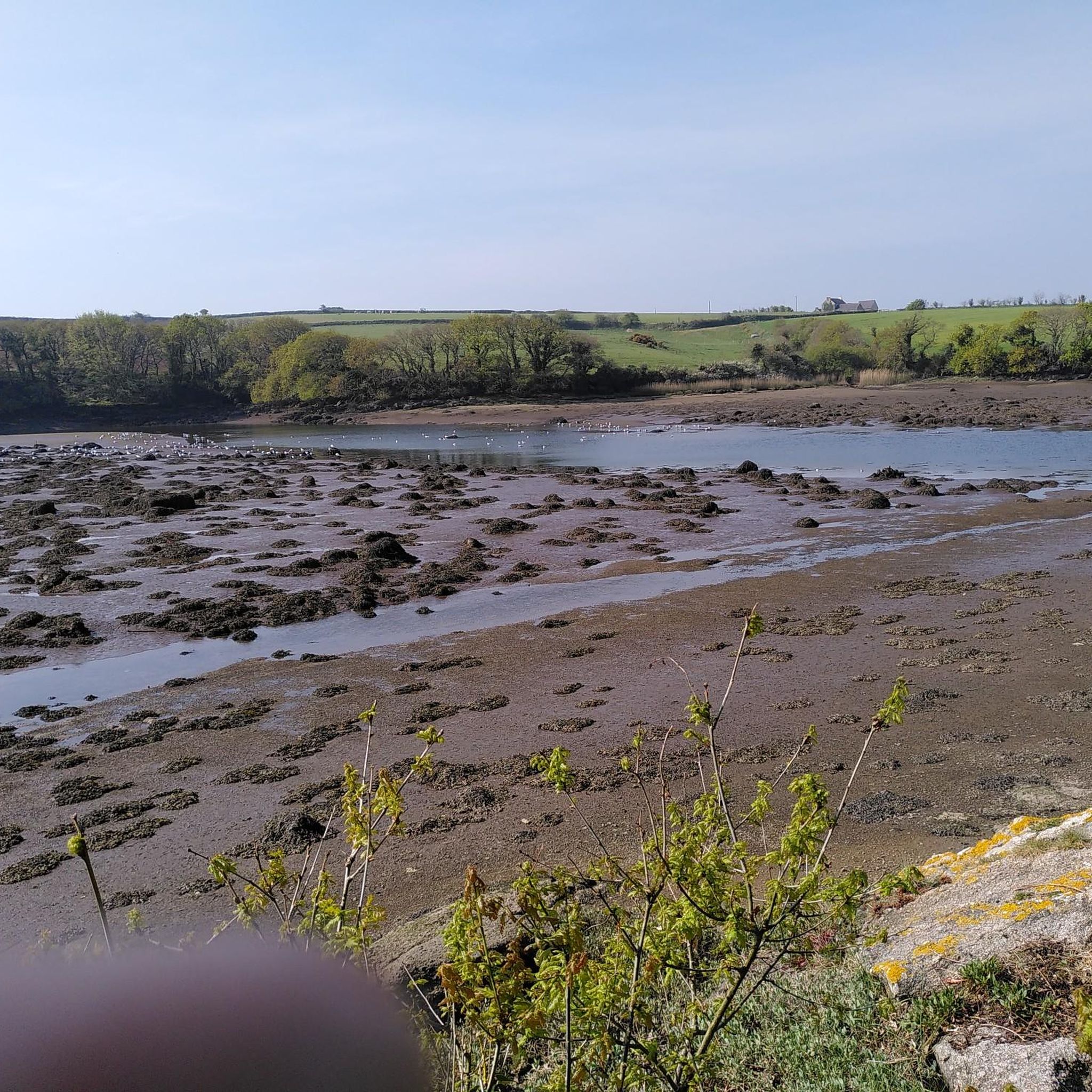
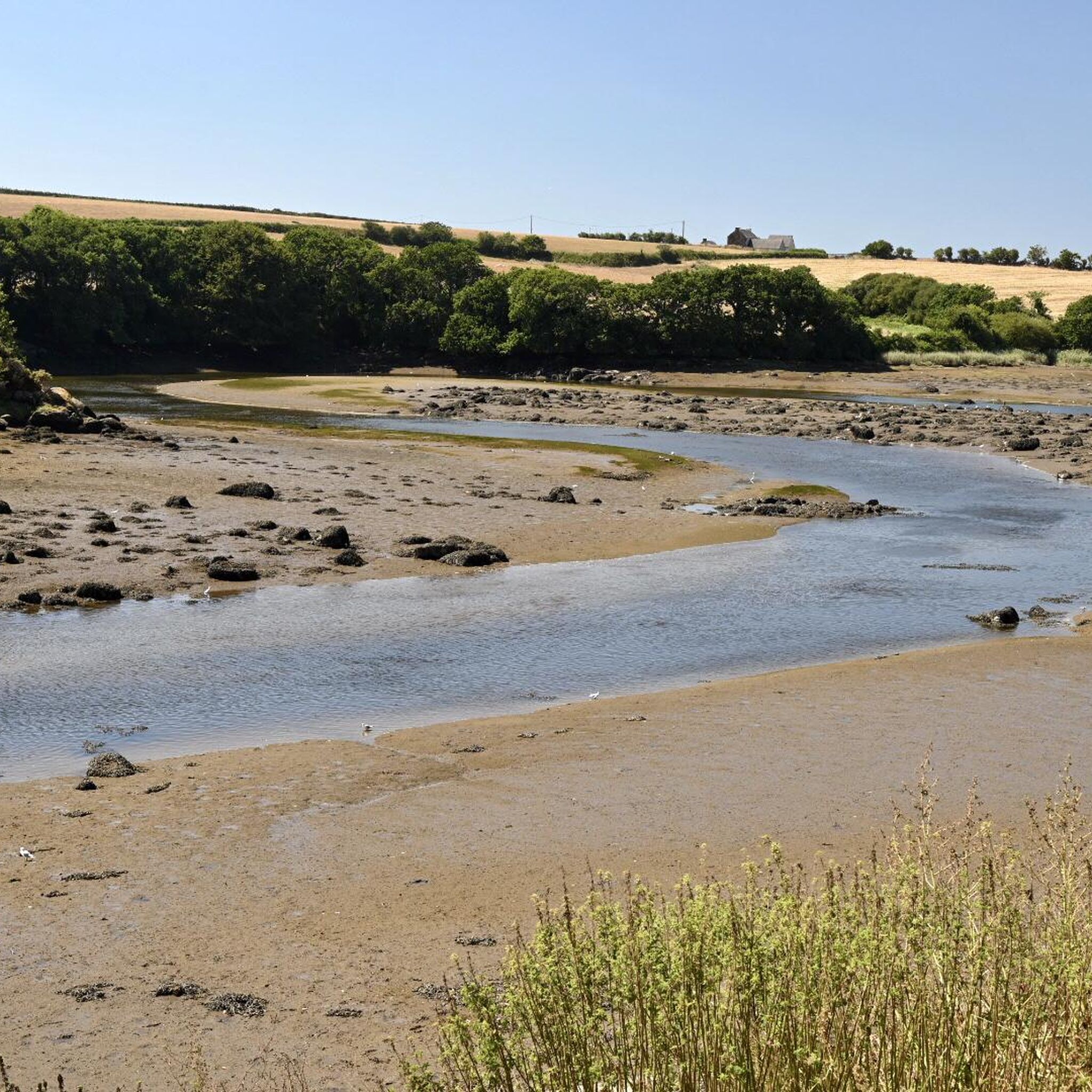
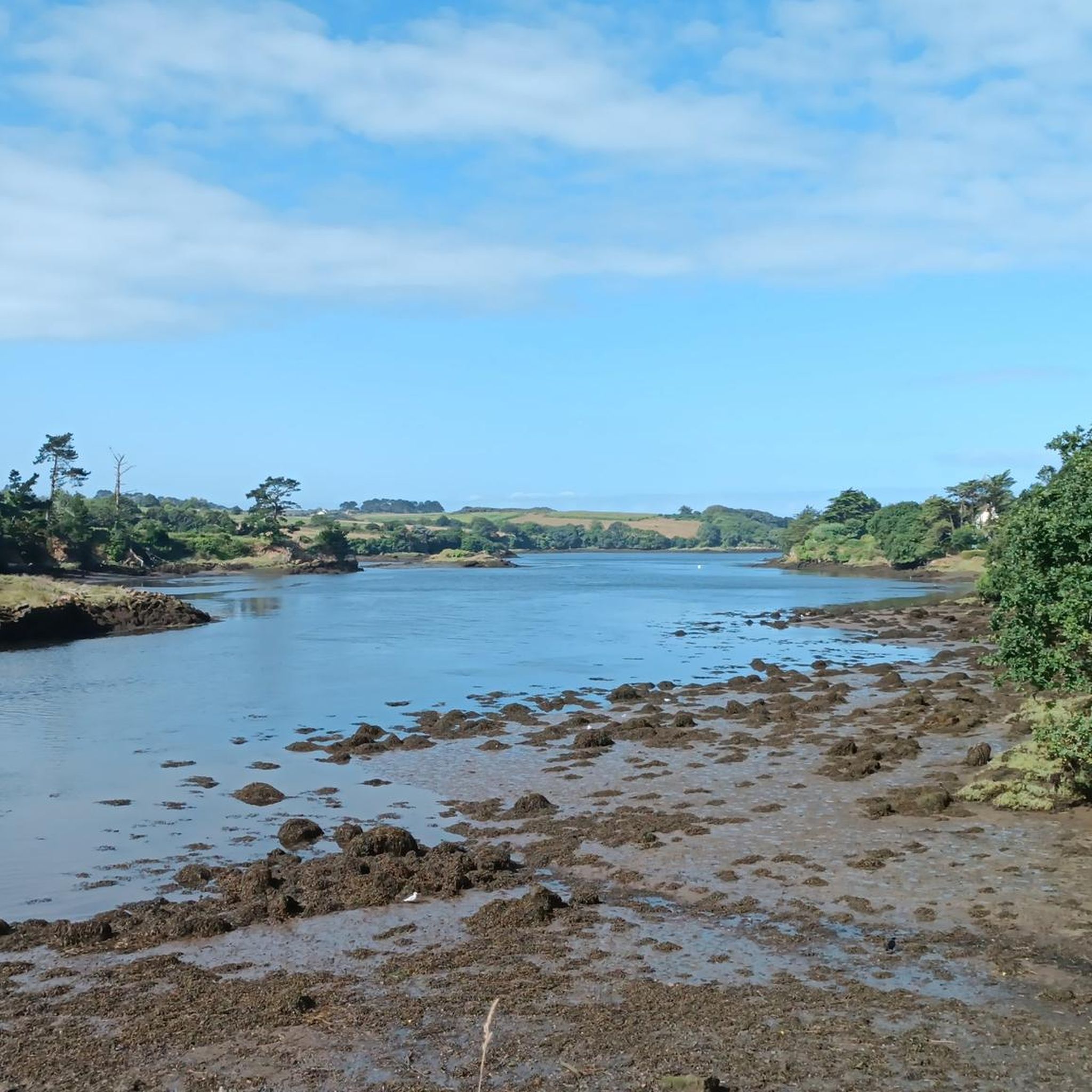
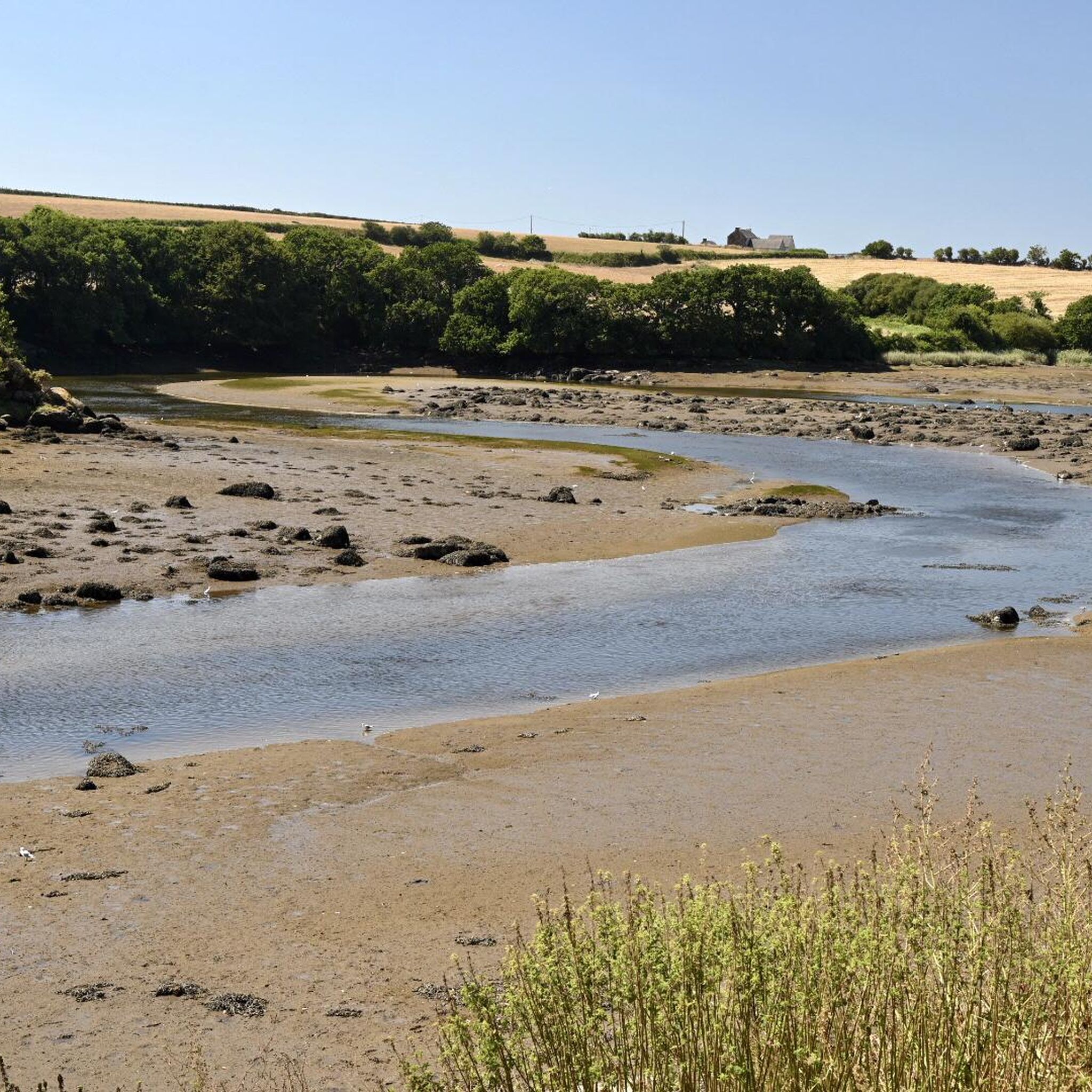
Portsall Harbor is located in a small natural cove. The shallow rocky bottoms make navigation demanding, even dangerous in bad weather. This geography coupled with a storm led to the grounding of the Amoco Cadiz, an oil tanker, in 1978, causing the largest oil spill in history. Today, the water has regained its beautiful colors and the port is a very pleasant place to stroll, enjoy a beer or eat while enjoying the pleasant view.
2
0

Beyond being a simple point like Brittany with many, that of Corsen has the particularity of being located in the extreme west of mainland France (4° 47′ 44″ west to be precise). On a clear day, you can observe Ouessant and the Molène archipelago.
0
0
Frequently Asked Questions
What historical sites can I explore around Plourin?
Plourin is rich in history. You can visit the ancient Saint-Samson Chapel, which stands on a site of worship dating back to prehistoric times. Other significant historical landmarks include the impressive Menhir of Kergadiou, the Bronze Age Tumulus of Rubrat Huella, the Neo-Gothic Church of Saint-Budoc, and the 15th-century Kerenneur Manor. Don't miss the Iron Age Stele and the 19th-century Calvary scattered throughout the village.
Are there any notable natural features or viewpoints in the Plourin area?
Absolutely. The most prominent natural feature is Corsen Point, the westernmost tip of mainland France, offering remarkable geography and panoramic views, including Ouessant and the Molène archipelago on clear days. You can also enjoy the picturesque bocage landscape characteristic of Plourin. Another great spot is the Guilliguy Dolmen Viewpoint, which provides a great view of the harbor.
What kind of outdoor activities can I do near Plourin?
The area around Plourin is ideal for various outdoor activities. You can find numerous routes for hiking, cycling, and running. For instance, there are several running trails like the 'Saint-Samson Chapel – Wild coast of Landunvez loop' or cycling routes such as the 'St Budoc Church - Porspoder – Seaweed fishing in Lanildut loop'. Explore more options on the Hiking around Plourin, Cycling around Plourin, and Running Trails around Plourin guide pages.
Are there family-friendly attractions or activities in Plourin?
Yes, several attractions are suitable for families. Corsen Point is a great spot for all ages to enjoy the views and the unique geography. The Saint-Pabu Liberation Memorial offers an educational experience about local history. Many of the hiking and cycling routes in the area also have easy options suitable for families.
What is the best time of year to visit Plourin for sightseeing and outdoor activities?
Plourin is enjoyable throughout the warmer months. Late spring to early autumn (May to September) generally offers the most pleasant weather for exploring historical sites, enjoying viewpoints, and engaging in outdoor activities like hiking and cycling. The coastal areas are particularly beautiful during this period.
Where can I find information about the Amoco Cadiz oil spill that occurred near Plourin?
The tragic Amoco Cadiz oil spill of 1978 occurred near Port de Portsall. While the water has since regained its beautiful colors, the port still holds memories of the event, with one of the tanker's anchors on display. You can visit the port to learn more about its history and enjoy the pleasant views.
Are there any cultural or memorial sites in Plourin?
Yes, the Saint-Pabu Liberation Memorial is a significant cultural site. It commemorates the liberation of Saint-Pabu during World War II, remembering the occupation and the 14 civilians who lost their lives in the municipality. It offers a poignant look into the region's wartime history.
What are some unique historical structures or monuments in the area?
Beyond the well-known sites, Plourin features several unique historical structures. The Menhir of Kergadiou is notable as the second-highest menhir in France. You can also discover the Tumulus of Rubrat Huella, a Bronze Age site, and the 17th-century Saint-Roch Chapel. The Kerenneur Manor, dating back to the 15th century, is another architectural highlight.
What do visitors enjoy most about the attractions around Plourin?
Visitors frequently appreciate the stunning panoramic views, especially from Corsen Point and the Guilliguy Dolmen Viewpoint. The rich historical context of sites like the Saint-Samson Chapel and the Saint-Pabu Liberation Memorial also leaves a lasting impression. The blend of natural beauty and historical significance is a common highlight.
Are there any specific hiking trails recommended for exploring the natural beauty of Plourin?
Yes, Plourin and its surroundings offer diverse hiking trails. For a coastal experience, consider routes like the 'Saint-Laurent Peninsula – Viewpoint (hill) loop from Porspoder' or the 'Surfspot – Gonvel Battery loop from Argenton'. These trails allow you to immerse yourself in the picturesque bocage landscape and coastal views. You can find more detailed routes on the Hiking around Plourin guide page.
Can I find any ancient megalithic structures in Plourin?
Yes, Plourin is home to significant megalithic structures. The most prominent is the Menhir of Kergadiou, a Neolithic megalith and a classified Historic Monument, standing over sixty meters high. You can also find a lying, unfinished menhir nearby, offering a glimpse into the region's prehistoric past.
Most popular routes around Plourin
Most popular attractions around Plourin

Get inspired with the komoot mobile app


Explore more
Still not found the Highlight you’re looking for? See guides of the top attractions in other regions:
