Attractions and Places To See around Commana - Top 20
Best attractions and places to see around Commana include a blend of historical landmarks, cultural sites, and natural features within Brittany, France. The region is characterized by the wild landscapes of the Monts d'Arrée, forming a natural boundary between Léon and Cornouaille. Visitors can explore ancient megalithic structures, traditional Breton architecture, and diverse natural environments. Commana is situated within the Armorique Regional Nature Park, offering a variety of landscapes.
Best attractions and places to see around Commana
- The most popular…
Last updated: June 24, 2026
Mont Saint-Michel of Brasparts
Highlight • Summit
Translated by Google •
Tip by

Saint-Thégonnec Church
Highlight • Religious Site
Translated by Google •
Tip by

Sign up now to discover places like this
Get recommendations on the best single tracks, peaks, & plenty of other exciting outdoor places.
Sign up for free
Sizun
Highlight • Other
Translated by Google •
Tip by
Gateway to the Flax Trail
Highlight • Other
Tip by

Church, Parish Enclosure and Ossuary of Lampaul-Guimilau
Highlight • Religious Site
Translated by Google •
Tip by
Sign up for free to discover even more attractions around Commana.
Sign up for free
Already have an account?
Start today with a free account
Your next adventure awaits.
Login or Signup

Tips from the Community

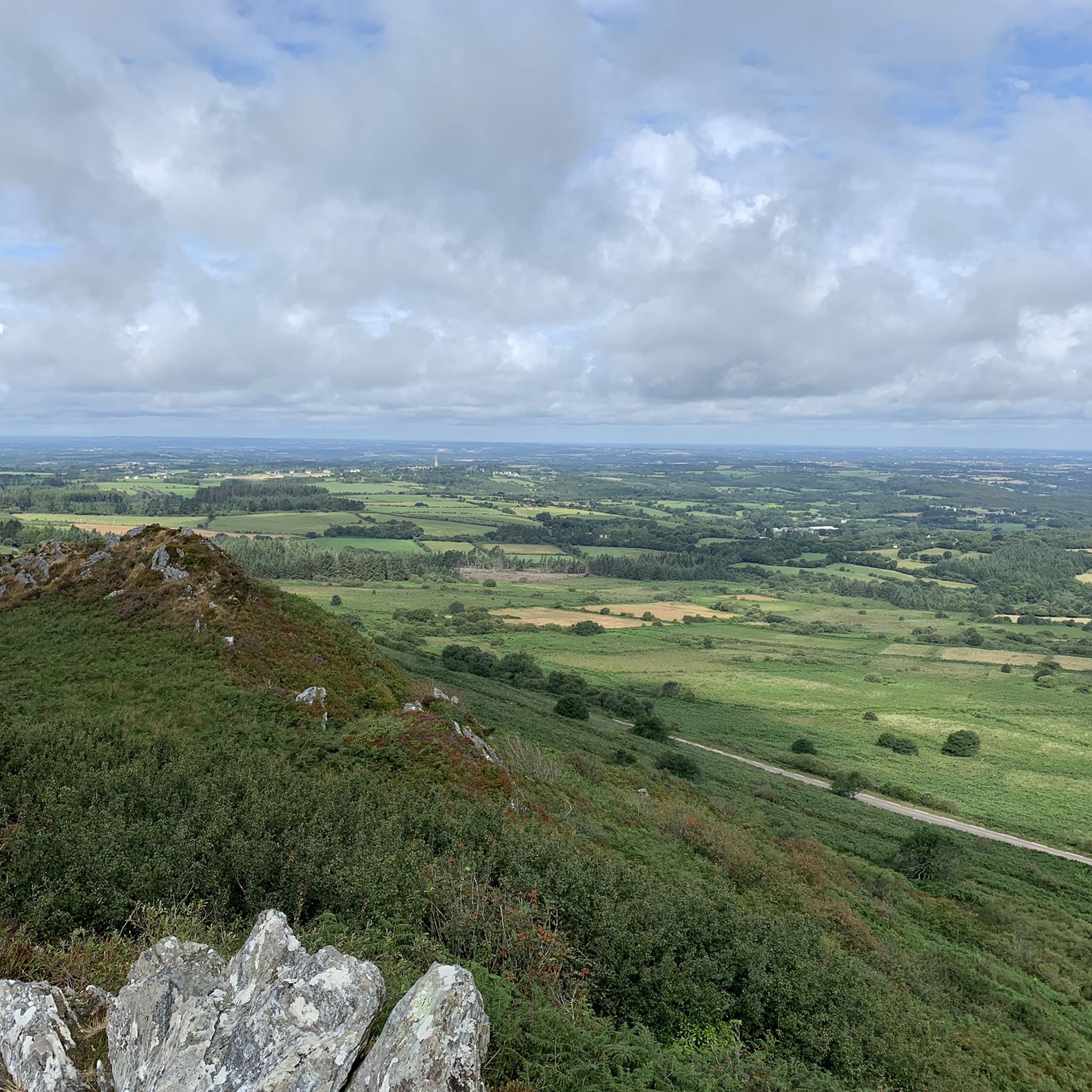
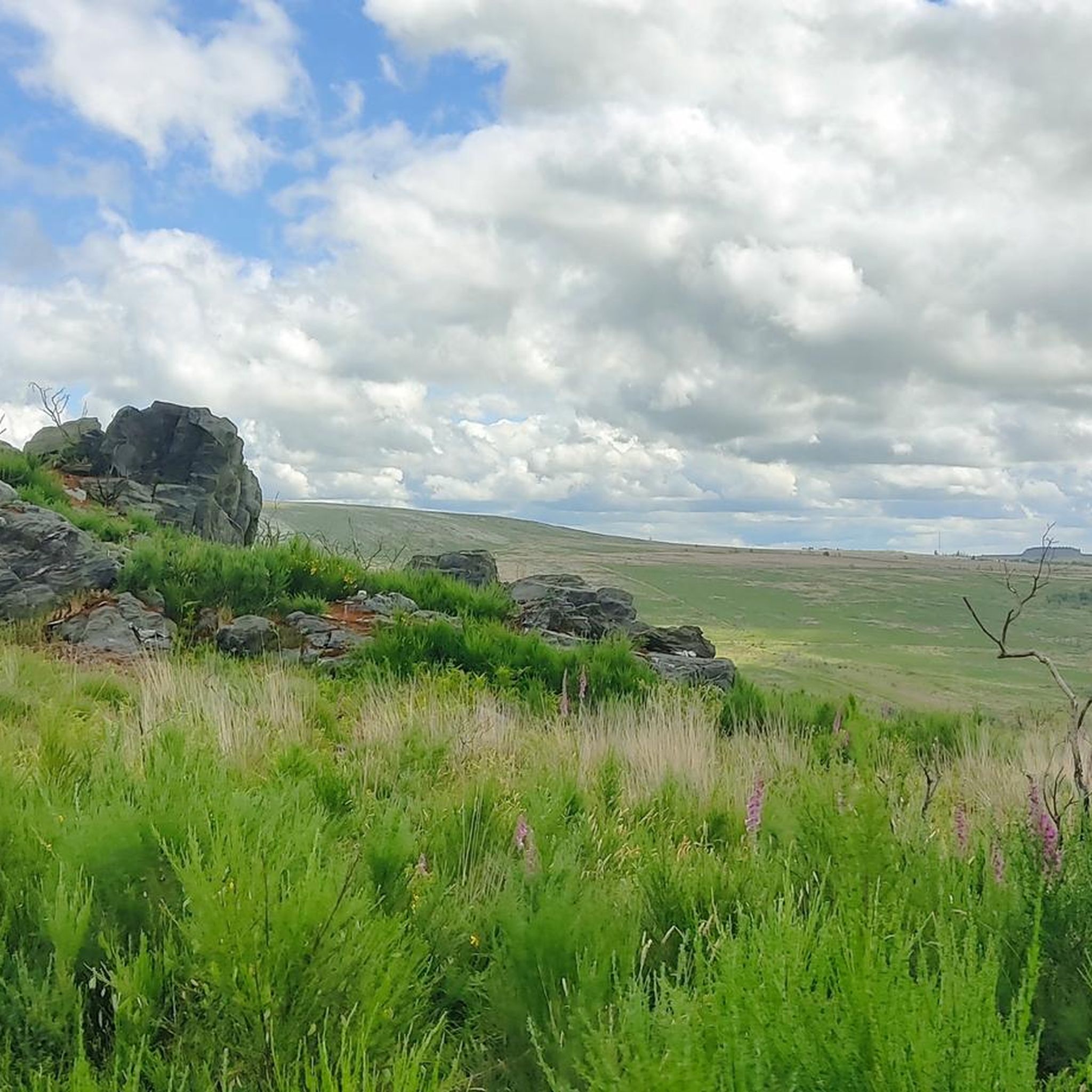
The chapel originally dates back to the 17th century. A visit is definitely worth it – the view is simply fantastic!
0
0

Very beautiful chapel, recently restored after a fire in 2022. The panorama over the entire Monts d'Arrée, the sea and the crests of the Montagnes Noires is magnificent.
2
0

Church of SANT-SERVAIS Impressive ensemble consisting of church, ossuary (now museum) and adjoining triumphal arch. The church also reveals numerous original carpentry works with decorations, such as the theatricality of the interior or the literally fantastic stonework that adorns the façade.
0
0

"Located near Saint-Thégonnec, the Kanndi du Fers walk takes you to discover these typical laundry houses of Léon. Linen thread was bleached there, while everywhere in Brittany and elsewhere, canvas was bleached. This particularity resulted in the construction of specific buildings: the “laundry houses” or kanndi in Breton (from kanna, to whiten, and ti, house). The walk can be done freely. Interpretation panels created by the Au Fil du Queffleuth et de la Penzé association inform you about the canvas history of this area. (Text: https://linchanvrebretagne.org/lin-chanvre-bretagne_a-voir-a-faire_balades-et-randos_kanndi-du-fers.htm)
0
0

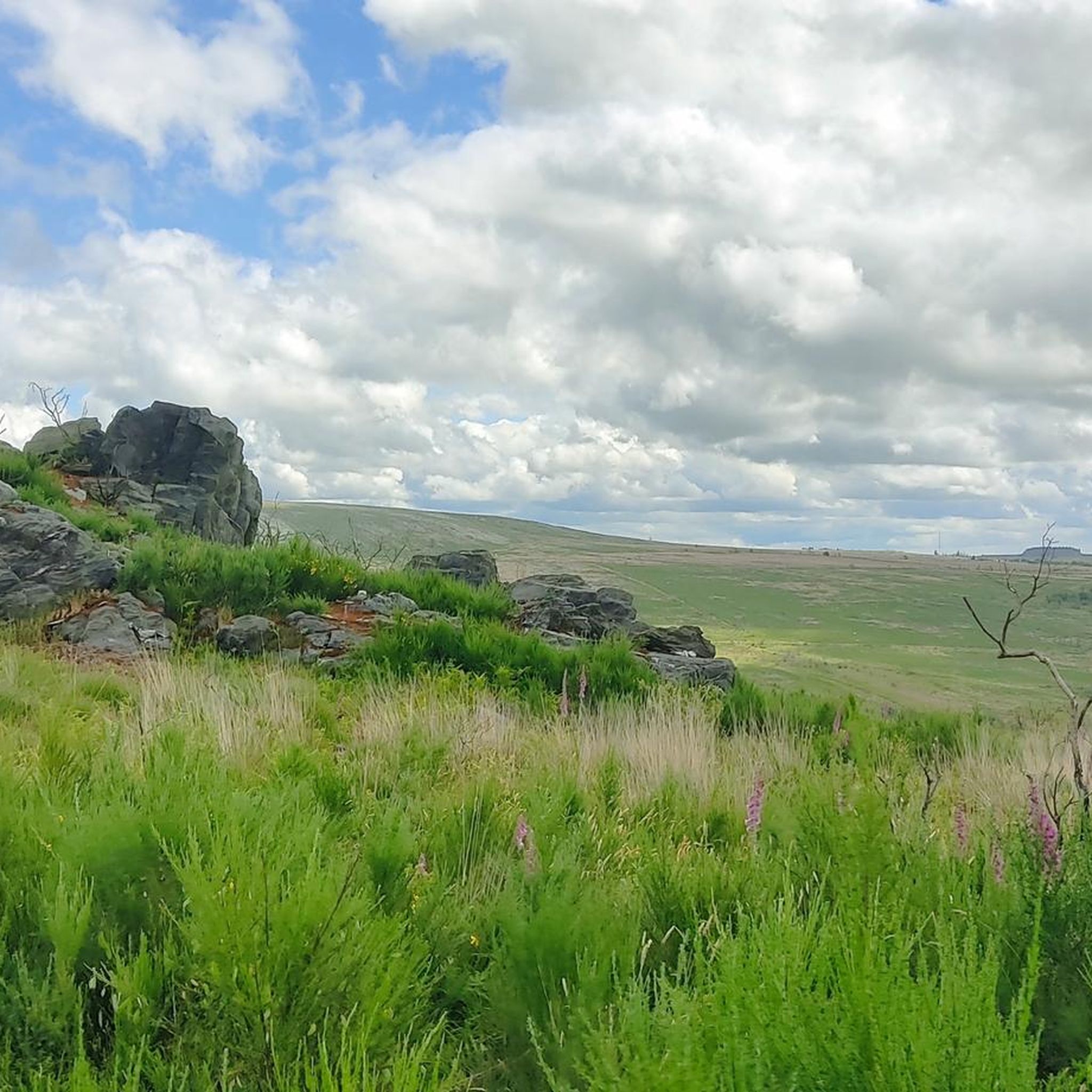
Exceptional views from the summit. You can reach the summit by racing bike, although the last part is a bit gravelly.
0
0

This portal provides information about the historical background of the area which is surrounded by several hiking trails.
0
0

superb building, guided tours possible in July and August
1
0

The architecture of the church is rather sober, but it is rich with altarpieces, altars, statues, stained glass windows, paintings, etc. It contains, among other things, a carved baptistery made of oak from 1675, a pulpit from 1677 and an organ built in 1670 by Jacques Mascard, organ builders at Landerneau, but was rebuilt several times between 1681 and 1683, notably by Thomas Dallam. then remodeled in 1789 by Florentin Grimont and in 1863 by Heyer. Source: https://fr.m.wikipedia.org/wiki/Enclos_paroissial_de_Saint-Th%C3%A9gonnec
0
0
Frequently Asked Questions
What historical and cultural sites can I visit around Commana?
Commana is rich in history and culture. You can explore the Saint-Thégonnec Church, known for its superb religious architecture, pulpit, and organ. Another significant site is the Commana Parish Enclosure, a quintessential example of Breton religious architecture from the late 16th century. Don't miss the Sizun Parish Enclosure, which also features an impressive church, ossuary, and triumphal arch.
Where can I experience the natural beauty of the Monts d'Arrée near Commana?
The Monts d'Arrée offer wild and untamed landscapes. A must-visit is Mont Saint-Michel of Brasparts, one of the peaks in the Arrée mountain range, offering expansive views of the surrounding area, the sea, and the Montagnes Noires. Roc'h Tredudon is another well-known destination within the Monts d'Arrée, ideal for walks and hikes. Commana itself is situated within the Armorique Regional Nature Park, which boasts an exceptional variety of landscapes.
Are there any family-friendly attractions or activities in the Commana area?
Yes, several attractions are suitable for families. The Mont Saint-Michel de Brasparts and its chapel is considered family-friendly and offers a rewarding climb with great views. The Écomusée des Monts d'Arrée, particularly the Moulins de Kerouat, provides an engaging look into traditional Breton life with its water mills, bread ovens, and reconstructed buildings. The Path of Goblins (Le chemin des Korrigans) is also an interpretive trail through the Mougau peat bog, offering an easy and educational discovery experience.
What kind of outdoor activities, like hiking or cycling, are available near Commana?
The Commana area is excellent for outdoor enthusiasts. You can find numerous routes for various activities. For running, explore trails like the 'Saint Michael's chapel loop from Commana' or 'Menez Kador – Mont Saint-Michel of Brasparts loop'. Cyclists can enjoy routes such as 'Sizun Beach – Lac du Drennec loop' or 'Lake Drennec – Lac du Drennec loop'. Road cycling options include the 'Mount Saint-Michel of Brasparts loop from Botmeur'. You can find detailed routes and guides for these activities on the Running Trails around Commana, Cycling around Commana, and Road Cycling Routes around Commana guide pages.
Can I learn about traditional Breton life and heritage in Commana?
Absolutely. The Écomusée des Monts d'Arrée is dedicated to showcasing rural life in the region. It's spread across two sites: Maison Cornec, which highlights traditional Breton life, and Moulins de Kerouat, a village featuring two water mills, bread ovens, a traditional house, and various outbuildings, providing a comprehensive look at historical Breton living. Additionally, the Gateway to the Flax Trail offers insights into the historical linen production of the area.
What unique ancient historical monuments, such as megalithic sites, can I find?
Near Commana, you can visit the Mougau Covered Alley (Allée couverte du Mougau), a significant megalithic tomb dating back to approximately 4000 BC. It measures 14 meters in length and is renowned for its internal ornamentation, including engraved motifs of a mother goddess and ancient weapons. Local folklore refers to it as the 'tomb of giants'.
What do visitors particularly enjoy about the attractions near Commana?
Visitors frequently praise the stunning views and unique atmosphere. For instance, at Mont Saint-Michel of Brasparts, people appreciate the beautiful panorama over the Monts d'Arrée. The Saint-Thégonnec Church surprises visitors with its magnificent interior, especially the pulpit and organ with their intricate gilding and statuary decorations. Many find the area's blend of natural beauty and rich history captivating.
Are there opportunities for water sports or lakeside activities near Commana?
Yes, Lac du Drennec is a hub for outdoor activities. It offers a hiking trail around its perimeter, two beaches for relaxation, and a water sports center where you can rent equipment for activities like sailing or paddleboarding. It's a great spot for enjoying the water in a natural setting.
Is there any information on accessibility for attractions in Commana?
While specific wheelchair accessibility information for all attractions is not extensively detailed, many natural sites in the Monts d'Arrée, such as hiking trails, may present challenges due to varied terrain. For cultural sites like the Écomusée des Monts d'Arrée or the Parish Enclosures, it's advisable to check directly with the venues for specific accessibility details before your visit.
What is the best time of year to visit Commana for sightseeing and outdoor activities?
The best time to visit Commana for sightseeing and outdoor activities is generally during the warmer months, from spring to early autumn (May to October). During this period, the weather is more favorable for hiking, cycling, and exploring the natural landscapes of the Monts d'Arrée and Lac du Drennec. The cultural sites and ecomuseums are also typically open with extended hours, and guided tours may be available.
Can I find any hidden gems or lesser-known spots around Commana?
Beyond the main attractions, consider exploring the Christianized Menhir in the Place du Champ de Foire, a granite stele likely from the second Iron Age. The Manor of Bois de la Roche also has a rich history, with traces of Gallo-Roman and medieval structures. For a unique natural experience, the Path of Goblins offers an interpretive trail through the Mougau peat bog, providing a fun and educational discovery of the local ecosystem.
Most popular routes around Commana
Most popular attractions around Commana

Get inspired with the komoot mobile app


Explore more
Still not found the Highlight you’re looking for? See guides of the top attractions in other regions:
