Attractions and Places To See around Cléder - Top 20
Best attractions and places to see around Cléder include a diverse range of historical sites, natural coastal features, and cultural points of interest. This commune in Finistère, Brittany, France, features a 12 km coastline with sandy beaches, coves, and unique rock formations. Its history is marked by feudal castles, ancient granite quarries, and prehistoric monuments, reflecting a rich heritage. The area also offers insights into local culture through its markets and horticultural traditions.
Best attractions and places to see around Cléder
- The most popular attractions is Roscoff Historic Centre, a historical site and settlement known for its character. It features granite houses from the 16th and 17th centuries.
- Another must-see spot is Saint Paul Aurélien Cathedral, Saint-Pol-de-Léon, a religious building and historical site. This Gothic cathedral, built from the 12th century, features a limestone nave and 50-meter spires.
- Visitors also love Porsmeur Seahorse, a man-made monument. This granite sculpture, created by a local stonemason, stands facing the sea at Pors ar Stréat.
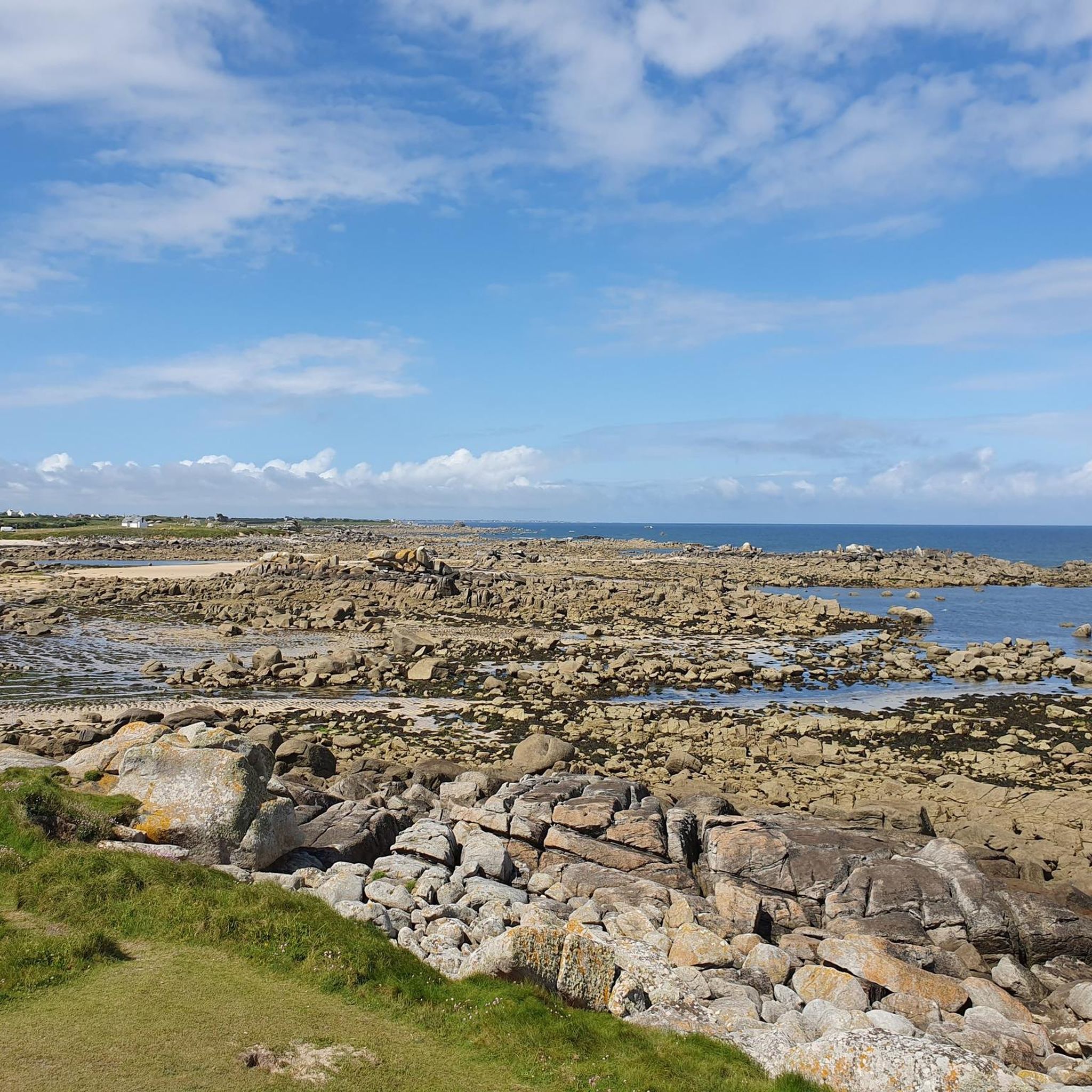
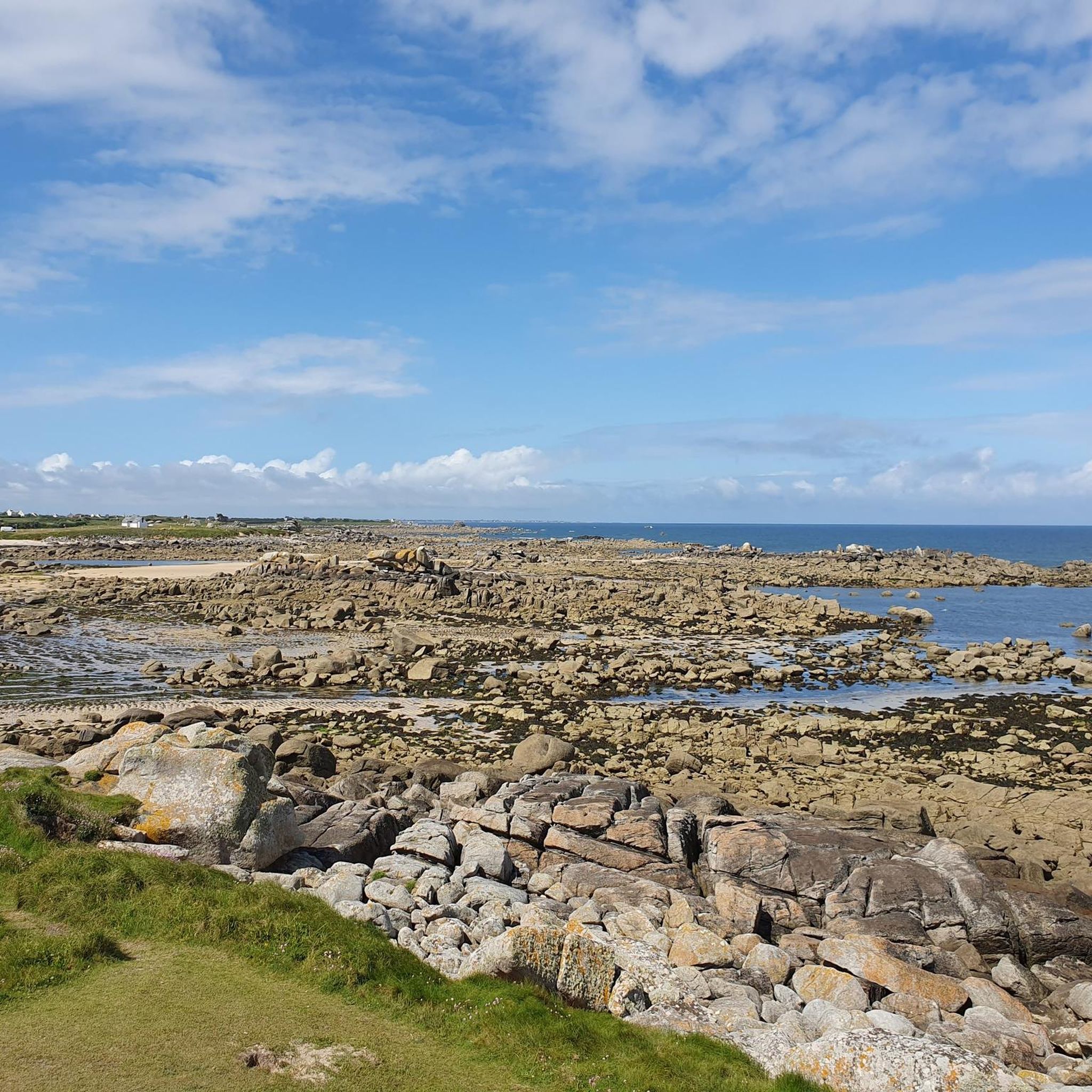
- Cléder is known for its historical landmarks, diverse coastline, and cultural experiences. Visitors can explore ancient castles, unique rock formations, and local markets.
- The attractions around Cléder are appreciated by the komoot community, with more than 280 upvotes and over 50 photos shared.
Last updated: July 6, 2026
Roscoff Historic Centre
Highlight • Historical Site
Translated by Google •
Tip by

Saint Paul Aurélien Cathedral, Saint-Pol-de-Léon
Highlight • Religious Site
Source: fr.m.wikipedia.org/wiki/Cath%C3%A9drale_Saint-Paul-Aur%C3%A9lien_de_Saint-Pol-de-L%C3%A9on
Translated by Google •
Tip by

Sign up now to discover places like this
Get recommendations on the best single tracks, peaks, & plenty of other exciting outdoor places.
Sign up for free
Old Town, Roscoff
Highlight • Settlement
Translated by Google •
Tip by

Porsmeur Seahorse
Highlight • Monument
Translated by Google •
Tip by

Church of Our Lady of Croas-Batz
Highlight • Religious Site
The Renaissance bell tower dates from 1575-1576, it is made up of pinnacles chiseled in the granite. The facades of the church are punctuated with stone caravels and 18 figured crossettes, men and beasts.
The first ossuary was built in the 16th century to cope with the shortage of space in the cemetery surrounding the church. The second ossuary dates from the 17th century.
Translated by Google •
Tip by
Sign up for free to discover even more attractions around Cléder.
Sign up for free
Already have an account?
Start today with a free account
Your next adventure awaits.
Login or Signup
Tips from the Community


The church in Roscoff has a distinct architecture, and is beautiful and tranquil inside. Why not spend a few minutes of calmness there, and give thanks before carrying on your bike ride.
0
0

Built on the remains of a Romanesque cathedral from the 11th century, the Gothic cathedral of Saint-Paul-Aurélien, a minor basilica known as the Annunciation, has a remarkable nave from the 12th century in Caen limestone, a complex almost unique in Brittany, and a choir in granite from the 15th century.
0
0

A pretty old town with lots of Breton charm, highly recommended.
0
0

Largest religious building in Saint Pol de Léon
0
0

2 fabulously beautiful churches to see
0
0

Very beautiful and well-kept city with many sights. Good selection of restaurants and shops. There weren't too many tourists in May; it's probably much busier in summer.
1
0
Frequently Asked Questions
What historical sites can I explore around Cléder?
Cléder and its surroundings are rich in history. You can visit the enchanting feudal Château de Kermenguy, dating back to 1425, or the elegant Manoir de Tronjoly. Don't miss the prehistoric Gaulish Steles and a Neolithic Menhir at Kergallec, or the remnants of Cléder's granite industry in the ancient quarries along the coast. Further afield, explore the Roscoff Historic Centre with its 16th and 17th-century granite houses, or the impressive Saint Paul Aurélien Cathedral in Saint-Pol-de-Léon.
Are there any unique natural features or viewpoints along the Cléder coast?
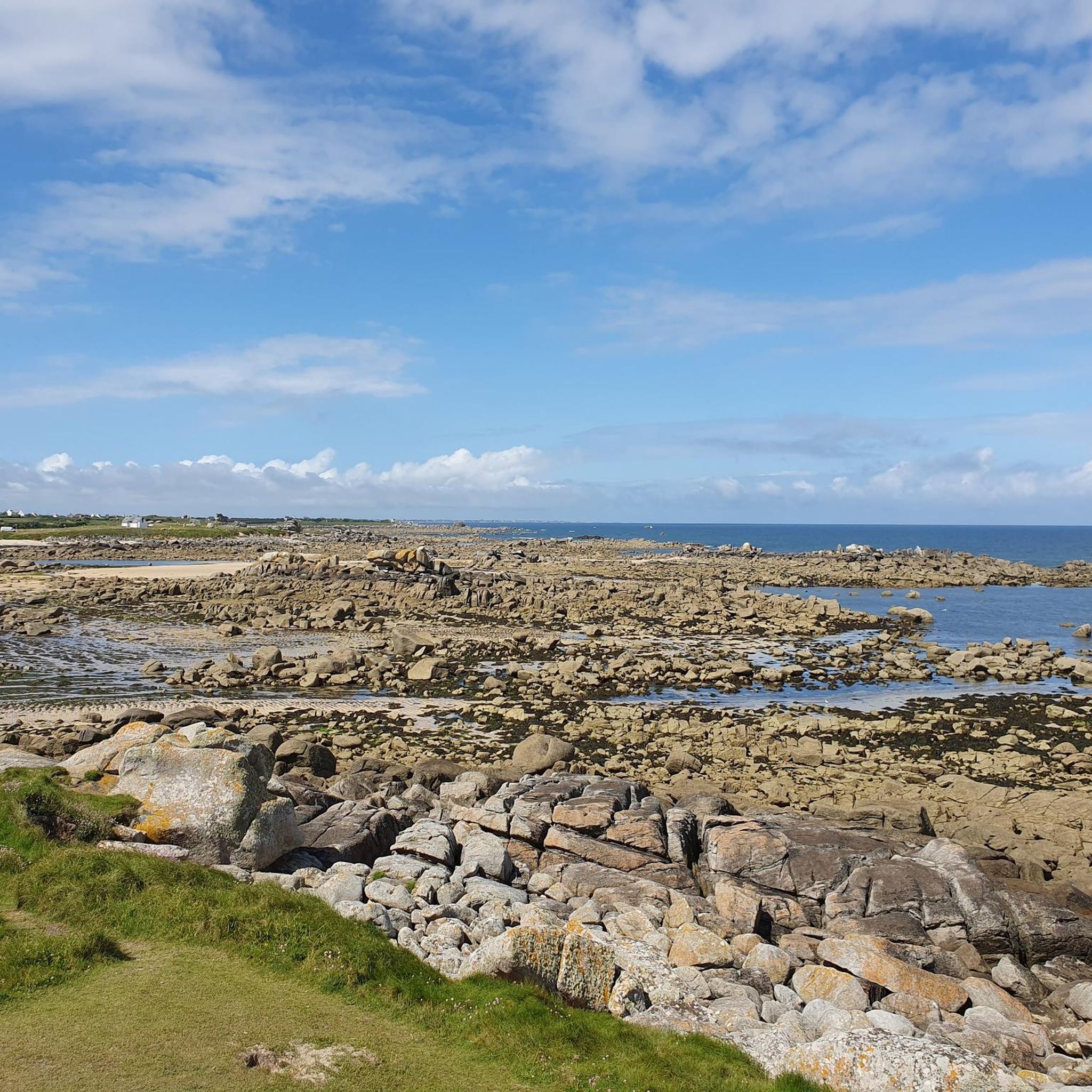
Absolutely! The 12 km Cléder coastline, known as the Côte des Sables, features stunning rock formations, some with whimsical names like Roc'h Arz, La Sorcière (The Witch), and Le Singe (The Monkey). For panoramic views of the entire coastline, head to the Pointe de Theven Braz, a long promontory extending into the sea.
What kind of beaches can I find near Cléder?
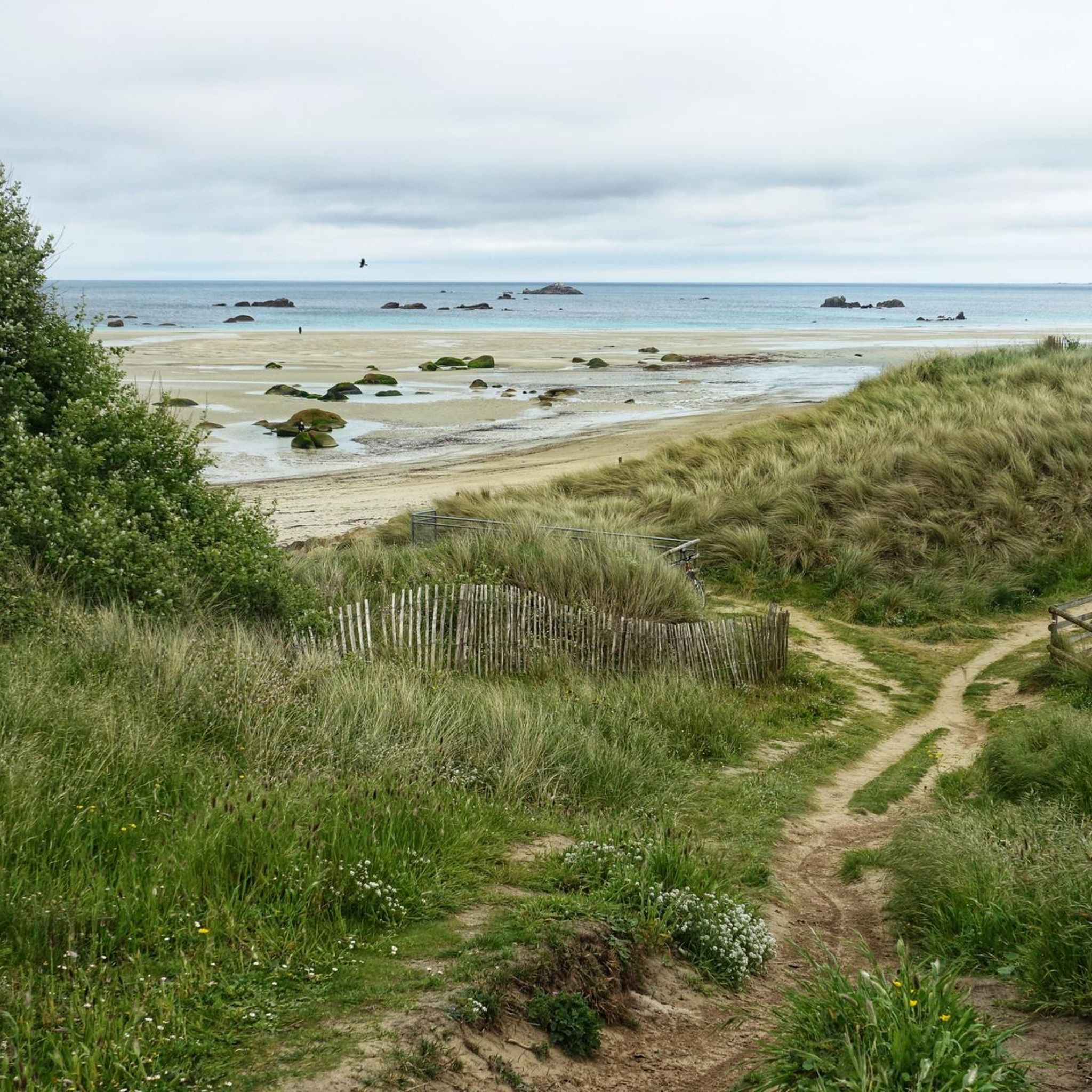
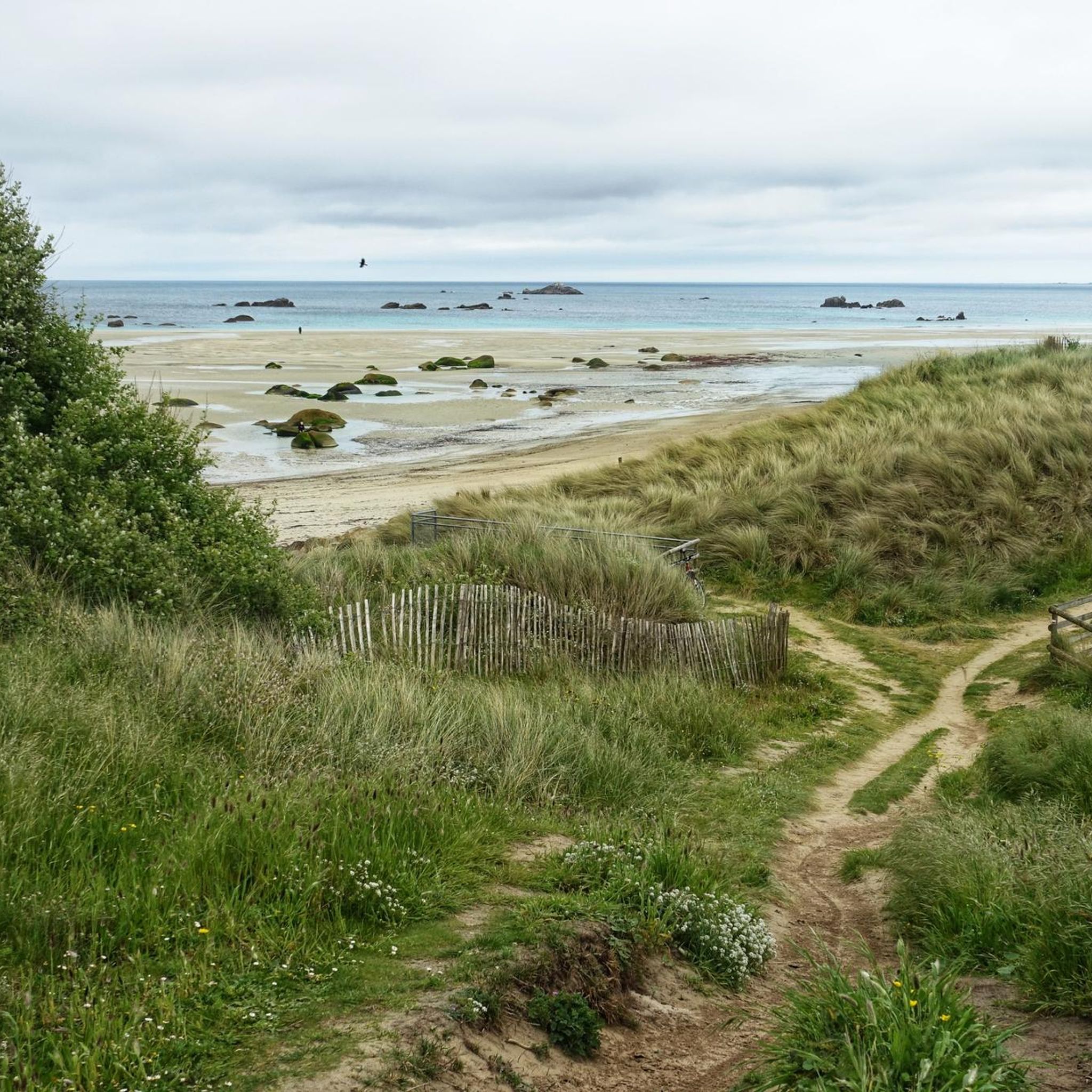
Cléder boasts a variety of fine sandy beaches and coves. The Plage des Amiets is a long, white sandy beach bordered by dunes, perfect for sunbathing and swimming. At low tide, it even has a shallow pool safe for children. The Cléder coastline also offers numerous protected dunes and picturesque coves like the tranquil Ria de Port Neuf.
What outdoor activities can I do near these attractions?
The area around Cléder is excellent for outdoor activities. You can enjoy hiking along scenic coastal paths, including sections of the GR34. For more structured routes, explore the hiking trails around Cléder, with options like the moderate "Port of Poulennou – Great rock loop." There are also running trails and MTB trails available for various skill levels, such as the "Porsguen Beach – Porsmeur Beach loop" for an easy MTB ride.
Are there family-friendly attractions around Cléder?
Yes, several attractions are suitable for families. The Roscoff Historic Centre and Saint Paul Aurélien Cathedral are listed as family-friendly historical sites. The Porsmeur Seahorse, a granite sculpture facing the sea, is a fun landmark for children. Additionally, the Plage des Amiets offers a supervised beach with a shallow pool at low tide, ideal for families.
What cultural experiences can I have in Cléder?
Immerse yourself in local culture by visiting the bustling farmer's markets, where you can find fresh fish, seasonal seafood, and artisanal products. Cléder is also known for its horticulture, particularly hydrangeas and camellias, and the artichoke is a significant local crop. You can also explore the local art scene at Le Hangar or delve into Brittany's maritime history at the Maritime Museum.
What is the best time to visit Cléder for outdoor activities and sightseeing?
Cléder benefits from a mild climate, making it pleasant for visits throughout much of the year. For nautical activities and enjoying the beaches, the summer months are ideal. The mild climate also supports the region's horticulture, making spring and early summer beautiful times to see hydrangeas and camellias in bloom. Coastal paths are enjoyable in spring, summer, and autumn.
Are there any accessible attractions in Cléder for visitors with reduced mobility?
Yes, the Plage des Amiets is noted for being accessible to people with reduced mobility, offering a beautiful natural setting for everyone to enjoy.
Where can I see ancient religious monuments in Cléder?
Cléder is home to approximately forty religious crosses and calvaries, many uniquely oriented towards the west. These served as markers for pilgrims and travelers. You can also visit the Ossuary at Notre-Dame-de-Croaz-Batz church in nearby Roscoff, which includes Gothic and Henry II style ossuaries and a funerary monument.
What are some lesser-known historical points of interest in the area?
Beyond the main castles, you can discover the ruins of Château de Kergounadeac'h, a 17th-century castle. Along the coast, look for the 18th-century Guardhouses (Corps de Garde), remnants of Vauban's coastal defense system, and even "Rommel's Asparagus," anti-landing obstacles from World War II, offering a glimpse into different historical periods.
What do visitors enjoy most about the attractions around Cléder?
Visitors particularly appreciate the diverse range of experiences, from exploring ancient castles and unique rock formations to enjoying the beautiful sandy beaches and local markets. The historical landmarks, varied coastline, and cultural insights into Cléder's heritage are frequently highlighted by the komoot community, with many upvotes and shared photos.
Most popular attractions around Cléder

Get inspired with the komoot mobile app


Explore more
Still not found the Highlight you’re looking for? See guides of the top attractions in other regions:
