Attractions and Places To See around Pluzunet - Top 20
Attractions and places to see around Pluzunet include a blend of historical landmarks and access to significant natural beauty in the Côtes-d'Armor department of Brittany, France. The area's ancient origins are evidenced by archaeological vestiges indicating Celtic and Gallo-Roman occupation. Pluzunet is situated near the Pink Granite Coast and the Léguer river, offering diverse landscapes. The region provides a gateway to Brittany's rich cultural heritage and natural features.
Best attractions and places to see around Pluzunet
- The most popular attractions is Tonquédec Castle, a castle that dramatically overlooks the Léguer river from its strategic rocky outcrop. It serves as a testament to the region's local history and its ties to the Dukes of Brittany.
- Another must-see spot is Lannion, a historical settlement. This town is rich in history, featuring the Brélévenez stairs and its 12th-century church, with streets lined with half-timbered houses.
- Visitors also love Saint-Jean-du-Baly Church, a religious building with elements from the early 16th and 17th centuries. Its tower, begun in 1519, was completed in 1548.
- Pluzunet is known for its historical sites, religious buildings, and natural features. The area offers a variety of attractions to see and explore, from ancient castles to charming towns and significant natural landscapes.
- The attractions around Pluzunet are appreciated by the komoot community, with 188 upvotes and 126 photos shared by visitors.
Last updated: July 15, 2026
Lannion
Highlight • Settlement
Translated by Google •
Tip by

Tonquédec Castle
Highlight • Castle
Translated by Google •
Tip by

Sign up now to discover places like this
Get recommendations on the best single tracks, peaks, & plenty of other exciting outdoor places.
Sign up for free
Le Léguer, Lannion
Highlight • River
From the banks of the Léguer in Lannion, you can see the leisure center, the former Saint-Anne convent and the park of the same name.
Translated by Google •
Tip by

Saint-Jean-du-Baly Church
Highlight • Religious Site
Translated by Google •
Tip by

Langonaval Manor
Highlight • Historical Site
arssat.info/conferences-and-visites/le-manoir-de-langonaval-a-lannion
Translated by Google •
Tip by
Sign up for free to discover even more attractions around Pluzunet.
Sign up for free
Already have an account?
Start today with a free account
Your next adventure awaits.
Login or Signup

Other adventures around Pluzunet

Tips from the Community


A medieval fortress originally built in the 12th century and reconstructed multiple times throughout its turbulent history. The castle was demolished in 1395 by the Duke of Brittany due to its owner's rebellion, then rebuilt in 1406, and partially dismantled again in 1626 on Richelieu's orders after another conspiracy. The fortress features impressive defensive architecture including a barbican, gatehouse with 6-8 meter thick walls, and two major towers - the Tour de Rougé and Tour d'Acigné - both over 20 meters high.
2
0
Originally built in the 14th century with subsequent modifications during the 15th and 16th centuries. The building has been recognized as a historic monument since 1907, highlighting its architectural and cultural significance. The church houses a 17th-century pulpit that is also classified as a historic monument object.
1
0


The wooden ceiling with the cross beams is particularly noteworthy in this church. It is very beautiful, partly painted. The baptismal font has a lid in the shape of a scallop shell, which could refer to the Way of St. James. As a whole, it seems wider than it is tall and therefore different from many cathedrals we have seen.
0
0

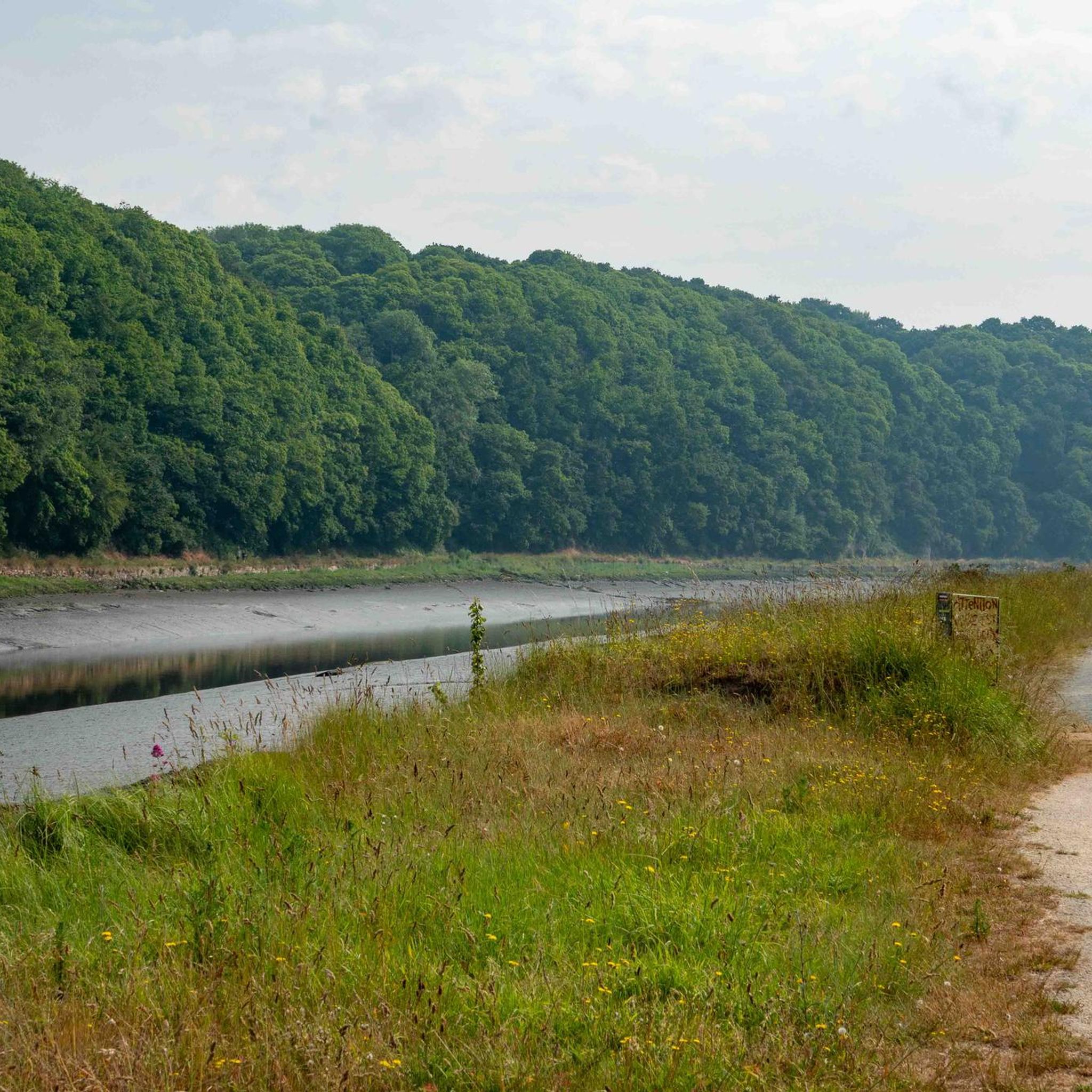
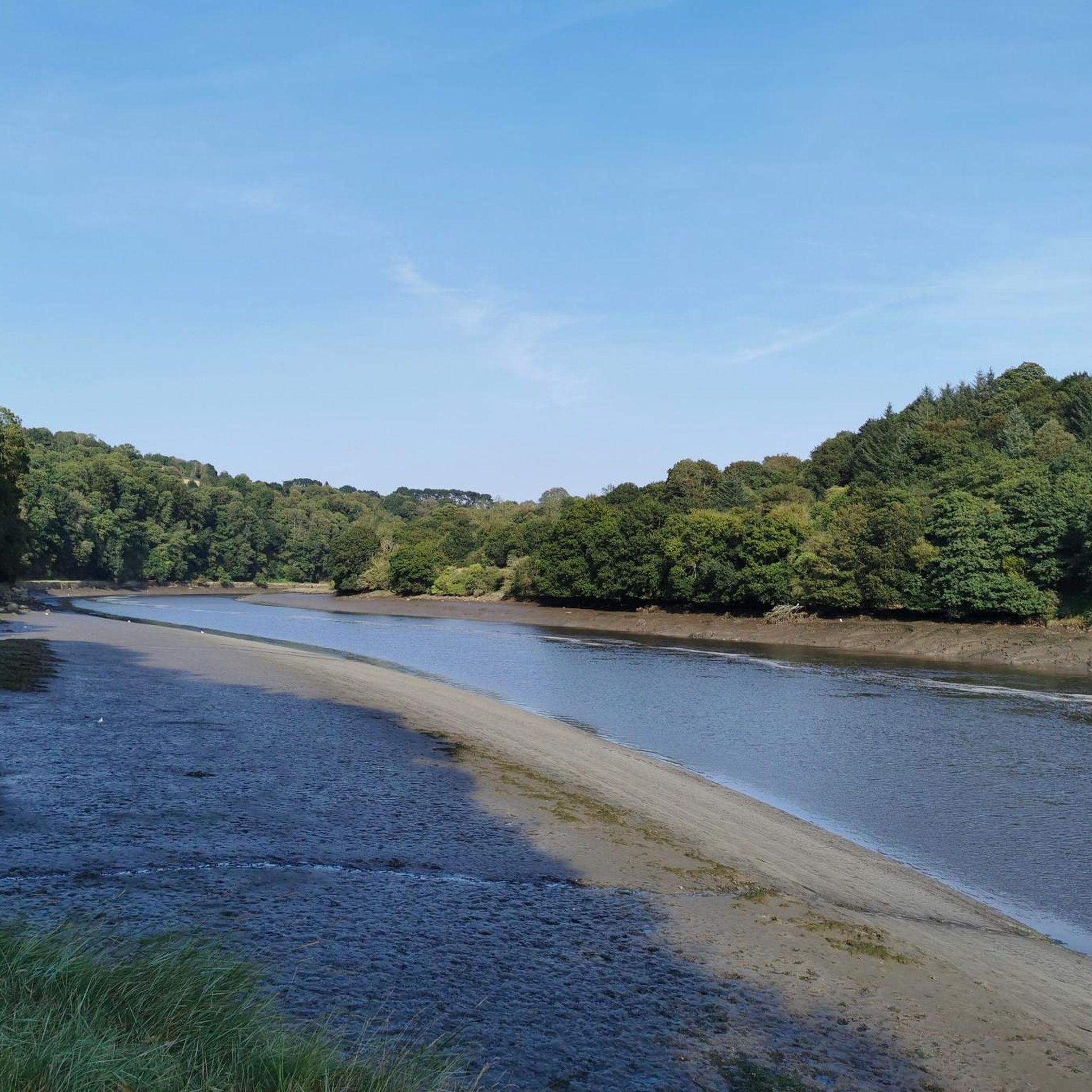
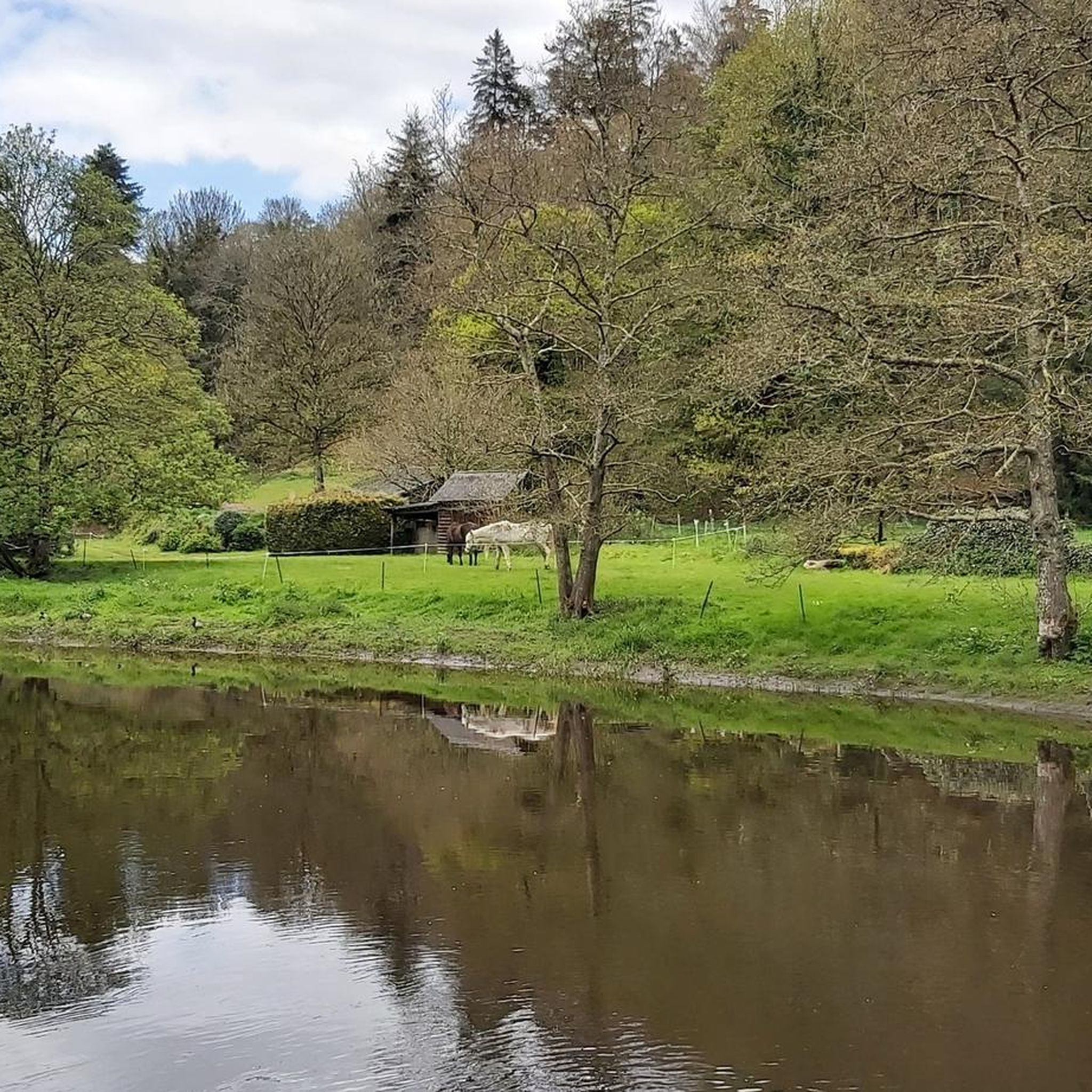
The Léguer is a 59 kilometer river. It only crosses two towns, including Lannion. Populated by Atlantic salmon, European otters and many other species, it is labeled “Site Rivières Sauvages”. It is therefore a vein of blue gold which crosses the beautiful town of Lannion. It takes its source at a place called “Pen Léguer” and flows into the sea at the Bay of Lannion. From the banks of the Léguer in Lannion, you can see the leisure center, the former Saint-Anne convent and the park of the same name.
1
0

Lannion maintains an undeniable Breton charm. Between its opulent residences dating from the 15th and 16th centuries, numerous shops enliven the medieval-style streets. Place Général-Leclerc, the churches of Brélévenez and Saint-Jean-du-Baly contribute to the preservation of its rich heritage. When the tide is high, climb on the bridge to capture the moment, you will take beautiful photographs. The city has many amenities. For itinerants of the GR 34 (customs officers' trail), the town is a must. You can rest there and replenish your supplies. Note that daily trains run between Lannion and Guingamp, served by the Brest-Rennes axis.
0
0
Frequently Asked Questions
What historical sites can I explore around Pluzunet?
The region is rich in history. You can visit Tonquédec Castle, a medieval fortress dramatically overlooking the Léguer river. Another significant site is Saint-Jean-du-Baly Church, featuring elements from the early 16th and 17th centuries. Don't miss Langonaval Manor, a rural manor built around the mid-15th century, or the historic Saint-Pierre Church, mentioned as a parish church as early as 1369.
Are there natural attractions or scenic viewpoints near Pluzunet?
Yes, Pluzunet is a gateway to stunning natural beauty. The famous Côte de Granit Rose (Pink Granite Coast) with its unique rock formations is nearby. The Léguer River, noted as Brittany's only 'Wild Rivers Site,' flows through a wooded valley. For panoramic views, climb the Brélévenez stairs in Lannion, or enjoy the strategic position of Tonquédec Castle overlooking the river.
What kind of outdoor activities can I do near Pluzunet's attractions?
The area is excellent for outdoor enthusiasts. You can find numerous routes for cycling, running, and mountain biking. For example, there are challenging cycling routes like the "Tonquédec Castle – ASPAS reserve loop" or moderate MTB trails such as the "Saint-Pierre Church loop from Bégard." Explore these and more on the dedicated guides for Cycling around Pluzunet, Running Trails around Pluzunet, and MTB Trails around Pluzunet.
Are there family-friendly attractions around Pluzunet?
Absolutely. Lannion is considered family-friendly, offering historical streets and cultural events. The Saint-Jean-du-Baly Church is also a suitable visit for families. The natural areas like the Léguer River valley or the nearby Forêt de Beffou provide opportunities for family walks and exploration.
What cultural experiences can I find in the Pluzunet area?
Beyond historical buildings, you can experience local culture in Lannion, where summer evenings feature Breton dance events. The Peacefull little alley in Lannion transforms into an open-air art studio during July and August, showcasing local artists. You can also learn about local heritage at the Monument March'arit Fulup, honoring a renowned Breton storyteller.
What is the best time to visit Pluzunet for outdoor activities and sightseeing?
The region is enjoyable throughout the warmer months. Summer offers pleasant weather for exploring the Pink Granite Coast and participating in outdoor activities. Lannion also hosts Breton dance events on Friday summer evenings, adding a cultural highlight to your visit.
Are there any hidden gems or less-known spots worth exploring in Pluzunet?
Yes, beyond the main attractions, consider visiting the Chapel du Loc, built in 1764, or the Chapel Saint-Idunet, which replaced an older structure in 1895. The Peacefull little alley in Lannion, with its weekly art studio during summer, offers a unique and charming experience away from the usual tourist paths.
What do visitors enjoy most about the attractions around Pluzunet?
Visitors particularly appreciate the blend of rich history and natural beauty. The dramatic setting of Tonquédec Castle and the historical charm of Lannion with its half-timbered houses are frequently highlighted. Many also enjoy the peaceful atmosphere and the opportunity to discover local culture and art, such as in the Peacefull little alley.
Can I find easy walking trails suitable for beginners or families near Pluzunet?
While many routes offer moderate to difficult challenges, there are options for easier walks. The Forêt de Beffou, for instance, offers various hiking paths. For specific easy trails, you can check the Running Trails around Pluzunet guide, which includes some moderate options like the "Vallée du Ru loop from Cavan" that might be suitable for a leisurely pace.
What is the significance of the Léguer River in the Pluzunet area?
The Léguer River is a significant natural feature, recognized as the only river labeled 'Wild Rivers Site' in Brittany. It flows through a picturesque wooded valley, characterized by granite boulders, and serves as an important habitat for wildlife, including salmon and otters. Its banks offer beautiful opportunities for walks and enjoying nature.
Are there any notable religious buildings to visit?
Yes, the area features several historical religious sites. The Saint-Jean-du-Baly Church, with its 16th and 17th-century elements, is a prominent example. Other significant churches include the Saint-Pierre Church, dating back to 1369, and the charming Chapels du Loc and Saint-Idunet, each with their own unique history and local importance.
Most popular routes around Pluzunet

Get inspired with the komoot mobile app


Explore more
Still not found the Highlight you’re looking for? See guides of the top attractions in other regions:
