Attractions and Places To See around Quéménéven - Top 20
Best attractions and places to see around Quéménéven, a rural commune in the Finistère department of Brittany, France, offers a blend of historical architecture, cultural traditions, and access to natural beauty. The area serves as a gateway to the broader Cornouaille region and is located near the Bay of Douarnenez and the Armorique Regional Park. Its landscape includes the highest point at Locronan Mountain and is traversed by the River Steir. This region provides a quiet, rural experience with deep…
Last updated: July 6, 2026
Locronan
Highlight • Settlement
Translated by Google •
Tip by

Saint Ronan's Church (Église Saint-Ronan), Locronan
Highlight • Religious Site
Translated by Google •
Tip by

Sign up now to discover places like this
Get recommendations on the best single tracks, peaks, & plenty of other exciting outdoor places.
Sign up for free
Saint-Nicolas Church Port-Launay
Highlight • Other
Translated by Google •
Tip by

Châteaulin church
Highlight • Other
The church was completely rebuilt in 1869 in the neo-Gothic style on the site of the former priory church. The only visible vestige of the priory is …
Translated by Google •
Tip by

Old railroad Douarnenez - Guengat
Highlight • Trail
Translated by Google •
Tip by

Sign up for free to discover even more attractions around Quéménéven.
Sign up for free
Already have an account?
Start today with a free account
Your next adventure awaits.
Login or Signup
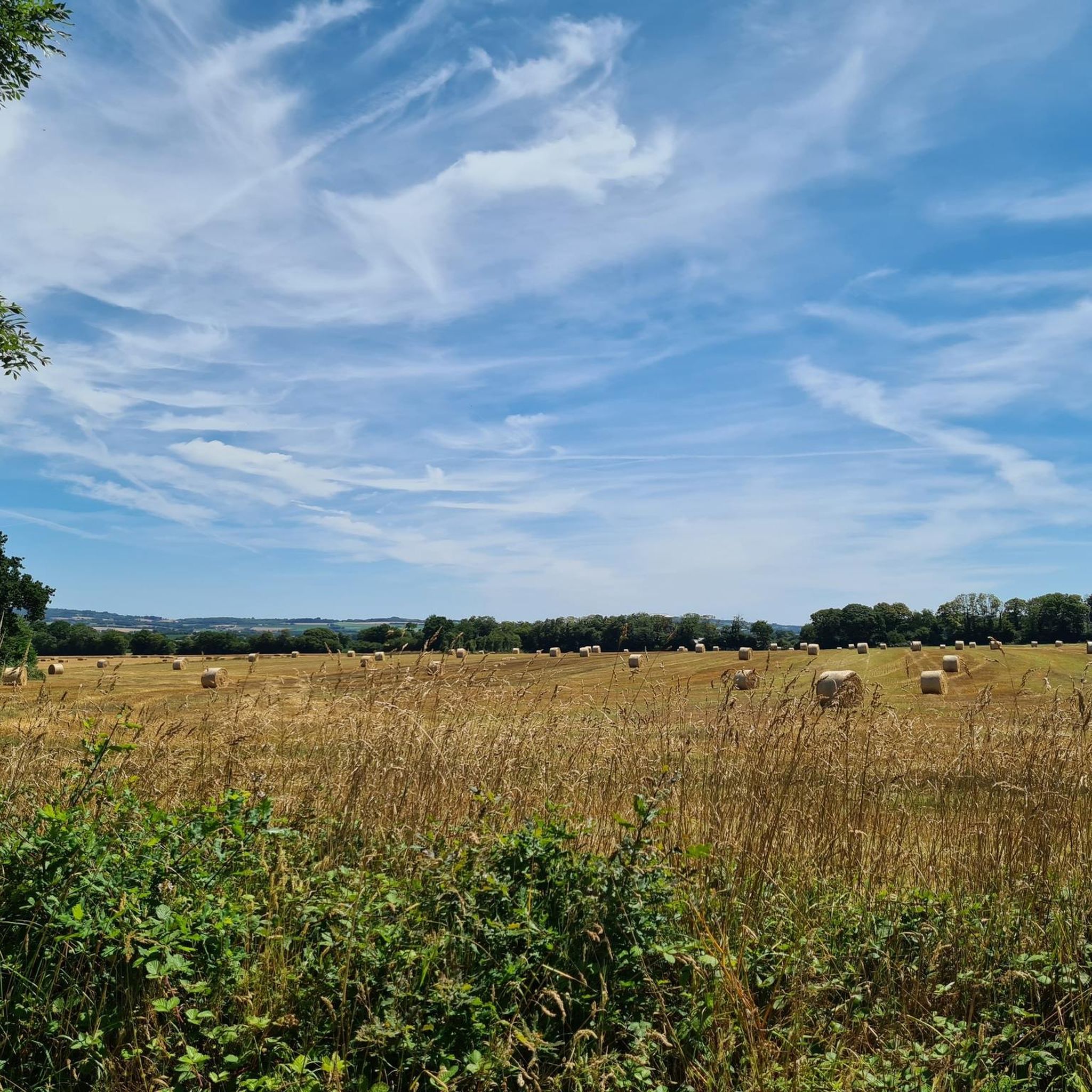
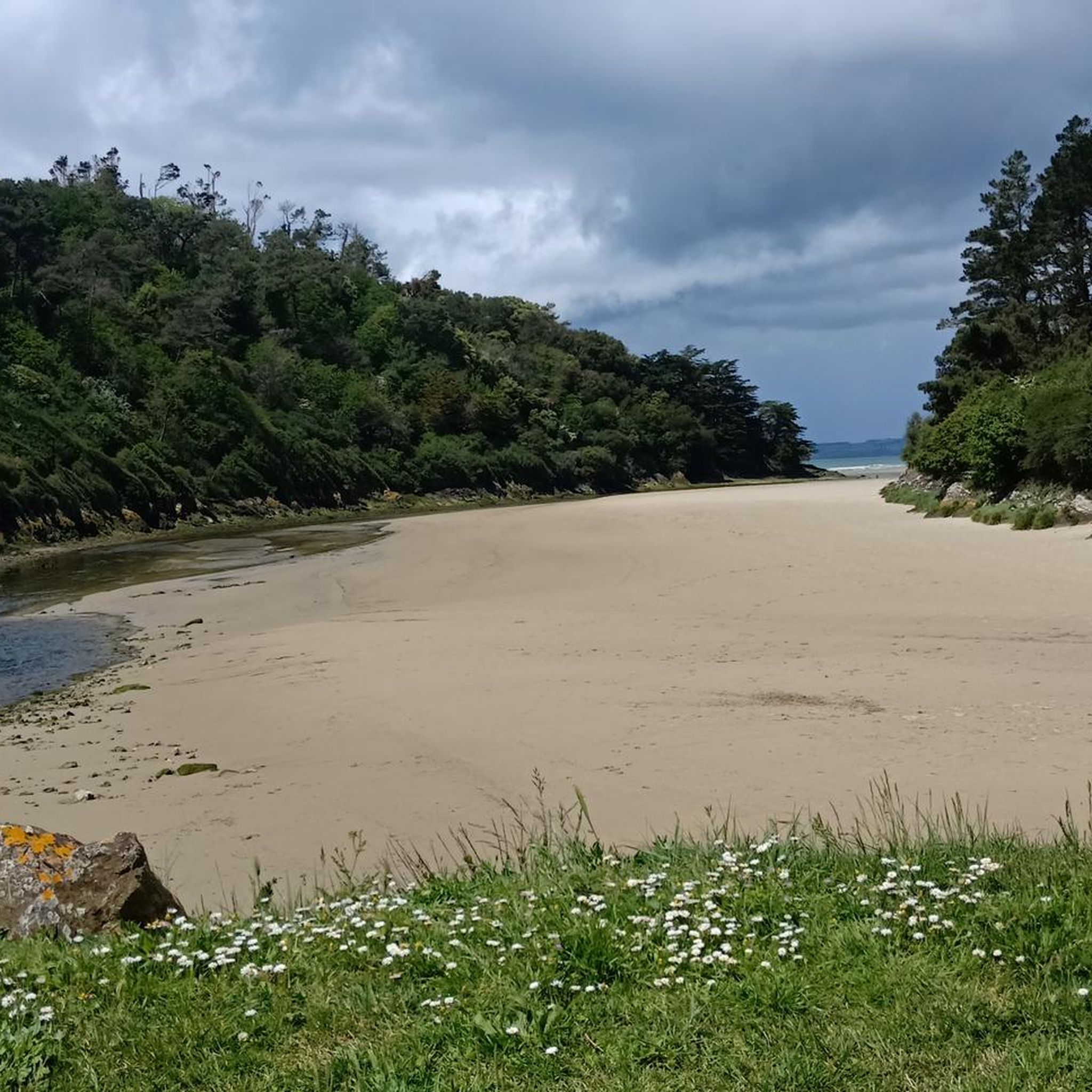
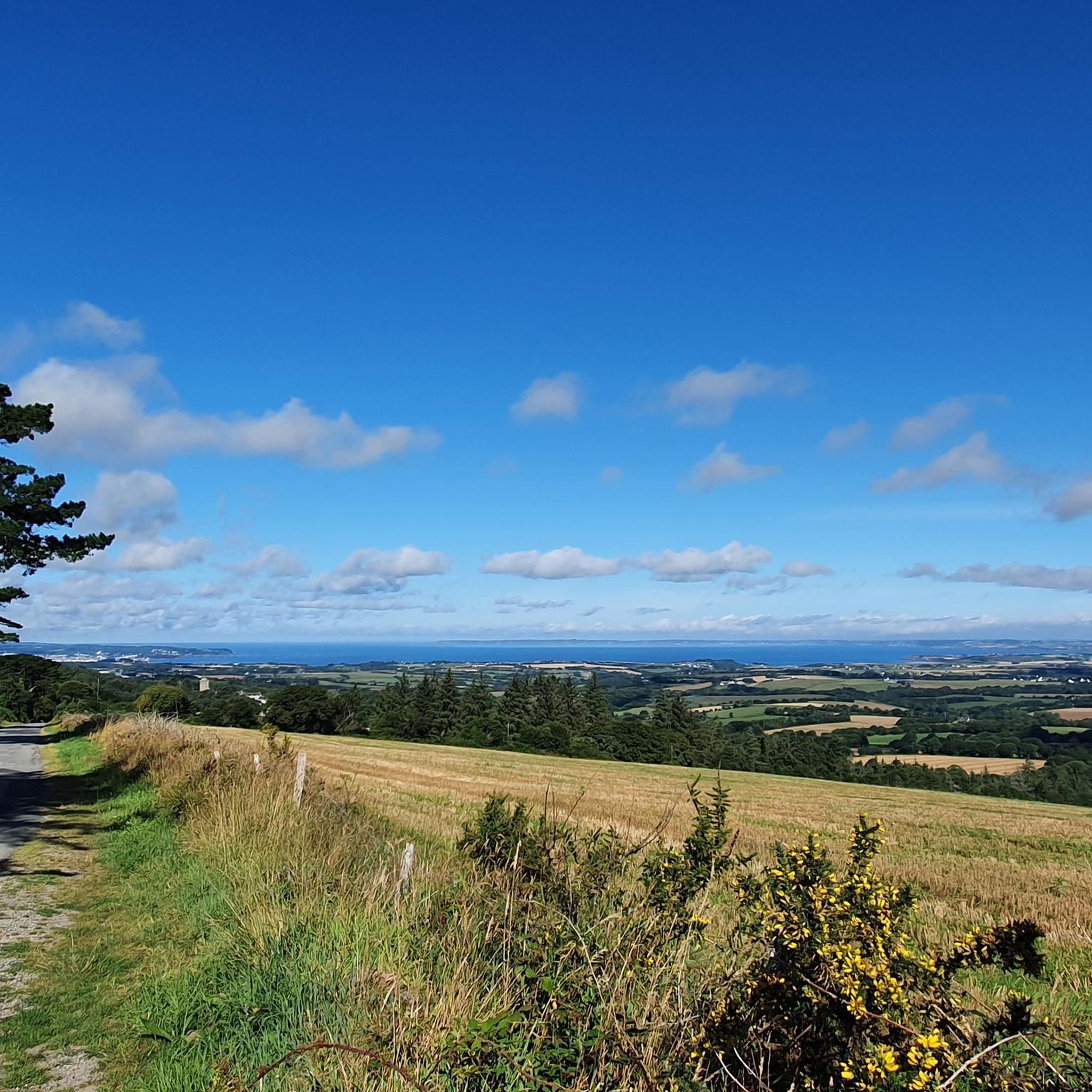
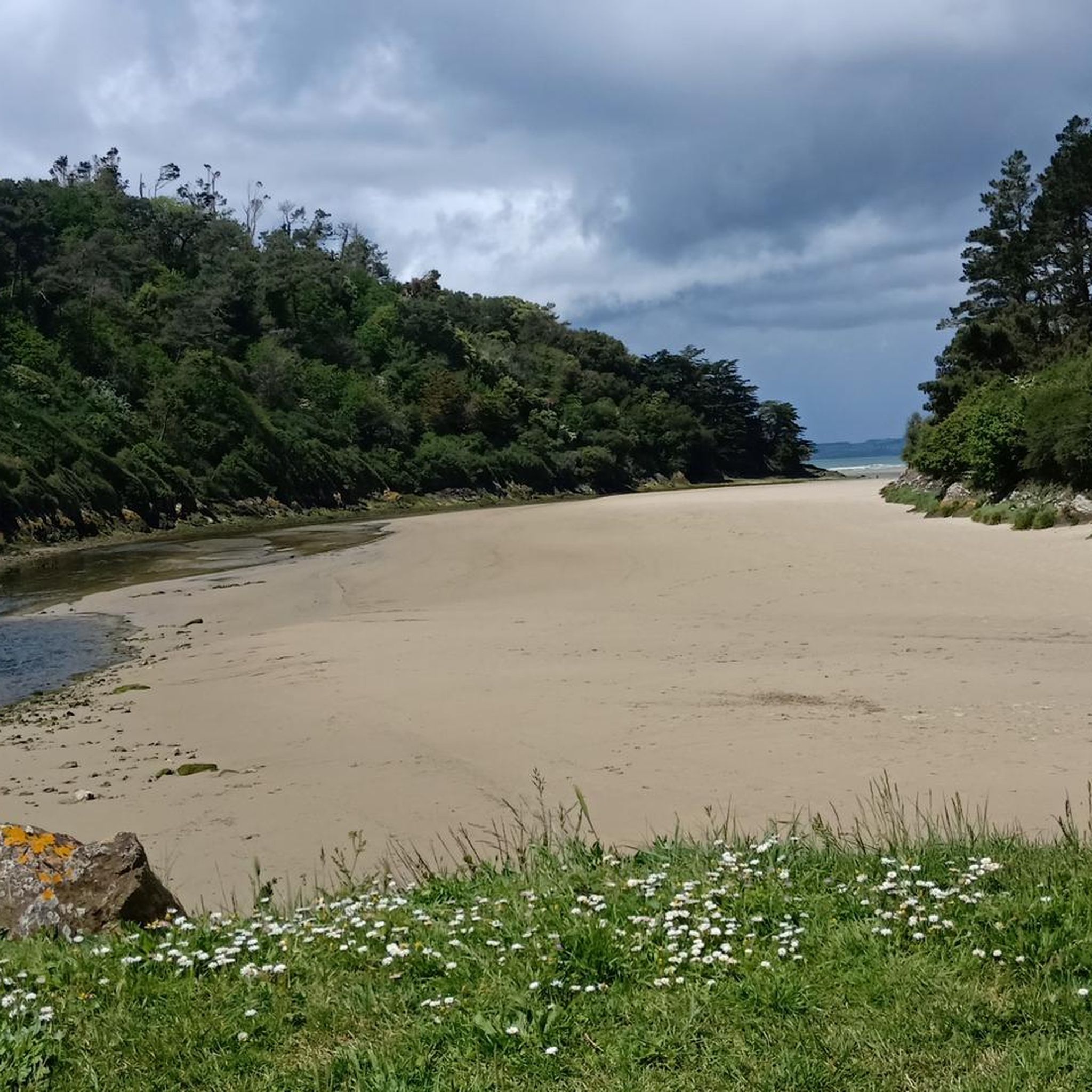
Tips from the Community

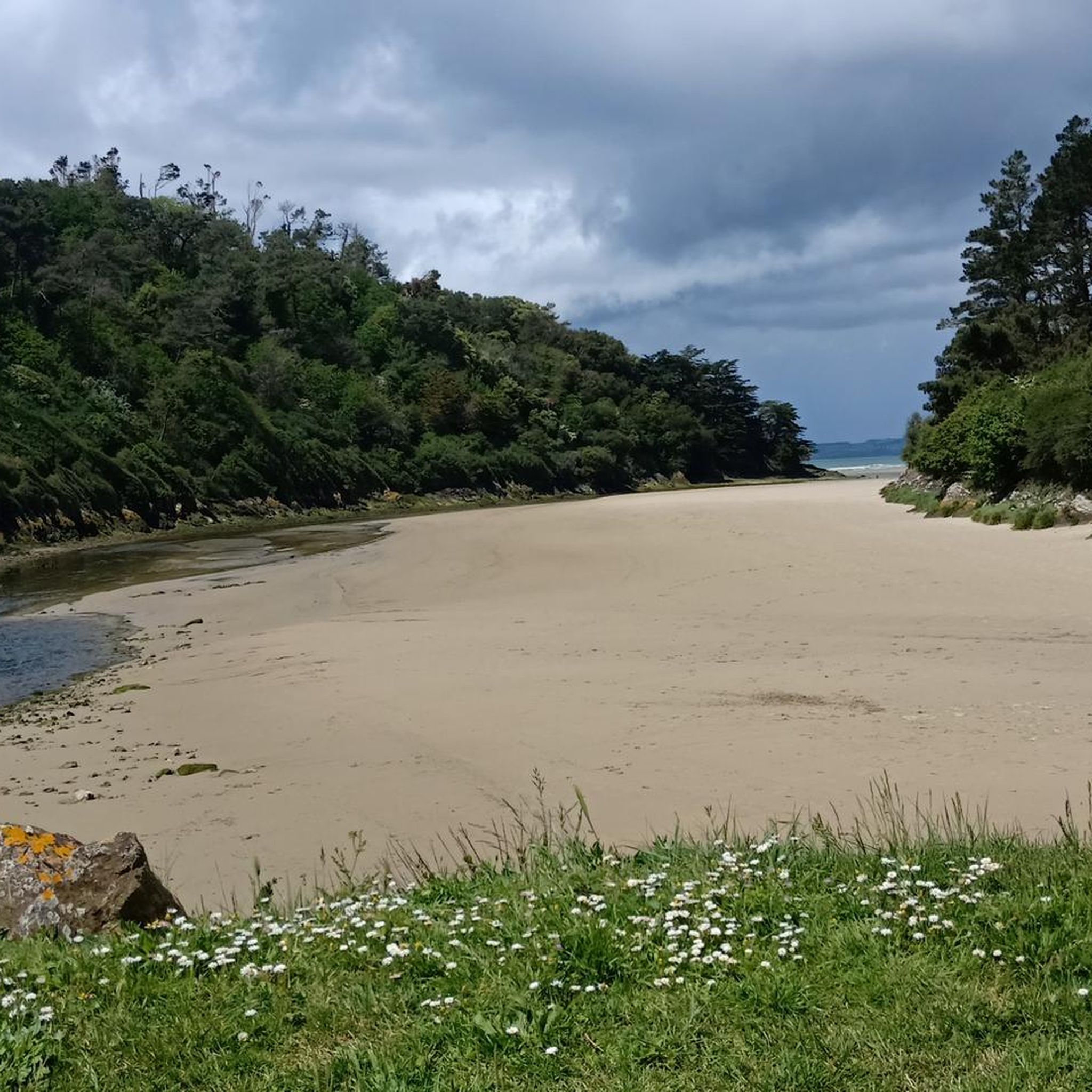
Bad condition, little gravel, more stones, you (and your bike) get shaken up quite a bit. Shady though.
0
0

The church is very beautiful, especially its stained glass windows are magnificent.
0
0
You can throw a coin in and make a wish 😉
0
0

The church stands in the middle of the village and fits into the overall picture of the village.
0
0

The Church of Saint-Ronan and the adjoining Pénity Chapel are among the most beautiful buildings of Flamboyant Late Gothic style in Brittany. The building stands on the picturesque village square of Locronan, near the Baie de Douarnenez in the Finistère department of Brittany. The Church (Église) of Saint-Ronan was built between 1430 and 1480. The square church tower, over 30 meters high, was built in 1475 on four pillars. The tower had a tall octagonal spire, which was struck by lightning in 1808. Today, the church tower terrace is covered with a roof resting on the octagonal base of the spire.
1
0

Pleasant greenway, the path is fairly well stabilized and wide for the trailer with children.
0
0

The 16th century stone Church of Saint-Nicolas in Port-Launay reveals charming architecture. Its colorful stained glass windows and religious sculptures captivate, making this building a sacred and aesthetically rich place.
0
0
The Saint-Idunet Church in Châteaulin is a historic church, displaying Gothic architecture, magnificent stained glass windows and a remarkable altarpiece. The church is an iconic symbol of the region's religious and architectural heritage.
0
0
Frequently Asked Questions
What historical and cultural sites can I visit in Quéménéven itself?
In Quéménéven, you can explore the Parish Church of Saint-Ouen, which features a 17th-century porch, a 1786 bell tower, and 16th-century stained-glass windows. Another significant site is the 16th-century Chapel of Notre-Dame de Kergoat, known for its imposing calvary and striking Gothic and Renaissance stained-glass windows.
Are there any notable religious events or pilgrimages in the area?
Yes, the famous Pardon de Kergoat pilgrimage takes place at the Chapel of Kergoat on the Sunday after August 15th. This event draws pilgrims and visitors, many in traditional Breton costumes, and includes embroidered banners, hymns in Breton, a roasted pig dinner, and Breton dances.
Where can I find natural beauty and hiking opportunities around Quéménéven?
For natural beauty and hiking, visit the Bois du Duc, a quiet and bucolic setting with marked trails. Nearby, you'll find the serene Fontaine de Kergoat. The River Steir also flows through the commune, contributing to the agricultural landscape. Quéménéven's highest point is Locronan Mountain, offering elevated views. Additionally, the town is approximately 14 kilometers from the large beaches of the Baie de Douarnenez, popular for summer activities, and about 24 km from the Armorique Regional Park.
What are the best day trips from Quéménéven?
Excellent day trip options include Locronan, approximately 7 km away, which is classified as one of France's most beautiful villages with its preserved medieval center. Quimper, 13 km to the south, is a major city known for its rich cultural heritage and historic architecture. To the west, Douarnenez, 16 km away, is a popular tourist destination with beaches and marinas.
What kind of outdoor activities can I do near Quéménéven?
The area around Quéménéven offers diverse outdoor activities. You can find numerous running trails, including routes like 'Sandy beach – Dunes of Sainte-Anne-la-Palud loop from Plonévez-Porzay' or 'Locronan – View of the Bay of Douarnenez loop from Locronan'. For more options, explore the Running Trails around Quéménéven guide. Cycling enthusiasts can enjoy mountain biking trails such as 'Châteaulin, L'Aulne – Châteaulin loop from Cast' or road cycling routes like 'Locronan – Quimper loop from Cast'. More details are available in the MTB Trails around Quéménéven and Road Cycling Routes around Quéménéven guides.
Are there any specific hiking trails recommended near Quéménéven?
While the Bois du Duc offers marked trails, for more structured hiking, consider the 'Hent ar C'hort' trail, which is an old irrigation ditch route. The area also hosts the 'Grande Troménie de Locronan', a significant pilgrimage route that stretches over 12 kilometers across the Porzay plain and Prieuré mountain, though it is only opened every six years for the event.
What are some significant architectural highlights near Quéménéven?
Beyond Quéménéven itself, the nearby village of Locronan is a major highlight, with its medieval, granite town center. Within Locronan, the Saint Ronan's Church (Église Saint-Ronan) and the adjoining Pénity Chapel are prime examples of Flamboyant Late Gothic style. Also, the Châteaulin church, rebuilt in 1869 in the neo-Gothic style, is another notable historic church in the vicinity.
What do visitors enjoy most about the attractions around Quéménéven?
Visitors particularly appreciate the timeless charm of places like Locronan, where the medieval town center feels untouched by time, offering endless gorgeous photo opportunities. The historical architecture, such as the grand Church of St. Ronan, is also highly valued. The overall blend of historical architecture, cultural traditions, and access to natural beauty, including quiet rural settings, is a major draw.
Are there any family-friendly attractions around Quéménéven?
While specific 'family-friendly' categories aren't detailed for all attractions, the pedestrian zone of Locronan, with its artisans, jugglers, and musicians, can be an engaging experience for families. Exploring the marked trails in the Bois du Duc and visiting the serene Fontaine de Kergoat also offer pleasant outdoor activities suitable for families.
What is the best season to visit Quéménéven for outdoor activities?
The summer months, particularly around August, are popular due to the Pardon de Kergoat event and the proximity to the beaches of the Baie de Douarnenez for swimming and water sports. However, spring and early autumn also offer pleasant weather for hiking and cycling in the Bois du Duc, along the River Steir, or exploring the broader Armorique Regional Park, avoiding the peak summer crowds.
Can I find any unique religious architecture in the region?
Yes, the region is rich in unique religious architecture. Besides the Parish Church of Saint-Ouen and the Chapel of Notre-Dame de Kergoat in Quéménéven, you can visit the Saint Ronan's Church (Église Saint-Ronan) in Locronan, a prime example of Flamboyant Late Gothic style. Further afield, the Saint-Nicolas Church Port-Launay, built between 1854 and 1858, reveals charming architecture with colorful stained glass windows.
Most popular routes around Quéménéven

Get inspired with the komoot mobile app


Explore more
Still not found the Highlight you’re looking for? See guides of the top attractions in other regions:
