Attractions and Places To See around Plogastel-Saint-Germain - Top 20
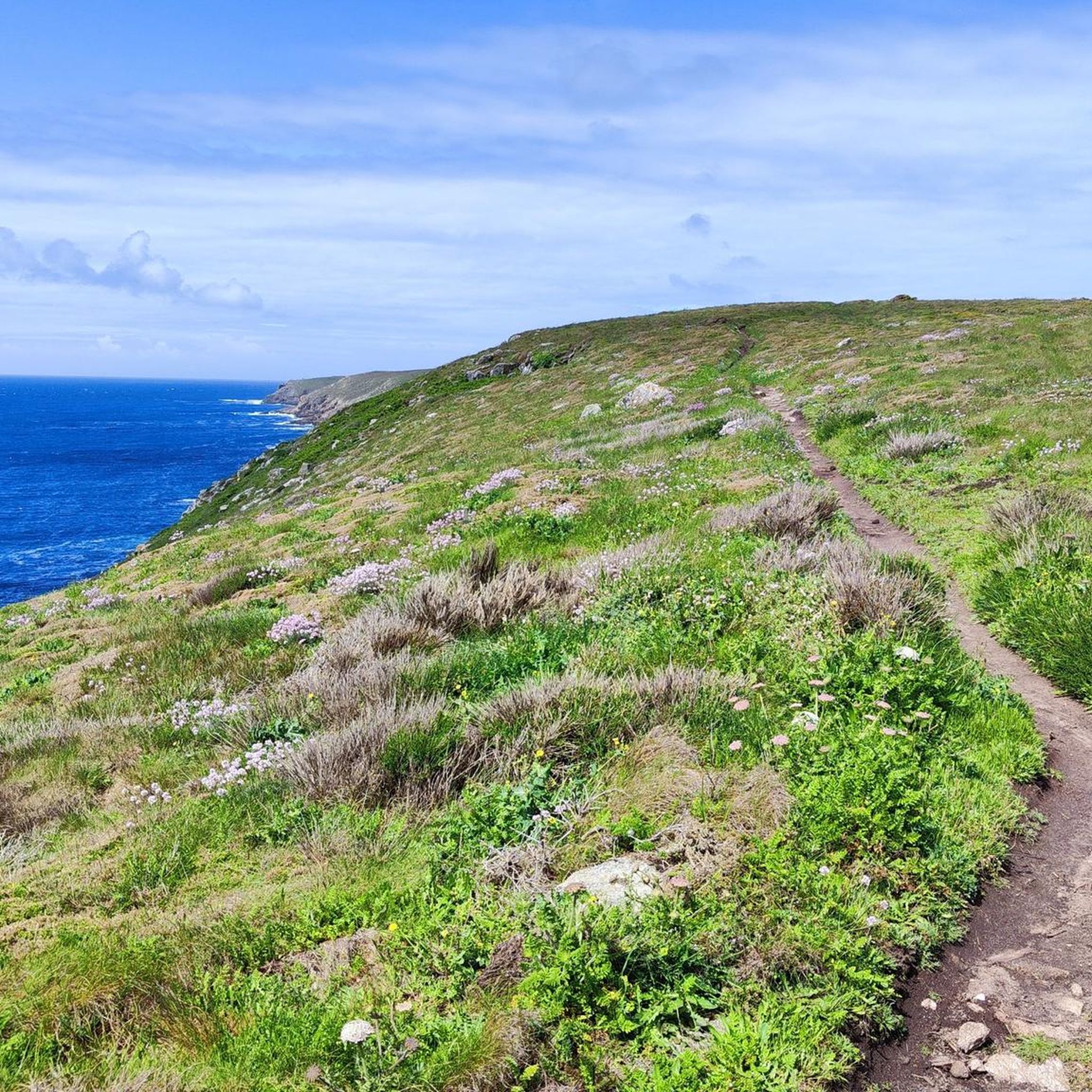
Best attractions and places to see around Plogastel-Saint-Germain include a blend of historical religious sites, traditional architecture, and natural landscapes in the Finistère department of Brittany, France. This rural village is situated within the "bocage cornouaillais," characterized by prairies, hedges, and sunken lanes, offering hiking opportunities. The Goyen Valley forms the northern limit, featuring wetlands and diverse wildlife. The commune is also located 10 minutes from Penhors beach, providing access to the Baie d'Audierne.
Best attractions and places to see around Plogastel-Saint-Germain
- The most popular attractions is Quimper, a city considered the cultural, political, and economic center of Finistère. Its historic old town features half-timbered houses, some dating from the 16th and 17th centuries.
- Another must-see spot is Languidou Chapel Ruins, a historical site near Plovan. This 12th/13th-century church ruin features a preserved Gothic rose window from the 16th century.
- Visitors also love Saint-Corentin Cathedral, a religious building in Quimper. Construction began in 1239, with its two towers completed between 1854 and 1856, and it features a distinctive kink in its main axis.
- Plogastel-Saint-Germain is known for historical sites, natural features, and coastal access. The area offers a variety of attractions to see and explore, from ancient chapels to extensive hiking trails and nearby beaches.
- The attractions around Plogastel-Saint-Germain are appreciated by the komoot community, with more than 280 upvotes and over 190 photos shared by visitors.
Last updated: May 9, 2026
Quimper
Highlight • Other
Translated by Google •
Tip by

Languidou Chapel Ruins
Highlight • Historical Site
Translated by Google •
Tip by
Sign up now to discover places like this
Get recommendations on the best single tracks, peaks, & plenty of other exciting outdoor places.
Sign up for free
Saint-Corentin Cathedral
Highlight • Other
It was in 1239 that Bishop Raynaud decided to build the current cathedral based on the foundations of an old Romanesque cathedral. In 1410, the choir vaults were completed, while the glass roofs were installed in the high windows. In 1424, Bishop Bertrand de Rosmadec undertook the construction of the nave and the two towers of the facade.
From the 1850s, the Quimper architect Joseph Bigot undertook the restoration of the building, mainly the decoration of the chapels and the order of new stained glass windows destroyed during the French Revolution. Its most spectacular achievement remains the completion of the two towers with the construction of the spiers between 1854 and 1856, financed by the people of Quimper.
From 1989 to 1999, a restoration campaign revealed the appearance of the cathedral at the end of the 15th century: restoration of the interior polychromies with the reappearance of the ribs treated in yellow ocher and red ocher and general liming of the facings.
Source: quimper-tourisme.bzh/cathedrale-saint-corentin
Translated by Google •
Tip by

Penhors Beach
Highlight • Beach
Translated by Google •
Tip by

Church of Saint James, Lambour
Highlight • Historical Site
Translated by Google •
Tip by

Sign up for free to discover even more attractions around Plogastel-Saint-Germain.
Sign up for free
Already have an account?
Start today with a free account
Your next adventure awaits.
Login or Signup

Tips from the Community

In 1239, Bishop Raynaud commissioned the construction of Saint-Corentin Cathedral. It was built on the foundations of a Romanesque cathedral. Construction lasted three centuries. In 1410, the choir vaults were completed and the windows were installed. In 1424, construction began on the nave and the two towers of the facade. The reconstruction was completed in 1515. The two towers were finally finished between 1854 and 1856. A distinctive feature is its kink in the main axis. The reason for this design element is unclear. Several theories exist. One suggests that it emphasizes the crucifix. Another posits that it is due to the stability of the foundation. Yet another suggests that the kink reflects the inclined head of the crucified Jesus. Following the completion of renovations in December 1999, the cathedral can now be admired as it was decorated at the end of the 15th century. The same colors as in the original, i.e., ochre yellow and ochre red, were used in lime plaster on the rib vaults. Numerous chapels are situated around the chancel, dating from various periods between the 13th and 16th centuries. Excerpts from https://de.wikipedia.org/wiki/Kathedrale_Saint-Corentin
3
0

Saint-Corentin Cathedral - Quimper Saint-Corentin Cathedral was built on the foundations of a Romanesque church in Quimper, the capital of Cornouaille in Brittany. It is one of the three oldest Gothic cathedrals in Brittany, along with the cathedrals of Saint-Pol-de-Léon and Tréguier. Saint-Corentin Cathedral in Quimper is a historic building.
1
0

Not exactly a highlight for road cyclists. But still a beautiful building.
1
0

In the middle of the city, the two towers of the cathedral rise up.
1
0
Quimper is the second largest city in the Finistère department and has a beautiful city center.
1
0


An impressive ruin with a rose window that is somewhat reminiscent of Notre Dame in Paris.
0
0

On the road of the solar wind
0
0
Frequently Asked Questions
What historical religious sites can I visit in Plogastel-Saint-Germain?
Plogastel-Saint-Germain is rich in religious heritage. You can explore the Saint-Pierre Church, rebuilt in Neo-Gothic style in the late 19th century, or the older Saint-Germain Chapel, dating from the 15th and 16th centuries, known for its impressive granite arch and 16th-century Calvary. Additionally, the ruins of the 13th-century Saint-Honoré Chapel are accessible year-round after volunteer restoration efforts.
Are there any ancient architectural landmarks to see in the area?
Yes, a notable architectural landmark is the remarkable decorated gateway of the Manoir du Hilguy, a classified Historic Monument from the 17th century. The manor itself is surrounded by walls leading to two pavilions with arcades, offering a glimpse into traditional Breton architecture.
What natural landscapes and features are characteristic of Plogastel-Saint-Germain?
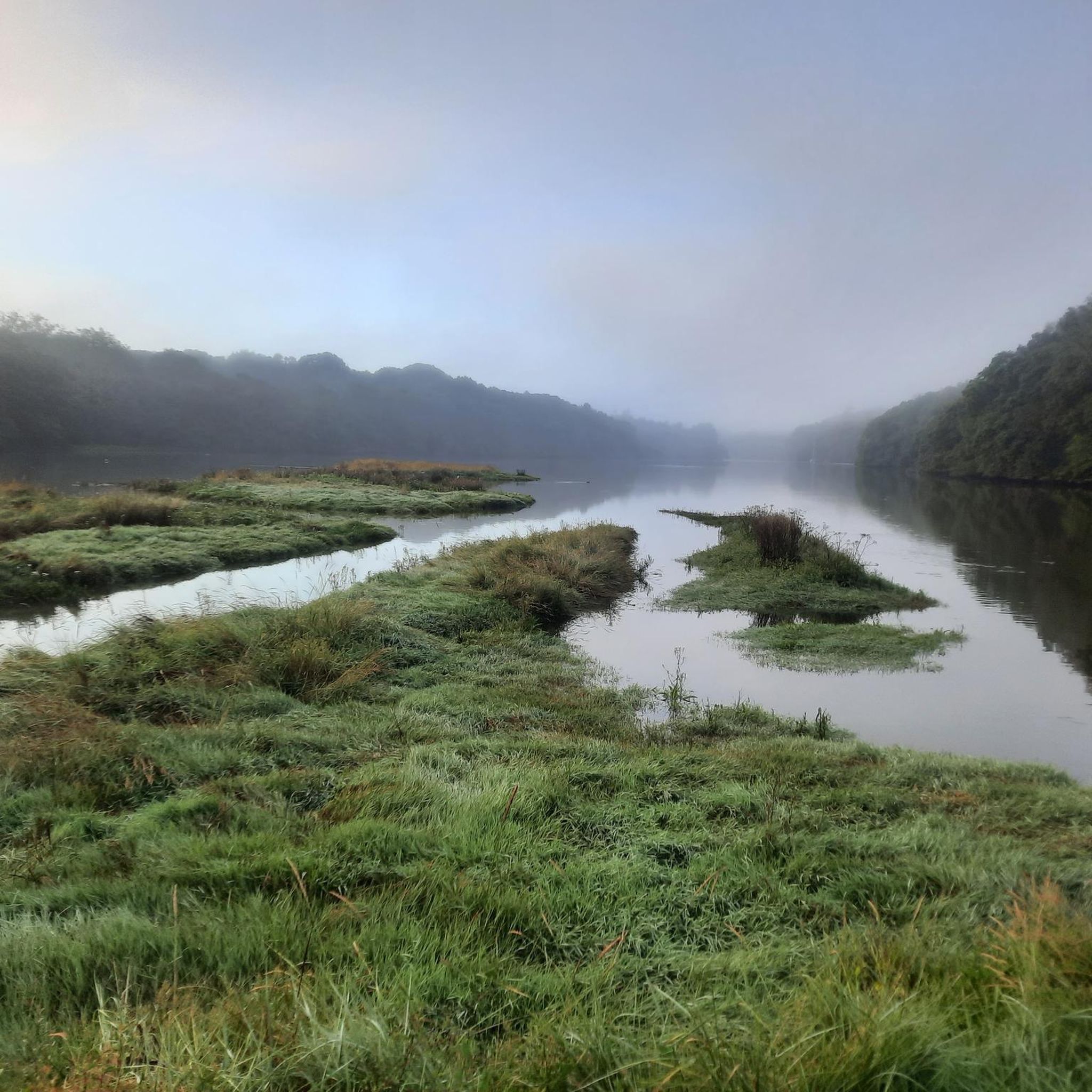
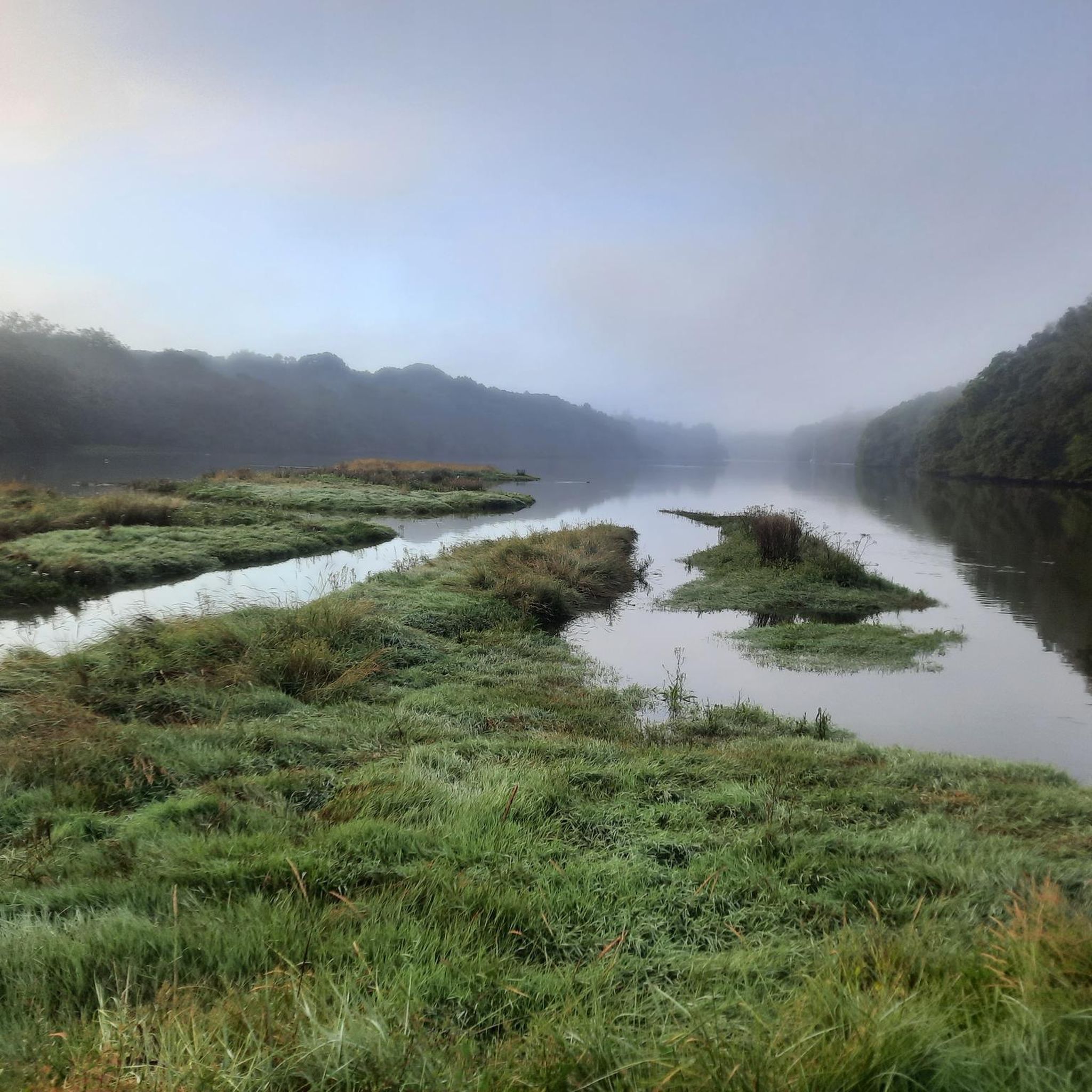
The area is nestled within the 'bocage cornouaillais,' a traditional landscape featuring prairies, braided hedges, embankments, dry-stone walls, and ancient sunken lanes known as 'stêlinioù.' The Goyen Valley forms the northern boundary, offering intimate and contrasting environments, including over 1,600 hectares of wetlands rich in diverse wildlife.
What kind of outdoor activities can I do near Plogastel-Saint-Germain?
The region offers vast potential for outdoor enthusiasts. You can find numerous hiking trails through the surrounding countryside and wooded areas. For cycling, there are various routes available, including options for touring bicycles, road cycling, and mountain biking, allowing you to explore the local scenery.
Are there any family-friendly attractions or activities in Plogastel-Saint-Germain?
While the historical sites like the chapels offer cultural insights, a family-friendly 5.6 km loop through woods and sunken lanes allows visitors to explore the commune's vernacular heritage, including a bread oven, Saint-Avé farm, and a wash-house. Additionally, the nearby Penhors Beach is a great option for families, especially during summer when lifeguards are present.
Where can I experience local traditions and produce in Plogastel-Saint-Germain?
Plogastel-Saint-Germain is home to many local producers. You can often find them at local markets or directly at their farms. A unique experience is the annual heritage festival where the traditional bread oven at the Saint-Germain Chapel's enclosure is rekindled to bake bread, pâtés, and rice pudding.
What are some notable historical ruins or sites outside the immediate village?
Beyond the village, you can visit the Languidou Chapel Ruins near Plovan, a 12th/13th-century church ruin known for its preserved Gothic rose window from the 16th century. Another significant ruin is the Church of Saint James, Lambour, a 13th-century site with a turbulent history, whose spire was destroyed in the 17th century.
How close is Plogastel-Saint-Germain to the coast and beaches?
Plogastel-Saint-Germain is conveniently located just 10 minutes from Penhors Beach. This proximity provides easy access to the Baie d'Audierne, known for its wild beaches and dunes, making it an ideal starting point for exploring the wider Pays Bigouden region and its coastal attractions.
What is the significance of the Goyen Valley near Plogastel-Saint-Germain?
The Goyen Valley forms the northern limit of the commune and is a coastal river spanning 22 km. It's significant for its intimate and contrasting environments, including over 1,600 hectares of wetlands that are vital habitats for diverse wildlife such as blue tits, marsh harriers, coypu, and European otters. Hiking trails in the area allow for exploration of this natural beauty.
What do visitors particularly enjoy about the attractions around Plogastel-Saint-Germain?
Visitors appreciate the blend of historical depth and natural beauty. The medieval old town of Quimper, with its half-timbered houses and the soaring spires of Saint-Corentin Cathedral, is often highlighted for its atmosphere. The stunning views from Penhors Beach and the historical intrigue of sites like the Languidou Chapel Ruins are also frequently praised by the komoot community.
Are there any unique local heritage features like washhouses to discover?
Yes, the commune has preserved examples of its vernacular heritage, including traditional washhouses. You can find these at locations such as Kervinic-Laë and near the Sainte Victor fountain, offering a glimpse into the daily life and architecture of the past.
Most popular routes around Plogastel-Saint-Germain
Most popular attractions around Plogastel-Saint-Germain

Get inspired with the komoot mobile app


Explore more
Still not found the Highlight you’re looking for? See guides of the top attractions in other regions:
