The best walks and hikes around Île-D'Arz
4.8
(260)
2,097
hikers
24
hikes
Hiking around Île-D'Arz offers exploration of a relatively flat island characterized by a jagged coastline, numerous creeks, and beaches. The terrain includes small woods, ponds, and mudflats, particularly in the wilder northern part. This island in the Gulf of Morbihan provides a tranquil setting for walking, with varied scenery and opportunities for birdwatching.
Best hiking trails around Île-D'Arz
- The most popular hiking route is Tour of the island of Arz – Parc naturel régional du Golfe du Morbihan, a moderate 9.0 miles (14.4 km) trail that takes 3 hours 39 minutes to complete. This route encircles the island, offering continuous views of the Gulf of Morbihan.
- Another top favourite among local hikers is Kernoel Manor – Berno Tide Mill loop from Île-d'Arz, a moderate 5.9 miles (9.5 km) path. This trail leads past historical landmarks and varied coastal scenery.
- Local hikers also love the Berno Tide Mill – Arz Island loop from Île-d'Arz, a 5.7 miles (9.2 km) trail leading through coastal paths and past the historic Berno Tide Mill, often completed in about 2 hours 20 minutes.
- Hiking around Île-D'Arz is defined by coastal paths, small woods, and mudflats, offering a diverse natural environment. The network of trails includes options for easy and moderate ability levels, making it accessible for many hikers.
- The routes in Île-D'Arz are highly rated by the komoot community with an average score of 4.7 stars from over 200 reviews. More than 1800 hikers have used komoot to explore Île-D'Arz's varied terrain.
Last updated: July 9, 2026
4.8
(113)
790
hikers
Moderate hike. Good fitness required. Easily-accessible paths. Suitable for all skill levels.
4.7
(46)
371
hikers
9.53km
02:26
30m
30m
Moderate hike. Good fitness required. Easily-accessible paths. Suitable for all skill levels.

Sign up for free
4.8
(46)
350
hikers
9.35km
02:22
20m
20m
Moderate hike. Good fitness required. Easily-accessible paths. Suitable for all skill levels.
4.5
(15)
85
hikers
7.75km
01:59
20m
20m
Easy hike. Great for any fitness level. Easily-accessible paths. Suitable for all skill levels.
4.5
(13)
135
hikers
Moderate hike. Good fitness required. Easily-accessible paths. Suitable for all skill levels.
Get access to more routes and recommendations from other explorers.
Sign up for free
Already have an account?
Our route recommendations are based on thousands of hikes, rides, and runs completed by other people on komoot.
Start today with a free account
Your next adventure awaits.
Login or Signup

Tips from the Community

The short hike on the island was a very nice addition to a boat trip on the Gulf of Morbihan from Vannes. For me, this type of tide-taking was completely new over 100 years ago. The tour, and especially the island excursion, is highly recommended.
0
1

Using the power of moving water to drive a mill wheel is an ancient invention that dates back to pre-Christian times. Thanks to such a construction, human or animal muscle power could be easily replaced by a watercourse - natural or artificially created - in order to grind grain into corn, for example. There are essentially two different ways of driving watermills: Either the water simply hits the blades of the water wheel from below to set it in motion; or the water is guided above the wheel and falls onto the blades; this type of construction is more efficient due to natural gravity. Here, however, we have a special variant: the flow of a river was not used to drive the mill wheels, but rather the changing tides of the sea between low tide and high tide.
0
0

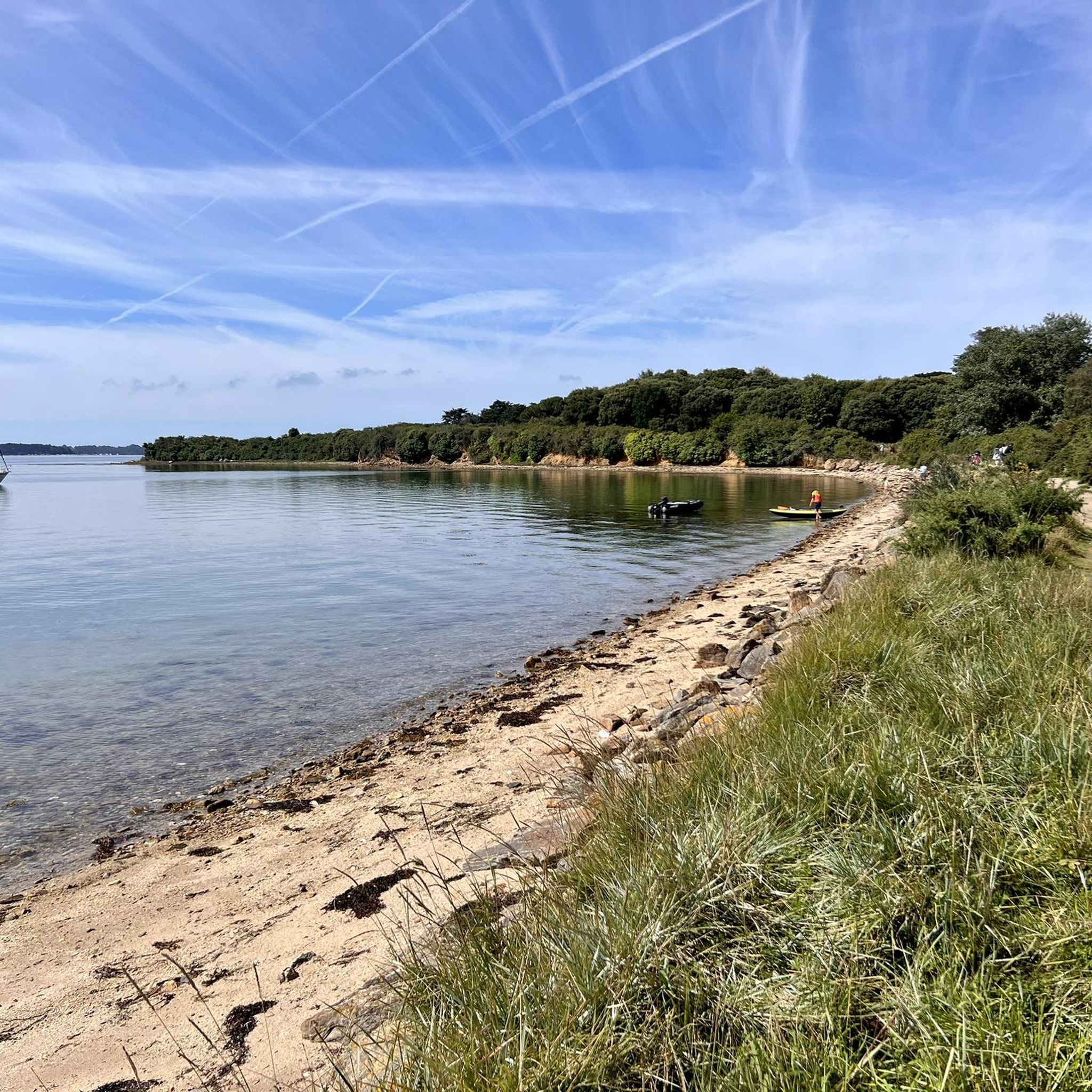
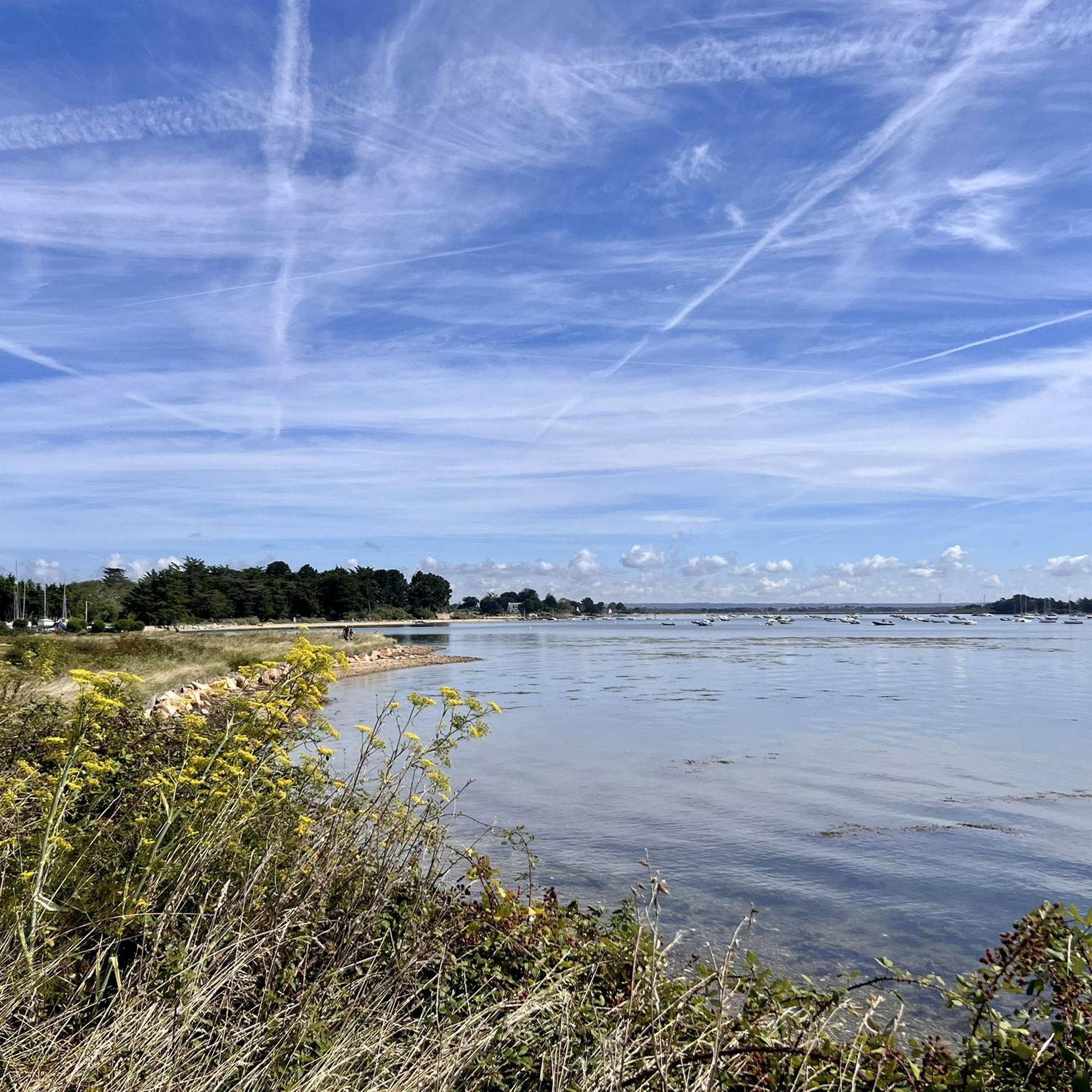
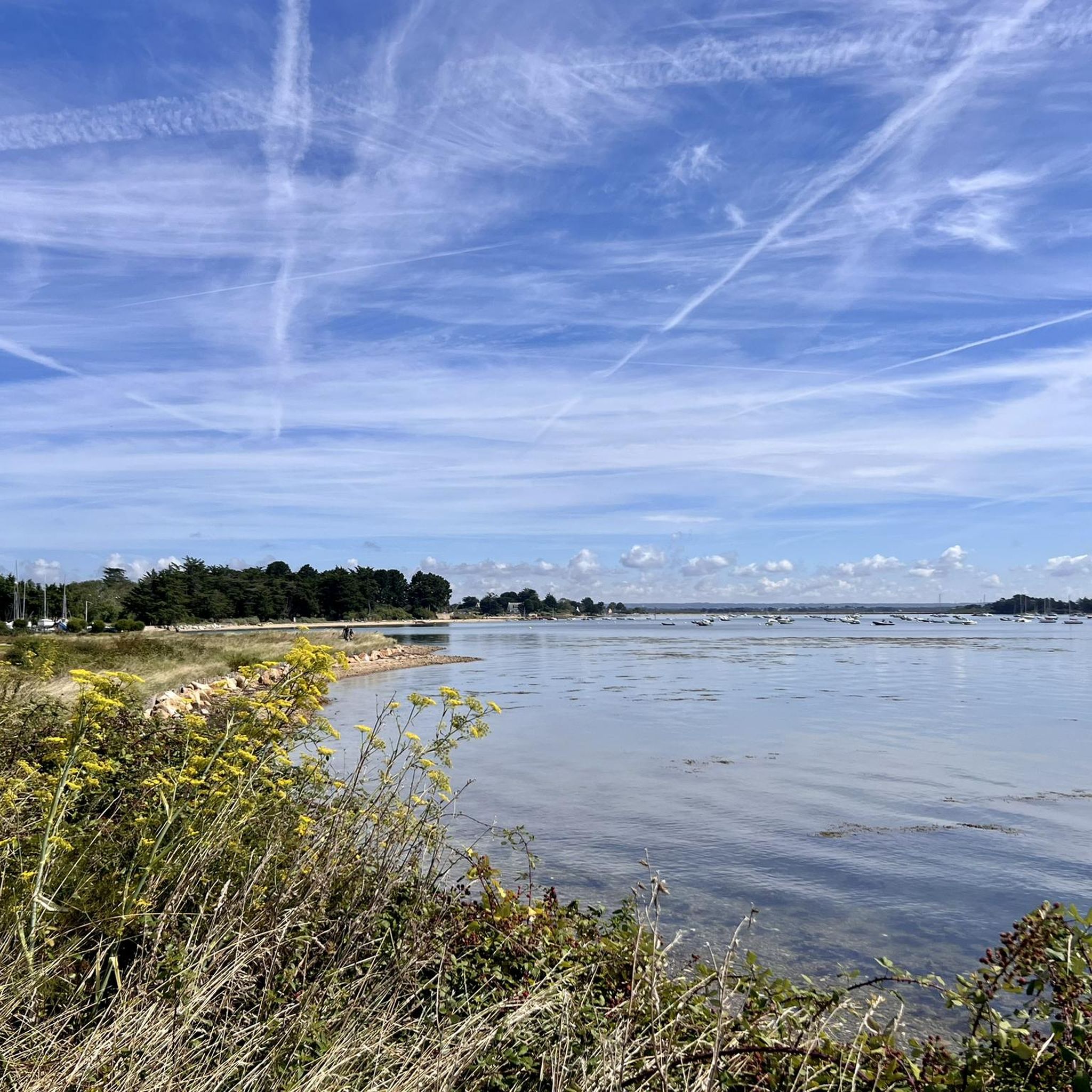
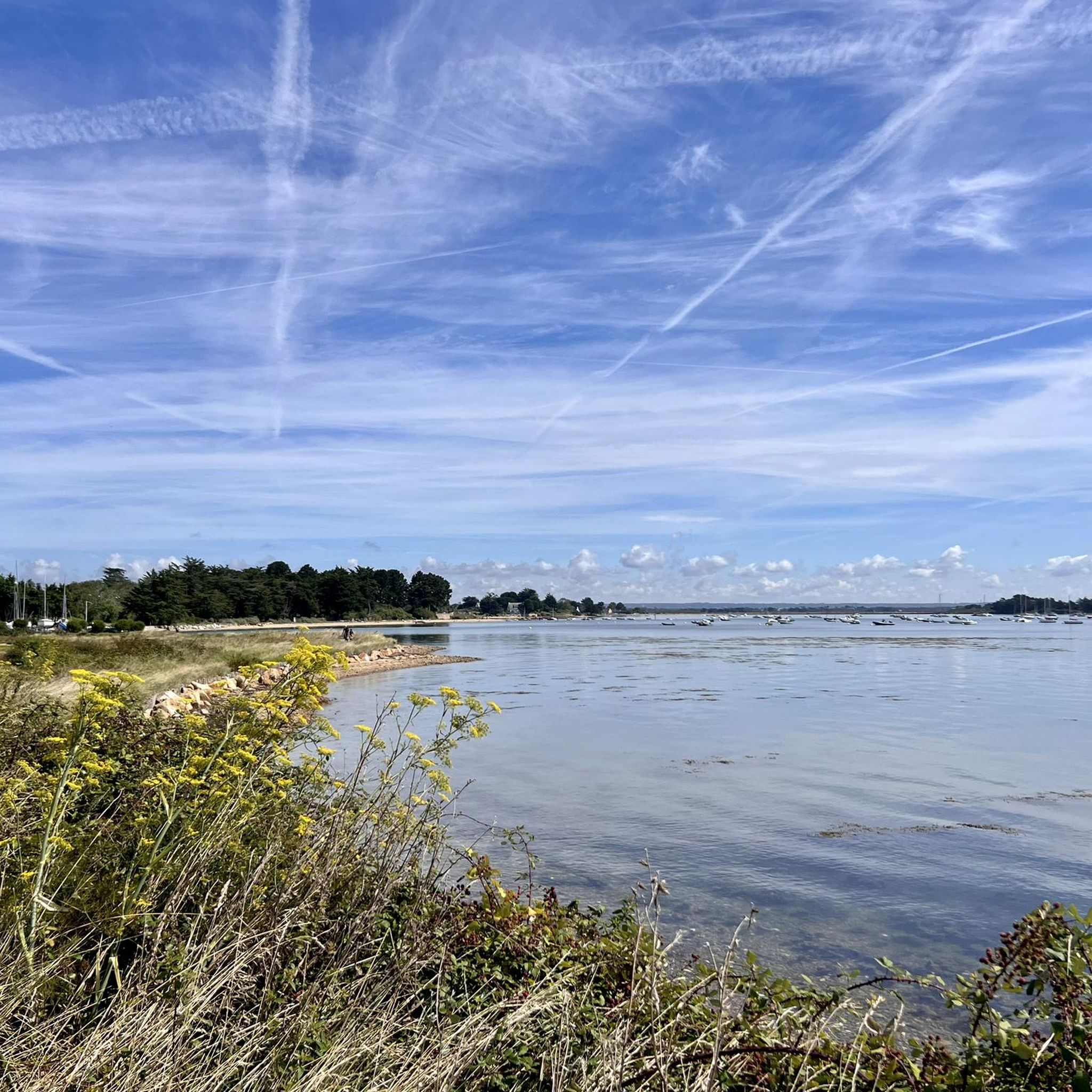
Magnificent views of the Gulf and charming Bourg Center with its narrow streets.
0
0
The island of Arz, the second largest island in the Gulf of Morbihan. Accessible by shuttle boat from the Vannes ferry terminal. Many hiking trails offer magnificent views of the neighboring islands.
0
0
Nowadays they are hardly in use in their original function, but are merely technical-historical monuments of a long tradition of craftsmanship: solely using the power of the wind as driving energy, the heavy millstones inside were moved and, for example, grains of grain were ground into flour (so-called grain mills ) or the oil is pressed from (e.g. olive) fruits (so-called oil mills). These old windmills are the best evidence that people were clever enough to harness the power of the wind centuries ago - long before the discovery of electricity and the resulting inventions.
0
0

Beautiful view of the mill of Berno and the gulf of Morbihan
0
0
The driving force of the tide!
0
0
Frequently Asked Questions
What is the general terrain like for hiking on Île-D'Arz?
Île-D'Arz offers a relatively flat terrain, making it easily explorable on foot. Hikers will encounter a diverse landscape, including a jagged coastline with numerous creeks and beaches, small woods, ponds, and mudflats, particularly in the wilder northern part of the island.
Are there many easy hiking options on Île-D'Arz?
Yes, Île-D'Arz is very accessible for hikers of all levels. Out of the 19 available routes, 13 are classified as easy, and 6 are moderate. There are no difficult trails, ensuring a relaxed hiking experience for most visitors.
Are there any circular hiking routes on Île-D'Arz?
Yes, many of the trails on Île-D'Arz are designed as loops, offering varied scenery without retracing your steps. A popular option is the Kernoel Manor – Berno Tide Mill loop, which is a moderate 9.5 km path leading past historical landmarks and varied coastal scenery.
What kind of natural attractions can I see while hiking on Île-D'Arz?
The island is rich in natural beauty. Along the coastal paths, you'll find numerous creeks and beaches, perfect for swimming or relaxing. The northern part of the island is particularly wild and offers excellent opportunities for birdwatching, as the Gulf of Morbihan is a significant area for migratory birds. You'll also encounter small woods, ponds, and mudflats.
Are there any historical landmarks or points of interest along the hiking trails?
Absolutely. Île-D'Arz boasts several cultural and historical sites. You can visit the 16th-century Berno Tide Mill, one of only two in Brittany still operating with the tides. Other notable sites include the Notre-Dame Church and its 18th-century Priory, and an ancient dolmen on Pointe de Nioul. The Suscinio Castle is also a significant nearby attraction.
Is Île-D'Arz suitable for family-friendly hikes?
Yes, the relatively flat terrain and numerous easy routes make Île-D'Arz ideal for family-friendly hikes. The coastal path offers continuous views and opportunities to discover beaches, while the varied landscapes keep children engaged. Many trails are short enough for younger hikers.
What do other hikers enjoy most about hiking on Île-D'Arz?
The area is highly rated by the komoot community, with an average score of 4.7 stars from over 200 reviews. Hikers often praise the tranquil atmosphere, the continuous breathtaking panoramas of the Gulf of Morbihan, and the diverse scenery that changes from wild coastlines to charming villages and historical sites.
Can I bring my dog on the hiking trails on Île-D'Arz?
Île-D'Arz is generally welcoming to dogs, especially on its numerous coastal and inland paths. However, it's always recommended to keep dogs on a leash, particularly in areas with wildlife or near private properties, and to respect local signage regarding pet access on specific beaches or protected areas.
How long does it take to hike around the entire island of Arz?
The full coastal path that encircles Île-D'Arz is approximately 17 to 18 kilometers (around 10-11 miles) and typically takes about four hours to complete. A popular route covering a significant portion of the island is the Tour of the island of Arz, which is 14.4 km and takes approximately 3 hours 39 minutes.
Are there places to eat or stay on Île-D'Arz?
Yes, the island has a central village where you can find cafes, pubs, and accommodation options. These establishments provide convenient stops for refreshments or overnight stays, enhancing the hiking experience.
What is the best time of year to hike on Île-D'Arz?
The island is beautiful year-round, but spring and early autumn offer particularly pleasant conditions for hiking, with mild temperatures and vibrant natural scenery. The gardens are adorned with hydrangeas and camellias during these seasons. Summer is also popular, though it can be busier.
Are there any specific viewpoints I should look out for?
Yes, throughout the coastal path, hikers will encounter numerous designated viewpoints that provide superb vistas of the surrounding Gulf islands and the 'petite mer'. These spots are perfect for photography and enjoying the expansive maritime scenery.
Most popular routes around Île-D'Arz
Most popular attractions around Île-D'Arz

Get inspired with the komoot mobile app


Explore more
Browse the best Hikes in other regions.
