Attractions and Places To See around Montferrat - Top 20
Best attractions and places to see around Montferrat, a historic region in Piedmont, Northern Italy, is characterized by its rolling hills, extensive vineyards, and rich cultural heritage. This area earned UNESCO World Heritage status in 2014, recognized for its distinctive landscape shaped by the Tanaro River and its division into Basso, Astesan, and Alto Montferrat. Visitors can explore a diverse landscape ranging from gentle hills to areas rising into the Apennines. The region offers a blend of historical sites, natural…
Last updated: July 16, 2026
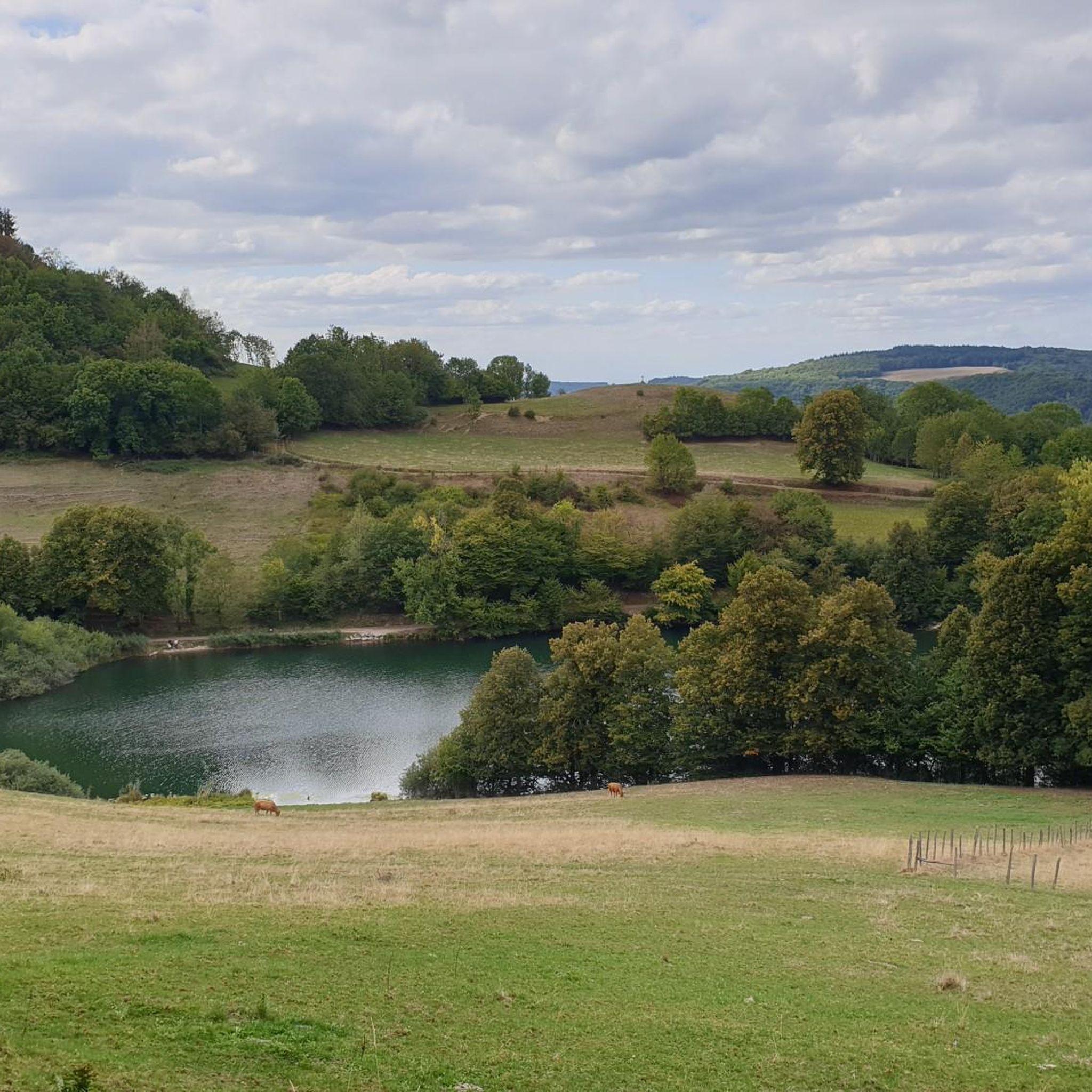
Chemin des marais
Highlight (Segment) • Trail
Translated by Google •
Tip by

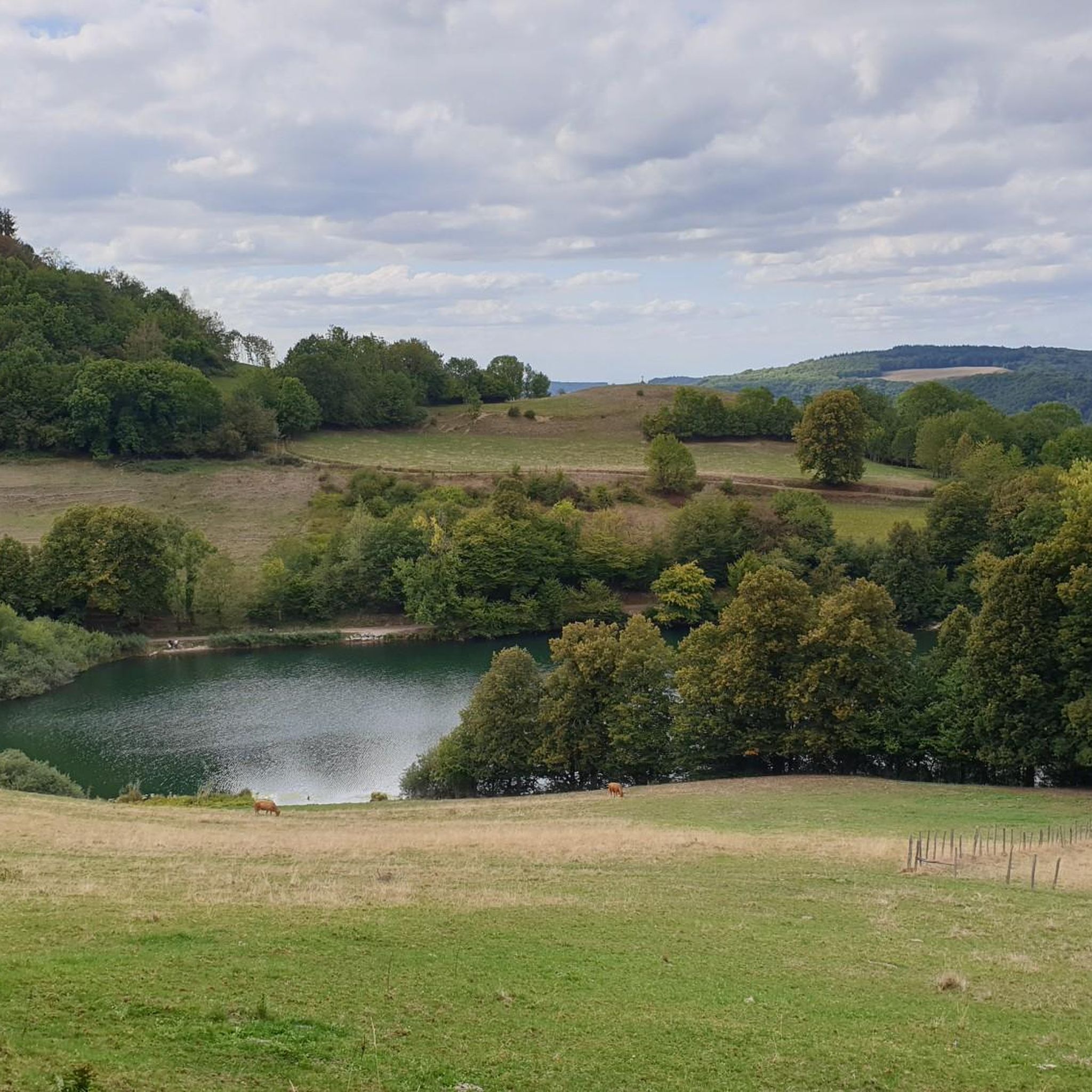
Our Lady of the Vines
Highlight • Religious Site
Translated by Google •
Tip by

Sign up now to discover places like this
Get recommendations on the best single tracks, peaks, & plenty of other exciting outdoor places.
Sign up for free
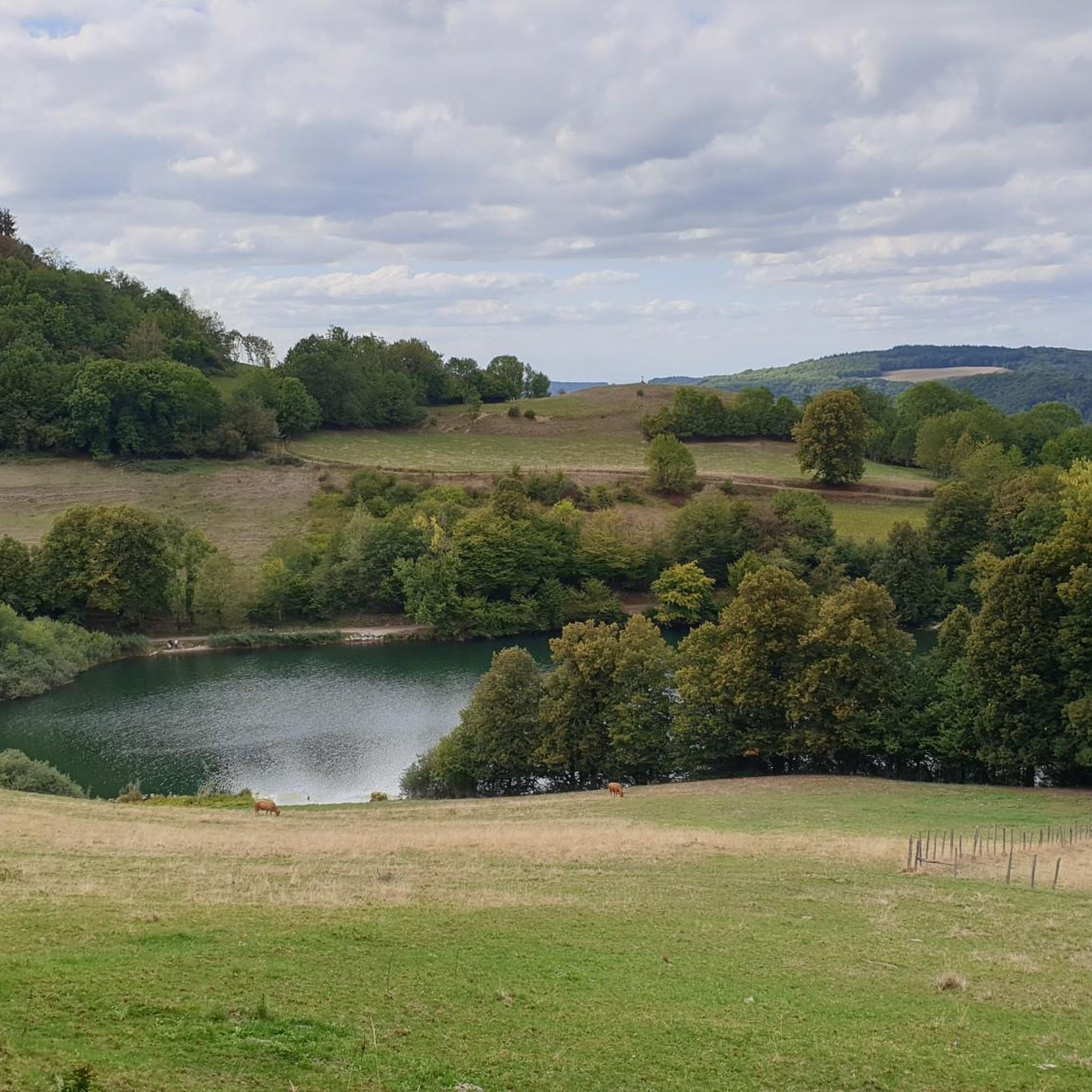
Saint John the Evangelist Church of Valencogne
Highlight • Religious Site
Translated by Google •
Tip by

Col des Mille Martyrs
Highlight • Mountain Pass
Translated by Google •
Tip by

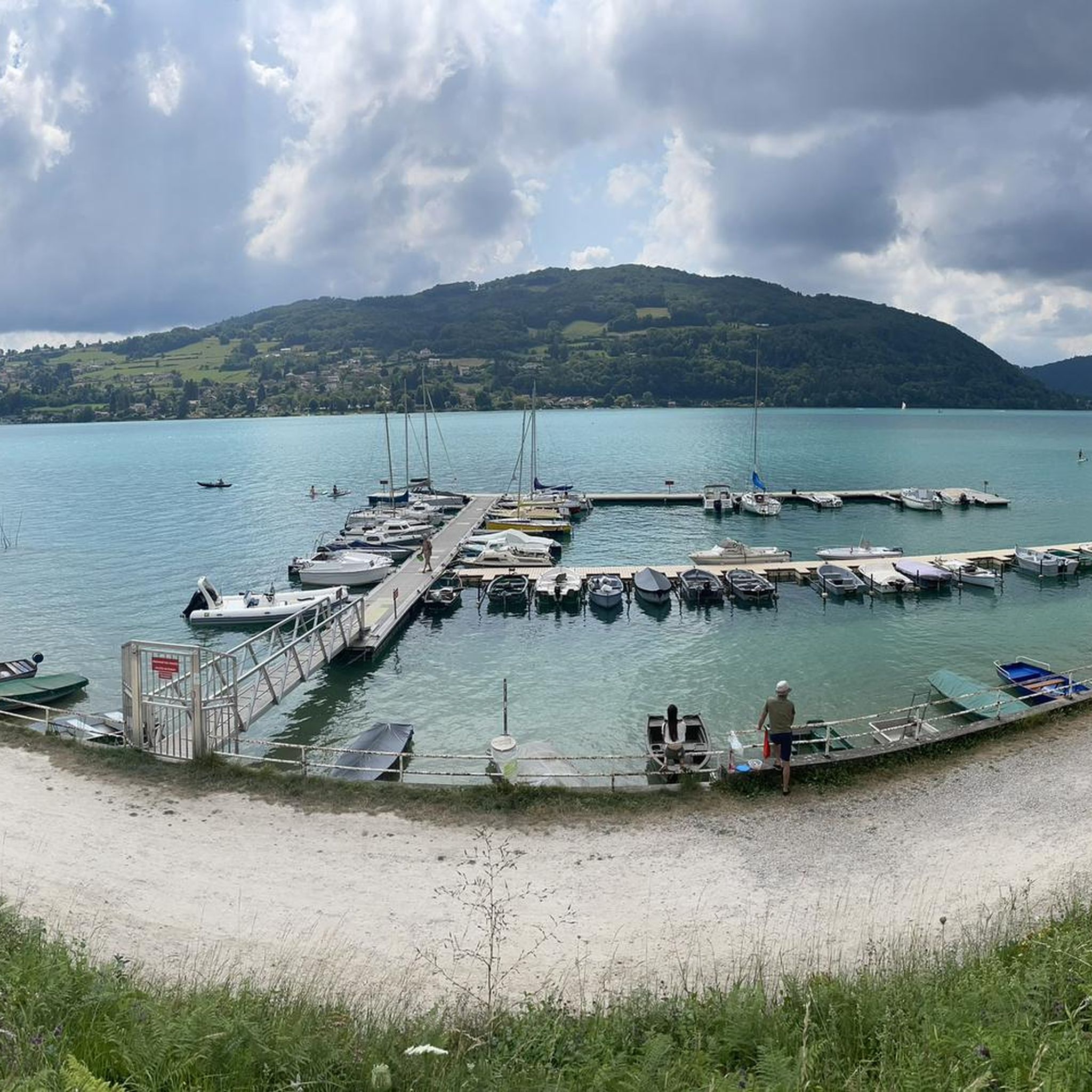
Lake Paladru
Highlight • Lake
Translated by Google •
Tip by

Sign up for free to discover even more attractions around Montferrat.
Sign up for free
Already have an account?
Start today with a free account
Your next adventure awaits.
Login or Signup


Tips from the Community

Lake Paladru is very popular in the summer, especially on weekends. Swimming is possible; there's a small, well-equipped beach.
0
0
This is a classic bike ride around Grenoble, easy and suitable for the whole family.
0
0

Here, you enter a sensitive natural area for a 1-kilometer trail marked with four stations to discover the area's remarkable flora and fauna. A pleasant way to connect the two shores of Lake Paladru, between Paladru and Montferrat.
1
0


The small rest area created here, with its very unusual design, invites passersby not to roll by carelessly: Behind the backrest of the bench rises a remarkable piece of craftsmanship: on one side, a flower stem bearing an unfolded blossom; and from the other, a bee flies towards it. An original idea, and rightly documented here several times with photos.
2
0
Here we encounter three stone cubes stacked on top of each other, each smaller than the one below it. The gray cubes each have a white field in the center of their sides, with a cross carved into it, painted blue and standing out against the gray/white background. This construction forms the basis for the present small sacred monument: above it rises a radiant gold figure of the Madonna. From this prominent position, the Virgin Mary – venerated in France almost always under the title "Notre-Dame" ("Our Lady") – gazes far into the country, and has done so for more than 120 years. @Rainer N. has already explained the date and reason for its construction in his short post.
2
0

The abbey basilica was rebuilt starting around 1490 and completed in 1510 by Bernardino Zaccagni. The famous artist Correggio left his mark on this church. He created five frescoes there, including the lunette with Saint John and the Eagle (1520), which is considered the first to be created. The frescoes, the dome depicting the Ascension of Christ, the decoration of the drum and pendants, and the frieze of images that extends around the entire interior perimeter are all artistic treasures worth discovering. The Way of St. James is very well documented in several places in the church.
9
0
The first name John has been widespread since biblical times, and so it should not surprise us to find a whole series of blessed and saints with this name over the two millennia of Christianity. At the threshold from the Old to the New Testament we encounter John the Baptist (also John Baptist), to whom most of the John churches are dedicated. But one of the four men who wrote the New Testament gospels also bears this name. This church in ___ is dedicated to him, JOHN EVANGELIST. A long church tradition has regarded the evangelist as identical with the apostle John mentioned in the Bible, but this is doubted in biblical scholarship. "The Gospel of John exerts a peculiar fascination. It is difficult to escape its solemn, sometimes mystical language. It addresses deep human needs and longings: hunger and thirst, the search for fulfilling eternal life, the longing for personal communion with God.” (Franz-Josef Ortkemper)
2
0
Frequently Asked Questions
What natural attractions and scenic viewpoints can I find in Montferrat?
Montferrat is renowned for its rolling hills blanketed with vineyards, hazel groves, and forests, contributing to its UNESCO World Heritage status. Many hilltop villages offer stunning panoramic viewpoints, often referred to as 'balconies,' providing breathtaking vistas of the landscape. You can enjoy great views from Our Lady of the Vines, a site with a statue erected to protect local vineyards, and experience bucolic viewpoints during the climb to Col des Mille Martyrs.
Are there any family-friendly attractions or activities in Montferrat?
Yes, Montferrat offers several family-friendly spots. Our Lady of the Vines is a religious building with a picnic table and great views, suitable for a family stop. Lake Paladru is another excellent option, offering various tours and a beach, perfect for a day out with children. Additionally, the Chemin des marais is a hard gravel path that crosses the Paladru Nature Zone, providing plenty of places to stop for a picnic.
What historical sites and cultural landmarks should I visit in Montferrat?
Montferrat is rich in history. The Saint John the Evangelist Church of Valencogne is a significant historical site, with evidence of ancient traditions and connections to the Camino de Santiago. The region also boasts several historic castles, such as those in Ozzano Monferrato, Sannazzaro, and Gabiano. Explore charming medieval villages like Ozzano Monferrato, Rosignano Monferrato, and Cella Monte, the latter being recognized as one of Italy's most beautiful villages.
What outdoor activities and routes are available near Montferrat's attractions?
You can find a variety of outdoor activities near Montferrat's attractions. For hiking, consider routes around Lake Paladru, with options ranging from easy to difficult, such as the 'Lac de Paladru – Chemin des marais loop'. Cyclists can enjoy routes like the 'Lake Paladru – Lac de Paladru loop' which passes through Montferrat. For more detailed information on routes, you can explore the Hiking around Montferrat, Running Trails around Montferrat, and Cycling around Montferrat guides.
Where can I experience the wine culture of Montferrat?
Montferrat is a world-renowned Italian wine region, particularly famous for its red and sparkling wines. You can tour historic wineries, such as Cantine Valpane near Ozzano Monferrato, and participate in wine tastings. The region's landscape itself, with its extensive vineyards, is a testament to its rich wine-making tradition.
What are 'Infernot' and where can I see them?
Infernots are unique, small, ancient caves dug under houses in Montferrat. Historically used for food storage, especially wine, and as gathering places, they are a distinctive cultural feature of the region. Many villages, including Rosignano Monferrato, have Infernots that can be visited, often found within historic buildings like the Town Hall.
What is the best time of year to visit Montferrat?
The best time to visit Montferrat largely depends on your interests. Spring (April-May) and Autumn (September-October) are ideal for exploring the vineyards and enjoying outdoor activities like hiking and cycling, with pleasant weather and beautiful scenery. Autumn is particularly popular for wine harvest festivals and truffle hunting. Summer offers warmer temperatures suitable for activities around Lake Paladru, while winter can be quieter, offering a different charm.
Are there any thermal spas or wellness opportunities in the region?
Yes, in Alto Montferrat, the town of Acqui Terme is well-known for its thermal establishments. It offers opportunities for relaxation and wellness, utilizing the natural thermal waters of the area.
What are some charming medieval villages to explore in Montferrat?
Montferrat is dotted with picturesque medieval villages. Ozzano Monferrato is notable for its beautiful church and impressive castle. Rosignano Monferrato features the 12th-century Romanesque Church of Sant'Antonio. Cella Monte is listed as one of Italy's most beautiful villages, characterized by its picturesque cobbled streets and ancient manor houses, and is home to the Ecomuseo della Pietra da Cantoni where you can learn about the local sandstone.
What is the significance of Sacro Monte di Crea?
The Sacro Monte di Crea, located in Serralunga di Crea, is a UNESCO World Heritage site. This Catholic sanctuary features a church and numerous chapels set within a forest reserve. It is celebrated for its religious art, frescoes, and statues, and offers panoramic views from its 'Paradise Chapel,' making it a significant spiritual and cultural landmark.
What kind of terrain can I expect when hiking or cycling in Montferrat?
Montferrat's terrain is characterized by gentle, rolling hills, making it suitable for various levels of outdoor activity. While many routes offer pleasant climbs and descents, such as those around Col des Mille Martyrs, some areas, particularly in Alto Montferrat, rise into the Apennines, offering more challenging ascents. The region provides a mix of smooth surfaces for cycling and gravel paths for walking, like the Chemin des marais.
What unique geological features can be found in Montferrat?
A unique geological feature of Montferrat is the *pietra da cantoni*, a type of sandstone/sedimentary rock prevalent throughout the area. You can learn more about this distinctive local stone at the Ecomuseo della Pietra da Cantoni in Cella Monte, which showcases its historical and cultural significance to the region.
Most popular routes around Montferrat
Most popular attractions around Montferrat

Get inspired with the komoot mobile app


Explore more
Still not found the Highlight you’re looking for? See guides of the top attractions in other regions:
