Attractions and Places To See around Sanary-Sur-Mer - Top 20
Best attractions and places to see around Sanary-Sur-Mer include a blend of coastal charm, historical sites, and natural beauty on the French Riviera. This town features an authentic port with traditional boats and is surrounded by diverse landscapes, from sandy beaches to the Gros Cerveau Massif. Visitors can explore cultural landmarks, vibrant markets, and scenic trails offering Mediterranean views. The area provides opportunities for both historical discovery and outdoor activities.
Best attractions and places to see around Sanary-Sur-Mer
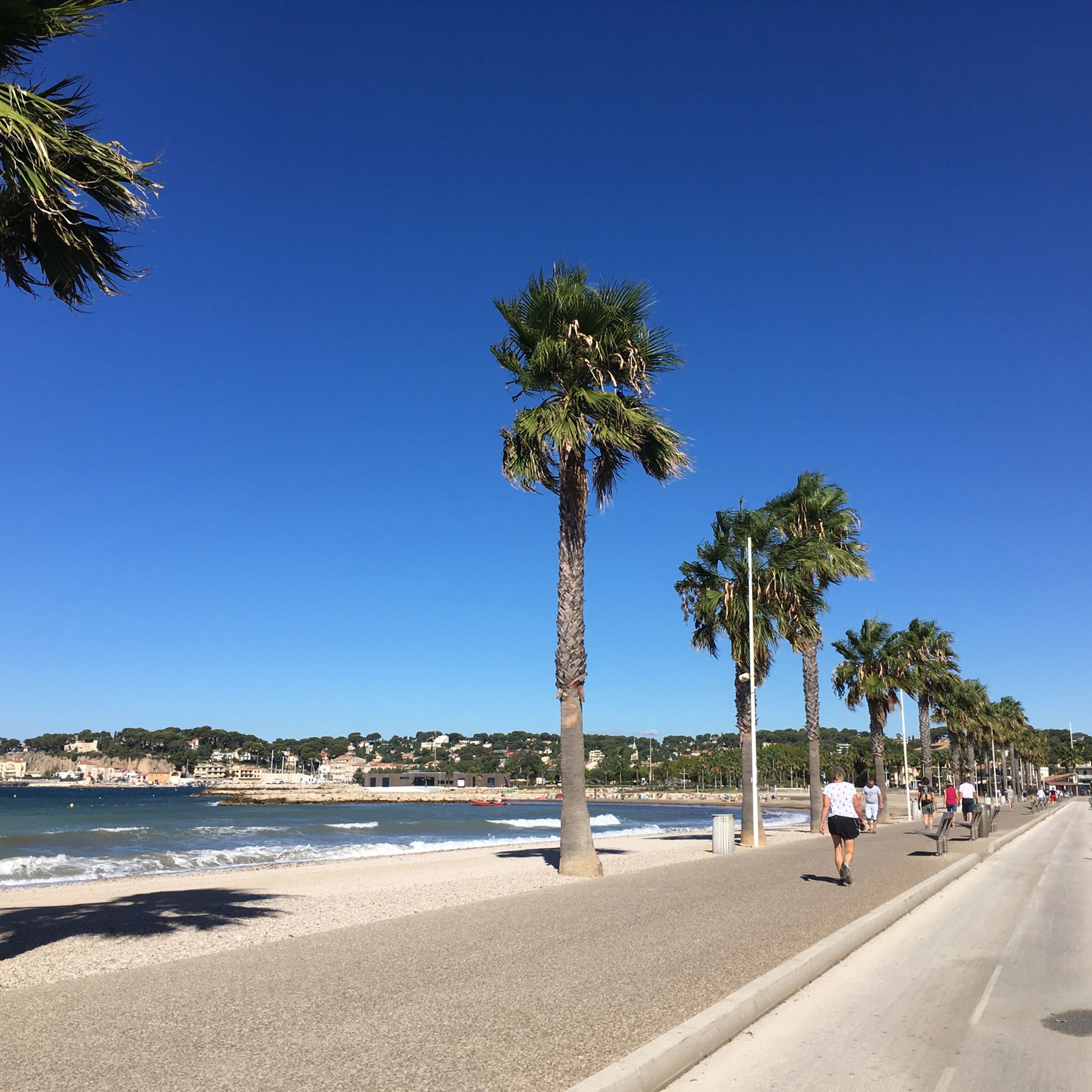
- The most popular attractions is Port d'Alon Cove, a beach that offers a pretty beach in a corner of unspoiled nature. It is popular with locals and tourists, offering easy access and amenities.
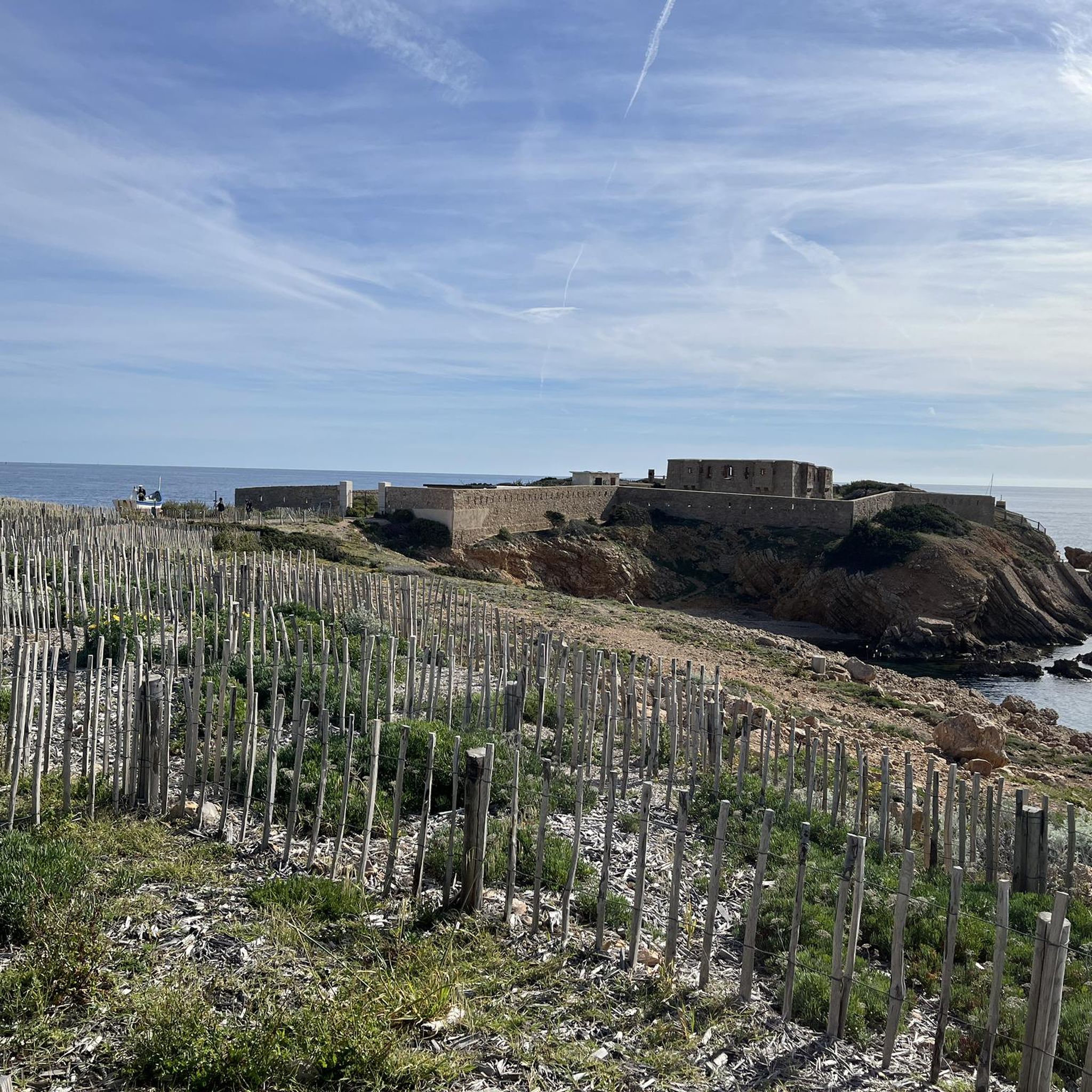
- Another must-see spot is Sentier du Littoral, a coastal path that offers stunning views. This trail winds along the coast, providing dramatic cliffs and shaded pine woods.
- Visitors also love Notre dame du mai, a trail offering a 360° view of the surrounding islands and coastline. It provides panoramic views of Six-Fours-les-Plages, the Embiez archipelago, and the harbor of Toulon.
- Sanary-Sur-Mer is known for its historical landmarks, natural features like beaches and massifs, and vibrant cultural experiences. The area offers a variety of attractions to see and explore, from museums to markets and scenic walks.
- The attractions around Sanary-Sur-Mer are appreciated by the komoot community, with more than 400 upvotes and over 200 photos shared.
Last updated: July 20, 2026
Port d'Alon Cove
Highlight • Beach
Translated by Google •
Tip by

Notre dame du mai
Highlight • Trail
Magnificent hike on the small coastal path where the landscapes change constantly: the port of Brusc, the cliffs, the sea, the undergrowth, the scrubland with thyme, heather and rosemary ... and the smell of pins! must do with good shoes, water and a camera!
Translated by Google •
Tip by

Sign up now to discover places like this
Get recommendations on the best single tracks, peaks, & plenty of other exciting outdoor places.
Sign up for free
Sentier du Littoral
Highlight (Segment) • Other
Start early to be in Port d 'Alon before the midday heat. There is a great pebble beach and a restaurant with good kitchen.
On the way there are also two great bays
Translated by Google •
Tip by

Notre-Dame du Faron Sanctuary
Highlight • Religious Site
Translated by Google •
Tip by

Toulon's Small Harbor
Highlight • Natural
Thanks to its exceptional natural environment (the hills surround the city and overlook the harbor), Toulon has become the only harbor to combine maritime and land defenses. This military heritage of forts, towers, and other fortresses, combined with the historic presence of the Arsenal, now known as the naval base, today provides the opportunity to tell great stories of strategy, battles, and the Revolution.
All year round, the boatmen located at the port offer guided tours of the most beautiful harbor in Europe: the naval base and buildings of the French Navy, the marine cemetery, the port of La Seyne-sur-Mer and the former shipyards, the Tamaris corniche, Lazaret Bay and its mussel beds, the Saint Mandrier peninsula, the fortifications (Eguillette, Balaguier, Tour Royale), and the Mourillon beaches.
Toulon harbor is also an ideal navigational area for sailing, dinghy sailing, and a variety of water sports (sea kayaking, paddleboarding, rowing, etc.). It hosts numerous prestigious regattas and nautical races.
Translated by Google •
Tip by

Sign up for free to discover even more attractions around Sanary-Sur-Mer.
Sign up for free
Already have an account?
Start today with a free account
Your next adventure awaits.
Login or Signup
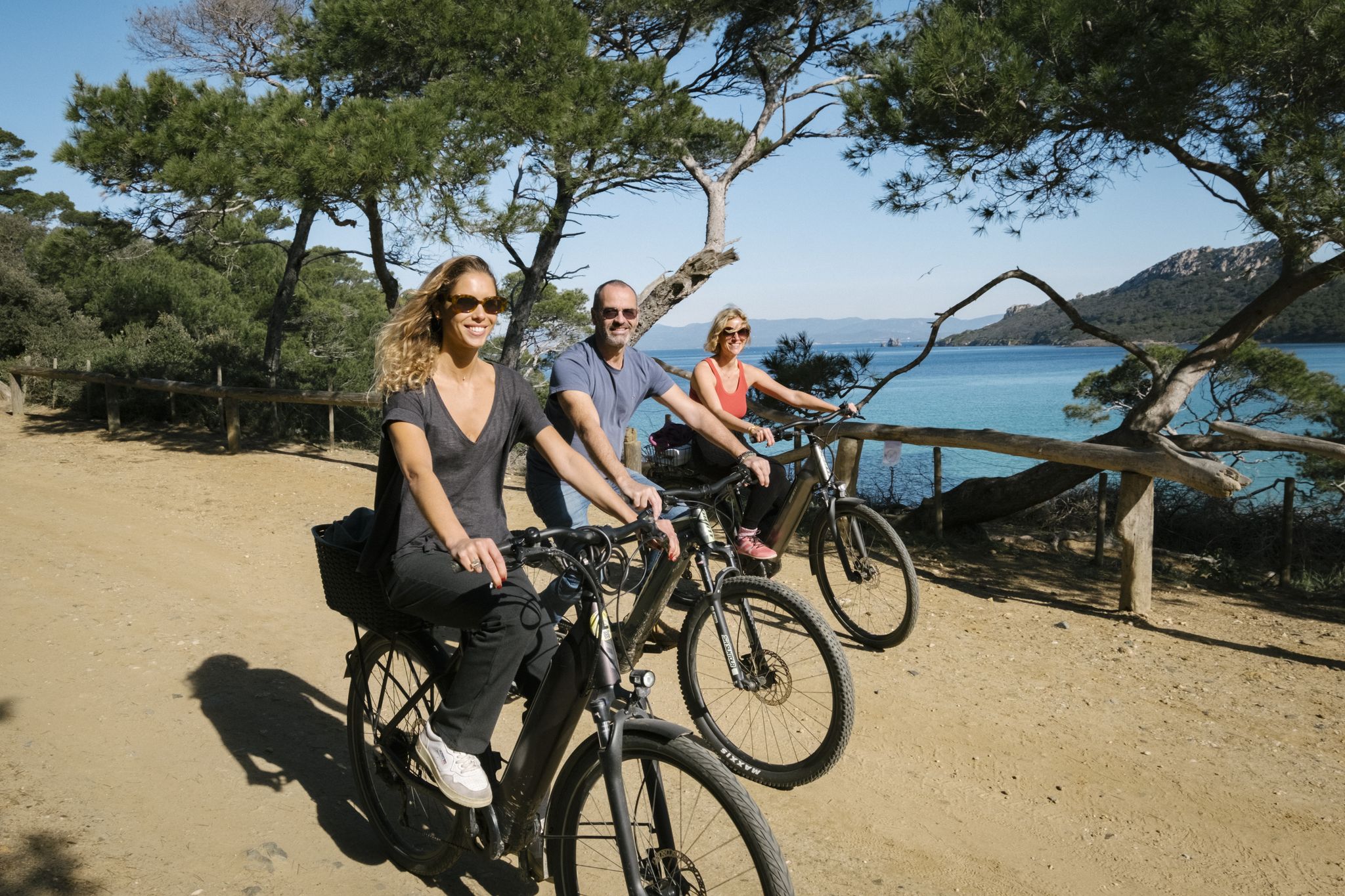
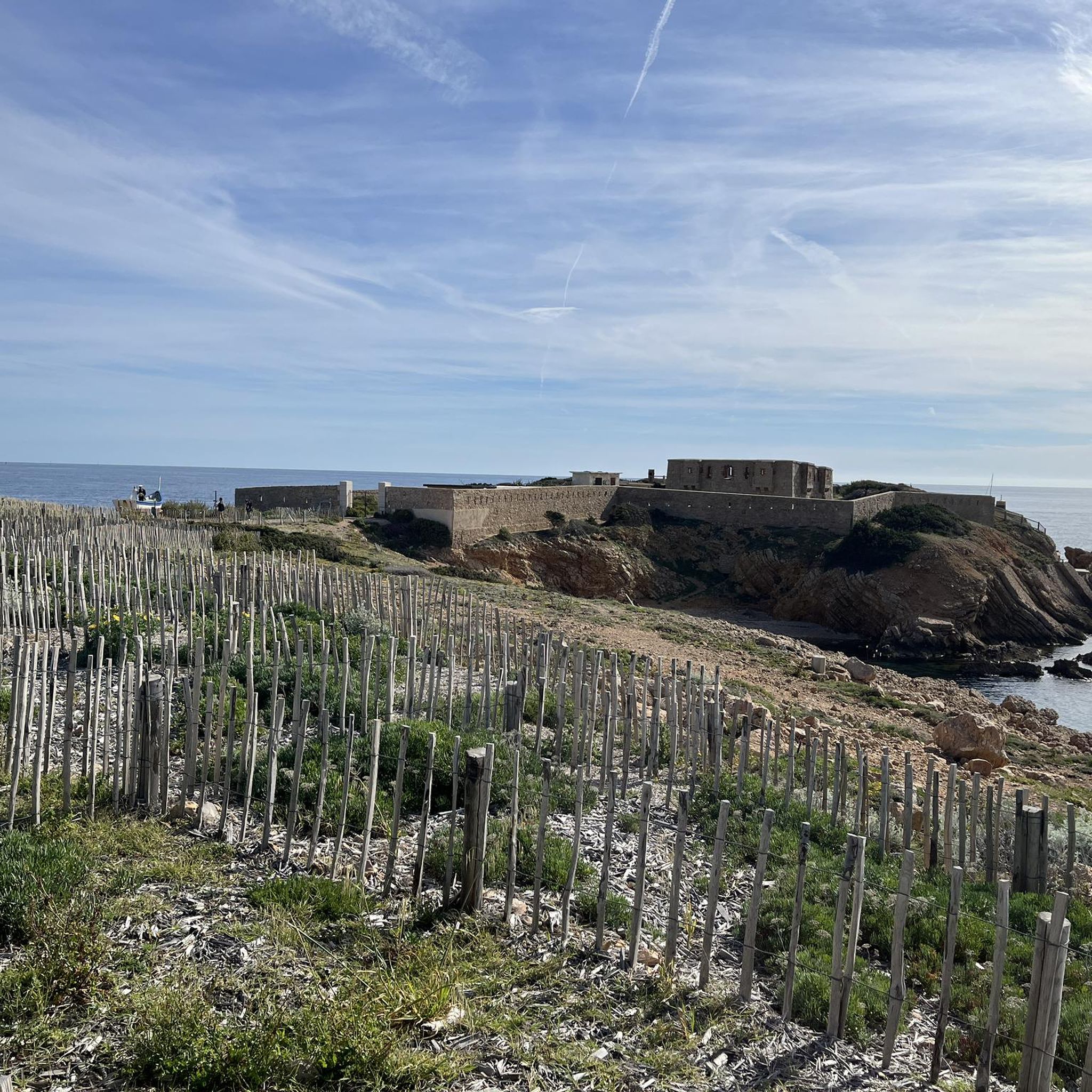
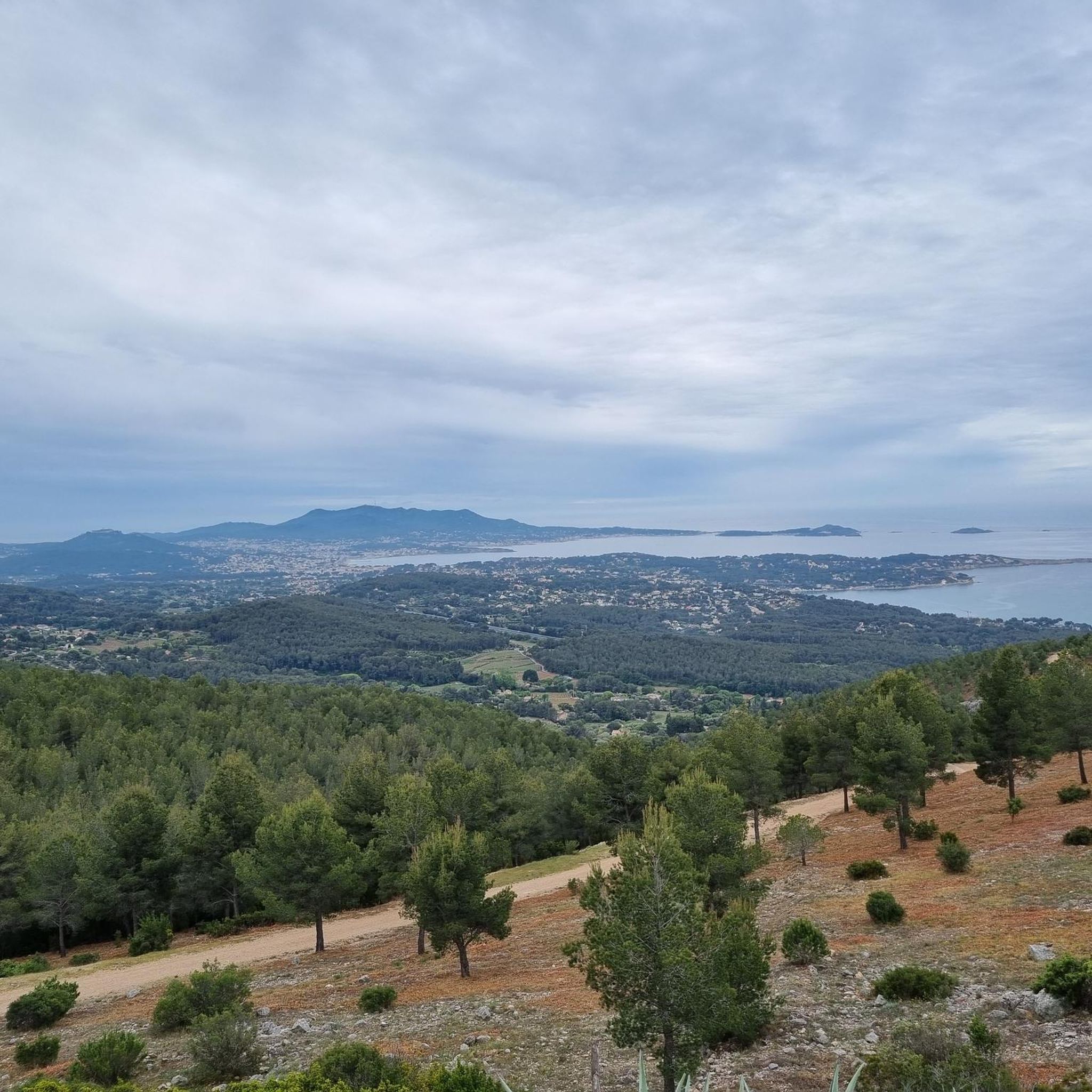
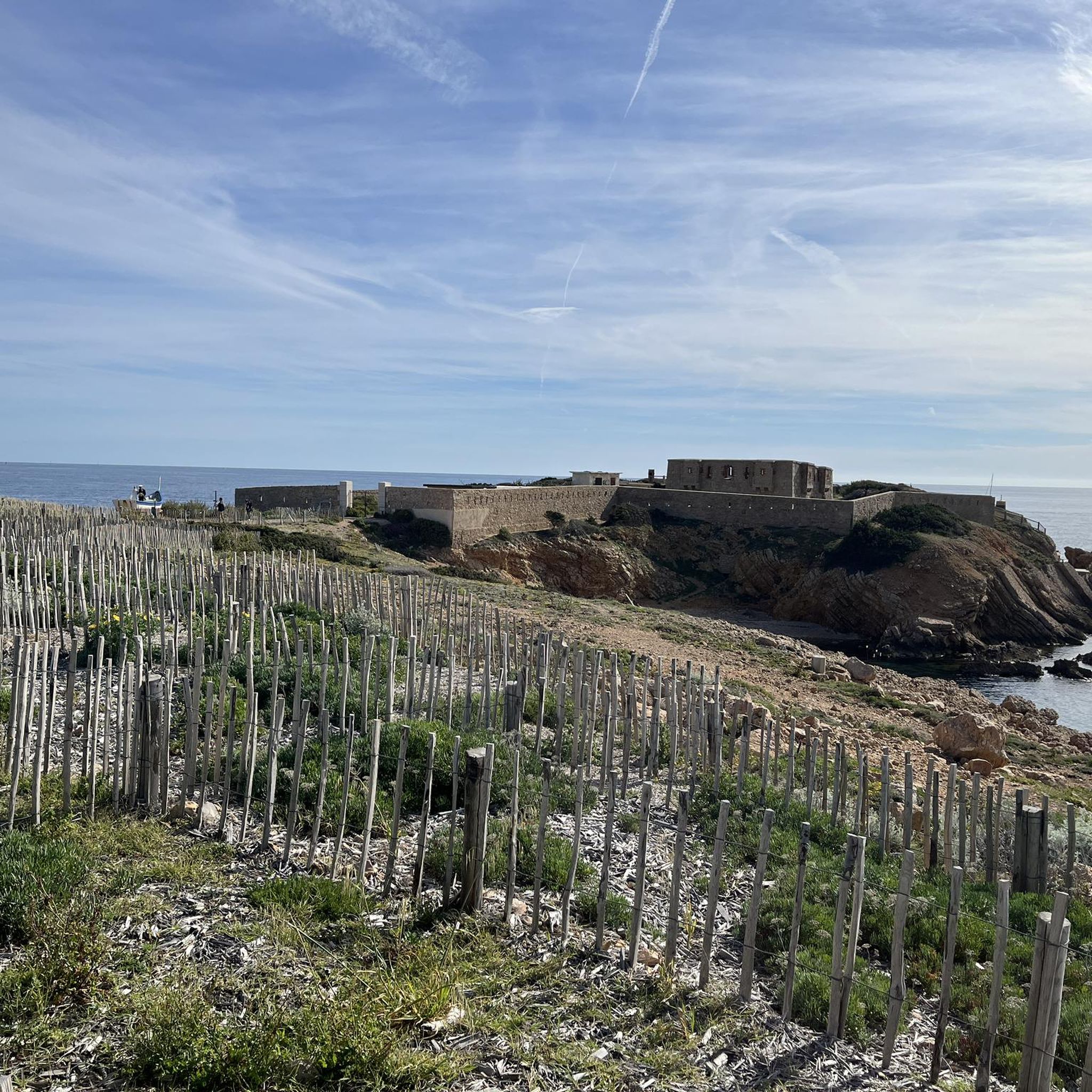

Other adventures around Sanary-Sur-Mer

Tips from the Community

Beautifully situated bay, good swimming spot
1
0

The harbor is one of Toulon's most emblematic sites. It includes the small harbor, which houses the military port, the marina, and the ferry terminal, as well as the large harbor, a coastal strip stretching from the Tour Royale to Cap Brun. Thanks to its exceptional natural environment (the hills surround the city and overlook the harbor), Toulon has become the only harbor to combine maritime and land defenses. This military heritage of forts, towers, and other fortresses, combined with the historic presence of the Arsenal, now known as the naval base, today provides the opportunity to tell great stories of strategy, battles, and the Revolution. All year round, the boatmen located at the port offer guided tours of the most beautiful harbor in Europe: the naval base and buildings of the French Navy, the marine cemetery, the port of La Seyne-sur-Mer and the former shipyards, the Tamaris corniche, Lazaret Bay and its mussel beds, the Saint Mandrier peninsula, the fortifications (Eguillette, Balaguier, Tour Royale), and the Mourillon beaches. Toulon harbor is also an ideal navigational area for sailing, dinghy sailing, and a variety of water sports (sea kayaking, paddleboarding, rowing, etc.). It hosts numerous prestigious regattas and nautical races.
1
1

Superb cove in the Port d'Alon area, perfect for swimming. This part of the coastline is very busy - choose the morning or evening if you want to enjoy the calm.
0
0

The sanctuary serves as a memorial to the soldiers who fell in 1944, during the liberation of Provence.
0
0


A splendid view where you can admire the Ciotat in the distance sanary bandol the fort of Six-Fours Toulon and its harbor
1
0


Brilliant views over a beautiful landscape, invites you to linger. Circular route/one-way street, in some places a bit narrow on the access road.
3
0
Frequently Asked Questions
What are some of the best natural attractions to explore around Sanary-sur-Mer?
Sanary-sur-Mer offers a variety of natural beauty. You can visit Port d'Alon Cove, a beautiful beach popular with locals and tourists. The Gros Cerveau Massif provides magnificent views of the Mediterranean and has approximately 20 km of trails for hiking. Plage de Portissol is another stunning white-sand beach, just a short walk from the town center. For a unique experience, explore the ZOA Parc, an animal and botanical park with nearly 300 animals and diverse plant species.
Are there any historical sites or cultural landmarks worth visiting in Sanary-sur-Mer?
Yes, Sanary-sur-Mer is rich in history and culture. The historic Tour de Sanary-sur-Mer, built in 1300, offers panoramic views and houses an underwater archaeology museum. The Port of Sanary-sur-Mer itself is considered one of the most authentic on the French Mediterranean coast, home to traditional heritage boats. You can also visit the 19th-century Église Saint-Nazaire with its Byzantine-style facade, or the Chapel of Notre-Dame de Pitié, which provides spectacular sea views from its hilltop location.
What kind of outdoor activities can I do near Sanary-sur-Mer's attractions?
The region around Sanary-sur-Mer is excellent for outdoor activities. You can explore the Sentier du Littoral, a coastal path offering dramatic cliffs and beautiful views. For hiking, the Gros Cerveau Massif has numerous trails. If you're interested in cycling, there are dedicated guides for MTB trails, gravel biking, and road cycling routes that allow you to discover the preserved landscapes of the French Riviera.
Are there family-friendly attractions in Sanary-sur-Mer?
Absolutely! Many attractions cater to families. Port d'Alon Cove is a family-friendly beach with clear waters. The ZOA Parc, an animal and botanical park, offers workshops and playgrounds suitable for all ages. The walk to Notre dame du mai is considered a magnificent hike that can be done with children, offering breathtaking panoramic views.
What are the best places to enjoy panoramic views of the coast and islands?
For stunning panoramic views, head to Notre dame du mai, which offers a 360° view of the surrounding islands and coastline, including the Embiez archipelago and the harbor of Toulon. The Chapel of Notre-Dame de Pitié, perched on a hill, also provides spectacular views of the sea, the port, and Embiez Island. Additionally, the Gros Cerveau Massif offers magnificent vistas of the Mediterranean, the bays of Sanary and Bandol, and the island of Porquerolles.
Can I take a boat trip to nearby islands from Sanary-sur-Mer?
Yes, boat trips are a popular activity. You can take a ferry to Bendor Island, a charming tiny French island with secluded coves and restaurants, just a short ride from Bandol. The Paul Ricard islands, including Embiez Island, are also accessible by boat, offering more opportunities for exploration.
What are the local markets like in Sanary-sur-Mer?
Sanary-sur-Mer is famous for its vibrant Provençal markets. The daily market offers a colorful array of local produce. The fish market, open Tuesday to Sunday, provides fresh catches directly from local fishermen. The Wednesday morning market is particularly large and lively, and during July and August, a vibrant artisan night market takes place on the port.
Are there any museums in Sanary-sur-Mer dedicated to its maritime history?
Yes, the Frédéric Dumas Museum (Diving Museum), located near the harbor, pays tribute to Frédéric Dumas, a pioneer in deep-sea diving. It showcases vintage equipment and exhibits on the early days of underwater exploration. Additionally, the Musée de la Marine, though located in nearby Toulon, offers extensive exhibits on maritime history, including ship models and the history of the Toulon arsenal.
What is the best time of year to visit Sanary-sur-Mer for attractions?
Sanary-sur-Mer is charming year-round, but the best time depends on your preferences. The summer months (July-August) are vibrant with festivals, night markets, and water sports, though it can be crowded. Spring (April-June) and early autumn (September-October) offer pleasant weather for exploring attractions, hiking, and enjoying the beaches without the peak season crowds. Winter provides a quieter experience, with opportunities to enjoy the town's authentic charm and local markets.
Are there any accessible attractions for visitors with mobility needs?
The Musée de la Marine is noted as wheelchair accessible. While specific accessibility details for all attractions are not always available, the Port of Sanary-sur-Mer and its charming alleys are generally flat and offer a pleasant experience for strolling. It's always recommended to check with specific venues for detailed accessibility information.
Where can I find unique local experiences or 'hidden gems' in Sanary-sur-Mer?
Beyond the main attractions, explore the colorful alleys of the village, which are filled with Provençal facades, fountains, and shaded squares, hosting numerous stalls and art galleries. The Oratories Uphill Walk, leading to the Chapel of Notre-Dame de Pitié, offers not just views but also ancient oratories and a colorful palette of Mediterranean vegetation. For a taste of local agriculture, visit The Garden of Olives, which showcases various olive tree species and traditional olive oil production.
Most popular routes around Sanary-Sur-Mer
Most popular attractions around Sanary-Sur-Mer

Get inspired with the komoot mobile app


Explore more
Still not found the Highlight you’re looking for? See guides of the top attractions in other regions:
