Attractions and Places To See around Prayssas - Top 20
Best attractions and places to see around Prayssas include a blend of historical sites, cultural experiences, and natural beauty in the Lot-et-Garonne department of France. This charming village is situated in the heart of the Lot-et-Garonne hills, offering a rural authentic setting. Prayssas features a picturesque 13th-century ecclesiastical village structure with stone houses and historical buildings. The area provides panoramic views of the Garonne plains and surrounding countryside.
Best attractions and places to see around Prayssas
- The most popular attractions…
Last updated: July 6, 2026
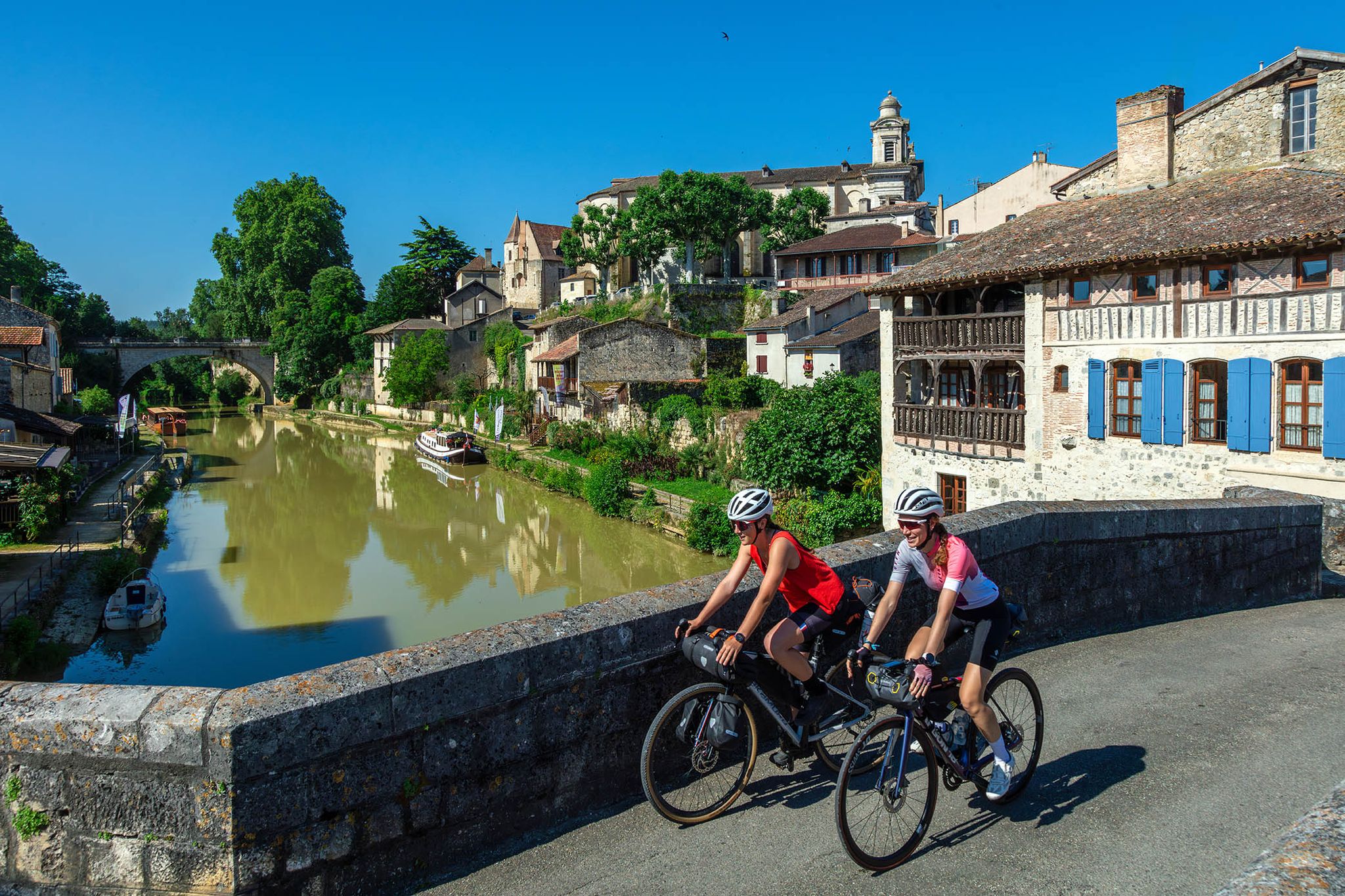
Agen Canal Bridge
Highlight (Segment) • Bridge
Translated by Google •
Tip by

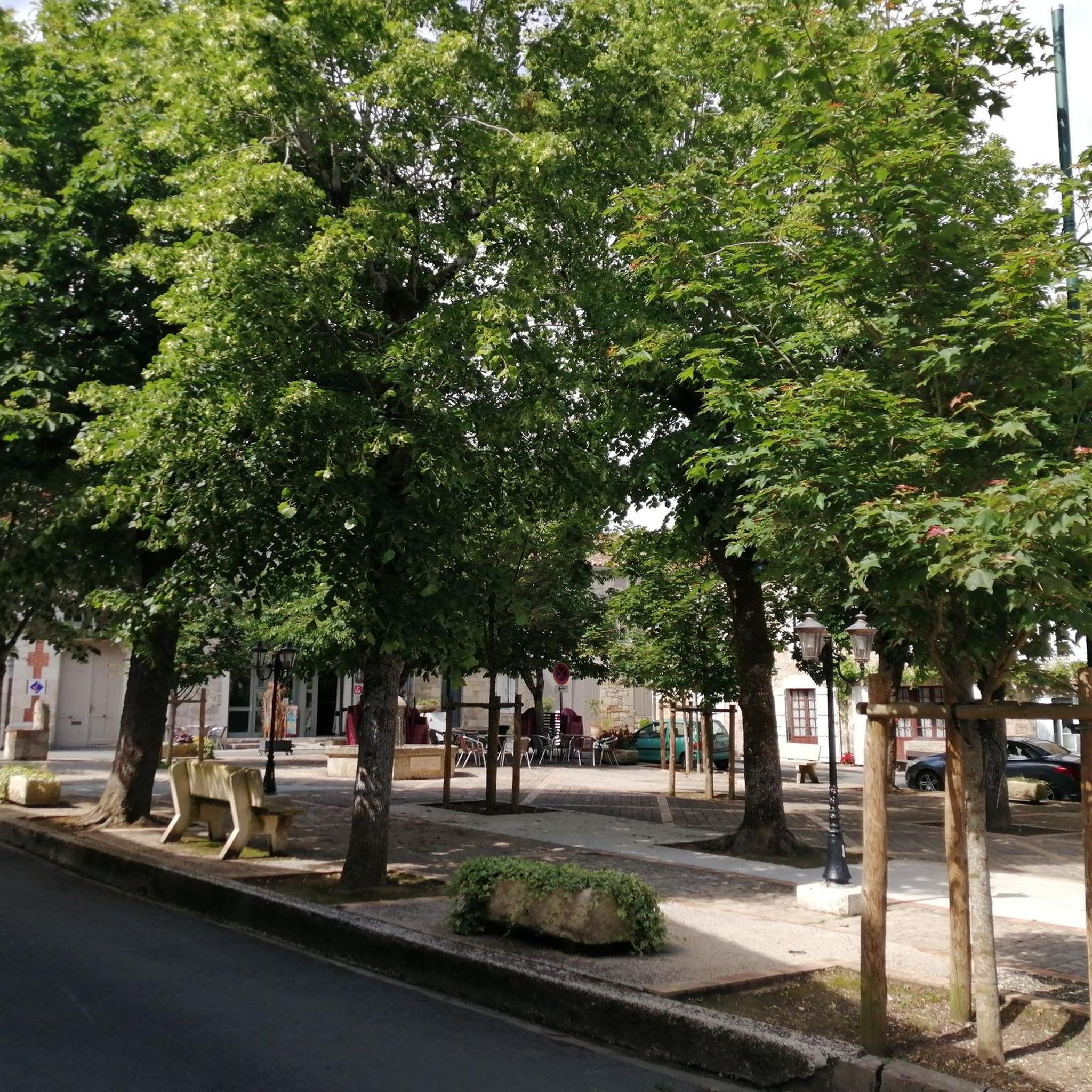
Prayssas Village Square
Highlight • Settlement
Translated by Google •
Tip by

Sign up now to discover places like this
Get recommendations on the best single tracks, peaks, & plenty of other exciting outdoor places.
Sign up for free
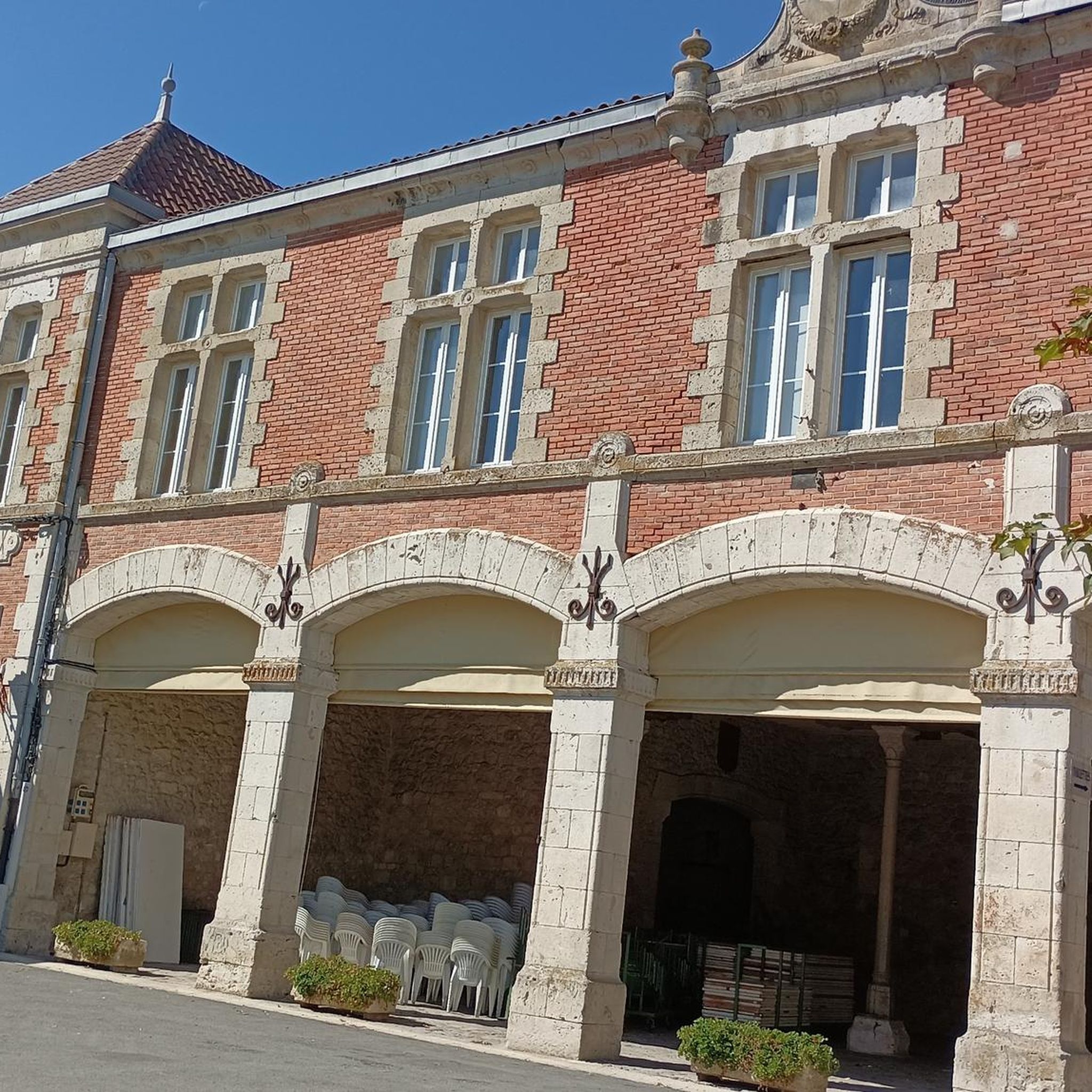
Saint John the Baptist Church
Highlight • Other
Translated by Google •
Tip by

Saint-Germain Church Ruins, Le Temple-sur-Lot
Highlight • Historical Site
Translated by Google •
Tip by

Historic Center of Clairac
Highlight • Historical Site
Translated by Google •
Tip by

Sign up for free to discover even more attractions around Prayssas.
Sign up for free
Already have an account?
Start today with a free account
Your next adventure awaits.
Login or Signup


Other adventures around Prayssas

Tips from the Community

Located in the heart of the Lot-et-Garonne hills, Preyssas is a charming village typical of the Albret region. Surrounded by orchards and rolling countryside, it reveals peaceful lanes, a beautiful stone church, and retains a true rural authenticity. The town hall square is an ideal spot for a relaxing break on a terrace.
0
0

[In Advent] "we hear in the Gospel the beginning of the ministry of John the Baptist. He appears in the desert and calls people to conversion so that they may prepare for the coming of the Lord. His call reminds us that Advent is not only a time of waiting, but also of interior preparation. "Prepare the way of the Lord, make straight his paths" (Luke 3:4). John's message challenges us to examine our lives. What "rough paths" and "crooked roads" are there in our hearts? Where have we perhaps distanced ourselves from God or lost sight of our fellow human beings? John invites us to remove these obstacles and reorient our lives. But his call has not only a personal dimension, but also a social one: the way of the Lord is a way of justice, peace and reconciliation. When we pave the way of the Lord, we bring light into the darkness of the world and hope into the hearts of people." (Text: Michael Inden, Diocesan President of the KAB in the Archdiocese of Cologne)
1
0
The community, often referred to as the "Order of the Templars" for short, whose full name is "Poor Knights of Christ and of Solomon's Temple in Jerusalem", takes us back to the 13th century. Founded in the Holy Land, it spread surprisingly quickly with numerous branches in many countries in Central Europe. The order gained notoriety through the fact that it was dissolved in 1312 by the French king and the pope and its members were accused of being heretics. The main reason for the dissolution, however, was not the human and religious misconduct (heresy) of the members, which was merely a pretext, but the legendary wealth of this order. King Philip IV of France (1268 to 1314) wanted to use this measure primarily to improve his coffers and secure its treasures.
0
0
Saint John the Baptist (Saint Jean Baptiste), to whom this church in Clermont-Dessous is dedicated, is - like Saint Joseph - a man on the threshold of the Old and New Testaments. His parents are Zacharias and Elisabeth, and after the announcement of the Incarnation of God through them, the Mother of God visits her relative Elisabeth, who will give birth to a son in her old age, namely John the Baptist. He is half a year older than Jesus and is considered his forerunner/pioneer. He lives in the desert, preaches repentance from sins to the Jewish population and baptizes them in the Jordan, where Jesus also comes to be baptized, and is filled with the Holy Spirit who descends upon him from heaven. The feast day of Saint-Jean-Baptiste in the calendar of saints is June 24, exactly half a year before 'Christmas Eve'.
3
0
Saint John the Baptist, to whom this church in Clermont-Dessous is dedicated, is—like Saint Joseph—a man at the threshold between the Old and New Testaments. His parents were Zechariah and Elizabeth. After the Annunciation of the Incarnation, the Virgin Mary visited her relative Elizabeth, who, in her old age, would give birth to a son, John the Baptist. He was six months older than Jesus and is considered his forerunner. He lived in the desert, preached repentance to the Jewish population, and baptized them in the Jordan River. Jesus also came to the Jordan to be baptized, and was filled with the Holy Spirit, who descended from heaven. The feast day of Saint John the Baptist in the liturgical calendar is June 24, exactly six months before Christmas Eve.
2
0

Spectacular canal bridge over the Garonne
3
0

The parish church of Saint Jean-Baptiste was built in the 12th century at the top of the promontory carrying the castle, isolated from the village by a ditch, in the Romanesque style with a dome. The church took part in the defense of the site with its tower placed above the crossroads of the slightly projecting transept being used for the surveillance of the region.
1
1
The history of Clairac is inseparable from that of its Benedictine abbey, which was internationally renowned in the Middle Ages. The abbey, as well as the town which was formed around its walls, reached their peak in the 12th and 13th centuries. There were then 120 monks who worked both in the fields and as copyists of manuscripts. The abbot of Clairac was also the lord of the village and commanded two bastides, five priories and around fifty parishes. The monks also owned two mills on the Lot. The income generated by the abbey was then considerable. But the most important heritage is unexpected: the plum tree of Damascus, brought back from the crusades, was in fact "enté", that is to say grafted, by them for the 1st time. They also discovered the sun-drying process, inventing the Ente plum and the Agen prune in one fell swoop!
1
0
Frequently Asked Questions
What historical and cultural sites can I explore in Prayssas?
Prayssas offers a rich history. You can visit the 11th-century Saint John the Baptist Church, known for its superb mural frescoes and its commanding view over the Garonne. Wander through the historic village center to discover stone houses, ancient wells, and the imposing Mairie (Town Hall) housed within a castle that forms part of the village's ramparts. The 16th-century Maison du Goulet, with its distinctive chimney and dovecote tower, also offers a glimpse into the past.
Are there any scenic viewpoints or natural attractions near Prayssas?
Yes, for stunning panoramas, head to the Point de vue du Lau et Fenêtre Paysagère. This elevated viewpoint offers one of the most beautiful views in the department, overlooking the Garonne plains and the village itself. For nature lovers, Lac du Salabert is a 25-hectare natural wildlife reserve within the Pays de Serres, featuring equipped trails for environmental discovery.
What outdoor activities are available around Prayssas?
The area around Prayssas is excellent for outdoor activities. You can find various hiking itineraries, including panoramic circuits like 'Prayssas / Quittimont'. Mountain biking enthusiasts can explore trails as part of the 'Entre Lot et Garonne' VTT-FFC Site. For more detailed routes, check out the hiking guide or the MTB trails guide for the region.
What family-friendly attractions are there near Prayssas?
Families have several options. The Agen Aqueduct is an impressive structure that children might enjoy seeing. For more active fun, Aqualand Agen and Walibi Sud-Ouest amusement park are both approximately 12.5 km from Prayssas. The Maison de la Nature at Lac du Salabert also offers interactive discovery trails suitable for families.
Where can I find a relaxing spot in Prayssas?
The Prayssas Village Square is described as an ideal spot for a relaxing break. Surrounded by peaceful lanes, orchards, and a beautiful stone church, it offers a true rural authentic atmosphere perfect for unwinding.
Are there any unique local experiences or museums nearby?
Yes, you can explore unique local experiences. Visit La Maison de la Noisette (The Hazelnut House) in Lacepède, about 5.9 km away, or learn about local agriculture at the Farm and Pruneau Museum near Laparade/Lafitte-sur-Lot, focusing on the famous Agen prunes.
What are some charming villages to visit close to Prayssas?
Beyond Prayssas, several charming villages are worth exploring. Montpezat-d'Agenais, a castral village built on a promontory, offers natural beauty and cultural interest. Pujols, recognized as one of France's 'Most Beautiful Villages,' is about 18 km away and boasts significant character. The villages of Saint-Sardos and Sainte-Colombe-en-Bruilhois are also highlighted as beautiful places to visit.
Can I go road cycling around Prayssas?
Absolutely! The region offers diverse terrain for road cycling. You can find routes that take you through scenic landscapes and past historical sites. For specific routes and difficulty levels, refer to the Road Cycling Routes around Prayssas guide.
What is the Historic Center of Clairac known for?
The Historic Center of Clairac, located along the Lot River, is known for its beautiful half-timbered houses and the Saint-Pierre-ès-Liens church. Historically, Clairac's Benedictine abbey was internationally renowned, and it's famously where the Damascus plum tree was first grafted, leading to the invention of the Ente plum and the Agen prune.
Are there any castles or fortified sites in the vicinity?
Yes, the region has several historical fortifications. The Mairie in Prayssas itself is housed within an elegant castle that was once part of the village's ramparts. Additionally, the Château de Clermont-Dessous, situated on a hill overlooking the Garonne, has been fortified since the 11th century and offers a glimpse into the area's medieval past.
What unique natural wonders can I find near Prayssas?
For a unique natural wonder, consider visiting the Cave Lastournelle in Sainte-Colombe-de-Villeneuve, approximately 13.2 km from Prayssas. This natural scenic attraction offers an underground experience.
What do visitors enjoy most about the attractions around Prayssas?
Visitors particularly appreciate the blend of historical charm and natural beauty. The peaceful atmosphere of the Prayssas Village Square, the impressive engineering of the Agen Aqueduct, and the historical significance of the Saint John the Baptist Church are frequently highlighted. The panoramic views and opportunities for outdoor activities also receive high praise from the komoot community.

Get inspired with the komoot mobile app


Explore more
Still not found the Highlight you’re looking for? See guides of the top attractions in other regions:
