Attractions and Places To See around Ambronay - Top 20
Best attractions and places to see around Ambronay include historical sites and natural landscapes. This commune in the Ain department of France is recognized as a "Site Patrimonial Remarquable" due to its historical and architectural significance. The territory is largely wooded, bordered by the Ain river to the west and the foothills of the Jura massif to the east, offering diverse points of interest.
Best attractions and places to see around Ambronay
- The most popular attractions is Lac Bleu on…
Last updated: April 24, 2026
Allymes Castle
Highlight • Castle
Translated by Google •
Tip by

Lac Bleu on the Gardon
Highlight • Lake
Translated by Google •
Tip by
Sign up now to discover places like this
Get recommendations on the best single tracks, peaks, & plenty of other exciting outdoor places.
Sign up for free
Fortifications
Highlight • Other
Translated by Google •
Tip by

Croix de Bramafan
Highlight • Monument
Translated by Google •
Tip by

Château Saint-Germain
Highlight • Historical Site
Translated by Google •
Tip by
Sign up for free to discover even more attractions around Ambronay.
Sign up for free
Already have an account?
Start today with a free account
Your next adventure awaits.
Login or Signup
Tips from the Community

The site features the remains of fortifications dating from the 11th to the 19th centuries. The former castle of the Lords of Loyes (ruins of the Château de la Pie), the modern castle, the formal garden, and the kitchen garden are all visible. In the 18th century, major work was carried out on the Château de Loyes, but a fire destroyed the tops of the towers and the roof. In 1840, renovations were undertaken, including the construction of outbuildings, a woodshed/cellar, and stables. At the end of the 19th century, a church was built, dividing the castle mound in two. The castle entrance was modified at the end of the 19th century, along with the neo-Gothic wall. The garden, originally laid out in the early 18th century, was modernized by Luizet and Barret at the end of the 19th century; a landscaped garden was added to the formal garden. The castle mound is accessible via a footpath. Inside, a 17th-century staircase with ramps is adorned with the coats of arms of its various owners, painted in the 19th century. https://pop.culture.gouv.fr/notice/merimee/PA01000030
0
0

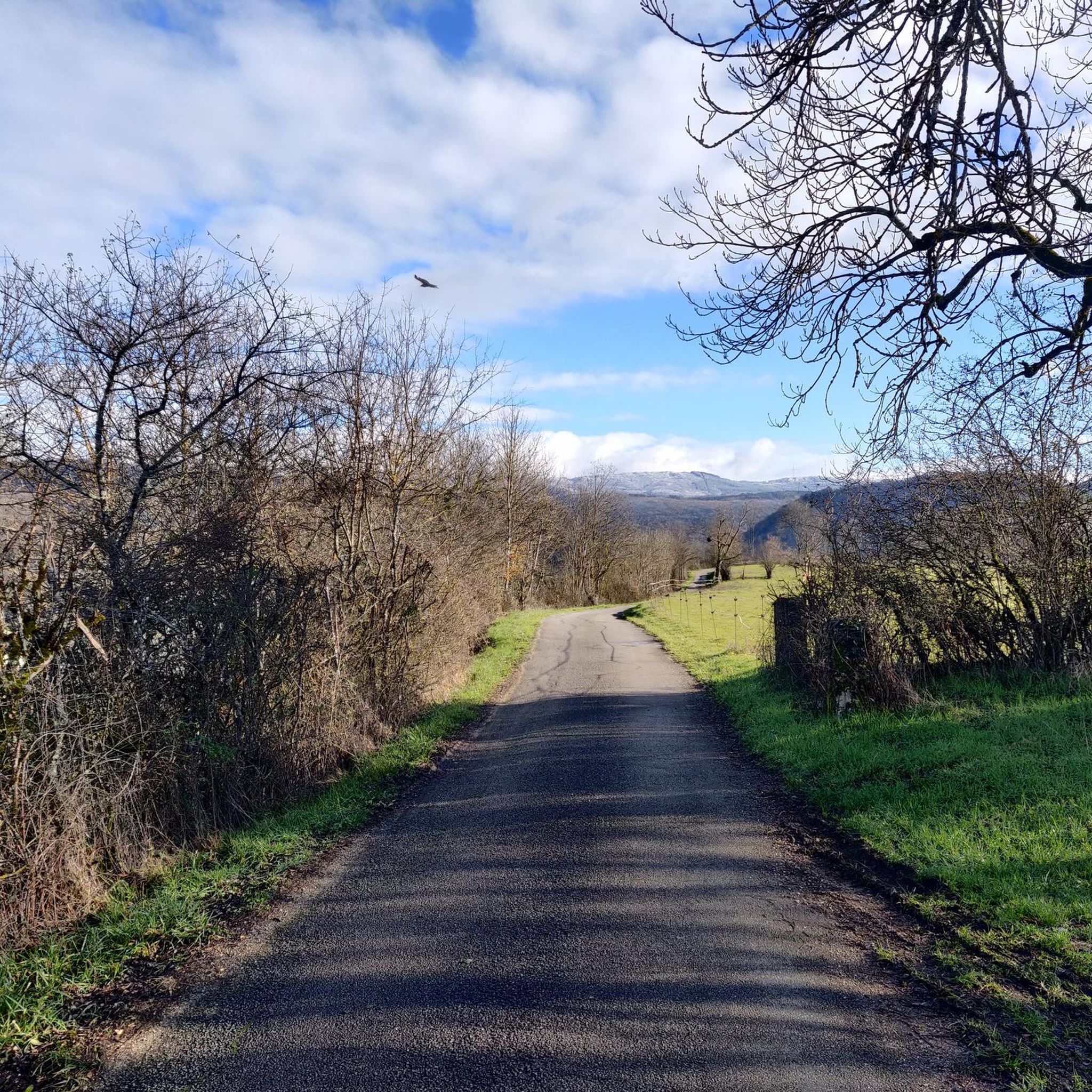
Ruins with explanatory panels. A beautiful view of the Ain plain. A must-see!
0
0
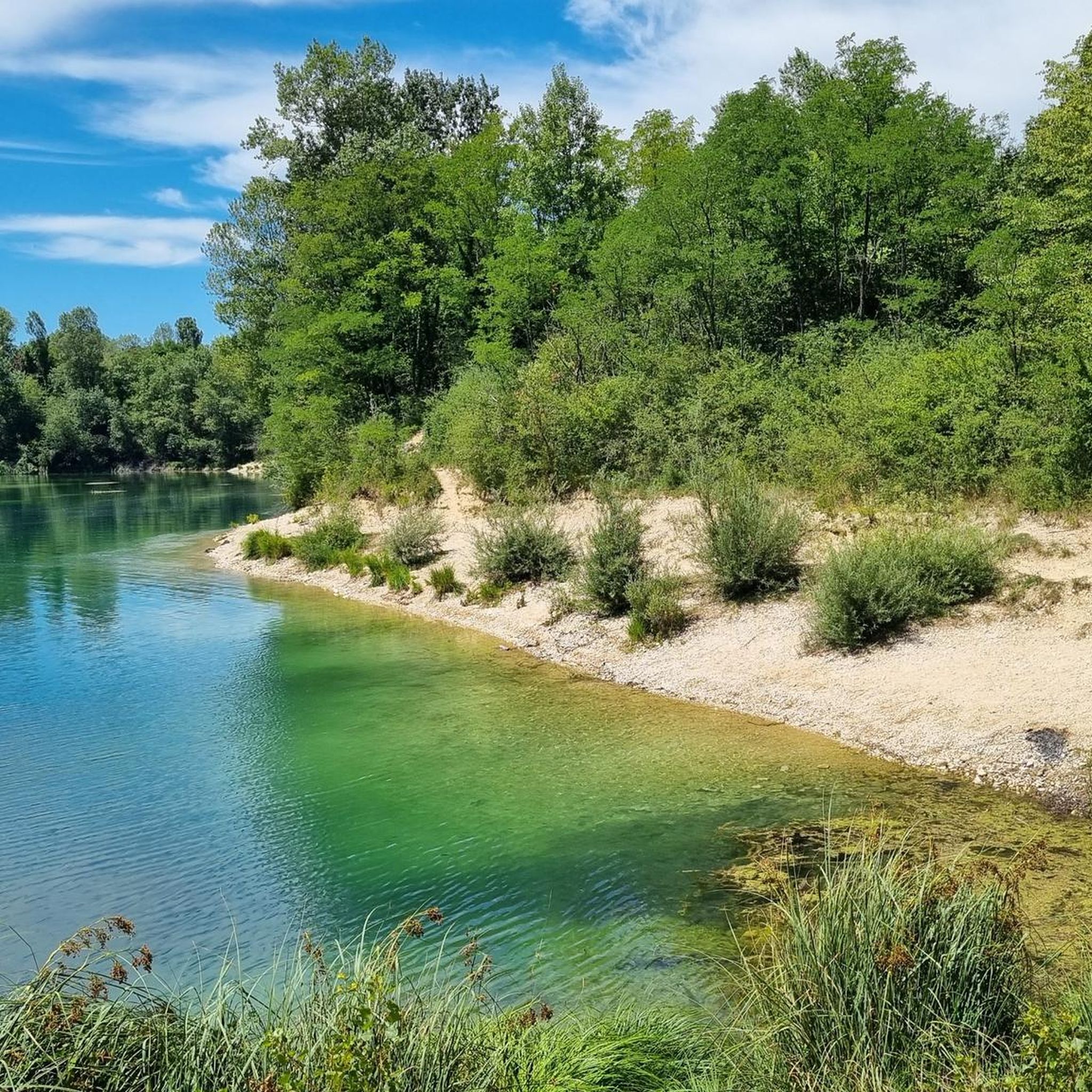
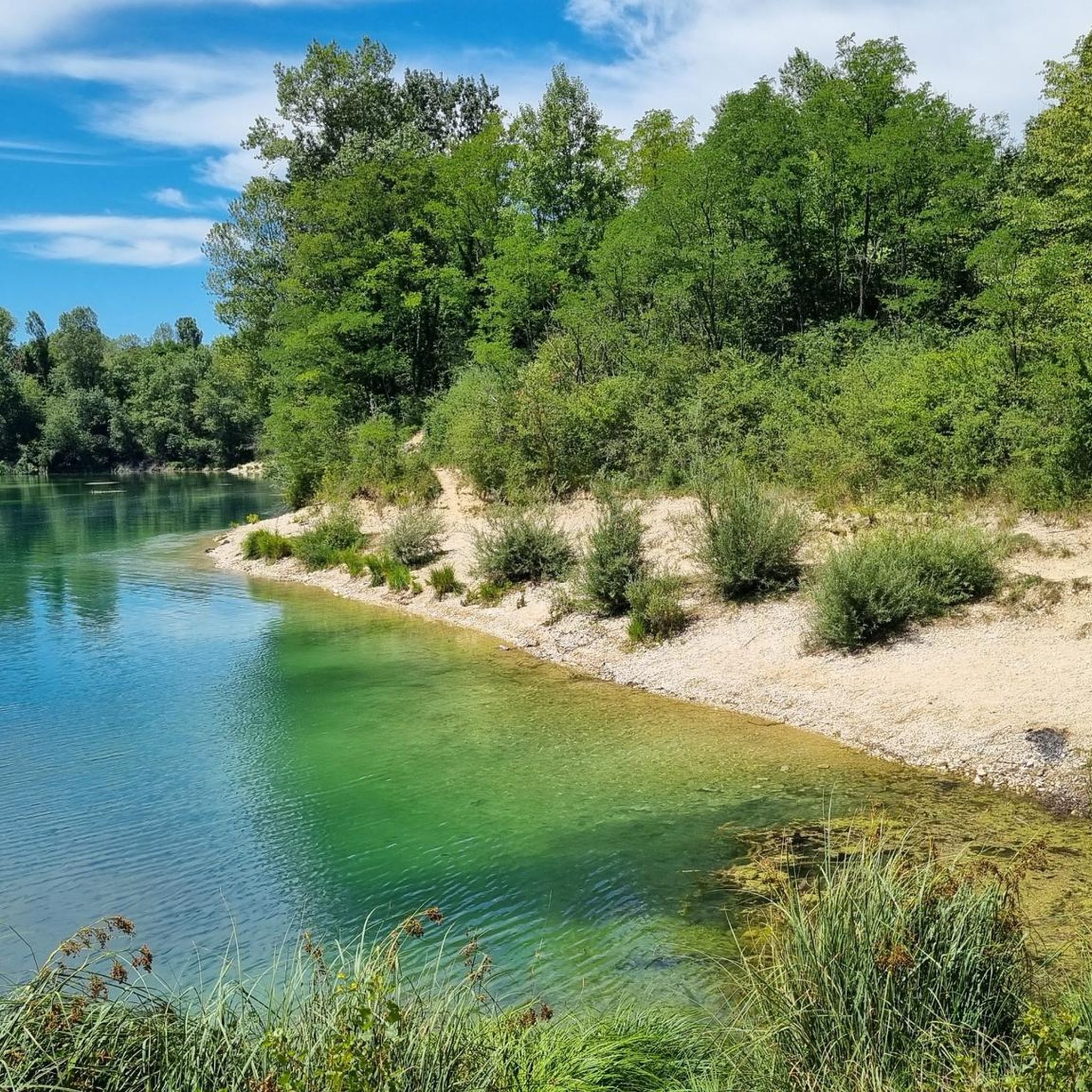
This spot didn't impress me: "blue lake" is an exaggeration, it's a very small reservoir... lots of people on the banks too.
0
1


The castle overlooks the Ain plain. A few benches are available for relaxing while admiring the view. It's possible to walk around the castle by continuing along the path past the entrance. It's accessible with a paid ticket, and opening hours vary depending on the season.
0
0
Smaller pond than lake..more green than blue. Average.
0
0

“Each of these crosses can tell its own story and what motivated people to build “their” cross on this spot. (...) These crosses were erected as visible signs and attract the attention of many people. The cross is a symbol of life. It stands as a sign of our Christian hope and wants to direct our gaze to Jesus Christ, who conquered death (…). The cross is part of our lives, just as it was part of the life of Jesus. So I hope that many people ... visit the crosses, whether as places of silence and taking a breath before God, whether as places of community gathering, prayer and praise of God. (Text source: Dean Rainald M. Ollig in: “Crosses... Small sacred monuments as signs of popular piety”)
2
0
Frequently Asked Questions
What historical sites can I explore in and around Ambronay?
Ambronay is rich in history. The magnificent Ambronay Abbey, a Benedictine abbey founded in 800 AD, is a Gothic masterpiece with a church, cloister, and monastic buildings. You can also visit the ruins of Château Saint-Germain, an 11th-century fortified castle offering historical context and views over the Albarine valley. Other historical points of interest include the ancient Porte de la Gargouille and the 13th-century Tour des Archives within the village center, as well as the remains of the Bastide de Gironville (Fort Sarrazin).
Are there any natural attractions or scenic viewpoints near Ambronay?
Yes, the region offers beautiful natural spots. The most popular natural attraction is Lac Bleu on the Gardon, known for its bright blue waters. The surrounding countryside is largely wooded, bordered by the Ain river and the foothills of the Jura massif. For panoramic views, visit Allymes Castle, situated 650 meters above sea level, offering breathtaking vistas of Savoyard Bresse and Dombes. The Croix de Bramafan also provides a viewpoint after a scenic walk.
What outdoor activities can I do around Ambronay?
The area around Ambronay is ideal for various outdoor activities, especially hiking and cycling. You can find numerous trails for all levels. For mountain biking, explore routes like the 'La roche fendue – Riverside Swimming Beach loop' or the 'Priay Lake loop'. Gravel biking enthusiasts can try the 'Allymes Castle – Col du Nivollet loop'. Running trails are also available, such as the 'Lac de Longeville loop'. You can find more details on these activities and routes on the MTB Trails around Ambronay, Gravel biking around Ambronay, and Running Trails around Ambronay guide pages.
Are there family-friendly attractions or activities in Ambronay?
Yes, several attractions are suitable for families. Lac Bleu on the Gardon is a natural monument categorized as family-friendly, offering a pleasant spot by the water. The Ambronay Abbey also offers interactive experiences like escape games and musical visits, which can be engaging for children and adults alike. The Town Hall Park with its small lake provides a tranquil spot for relaxation.
What is the best time of year to visit Ambronay?
Ambronay can be enjoyed throughout the year, but the best time often depends on your preferred activities. The annual Baroque and early music festival at the Ambronay Abbey typically takes place in autumn, attracting international artists. For hiking and outdoor activities, spring and early autumn offer pleasant weather. Summer is also popular, especially for enjoying natural sites like Lac Bleu.
What do visitors enjoy most about the attractions around Ambronay?
Visitors particularly appreciate the blend of historical significance and natural beauty. The serene atmosphere of the Ambronay Abbey and its cultural events are highly valued. The stunning views from historical sites like Allymes Castle and the picturesque setting of Lac Bleu are also frequently praised. Many enjoy the opportunity to immerse themselves in history while also having access to diverse outdoor trails.
Are there any fortifications or castles to visit besides Ambronay Abbey?
Beyond the abbey, you can explore other significant historical fortifications. The ruins of Château Saint-Germain, an 11th-century fortified castle, offer a glimpse into the region's past. Additionally, the Fortifications of Loyes feature remains dating from the 11th to the 19th centuries, including the former castle of the Lords of Loyes and a modern castle with gardens.
Can I find easy walking trails or accessible attractions in Ambronay?
The historic village center of Ambronay itself offers pleasant, easy walks through its quaint streets. The Town Hall Park with its small lake is also a tranquil and accessible spot. While specific wheelchair accessibility details for all sites are not available, the general appeal of the village center and some parts of the abbey grounds may be suitable for easier exploration. For hiking, some routes around Ambronay are categorized as 'easy', such as the 'Priay Lake loop' for mountain biking or the 'Lac de Longeville loop' for running, which can often be adapted for walking.
Where can I find information about parking when visiting Ambronay's attractions?
While specific parking details for every attraction are not provided, Ambronay is a commune with visitor facilities. For the Ambronay Abbey, there is typically parking available nearby for visitors attending events or tours. For other attractions like Allymes Castle or trailheads, local signage will guide you to designated parking areas. It's advisable to check local information upon arrival for the most current parking options.
Are there any unique or 'hidden gem' spots to discover around Ambronay?
Beyond the main attractions, Ambronay's charm lies in its smaller, less-known spots. Exploring the various hamlets like Salaport with its wash house and oven, Merland with its Saint-Tricot fountain, or Coutelieu featuring a sculpted medallion with the arms of the Dukes of Savoy, offers a glimpse into local life and history. Le Vorgey, with houses built from Ain river pebbles and a 20-hectare body of water popular with fishermen, is another unique area to discover.
What kind of terrain can I expect on hiking trails near Ambronay?
The hiking terrain around Ambronay is diverse, ranging from wooded paths to elevated viewpoints. The region is bordered by the Ain river to the west and the foothills of the Jura massif to the east, meaning you can expect a mix of riverside trails, forest walks, and routes with moderate elevation changes as you approach the Jura foothills. Trails like the 'Circuit from Brosses to Château des Allymes' offer beautiful panoramas, indicating some uphill sections.
Most popular routes around Ambronay

Get inspired with the komoot mobile app


Explore more
Still not found the Highlight you’re looking for? See guides of the top attractions in other regions:
