The best road cycling routes around Saint-Remy
4.3
(145)
1,789
riders
130
rides
Road cycling routes around Saint-Remy offer diverse landscapes within the Alpilles Regional Natural Park. The region features a mix of flat, paved sections and challenging ascents through limestone hills, catering to various fitness levels. Cyclists can expect to traverse picturesque countryside with olive groves, vineyards, and pine forests, alongside rolling hills and valleys. This varied terrain provides a rich experience for road cyclists.
Best road cycling routes around Saint-Remy
- The most popular road cycling route is Col de Steige –…
Last updated: November 18, 2026
4.0
(2)
38
riders
48.4km
02:10
480m
480m
Moderate road ride. Good fitness required. Mostly well-paved surfaces and easy to ride.
5.0
(1)
36
riders
33.3km
01:25
240m
240m
Easy road ride. Mostly well-paved surfaces and easy to ride.

20
riders
24.9km
01:06
240m
240m
Easy road ride. Mostly well-paved surfaces and easy to ride.
14
riders
54.7km
02:33
610m
610m
Moderate road ride. Good fitness required. Mostly well-paved surfaces and easy to ride.
5.0
(1)
5
riders
Moderate road ride. Good fitness required. Mostly well-paved surfaces and easy to ride.
Get access to more routes and recommendations from other explorers.
Already have an account?
Our route recommendations are based on thousands of hikes, rides, and runs completed by other people on komoot.
Start today with a free account
Your next adventure awaits.
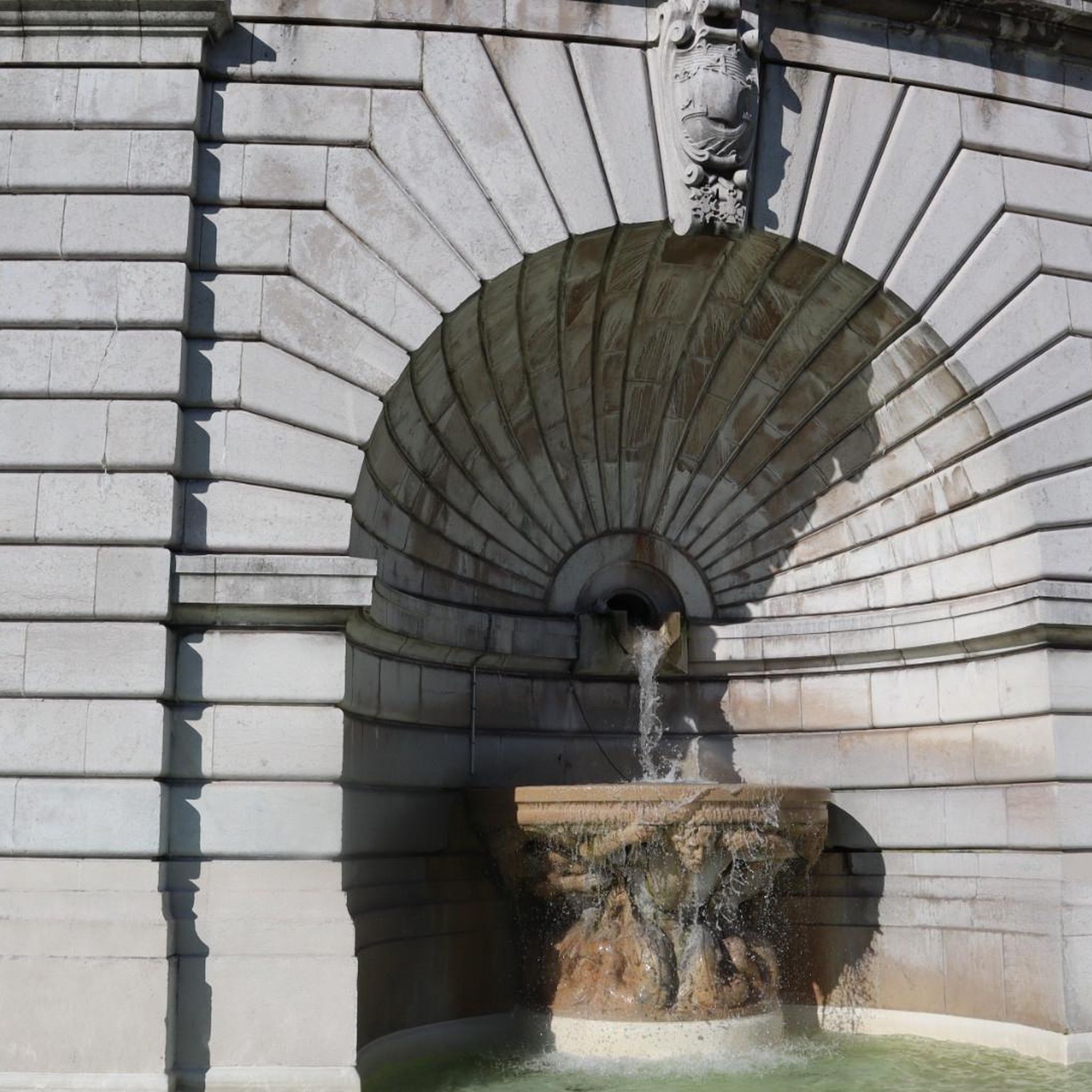
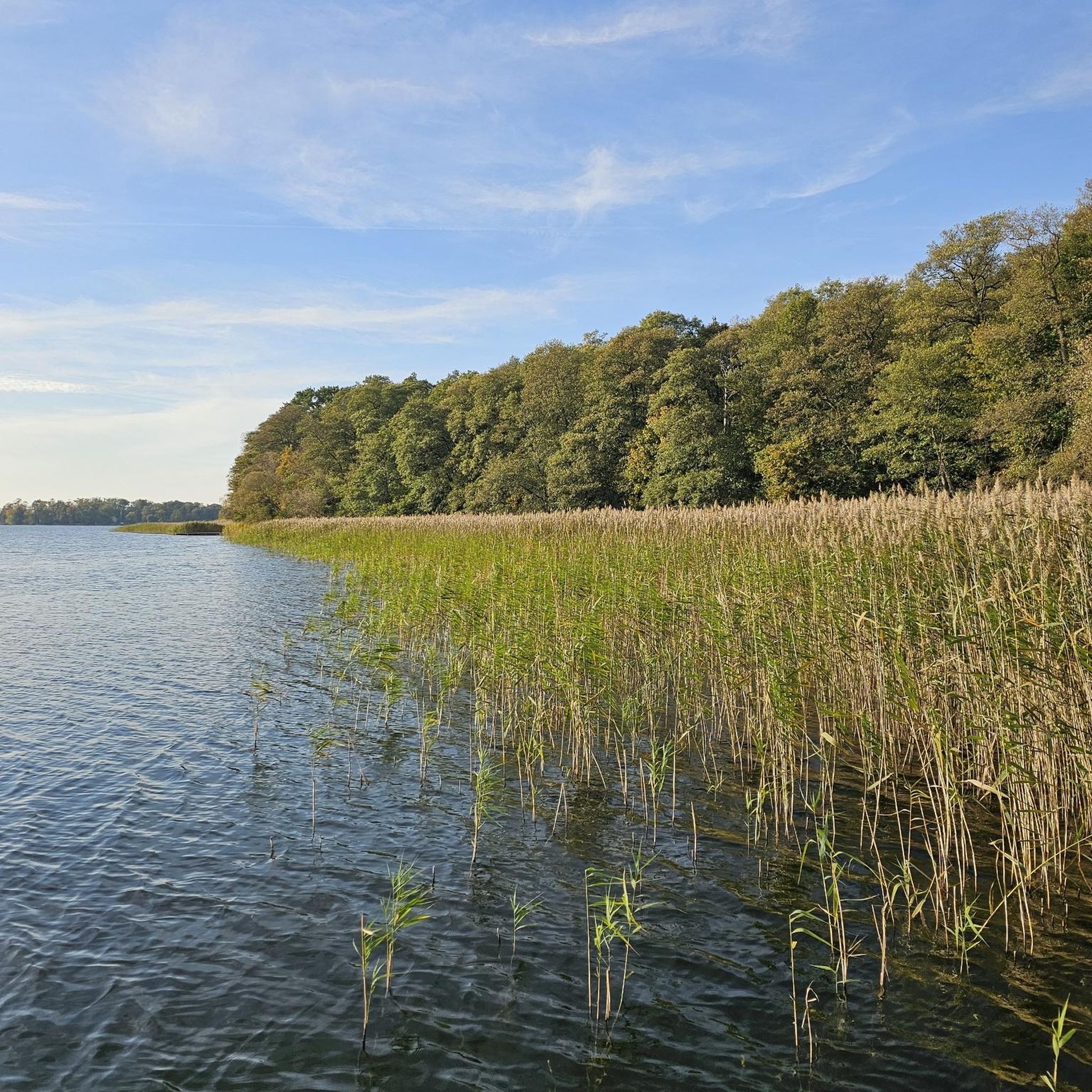
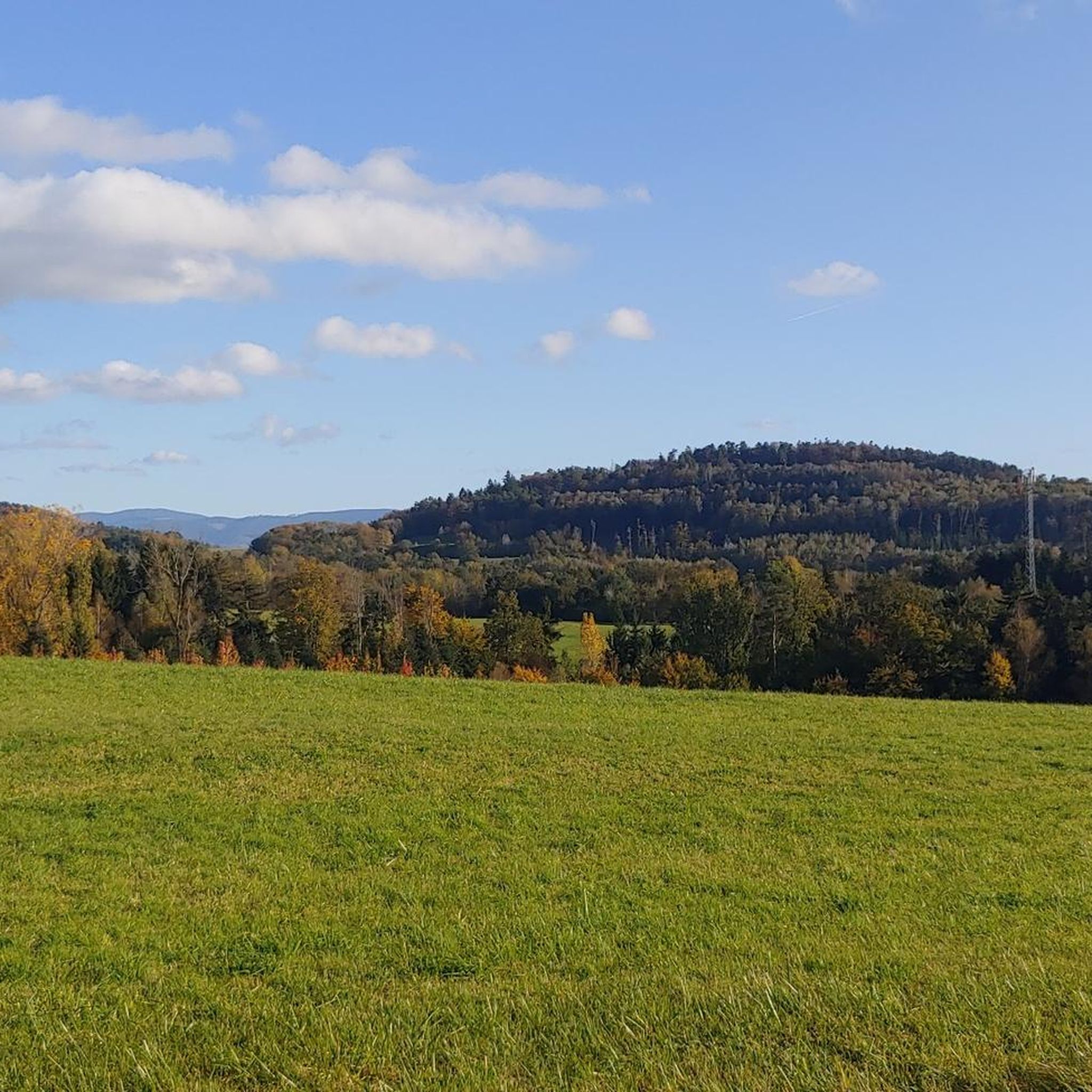


Tips from the Community

It is located on the left bank of the Meurthe, at number 14 rue Denfert-Rochereau. The Saint-Georges church is the church of La Neuveville-lès-Raon, which merged with Raon-l'Etape in 1947. It was built between 1835 and 1838 according to the plans of the district architect Boucher de Saint-Dié. The church was fitted out in 1894. In 1905 the dome was rebuilt. From 1973 to 1978, major restoration work was carried out, both interior and exterior. Inside, among other things, there is an old statue of Our Lady of Sorrows, a painting of Saint Nicholas, who is also the patron saint of wood-floaters, a painted wooden Christ, and a memorial chapel (1922).
0
0

yes up there you have a good view
2
0

Dzia is a streetart artist from Belgium. https://www.dzia.be/ Saint-Dié-des-Vosges, Urban Frescoes 2016 - Dzia: Grouse and Lynx https://www.saint-die-des-vosges.fr/bouger/culture/fresques-urbaines/
0
0
The Meurthe is the 3rd largest tributary of the Moselle, after the Saar and the Sauer. Its source is near the Col de la Schlucht, in the municipality of Le Valentin. After approx. 20 km, the Meurthe reaches Saint-Dié-des-Vosges. After 160 km, it flows into the Moselle north of Nancy.
0
0

Nestled in a verdant valley, Saint-Dié-des-Vosges is a charming Vosges town with a rich historical and cultural heritage. Blending conviviality, culture, history, and nature, it appeals to both heritage enthusiasts and lovers of wide-open spaces.
1
0

The Second Princes' Palace of Salm was built between 1773 and 1778 by Ludwig Karl Otto. After the prince's escape in 1793, it was converted into a cotton mill. After this period, the building fell into disrepair. It has now been restored and is used as a residential building.
0
0

The Senones monastery, an abbey in the Rabodeau valley in the present-day town of Senones in Lorraine, was founded in 661 by Saint Gondelbert, the former Archbishop of Sens. The documentary evidence is incomplete. The Benedictine monk Richer of Senones wrote the story up to 1263. However, his work is disputed. Around two hundred monks are said to have lived in the abbey in the 9th century. The monastery became a fief of the bishops of Metz, and Angilram in particular tried to gain ties. The order's power lay with the diocese of Toul. In 1103, Kunegund, the widow of Matfried of Tincry, and her sons donated goods to the abbey's Tures priory. Her eldest son Gobert became vogt of Senones in 1105. From 1111 to 1126, Hermann II of Salm was vogt. His son Henry I continued his work. Abbot Augustin Calmet became famous through his Bible commentary La Saint Bible en Latin et en françois, avec une commentaire littéral et critique. Prince Konstantin Alexander Joseph of Salm-Salm ordered the secularization of Senones Abbey on February 24, 1790, against which the abbey protested in the chapter on March 1 and filed a complaint with the Imperial Chamber Court in Wetzlar. Nevertheless, the monastery was dissolved in 1793. The bell tower is from the High Middle Ages, the other buildings date from the 18th and 19th centuries. In 1983, the abbey was classified as a monument historique by the French Ministry of Culture. https://de.wikipedia.org/wiki/Abtei_Senones
2
3

Poor to moderate road surface with holes, moss and gravel grains. Probably never cars
0
0
Frequently Asked Questions
What kind of terrain can I expect on road cycling routes around Saint-Remy?
The Saint-Remy area, nestled within the Alpilles Regional Natural Park, offers a diverse range of terrain. You'll find a mix of flat, paved sections perfect for relaxed rides, alongside rolling hills and more challenging ascents through limestone hills. Expect picturesque countryside featuring olive groves, vineyards, and pine forests, providing a varied and engaging cycling experience.
How many road cycling routes are available in the Saint-Remy region?
There are over 120 road cycling routes available around Saint-Remy, catering to various skill levels. This includes 24 easy routes, 74 moderate routes, and 22 difficult routes, ensuring options for every cyclist.
Are there any easy road cycling routes suitable for beginners or families in Saint-Remy?
Yes, Saint-Remy offers several easy road cycling routes. For instance, the Saint-Dié Cathedral – Liberty Tower loop from Saint-Remy is an easy 37.3 km trail that leads through varied landscapes, often completed in about 1 hour 36 minutes. The region also benefits from traffic-free cycle roads, like the greenway linking Saint-Rémy-de-Provence to Saint-Étienne-du-Grès, which are ideal for relaxed rides.
What are some challenging road cycling routes for experienced cyclists in Saint-Remy?
For experienced cyclists seeking a challenge, the Col de Steige – Champ du Feu loop from Étival-Clairefontaine is a difficult 107.9 km route featuring significant elevation gain and sustained climbs. The Alpilles also offer rewarding climbs towards destinations like Les Baux-de-Provence.
What are the best times of year to go road cycling in Saint-Remy?
The best time to cycle in Provence, including Saint-Remy, is generally between May and the end of September. Spring brings blooming wildflowers, while late June and early July showcase the famed lavender fields, offering a truly picturesque backdrop for your rides.
What do other road cyclists enjoy most about the routes in Saint-Remy?
The road cycling routes in Saint-Remy are highly rated by the komoot community, with an average score of 4.4 stars from over 80 reviews. Cyclists often praise the varied terrain, from flat sections to challenging climbs, and the picturesque countryside with its olive groves, vineyards, and pine forests.
Are there any moderate road cycling routes that offer a balanced ride?
Absolutely. The Lac de la Plaine – La Plaine Lake loop from Étival-Clairefontaine is a popular moderate 50.4 km route that provides a balanced ride with rolling terrain and scenic views around the lake. Another great option is the Climb Senones loop from Saint-Remy, a moderate 42.0 km route.
What natural features can I see while cycling in the Alpilles Regional Natural Park near Saint-Remy?
While cycling through the Alpilles Regional Natural Park, you can observe rich Mediterranean flora and fauna, including raptors, especially in areas like the Valrugues valley and the Plateau de la Caume. You'll also encounter stunning limestone hills, picturesque countryside with lavender fields, olive groves, vineyards, and fragrant pine forests.
Are there any historical or cultural landmarks I can visit along road cycling routes?
Yes, the region is rich in history. While cycling, you might encounter sites like the La Bure Celtic Camp, a historical site, or the impressive Saint-Dié Cathedral. The area around Saint-Remy is also known for its ancient Roman sites and charming Provençal villages.
Are there viewpoints along the road cycling routes in Saint-Remy?
Yes, several routes offer rewarding viewpoints. You can find scenic spots like La Roche Saint-Martin and View of Saint-Dié, or Roche en Biche, which provide stunning panoramas of the surrounding landscapes.
Can I find circular road cycling routes in the Saint-Remy area?
Yes, many road cycling routes around Saint-Remy are designed as loops, allowing you to start and end your ride in the same location. Examples include the Col de haute jaques loop from Étival-Clairefontaine and the Lac de la Plaine – La Plaine Lake loop from Étival-Clairefontaine, offering convenient circular options.
Most popular routes around Saint-Remy
Most popular attractions around Saint-Remy

Get inspired with the komoot mobile app


Explore more
Browse the best Road cycling routes in other regions.
