Attractions and Places To See around Bray-Dunes - Top 20
Attractions and places to see around Bray-Dunes offer a blend of natural beauty and historical significance. This seaside resort in northern France, situated on the Opal Coast and bordering Belgium, is known for its expansive sandy beaches and preserved dune landscapes. Visitors can explore a variety of sites, from natural reserves to historical landmarks, reflecting the region's unique geography and past.
Best attractions and places to see around Bray-Dunes
- The most popular attractions is Veurne Market Square, a historical site characterized by pointed towers and magnificently decorated, stepped gables. This square features monumental Renaissance buildings like the Town Hall of Veurne and the Landshuis with Belfry.
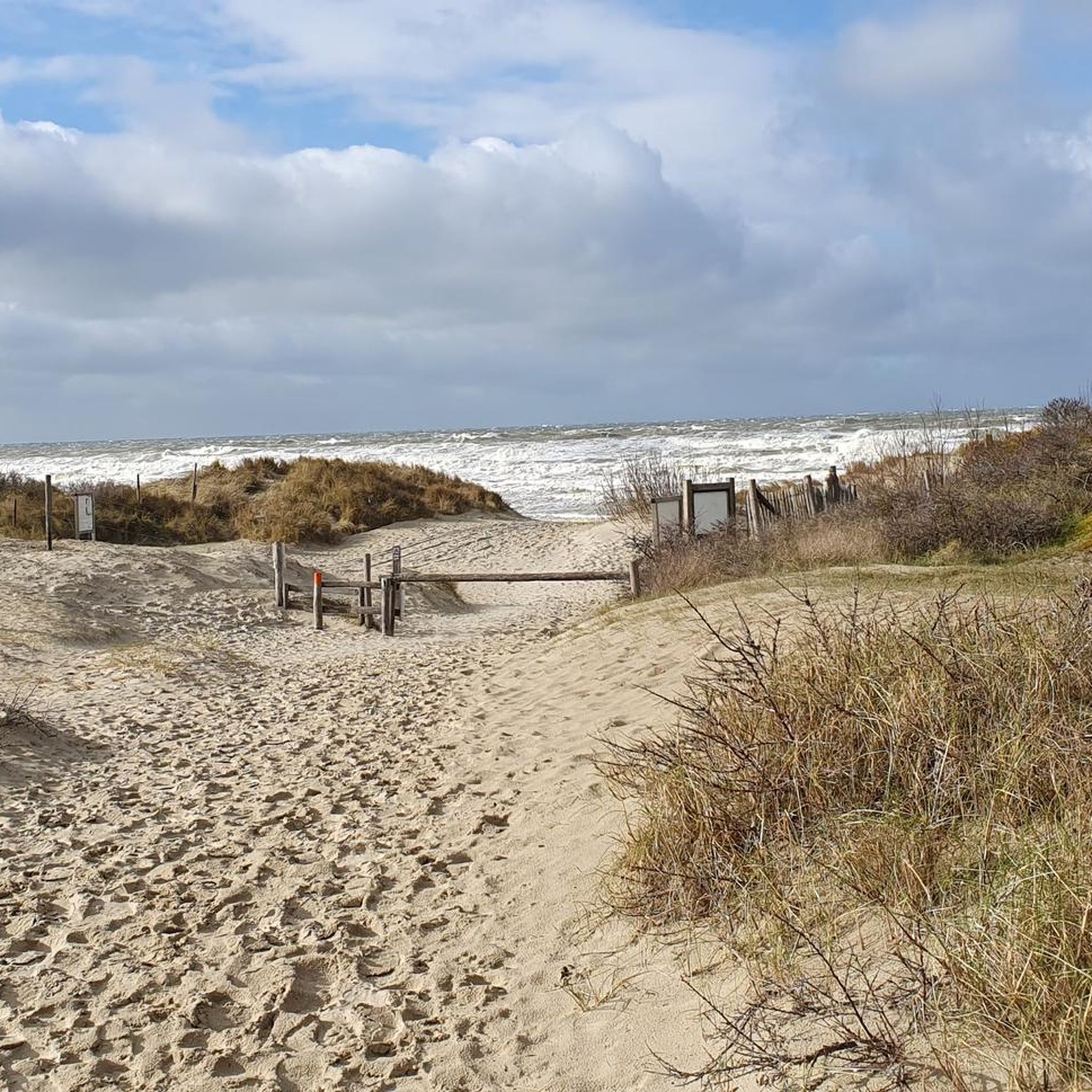
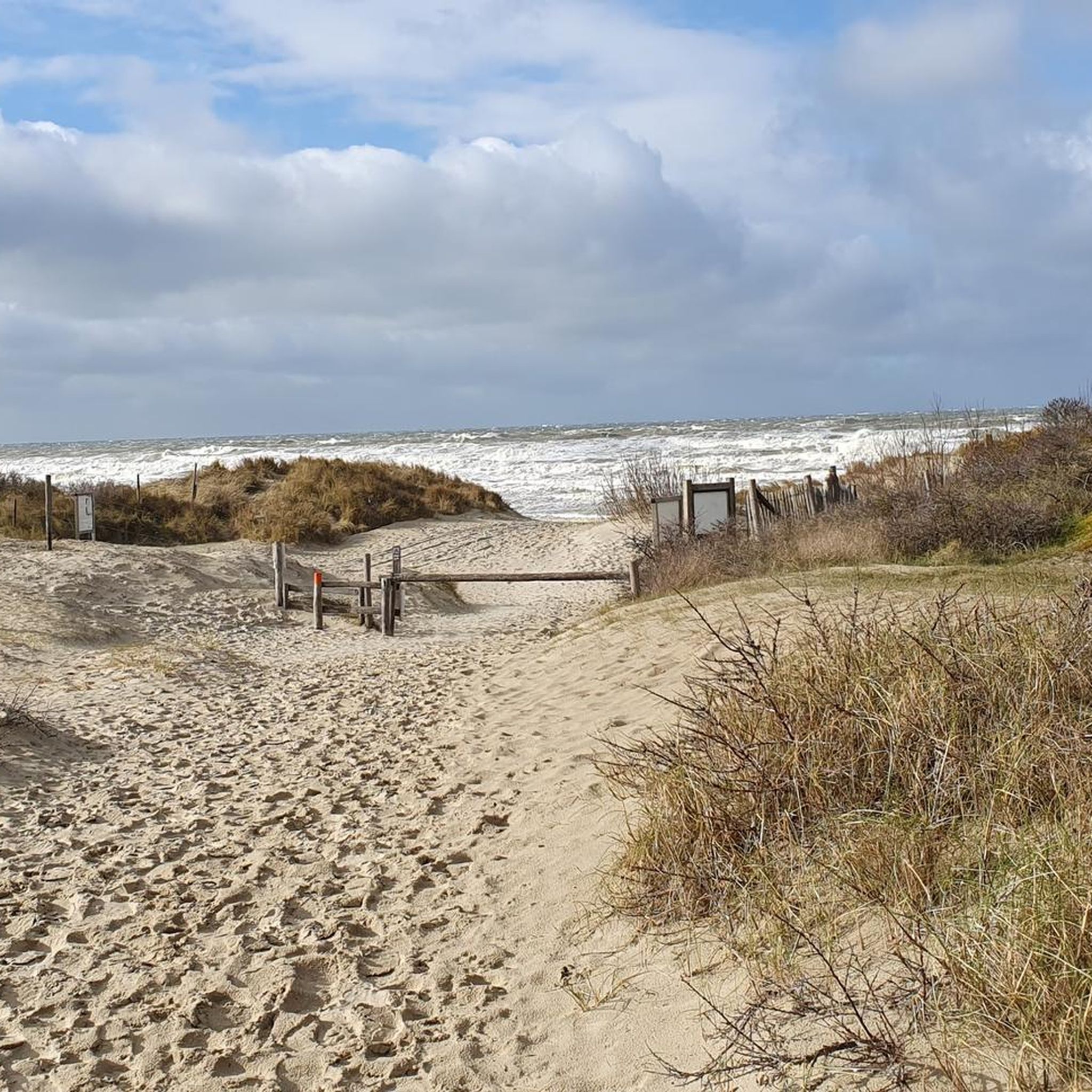
- Another must-see spot is Krakeelduinen Nature Reserve, a natural dune area. This reserve is undergoing restoration to its natural state, with Scottish Blackface sheep grazing and sand allowed to drift freely.
- Visitors also love Belgium–France Border at Grenspad and 1819 Border Marker, a man-made monument marking the frontier between the two countries. This site includes a border stone, border path, and flags, located on a beach section between De Panne and Bray-Dunes.
- Bray-Dunes is known for its natural features, historical sites, and border experiences. The area offers a variety of attractions to see and explore, from dune reserves to significant landmarks.
- The attractions around Bray-Dunes are appreciated by the komoot community, with more than 1100 upvotes and over 500 photos shared by visitors.
Last updated: August 16, 2026
Veurne Market Square
Highlight • Historical Site
Translated by Google •
Tip by

Maerebrug (Maere Bridge) over the Nieuwpoort–Dunkirk Canal
Highlight • Bridge
The bridge is located on the border France - Belgium
Translated by Google •
Tip by

Sign up now to discover places like this
Get recommendations on the best single tracks, peaks, & plenty of other exciting outdoor places.
Sign up for free
Belgium–France Border at Grenspad and 1819 Border Marker
Highlight • Monument
Translated by Google •
Tip by

Krakeelduinen Nature Reserve
Highlight • Natural
Translated by Google •
Tip by

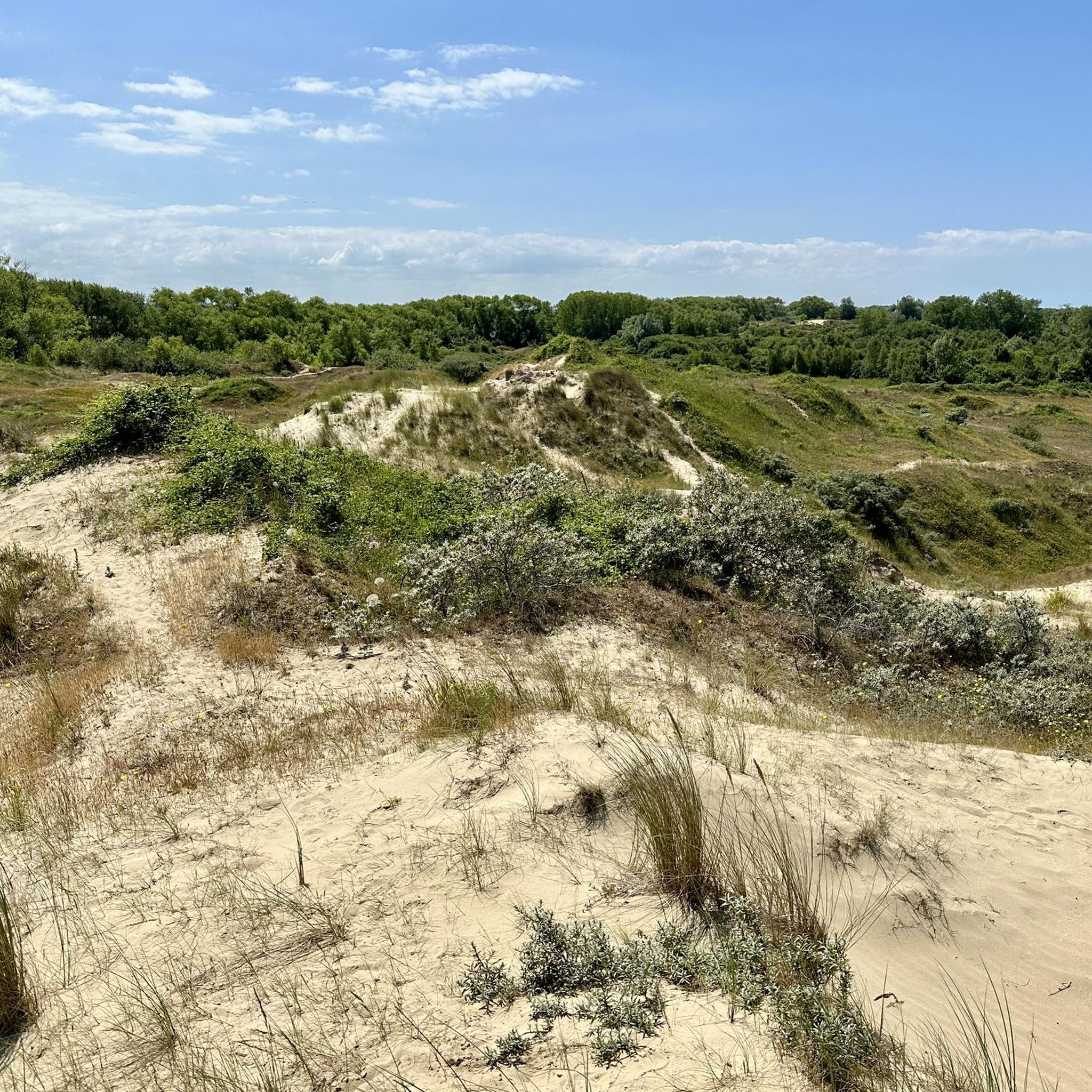
De Doornpanne
Highlight • Natural
The area comprises a variety of dune types, from shifting dunes and dune grasslands to densely vegetated pans and fixed inland dunes.
The core of the dune complex consists of a broad depression (panne), the vegetation of which forms a mosaic of forest, scrub and open dune vegetation.
Errond is a belt of shifting dunes, including the highest dune top of the Flemish coast (the Hoge Blekker 33 m).
Source: aquaduin.be/visitors/natuurgebieden/de-doornpanne
Translated by Google •
Tip by

Sign up for free to discover even more attractions around Bray-Dunes.
Sign up for free
Already have an account?
Start today with a free account
Your next adventure awaits.
Login or Signup

Other adventures around Bray-Dunes

Tips from the Community

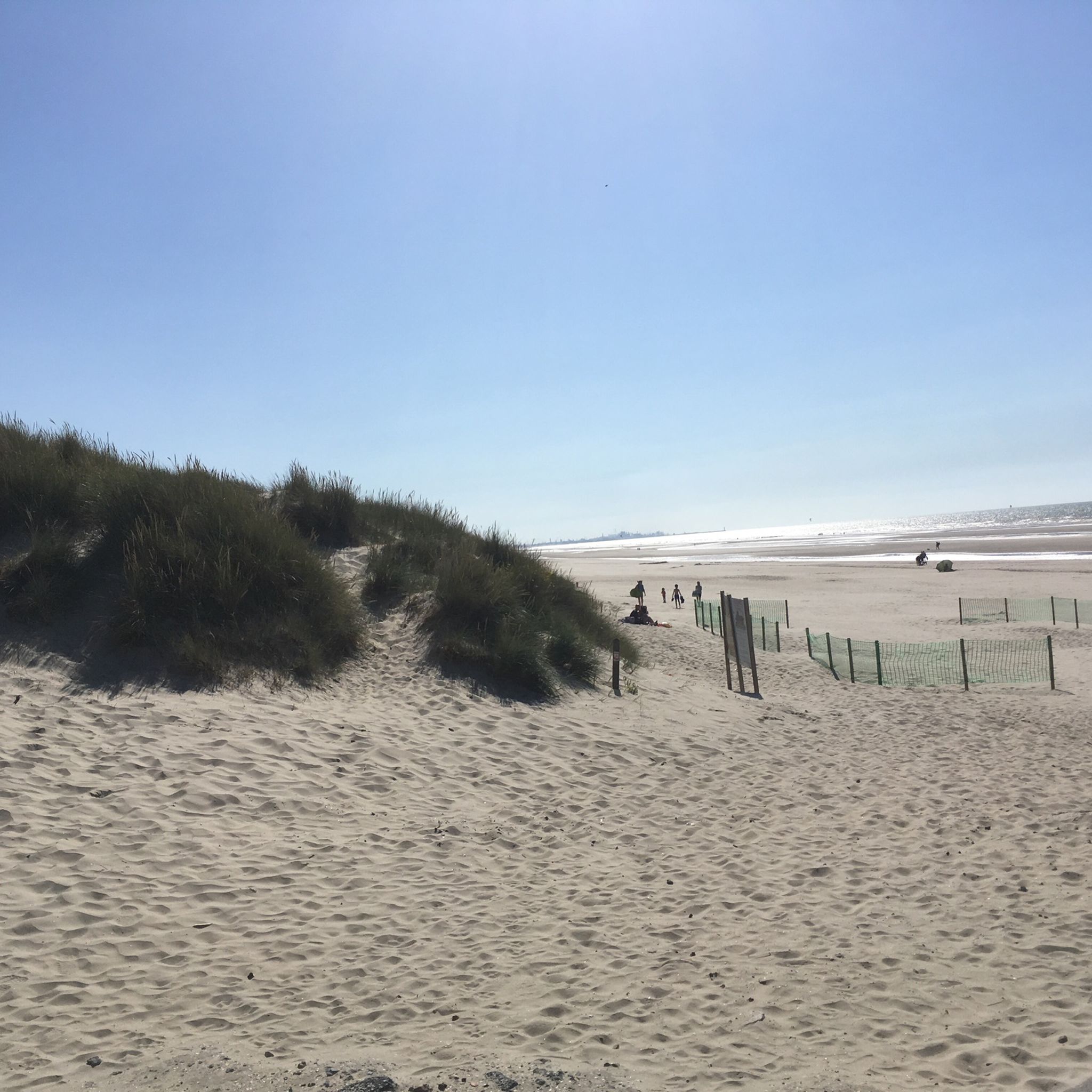
First of all, this boundary marker on the beach is completely new, as an earlier one was irreparably damaged in 2021. The date and initials refer to the brief period from 1814 to 1830 when France bordered the Netherlands. The former boundary marker was first erected in 1819. Now, this boundary marker 2.0 marks the border between Belgium and France. The point also indicates the westernmost point of Belgium combined with the northernmost point of mainland France.
5
0

The Maerebrug in De Panne is an elegant steel bridge spanning the Nieuwpoort–Dunkirk Canal and playing a vital role in the Westhoek recreational network. Designed with gentle slopes on both sides, it is easily accessible for cyclists, walkers, and horse riders. With a width of four meters and a span of 33 meters, the bridge offers safe and comfortable passage over the water and forms a link between Belgian and French nature reserves.
1
0

Currently no flags to be seen
2
1

Nature reserve. You're pretty much alone here.
3
0

Impressive buildings, cafes and parks invite you to linger
5
1

The Maerebrug was installed in 2013 as part of the functional and recreational cross-border project Dunkirk-De Panne and is a fixed, steel bridge for cyclists, pedestrians and horse riders. There are gentle access ramps on both sides of the bridge so that road users can use the bridge easily. The bridge is 4 meters wide and spans a length of 33 meters. The construction of the bridge was integrated into the rural environment as much as possible. The bridge was given the name 'Maerebrug' as a reference to the connection that this bridge makes to the two parts of the Maerestraat, once one whole, but cut in two by the construction of the Nieuwpoort-Duinkerke canal. 'Maere' refers to 'mer', 'mar' (sea) and 'Moere' (so between the sea and the marshes).
3
1
Every Wednesday, the weekly market takes place from 8 a.m. to 1 p.m. on the Grote Markt. Numerous market stallholders present their wares. The range is diverse, ranging from plants and flowers, textiles, vegetables and fruit to dairy products. The weekly market also takes place if Wednesday falls on a public holiday, with the exception of January 1, November 1 or December 25.
7
2

Together with the IJzermonding and the Zwin, the Krakeelduinen are part of the Natura 2000 area Dune Areas. After WWII the dunes were used as a water extraction area, but nowadays the dune area is being restored to its natural glory. You will now find Scottish Blackface sheep grazing the area and since the concrete has been removed the sand can flow freely again.
3
0
Frequently Asked Questions
What natural attractions can I explore around Bray-Dunes?
Bray-Dunes is renowned for its natural beauty, particularly its extensive dune landscapes and beaches. You can visit the Krakeelduinen Nature Reserve, a natural dune area undergoing restoration where Scottish Blackface sheep graze. Another significant natural site is De Doornpanne, a large dune massif with diverse dune types and rare plant species. The Bray-Dunes Beach itself offers vast sandy stretches, and the Dune Marchand National Nature Reserve is known for its rich flora, fauna, and even seals.
Are there any historical sites or landmarks to visit in the area?
Yes, the region has several points of historical interest. You can see the Veurne Market Square, characterized by its impressive Renaissance buildings and historical significance. The Belgium–France Border at Grenspad and 1819 Border Marker is a unique man-made monument marking the frontier between the two countries on the beach. Additionally, the Marine Cross (Calvaire des Marins) symbolizes Bray-Dunes' maritime history, and remnants from World War II, including bunkers and shipwrecks at low tide, can be found along the coast.
What outdoor activities are popular near Bray-Dunes?
The area around Bray-Dunes is excellent for various outdoor activities. You can enjoy walking and cycling along the coast and through the dune reserves. For cyclists, the Maerebrug (Maere Bridge) over the Nieuwpoort–Dunkirk Canal provides a dedicated path for bikes and pedestrians. There are numerous routes for gravel biking, mountain biking, and road cycling, such as those found in the Gravel biking around Bray-Dunes guide, the MTB Trails around Bray-Dunes guide, and the Road Cycling Routes around Bray-Dunes guide.
Are there family-friendly attractions in Bray-Dunes?
Yes, Bray-Dunes offers several family-friendly options. The vast sandy Bray-Dunes Beach is perfect for children to play, build sandcastles, and enjoy the sea. The nearby Belgium–France Border at Grenspad and 1819 Border Marker can be an interesting educational stop. For a full day of fun, Plopsaland De Panne, an amusement park less than 10 km away in Belgium, provides attractions for all ages.
What is the best time to visit Bray-Dunes?
Bray-Dunes is enjoyable throughout the warmer months, typically from late spring to early autumn (May to September), when the weather is ideal for beach activities, walking, and cycling. The natural reserves are beautiful year-round, but spring brings blooming flora, and autumn offers a different kind of scenic beauty. The town also hosts a vibrant cultural season with various events, particularly during the summer.
Can I find hiking trails in the dune areas?
Absolutely. The dune systems around Bray-Dunes, including the Dune Marchand National Nature Reserve, Dune du Perroquet, and the Dunes of Leffrinckoucke and Ghyvelde, offer beautiful hiking trails. These trails allow you to explore the unique landscapes, diverse flora, and observe local wildlife. The Krakeelduinen Nature Reserve also provides peaceful paths for walking.
What are some unique features of Bray-Dunes Beach?
Bray-Dunes Beach is known for its long, fine sand and its suitability for various sports like sand yachting and speed sailing. A unique aspect of the beach is that at low tide, the wrecks of British boats from World War II can be revealed, offering a poignant historical glimpse. There's also a border marker on the beach signifying the frontier with Belgium, which is the northernmost point in mainland France.
Are there any cultural events or markets in Bray-Dunes?
Bray-Dunes hosts a local market every Thursday morning, offering a chance to experience local life and find regional products. The town also has a vibrant cultural season with concerts, shows, plays, and readings. The municipal library frequently hosts exhibitions, and the city participates in European Heritage Days in September, opening certain monuments to the public.
What is the significance of the border marker on the beach?
The border marker on the beach in Bray-Dunes is a significant landmark as it denotes the northernmost point of mainland France and also the westernmost point of Belgium. It's part of the Belgium–France Border at Grenspad and 1819 Border Marker, a site that includes a border stone, path, and flags, making it an interesting spot for visitors.
What architectural heritage can be seen in Bray-Dunes?
Walking through Bray-Dunes, you can observe charming 19th-century architecture, particularly the villas situated on the dunes by the sea. These buildings reflect the resort's flourishing past and offer a glimpse into its historical development as a seaside destination. The disused Bray-Dunes Old Station is also considered a point of interest, having once brought tourists to the coast.
Are there any notable military historical sites nearby?
Beyond the World War II remnants on Bray-Dunes Beach, the Fort of Leffrinckoucke, located a few kilometers away, is a significant military architectural marvel. Built in 1878 to protect Dunkirk and its port, it offers a deeper insight into the region's strategic importance and history.
Most popular routes around Bray-Dunes
Most popular attractions around Bray-Dunes

Get inspired with the komoot mobile app


Explore more
Still not found the Highlight you’re looking for? See guides of the top attractions in other regions:
