Attractions and Places To See around Lélex - Top 20
Best attractions and places to see around Lélex include natural landscapes and cultural sites within the Valserine valley and Jura mountains. Lélex is situated in a Nature Reserve, with its territory rising to an altitude of 1720 meters. The area is known for its high peaks, wild river, and traditional heritage. Visitors can explore a diverse range of outdoor activities and historical points of interest.
Best attractions and places to see around Lélex
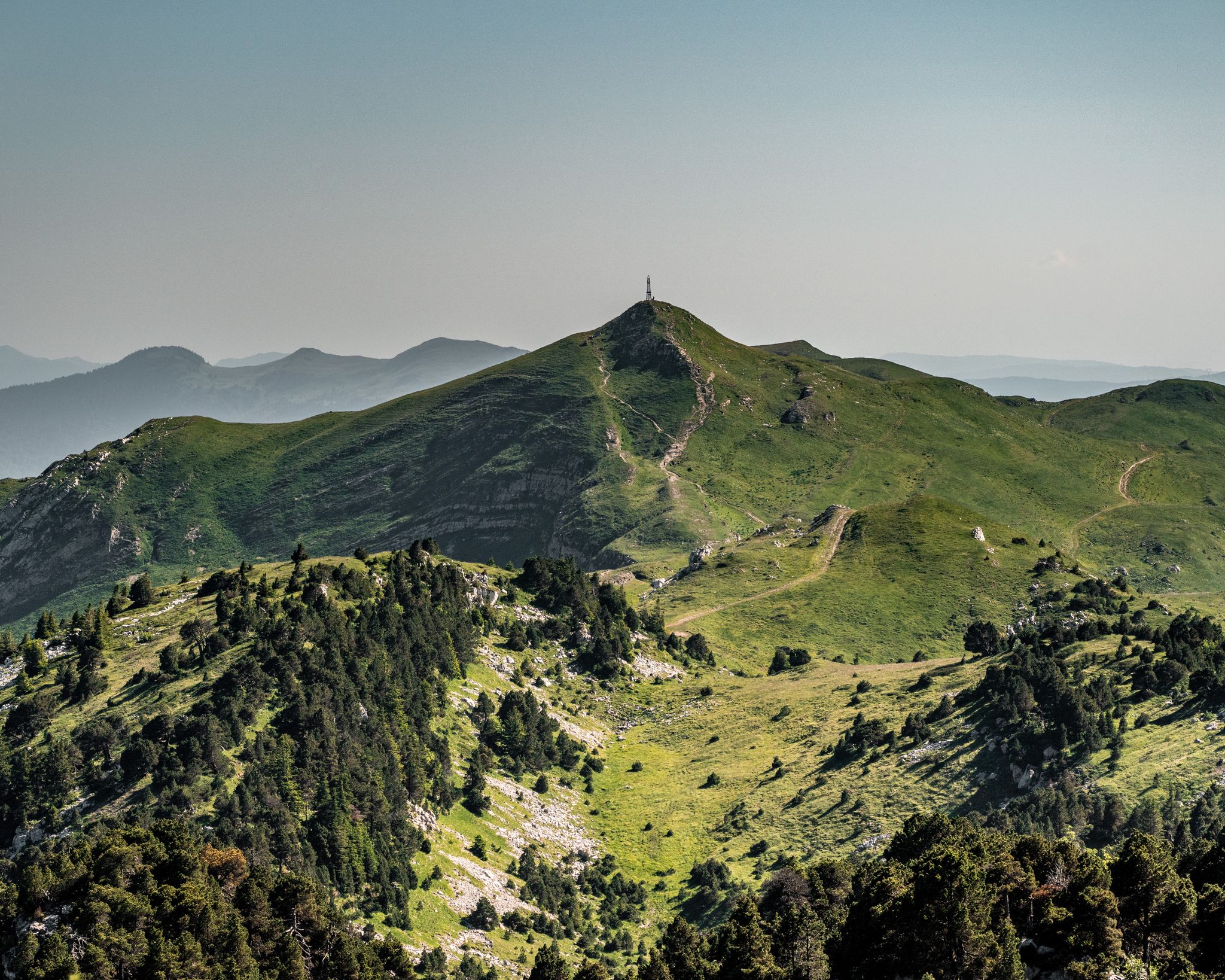
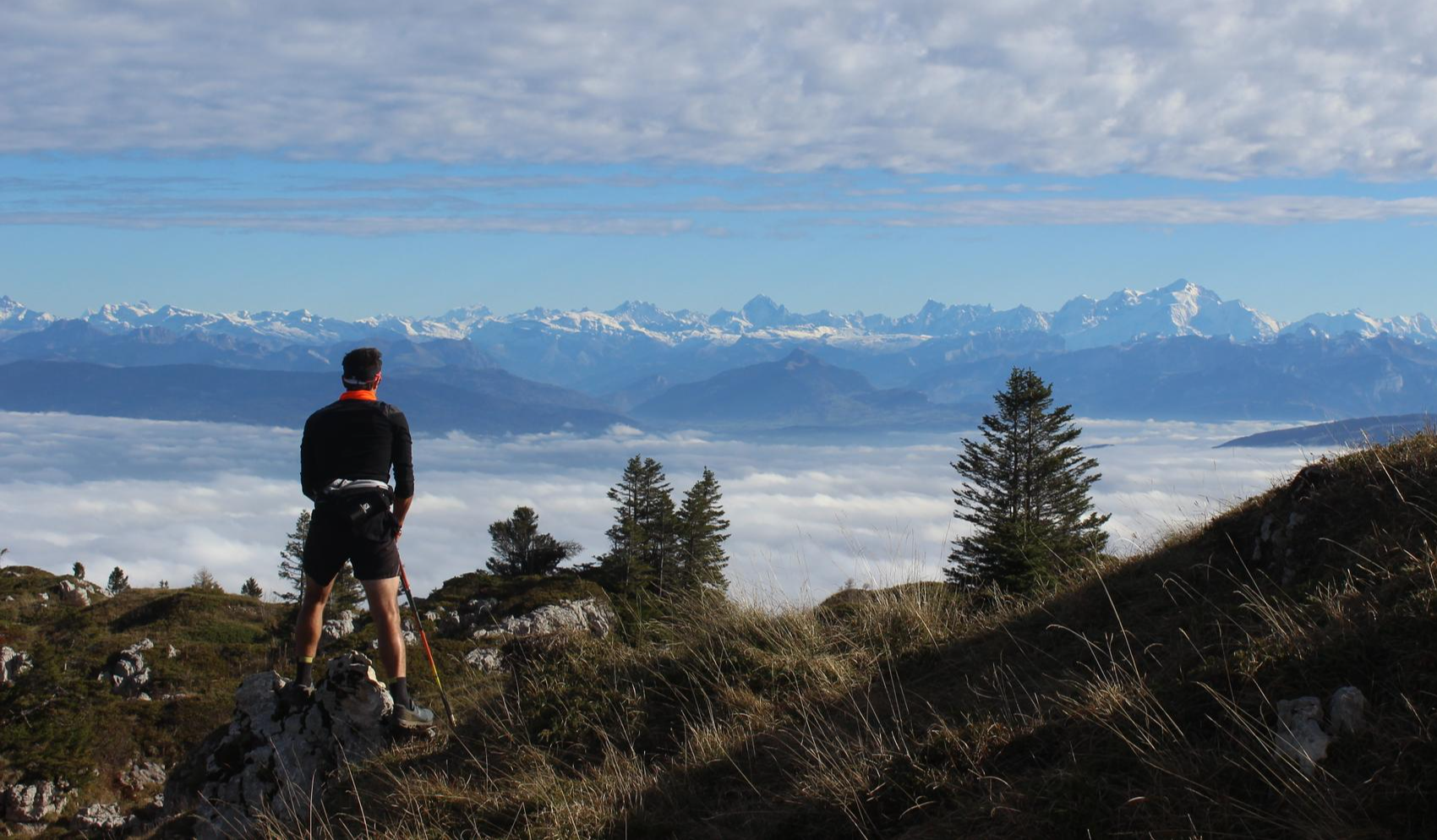
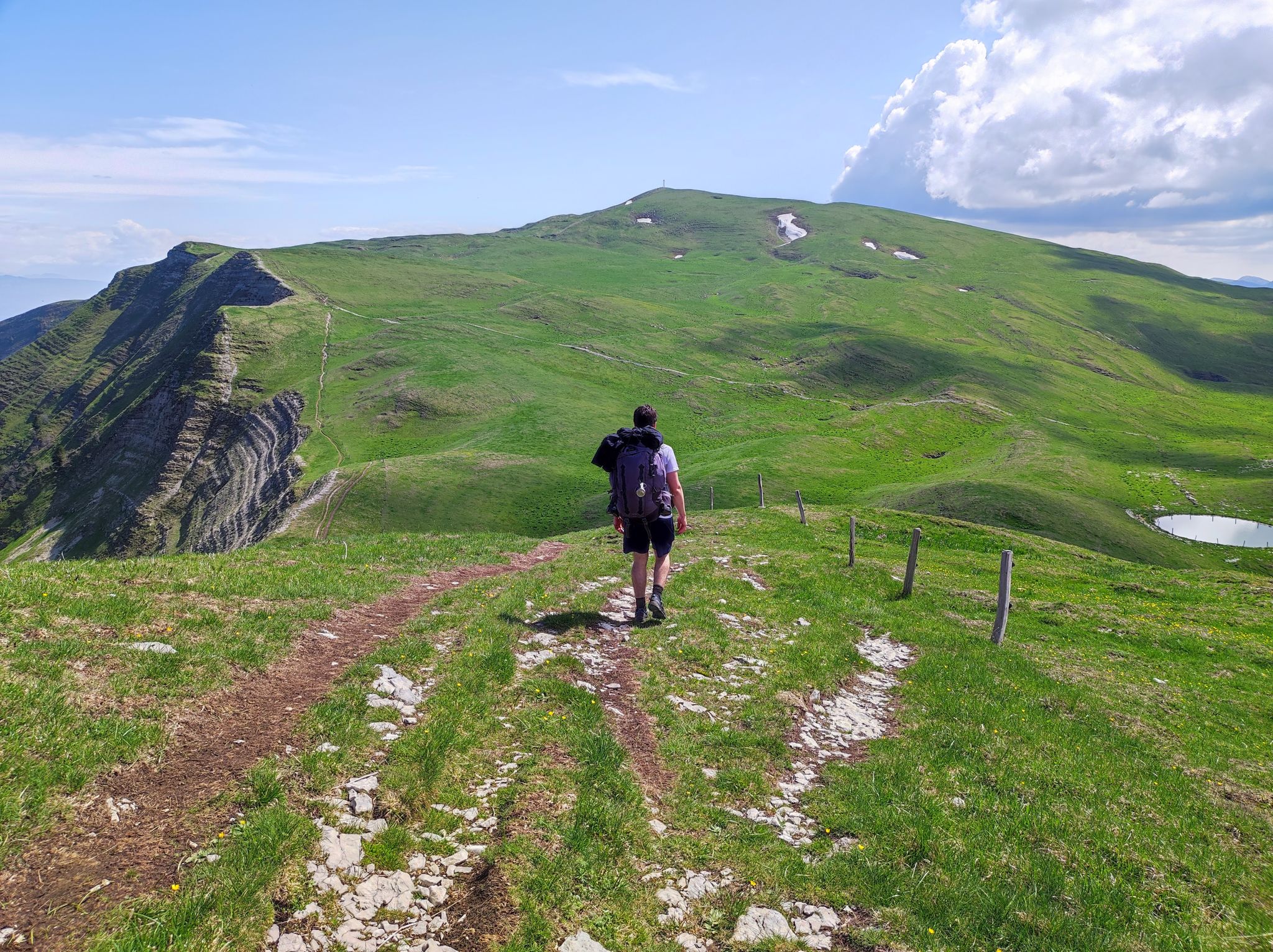
- The most popular attractions is Grand Montrond, a summit that culminates at 1,614 meters above sea level. You can enjoy a 360-degree panoramic view that includes Lake Geneva and Mont Blanc.
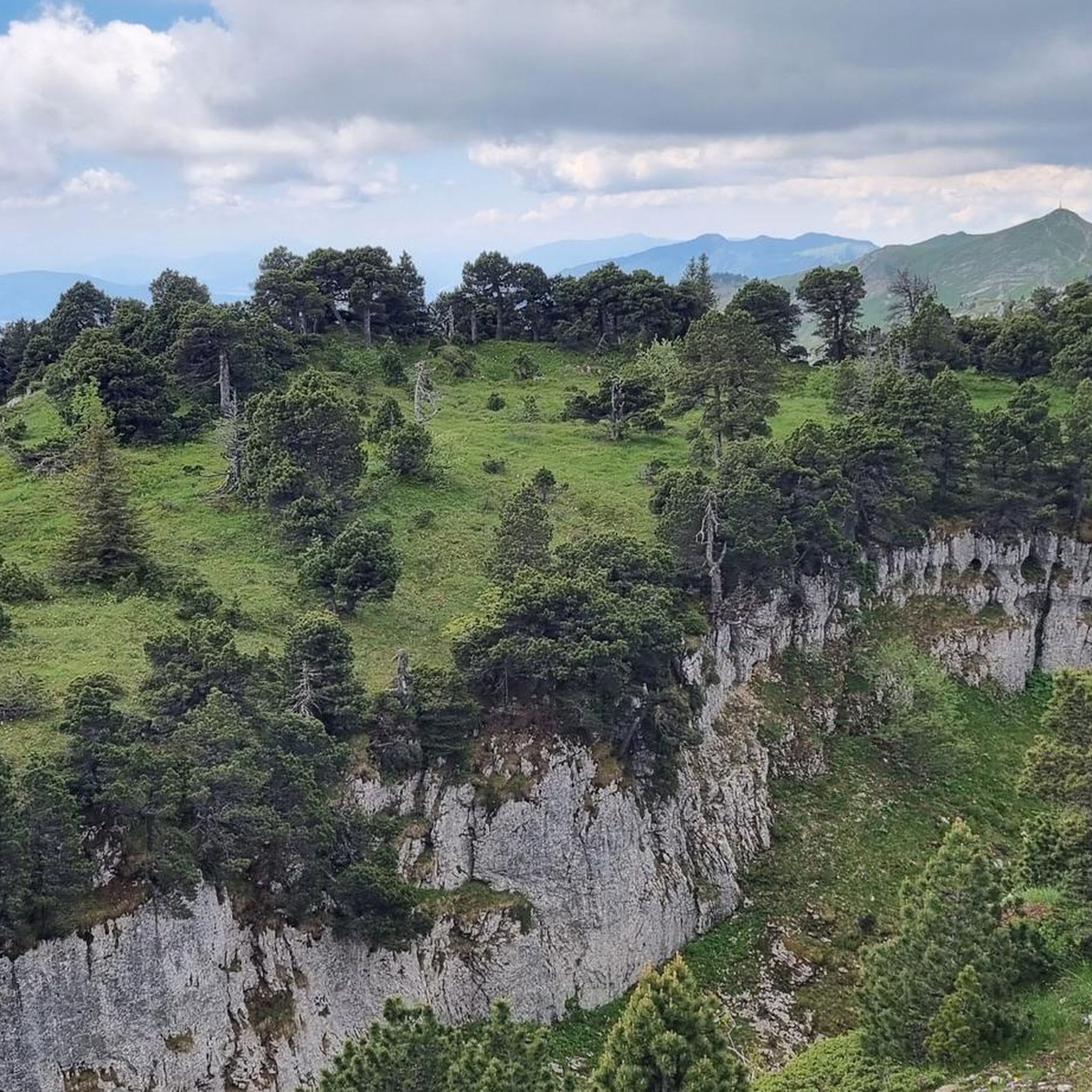
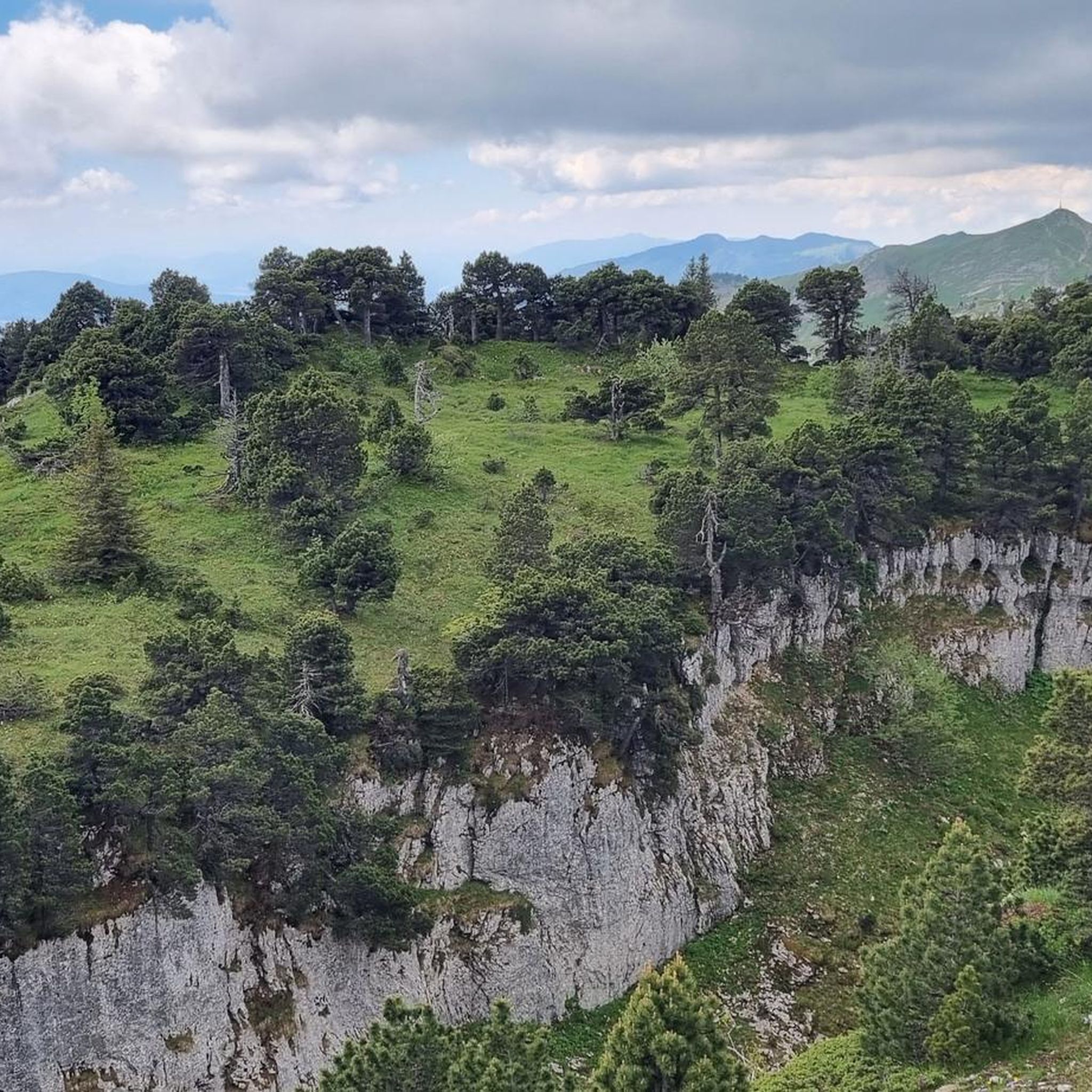
- Another must-see spot is Le Reculet Summit, the second highest peak in the entire Jura. It offers views from the Jura to the Alps.
- Visitors also love Col de la Faucille (1323 m), a mountain pass perched at an altitude of 1,323 meters. It provides a 360-degree panorama of the Alps and the Valserine Valley.
- Lélex is known for its high mountain summits, scenic mountain passes, and natural monuments. The region offers a variety of attractions to see and explore, from challenging hikes to panoramic viewpoints.
- The attractions around Lélex are appreciated by the komoot community, with 192 upvotes and 70 photos shared by visitors.
Last updated: October 9, 2026
Grand Montrond
Highlight • Summit
Translated by Google •
Tip by

Col de la Faucille (1323 m)
Highlight • Mountain Pass
Whether you attack it from the north or the south, the spectacle is not long in coming. Its ascent from the south, on the road to Gex, has the appearance of a great Alpine pass with its many bends and countless views of the Mont-Blanc massif.
Translated by Google •
Tip by

Sign up now to discover places like this
Get recommendations on the best single tracks, peaks, & plenty of other exciting outdoor places.
Crêt de la Neige
Highlight • Summit
Translated by Google •
Tip by

Le Reculet Summit
Highlight • Summit
Tip by

CERN – European Organization for Nuclear Research
Highlight • Monument
Showing Translation
Tip by

Sign up for free to discover even more attractions around Lélex.
Already have an account?
Start today with a free account
Your next adventure awaits.
Popular around Lélex
GRP Grand Tour de la Valserine
From Crêts to Combes
Hiking to the summits – France's highest points
The thousand faces of the Jura Mountains – Grande Traversée du Jura on foot
Pays de Gex - Monts Jura : Les randonnées officielles
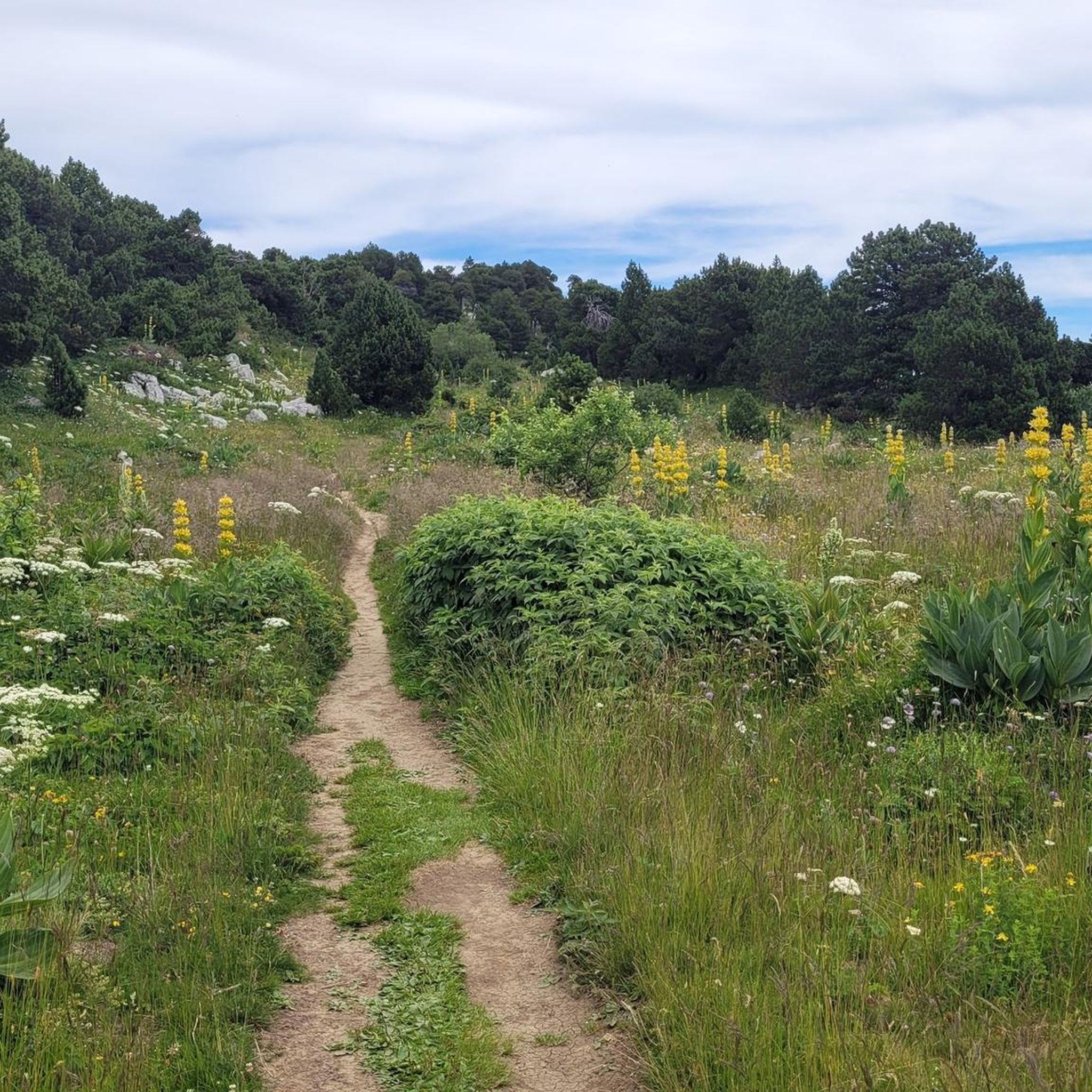
Hiking around Lélex
Road Cycling Routes around Lélex
MTB Trails around Lélex
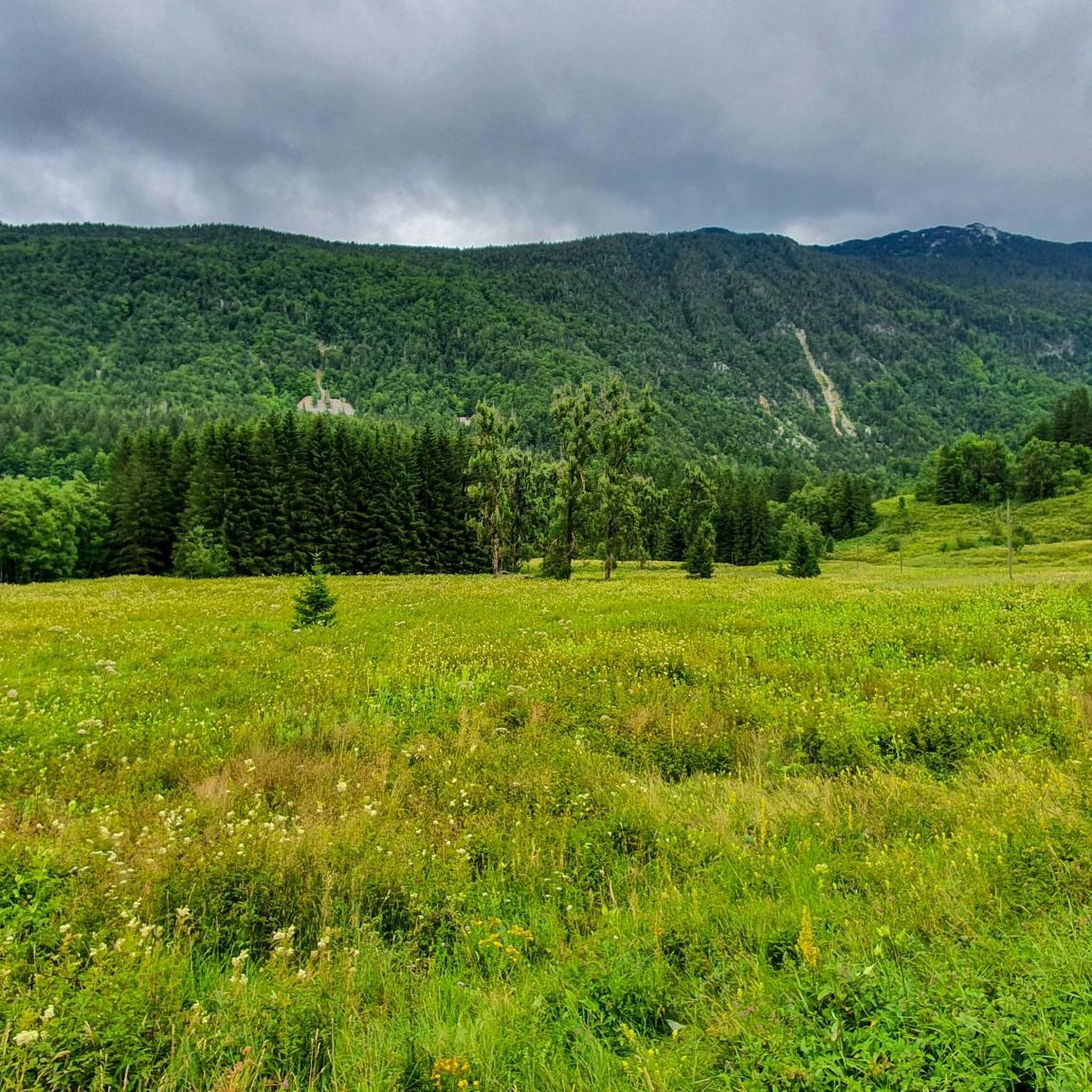
Running Trails around Lélex
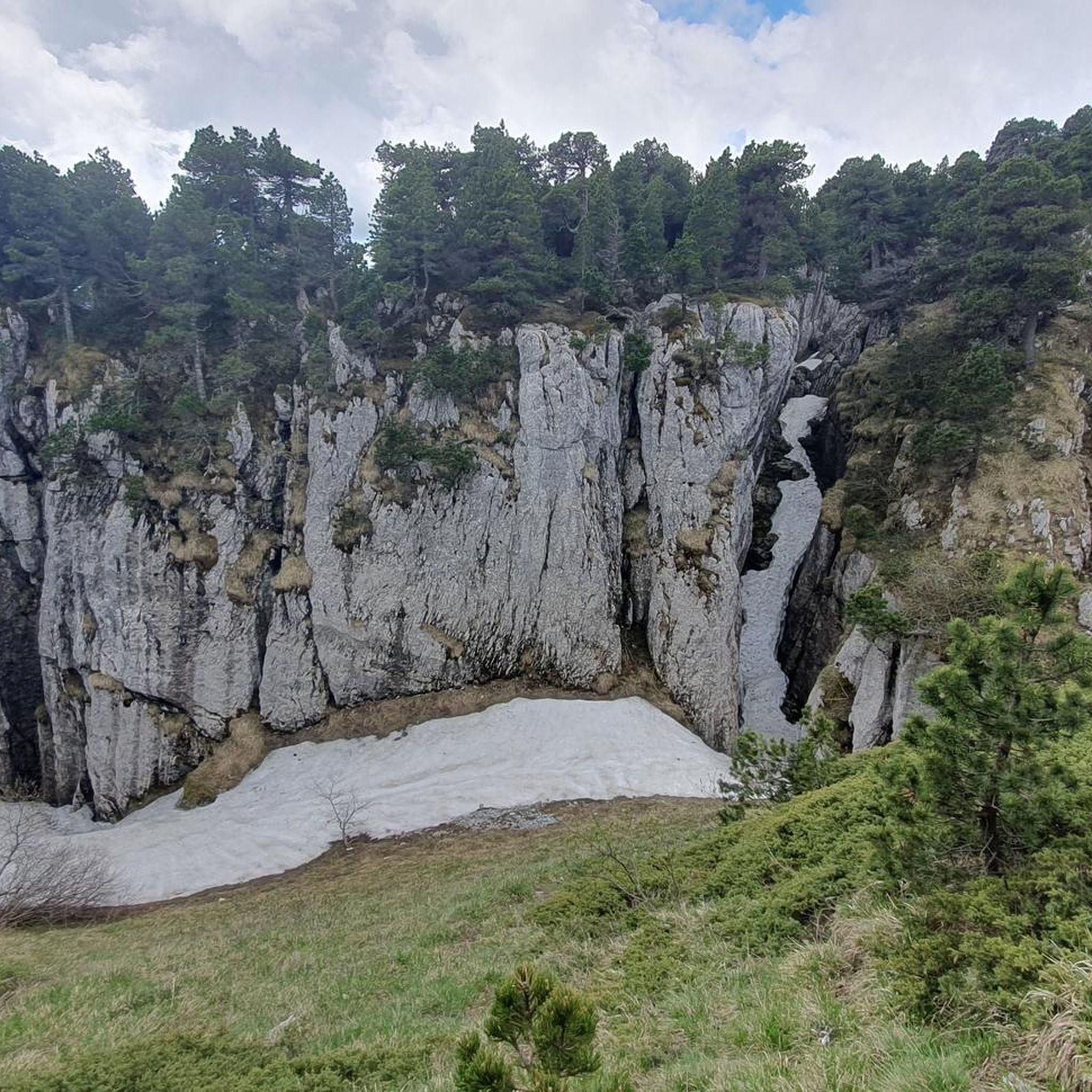
Cycling around Lélex
Other adventures around Lélex


Tips from the Community

Summit in the forest, ideal for taking a break
0
0
Very beautiful 360° view with the added bonus of Mont Blanc when the weather permits
1
0

Fantastic view - fantastic path. I was there for the first time in October 1976.
1
0

Perched at an altitude of 1,323 metres, the Col de la Faucille welcomes you with a 360-degree panorama of the Alps and the Valserine Valley. Whether you attack it from the north or the south, the spectacle is not long in coming. Its ascent from the south, on the road to Gex, has the appearance of a great Alpine pass with its many bends and countless views of the Mont-Blanc massif.
0
0
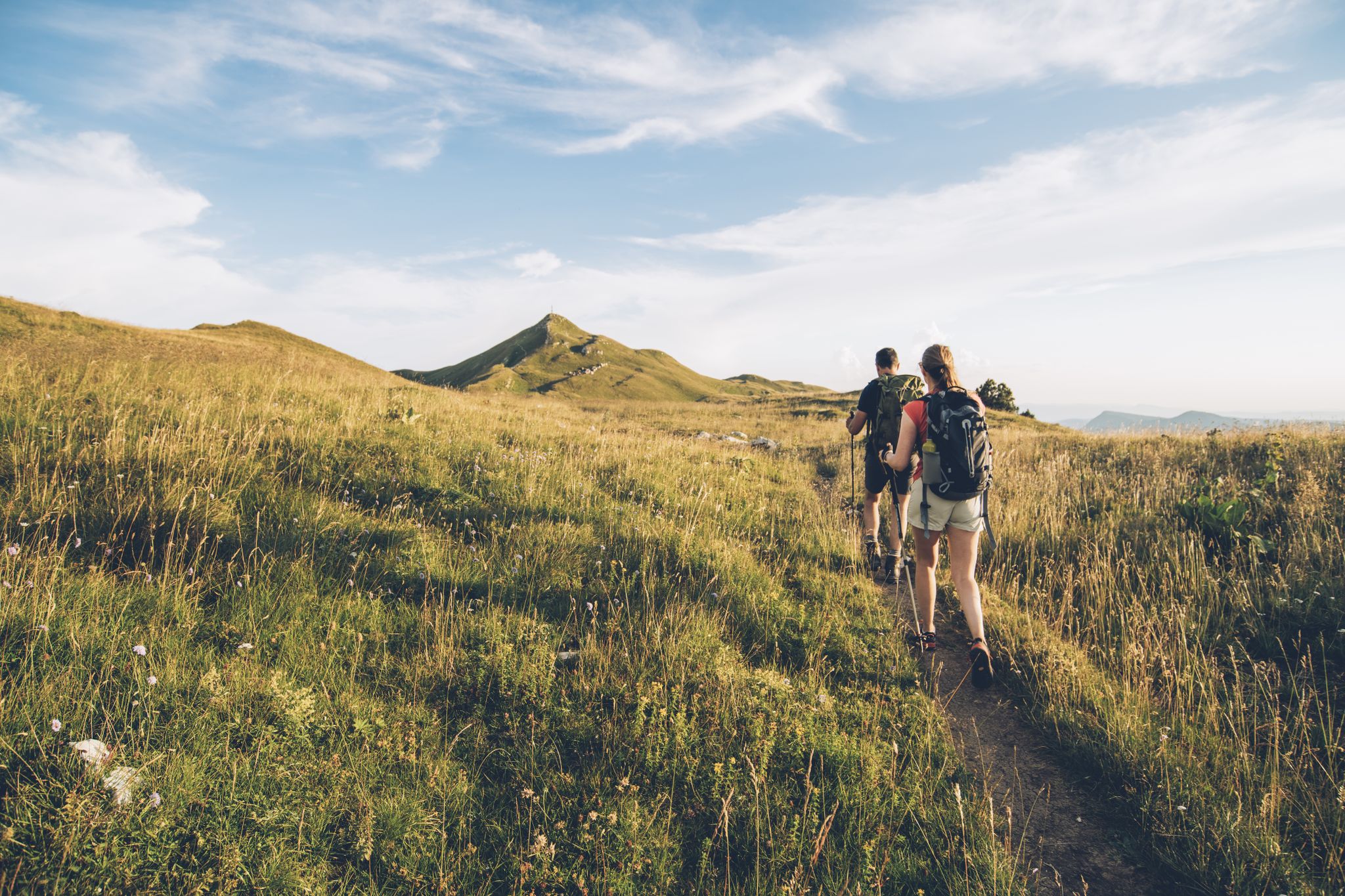
attention ! only the return trip by the same path is possible between Petit Montrond and Grand Montrond from June 1 to September 30. the loop passing through private mountain pastures is closed between these dates. no particular difficulty except for a few rocky passages and a slight difference in altitude. a pair of shoes with a stiff, grippy sole can help, but it's also doable in sneakers, as long as you're used to mountain paths.
1
0

A Sunday in July, not too much traffic, but the cars and motorcycles go fast. Arriving at the top, a fire engine rushes past me, I discover a cyclist lying on the side, his bike tumbling... The view is beautiful at the top, but doesn't really offer a viewpoint, and the climb is blocked by the forest. The descent towards the lake however is nice.
1
0

Altitude: 1596 m, the view is magnificent. View of the entire Lake Geneva basin, Alps and Mont Blanc
0
0
This trail runs along an alpine pasture where Patous are present: The Patou or protection dog: What attitude should you adopt? When hiking, it is common to come across flocks of sheep or goats guarded by protection dogs, called Patous. These dogs, formidable against predators such as wolves, bears and lynx, can frighten hikers with their barking. The Patou protects the flocks in total autonomy. Its main role is to dissuade intruders and alert the shepherd. Raised among the sheep from a young age, it learns to protect them permanently, often in groups. To avoid problems with a Patou: - Identify the pasture areas before leaving. Keep your distance and go around the flocks if possible. - In the event of an encounter, remain calm, turn around slowly or stop to let the dog sniff you. - Do not try to pet or feed the animals, avoid sudden movements, do not run, and avoid taking pictures. For trail runners: - Do not run when approaching a herd. - Take off your headphones to hear the dog barking. By adopting these behaviors, you will be able to coexist peacefully with the protection dogs during your hikes. For more information: Pasto Kezako: https://www.pasto-kezako.fr/ Map Patou, where are the protection dogs?: https://www.pasto-kezako.fr/ou-sont-les-chiens-de-protection-2/ The toolbox for awareness: https://www.pasto-kezako.fr/sensibiliser-au-pastoralisme-boite-a-outils/
2
0
Frequently Asked Questions
What are the most popular natural attractions around Lélex?
The region around Lélex is renowned for its stunning natural landscapes and panoramic viewpoints. Among the most popular are Grand Montrond, a summit offering a 360-degree view including Lake Geneva and Mont Blanc, and Le Reculet Summit, the second highest peak in the Jura, providing expansive views from the Jura to the Alps. Another favorite is Col de la Faucille (1323 m), a mountain pass with a 360-degree panorama of the Alps and the Valserine Valley.
Are there any high mountain summits to explore near Lélex?
Yes, Lélex is an excellent starting point for exploring some of the highest peaks in the Jura massif. Besides Le Reculet Summit, you can also hike to Crêt de la Neige, the highest point in the Jura at 1720 meters, offering magnificent views of Lake Geneva, the Alps, and Mont Blanc on clear days. The Grand Crêt is another significant summit, the third highest in the Jura, providing similar breathtaking vistas.
What kind of outdoor activities can I do near Lélex?
Lélex offers a wide range of outdoor activities throughout the year. In winter, it's known for the Monts Jura Ski Resort (Lélex-Crozet sector), offering skiing, snowshoeing, and Nordic skiing. During warmer months, the area is ideal for hiking, with numerous trails leading to panoramic viewpoints. You can find various hiking routes around Lélex, including challenging ones to the high summits. Road cycling and mountain biking are also popular, with dedicated road cycling routes and MTB trails available.
What cultural or historical sites are there to visit in the Lélex area?
While Lélex is primarily known for its natural beauty, the region also has cultural points of interest. The 19th-century Church of Saint-Michel in Lélex houses earlier elements like a Gothic baptistry. The area has a history of lapidaries (precious stone cutters), which you can explore at the Museum of Fine and Precious Stones in Mijoux, about 8 km away. Additionally, you can discover local producers and cheese dairies in the Haut-Jura Regional Natural Park, learning about the fabrication of AOP cheeses like Comté and Bleu de Gex Haut-Jura. Voltaire's Château in Ferney, a UNESCO World Heritage site, is also within a short drive.
Are there family-friendly activities available in Lélex?
Yes, Lélex offers several family-friendly options. In winter, the Monts Jura Ski Resort provides slopes for all skill levels, and there's a nursery for young children. During the Christmas holidays, a skating rink is available. Throughout the year, families can enjoy pleasant walks along the Valserine river, which is France's first classified wild river, or explore easier hiking trails suitable for various ages. The Tourist Office of Lélex can provide more specific guidance on family activities and suitable routes.
What is the best time of year to visit Lélex?
The best time to visit Lélex depends on your preferred activities. For winter sports like skiing and snowshoeing, December to March is ideal. For hiking and enjoying the natural landscapes, late spring (April/May) through early autumn (October/November) offers pleasant weather, with the riverside walk along the Valserine accessible during these months. The views from the high peaks are particularly stunning on clear days, which can occur throughout the warmer seasons.
Can I find easy hiking trails around Lélex?
While Lélex is known for its challenging high-altitude hikes, there are also easier options. The riverside walk along the Valserine is a pleasant and accessible path from April to November, featuring wild paths, meadows, and boardwalks. The Tourist Office can also recommend other less strenuous trails suitable for a more relaxed experience, often with beautiful views of the valley and surrounding nature.
Is Lélex part of a protected natural area?
Yes, Lélex is situated within a Nature Reserve and is part of the Haut-Jura Regional Nature Park. This designation highlights its exceptional natural environment, characterized by remarkable flora and landscapes shaped by geological activity. Visitors are encouraged to respect the natural surroundings and follow local guidelines to preserve this protected area.
What are the options for public transport to and around Lélex?
Lélex has some public transport options, though specific routes and schedules can vary. The region is generally more accessible by car, especially for reaching trailheads and more remote attractions. However, local bus routes and shuttles may connect Lélex to nearby towns and potentially some attractions. For detailed information on public transportation from larger cities like Geneva or within the Jura region, it's best to consult the local Tourist Office or regional transport websites.
Are there any local events or festivals in Lélex?
Lélex hosts a few local events throughout the year. In March, you might experience La Mont'Thoisey, a cross-country skiing or snowshoe race. The Dahu festival, the patronal feast, takes place on the first Sunday of August, featuring parades, meals, and entertainment, offering a glimpse into local traditions and community life.
What makes the Valserine Valley special?
The Valserine Valley, where Lélex is nestled, is notable for its wild river, the Valserine, which holds the distinction of being France's first classified wild river. This classification signifies its exceptional ecological value and natural state. A pleasant riverside walk along the Valserine is accessible from April to November, allowing visitors to experience its untouched beauty.
Most popular routes around Lélex
Most popular attractions around Lélex

Get inspired with the komoot mobile app


Explore more
Still not found the Highlight you’re looking for? See guides of the top attractions in other regions:
