Top 9 Castles around Böll
Castles around Böll are characterized by their historical fortifications, many of which are found in the vicinity of Belfort, France. This area features a collection of military strongholds, including citadels and forts, built to defend strategic locations. These sites often offer insights into centuries of defensive architecture and military history. The region provides opportunities to explore various types of historical strongholds, from medieval remnants to 19th-century fortifications.
Best castles around Böll
- The most popular castles is Citadel of Belfort,…
Last updated: June 24, 2026
Citadel of Belfort
Highlight • Historical Site
Translated by Google •
Tip by

Fort de Vézelois
Highlight • Historical Site
Translated by Google •
Tip by

Sign up now to discover places like this
Get recommendations on the best single tracks, peaks, & plenty of other exciting outdoor places.
Sign up for free
Lion of Belfort
Highlight • Monument
Translated by Google •
Tip by

Mont Vaudois Fort
Highlight • Historical Site
Translated by Google •
Tip by

Citadel of Belfort and Lion of Belfort
Highlight • Historical Site
Translated by Google •
Tip by

Sign up for free to discover even more castles around Böll.
Sign up for free
Already have an account?
Start today with a free account
Your next adventure awaits.
Login or Signup

Tips from the Community

This is completely in the wrong place! It is nowhere near the citadel or the lion
0
0

The Citadel of Belfort is a historically complex building, reflecting five centuries of fortifications. It was built after the conquest of the city in 1687, replacing a medieval castle that previously stood on this rocky outcrop.
5
0

impressive Vauban work , free access except for the museum
0
0

Beautiful sculpture and coat of arms of Belfort, below the fortress.
0
0

Impressive complex with the lion towering over it. Well-paved paths lead through the complex. From the top you have a great view of the city of Belfort. At night the lion and the fortress are illuminated. Simply beautiful.
3
0

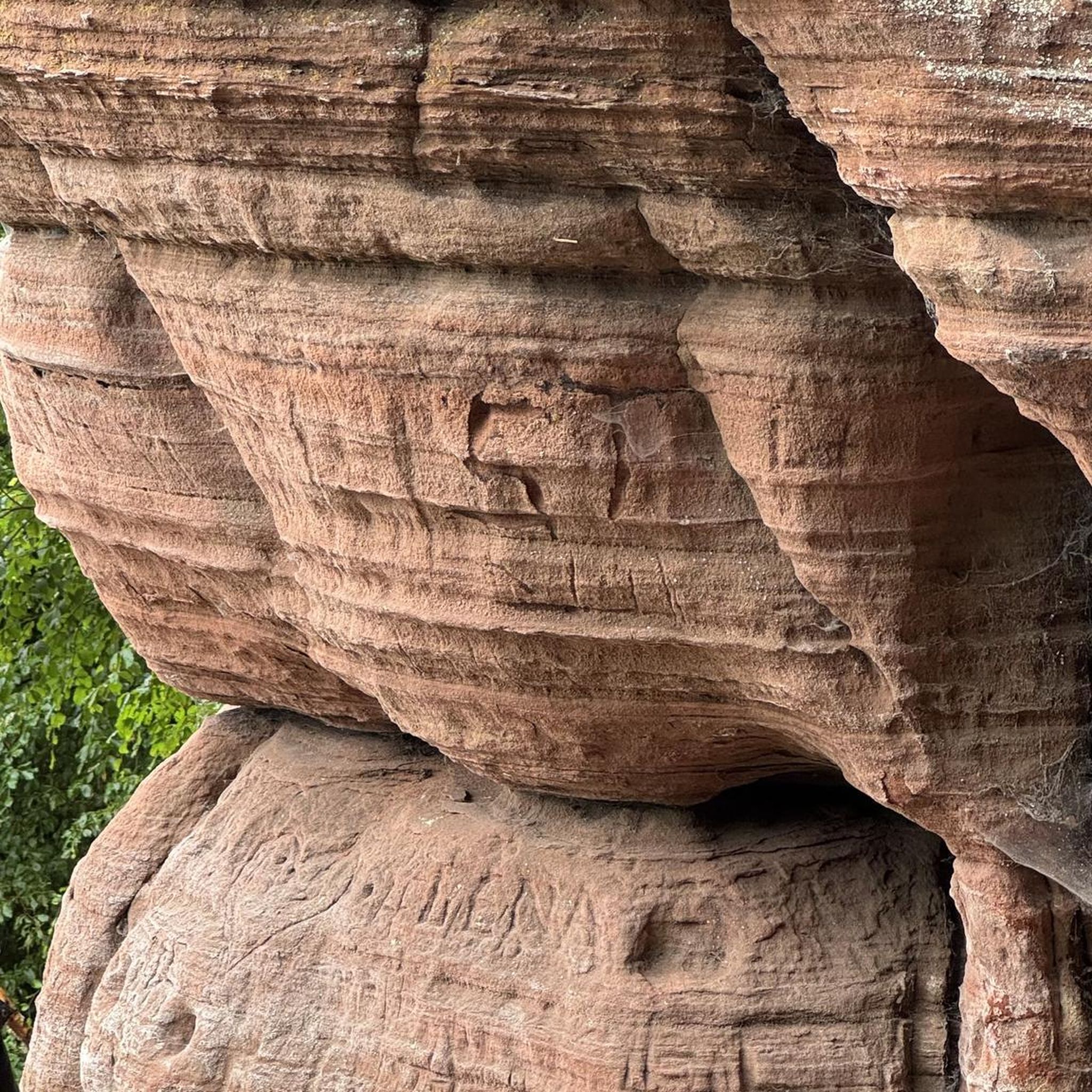
It is a monumental sculpture from 1880 created by Frédéric Auguste Bartholdi, the sculptor of the Statue of Liberty. Completed in 1880, it is entirely made of red sandstone. The blocks that make it up were sculpted individually, then moved to the cliff below Belfort Castle to be assembled there. Twenty-two meters long and 11 meters high, the colossal work dominates the local landscape.
5
1

imposing large fortress with a great view of the city and the surrounding area. Visiting the entire complex without the museums is free.
3
0

Allow enough time, lots of steps and last entry at 5:30 p.m
0
0
Frequently Asked Questions
What are the most popular historical sites around Böll?
The most popular historical sites in the Böll area, specifically near Belfort, France, include the Citadel of Belfort, which reflects five centuries of fortifications. Other highly regarded sites are Mont Vaudois Fort, a historical site constructed between 1874 and 1877, and Fort de Vézelois, built from 1883 to 1886 as part of a fortified system.
What kind of historical fortifications can I expect to see around Böll?
The Böll region, particularly around Belfort, France, is rich in military history. You can expect to see a variety of historical fortifications, including impressive citadels, forts, and castle ruins. These sites showcase different eras of defensive architecture, from medieval remnants to 19th-century fortifications, reflecting centuries of strategic importance.
Are there guided tours available for the castles and forts near Böll?
Yes, for sites like the Citadel of Belfort, guided tours are often available. These tours provide insights into the rich history and strategic importance of these fortifications. For specific details on tour availability and languages, it's best to check the official websites of the individual sites.
What outdoor activities can I do near the castles around Böll?
The area around Böll offers various outdoor activities. You can find numerous running trails, road cycling routes, and mountain biking trails. For example, there are running loops from Meroux-Moval and Bourogne, road cycling routes like the 'Allenjoie lock intersection – Étupes Lock on the EV6 loop', and MTB trails such as 'Justice Fort – Miotte Tower loop'. You can explore these and more on the respective Komoot guides for running, road cycling, and mountain biking around Böll.
Are there viewpoints offering scenic views of the castles and surrounding area?
Absolutely. Many of the fortifications, such as the Citadel of Belfort, offer impressive panoramic views of the city and the surrounding landscape. The View of the Belfort citadel highlight specifically points to a great spot for appreciating the citadel's grandeur and its strategic position.
What is unique about the Citadel of Belfort?
The Citadel of Belfort is a historically complex building that showcases five centuries of fortifications. It was built after the city's conquest in 1687, replacing an older medieval castle. Its ingenious defensive system includes bastioned towers, counter-guards, and extensive underground sections, further strengthened in the 19th century. It also features the famous Lion of Belfort, a sculpture by Bartholdi, which symbolizes the city's resilience.
Can I visit the Fort de Vézelois, and what is its historical significance?
Yes, Fort de Vézelois was built between 1883 and 1886 as part of the fortified system designed by General Sere de Rivière. Its primary role was to control roads coming from Switzerland and the Mulhouse railway line. The fort was later bought by the municipality of Vézelois, and a local association, "Le Renouveau du Fort de Vézelois," manages its restoration and communication, offering insights into its past as an ammunition depot and strategic defense point.
What makes Mont Vaudois Fort interesting to visit?
Mont Vaudois Fort, constructed between 1874 and 1877, is notable for its defensive structures, including an underground bunker built in 1885. This bunker was added after the invention of the torpedo shell, which necessitated stronger defenses against overhead bombardment. The fort played a role in World War II, with a German unit occupying it in 1944, making it a site with significant military history.
What do visitors appreciate most about the castles and forts around Böll?
Visitors to the castles and forts around Böll, particularly in the Belfort area, highly appreciate the rich history and the impressive scale of the fortifications. The strategic locations often provide great views of the surrounding city and landscape. Many find the opportunity to explore the complex defensive systems and learn about centuries of military architecture to be a compelling experience.
Are the castles and forts around Böll suitable for family visits?
Many of the historical sites, such as the View of the Belfort citadel, are considered family-friendly. Exploring the large fortresses and their grounds can be an engaging experience for children and adults alike, offering a tangible connection to history. Some sites may have specific facilities or activities for families, so checking individual site information is recommended.
How long should I plan for a visit to the castles near Böll?
The time required can vary depending on the site. For a comprehensive visit to a major site like the Citadel of Belfort, including exploring its chambers, museums, and enjoying the views, you might want to allocate half a day or more. Smaller forts or ruins might take 1-2 hours to explore. If you plan to visit multiple sites, consider a full day or even spread your visits over several days.
Is there an entry fee for the historical sites around Böll?
While some parts of the historical sites, such as the exterior complex of the Citadel of Belfort, might be free to explore, museums or specific exhibitions within the fortifications often require an entry fee. It's advisable to check the official websites of each specific site for current pricing and opening hours.
Most popular attractions around Böll

Get inspired with the komoot mobile app


Explore more
Looking for the best castles somewhere else? Discover other guides around Böll:
