The best road cycling routes around Parcé-Sur-Sarthe
4.4
(13)
1,068
riders
54
rides
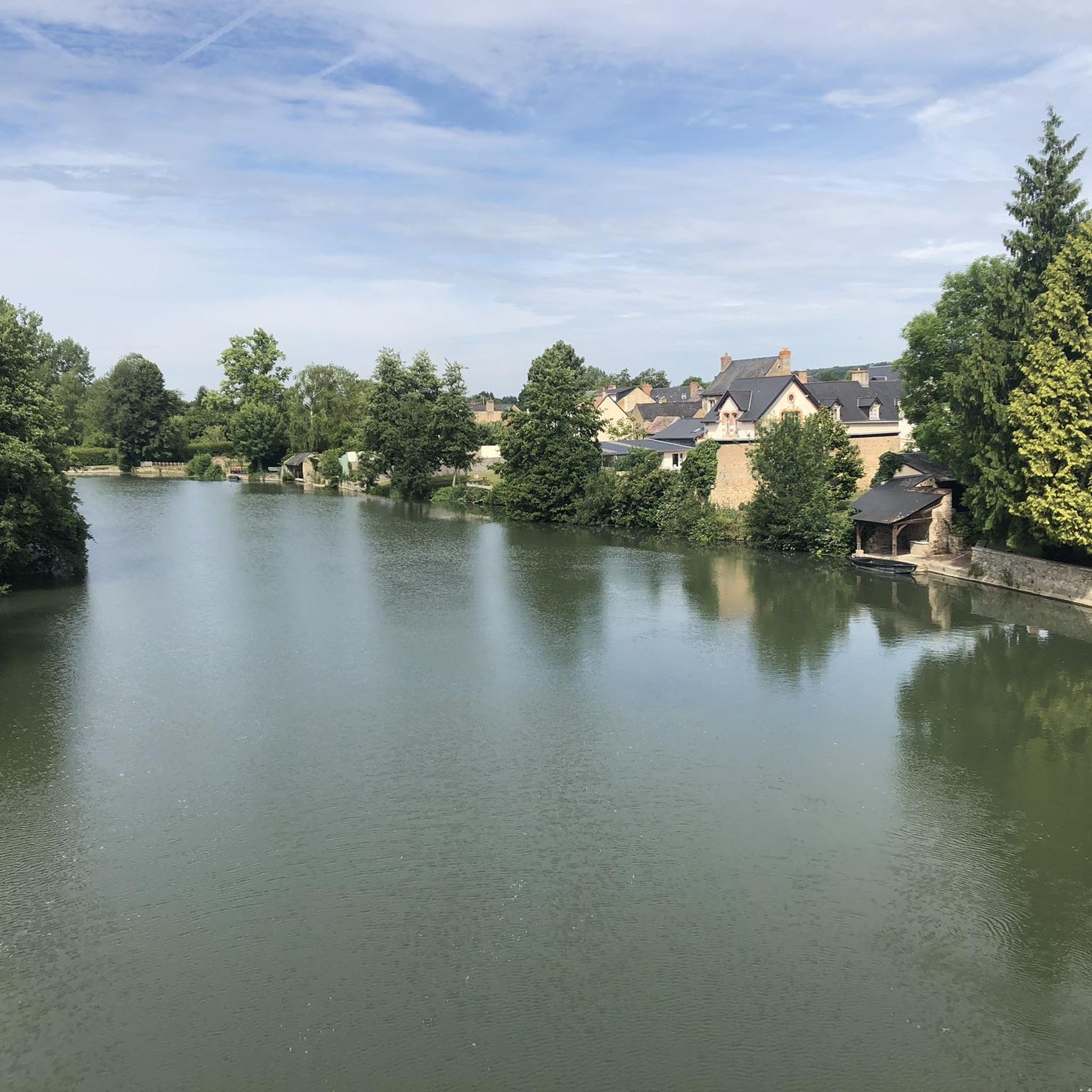
Road cycling around Parcé-Sur-Sarthe is characterized by a verdant and undulating landscape, with well-paved, quiet country roads. The region is situated on a meander of the Sarthe River, offering scenic riverside views and routes through extensive farmland. Gentle elevation gains are common, making the area suitable for various fitness levels.
Best road cycling routes around Parcé-Sur-Sarthe
- The most popular road cycling route is Parcé Mill – Solesmes Abbey loop from Parcé-sur-Sarthe, a 26.1 miles (42.0 km) trail that takes…
Last updated: July 18, 2026
5.0
(1)
13
riders
42.0km
01:51
260m
260m
Easy road ride. Great for any fitness level. Mostly well-paved surfaces and easy to ride.
17
riders
44.6km
01:56
250m
250m
Easy road ride. Great for any fitness level. Mostly well-paved surfaces and easy to ride.

Sign up for free
6
riders
93.6km
04:03
540m
540m
Moderate road ride. Good fitness required. Mostly well-paved surfaces and easy to ride.
8
riders
112km
04:50
520m
520m
Moderate road ride. Good fitness required. Mostly well-paved surfaces and easy to ride.
8
riders
117km
04:45
590m
590m
Moderate road ride. Good fitness required. Mostly well-paved surfaces and easy to ride.
Get access to more routes and recommendations from other explorers.
Sign up for free
Already have an account?
Our route recommendations are based on thousands of hikes, rides, and runs completed by other people on komoot.
Start today with a free account
Your next adventure awaits.
Login or Signup


Tips from the Community

This large church for a small village was built in 1880 according to the plans of the architect Beignet, then famous in Anjou. Constructed in the Neo-Gothic style characteristic of the period, it replaced the village's old Romanesque church. Dating from the 10th century, it was among the oldest in the department! In any case, Beignet had this large church built using tufa stone (a local and therefore economical material), quite typical of the 19th century, and partly constructed with materials from the old Romanesque church. The style of this period, long criticized, is becoming increasingly rare today as many examples are gradually being demolished. The church's bell tower is interesting with its four statues, which you can have fun identifying by their attributes.
0
0

Church of Saint-Pierre. Auvers, a large village located 8 kilometers from Sablé and the Abbey of Solesmes, is mentioned as early as the 11th century as a priory dependent on the Abbey of La Couture in Mans. The texts seem to establish that its foundation was favored by Guy de Laval and later by his son, Hamon. The original chapel was replaced in the 12th century by a church consecrated by Guillaume Passavent, Bishop of Le Mans, which allows us to date its construction between 1154 and 1187. The priory, after a period of relative prosperity in the 13th century, no longer housed a prior from the 15th century onward. The church served as the parish church, while the priory under its control was transformed and enlarged: part of the 17th-century dwelling still survives in the extension of the south arm of the transept. From the 12th-century church Only the nave remains, as the transept and choir were rebuilt in 1866. The overall silhouette of the building is strongly marked by the contrast between the modest volume of the old nave and the substantial eastern block. The plan is that of a Latin cross with a single nave and transept. The 19th-century alterations consisted of building this transept on the site of the two former chapels of Saint Anne and Saint Michael, creating two apsidal chapels opening onto the arms of this transept, and rebuilding the choir and apse. As a reminder, the chapel of Saint Anne served as a burial place for the lords of Le Plessis, and that of Saint Michael for the lords of La Panne. The bell tower of the old building has been preserved to the north, as has the chapel of Saint Peter to the south, which, attached to the priory, was reserved for religious orders. In plan, the base of the bell tower and the chapel of Saint Peter form, with the new transept, a sort of double transept. The western facade is adorned with a portal that dates back to the early 19th century, surmounted by a window that is likely contemporary. The nave is relatively narrow and elongated, its masonry constructed of small, cubic rubble stones, with roussard sandstone quoins. It is lit to the south by three semicircular bays and two to the north, which were modified in the 19th century. Some of the upper Romanesque openings, which were blocked, are still recognizable on the exterior of the north wall. It is covered with a paneled vault with exposed tie beams. The base of the bell tower has a ribbed vault, with a rather heavy profile. The interest of this building lies in the large collection of mural paintings dating from the 16th century that cover the walls of the nave. These paintings were partially discovered as early as 1903 and the painter Yperman was then commissioned to make copies for the Museum of Comparative Sculpture. In 1948, they were the subject of a classification order, then, in 1973, a study by the Champs-sur-Marne Laboratory. Several cycles can be recognized, notably: on the south wall, the Nativity and the Flight into Egypt, as well as the life of Saint Martin; on the north wall, the Last Judgment and the Sacrifice of Abraham, as well as Saint James the Greater and the legend of Saint Hubert. They also feature numerous miracle-working saints: Saint Europa, who cured dropsy, Saint Apollonia for toothaches, Saint Avertinus of Tours, for headaches, Saint Generated, the object of a popular cult in the region. Some forty years ago, Saint Opportune, Saint Julian of Brioude, Saint Mammès, the "Tale of the Three Dead and the Three Living," and numerous other scenes were still being identified. The poor condition of the framework and roofing led to deterioration of the building's walls, particularly those of the nave: the Sauvegarde de l'Art Français (French Art Protection Agency) awarded a grant of 60,000 francs for this work in 1997.
0
0
The Church of Our Lady of Sablé-sur-Sarthe is believed to have been built in the 15th century. Extensively restored over the centuries, it now boasts a late 18th-century neo-Gothic style, which has helped to highlight its medieval architecture. During the third quarter of the 17th century, the church's high altar was restored, and at the end of the first quarter of the 18th century, three new bells were cast by workshops in Le Mans. Finally, in the mid-18th century, the bell tower was rebuilt, as we can still see it today.
0
0
The nave and bell tower were built in the 12th century. The choir and its ribbed vault decorated with painted sculptures were built in the following century, while the south chapel dates from the 16th century. The church underwent extensive renovations in the 19th century, when the nave and transept were rebuilt. A fire struck the church in 1900, leading to a further reconstruction of the nave, transept, sacristy, and the upper part of the bell tower. The choir of the building has been listed as a historic monument since December 9, 1926.
0
0
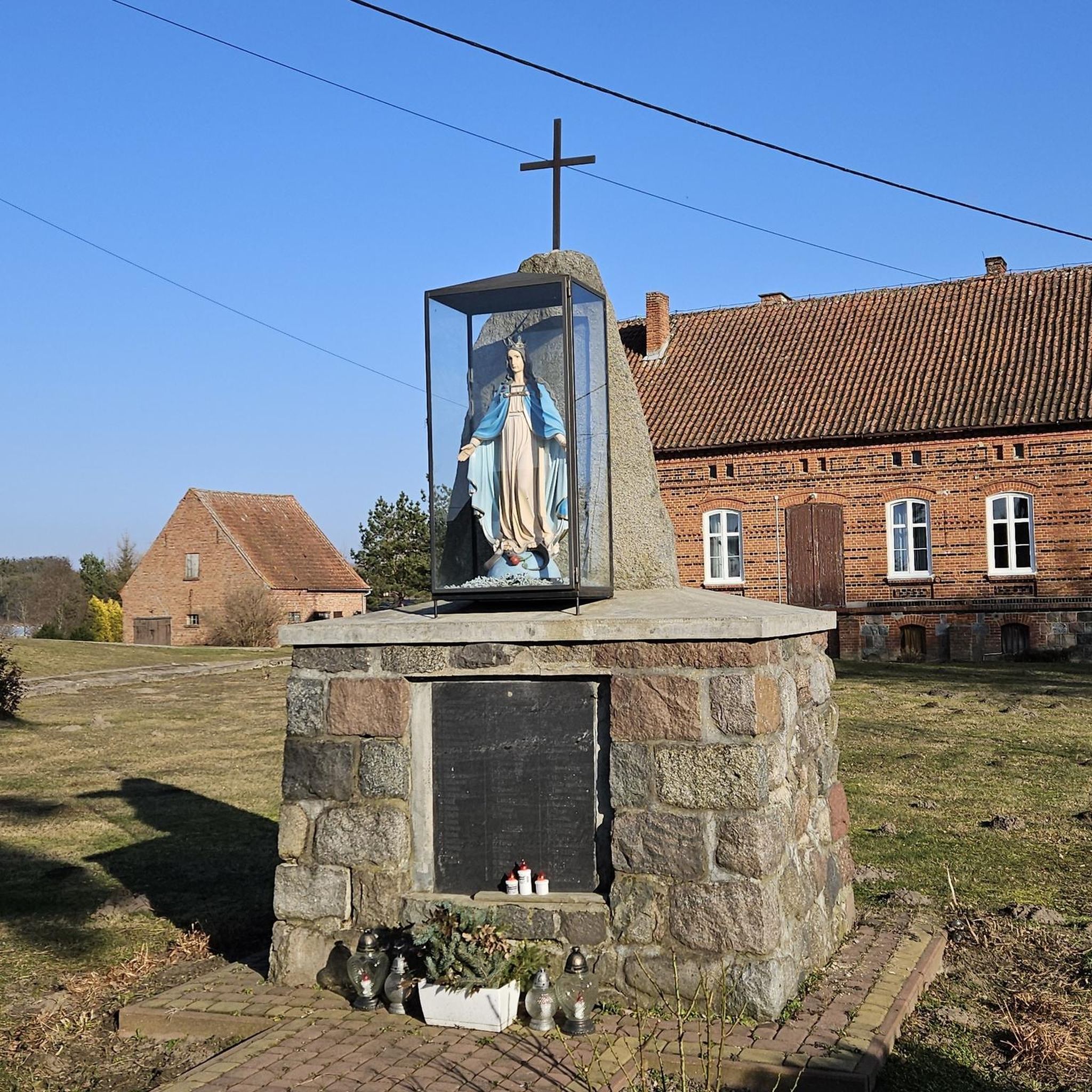
Notre-Dame-du-Pé shared its history with Anjou. Today, it is part of the Angevin Maine. In the Middle Ages, the parish was part of the Angevin seneschalship of La Flèche. Under the Ancien Régime, the commune was attached to the elected territory of La Flèche. During the French Revolution, the commune, like all those in the seneschalship of La Flèche, was attached to the new department of Sarthe. In 1801, during the Concordat, the parish was separated from the Diocese of Angers and transferred to that of Le Mans.
0
0


SCHEDULES From May 1 to October 31, 2023 Details on openings: Call before coming to be sure of openings for visits. PRICES Individual price child Child rate 7-15 years old: €4.50. Payment by cash or checks, no credit card. Individual price adult €7.50 adult. Payment by cash or checks, no credit card. Adult group rate Group rate (>10 people): €6.50 adult and €3.50 child
0
0
Frequently Asked Questions
How many road cycling routes are available around Parcé-sur-Sarthe?
There are over 50 road cycling routes around Parcé-sur-Sarthe, offering a variety of options for different skill levels. The komoot community has rated these routes with an average score of 4.3 stars.
What is the typical terrain and difficulty level for road cycling in this area?
The region around Parcé-sur-Sarthe features a verdant and undulating landscape with well-paved, quiet country roads. Most routes have gentle elevation gains, making them suitable for various fitness levels. You'll find 6 easy routes and 50 moderate routes, with no difficult routes listed.
Are there any easy road cycling routes suitable for beginners?
Yes, there are several easy road cycling routes. A popular choice is the Parcé Mill – Solesmes Abbey loop from Parcé-sur-Sarthe, which is 42.0 km long and explores the picturesque Sarthe River valley and historical landmarks.
What kind of natural features can I expect to see along the routes?
Cyclists can enjoy the scenic Sarthe River valley, with routes often running alongside the water, offering tranquil views. The area also features extensive farmland, providing pleasant views and a peaceful cycling environment. A viewpoint above Parcé offers pretty views over the river and surrounding countryside.
Are there any historical landmarks or attractions along the road cycling routes?
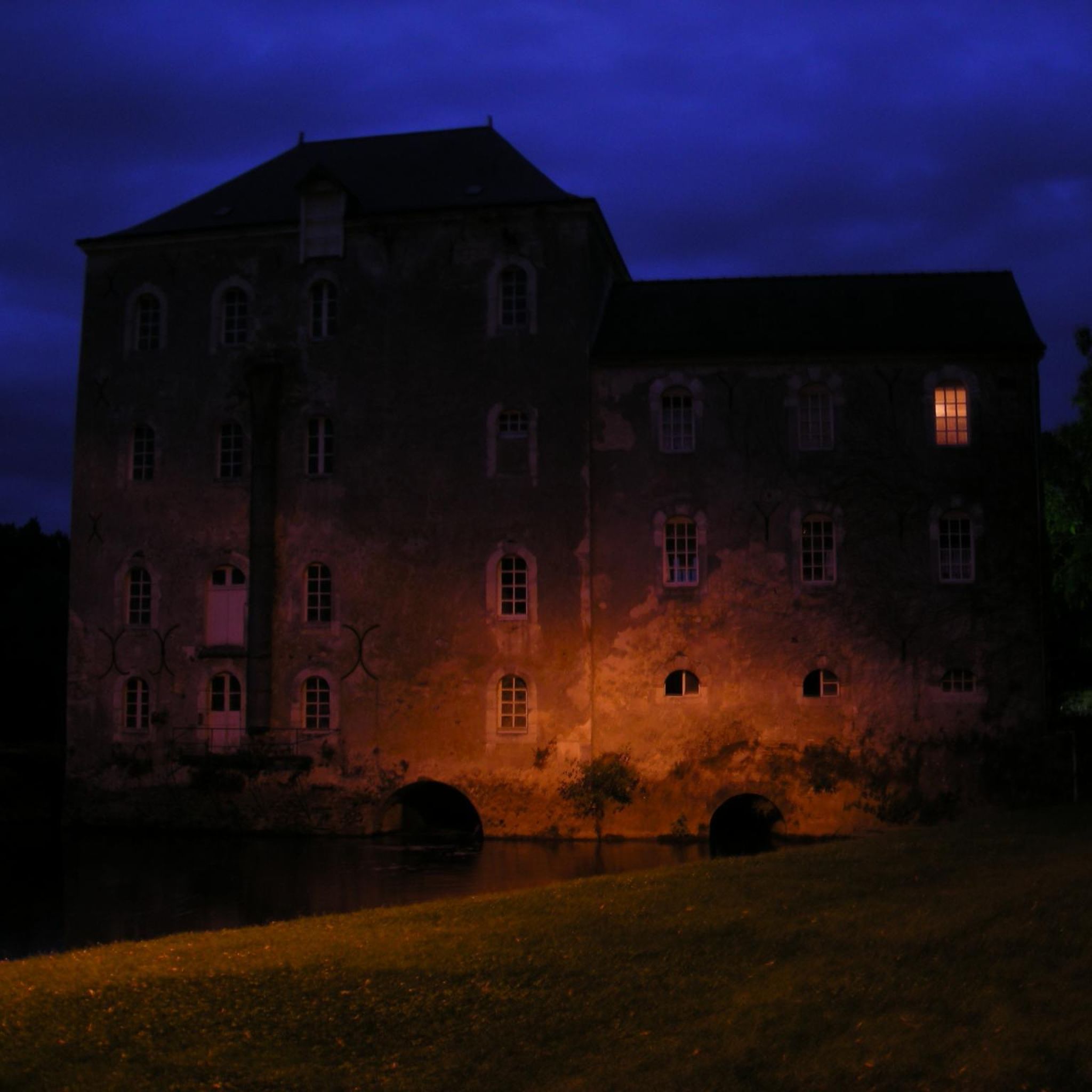
Many routes pass through or near charming historic villages and sites. You can expect to see the Parcé Mill, the Sarthe River Viaduct, and the Notre Dame Church. Routes also connect to nearby historical settlements like Malicorne-sur-Sarthe, known for its ceramics museum and the Château de Malicorne, and Solesmes Abbey.
Are there any longer, more challenging routes for experienced cyclists?
For those seeking a longer ride, the Château de Durtal – Bazouges loop from Parcé-sur-Sarthe is a moderate 117.1 km trail that takes about 4 hours 45 minutes. Another option is the Château de Durtal – Solesmes Abbey loop from Parcé-sur-Sarthe, covering 107.2 km.
What is the best time of year to go road cycling in Parcé-sur-Sarthe?
The region's verdant landscapes suggest that spring, summer, and early autumn are ideal for road cycling. During these seasons, you can best enjoy the pleasant views of the Sarthe River valley and the surrounding countryside.
Are there any circular road cycling routes available?
Yes, many of the routes are designed as loops, allowing you to start and finish in the same location. Examples include the Solesmes Abbey – Bazouges loop from Parcé-sur-Sarthe and the Parcé Mill – Notre Dame Church loop from Parcé-sur-Sarthe.
Can I find places to eat or drink along the cycling routes?
The cycling routes often pass through charming historic villages such as Parcé-sur-Sarthe, Malicorne-sur-Sarthe, and Asnières-sur-Vègre. These villages typically offer local cafes, restaurants, or shops where you can stop for refreshments and meals.
What do other road cyclists say about the routes in Parcé-sur-Sarthe?
The road cycling routes in Parcé-sur-Sarthe are highly rated by the komoot community, with an average score of 4.3 stars from over 14 reviews. Cyclists often praise the quiet country roads, scenic riverside views, and the opportunity to explore historical landmarks and charming villages.
Most popular routes around Parcé-Sur-Sarthe
Most popular attractions around Parcé-Sur-Sarthe

Get inspired with the komoot mobile app


Explore more
Browse the best Road cycling routes in other regions.
