The best MTB trails around Mouzillon
4.1
(356)
1,158
riders
169
rides
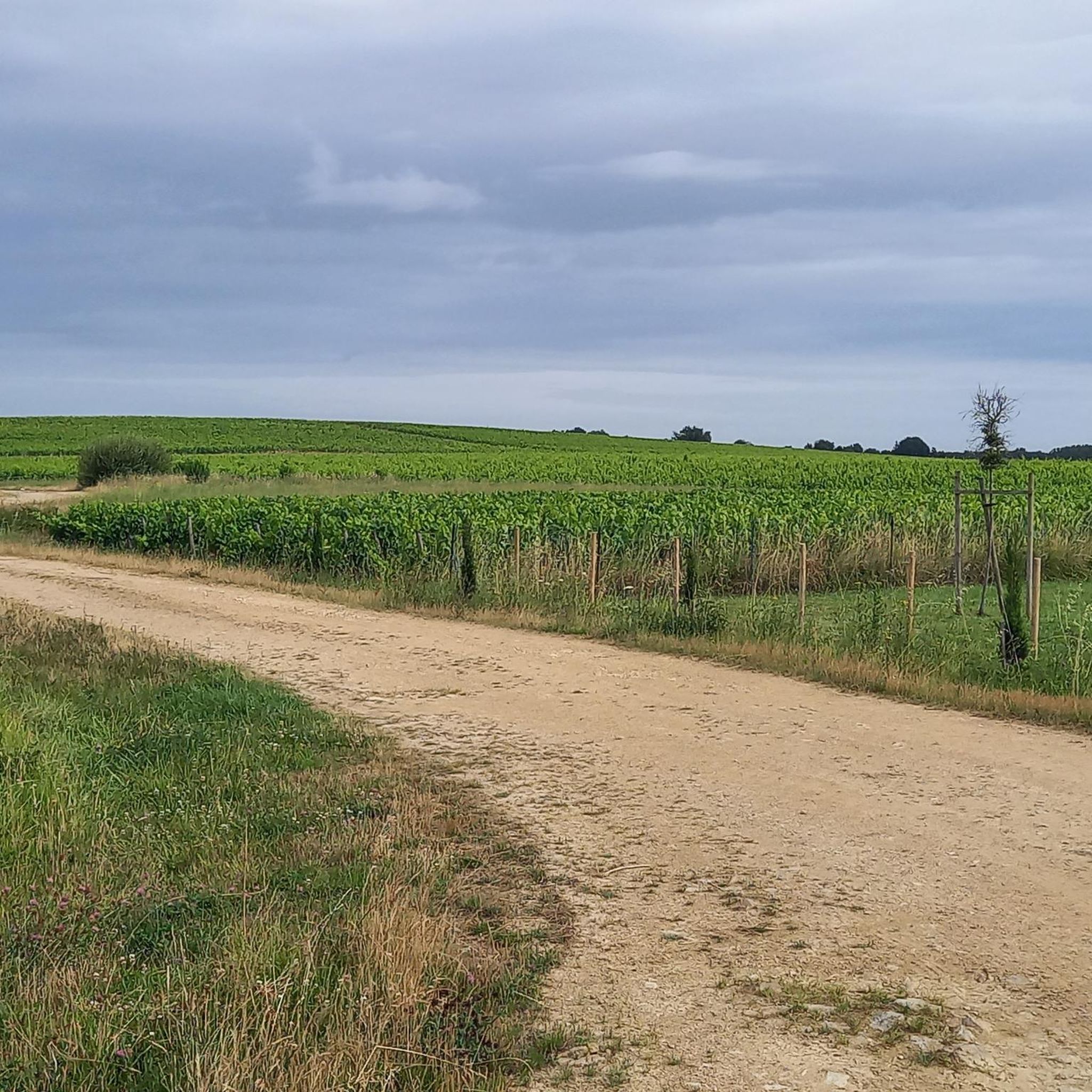
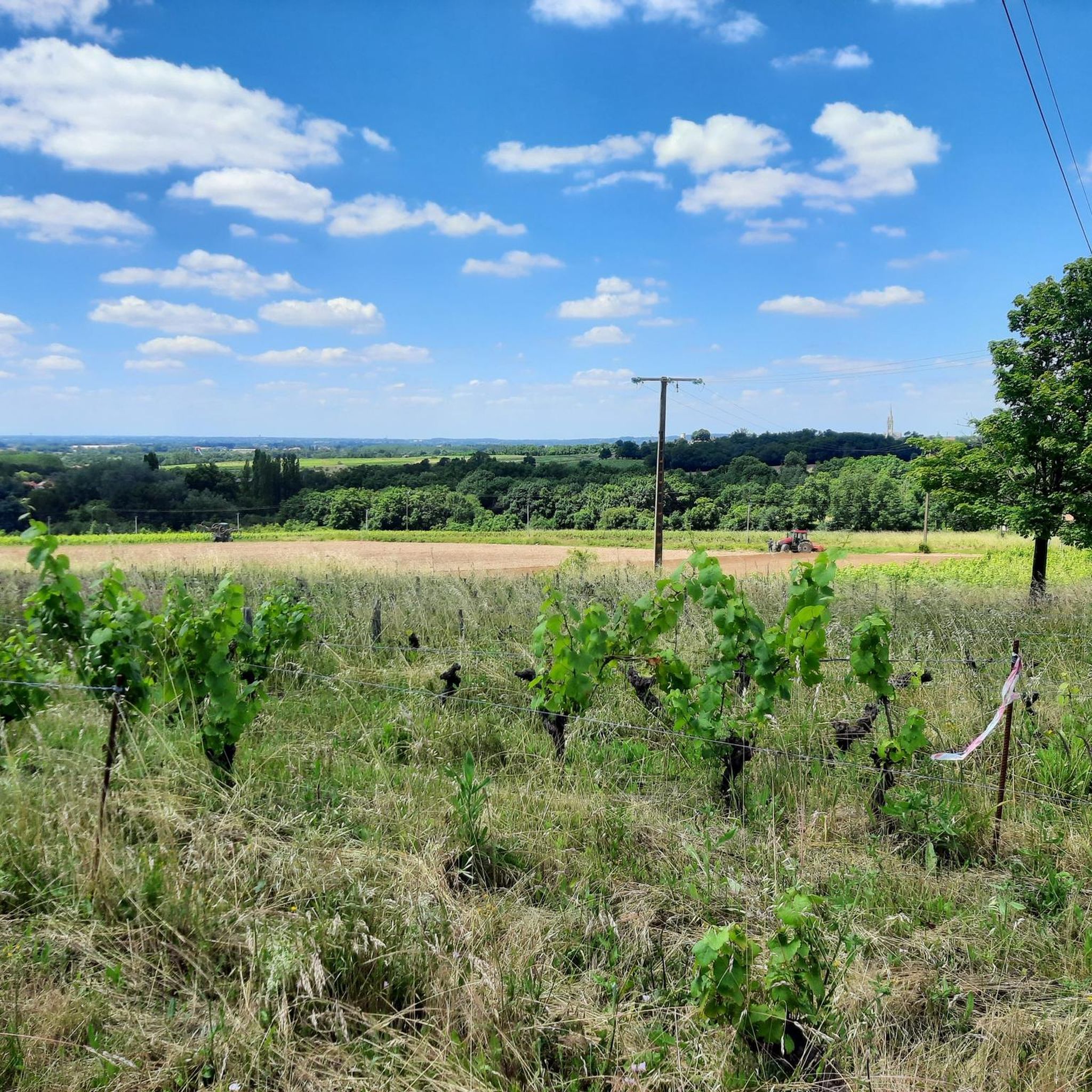
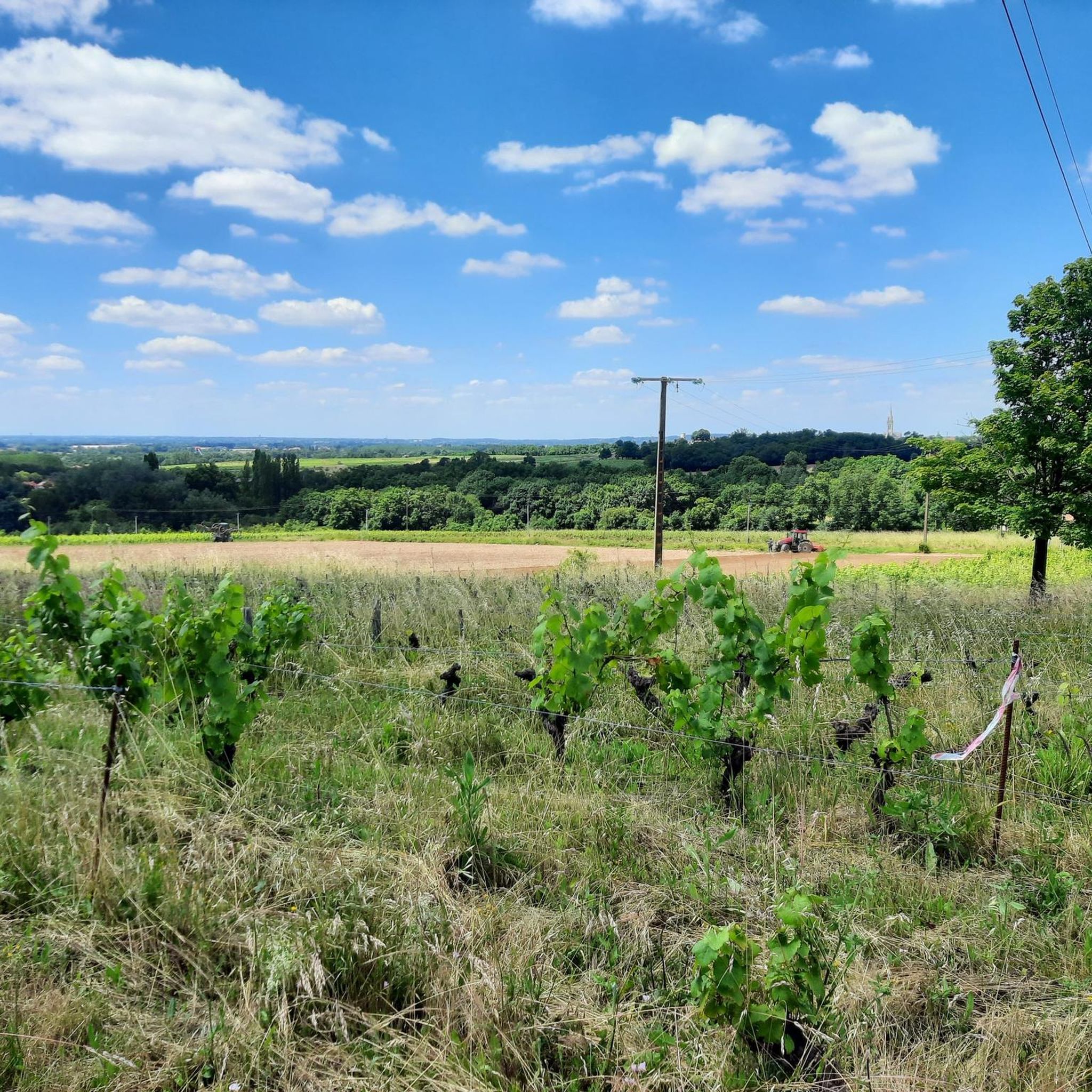
Mountain biking around Mouzillon offers varied terrain through the picturesque Nantes vineyards in the Loire-Atlantique department of France. The region is characterized by hilly topography and diverse geological features, including gneiss, granite, and schist soils. Routes often wind through rows of vines, along the Sèvre and Maine riverbanks, and over rolling hills, providing a mix of ascents and descents. This varied landscape creates engaging conditions for exploring off-road.
Best mountain bike trails around Mouzillon
- The most popular mountain bike trail…
Last updated: June 24, 2026
3.8
(8)
25
riders
16.2km
01:17
150m
150m
Easy mountain bike ride. Great for any fitness level. Suitable for all skill levels.
4.0
(7)
10
riders
45.7km
03:16
360m
360m
Moderate mountain bike ride. Good fitness required. Suitable for all skill levels.

Sign up for free
3.8
(5)
15
riders
64.9km
04:18
420m
420m
Moderate mountain bike ride. Good fitness required. Suitable for all skill levels.
4.0
(3)
6
riders
20.2km
01:26
150m
150m
Easy mountain bike ride. Great for any fitness level. Suitable for all skill levels.
19
riders
23.2km
01:39
190m
190m
Easy mountain bike ride. Great for any fitness level. Suitable for all skill levels.
Get access to more routes and recommendations from other explorers.
Sign up for free
Already have an account?
Our route recommendations are based on thousands of hikes, rides, and runs completed by other people on komoot.
Start today with a free account
Your next adventure awaits.
Login or Signup
Tips from the Community

The Hellfest is one of the largest extreme music festivals in Europe, held annually in Clisson, France, bringing together tens of thousands of metal, punk, and hard rock enthusiasts. Its site is distinguished by monumental, immersive, and spectacular decorations, transforming the location into a true ephemeral "metal city" with a unique atmosphere.
0
0

Clisson Castle has quite a story to tell: first an impregnable fortress overlooking the Sèvre, then a ducal residence, and finally a romantic ruin. In the 12th century, the powerful lordship of Clisson built this stone castle with highly elaborate defensive architectural systems: arrow slits, gun ports, and slits. A strategic point protecting the border of the Duchy of Brittany in the 15th century, it was abandoned by its owners from the second half of the 17th century onward before being burned down by Republican troops in 1793. But, beyond its grand history, this castle also has a more historic significance! In 1807, François-Frédéric Lemot, creator of the Garenne Lemot estate (a picturesque landscape located on the other side of the river), was captivated by these ruins and purchased it to turn it into an ornamental factory. The château was declared a historic monument in 1924, before being acquired by the Loire-Atlantique department in 1962. Today, visitors can visit it, take a guided tour, or simply experience its history. A stop on the Journey through the Vineyard, it's a stopover during the wine tourism tour of Nantes' wine country, featuring natural sites, heritage features, characterful villages, and unique cellars.
1
0
The last remaining witness to the region's papermaking industry, the association "Pour les arts graphiques en Vallée de Clisson" (For Graphic Arts in the Clisson Valley) has been working with local authorities since 1998 to revive the 19th-century papermaking industry at Le Liveau in Gorges. The Moulin du Liveau is a superb example of the region's Italianate architecture. With the active support of local authorities, the mill, owned by the municipality of Gorges, was restored to its original purpose as a paper mill. This magnificent site on the Sèvre Nantaise River in the Clisson Valley opened to the public in spring 2015. MORE THAN A MUSEUM, IT'S A LIVING WORKSHOP The association "Pour les arts graphiques en Vallée de Clisson" offers activities centered around the history and manufacture of paper. Children and adults alike can discover the mechanisms of the paper mill, handcraft their own sheets of paper, and learn about printing. An informative journey through history, accompanied by the ever-present pleasure of playfully recreating the gestures of the past. Inside, a hammer mill powered by a paddle wheel driven by the Sèvre River evokes the preparation of paper pulp from rags. Visitors can also practice calligraphy, participate in writing workshops, take bookbinding courses, and enjoy many other activities.
1
0
The Liveau Paper Mill in Gorges in the Clisson Valley (Loire Atlantique, 44) offers guided tours, educational outings, group visits to the paper mill, papermaking workshops, events, and exhibitions. The mill welcomes you south of Nantes and also offers a shop with a wide selection of paper, stationery, and books. The Liveau Paper Mill is located in Loire-Atlantique, in Gorges on the banks of the Sèvre Nantaise. Two flour mills, one on the right bank, the other on the left bank, made up the Liveau hydraulic site, first mentioned in 1407. Until 1561, it was owned by the lords of Clisson. • 1826, transformation of the right bank mill into a paper mill, a more prosperous activity at that time, and construction of the drying rack (drying rack), marked in its architecture by the strong Italian influence prevalent at that time in the canton of Clisson. • 1827: Papermaking begins at the mill. It produces "large gray paper" or "envelope paper" (wrapping paper) sold to the sugar refineries of Nantes. • 1850: Papermaking ends. • 1851 to 1952: Milling resumes. • 2001: The municipality of Gorges acquires the abandoned mill. • 2004: The "Pour les arts graphiques en vallée de Clisson" association wins first prize from the Fondation du Patrimoine for its project to rehabilitate and promote the Moulin du Liveau, with the support of Gorges elected officials and the Clisson Valley community of municipalities. • 2006: The Fondation du Patrimoine approves the project and brings in financial partners. • 2008-2009: Airtight and watertight construction of the buildings (mill and dryer), half of which was financed by the Total Foundation. Additional funding was provided by the Fondation du Patrimoine, the Crédit Agricole Foundation, parliamentary funds, the Pays de Loire Regional Council, the Loire-Atlantique General Council, the Clisson Valley Community of Communes, the municipality of Gorges, and various private funds. . 2014: Rehabilitation work in preparation for an artisanal papermaking activity, for cultural and tourist purposes. • April 2015: The Liveau paper mill in Gorges welcomes its first visitors.
1
0
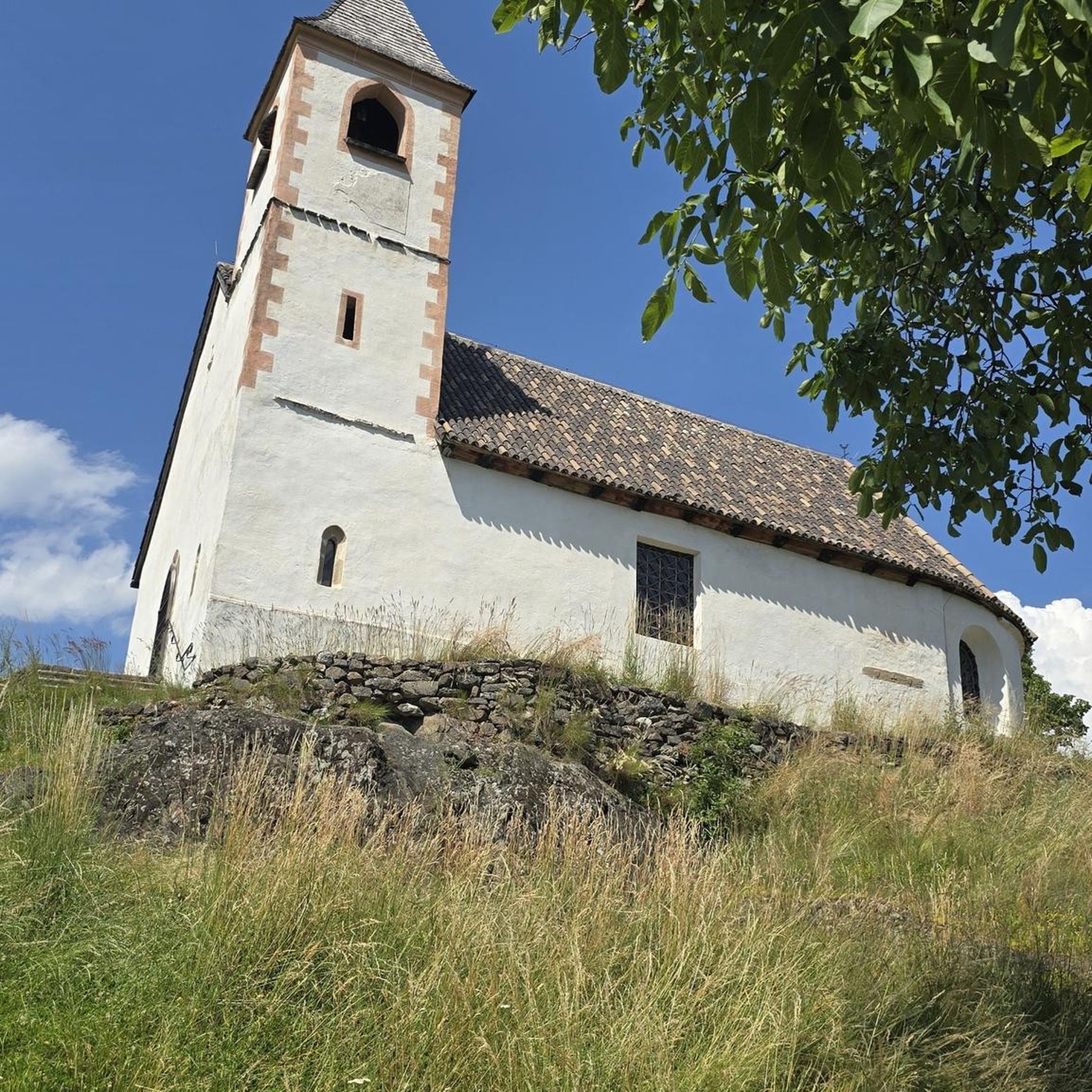
The modest Chapel of Saint Anne is the last vestige of the parish church of Saint Vincent. In the second half of the 11th century, the Chapel of Saint Anne was built. It adjoins the southern flank of a pre-existing castle chapel, probably contemporary with the keep, which dates from the late 10th or early 11th century. At an undetermined date, the two chapels were extended westward and became the chevet of the parish church of Saint Vincent. This extension was completed before 1646, the date at which a drawing by L. Doomer, preserved at the Dobrée Museum in Nantes, shows the complete building. In 1683, Archdeacon Binet described the dilapidated Church of Saint Vincent and the choir on the verge of ruin. No one dared touch it because it belonged to the lord of La Galissonnière and Le Pallet. We can therefore assume that the nave itself belongs to the parish, which is responsible for its upkeep. The choir, a former castle chapel, disappeared during the Revolution. The old church was razed in 1853, and only the Sainte-Anne chapel was spared thanks to the intervention of Prosper Mérimée. A new church was built on a new site in the village, reusing the stones from the old building. In addition to its dilapidated condition, the old church had the disadvantage of being located far from the village. The chapel was listed as a historical monument in 1941 (decree of August 9). It was restored in 1957. NOTE: THE CHURCH HAS BEEN CLOSED SINCE JULY 23, 2018, FOR INDEFINITE WORK.
1
0
The Trinity Church is getting a makeover in the heart of Clisson Off-limits since 2018, the Trinity Church in Clisson is undergoing extensive restoration work until 2027, accompanied by reinforcement and safety work. The Trinity Church in Clisson has been off-limits since 2018 due to pieces of tufa stone found on the floor of the building, raising concerns about safety issues. The restoration has been decided upon, along with reinforcement and safety work. This work is expected to continue until 2027. The construction site will soon be explained to the residents of Clisson, using signs. The artwork and furnishings have been protected and stored, tarpaulins protect the building and the workers, the vaults and framework will be restored, and the wall plasterwork will be examined and redone where necessary. The work will concern the side aisles until next summer, the nave for the following twelve months. Then it will be the turn of the choir and transepts between January 2026 and spring 2027, then the sacristy, the bell tower and the outbuildings.
2
0
The Church of the Trinity was originally a Benedictine priory, with a parish, dependent on the abbeys of Saint-Martin-de-Vertou and Saint-Jouin-de-Marnes. In the 11th century, it was occupied by the canons regular of the Order of Saint Augustine. In 1645, Fontevrist nuns from La Regrippière en Vallet settled there. The convent burned down in 1794 by the infernal columns of the Republican armies. From the 11th century onwards, the church had a choir with an apse, side chapels, and a square bell tower. In the 17th century, the Benedictine nuns replaced the Romanesque choir with an elongated one, featuring a remarkable Baroque altarpiece. They demolished the southern part of the choir to build their oratory. During the French Revolution, the church returned to the parish. Around 1867/1868, work was undertaken. The façade was redone in a neo-Romanesque style, while the neo-Gothic style was preferred for the interior of the religious monument.
1
0

Frequently Asked Questions
How many mountain bike trails are available around Mouzillon?
There are nearly 170 mountain bike trails around Mouzillon, offering a wide variety of options for different skill levels and preferences. You'll find everything from easy vineyard loops to more challenging routes through hilly terrain.
What is the general difficulty level of mountain biking trails in Mouzillon?
The trails around Mouzillon cater to various fitness levels. You'll find a good mix, with 65 easy routes perfect for a relaxed ride, 98 moderate trails offering a bit more challenge, and 4 difficult routes for experienced riders seeking demanding excursions. The varied geology, including gneiss and schist soils, contributes to diverse ground conditions.
Are there any circular mountain bike routes in the Mouzillon area?
Yes, many of the mountain bike routes around Mouzillon are circular, allowing you to start and end in the same location. For example, the easy View of Saint-Fiacre – Port of La Haie-Fouassière loop from Le Pallet is a popular choice, as is the moderate Clisson – Clisson Castle loop from Vallet.
What kind of landscapes can I expect to see while mountain biking near Mouzillon?
Mountain biking near Mouzillon offers diverse and scenic landscapes. You'll ride through extensive vineyards, along the Sèvre and Maine riverbanks, and over rolling hills. The region's varied geology, with gneiss, granite, and schist soils, provides engaging and changing ground conditions throughout your ride.
What are some interesting landmarks or attractions I can visit along the mountain bike trails?
The Mouzillon area blends outdoor adventure with cultural experiences. You can incorporate visits to local attractions such as the historic Château de Clisson, or enjoy panoramic views from the Picture frame by Emmanuel Ritz viewpoint. The Gallo-Roman bridge in Mouzillon is also a notable historical site you might encounter.
Are there any specific trails that lead to castles or historical sites?
Absolutely. The Clisson – Clisson Castle loop from Vallet is a moderate 45.3 km trail that leads directly to the historic town of Clisson and its medieval castle. Another option is the longer The Arsenal – Clisson loop from Le Pallet, which also takes you towards Clisson.
What do other mountain bikers say about the trails in Mouzillon?
The mountain bike trails around Mouzillon are highly rated by the komoot community, with an average score of 4.0 stars from over 400 reviews. Many riders praise the beautiful vineyard landscapes, the scenic riverside paths, and the variety of routes suitable for different skill levels.
Is it possible to rent mountain bikes near Mouzillon?
Yes, if you don't have your own bike, mountain bike rentals are available in the nearby town of Vallet. This makes it convenient to explore the trails even if you're visiting without your equipment.
Are there any specific routes that offer views of the Sèvre river?
Many routes in the region follow the Sèvre river, which is one of the last two tributaries of the Loire. The easy Under the Monnières bridge – Port of La Haie-Fouassière loop from Les Granges offers scenic views along the Sèvre and through the surrounding countryside, providing a pleasant riverside cycling experience.
Can I combine mountain biking with wine tasting in Mouzillon?
Definitely! Mouzillon is central to the Nantes wine region, part of the Muscadet Sèvre et Maine appellation. Cycling through the vineyards can be easily combined with wine tastings at local estates, offering a unique blend of physical activity and culinary enjoyment. You can find more information about the vineyards at visitnantesvineyard.com.
What is the best season for mountain biking in Mouzillon?
While specific seasonal recommendations aren't provided, the region's diverse terrain and vineyards suggest that spring and autumn would be particularly pleasant for mountain biking, with milder temperatures and beautiful scenery. Summer can also be enjoyable, though it might be warmer.
Are there any challenging mountain bike trails for experienced riders?
Yes, for experienced riders seeking a more demanding excursion, there are challenging options. The Les Thébaudières trail – Porte-Vue by Emmanuel Ritz loop from Le Pallet is a difficult 49.8 km route that will test your skills and endurance.
Most popular routes around Mouzillon
Most popular attractions around Mouzillon

Get inspired with the komoot mobile app


Explore more
Browse the best MTB trails in other regions.
