Attractions and Places To See around Sorbets - Top 9
Best attractions and places to see around Sorbets include historical sites and religious buildings, reflecting the region's rich heritage. Located in southwestern France, this area is notable for its connection to the Way of Saint James pilgrimage route. Visitors can explore ancient churches and picturesque villages that offer insights into local history and culture. The landscape provides a setting for discovering these 9 hidden gems.
Best attractions and places to see around Sorbets
- The most popular attractions is Sainte-Quitterie Church…
Last updated: July 2, 2026
Sainte-Quitterie Church
Highlight • Other
Translated by Google •
Tip by

La Halle aux grains
Highlight • Other
Translated by Google •
Tip by

Sign up now to discover places like this
Get recommendations on the best single tracks, peaks, & plenty of other exciting outdoor places.
Sign up for free
Pimbo
Highlight • Other
Translated by Google •
Tip by

Saint-Jacques Church of Sensacq
Highlight • Religious Site
Translated by Google •
Tip by
Collegiate Church of Saint Bartholomew
Highlight • Religious Site
Translated by Google •
Tip by
Sign up for free to discover even more attractions around Sorbets.
Sign up for free
Already have an account?
Start today with a free account
Your next adventure awaits.
Login or Signup


Tips from the Community


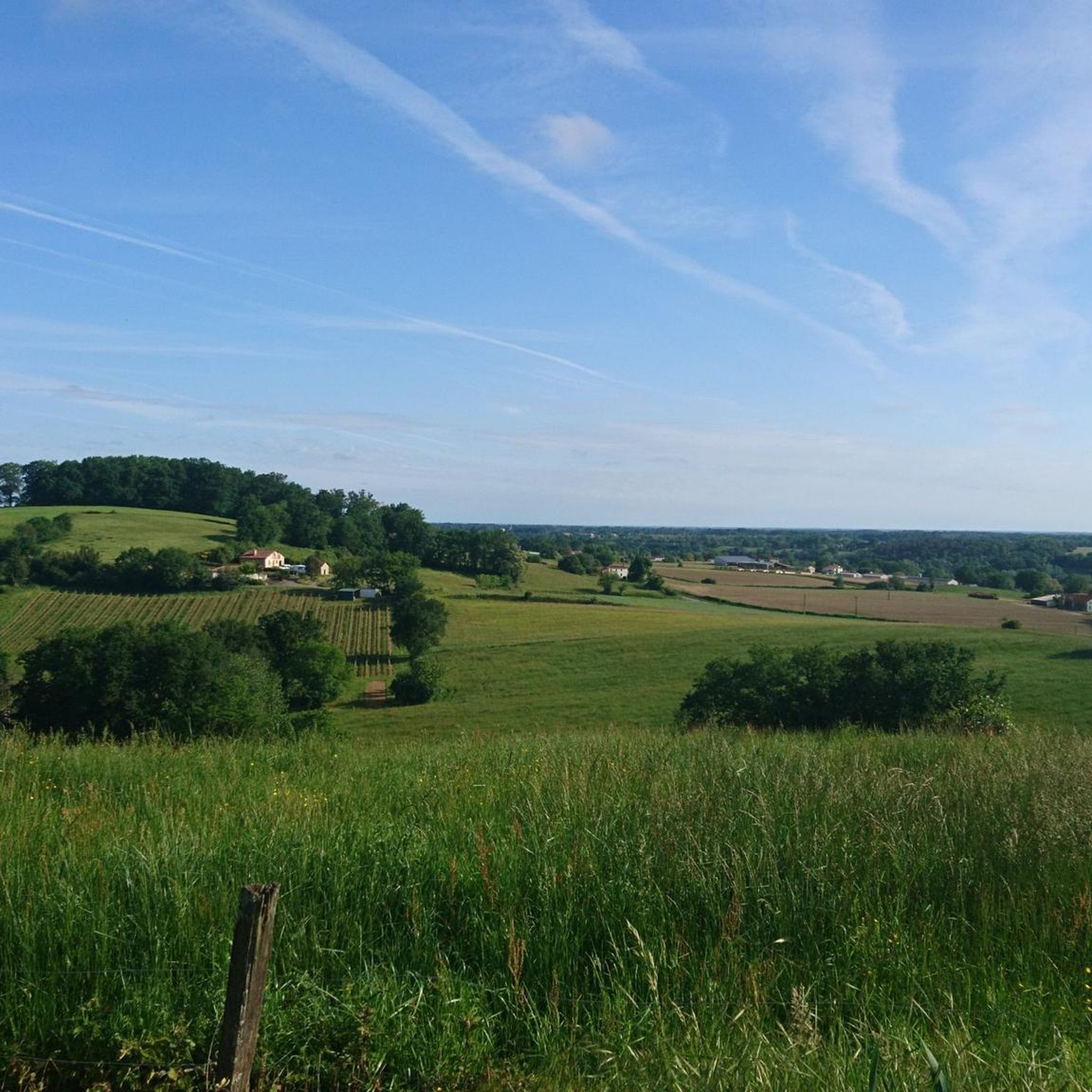
A picturesque village with a place to stop for refreshments. On a clear day, you can see the Pyrenees from here.
6
0

Free guided tours of the church and restored crypt From June to September, Monday to Friday at 10am, 11am, 4pm and 5pm. The rest of the year visits are only possible by reservation.
8
2
The Sainte-Quitterie Church is a UNESCO World Heritage Site as a stopover on the paths to Santiago de Compostela. It is also classified as a historical monument.
8
2
The Church of Saint-Jacques de Sensacq is located in the municipality of Miramont-Sensacq, in the French department of Landes. It is a stage on the Via Podiensis or Route du Puy of the pilgrimage to Santiago de Compostela. This monument has been registered as a historical monument since February 17, 1997[ 1 ] .
7
1
Pimbo is a community in southwestern France , located in the Department Landes ( Region Nouvelle-Aquitaine )
8
0

This 11th century church is a stopover on the road to Le Puy on the pilgrimage to Santiago de Compostela. Despite its various restorations, it retains the military aspect found in many churches in the region.
2
0
The grain market was built between 1855 and 1860 and bears witness to the grain trade in the region at that time. It was briefly also a village hall and a cinema and still hosts various events today. It is octagonal in shape with large stone arches.
5
1
Frequently Asked Questions
What historical and religious sites can I visit around Sorbets?
The region is rich in historical and religious sites, many connected to the Way of Saint James pilgrimage route. You can explore the Sainte-Quitterie Church, a 13th-century Gothic abbey church and UNESCO World Heritage Site. Other notable sites include the Saint-Jacques Church of Sensacq and the 11th-century Collegiate Church of Saint Bartholomew, both significant stops for pilgrims.
Are there any picturesque villages or scenic viewpoints in the Sorbets area?
Yes, the village of Pimbo is a picturesque spot where visitors can take a break. On clear days, it offers fantastic views of the Pyrenees mountains.
What kind of outdoor activities can I do near the attractions around Sorbets?
The area around Sorbets offers various outdoor activities. For hiking, you can find routes like the 'Sensacq Loop' or easier options like the 'Lac du Brousseau loop'. Mountain biking and road cycling are also popular, with dedicated guides for MTB Trails around Sorbets and Road Cycling Routes around Sorbets.
Are there easy hiking trails suitable for short walks around Sorbets?
Absolutely. For easy and shorter walks, consider routes like the 'Lac du Brousseau loop from Église Sainte-Quitterie' (around 5.1 km) or the 'Lac du Brousseau loop from Larquérat' (around 3.6 km). You can find more options in the Hiking around Sorbets guide.
What is the historical significance of La Halle aux grains?
La Halle aux grains is a historical grain market built between 1855 and 1860. This octagonal building is a listed historical monument and serves as a testament to the region's past grain trade. Today, it continues to host various events.
What do visitors particularly enjoy about the attractions in Sorbets?
Visitors appreciate the rich history and cultural significance of the sites, especially their connection to the Way of Saint James. The picturesque villages like Pimbo are loved for their charm and scenic views. The komoot community has shared over 40 photos and given more than 50 upvotes to the attractions, highlighting their appeal.
Are there any unique legends or stories associated with the local attractions?
Yes, the Sainte-Quitterie Church is associated with the legend of Saint Quiteria. According to tradition, after her beheading for her Christian faith, she carried her own head to the site where the crypt is today. A spring there is also said to have healing properties for mental illnesses.
Can I find circular walks near Sorbets?
Yes, there are several circular walks available. For instance, the 'Sensacq Loop' is a moderate hiking option, and there are also 'Lac du Brousseau loop' routes that are easy and circular. Check the Hiking around Sorbets guide for more details on these and other circular routes.
What is the best time of year to visit Sorbets for outdoor activities?
Given its location in southwestern France, spring and autumn generally offer pleasant weather for outdoor activities like hiking and cycling, with milder temperatures. Summer can also be enjoyable, though it might be warmer. The region's natural beauty and historical sites can be appreciated throughout these seasons.
Are there any attractions around Sorbets that are particularly suitable for a break or an overnight stay?
The village of Pimbo is noted as a perfect spot for a break or even an overnight stay, offering fantastic views of the Pyrenees.
What kind of architecture can I expect to see in the historical buildings around Sorbets?
You will encounter a mix of architectural styles, primarily Gothic and Romanesque. The Sainte-Quitterie Church is a prime example of 13th-century Gothic architecture, while the Collegiate Church of Saint Bartholomew dates back to the 11th century, retaining a military aspect common in regional churches of that era. The La Halle aux grains showcases 19th-century functional architecture with its distinctive octagonal shape and large stone arches.

Get inspired with the komoot mobile app


Explore more
Still not found the Highlight you’re looking for? See guides of the top attractions in other regions:
