The best cycling routes around Saint-Cricq-Du-Gave
4.2
(168)
709
riders
113
rides
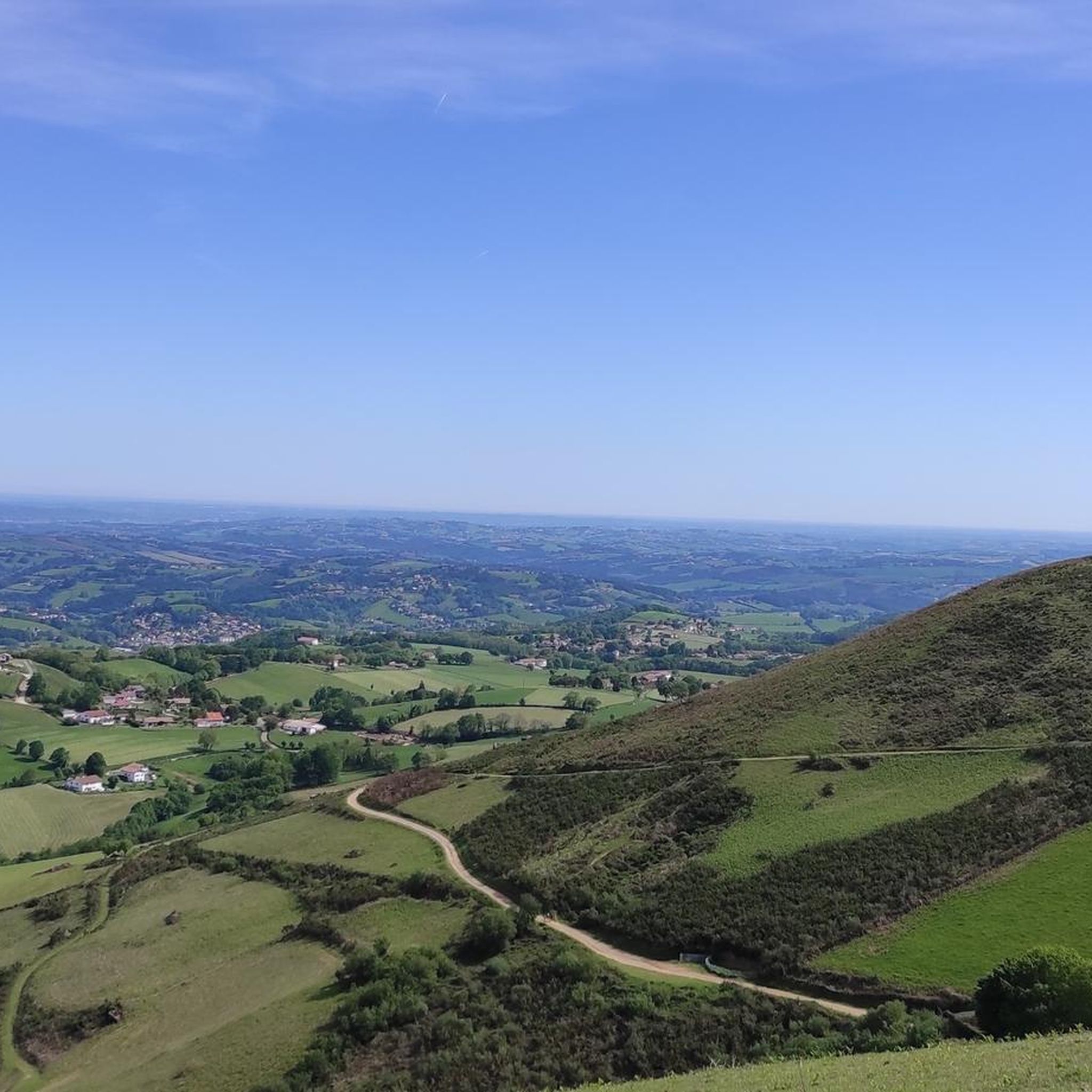
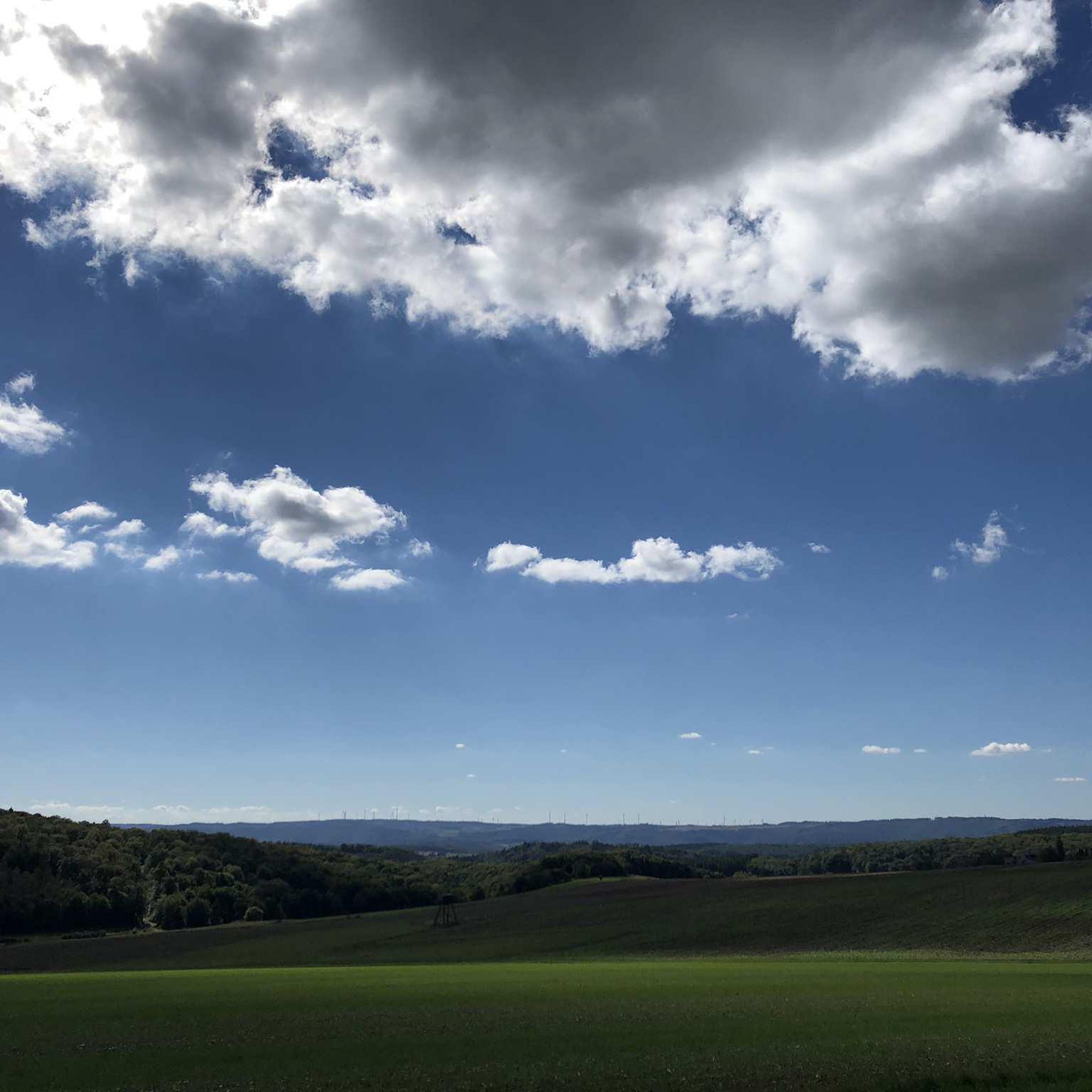
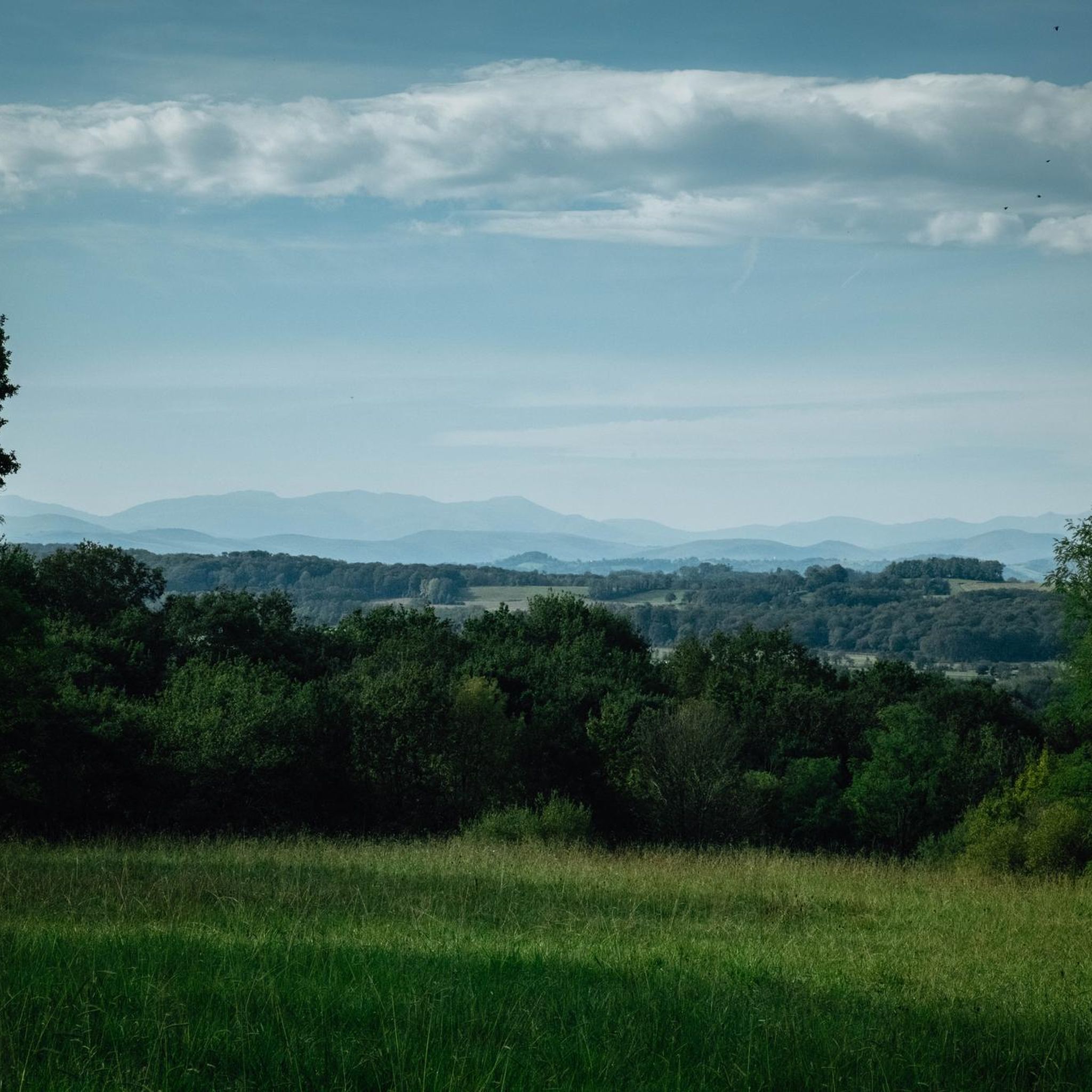
Touring cycling routes around Saint-Cricq-Du-Gave traverse a landscape characterized by gentle river valleys and agricultural plains, offering views towards the distant Pyrenees mountains. The region features a network of greenways and quiet country roads, suitable for various cycling abilities. Elevations are generally modest, with some routes including rolling hills.
Best touring cycling routes around Saint-Cricq-Du-Gave
- The most popular touring cycling route is Voie Verte – Salies-de-Béarn loop from Saint-Dos, a 24.6 miles (39.6 km) trail that takes 2 hours…
Last updated: July 17, 2026
4.5
(2)
10
riders
43.9km
02:46
450m
450m
Hard bike ride. Very good fitness required. Mostly paved surfaces. Suitable for all skill levels.
8
riders
17.7km
01:02
80m
80m
Easy bike ride. Great for any fitness level. Mostly paved surfaces. Suitable for all skill levels.

Sign up for free
5.0
(1)
14
riders
71.8km
04:18
500m
500m
Hard bike ride. Very good fitness required. Mostly paved surfaces. Suitable for all skill levels.
4.7
(3)
10
riders
45.8km
02:46
350m
350m
Moderate bike ride. Good fitness required. Mostly paved surfaces. Suitable for all skill levels.
4.0
(2)
10
riders
23.5km
01:24
150m
150m
Easy bike ride. Great for any fitness level. Mostly paved surfaces. Suitable for all skill levels.
Get access to more routes and recommendations from other explorers.
Sign up for free
Already have an account?
Our route recommendations are based on thousands of hikes, rides, and runs completed by other people on komoot.
Start today with a free account
Your next adventure awaits.
Login or Signup

Tips from the Community

Very beautiful greenway, very pleasant
0
0

Built between 1250 and 1280 by Gaston VII, Viscount of Béarn, on a rocky outcrop overlooking the gave. Gaston Fébus had the castle reinforced in 1370.
0
0
Chateau built by Gaston VIl Moncade from 1242 to 1262, protected by 3 lines of fortifications, and a "V"-shaped masonry moat. The main building protected the entrance to the keep. The ground floor, a pentagonal keep, without a door, served as a prison; on the first floor was the guardroom. This Castle was redeveloped by Gaston Febus in the 14th century. It was burned during the Wars of Religion, in 1569, and sold, at the Revolution, to demolition contractors who dismantled it. Remains restored in 1845.
0
0

Considered the little Béarn Venice, Salies-de-Béarn is mainly known for its saltwater spring. The town reveals an old centre with narrow streets and atypical houses.
0
0

## The tunnel The tunnel, located between the Puyoô and Salies-de-Béarn stations, is one of the significant structures on line n° 662.000 connecting Puyoô to Mauléon. It is a single-track tunnel 848.5 m long and 5.00 m wide between the abutments. The height under the crown is 6.00 m. It is a multi-radius arch. The structure is generally oriented North-South, with a curve of R400 m for the first 250 meters on the North side, then a straight section to the South end. The longitudinal profile has a constant gradient of 0.01 m/m from the North. A central aqueduct equips the structure along its entire route. The maximum cover is 49 m. The tunnel is built in the Campanian flysch (Upper Cretaceous). The construction of the tunnel (1879-1883) was carried out from two headings via shafts approximately 35 m deep, located at PM219 and PM632. The shafts were retained as ventilation shafts. The masonry thicknesses (limestone rubble set in lime mortar) vary from 0.50 m to 1.20 m. The length of the tunnel, initially projected at 400 m, was increased to 787 m following the decision to lower the profile (from 20‰ to 16‰). During construction, ground instabilities encountered during the excavation of access trenches led to a further extension of the structure, which finally reached a length of 848.5 m. Numerous ground instabilities (landslides) caused significant delays in the progress of the work. The tunnel was electrified in 1930 and the overhead line equipment was removed in 1971.
0
0

A great and beautiful landscape.
1
0


Frequently Asked Questions
How many touring cycling routes are available around Saint-Cricq-Du-Gave?
There are over 100 touring cycling routes in the Saint-Cricq-Du-Gave area, catering to various skill levels. This includes 9 easy routes, 66 moderate routes, and 31 difficult routes.
Are there easy touring cycling routes suitable for beginners or families in Saint-Cricq-Du-Gave?
Yes, Saint-Cricq-Du-Gave offers several easy routes perfect for beginners or family outings. These routes often utilize the region's greenways and quiet country roads. An example is the Lac des Glés loop from Habas, an easy 18.2 km trail with minimal elevation gain.
What kind of terrain can I expect on touring cycling routes in this region?
The touring cycling routes around Saint-Cricq-Du-Gave primarily traverse gentle river valleys and agricultural plains. You'll find a network of greenways and quiet country roads. While elevations are generally modest, some routes do include rolling hills, offering views towards the distant Pyrenees mountains.
Are there any circular touring cycling routes available?
Yes, many touring cycling routes in the area are designed as loops, allowing you to start and finish at the same point. Examples include the popular Voie Verte – Salies-de-Béarn loop from Saint-Dos and the View of Château de Gramont – Château de Gramont de Bidache loop from Auterrive.
What are some notable landmarks or attractions I can see along the touring cycling routes?
The region offers several interesting sights. You might encounter historical châteaux and charming villages. For example, the View of Château de Gramont – Château de Gramont de Bidache loop from Auterrive provides views of Gramont Castle in Bidache. Other attractions in the wider area include The Bastide of Hastingues and the Salies‑de‑Béarn Greenway itself.
What do other touring cyclists enjoy most about cycling in Saint-Cricq-Du-Gave?
The area is highly rated by the komoot community, with an average score of 4.4 stars from over 170 reviews. Reviewers often praise the region's greenways, the quiet country roads, and the scenic views, particularly those of the distant Pyrenees. The variety of routes, from easy to more challenging, is also frequently highlighted.
Are there any advanced touring cycling routes for experienced riders?
Yes, for more experienced touring cyclists, there are 31 routes rated as 'difficult'. These routes typically feature more significant elevation gains and longer distances. An example is the Voie Verte – Salies-de-Béarn loop from Carresse, a 43.6 km trail with over 450 meters of elevation gain.
What is the best season for touring cycling in Saint-Cricq-Du-Gave?
The region generally offers pleasant cycling conditions from spring through autumn. Spring brings blooming landscapes, while autumn provides comfortable temperatures and beautiful foliage. Summers are typically warm, making early mornings or late afternoons ideal for rides.
Are there routes that offer views of the Pyrenees mountains?
Yes, many routes in the Saint-Cricq-Du-Gave area offer glimpses of the distant Pyrenees. The landscape is characterized by open plains and rolling hills, providing opportunities for panoramic views. The Wonderful, quiet bike path – View of the Pyrenees loop from Sorde-l'Abbaye is specifically known for its mountain vistas.
How long do touring cycling routes typically take to complete?
Route durations vary significantly based on distance and difficulty. Easy routes like the Lac des Glés loop from Habas can be completed in about 2 hours. Moderate routes, such as the Voie Verte – Salies-de-Béarn loop from Saint-Dos, typically take around 2 hours 23 minutes, while longer, more difficult routes can take 3 hours or more.
Is public transport accessible near the touring cycling routes?
While Saint-Cricq-Du-Gave is a rural area, some larger towns nearby may offer limited public transport connections. It is generally recommended to plan your journey by car or check local bus schedules in advance if you intend to use public transport to reach the starting points of the routes.
Where can I find parking for touring cycling routes?
Many routes start from villages or towns where public parking is available. It's advisable to check the specific starting point of your chosen route on komoot for details on nearby parking facilities. Generally, you can find parking in the centers of towns like Saint-Dos, Auterrive, Carresse, or Sorde-l'Abbaye.
Most popular routes around Saint-Cricq-Du-Gave
Most popular attractions around Saint-Cricq-Du-Gave

Get inspired with the komoot mobile app


Explore more
Browse the best Cycling routes in other regions.
