The best road cycling routes around Saint-Laurent
4.3
(176)
8,535
riders
132
rides
Road cycling routes around Saint-Laurent offer diverse landscapes shaped by the majestic Saint Lawrence River and the Appalachian mountain range. The region features varied riverside scenery, including cliffs and beaches, alongside extensive rural roads. This topography provides a range of cycling experiences, from flat stretches along the water to more challenging routes with elevation changes.
Best road cycling routes around Saint-Laurent
- The most popular road cycling route is Col des Glieres – Glières Plateau loop from Saint-Pierre-en-Faucigny, a 60.3…
Last updated: May 8, 2026
4.8
(9)
237
riders
Moderate road ride. Great for any fitness level. Some segments of this route may be unpaved and difficult to ride.
5.0
(1)
80
riders
41.4km
02:40
1,140m
1,140m
Hard road ride. Very good fitness required. Mostly well-paved surfaces and easy to ride.

Sign up for free
3.0
(1)
74
riders
45.2km
02:26
850m
850m
Moderate road ride. Good fitness required. Some segments of this route may be unpaved and difficult to ride.
4.3
(4)
71
riders
52.8km
02:40
760m
760m
Moderate road ride. Good fitness required. Some segments of this route may be unpaved and difficult to ride.
59
riders
80.0km
04:08
1,310m
1,310m
Hard road ride. Very good fitness required. Mostly well-paved surfaces and easy to ride.
Get access to more routes and recommendations from other explorers.
Sign up for free
Already have an account?
Our route recommendations are based on thousands of hikes, rides, and runs completed by other people on komoot.
Start today with a free account
Your next adventure awaits.
Login or Signup

Tips from the Community

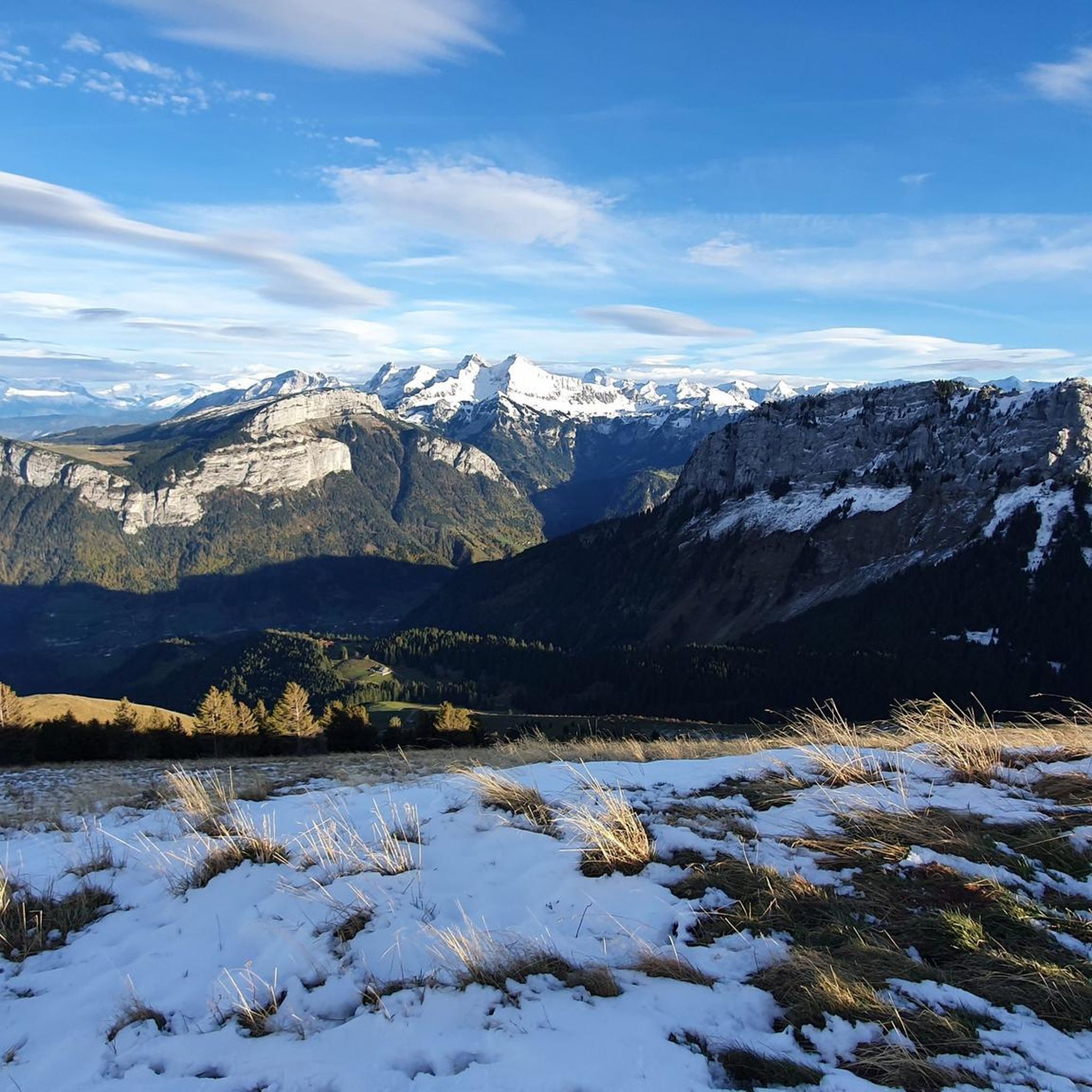
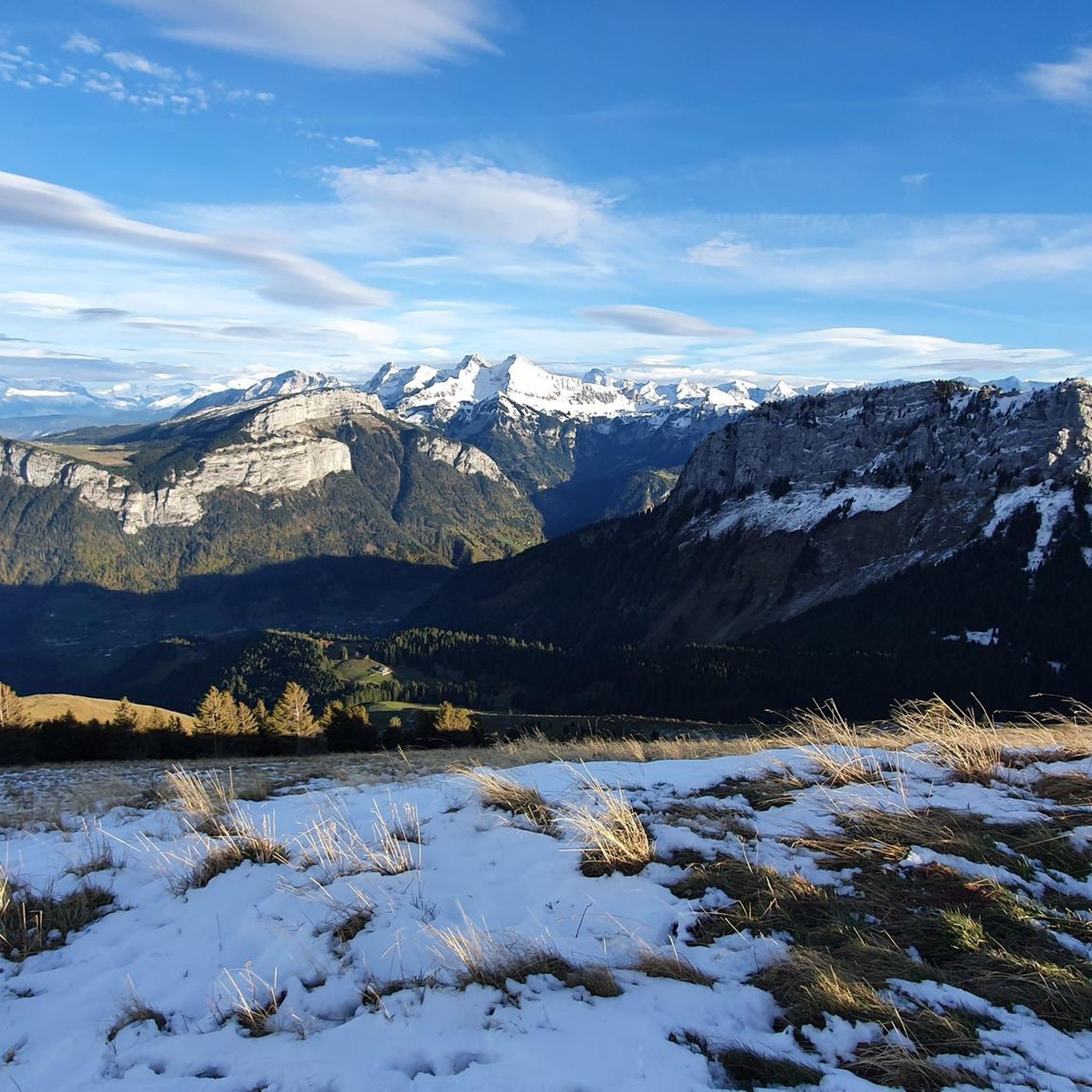
A beautiful mountain range with the "little" and "big" Bargy
0
0
A 48-meter footbridge to cross the Giffre River. This greenway allows you to cross Marignier safely.
0
0
A refreshing break in the lake on hot days.
0
0

The leisure center welcomes you in a splendid green setting and offers numerous activities. A swimming lake and a fishing lake
0
0

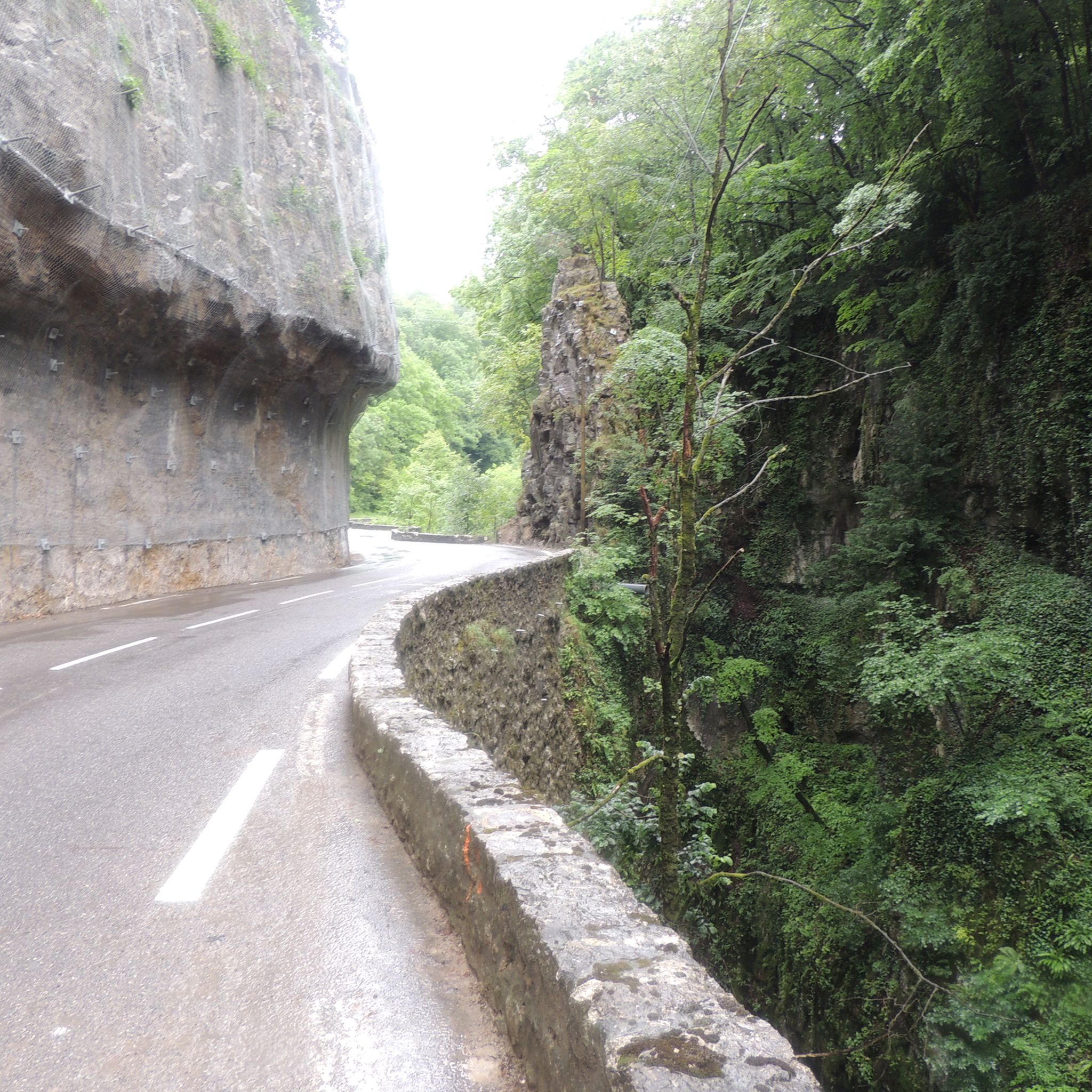
The road is degraded for the last 3.5 km of the plateau climb. 1 km of gravel before starting the descent. Very steep descent.
0
0

The bridge is an element of the birth of the city, built from 1225. It was initially made of wood resting on the islands of the Arve to connect the two banks. In 1661, the Regent Marie-Jeanne-Baptiste of Savoy-Nemours had a stone bridge with five arches built. Between 1862 and 1866, it was replaced by the current bridge, built by the engineers Deglin and Vivenot. It was named "Pont de l'Europe" when Valérie Giscard d'Estaing passed through Bonneville in 1989, during the campaign for the European elections. Downstream, it was doubled in 2010 by a second asymmetrical cable-stayed bridge whose elegant silhouette is already part of Bonneville's architectural heritage.
1
0

Beautiful descent from Mont Saxonnet. Definitely worth it.
1
0
Frequently Asked Questions
How many road cycling routes are available in Saint-Laurent?
There are over 130 road cycling routes around Saint-Laurent, offering a wide variety of experiences for cyclists. These routes are highly rated by the komoot community, with an average score of 4.2 stars from over 170 reviews.
What kind of terrain can I expect when road cycling in Saint-Laurent?
Road cycling in Saint-Laurent offers diverse landscapes shaped by the majestic Saint Lawrence River and the Appalachian mountain range. You'll find varied riverside scenery, including cliffs and beaches, alongside extensive rural roads. This topography provides a range of cycling experiences, from flat stretches along the water to more challenging routes with significant elevation changes in the foothills.
What are the difficulty levels of road cycling routes in Saint-Laurent?
The routes in Saint-Laurent cater to all skill levels. You can find 17 easy routes, 65 moderate routes, and 53 difficult routes. This variety ensures that both beginners and experienced road cyclists can find suitable challenges.
Are there scenic viewpoints or landmarks to see along road cycling routes in Saint-Laurent?
Yes, the region is rich in natural beauty and cultural landmarks. You can cycle past stunning natural monuments like Pas du Roc viewpoint, or enjoy the tranquility of various lakes such as Lessy lake and Lac Bénit. The Saint Lawrence River itself offers countless vantage points with breathtaking views, and routes often pass through charming villages and past historic lighthouses.
What is the best time of year for road biking in Saint-Laurent?
The best time for road biking in Saint-Laurent is typically from late spring through early autumn (May to October). During these months, the weather is generally mild and pleasant, and the natural scenery, especially along the Saint Lawrence River, is at its most vibrant. Always check local weather forecasts before heading out.
Are there any long-distance or advanced road cycling routes in the Saint-Laurent region?
Yes, for experienced riders seeking a challenge, Saint-Laurent offers several demanding routes. One such route is the Col des Glieres – Glières Plateau loop from Saint-Pierre-en-Faucigny, a difficult 60.3-mile (97.0 km) trail with significant elevation gain. Another challenging option is the Solaison Climb – Gorges du Bronze loop from Saint-Pierre-en-Faucigny, which covers 41.3 miles (66.5 km) with over 1100 meters of ascent.
Are there family-friendly road cycling routes in Saint-Laurent?
While many routes in the broader Saint-Laurent region are suitable for families, specific road cycling routes listed here tend to be longer and more challenging. However, the region is known for its extensive cycling networks like the Route Verte and the Petit Témis bike path, which offer designated, safer paths away from heavy traffic, ideal for family outings. Look for routes categorized as 'easy' on komoot for more suitable options.
Can I find loop road cycling routes in Saint-Laurent?
Yes, many road cycling routes in Saint-Laurent are designed as loops, allowing you to start and finish at the same point. For example, the View of the Massif du Bargy – View of the Massif du Bargy loop from Saint-Pierre-en-Faucigny is a moderate 24.7-mile (39.8 km) loop offering scenic views. Another option is the Chapelle de Rambaud – Col des Fleuries loop from Saint-Pierre-en-Faucigny, a moderate 45.2 km route.
What amenities are available near road cycling trails in Saint-Laurent?
The Saint-Laurent region, particularly along the Navigators' Route and through charming villages, offers various amenities. Cyclists can find opportunities to stop at local eateries, artisan cheese dairies, and microbreweries. Many villages provide cafes and accommodation options. It's advisable to check specific route details on komoot for amenities directly along your chosen path.
Are there any permits or fees required for cycling on certain routes or in national parks in Saint-Laurent?
While many rural roads and designated bike paths like sections of the Route Verte are free to access, some national parks in the region, such as Parc national du Bic or Parc national du Témiscouata, may require an entry fee or permit for access. It's always best to check the official website of the specific park you plan to visit for current regulations and fees.
How can I access road cycling routes in Saint-Laurent using public transport?
Public transport options for accessing road cycling routes in Saint-Laurent can vary. While some larger towns along the Saint Lawrence River may have bus services, bringing bicycles on board might be restricted. For specific routes, especially those starting in more rural areas, driving and parking your vehicle is often the most convenient option. It's recommended to research local public transport services and their bicycle policies for your intended starting point.
Where can I find parking for road cycling trails in Saint-Laurent?
Parking availability varies depending on the specific starting point of your chosen route. Many charming villages and towns along the Saint Lawrence River, which serve as common starting points for rides, offer public parking facilities. For routes that begin near national parks or popular attractions, dedicated parking lots are usually available, though fees may apply. Always check the route details or local information for specific parking recommendations.
Most popular routes around Saint-Laurent
Most popular attractions around Saint-Laurent

Get inspired with the komoot mobile app


Explore more
Browse the best Road cycling routes in other regions.
