Attractions and Places To See around Châteauneuf-Le-Rouge - Top 20
Best attractions and places to see around Châteauneuf-Le-Rouge include a blend of historical heritage, cultural experiences, and natural beauty. This Provençal village is situated at the southern base of the iconic Sainte-Victoire mountain, known for its limestone cliffs and garrigue-covered slopes. The area features agricultural landscapes with vineyards and olive groves, and its name "le Rouge" refers to the distinctive red hue of its soil.
Best attractions and places to see around Châteauneuf-Le-Rouge
- The most popular attractions is Sainte-Victoire Priory…
Last updated: July 6, 2026
Lake Bimont
Highlight • Lake
Translated by Google •
Tip by

Sainte-Victoire Priory
Highlight • Religious Site
Translated by Google •
Tip by

Sign up now to discover places like this
Get recommendations on the best single tracks, peaks, & plenty of other exciting outdoor places.
Sign up for free
Croix de Provence
Highlight • Summit
Translated by Google •
Tip by

Bimont Dam
Highlight • Other
Translated by Google •
Tip by

Place de l'Hôtel de Ville
Highlight • Other
Translated by Google •
Tip by

Sign up for free to discover even more attractions around Châteauneuf-Le-Rouge.
Sign up for free
Already have an account?
Start today with a free account
Your next adventure awaits.
Login or Signup
Popular around Châteauneuf-Le-Rouge
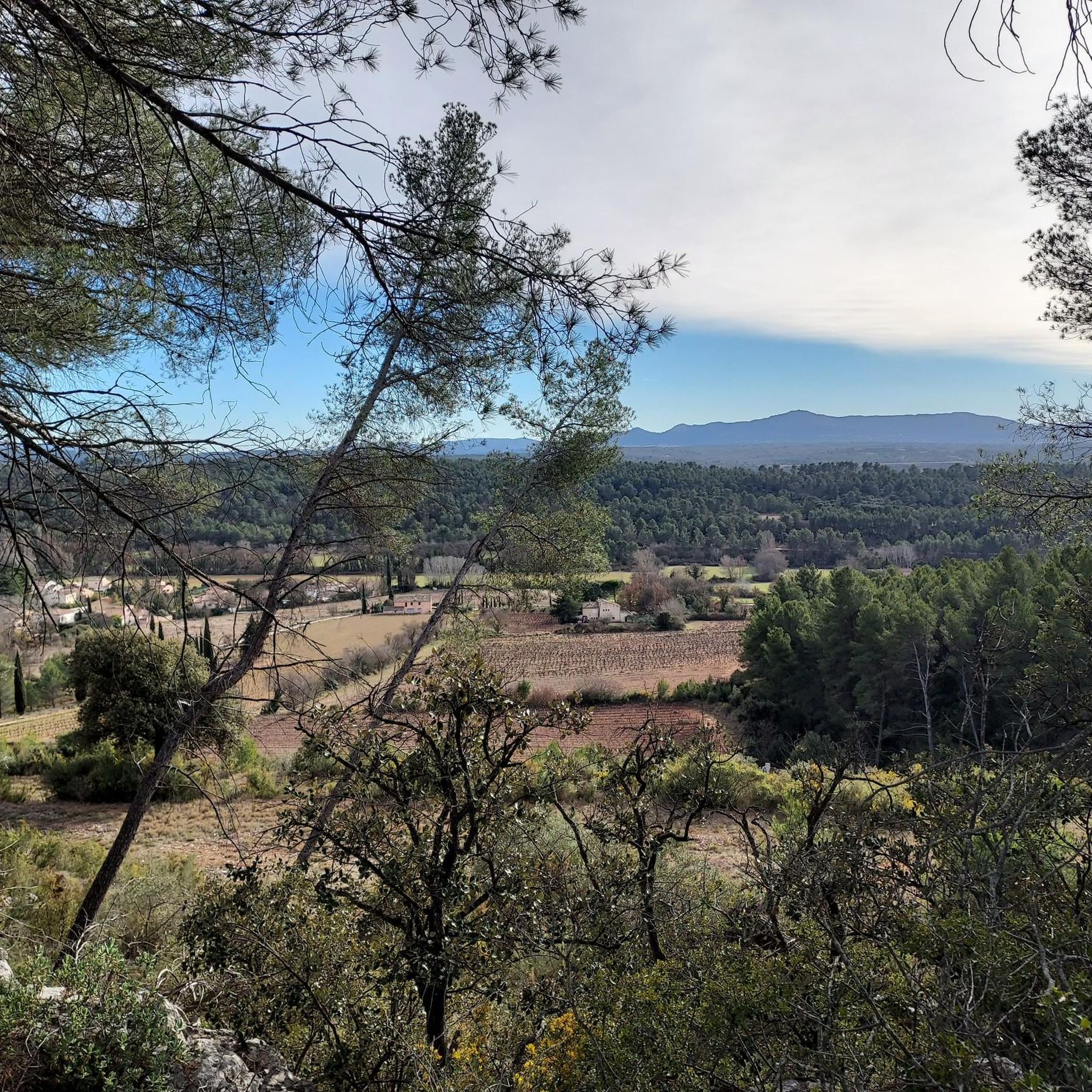
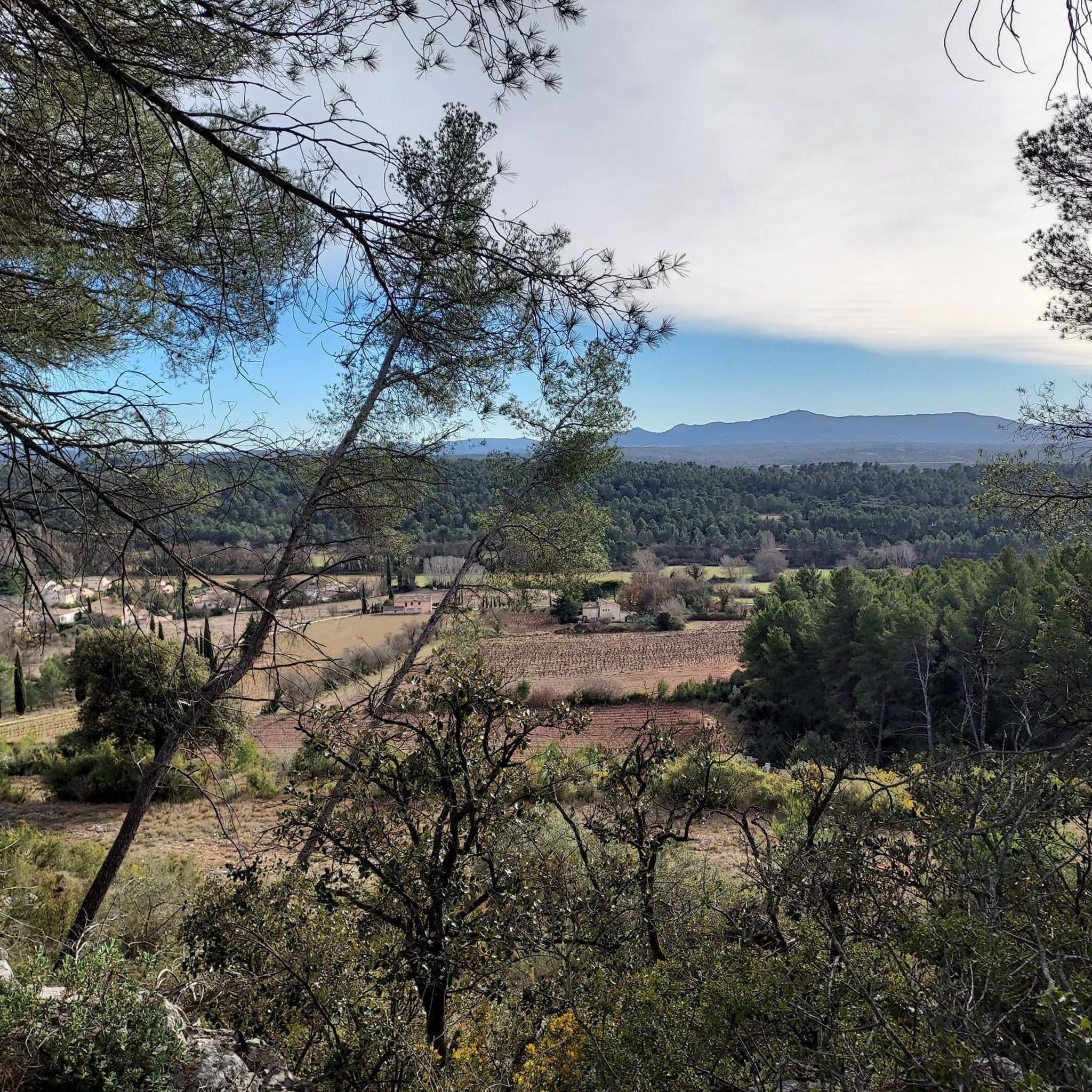
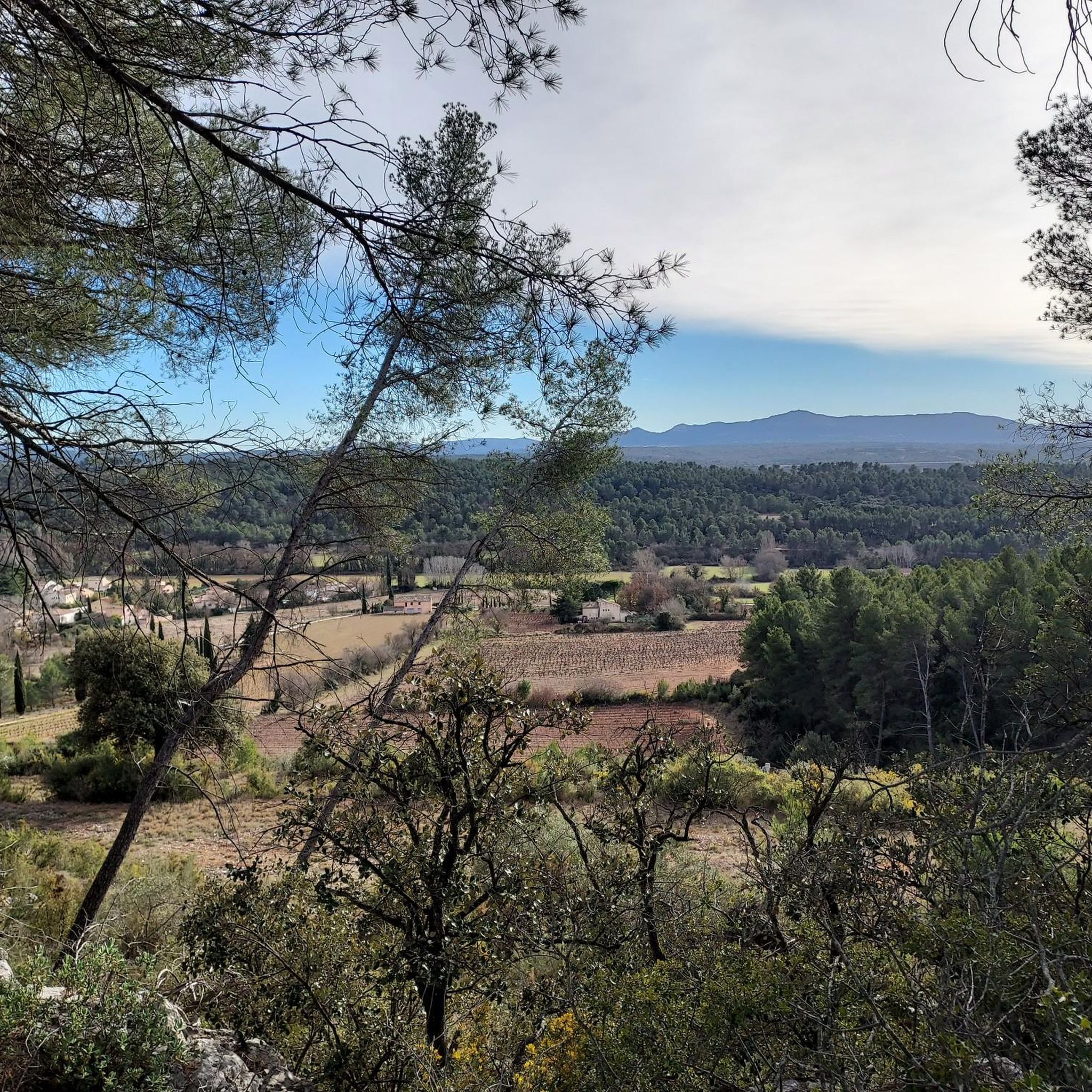
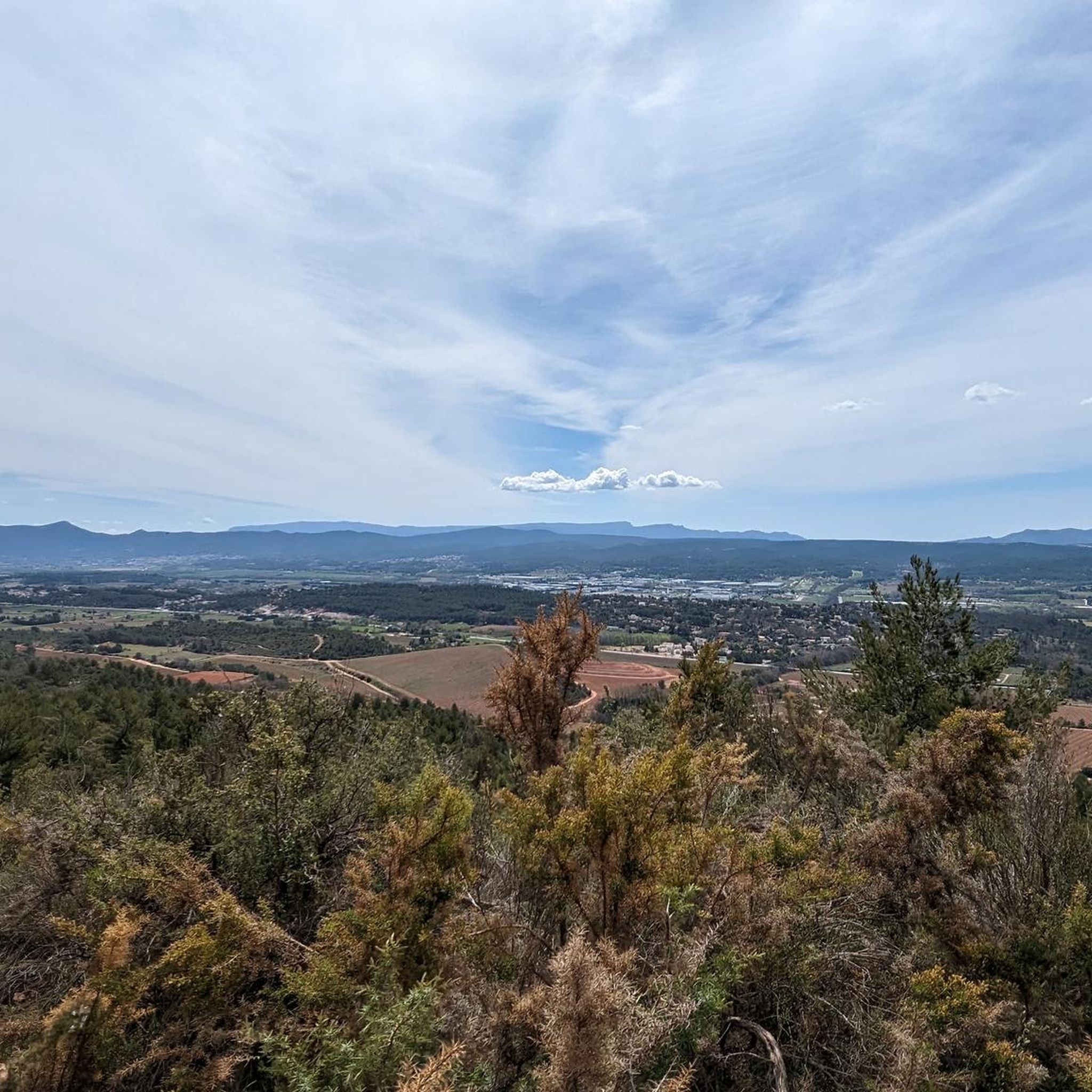
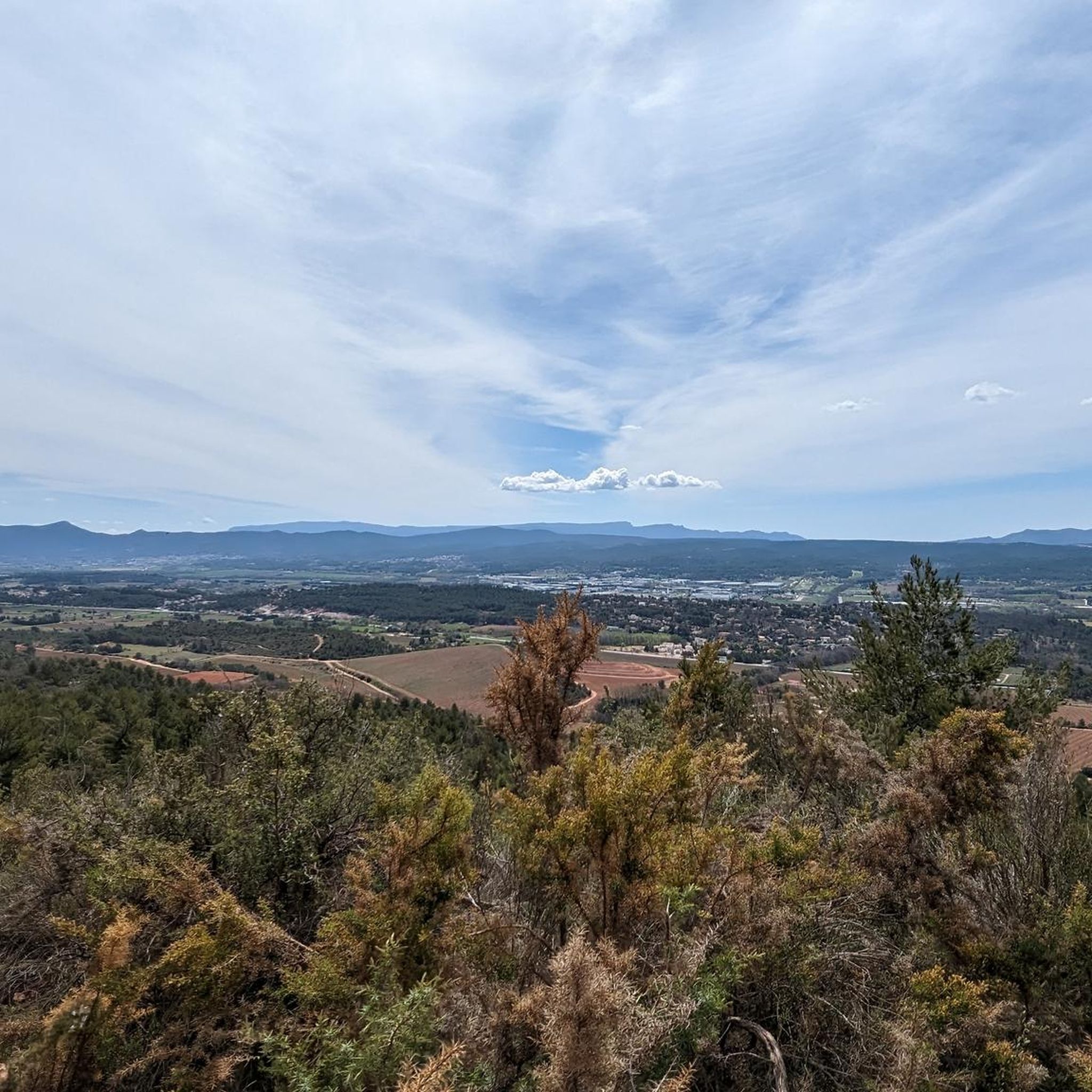
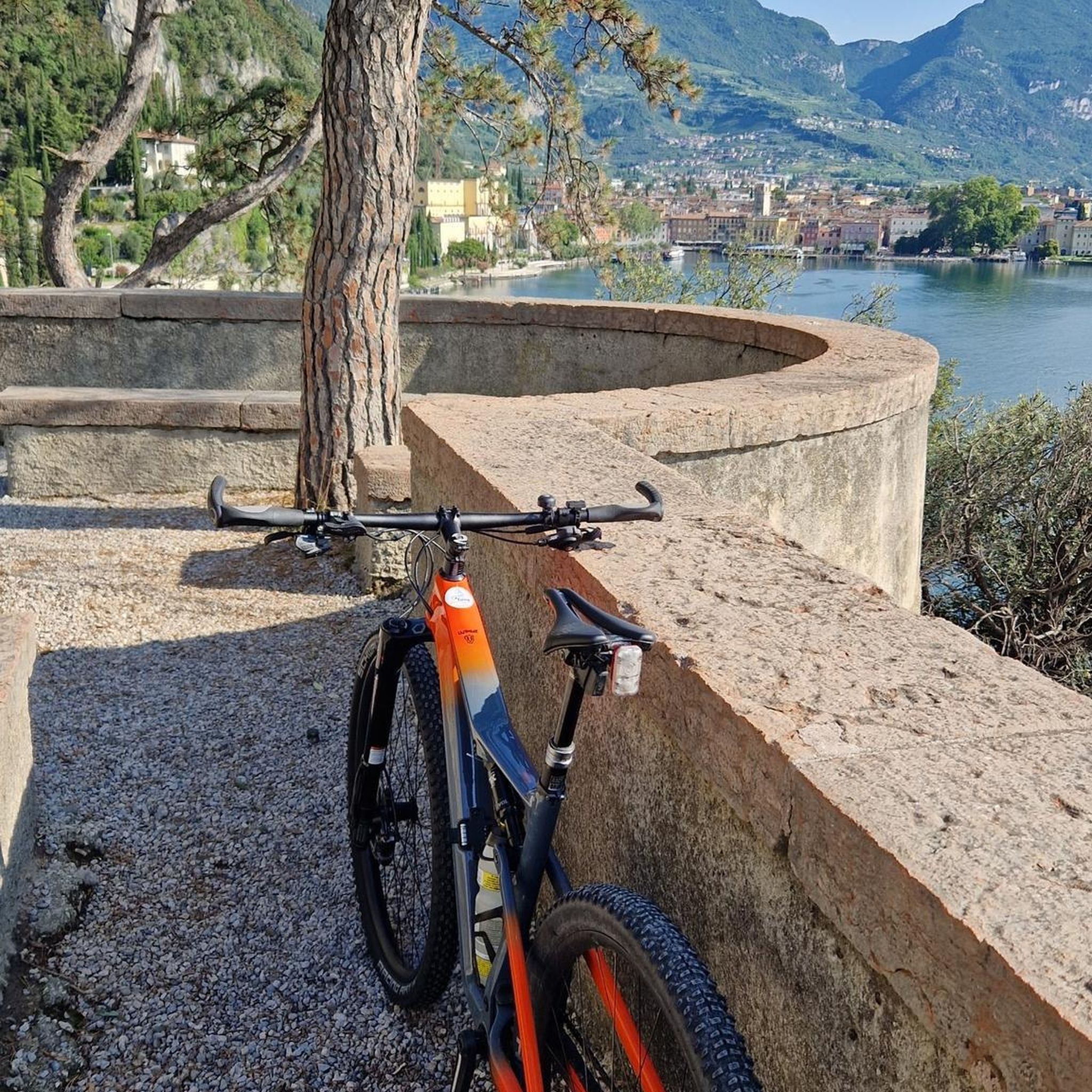

Tips from the Community

A dam with a lake. There is a path that's leads just at the top of the dam, with a water source on it, and a little café.
0
0
Beautiful, it's also a good place to take a nap or just rest under the shade.
1
0

Magical place, panoramic view from the "balcony".
1
0

This square features three key features: the town hall, its fountain, and the grain market. Situated since the 14th century at the foot of the Clock Tower, the town hall was rebuilt in two phases between 1655 and 1678. The overall design, inspired by Italian palaces, is the work of Pavillon, assisted by the sculptors Rambot and Fossé. Two series of paintings are located in the Salle des Etats de Provence, on the first floor: on the one hand, portraits of the counts of Provence and the kings of France, and on the other, major historical works. Time and the Revolution have stripped the façade of its rich ornamentation. The fountain, built in 1755, topped by a Roman column, is by Chastel. The monumental decor surrounding it gives it a wealth of character. Built in 1754, the Halle aux Grains is characterized by a central avant-corps, topped by a triangular pediment protecting a magnificent Baroque ensemble sculpted by Chastel: these are allegories of the Rhône and the Durance, in the form of a man and a woman depicted surrounded by all the agricultural riches derived from the benefits of water. The goddess's foot emerging from the pediment symbolizes the moments when the Durance bursts its banks... a subtle metaphor. (https://www.aixenprovence.fr/Place-de-l-hotel-de-ville)
3
0

This spot is unique because it combines several types of environments, the edge of the Arc along a very bucolic path, a touch of urban planning, the crossing of the red earth, the magnificent climb to the dam in a very Provençal environment, the ridge after the dam and the descent into the woods until you reach the town and its cycle paths...
2
1

superb hike, to do in the morning. be well-shod because there are many rocks to cross. Take plenty of water. superb priory below the cross.
1
0

forcioli trail (green and black markings) -> climbing path uphill, very steep downhill
0
0
Frequently Asked Questions
What outdoor activities can I do near Châteauneuf-Le-Rouge?
The area around Châteauneuf-Le-Rouge is excellent for outdoor enthusiasts. You can find numerous hiking trails, including challenging routes to the Croix de Provence and the Sainte-Victoire Priory. Cycling is also popular, with options for both road cycling and touring. For detailed routes, you can explore guides like Hiking around Châteauneuf-Le-Rouge, Road Cycling Routes around Châteauneuf-Le-Rouge, and Cycling around Châteauneuf-Le-Rouge.
Where can I find panoramic views of the region?
For breathtaking panoramic views, head to the Croix de Provence on Sainte-Victoire mountain. The hike is stony and rocky, so appropriate footwear is essential. Another excellent viewpoint is the Sainte-Victoire Priory, which also offers shelter for hikers.
What historical landmarks can I explore in Châteauneuf-Le-Rouge?
Châteauneuf-Le-Rouge boasts several historical landmarks. The 17th-century Château, now serving as the town hall, features a vast park with a century-old boxwood labyrinth. The Église Saint-Antoine, rebuilt in the 17th and 19th centuries, is part of the sacred heritage of Pays d'Aix. You can also find a Roman Boundary Marker, a Monument aux Morts, and the Bastide de la Galinière, a former coaching inn.
Are there any cultural sites or events in Châteauneuf-Le-Rouge?
Yes, the Arteum Museum, located on the second floor of the Château, showcases Provençal paintings from 1850 to the present day, with a focus on contemporary art. The village also hosts an annual Provençal Food Festival on the first Sunday of July, where you can sample local delicacies. The Place de l'Hôtel de Ville is a lively central square with cafes and a columned fountain.
Is there a lake or significant water body near Châteauneuf-Le-Rouge?
Yes, Lake Bimont, formed by a dam on the Cause, is known for its distinctive turquoise water. While swimming is prohibited, it's a scenic spot. The Arc River also forms the southern boundary of Châteauneuf-Le-Rouge's territory.
What is the Sainte-Victoire mountain known for?
Sainte-Victoire mountain, located at the southern base of Châteauneuf-Le-Rouge, is famous for its impressive limestone cliffs and garrigue-covered slopes. It's a popular destination for hiking, cycling, and climbing. It was also a favorite subject of the renowned painter Paul Cézanne.
What kind of natural landscapes can I expect to see in the region?
The region is characterized by beautiful Provençal landscapes, including extensive olive groves and vineyards that produce 'Côtes-de-Provence Sainte-Victoire' wines. You'll also encounter the Cengle Plateau, which forms the northern boundary of the commune, and the iconic Sainte-Victoire mountain with its distinctive red soil.
Are there any family-friendly activities or places to visit?
Families can enjoy exploring the 8-hectare park surrounding the Château, which includes a century-old boxwood labyrinth. While not directly in Châteauneuf-Le-Rouge, the Rotonde Fountain in nearby Aix-en-Provence is a notable and accessible landmark often enjoyed by families.
What are the best times to visit Châteauneuf-Le-Rouge for outdoor activities?
Spring and autumn generally offer the most pleasant weather for outdoor activities like hiking and cycling, with milder temperatures. Summers can be hot, and it's crucial to check for fire risk closures in the Sainte-Victoire massif during dry periods. Winters are generally mild but can be cooler.
What do visitors enjoy most about the attractions around Châteauneuf-Le-Rouge?
Visitors frequently praise the stunning panoramic views from spots like the Croix de Provence and the historical significance of sites like the Sainte-Victoire Priory. The unique turquoise color of Lake Bimont is also a highlight, and the overall blend of historical heritage, cultural experiences, and natural beauty within the Provençal landscape is highly appreciated.
Can I visit a winery or see vineyards in the area?
Yes, the region is known for its vineyards and olive groves. A portion of the western buildings of the Château de la Galinière estate has been converted into a winery that is open to the public, offering picturesque views of the vineyards at the foot of Montagne Sainte-Victoire.
What is the significance of the Château (Town Hall) in Châteauneuf-Le-Rouge?
The Château is a significant 17th-century building, renovated in the 18th century, that now serves as the town hall. It's notable for its vast square structure, two enclosed courtyards, and an 8-hectare park featuring a century-old boxwood labyrinth. It also houses a library and schools for music, dance, and theater.
Most popular routes around Châteauneuf-Le-Rouge
Most popular attractions around Châteauneuf-Le-Rouge

Get inspired with the komoot mobile app


Explore more
Still not found the Highlight you’re looking for? See guides of the top attractions in other regions:
