Attractions and Places To See around Les Pennes-Mirabeau - Top 20
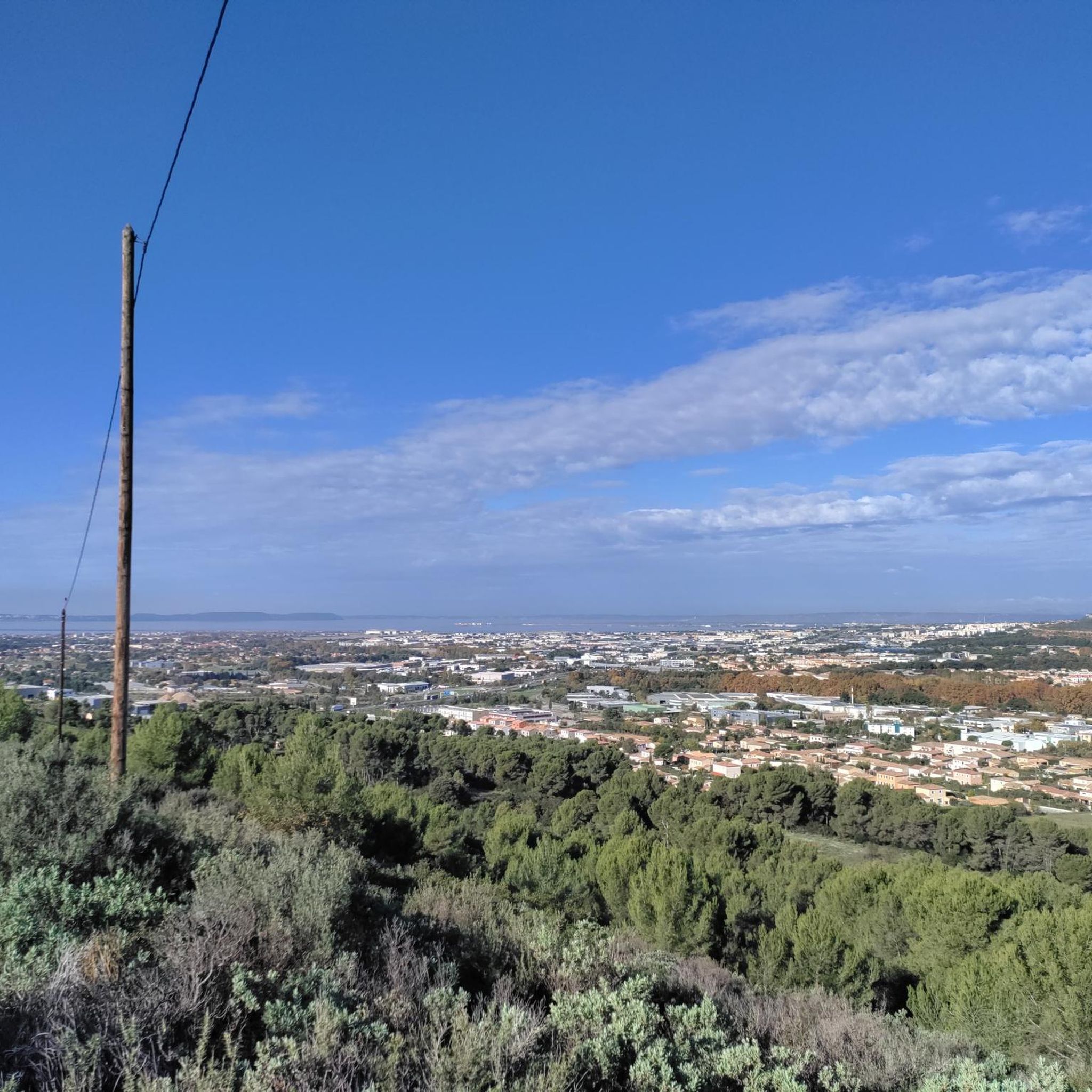
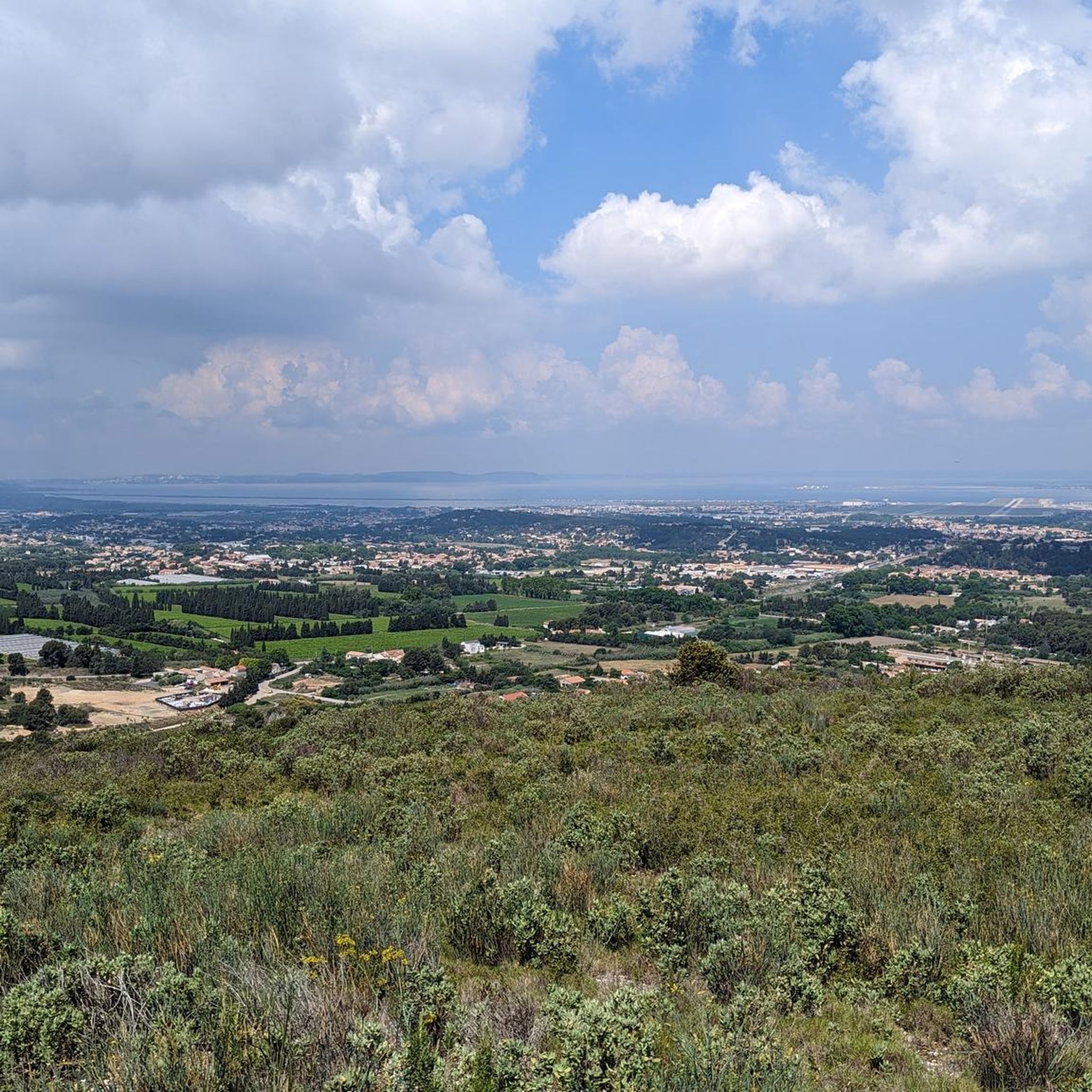
Best attractions and places to see around Les Pennes-Mirabeau offers a blend of historical sites and natural beauty, situated between rolling hills and sun-drenched plains. The area features typical Provençal garrigue and pine forests, alongside the large saltwater lagoon of Étang de Berre. Visitors can explore medieval remnants, discover natural springs like Source de l'Infernet, and experience local culture through markets and festivals. This region provides diverse landscapes and points of interest for exploration.
Best attractions and places to see around Les Pennes-Mirabeau
- The most popular attractions is Cathedral of Saint Mary Major, Marseille, a religious building that is an impressive structure located right on the harbor. Built from 1852 to 1896, its interior is notable for visitors.
- Another must-see spot is Érevine Cove, a beautiful bay with crystal clear waters. Visitors can expect a rewarding scenic view after navigating a slightly more challenging path.
- Visitors also love Fort Saint-Jean, a fort located at the entrance to the old port. This old fort offers a nice view over the harbor and is classified as a historical monument.
- Les Pennes-Mirabeau is known for its historical sites, natural features, and cultural experiences. The area offers a variety of attractions to see and explore, from medieval villages to natural springs and local markets.
- The attractions around Les Pennes-Mirabeau are appreciated by the komoot community, with more than 400 upvotes and over 390 photos shared by visitors.
Last updated: July 20, 2026
Cathedral of Saint Mary Major, Marseille
Highlight • Religious Site
Translated by Google •
Tip by

Old Port of Marseille
Highlight • Settlement
Translated by Google •
Tip by

Sign up now to discover places like this
Get recommendations on the best single tracks, peaks, & plenty of other exciting outdoor places.
Sign up for free
Le Panier
Highlight • Restaurant
Translated by Google •
Tip by

Érevine Cove
Highlight • Beach
Translated by Google •
Tip by

Quai de Rive Neuve – Old Port of Marseille
Highlight • Historical Site
Translated by Google •
Tip by

Sign up for free to discover even more attractions around Les Pennes-Mirabeau.
Sign up for free
Already have an account?
Start today with a free account
Your next adventure awaits.
Login or Signup

Tips from the Community

In Cay Rademacher's crime novel "Dangerous Cote Bleue" (a Provence crime story featuring Captain Roger Blanc), a character named Claude Figaroli explains to a police officer transferred from Paris what CALANQUES means: "It comes from the Provençal word CALANCO, steep. The bays are nothing more than steep valleys that rivers carved into the limestone cliffs in prehistoric times. Since then, the sea level has risen, and the canyons have become fjords. But they have retained their shape underwater: narrow, steep, and confusing. What you and I find picturesque today was hell for sailors for a long time."
1
0

Very lively atmosphere with nice places to eat and have coffee, highly recommended
2
0

The Bustling Heart of Marseille For 2,600 years, the historic port has been the bustling heart of the city. The Vieux-Port still stands where the ancient Greek market once stood. Today, it is one of Marseille's most popular neighborhoods.
1
0
Around 620 to 600 BC, Greeks founded a permanently inhabited settlement (Apoikie) at this port thanks to a land donation from the Ligurian princes and called it Massalia (ancient Greek Мασσαλία, Latin Massilia), today's Marseille.
1
0
In the 7th century BC, Greek sea traders from Phocaea in Asia Minor regularly visited the southern coast of France near the mouth of the Rhone to trade with the Ligurian tribes. Tin, a component of bronze, was particularly sought after by the Greeks. In return, fine pottery and jewelry found their way into the homes of local princes. Sheltered landing sites were rare on the rugged and rocky coast, so they headed for the natural harbor of present-day Marseille, where the galleys were protected from wind and waves.
1
0
According to ancient legend, the city was founded when Greek sailors from Phocaea explored the Mediterranean coast. They landed on the shores of present-day Marseille on the day a Celtic king named Nann was seeking a husband for his daughter Gyptis. Gyptis was to offer a chalice to the chosen young man among the assembled men, whom she wished to marry. Surprisingly, it was Protis, the leader of the newcomers, to whom she handed the vessel. The two married, and Greeks and Celts jointly founded the settlement of Massalia.
1
0
Due to its location, Marseille enjoys a Mediterranean climate, which is very sunny and dry. This is also due to the often strong winds, especially the Mistral, which means that the climate can sometimes be harsh despite its southern location.
1
0
Marseille lies between 0 and 652 m above sea level (12 m at the official center of Noailles). The 240 square kilometer urban area (more than twice the size of Paris) encompasses not only built-up areas but also vast natural areas, primarily mountains. The city is bordered to the west by the Mediterranean Sea, to the north by the Chaîne de l'Estaque and Chaîne de l'Etoile mountain ranges (with the peak of l'Etoile as the city's highest point), to the east by the Garlaban Massif, to the southeast by the Saint-Cyr Massif, and to the south by the Massif des Calanques, again bordering the Mediterranean Sea.
1
0
Frequently Asked Questions
What historical sites can I explore in Les Pennes-Mirabeau?
Les Pennes-Mirabeau offers a rich history. You can wander through Le Vieux Pennes, the old village with its medieval streets and remnants of fortifications. The town hall is located within the remains of the Château-Forteresse. Other notable historical structures include the 19th-century Church of Saint-Sébastien, the Fontaine des Quatre-Canons from 1762, and the Moulin de Pallières, an 18th-century mill also known as "La Lanterne du souvenir." The area also features ancient oppidums like Teste-Nègre/Tête Noire and La Cloche, which are classified historical monuments.
What natural attractions can I discover around Les Pennes-Mirabeau?
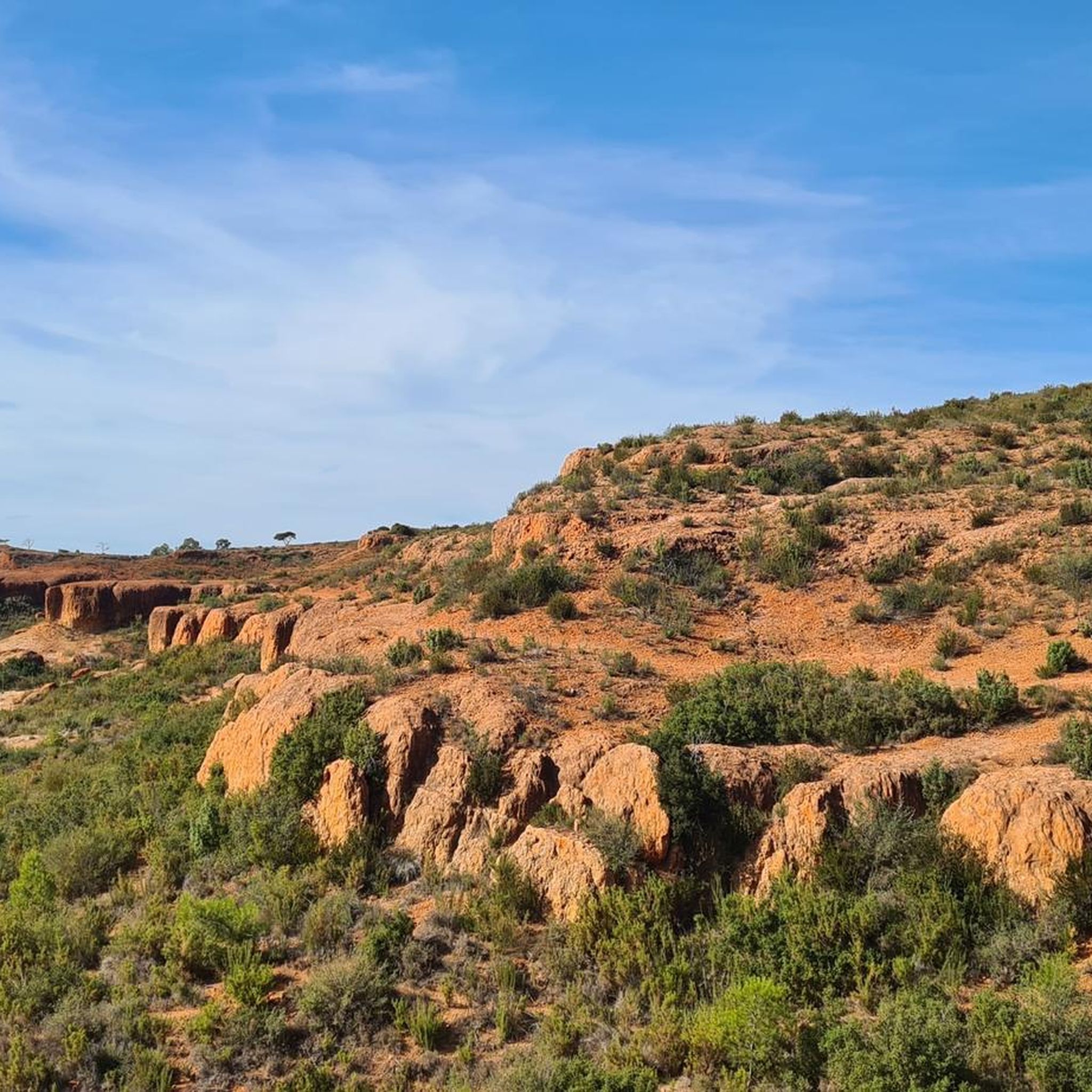
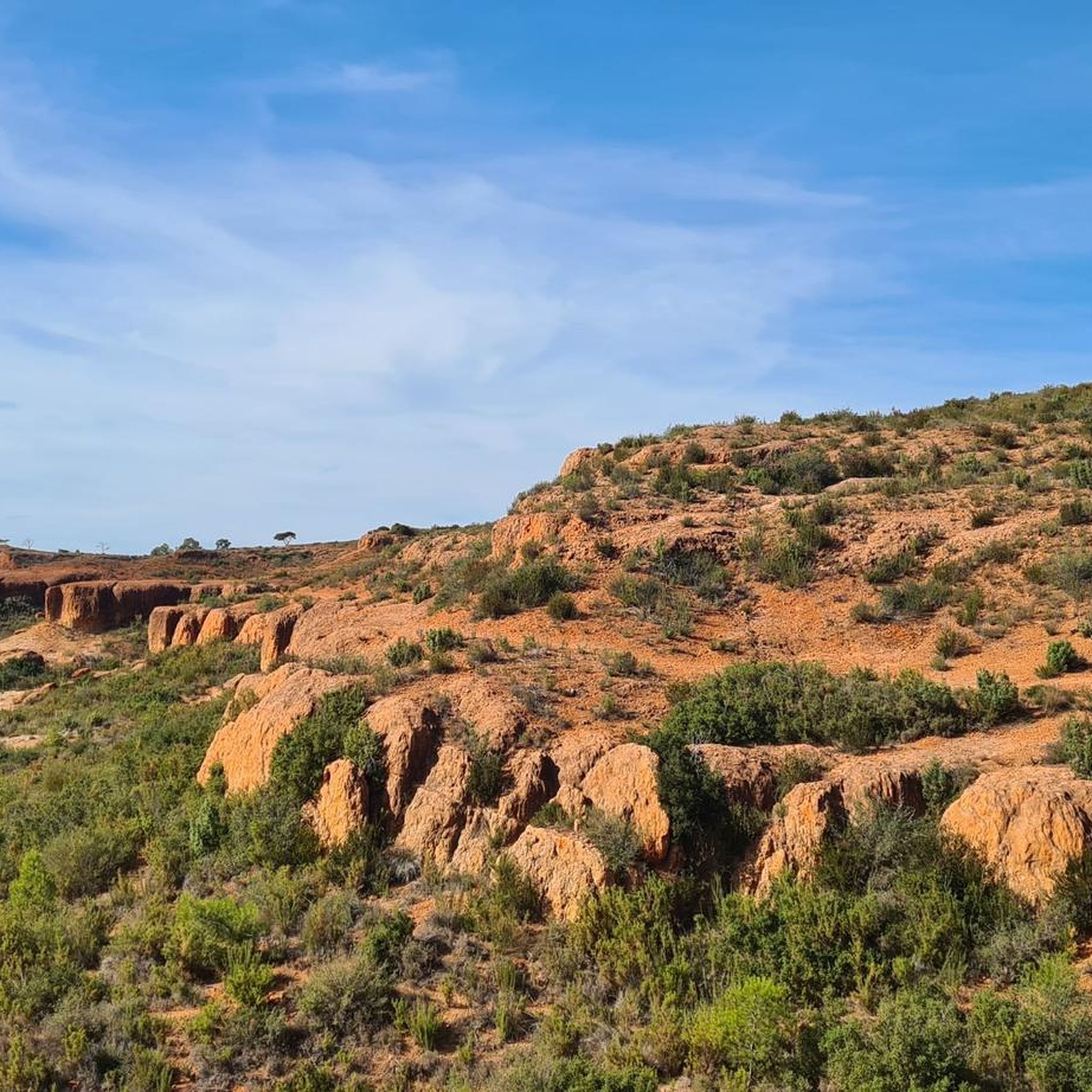
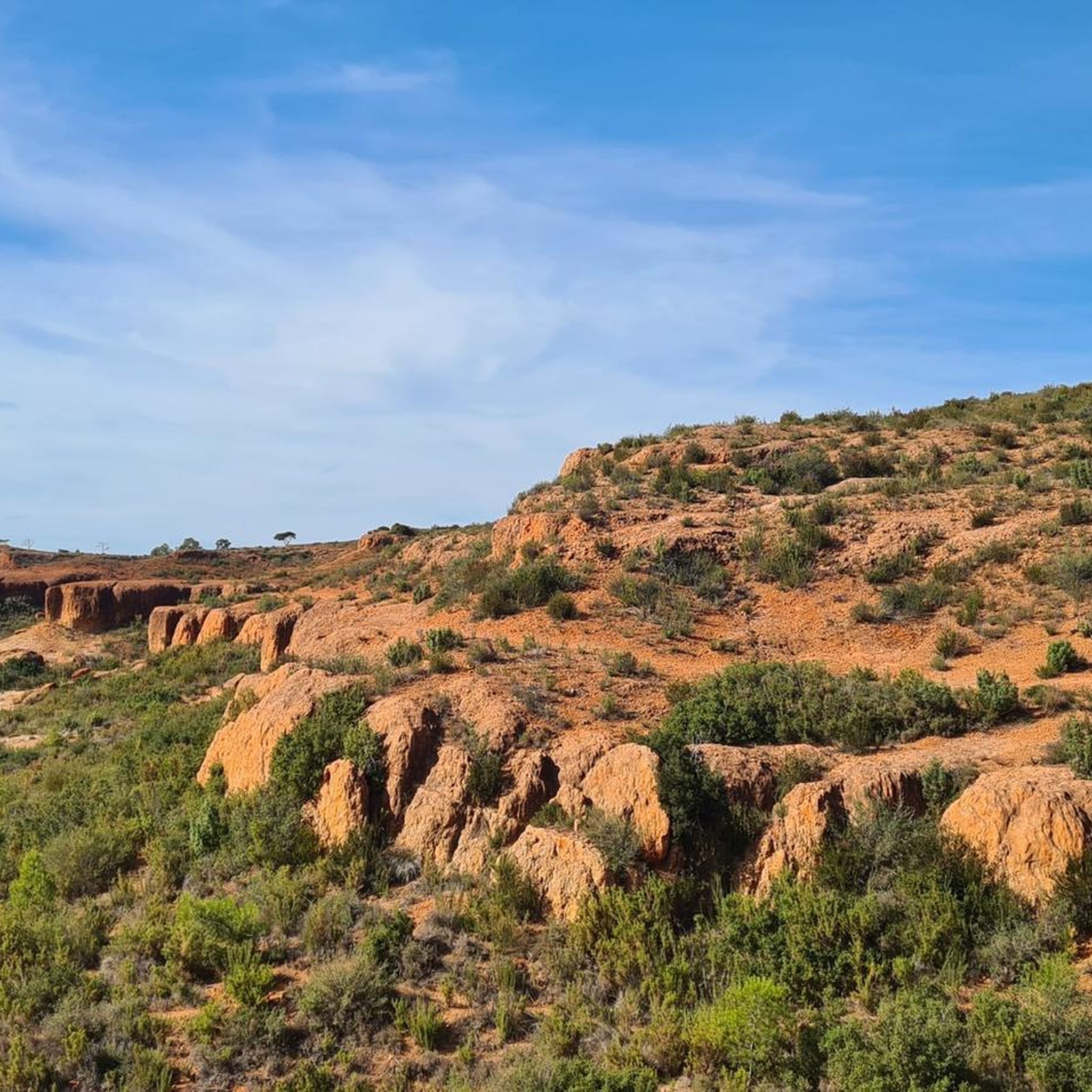
The region is characterized by its natural beauty. You'll find extensive garrigue and pine forests, typical of Provence, offering aromatic herbs. The large saltwater Étang de Berre to the south is a haven for birdlife, including flamingos. Within Les Pennes-Mirabeau, explore the lush greenery and flowing water of the Source de l'Infernet, where the Cadière river begins. The Grotte des Maquisards offers dramatic limestone formations, and Parc Jean Giono provides walking trails and green spaces. Don't miss the "Mini Colorado Provençal" walking trail for unique arid landscapes and views.
Are there hiking opportunities near Les Pennes-Mirabeau?
Yes, there are several hiking opportunities. You can explore trails like "Les Pennes-Mirabeau to the source of l'Infernet - round trip" (moderate, 5.3 km) or "The Infernet spring loop from Les Pennes-Mirabeau" (moderate, 7.3 km). For more options, including an easy 1.9 km loop from Services techniques Vitrolles, check out the Hiking around Les Pennes-Mirabeau guide.
What cycling routes are available around Les Pennes-Mirabeau?
Cyclists can enjoy various routes, from moderate to difficult. Options include a 31.8 km moderate loop with views of Étang de Berre from Les Gorges de Cabriès, or more challenging rides like the 51.7 km "Beautiful view of the coast – Port of Sausset-les-Pins loop from L'Estaque." For gravel biking, challenging routes like the 89.4 km "View of Marseille – Star chain crossing loop from Septèmes" are available. Discover more routes in the Cycling around Les Pennes-Mirabeau guide and Gravel biking around Les Pennes-Mirabeau guide.
Where can I find panoramic views of the region?
For breathtaking vistas, head to the Bell Tower in the center of Les Pennes-Mirabeau, which offers panoramic views encompassing Marseille, the sea, and the Estaque and Etoile chains. Another excellent spot is the Table d'orientation. The "Mini Colorado Provençal" walking trail also leads to a plateau with views of Étang de Berre and Martigues. Additionally, from Marseille, the Basilica of Notre-Dame-of-la-Garde provides stunning city and Mediterranean views.
Are there family-friendly activities or attractions in the area?
Yes, families can enjoy several attractions. The La Ferme Pédagogique (Educational Farm), established in 1989, allows children to learn about farming and nature. Parc Jean Giono offers open spaces and walking trails for relaxation. In nearby Marseille, the district of Le Panier is known for its vibrant atmosphere, small shops, and street art, while the Cathedral of Saint Mary Major and Quai de Rive Neuve – Old Port of Marseille are also considered family-friendly.
What major cities are easily accessible from Les Pennes-Mirabeau for day trips?
Les Pennes-Mirabeau is conveniently located for day trips to major Provençal cities. Marseille, just 14 km away, offers attractions like the Fort Saint-Jean, the Cathedral of Saint Mary Major, and the vibrant Old Port. Aix-en-Provence, 17 km away, is a traditional Provençal town with numerous museums and historical sites, including the oldest gothic church in Provence, Saint-Jean-de-Malte.
Are there any coastal attractions or beaches nearby?
While Les Pennes-Mirabeau is inland, coastal attractions are within easy reach. The large saltwater Étang de Berre is nearby, offering a striking contrast to the arid landscape and a haven for birdlife. Further afield, Érevine Cove is a beautiful bay with crystal clear waters, offering a rewarding scenic view after a slightly challenging path. The stunning Calanques National Park, approximately 28 km away, also provides exceptional coastal landscapes and biodiversity.
What do visitors particularly enjoy about the attractions near Les Pennes-Mirabeau?
Visitors appreciate the blend of historical and natural beauty. The Cathedral of Saint Mary Major in Marseille is noted for its impressive structure and interior. Érevine Cove is loved for its beautiful bay and crystal clear waters, especially after the rewarding hike to get there. The Fort Saint-Jean offers great views over the harbor, and Le Panier district is cherished for its authentic Marseille atmosphere, small restaurants, and vibrant street art.
When is the best time of year to visit Les Pennes-Mirabeau for outdoor activities?
The region, known for its sun-drenched plains, is pleasant for outdoor activities during spring (April-May) and autumn (September-October) when temperatures are milder. Summer (June-August) can be very warm, making early mornings or late afternoons ideal for exploring, especially in areas with pine forests that provide shade. The Fête de la Saint-Michel in September and the Christmas Market in December offer cultural highlights.
Are there any unique 'hidden gems' to explore in the area?
Beyond the main attractions, you can discover some unique spots. The Source de l'Infernet is a remarkable natural site with lush greenery and flowing water, providing a tranquil escape. The Grotte des Maquisards offers a captivating blend of natural beauty and historical significance with its dramatic limestone formations. The Moulin de Pallières, an 18th-century mill, is a significant historical structure often encountered during walks and serves as a monument to fallen soldiers.
What is the 'Mini Colorado Provençal'?
The "Mini Colorado Provençal" refers to a specific walking trail in the area that offers a distinct change in scenery. Along this trail, the vegetation becomes more arid, and you can enjoy the scents of rosemary and thyme. It leads to a plateau that provides beautiful views of the Étang de Berre and the town of Martigues, offering a unique landscape reminiscent of a smaller, Provençal version of the American Colorado.
Most popular routes around Les Pennes-Mirabeau
Most popular attractions around Les Pennes-Mirabeau

Get inspired with the komoot mobile app


Explore more
Still not found the Highlight you’re looking for? See guides of the top attractions in other regions:
