The best cycling routes around Peynier
4.4
(511)
7,947
riders
17
rides
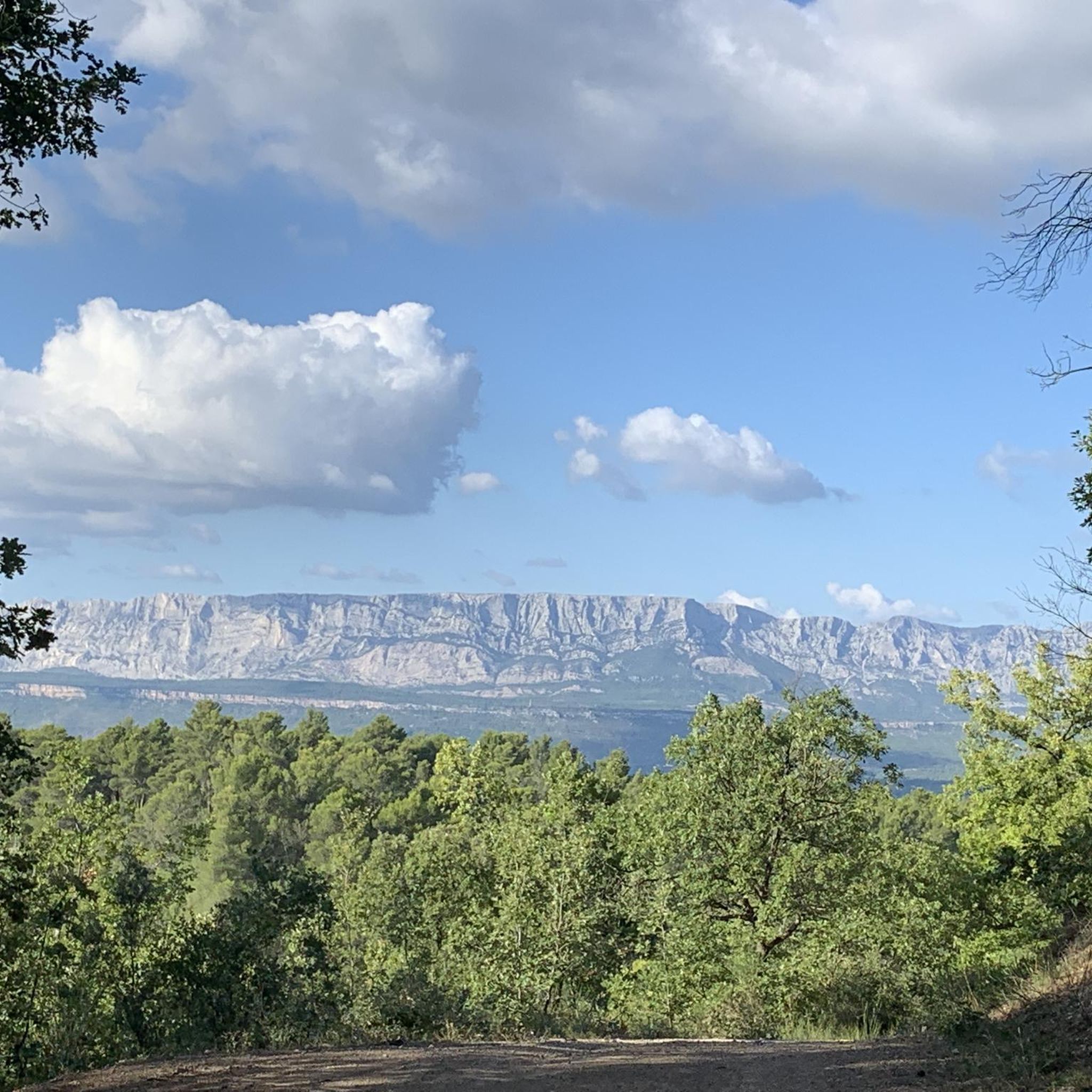
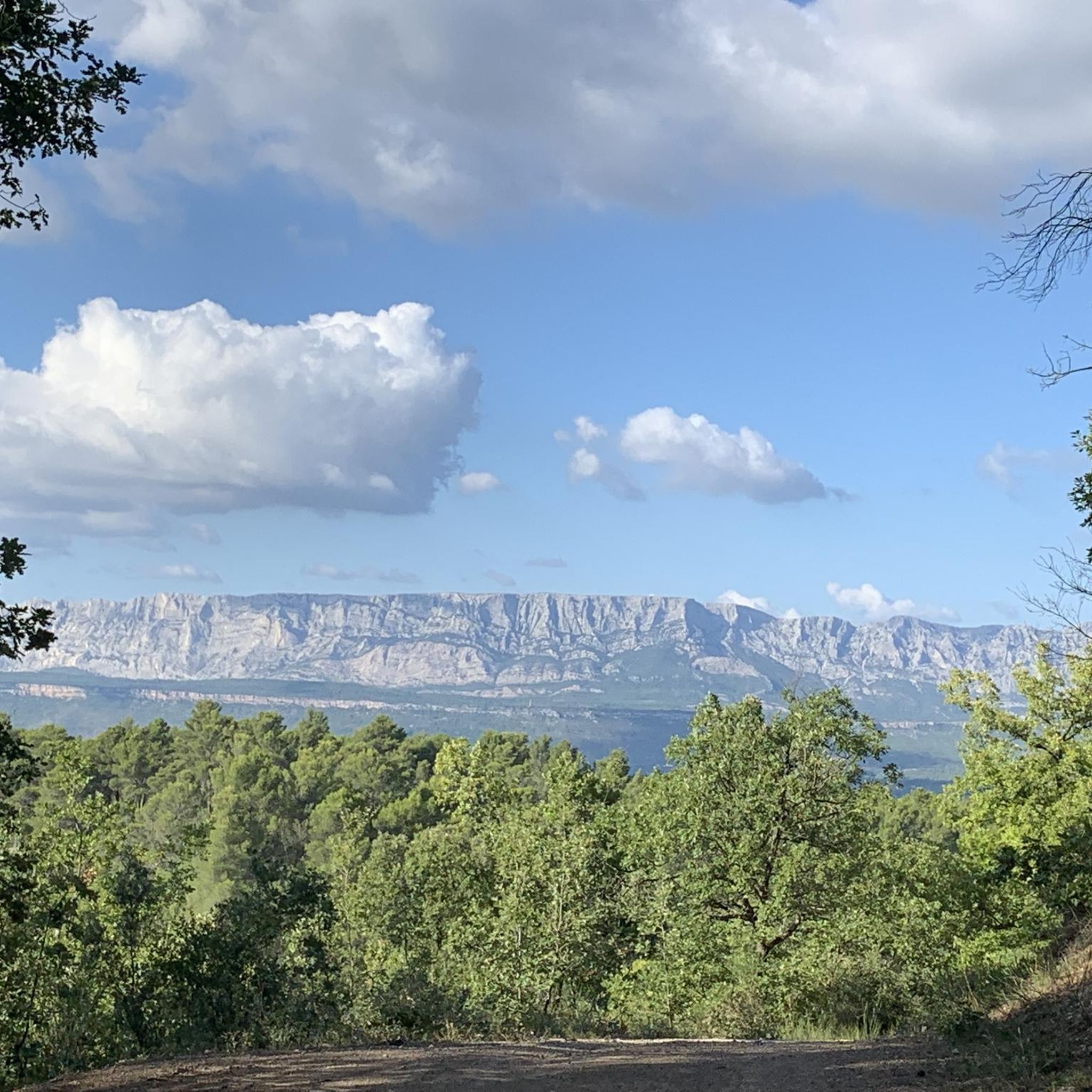
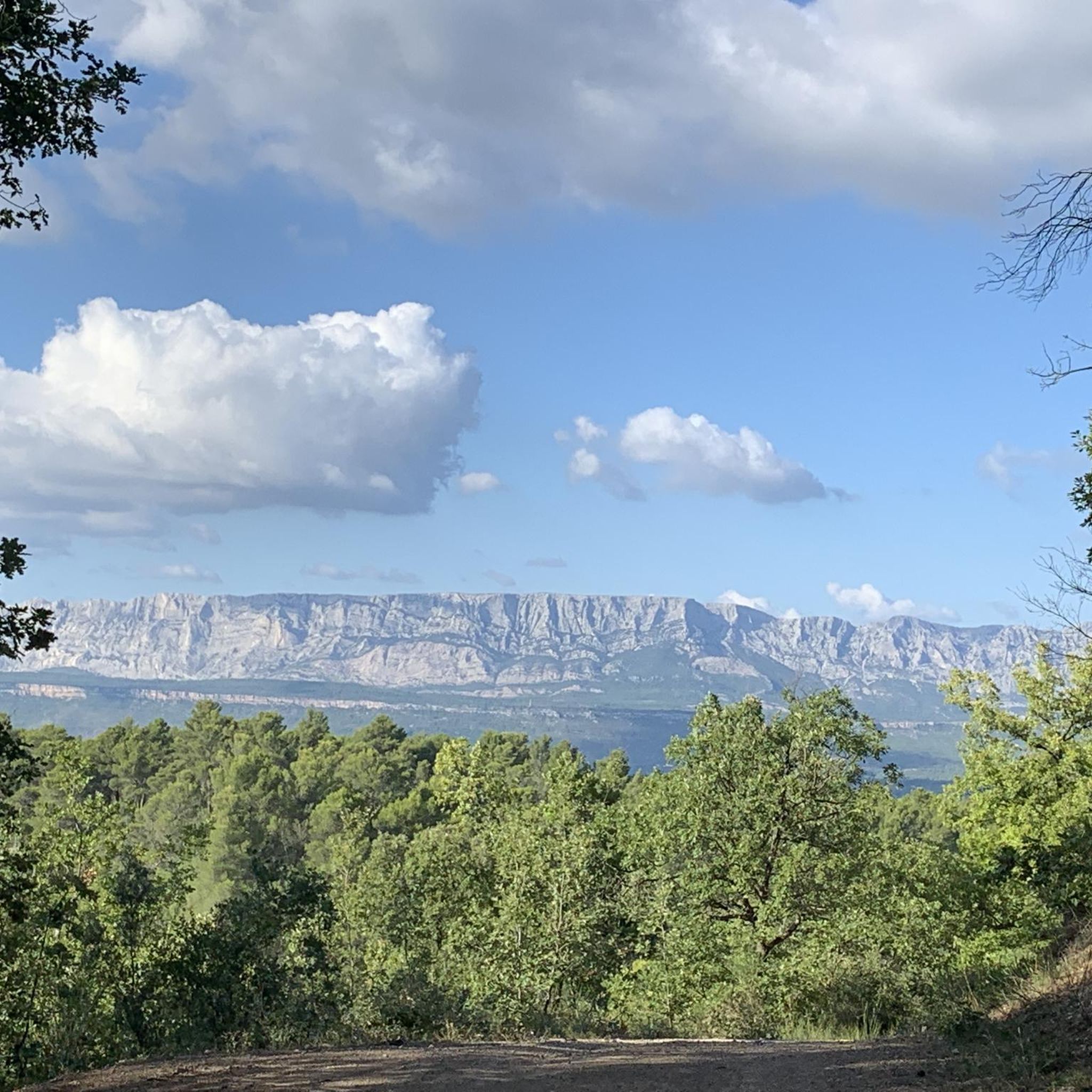
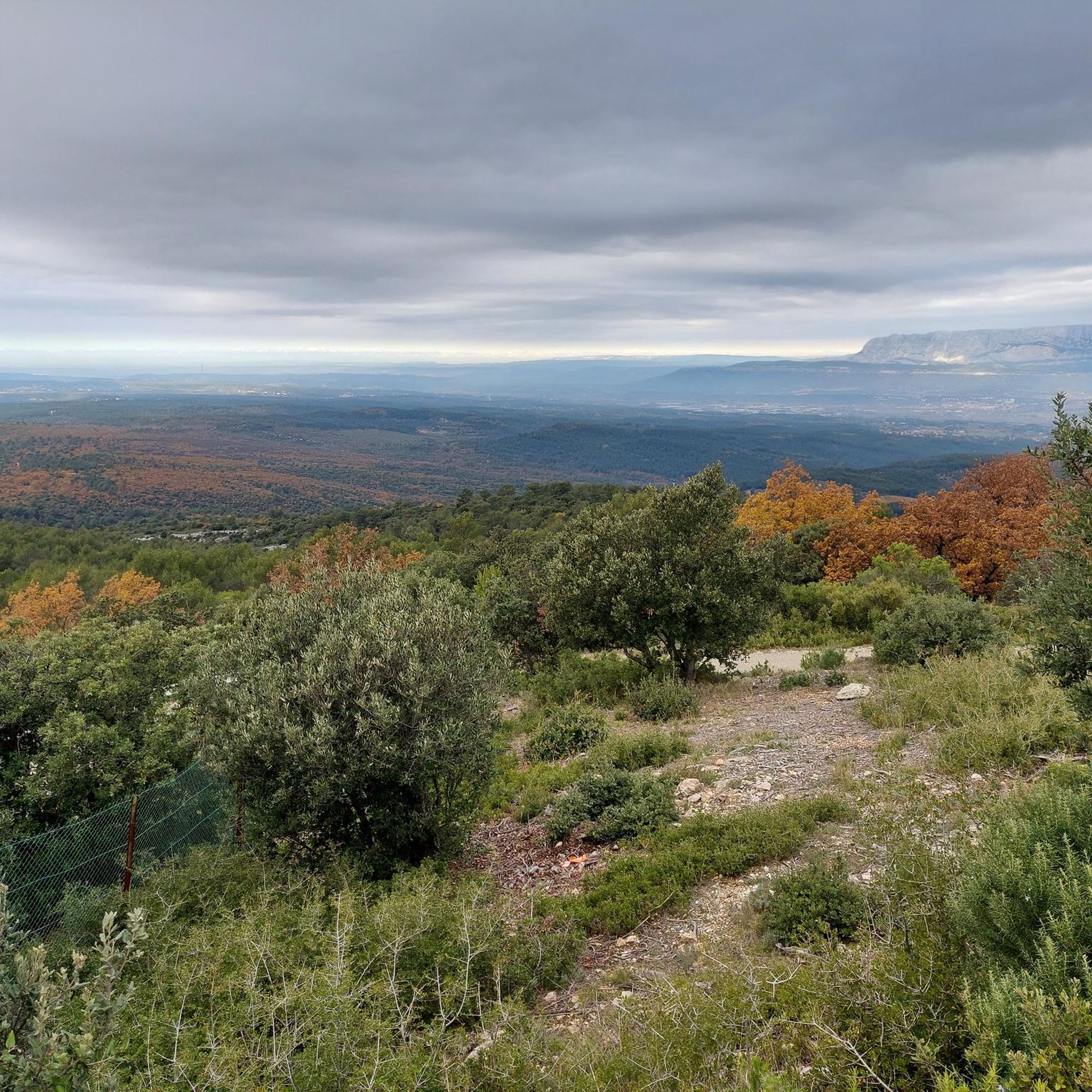
Touring cycling routes around Peynier are set amidst the diverse landscapes of the Arc valley, framed by the Sainte-Victoire mountain to the north and the Regagnas massif to the south-east. This region features green landscapes, charming roads winding through forests and valleys dotted with grapevines, and varied terrain suitable for cycling. The area offers a blend of paved and unpaved surfaces, providing a range of experiences for touring cyclists.
Best touring cycling routes around Peynier
- The most popular touring cycling…
Last updated: July 8, 2026
5.0
(2)
107
riders
24.8km
02:32
500m
500m
Hard bike ride. Very good fitness required. Mostly paved surfaces. Suitable for all skill levels.
5.0
(2)
167
riders
114km
07:35
1,710m
1,710m
Hard bike ride. Very good fitness required. Mostly paved surfaces. Suitable for all skill levels.

Sign up for free
5.0
(1)
26
riders
45.9km
02:57
500m
490m
Hard bike ride. Very good fitness required. Mostly paved surfaces. Suitable for all skill levels.
5.0
(1)
16
riders
Hard bike ride. Very good fitness required. You may need to push your bike for some segments of this route.
3.3
(3)
19
riders
31.2km
01:57
300m
300m
Moderate bike ride. Good fitness required. Mostly paved surfaces. Suitable for all skill levels.
Get access to more routes and recommendations from other explorers.
Sign up for free
Already have an account?
Our route recommendations are based on thousands of hikes, rides, and runs completed by other people on komoot.
Start today with a free account
Your next adventure awaits.
Login or Signup

Tips from the Community

Built in the 19th century in the neoclassical style. The colonnade in front of the entrance, in particular, is an eye-catcher. A look inside is worthwhile - the building is almost square and encloses an atrium covered by a glass dome.
1
0
Pretty mill on the outskirts of Le Tholonet with a view of the eastern flank of Montagne Sainte-Victoire. Often painted by Paul Cézanne, who also had a studio here for a time.
3
0
Very beautiful property, seat of the local water supplier.
3
0

Magnificent fountain with the Cours Mirabeau. Resting point and starting point for very diverse circuits and nearby countryside. The only downside: Aix en Provence is absolutely not equipped for cyclists, but fortunately you can get out of it quite quickly (Gametta and its roundabout below deserve to be very careful)
1
0

From the east, the Col des Portes is very gentle, with the gradient barely noticeable. This makes the quiet, narrow road all the more enjoyable. From the west, the gradient is significantly steeper, especially in the final climb.
1
0
The former windmill in Le Tholonet was once rented by the painter Cézanne as a studio and storage space. The building is located directly on the "Route Cézanne," making it a perfect place to combine culture with road cycling.
2
0

In the 15th century, the architect Jean de Paris, Controller of Royal Buildings, designed the Villeneuve district, to the east of the city, with a concern for regular perspectives and layouts. The "rue du boulevard" (Emeric David street) is the strong alignment of the new district. Ledoux centered the facade of his new Palace on it. Built on the site of the former Comtal Palace, the Palais de Justice was commissioned in 1787 from Claude-Nicolas Ledoux, who had simultaneously imagined the restructuring of the district. More than 200 houses were destroyed to create this new building. The Revolution broke out and the work was suspended, only to resume in 1822, slightly modified by Michel Penchaud, the prison architect. Completed in 1831, the Court moved in on November 13, 1832. In front of the Palace, monuments in honor of Siméon and Portalis* were erected in 1842, works by Ramus from Aix, inaugurated on November 8, 1847. The neoclassical pediment, planned like that of the Palais de Justice in Marseille, was never realized. Jean-Etienne-Marie Portalis (1778-1807) was a brilliant Provençal jurist, a long-time lawyer in Aix, and a member of the city council in 1789. Napoleon entrusted him, along with others, with the drafting of the Civil Code. Having become Minister, he marked his time by drafting the Concordat with the churches of France.
0
0
Originally, the church was in the shape of a Latin cross and consisted only of the nave, transept, bell tower, and watchtowers to the north and south of the choir, as well as the Hélion de Villeneuve chapel (14th century) with its beautiful ribbed vault featuring liernes and tiercerons. Outside, the twenty or so stepped buttresses topped with pinnacles are hidden on Rue Cardinale by the unimpressive buildings attached to the monument in the 17th century. The 67-meter-high bell tower was completed in 1376. The priory, now the Granet Museum, served both as the residence of the knights and as a hospice where pilgrims were welcomed and the sick cared for. The church and the priory were built in the fields, outside the city walls. They were set into the central vista of the Mazarin Quarter in the 17th century, built by Michel de Mazarin, brother of Louis XIV's minister. The building was remodeled during the 17th century by Prior Jean-Claude Viany, who had six chapels built within the buttresses and, for symmetry, added the south turret similar to the one on the north side that provides access to the bell tower. In 2018, after 225 years, the church received three new bells for its carillon, out of the four that comprise it. The three previous bells had been cast in 1793 during Napoleon's Italian campaign.
2
0
Frequently Asked Questions
How many touring cycling routes are available around Peynier?
There are over 30 touring cycling routes around Peynier, offering a variety of experiences. These routes are highly rated by the komoot community, with an average score of 4.4 stars from more than 30 reviews.
What kind of terrain can I expect on touring cycling routes near Peynier?
The terrain around Peynier is quite varied, ranging from green landscapes and charming roads winding through forests and valleys dotted with grapevines to more challenging climbs. You'll find a mix of paved and unpaved surfaces, especially as you explore the slopes of the Regagnas massif or venture towards the Sainte-Victoire mountain.
Are there any family-friendly touring cycling routes in Peynier?
Yes, Peynier offers several routes suitable for families. While many routes are classified as moderate or difficult, there are 2 easy routes available, perfect for a more relaxed family outing. These typically feature less elevation gain and shorter distances.
What are some notable natural features or landmarks I can see while cycling around Peynier?
Peynier's cycling routes are framed by the dramatic Sainte-Victoire mountain to the north and the Regagnas massif to the south-east. You can also encounter scenic passes like the Pas de la Couelle, known for its sublime scenery. For specific landmarks, consider routes that pass near the Sainte-Victoire Priory or offer views of the Croix de Provence.
Are there any circular touring cycling routes around Peynier?
Many of the touring cycling routes around Peynier are designed as loops, allowing you to start and end in the same location. For example, the popular View from the Vigie – Le Regagnas loop from Peynier offers expansive views and explores the Regagnas massif. Another option is the La Couelle Pass – Pas de la Couelle Pass loop from Ancienne Gare de Peynier - Rousset, which includes scenic pass climbs.
What is the best time of year to go touring cycling in Peynier?
The Provence region, including Peynier, generally offers pleasant cycling conditions for much of the year. Spring and autumn are often ideal, with milder temperatures and beautiful landscapes. Summers can be hot, so early morning or late afternoon rides are recommended, while winters are generally mild but can be cooler and wetter.
Where can I find parking for touring cycling routes in Peynier?
Many routes around Peynier start from locations like Peynier village itself or the Ancienne Gare de Peynier - Rousset, where parking is typically available. It's advisable to check specific route details on komoot for recommended starting points and parking information.
What are some challenging touring cycling routes for experienced cyclists?
For experienced touring cyclists seeking a challenge, Peynier offers 17 difficult routes. The View of Cassis – Old Port of La Ciotat loop from Ancienne Gare de Peynier - Rousset is a demanding 93 km route with significant elevation gain, offering coastal views. Another challenging option is the Cooling off by the stream – Sainte-Victoire House loop from Peynier, which takes you closer to the Sainte-Victoire mountain.
Are there any touring cycling routes that pass through towns or offer opportunities for refreshments?
Yes, some routes will take you through or near local towns. For instance, the Bridge over the Arc – Cours Mirabeau loop from Ancienne Gare de Peynier - Rousset leads through the Arc valley and towards Aix-en-Provence, where you can find vibrant markets, cafes, and other amenities. Nearby towns like Fuveau and Auriol also host markets, providing opportunities for cultural immersion and replenishing supplies.
What makes touring cycling in Peynier unique?
Touring cycling in Peynier is unique due to its strategic location between the majestic Sainte-Victoire mountain and the Regagnas massif, offering a dramatic and varied backdrop. The region combines green landscapes, charming roads winding through vineyards, and historical points of interest like the medieval village of Peynier itself. The blend of nature, culture, and diverse terrain makes for an unforgettable cycling experience.
Can I reach the cycling routes around Peynier using public transport?
While specific public transport options directly to every trailhead may vary, the Ancienne Gare de Peynier - Rousset is a common starting point for several routes, suggesting potential accessibility. For detailed public transport information, it's best to consult local transport schedules for the Peynier and Rousset areas.
What is the average difficulty level of touring cycling routes in Peynier?
The touring cycling routes around Peynier cater to various fitness levels. Out of 32 routes, 17 are classified as difficult, 13 as moderate, and 2 as easy. This means there are plenty of options for cyclists looking for a challenge, as well as those preferring a more relaxed ride.
Most popular routes around Peynier
Most popular attractions around Peynier

Get inspired with the komoot mobile app


Explore more
Browse the best Cycling routes in other regions.
