Attractions and Places To See around Roncq - Top 20
Best attractions and places to see around Roncq include a variety of historical and cultural sites, alongside natural features. Located in the Nord department of France, Roncq offers several notable châteaux and religious buildings. The area also provides access to green spaces and canals, offering diverse points of interest.
Best attractions and places to see around Roncq
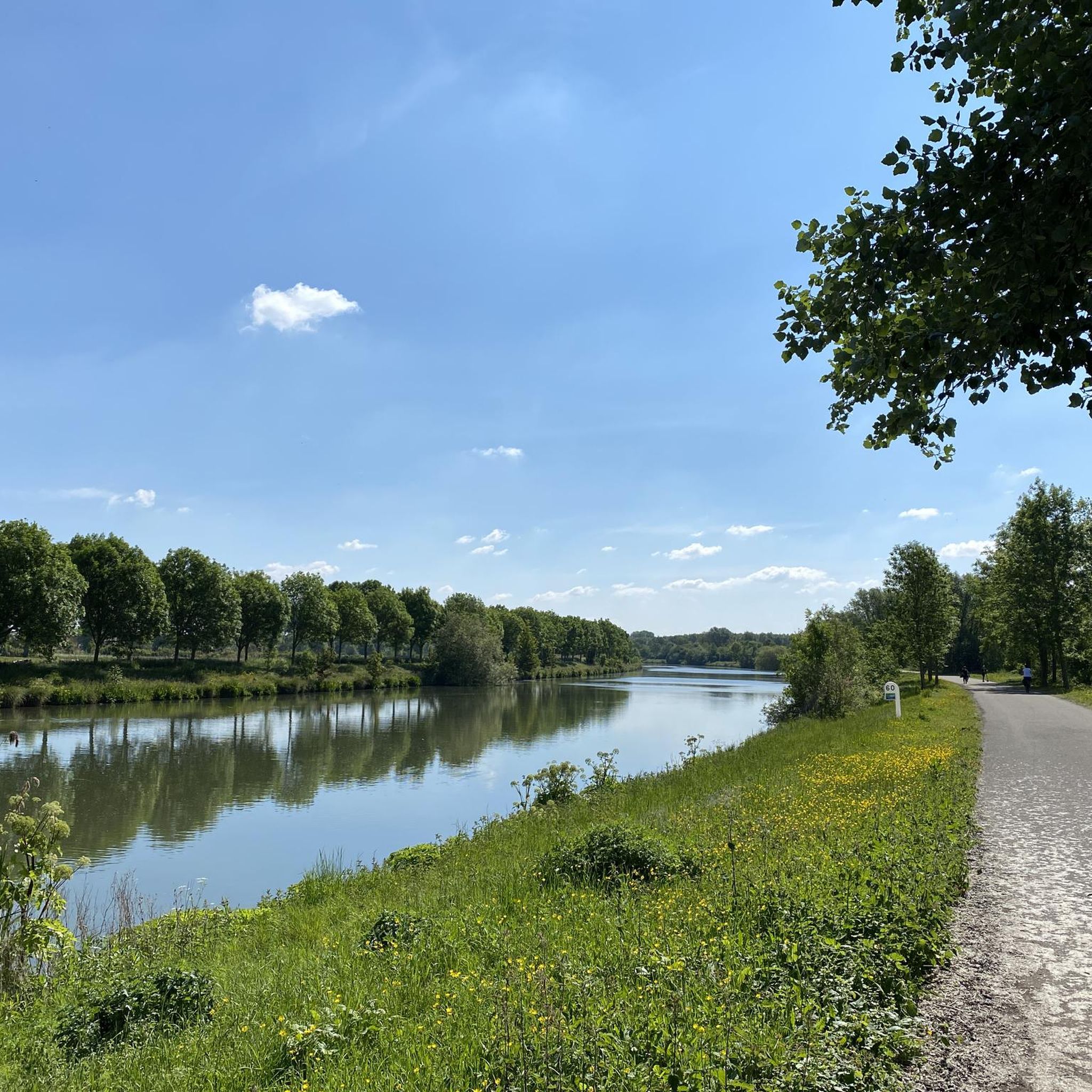
- The most popular attractions is Port of Wambrechies, a river area that is quiet and peaceful, located near the church, the Château de Robersart, and a distillery. It offers a serene environment for visitors.
- Another must-see spot is Roubaix Velodrome, a man-made monument. This open cycle track has a long history and serves as the finish line for the Paris-Roubaix race.
- Visitors also love General de Gaulle Square, a settlement and historical site in nearby Lille. This old medieval market place is a central point featuring the Old Stock Exchange.
- Roncq is known for its historical châteaux, religious heritage, and natural features like parks and canals. The region offers a blend of cultural landmarks and outdoor spaces to explore.
- The attractions around Roncq are appreciated by the komoot community, with more than 700 upvotes and over 40 photos.
Last updated: July 6, 2026
Port of Wambrechies
Highlight • River
Translated by Google •
Tip by

Roubaix Velodrome
Highlight • Monument
Translated by Google •
Tip by

Sign up now to discover places like this
Get recommendations on the best single tracks, peaks, & plenty of other exciting outdoor places.
Sign up for free
Belgium–France Border on the Canal de Roubaix
Highlight • Monument
Translated by Google •
Tip by

Old Stock Exchange of Lille
Highlight • Historical Site
The tower features a gold-colored Mercury (the god of trade) and the facade looks rich due to the combination of red brick with white natural stone, lavishly decorated with fruit, horns of plenty, medallions and other ornaments.
It is a successful calling card of (Baroque) Flemish architecture in the 17th century.
Translated by Google •
Tip by

General de Gaulle Square
Highlight • Settlement
Translated by Google •
Tip by
Sign up for free to discover even more attractions around Roncq.
Sign up for free
Already have an account?
Start today with a free account
Your next adventure awaits.
Login or Signup

Tips from the Community

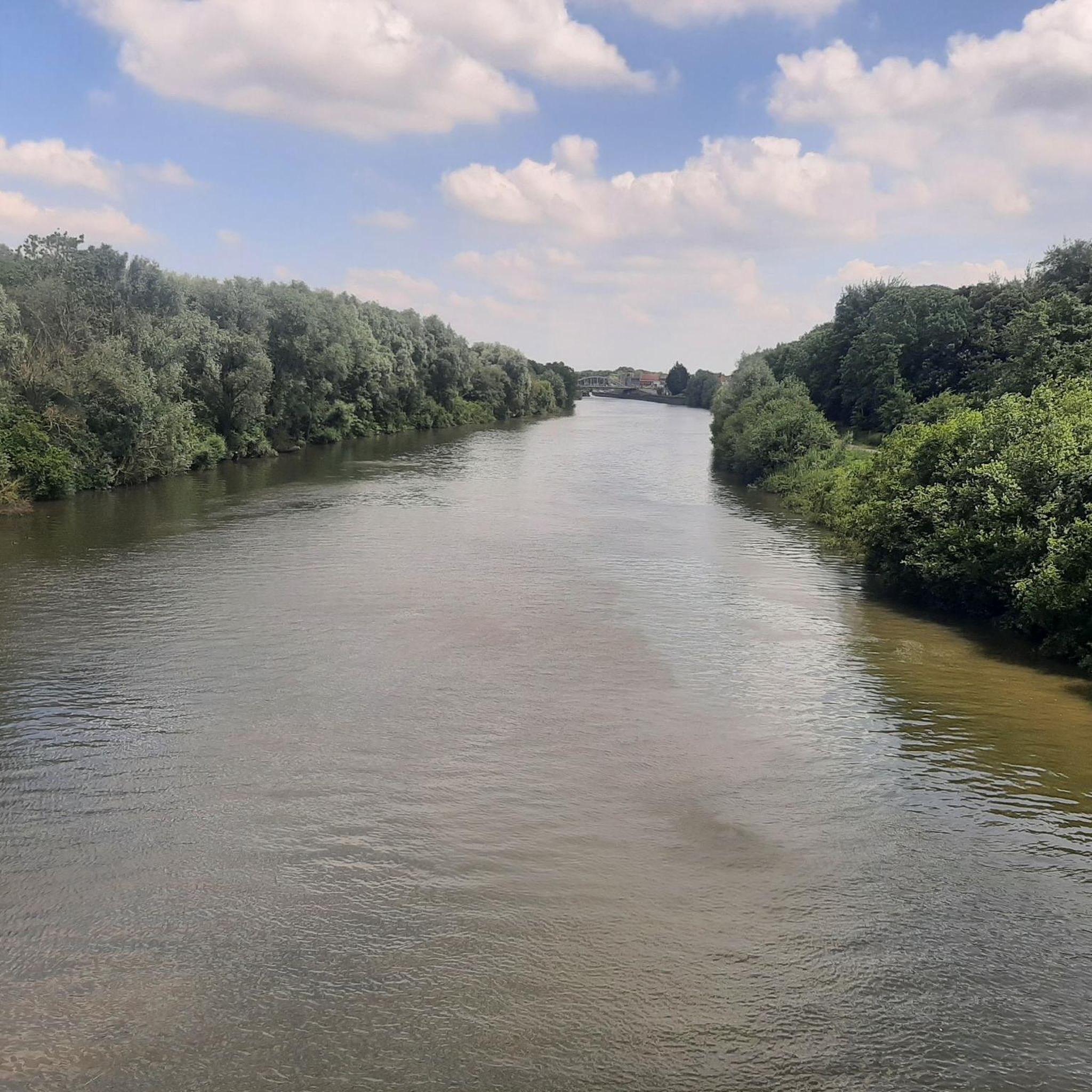
The Roubaix Canal, or the Espierres Canal, as it's called in French or Belgian, forms part of the link between the Deûle River in France and the Scheldt River in Belgium. In 1843, the two canals were connected between Leers, France, and Leers-Nord, Belgium. Despite damage sustained during the two world wars, the canal was the pinnacle of the region's textile industry for over a hundred years, transporting coal from Belgium to numerous French factories. In Leers-Nord, Belgium, the workers who pulled the coal-laden barges were called "satcheux" (sailors). Next to the lock keeper's house, a stone's throw from France, the crossing point between France and Belgium, a customs guardhouse was built. Customs officers were present to inspect the numerous goods transported by barge. After the decline of the textile industry in the 1970s and 1980s, the canal gradually lost its usefulness and was closed to shipping in 1983. In the early 2000s, the canal was the subject of a cross-border rehabilitation project to allow tourist boats to pass through again. As part of the Interreg Blue Links project, a collaboration between France, Flanders, and Wallonia, it was flooded again. The final works were completed in 2011, and navigation reopened. Since the early 20th century, the Roubaix/Espierres Canal has been a place of conviviality, walking, and fishing for cross-border residents and commuters. Consequently, strong public opposition has arisen to the plan to convert the canal into a motorway. Source: www.caue-nord.com
3
0


Super nice, and go inside the courtyard, you have old book sellers there.
2
0

For a cycling tourist, the arrival at the Roubaix velodrome is also a great moment. Even after dozens of times!
5
0
For the legend this race is, and how normal in fact the velodrome is...
4
0

Place du Général de Gaulle is an old medieval market place, where a tree has never stood. The traders met here three times a day, in all weathers. Until they received permission from Philip IV of Spain to build the Old Exchange in 1652. The building was finished in 2 years and is made of porous stone, which is why it is painted. The restoration of the front facade was financed by companies, their logos can be found above the top row of windows. This building has 24 homes that are still mostly occupied by their owners. We also notice the many sculptures, typical of the Flemish Baroque style, but also because the architect, Julien Destrée, was a wood sculptor. Above the entrance gate we see the symbol of Lille (Fleur de Lys), with next to it the lions of Flanders and the crown of the city (with fortress towers on top) and two horns. Horns of Plenty, to refer to the wealth of Lille.
11
0

One of these important sights is the Place du Général de Gaulle, also known as the "Grand Place". A must-see! He was a general, resistance fighter and president - Charles de Gaulle is still a great personality for many French people today. He has been dead for over 50 years and this great square is here in his memory.
9
0
Frequently Asked Questions
What historical and cultural sites can I visit in and around Roncq?
Roncq and its vicinity offer a rich historical and cultural experience. In Roncq itself, you can explore several châteaux like Château des Peupliers (now the town hall), Verhaeghe Castle, and Tiberghien Castle with its underground ice house. Religious sites include the 19th-century St. Piat Church and Saint-Roch Church. Nearby, don't miss the Old Stock Exchange of Lille, a 17th-century Flemish Baroque architectural gem, and the historic General de Gaulle Square in Lille. The Roubaix Velodrome is also a significant historical site for cycling enthusiasts.
Are there any natural features or green spaces to enjoy near Roncq?
Yes, Roncq offers several natural features and green spaces. The Vansteenkiste Park, surrounding Tiberghien Castle, provides a pleasant green space with centuries-old trees, an ice house, a dovecote, and an orangery. You can also visit the Port of Wambrechies, a quiet river area near a distillery and the Château de Robersart, offering a serene environment. The Canal de Roubaix, which forms part of the Belgium-France border, is another point of interest for those seeking natural surroundings.
What outdoor activities can I do near Roncq?
The area around Roncq is excellent for outdoor activities, especially cycling and running. You can explore the Canal de Roubaix, which offers paved sections in Belgium and gravel paths in France, ideal for cycling and hiking. For dedicated routes, consider the road cycling routes around Roncq, such as the challenging Mont Noir (West) – Mont des Cats loop. Runners can find various running trails around Roncq, including the 'Green route – Street Art of a Colorful Bird loop'. There are also several hiking trails around Roncq, like the 'Voie verte du Ferrain – Single Bousbecque loop'.
Are there family-friendly attractions in the Roncq area?
Absolutely! Many attractions around Roncq are suitable for families. The Port of Wambrechies is a peaceful spot for a family outing. The Belgium–France Border on the Canal de Roubaix offers a unique experience for walks or bike rides. In Lille, the General de Gaulle Square and the Old Stock Exchange of Lille are great for exploring history and architecture together. The Vansteenkiste Park in Roncq also provides a lovely green space for families to enjoy.
What is the Roubaix Velodrome, and why is it significant?
The Roubaix Velodrome is an open cycle track with a long and storied history, famously serving as the finish line for the prestigious Paris-Roubaix race. It's officially known as Vélodrome André-Pétrieux and was opened in 1936. This municipal sports center is a popular destination for cyclists and visitors, hosting various events, including the World Masters Championships. It's a place where significant bicycle history has been made.
Where can I find historical architecture near Roncq?
Beyond Roncq's own châteaux and churches, the nearby city of Lille boasts impressive historical architecture. The Old Stock Exchange of Lille, built between 1652 and 1653, is a prime example of 17th-century Flemish Baroque architecture, richly decorated with a gold-colored Mercury statue. It's located in the heart of General de Gaulle Square, an old medieval marketplace that is a must-see for its historical significance and surrounding buildings.
Are there any viewpoints or scenic spots around Roncq?
While Roncq itself is relatively flat, the serene Port of Wambrechies offers peaceful river views. For broader scenic experiences, consider exploring the paths along the Canal de Roubaix, which provides pleasant vistas of the waterway and surrounding countryside as it crosses the Belgium-France border. The Vansteenkiste Park also offers picturesque views of its historic grounds and centuries-old trees.
What are some unique 'hidden gems' or less crowded attractions near Roncq?
For a unique experience, explore the grounds of Tiberghien Castle in Roncq, which features an underground ice house, a dovecote, stables, and an orangery, along with centuries-old trees in its park. The Verhaeghe Castle, now a town hall annex, also houses historical furniture and magnificent stained glass windows, offering a glimpse into local history away from the main tourist crowds. The Belgium–France Border on the Canal de Roubaix offers a quiet, unique experience for those interested in geographical landmarks and peaceful walks.
What do visitors enjoy most about the attractions around Roncq?
Visitors particularly appreciate the blend of historical charm and natural tranquility. The Port of Wambrechies is often praised for being quiet and peaceful. The Roubaix Velodrome is highly regarded by cycling enthusiasts for its rich history. In Lille, the Old Stock Exchange is admired for its stunning Flemish Baroque architecture and vibrant atmosphere, while General de Gaulle Square is loved as a central, historical hub.
Are there any UNESCO World Heritage sites close to Roncq?
Yes, the Villa Cavrois in Croix, an iconic example of modernist architecture, is a UNESCO World Heritage site located approximately 9.8 km from Roncq. It offers a fascinating architectural experience for those interested in 20th-century design.
Can I find places to walk my dog near Roncq?
Yes, the natural areas around Roncq are generally dog-friendly. The Vansteenkiste Park offers green spaces for walks. The paths along the Canal de Roubaix are also suitable for dog walking, providing a pleasant environment. When exploring, always ensure your dog is on a leash and you clean up after them.
What is the significance of the Old Stock Exchange in Lille?
The Old Stock Exchange of Lille is one of the city's most beautiful and famous buildings. Built between 1652 and 1653, it showcases rich Flemish architecture with a distinctive combination of red brick and white natural stone, lavishly decorated with ornaments and a gold-colored Mercury statue. It was designed to rival Dutch stock exchanges and remains a significant historical and architectural landmark in General de Gaulle Square.
Most popular attractions around Roncq

Get inspired with the komoot mobile app


Explore more
Still not found the Highlight you’re looking for? See guides of the top attractions in other regions:
