Top 6 Castles around Bourg-La-Reine
Best castles around Bourg-La-Reine are found in its immediate vicinity, offering rich historical and cultural experiences. While Bourg-la-Reine itself does not feature publicly accessible castles, its proximity to Paris provides access to significant historical residences. These sites include former royal palaces and grand châteaux, showcasing centuries of French history and architectural evolution. The area offers diverse historical landmarks for exploration.
Best castles around Bourg-La-Reine
- The most popular castles is Louvre Museum Square, a castle that was originally a fortress built in the late 12th century and later converted into a royal palace. It offers an unparalleled journey through thousands of years of art history.
- Another must-see spot is Luxembourg Palace and Gardens, a historical site and castle. This magnificent structure was originally built as a royal residence for Marie de' Medici and now serves as the seat of the French Senate. The palace is complemented by the formal Luxembourg Garden, a 25-hectare green space featuring statues and the Medici Fountain.
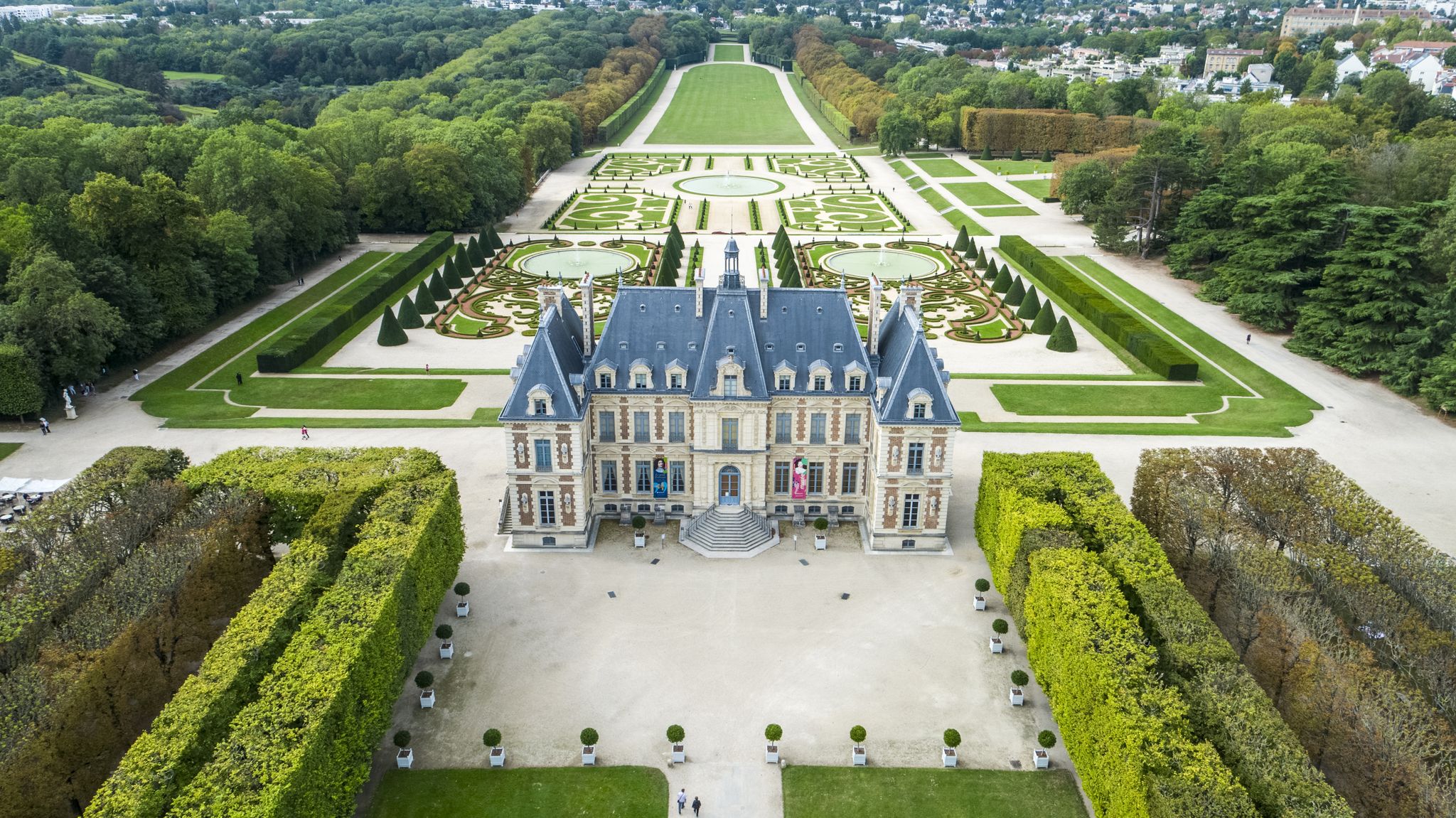
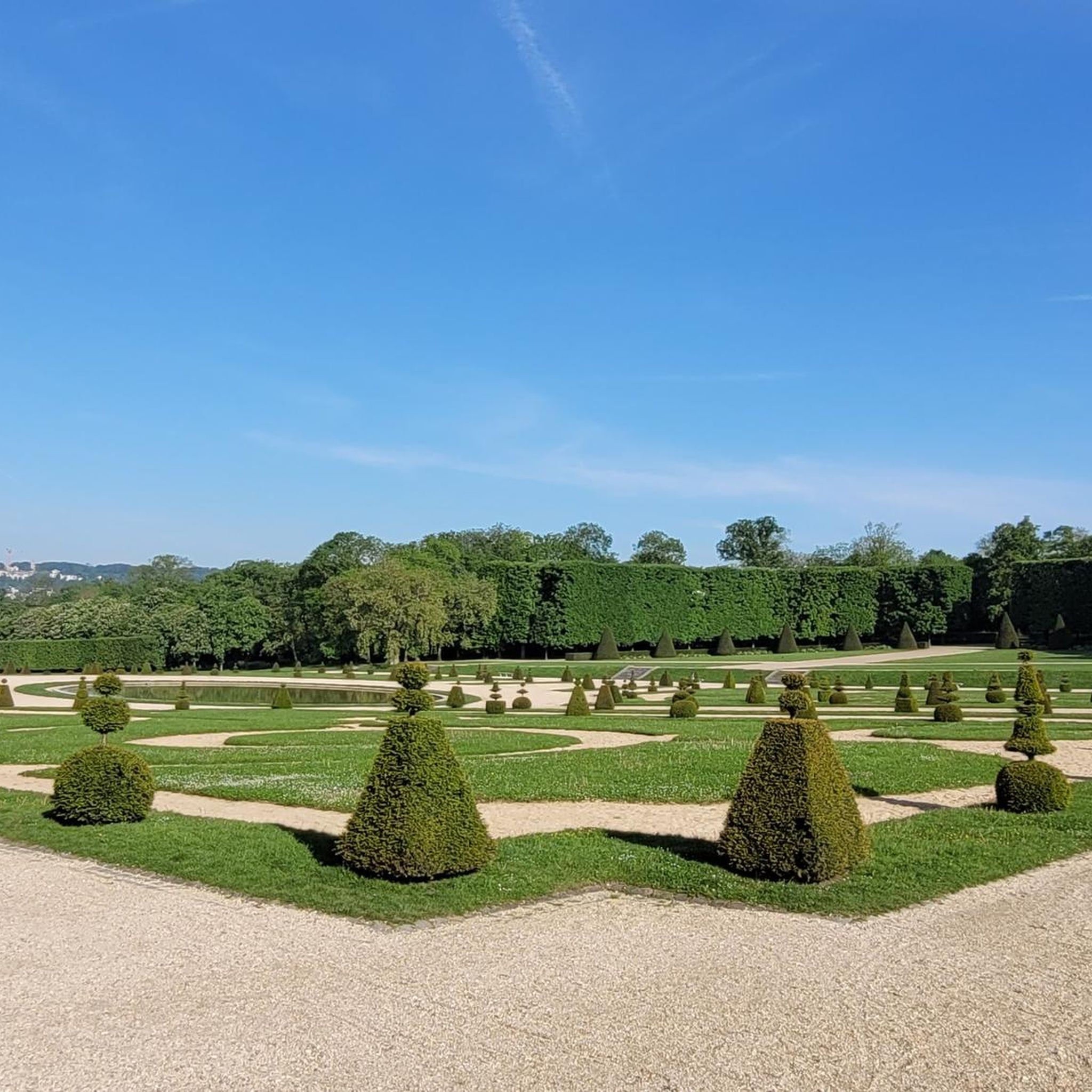
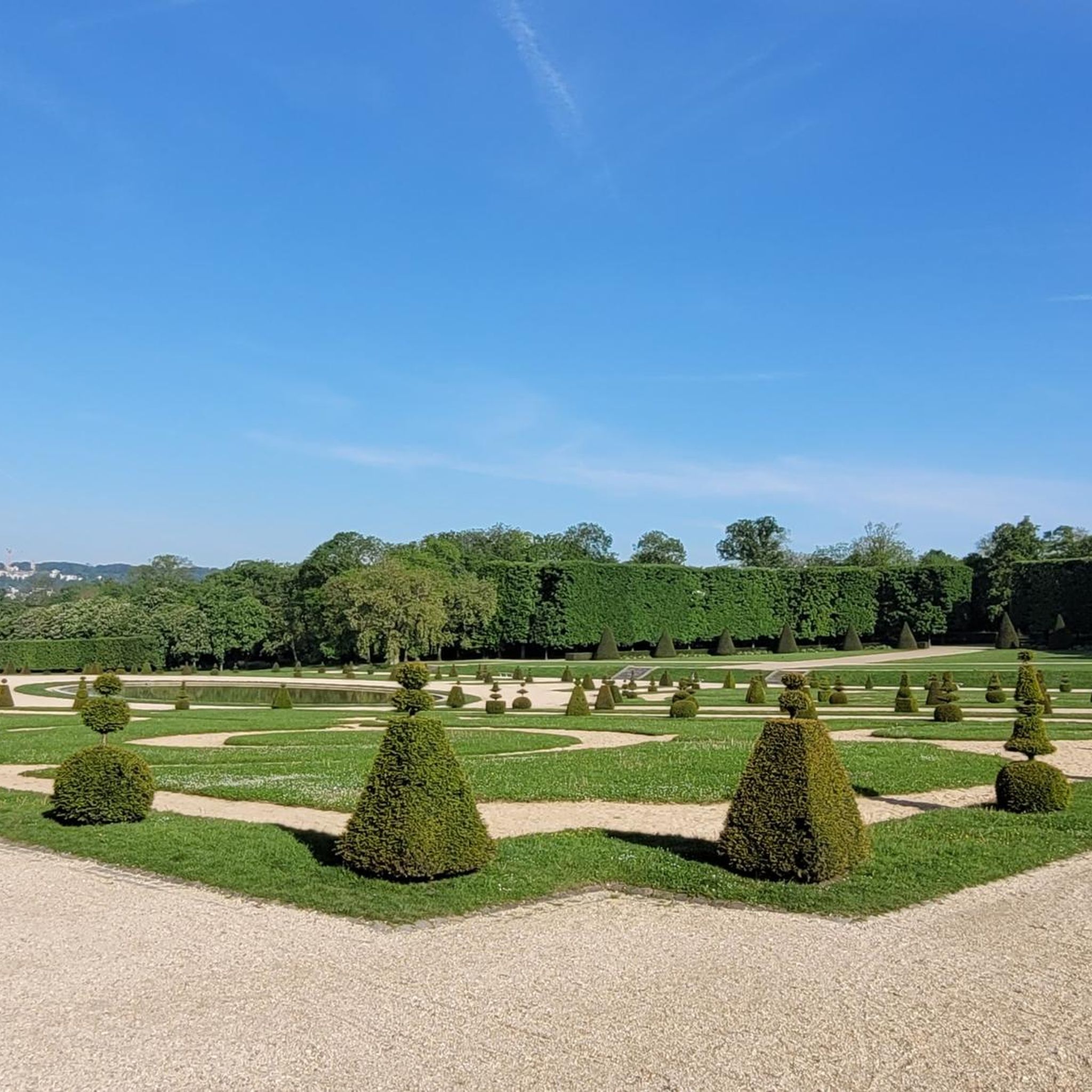
- Visitors also love View of the Château de Sceaux, a château within an extensive park. This grand country house is nestled within a park designed by André Le Nôtre and houses a regional museum. The estate includes the main château, outbuildings like the Orangerie, and a park covering 180 acres.
- Bourg-La-Reine is known for royal palaces, grand châteaux, and historical fortresses. These sites offer a blend of architectural styles, from medieval origins to 17th-century grandeur.
- The castles around Bourg-La-Reine are appreciated by the komoot community, with more than 1000 upvotes and over 600 photos shared.
Last updated: July 21, 2026
Louvre Museum Square
Highlight • Castle
Translated by Google •
Tip by

Luxembourg Palace and Gardens
Highlight • Historical Site
Translated by Google •
Tip by
Sign up now to discover places like this
Get recommendations on the best single tracks, peaks, & plenty of other exciting outdoor places.
Sign up for free
View of the Château de Sceaux
Highlight • Viewpoint
Translated by Google •
Tip by

Hôtel de Sens
Highlight • Castle
Until 1622 it was the residence of the archbishops of the archdiocese of Sens, during a period when the diocese of Paris was suffragan to this archdiocese (until 1622). In 1605 it was the residence of Margaret of Valois.
The building was used as a fortress during the Catholic League in the 17th century. It was forfeited during the French Revolution, was recognized as a monument historique in 1862 and bought up by the Paris city council in 1911.
It is one of the few medieval buildings in Paris. This building houses the Forney Library, a library specializing in works on decorative, visual and graphic arts. The library also has a rich collection of advertising posters over time.
Translated by Google •
Tip by

Château de la Solitude
Highlight • Castle
Translated by Google •
Tip by

Start today with a free account
Your next adventure awaits.
Login or Signup


Other adventures around Bourg-La-Reine

Tips from the Community

The Louvre Pyramid is an iconic structure located in the central courtyard of the Louvre Museum in Paris, known as Cour Napoléon. Designed by Chinese-American architect Ieoh Ming Pei, it was opened in 1989. This glass and metal pyramid stands 21.6 metres tall and is made up of 603 glass panels. Its modern design contrasts with the museum's classical architecture, creating a bright and airy access point for visitors. Despite initial controversy, the pyramid has become a symbol of Paris and one of the city's most photographed attractions.
25
0
The Luxembourg Gardens are one of the most beautiful and emblematic parks in Paris. Located in the 6th District, these gardens were designed in 1612 by order of Marie de Médicis, and are a perfect place to relax and enjoy nature in the middle of the city.
14
0
The Paris 2024 Olympic Games are in full swing and there is a lot of activity in different sports. I hope you enjoy the games and cheer on your favorite athletes!🌄😊
21
0

Beautiful building in the center of Paris
0
1

Built in the middle of the 19th century, the castle is located in a vast park. There is the museum of the Domaine Départemental de Sceaux. Created in 1973, it offers collections in its four main sites: the castle, the orangery, its gardens and the old renovated stables. All information on visiting the estate: https://parisjetaime.com/culture/domaine-departemental-de-sceaux-p1064.
2
0

A visit is always worthwhile. A very beautiful place
12
0
The Luxembourg Gardens, also known as Jardin du Luxembourg, are a group of gardens that constitute a large Parisian public park of 22.45 hectares. They are located in the VI District and are part of the Luxembourg Palace, which currently houses the headquarters of the French Senate.
19
0
The Louvre Pyramid, also known as pyramide du Louvre, is an iconic structure located in the center of the Cour Napoléon of the Louvre Museum in Paris, France. This glass and metal pyramid serves as the main entrance to the museum and was designed by architect Ieoh Ming Pei.
13
0
Frequently Asked Questions
What are the most significant historical castles near Bourg-la-Reine?
While Bourg-la-Reine itself doesn't have publicly accessible castles, several historically significant sites are nearby. These include the Louvre Museum Square, originally a medieval fortress and royal palace; the Luxembourg Palace, built for Marie de' Medici; and the Château de Sceaux, a grand country house with a rich history.
Are there family-friendly castles to visit in the Bourg-la-Reine area?
Yes, several castles and their grounds are suitable for families. The Louvre Museum Square offers an engaging historical experience for all ages. The Luxembourg Palace and Gardens provide ample space for children to play and explore, with statues and a large pond. The Château de Sceaux also features a vast park perfect for family outings.
Which castles near Bourg-la-Reine have extensive gardens or parks?
The Luxembourg Palace is famously complemented by the formal Luxembourg Garden, a 25-hectare green space with statues, water basins, and the Medici Fountain. The Château de Sceaux is nestled within an extensive 180-acre park designed by André Le Nôtre, offering French-style gardens, fountains, and a grand canal. The Hôtel de Sens also features a quiet, beautifully manicured public garden.
How can I reach the castles near Bourg-la-Reine using public transport?
Access to the Château de Sceaux is convenient via RER B to Sceaux or Parc de Sceaux. The Luxembourg Palace is centrally located in Paris and easily accessible by various metro and RER lines. The Louvre Museum is also well-served by public transport in Paris.
What is the typical duration needed to visit these castles?
Visiting the Louvre Museum can take a full day or multiple visits due to its immense collection. For the Luxembourg Palace and Gardens or the Château de Sceaux, you might spend anywhere from 2-4 hours exploring the interiors and strolling through the extensive parks.
What outdoor activities, like hiking or cycling, can I do near these castles?
The parks surrounding castles like the Château de Sceaux offer excellent opportunities for outdoor activities. You can find numerous hiking trails, such as the 'Sceaux Castle – Grand Canal loop from Sceaux'. For cycling enthusiasts, there are road cycling routes like the 'Château de Sceaux – The Large Fields loop from Bourg-la-Reine', and MTB trails like the 'Sceaux Castle loop from Parc de Sceaux'.
What is the best season to visit castles and their gardens near Bourg-la-Reine?
Spring and summer are ideal for visiting the castles and especially their gardens. The Château de Sceaux park is particularly enchanting in springtime with cherry blossoms, typically at the end of April or beginning of May. The Luxembourg Gardens are also vibrant and beautiful during these warmer months.
Are there less crowded castle options near Bourg-la-Reine?
While the Louvre Museum and Luxembourg Palace can be very popular, the Château de Sceaux often offers a more peaceful escape from the city crowds, especially within its extensive park. The Hôtel de Sens, a medieval city palace, also provides a quieter historical experience.
Are these castles accessible for wheelchair users?
Accessibility varies by site. Major institutions like the Louvre Museum generally offer good accessibility, but it's always recommended to check their official websites for specific details on routes and facilities for wheelchair users. Parks like those at Château de Sceaux and Luxembourg Gardens typically have accessible paths, though some older sections or specific buildings might have limitations.
Can I find cafes or restaurants near these castles?
Yes, all these locations are either within or very close to urban areas with numerous dining options. The Louvre Museum has several cafes and restaurants inside, and many more are available in the surrounding Paris neighborhoods. Similarly, the Luxembourg Gardens are surrounded by cafes, and the Château de Sceaux is located near the town of Sceaux, which offers various eateries.
Are dogs allowed in the castle grounds or parks?
Policies regarding dogs vary. While service animals are generally permitted, pets are often restricted from indoor areas of castles and museums. In parks like the Luxembourg Gardens, dogs are typically allowed only in designated areas or on leashes. It's best to check the specific rules for each site before your visit.
What should I wear when visiting castles near Bourg-la-Reine?
Comfortable walking shoes are highly recommended, especially if you plan to explore the extensive parks and gardens. Dress in layers, as temperatures can change, and consider weather-appropriate attire. For indoor visits to museums and palaces, smart casual wear is generally appropriate.
Most popular routes around Bourg-La-Reine
Most popular attractions around Bourg-La-Reine

Get inspired with the komoot mobile app


Explore more
Looking for the best castles somewhere else? Discover other guides around Bourg-La-Reine:
