Top 5 Castles around Morlaix
Best castles around Morlaix are found in a region characterized by its coastal landscapes and historical significance. Morlaix Bay features a prominent maritime fort, while inland areas host impressive Renaissance castles and manors. This area of Brittany offers a blend of defensive architecture and preserved historical residences. The region's past as an important port is reflected in its fortifications and grand estates.
Best castles around Morlaix
- The most popular castles is Kerjean Castle, a castle that is considered a Renaissance architectural marvel. It features extensive grounds with a dovecote, fountains, and geometric gardens.
- Another must-see spot is Château du Taureau, a historical site and man-made monument. This 16th-century maritime fortress, reinforced by Vauban, protected Morlaix from attacks and offers panoramic views of the Bay of Morlaix.
- Visitors also love Île Blanche Manor, a 17th-century castle. Its construction is inspired by an English castle, and it overlooks Porz Morvan cove.
- Morlaix is known for its maritime forts, Renaissance castles, and historical manors. Visitors can explore a variety of defensive structures and grand residences, each offering insights into the region's rich heritage.
- The castles around Morlaix are appreciated by the komoot community, with 42 upvotes and 5 photos shared by users.
Last updated: August 31, 2026
Île Blanche Manor
Highlight • Castle
Overlooking Porz Morvan cove, the Île-Blanche manor dates from the 17th century (1661), when the small port of Toul-an-Héry was flourishing.
Organized in a U-shape around a courtyard, all the buildings are built of rubble stone, a green-blue colored limestone schist, known as "Locquirec stone". The main buildings and outbuildings form several pavilions that extend to the rear of the property. The towers and roofs of the manor are covered with slate. Its construction would be inspired by an English castle offered by Henry VIII to the Archdiocese of Canterbury
Translated by Google •
Tip by

Kerjean Castle
Highlight • Castle
These were always at the entrance of the castle or homestead and should indicate the wealth of the owner by the size and design. Pigeons were used as a food source and the feces were sold at a high price as fertilizer for the grain fields, otherwise there was no material for fertilization to improve the barren soils for sowing from the grain.
Translated by Google •
Tip by

Sign up now to discover places like this
Get recommendations on the best single tracks, peaks, & plenty of other exciting outdoor places.
Sign up for free
Port à Viliec Beach, Locquirec Point (known as Château Point)
Highlight • Beach
Translated by Google •
Tip by
Château de Kergounadeach
Highlight • Castle
Translated by Google •
Tip by

Penhoat Castle
Highlight • Castle
Translated by Google •
Tip by

Château du Taureau
Highlight • Castle
Translated by Google •
Tip by

Start today with a free account
Your next adventure awaits.
Login or Signup
Popular around Morlaix
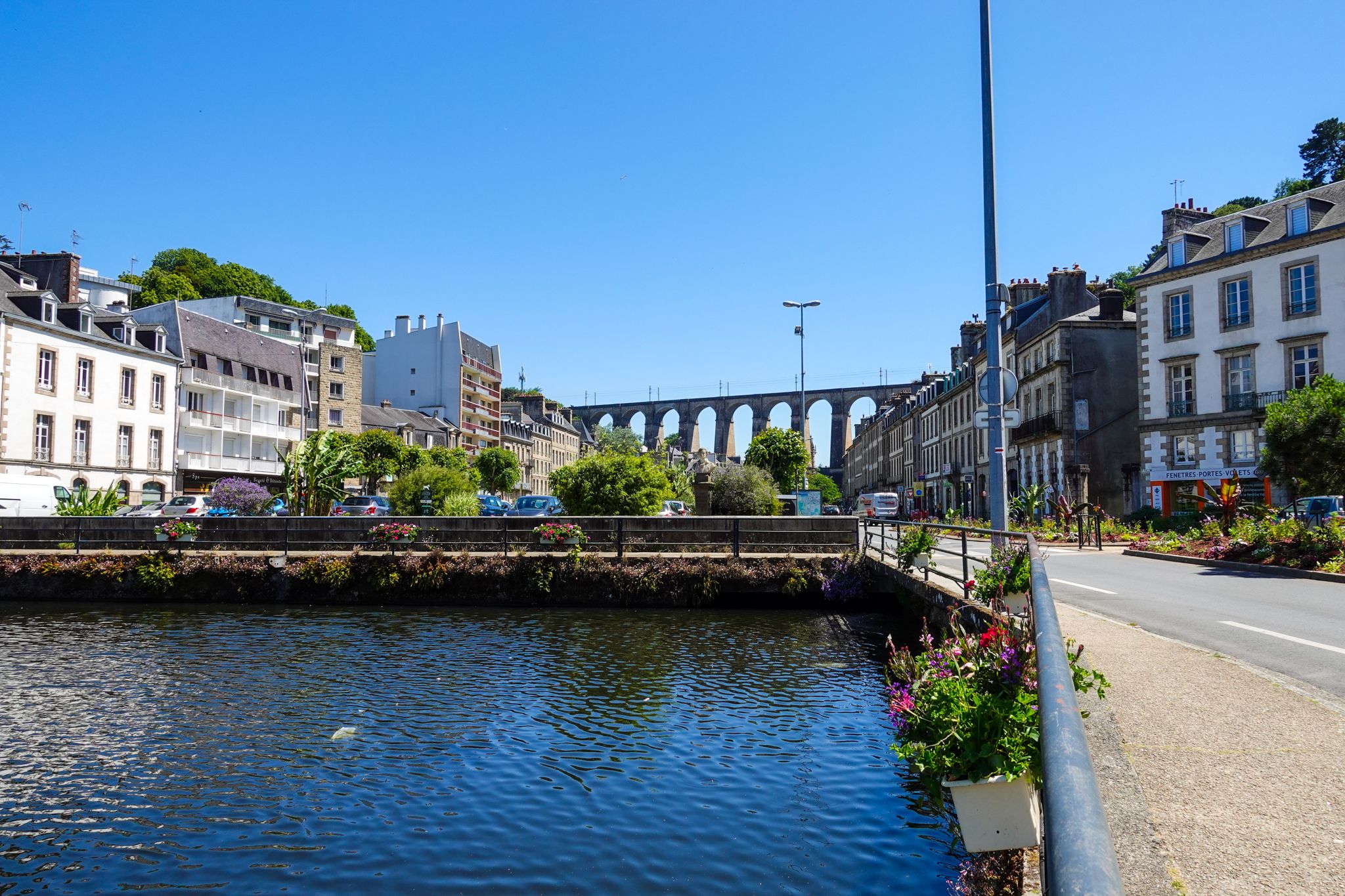
EuroVelos 1 and 4 — Cycle-touring a week in Brittany
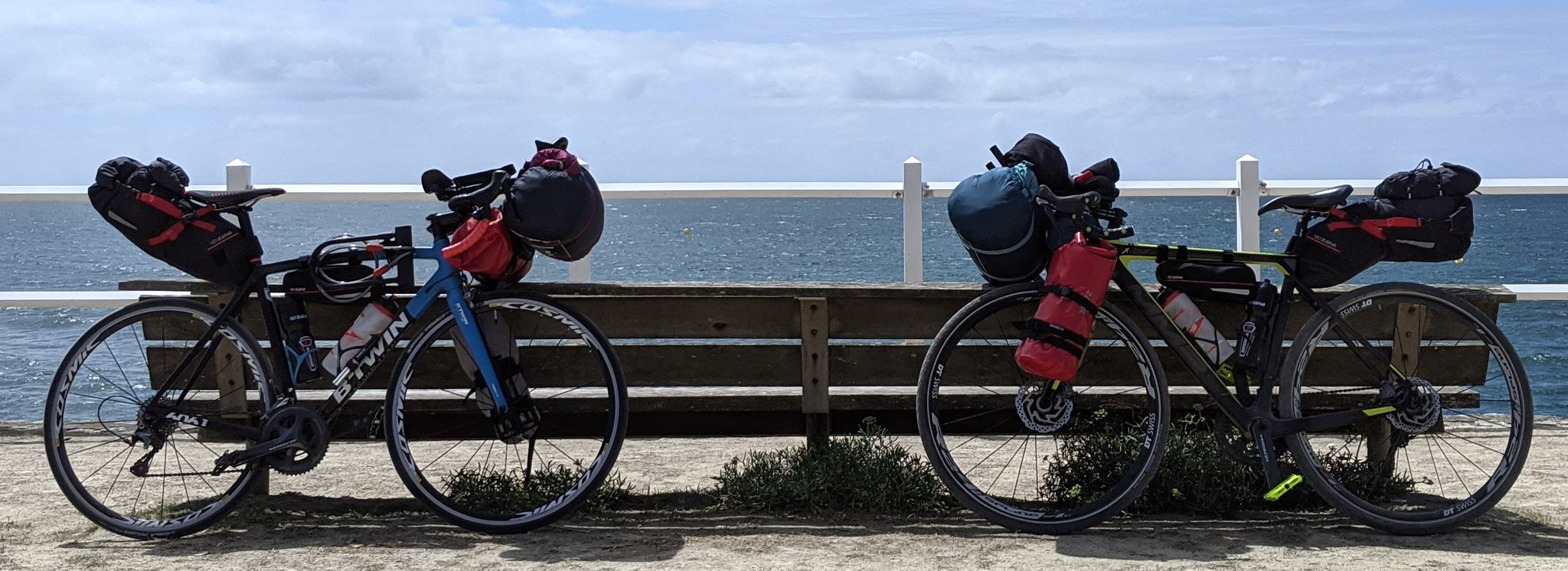
La Vélodyssée — From north to south via the ocean
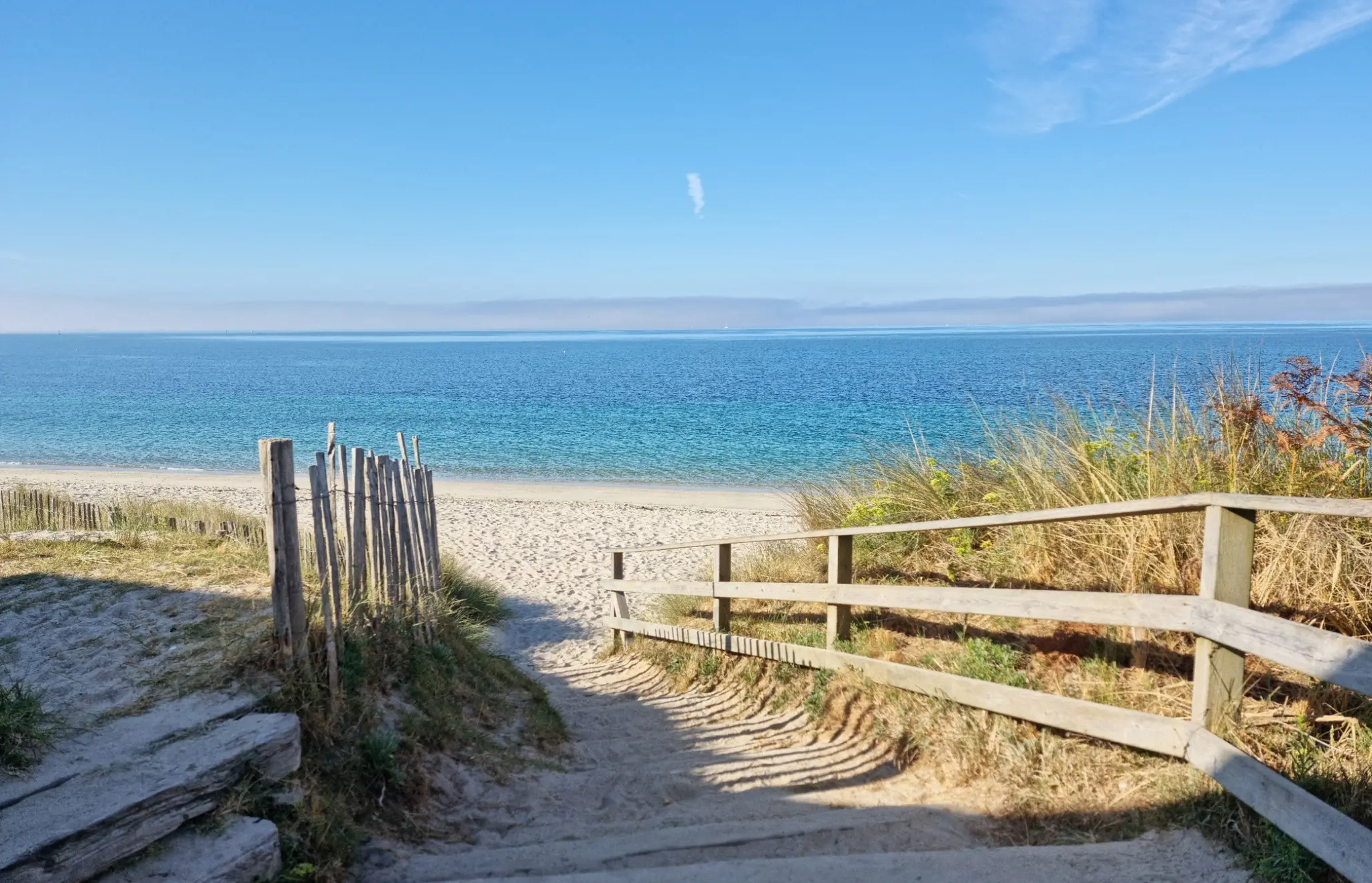
Cycling along the Breton coast - The Coastal (V45)
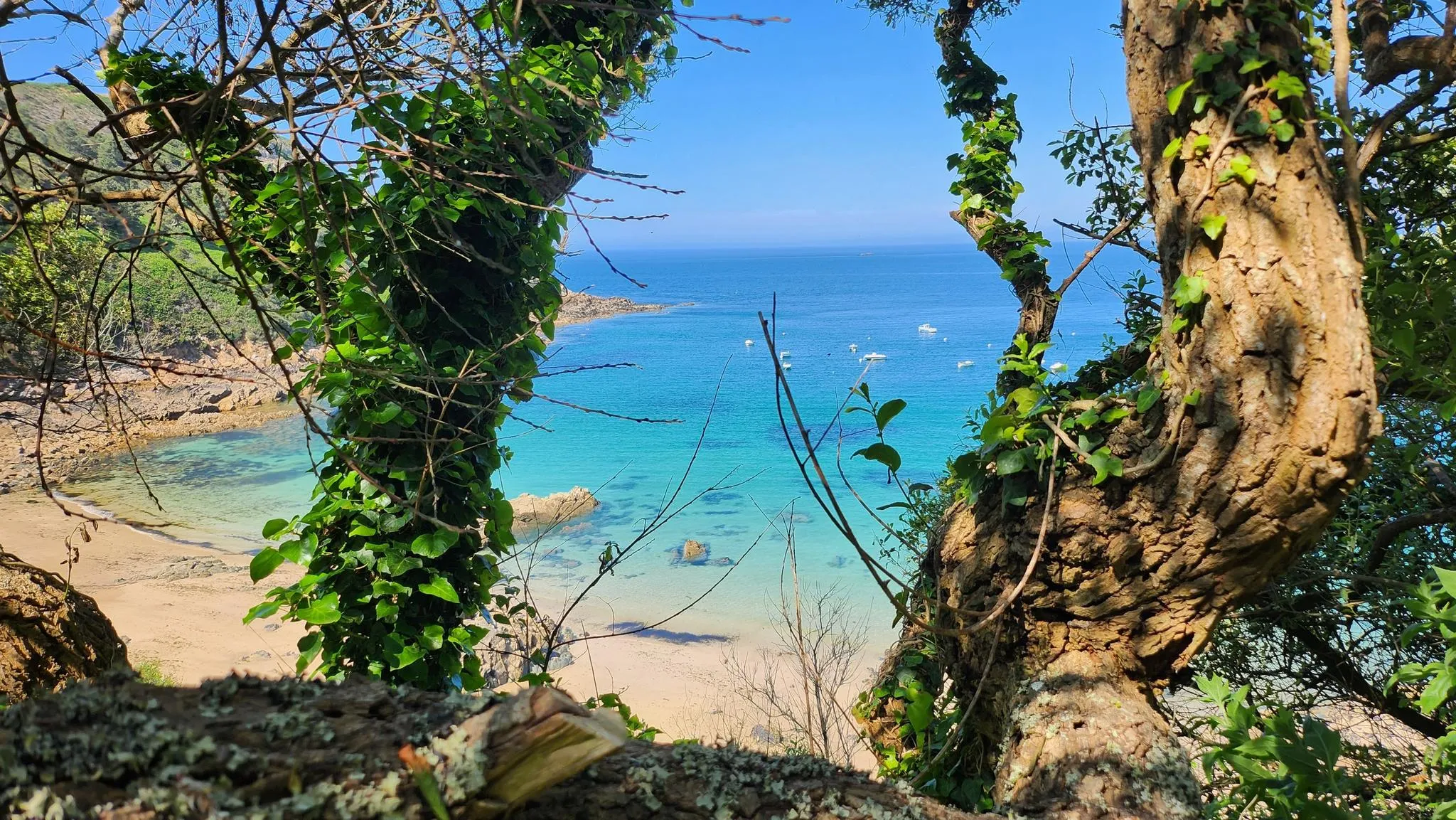
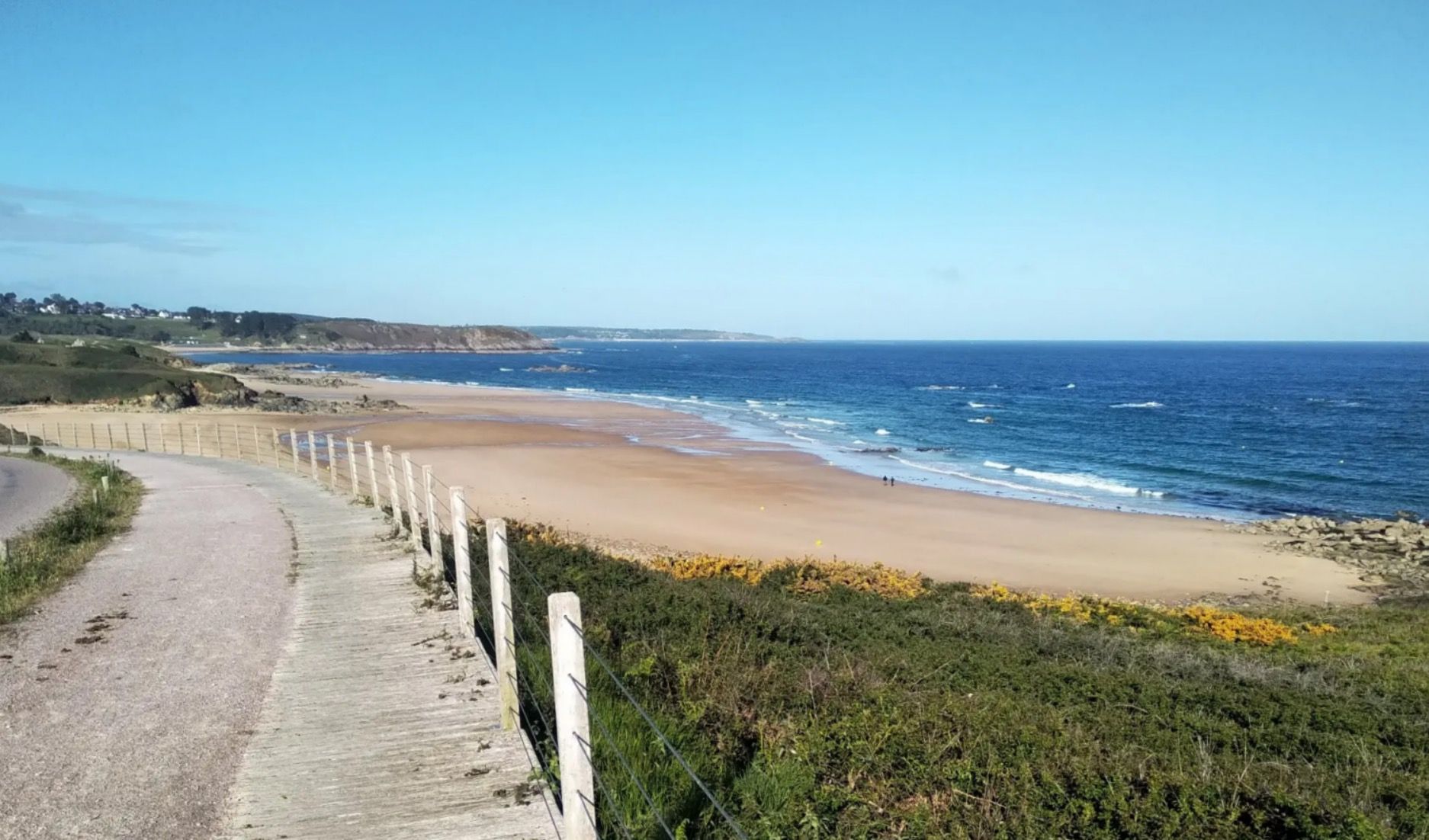
The Customs Officers’ path – GR 34 in Brittany between Morlaix and Lannion
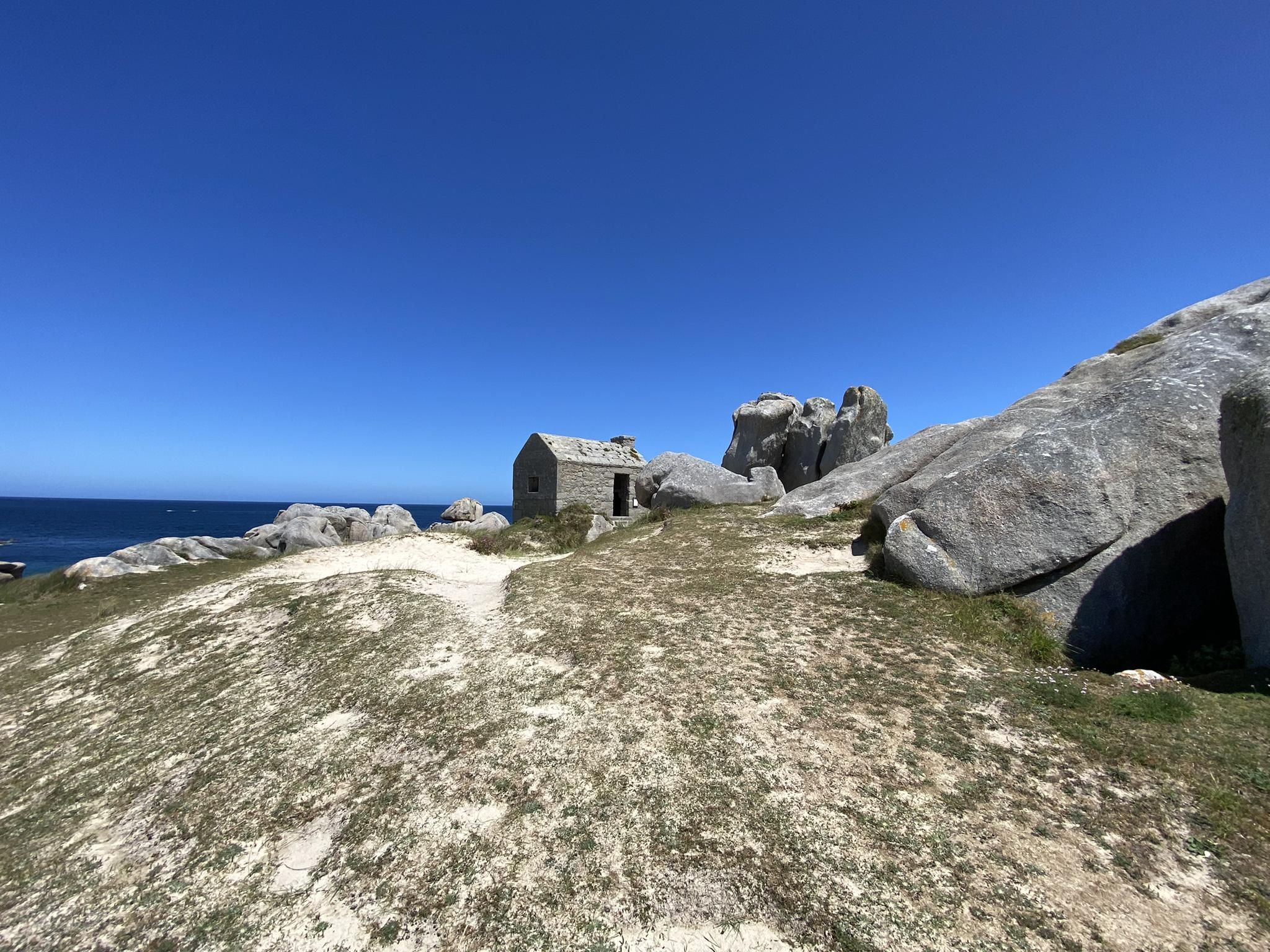
The Customs Officers’ path – GR 34 in Brittany between Guissény and Morlaix
Sun cream and waterproof coats – 11 days in Brittany
Hiking to the summits – France's highest points
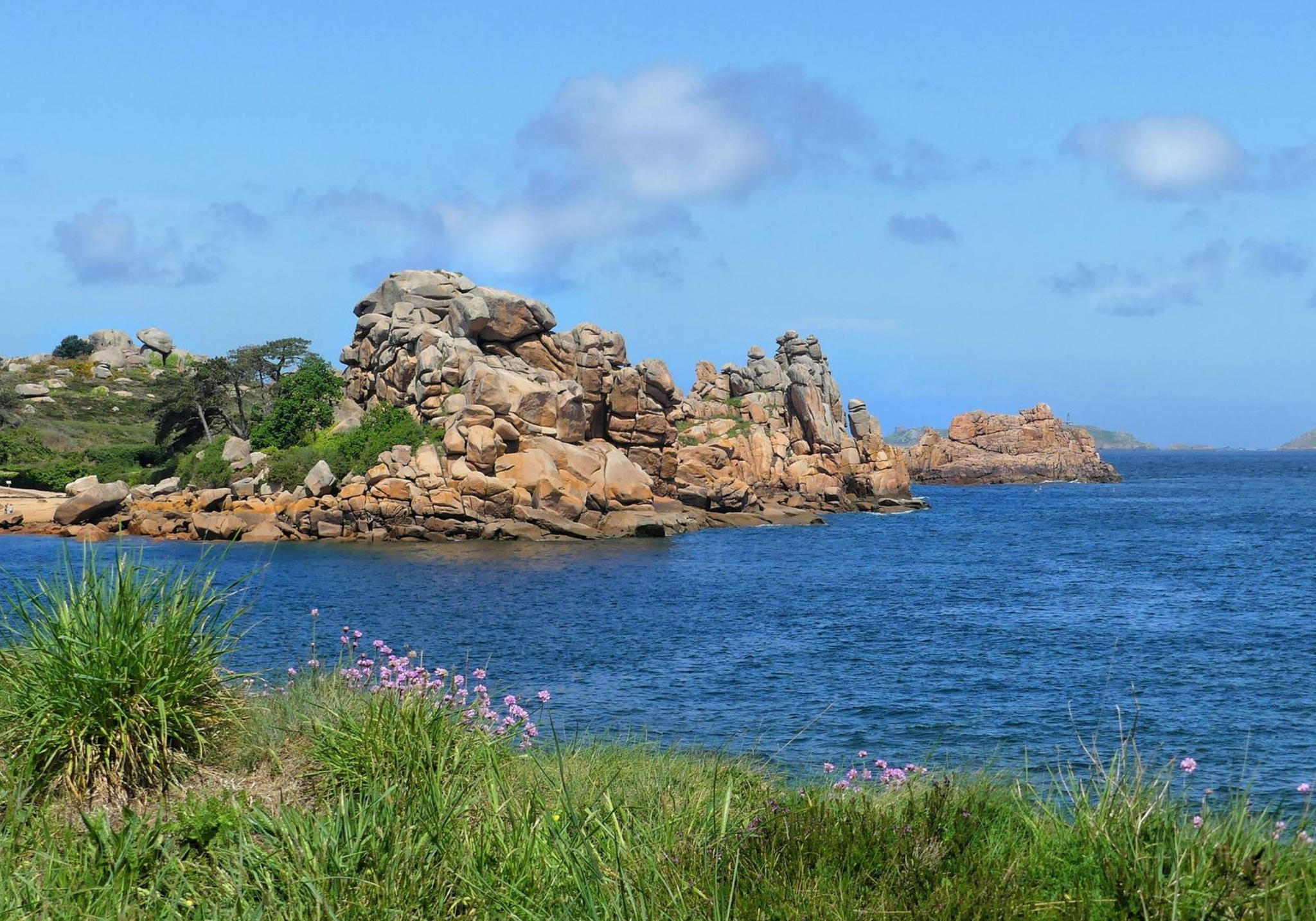
A hiking break in Brittany
Tour des Monts d'Arrée in France — the GR 380
From pink granite to the Opal Coast — cycle France’s la Vélomaritime
Other adventures around Morlaix


Tips from the Community

Only visible from the street as it is privately owned.
0
0

This is indeed the Kergournadh'each castle and its manor. Property of Hervé de Guébriant. Kergournadeac'h means in French. "The house of the man who does not flee."
1
0

Nice trip. The boat trip takes about 15 minutes, then you have about an hour at the fortress. Extra tip: there are no toilets at the fortress. If you "have to go", you should go on the boat...
0
0

Unfortunately private area without access
0
0

The Île-Blanche estate is located on the edge of the corniche road linking Locquirec to Saint-Efflam (D64, then D42). Its direction is indicated on the left, just before the bridge over the Douron, almost opposite the rue de Toul an Héry. Overlooking Porz Morvan cove, the Île-Blanche manor dates from the 17th century (1661), when the small port of Toul-an-Héry was flourishing. Organized in a U-shape around a courtyard, all the buildings are built of rubble stone, a green-blue colored limestone schist, known as "Locquirec stone". The main buildings and outbuildings form several pavilions that extend to the rear of the property. The towers and roofs of the manor are covered with slate. Its construction would be inspired by an English castle offered by Henry VIII to the Archdiocese of Canterbury
7
1
Located between the two points - points of the Castle and of the Corbeau - of Locquirec and close to the coastal paths, Pors ar Villiec benefits from a privileged location. If surfing is practiced there, the beach and its small ponds will also delight children. From this place, peaceful without being isolated, you will reach the port and the heart of the town after a short five-minute walk.
7
0

Ruins of the Penhoat castle keep in Saint-Thégonnec (29): accessible on foot or by mountain bike. Departure of hikes, with car parking. Free website.
0
0
It's not the castle of Kergonadeac'h but the castle of Kerjean 😉
1
2
Frequently Asked Questions
What kind of historical castles can I expect to find around Morlaix?
The Morlaix region offers a diverse range of historical structures. You'll find impressive maritime forts like Château du Taureau, built to protect the bay, as well as magnificent Renaissance castles such as Kerjean Castle. There are also well-preserved manor houses like Île Blanche Manor, each offering a glimpse into different periods of Brittany's rich history.
What is the history behind Château du Taureau?
Château du Taureau is a 16th-century maritime fortress, initially built in 1542 by Morlaix inhabitants to defend against English pirate attacks. Later, King Louis XIV's engineer Vauban reinforced it. It has served as a defensive fort, a prison, a private residence, and even a sailing school before its restoration and reopening to the public in 2006.
Are there any Renaissance castles to visit near Morlaix?
Yes, Kerjean Castle is a prime example of Renaissance architecture in Brittany. Built around 1570, it features towering ramparts, a grand main gate, and a vast 19-hectare park with a dovecote, fountains, and geometric gardens. Another notable Renaissance residence is Château de Kian (also known as Château de Hacan), located a short drive from Morlaix.
What are the Maison à Pondalez and Maison de la Duchesse Anne in Morlaix?
While not traditional castles, the Maison à Pondalez and Maison de la Duchesse Anne are significant 16th-century timber-framed houses in Morlaix's historic center. They are known for their distinctive architecture, including internal wooden staircases and large fireplaces, offering insights into the daily life and unique architectural style of Morlaix's past.
Are there family-friendly castles to visit near Morlaix?
Absolutely. Kerjean Castle is particularly family-friendly, offering screenings, animated scale models, and a telescope for guided visits. It also hosts various events like traditional dancing festivals and shows throughout the year, making it an engaging experience for all ages.
What outdoor activities can I do near the castles around Morlaix?
The region around Morlaix offers numerous outdoor activities. You can find excellent hiking trails, road cycling routes, and running trails. Many routes pass by or offer views of the castles and the beautiful Morlaix Bay.
Are there hiking trails near the castles around Morlaix?
Yes, there are several hiking opportunities. For instance, you can explore trails that offer views of the Bay of Morlaix or lead through the extensive grounds of castles like Kerjean Castle. For more options, check out the hiking guide for Morlaix, which includes routes like the 'Tour of Carantec' or 'Sentier des Roc'hs'.
How can I access Château du Taureau?
Château du Taureau is uniquely accessible only by boat. Services depart from Carantec or Plougasnou, offering a scenic journey across the Bay of Morlaix to reach the fortress. It's advisable to check boat schedules and book in advance.
Is there public transport available to castles like Château de Kerjean?
While specific direct public transport routes to all castles might be limited, you can often reach nearby towns by public transport and then use local taxis or cycling to get to the castles. For Kerjean Castle, it's located between Brest and Morlaix, making it accessible by car, with parking available on site.
What is the best time of year to visit the castles around Morlaix?
The best time to visit the castles around Morlaix is generally during the spring, summer, and early autumn months (April to October). The weather is milder, allowing for comfortable exploration of castle grounds and boat trips to places like Château du Taureau. Many castles also host special events and exhibitions during these seasons.
Are there any castles with panoramic views in the Morlaix area?
Yes, Château du Taureau offers spectacular panoramic views of the Bay of Morlaix from its strategic island location. It's an excellent spot to appreciate both the historical architecture and the natural beauty of the coastline.
Can I visit castle ruins near Morlaix?
Yes, you can explore the ruins of Penhoat Castle in Saint-Thégonnec. The ruins of its keep are accessible on foot or by mountain bike, with parking available, making it a free and interesting historical site to visit.
What unique features does Île Blanche Manor offer?
Île Blanche Manor, dating from the 17th century, is notable for its construction inspired by an English castle. It's organized in a U-shape around a courtyard, built from local green-blue limestone schist, and features several pavilions with slate roofs. It overlooks the picturesque Porz Morvan cove.
Most popular routes around Morlaix
Most popular attractions around Morlaix

Get inspired with the komoot mobile app


Explore more
Looking for the best castles somewhere else? Discover other guides around Morlaix:
