Top 10 Castles around Cognac
Best castles around Cognac are found in a region characterized by its historical depth and the Charente river. The area features a landscape shaped by centuries of history, with numerous châteaux reflecting various architectural periods. These structures offer insights into French heritage and often connect to the legacy of cognac production.
Best castles around Cognac
- The most popular castles is Bourg-Charente Castle, a castle that is a 17th-century mansion housing cellars for Grand Marnier production. It stands on a rocky promontory and incorporates remains of a medieval fortress.
- Another must-see spot is Château de Bouteville, a castle featuring ruins built around the year 1000 on the site of a Roman villa. This imposing castle dominates the Charente valley.
- Visitors also love Gademoulin Castle in Gensac-la-Pallue, a neo-Gothic construction from the 19th century. It stands on the remains of an old medieval castle.
- Cognac is known for medieval fortresses, 17th-century mansions, and neo-Gothic constructions. The region offers a variety of castles to see and explore, showcasing different architectural styles and historical periods.
- The castles around Cognac are appreciated by the komoot community, with over 110 upvotes and 8 photos shared by visitors.
Last updated: August 23, 2026
Bourg-Charente Castle
Highlight • Castle
Acquired in the 20th century, this château houses cellars for producing Grand Marnier. It can be visited from Monday to Friday from 8 a.m. to 5 p.m.
Translated by Google •
Tip by

Château de Bouteville
Highlight • Castle
Translated by Google •
Tip by

Sign up now to discover places like this
Get recommendations on the best single tracks, peaks, & plenty of other exciting outdoor places.
Sign up for free
Gademoulin Castle in Gensac-la-Pallue
Highlight • Castle
Sold as national property under the French Revolution, it now houses a luxury accommodation space.
Translated by Google •
Tip by

Château de Chesnel
Highlight • Castle
Translated by Google •
Tip by
Manor of Bois-Charente (Graves-Saint-Amant) – Jean Fougerat Foundation
Highlight • Historical Site
The main building has a 16th century tower and extensions dating from the 19th century.
In 1680, the castle passed through marriage to François Goulard, lord of La Faye, and it became the property of Jean Thioulet, gentleman of the king, at the beginning of the 18th century.
Bois-Charente belonged in 1900, at the beginning of the 20th century, to Jean Fougerat known as Élie, a wealthy owner and benefactor for the development of the Cognac vineyard.
The Charente pharmacist and winegrower Jean Fougerat (1863-1932) made a fortune by exploiting several pharmaceutical specialties, in particular the famous Rami syrup to treat the bronchi.
This bachelor amassed a "considerable fortune", part of his income came from the exploitation of large vineyards that he had acquired around Graves-Saint-amant, his native land. Indeed, after the phylloxera, in 1897, he replanted 350 hectares of vines on his land acquired in the communes of Graves (logis de Bois Charente), Champmillon (domaine de la Chapelle), Saint-Preuil, in 1897 and Lignières-Sonneville between 1898 and 1901. In 1906, he harvested 22,000 hl of wine and produced 3,000 hl of brandy.
He developed the logis de Bois Charente and enlarged its park. He planted more than 500 different species there. He set up a wine station where, with his colleagues, he prepared future plantations and improved the distillation processes.
In the absence of immediate outlets, he distilled and aged the eau-de-vie and built numerous ageing cellars in Champmillon, Saint-Preuil and Bourg-Charente.
When he died, Fougerat donated his estate and his Bois-Charente manor to the city of Angoulême, the universal legatee. She set up an "Institut de la viticulture charentaise" there (soon renamed the "Bureau interprofessionnel du cognac" and repatriated to Cognac in the 1980s).
The Manor was active until the early 1980s, then between 2003 and 2016 it became an educational center for young people in judicial protection. The educational support was based on a high-end application restaurant, with the preparation of CAP and BEP certificates as a key.
In his will, Jean Fougerat also had an imposing monument erected in Bois-Charente to the glory of Charente viticulture and cognac. Created by the sculptors R. Lamour de dieu and Émile Peyronnet, the work represents "six figures engaged in viticultural work, in bronze bas-relief; a distillery is engraved in marble".
Jean Fougerat gave his name to a street in Angoulême and to his foundation, based in Graves-Saint-Amant. The latter supported the Institute of Viticultural Research in 1936, then currently supports the educational center with the CCAS.
Translated by Google •
Tip by

Saint-Brice Castle
Highlight • Castle
Tip by

Château de Gondeville
Highlight • Castle
Isaac Laisné de Nanclas had a brilliant military career; First becoming lieutenant-colonel of the Sainte-Maure regiment, he was appointed, in 1690, brigadier of the king's armies. He distinguished himself in numerous campaigns and died on October 30, 1704, after having obtained the title of lieutenant-general; he was buried in the church of Gondeville.
His son, Philippe Laisné de Nanclas, having died childless, left his property to his nephew, Louis Saulnier, de Pierre Levée. The Saulnier family kept Gondeville until the end of the 18th century.
At the beginning of the 18th century, Philippe Laisné de Nanclas built the new castle, all the buildings surrounded a long rectangular courtyard. The castle occupies the east side. On the west side, rose a circular leak. The wrought iron entrance gate to the courtyard is surmounted by a wrought iron impost, bearing an escutcheon with the arms of the Saulnier de la Pierre Levée and Laisné de Nanclas families, flanked by two lions and surmounted by a crown. . On the cadastre of 1849, the various buildings are arranged around a large rectangular courtyard, there remains only the house to the east, part of the outbuildings to the north, a well and the gate to the south.
It should be noted that the stones which would have been used to build the current castle would come from the first fortified castle which would have been built in the 10th century on an island in the Charente to block the road to the Vikings who went up the Charente. It would have been destroyed during the Hundred Years War, but still existed in the 17th century.
The two remaining wings became the town hall in 1947.
.
Translated by Google •
Tip by

Barbezieux-Saint-Hilaire Historic Center
Highlight • Historical Site
Translated by Google •
Tip by

Château le Châtelar in Passirac
Highlight • Castle
Translated by Google •
Tip by

Château de Montchaude
Highlight • Castle
The castle is believed to have been built in the 16th century, but its exact origin is debated.
It belongs to private people.
Translated by Google •
Tip by
Start today with a free account
Your next adventure awaits.
Login or Signup
Popular around Cognac
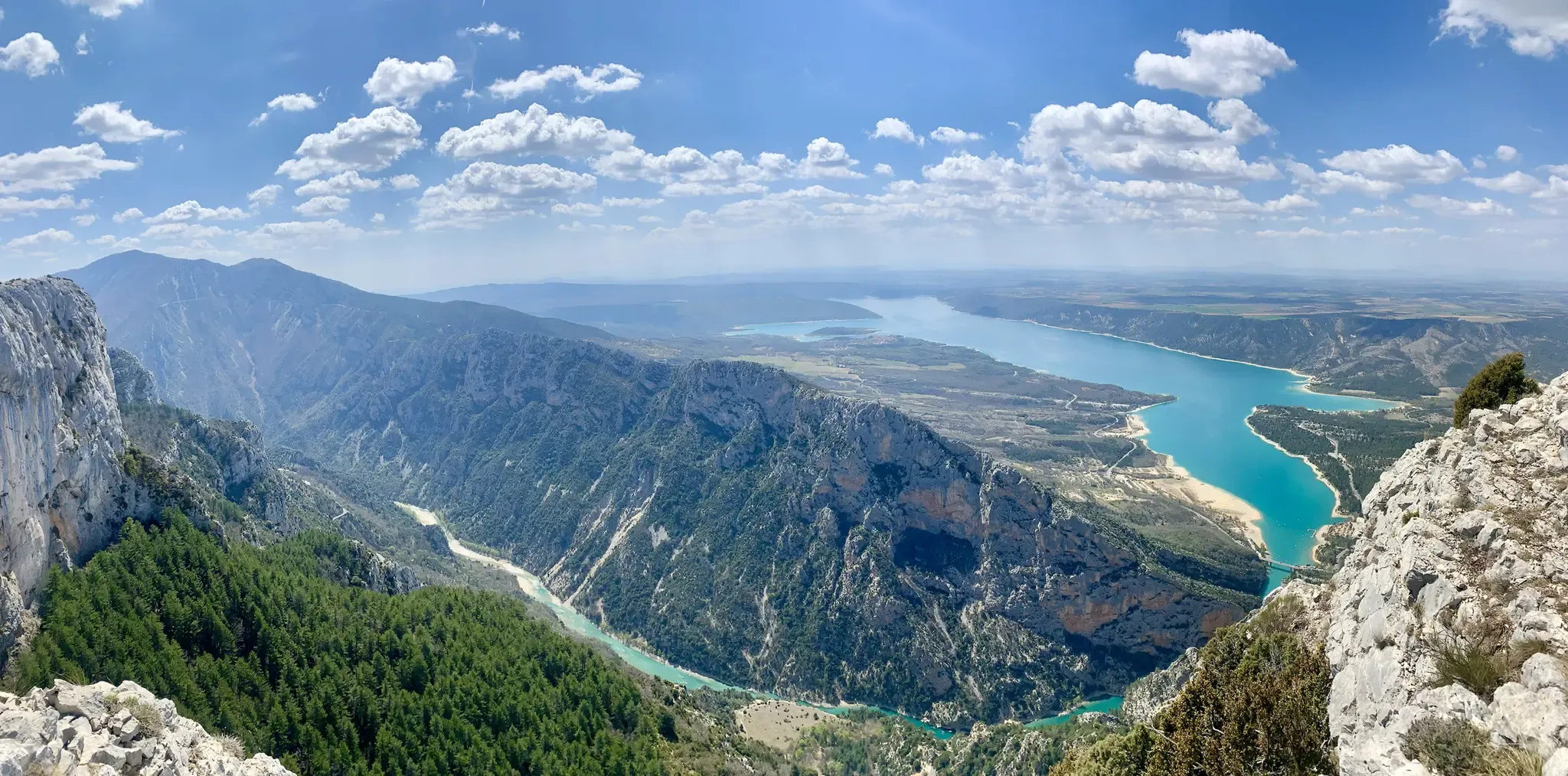
GR 4 – Crossing the south of France from Atlantic Coast to Provence
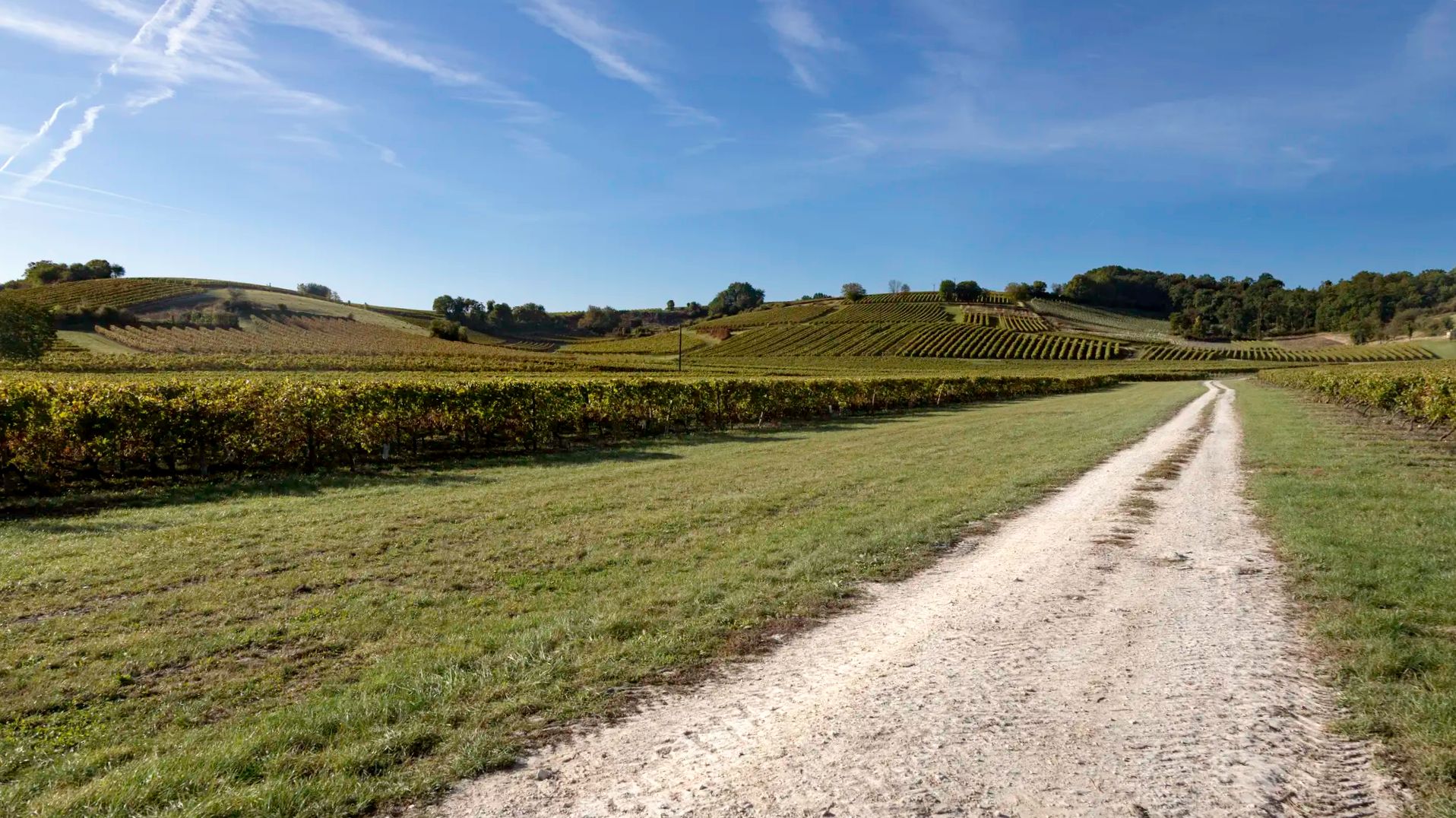
History and local produce – Tour de la Charente MTB
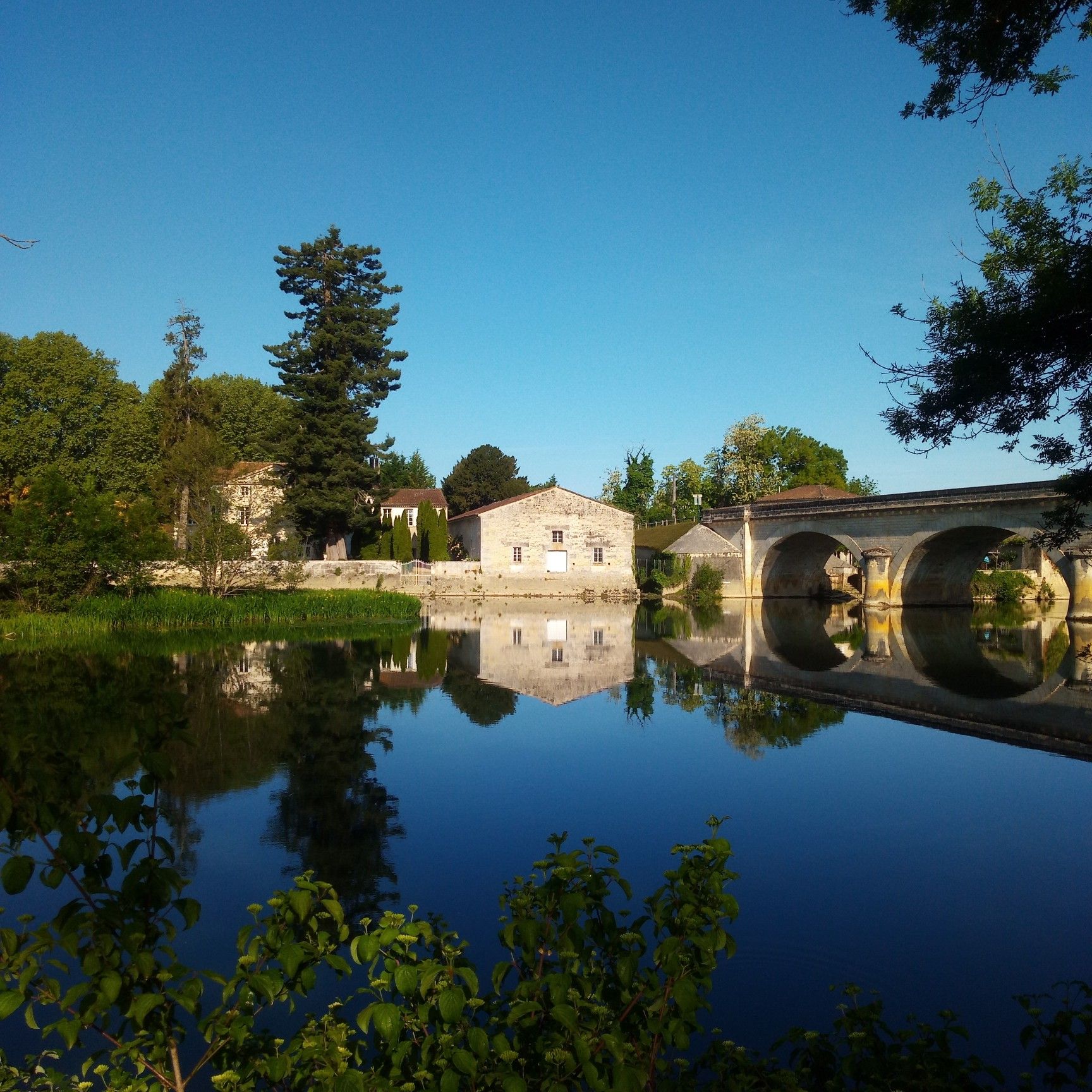
The Flow Vélo – a route that transports you
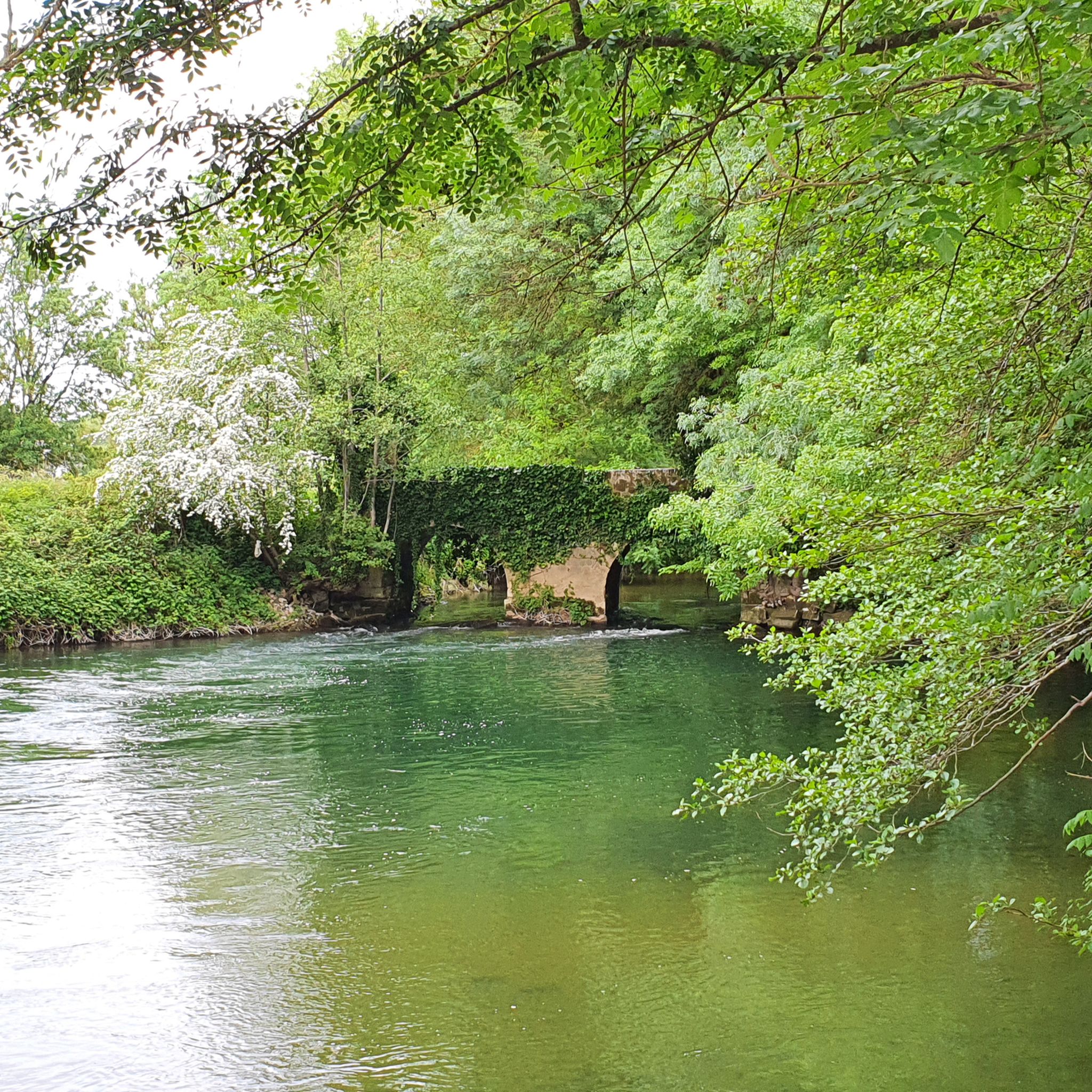
Hiking around Cognac
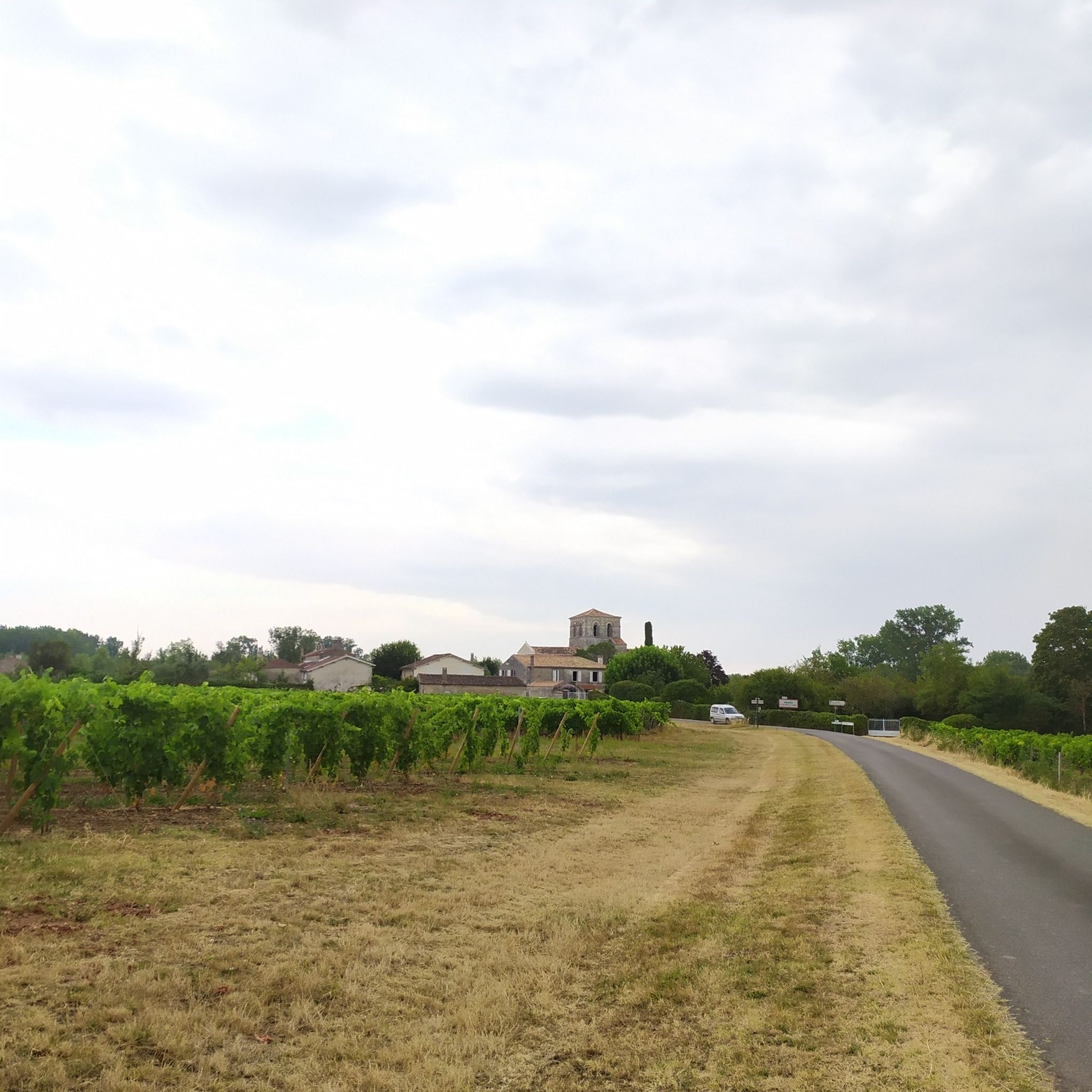
Cycling around Cognac
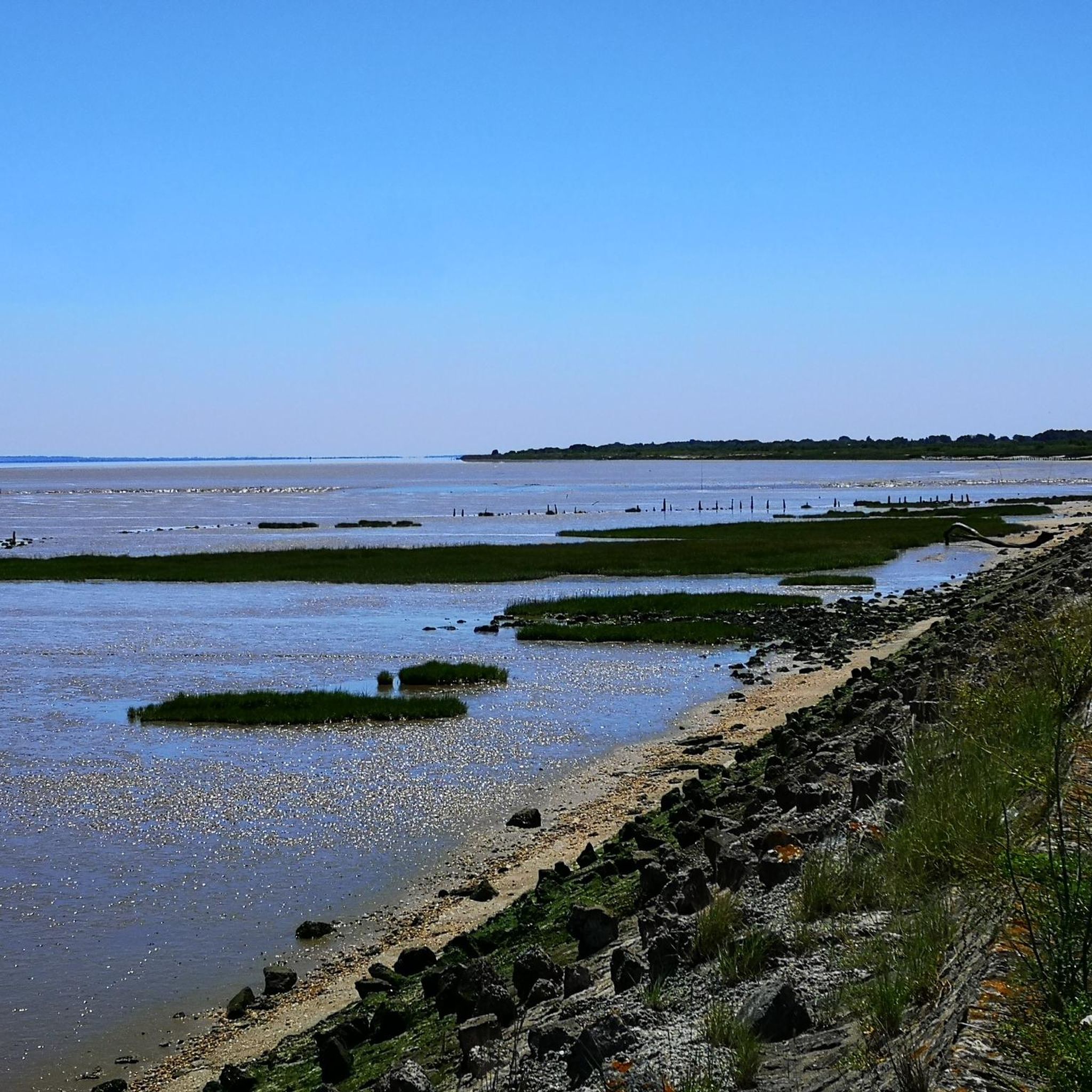
Running Trails around Cognac
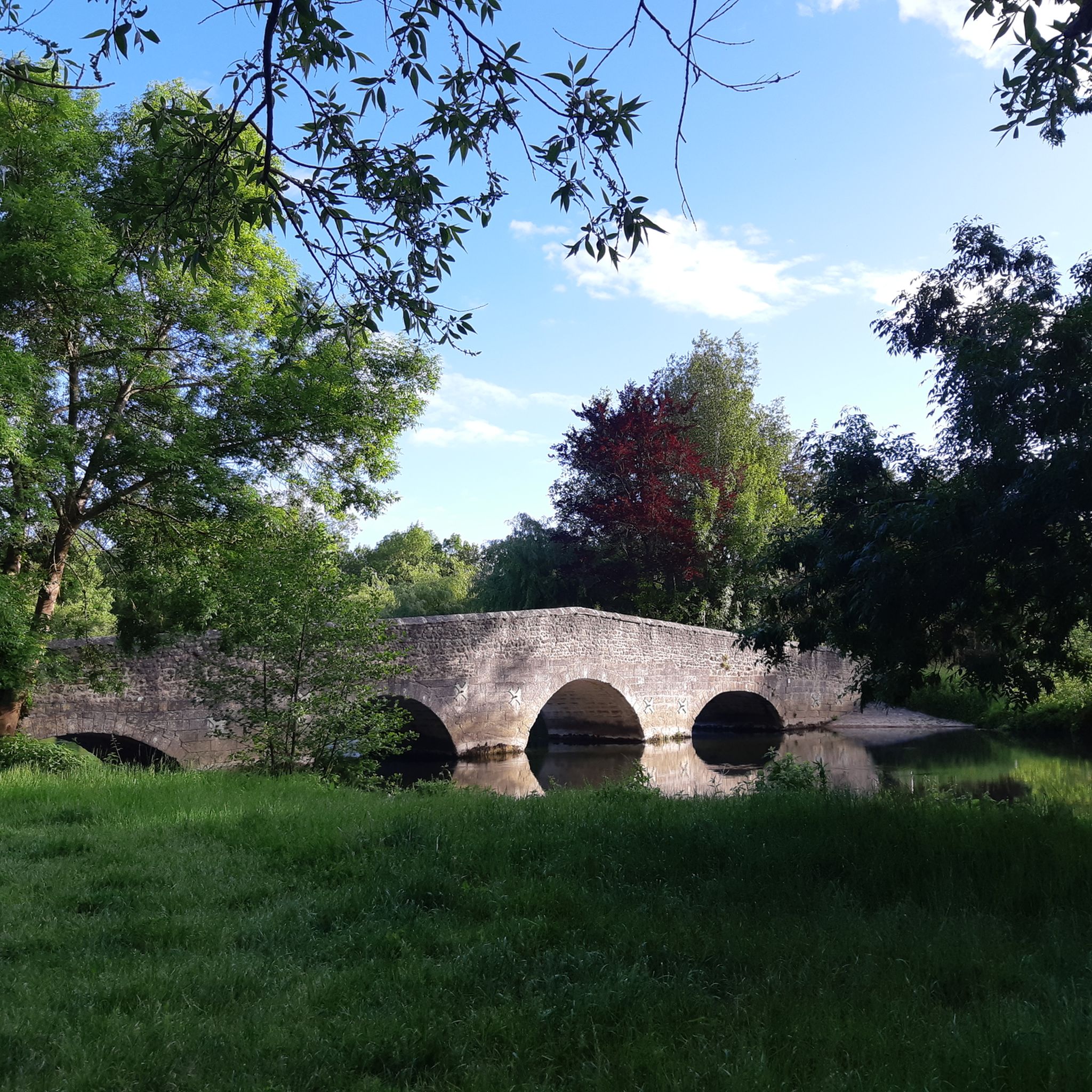
Road Cycling Routes around Cognac
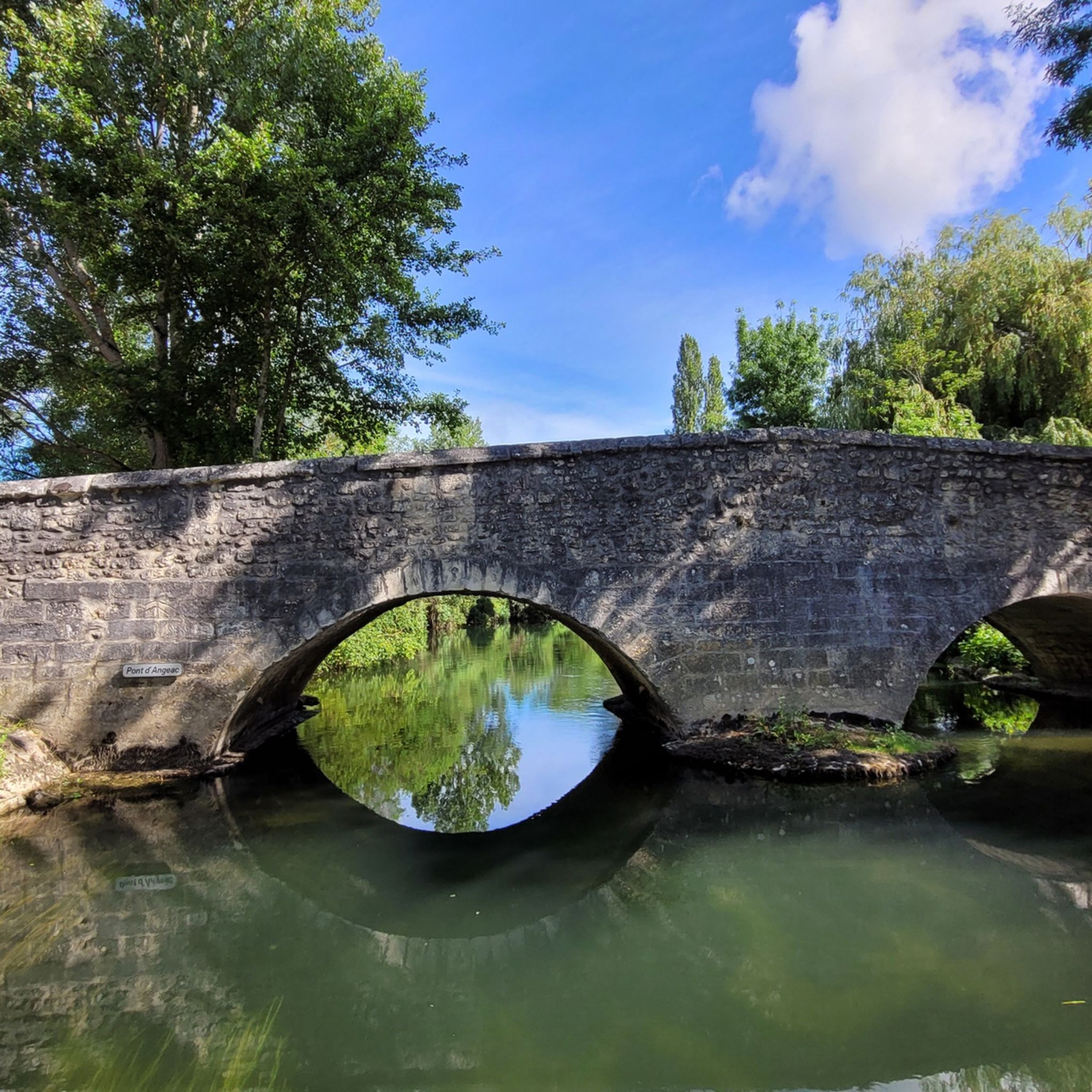
MTB Trails around Cognac

Gravel biking around Cognac
Other adventures around Cognac


Tips from the Community

Barbezieux-Saint-Hilaire, located in the heart of the small Champagne, has several advantages for the development of a framework for a pleasant and attractive living. The town has managed to preserve its architectural heritage, the two most important buildings erected such as the castle, which dates from the fifteenth century, and St. Mathias Church built in the eleventh century. The old center of Barbezieux is remarkable for the homogeneity of its building fabric, dating largely from the eighteenth century.
2
0

Is a beautiful building, where rooms are available for rent. Le Chatelard has five charming guest rooms, which immerse you in a rustic and relaxing atmosphere. In the morning, a hearty breakfast is served in the dining room.
0
0

The Giraud d'Anqueville, lords of Bois-Charente, built the castle in the 16th century. The main building has a 16th century tower and extensions dating from the 19th century. In 1680, the castle passed through marriage to François Goulard, lord of La Faye, and it became the property of Jean Thioulet, gentleman of the king, at the beginning of the 18th century. Bois-Charente belonged in 1900, at the beginning of the 20th century, to Jean Fougerat known as Élie, a wealthy owner and benefactor for the development of the Cognac vineyard. The Charente pharmacist and winegrower Jean Fougerat (1863-1932) made a fortune by exploiting several pharmaceutical specialties, in particular the famous Rami syrup to treat the bronchi. This bachelor amassed a "considerable fortune", part of his income came from the exploitation of large vineyards that he had acquired around Graves-Saint-amant, his native land. Indeed, after the phylloxera, in 1897, he replanted 350 hectares of vines on his land acquired in the communes of Graves (logis de Bois Charente), Champmillon (domaine de la Chapelle), Saint-Preuil, in 1897 and Lignières-Sonneville between 1898 and 1901. In 1906, he harvested 22,000 hl of wine and produced 3,000 hl of brandy. He developed the logis de Bois Charente and enlarged its park. He planted more than 500 different species there. He set up a wine station where, with his colleagues, he prepared future plantations and improved the distillation processes. In the absence of immediate outlets, he distilled and aged the eau-de-vie and built numerous ageing cellars in Champmillon, Saint-Preuil and Bourg-Charente. When he died, Fougerat donated his estate and his Bois-Charente manor to the city of Angoulême, the universal legatee. She set up an "Institut de la viticulture charentaise" there (soon renamed the "Bureau interprofessionnel du cognac" and repatriated to Cognac in the 1980s). The Manor was active until the early 1980s, then between 2003 and 2016 it became an educational center for young people in judicial protection. The educational support was based on a high-end application restaurant, with the preparation of CAP and BEP certificates as a key. In his will, Jean Fougerat also had an imposing monument erected in Bois-Charente to the glory of Charente viticulture and cognac. Created by the sculptors R. Lamour de dieu and Émile Peyronnet, the work represents "six figures engaged in viticultural work, in bronze bas-relief; a distillery is engraved in marble". Jean Fougerat gave his name to a street in Angoulême and to his foundation, based in Graves-Saint-Amant. The latter supported the Institute of Viticultural Research in 1936, then currently supports the educational center with the CCAS.
0
0

Le Châtelar is a castle which has been remodeled several times. The current buildings date from the end of the 19th century.
0
0
This Renaissance style building looks great with its white stones and slate roof. The castle is believed to have been built in the 16th century, but its exact origin is debated. It belongs to private people.
0
0
Chesnel Castle, which has the appearance of a fortified castle, is intriguing. However, the niches here have a purely decorative function. The architecture of this building, erected in 1610, is therefore rather original. You can visit the castle by making an appointment via this link: https://patrivia.net/visit/chateau-chesnel
0
0

Bourg-Charente castle is a 17th century mansion. Nestled on a rocky promontory, it is located a few kilometers from Cognac. It also houses the remains of a medieval fortress. Acquired in the 20th century, this château houses cellars for producing Grand Marnier. It can be visited from Monday to Friday from 8 a.m. to 5 p.m.
0
0

The ruins of Bouteville Castle were built around the year 1000 on the site of a Roman villa.
3
0
Frequently Asked Questions
What is the historical significance of castles in the Cognac region?
The castles around Cognac are deeply intertwined with French history and the legacy of cognac production. Many, like the Château de Cognac, have roots as ancient fortresses and evolved into stately homes, witnessing key historical events and architectural shifts from Gothic to Renaissance styles. Others, such as Château de Bouteville, stand on even older foundations, dating back to Roman villas.
Which castles offer insights into cognac production?
Several castles in the region provide a unique look into cognac production. The Château de Cognac, home to BARON OTARD and D'USSÉ cognacs, offers tours that delve into both history and cognac elaboration, including visits to its cellars. Bourg-Charente Castle houses cellars for Grand Marnier production. Additionally, Château de Beaulon and Château de Plassac are known for their traditional cognac and pineau des Charentes production, with tours often including vineyards, distilleries, and cellars.
Can I visit the Château de Cognac and what can I expect?
Yes, the Château de Cognac (also known as Château Royal de Cognac) is open for visitors. You can expect guided tours that explore its rich history, including its role as the birthplace of King François I, and its current function as a cognac house. Tours typically cover historic parts of the château and its cellars, often concluding with a cognac tasting. The 'Salle des États' and the Louise de Savoie Court are notable features. For current opening hours and booking, it's advisable to check their official website or resources like Angoulême Tourisme.
Are there family-friendly castles to visit around Cognac?
Yes, several castles in the Cognac region are suitable for family visits. Bourg-Charente Castle and Château de Chesnel are listed as family-friendly. Exploring the grounds, learning about history, and in some cases, enjoying the surrounding nature can be engaging for all ages.
Are there hiking trails near the castles around Cognac?
Yes, the Cognac region offers various hiking opportunities, some of which pass by or are near historical sites. You can find several routes in the Hiking around Cognac guide, including the 'Bourg-Charente – loop' and 'Bouteville – loop', which allow you to explore the areas around these castles on foot.
What other outdoor activities can I do near these castles?
Beyond hiking, the region around Cognac's castles is excellent for other outdoor pursuits. You can explore running trails, such as the 'Touvérac Quarries Trail' or the 'Circuit des Coteaux', detailed in the Running Trails around Cognac guide. For cycling enthusiasts, there are gravel biking routes like the 'Saint-Brice Castle – The Jarnac Quays loop' available in the Gravel biking around Cognac guide.
Which castles showcase unique architectural styles?
The Cognac region boasts castles with diverse architectural styles. Château de Beaulon beautifully blends flamboyant Gothic with classical Renaissance elements. Gademoulin Castle in Gensac-la-Pallue is a notable example of 19th-century Neo-Gothic construction, built on the remains of an older medieval castle. The Château de Cognac itself displays a mix of Gothic and Renaissance influences.
What is the best time of year to visit castles around Cognac?
The spring (April to June) and early autumn (September to October) are generally considered the best times to visit the castles around Cognac. During these periods, the weather is typically pleasant for exploring, and the vineyards are either blooming or showcasing their autumn colors, adding to the scenic beauty. Summer can also be lovely, but it tends to be warmer and more crowded.
Are there any castles owned by famous cognac families?
Yes, several castles in the region have strong ties to prominent cognac families. Saint-Brice Castle has been owned by the Hennessy Cognac family since 1906. As mentioned, the Château de Cognac is home to BARON OTARD and D'USSÉ cognacs, and Bourg-Charente Castle houses the cellars for Grand Marnier production.
Can I find scenic viewpoints near historical sites in Cognac?
Yes, the region offers scenic viewpoints, often from the castles themselves or nearby. For instance, Château de Bouteville, situated on a rocky promontory, offers an imposing view dominating the Charente valley. The Château de Cognac, overlooking the Charente river, also provides picturesque views of the waterway and surrounding town.
Are there any lesser-known or 'hidden gem' castles to visit?
While the main castles are well-known, exploring some of the smaller or less frequently highlighted sites can offer a unique experience. Castles like Château le Châtelar in Passirac or Château de Montchaude, though less detailed in visitor information, contribute to the region's rich historical tapestry and might offer a quieter visit.
Most popular routes around Cognac
Most popular attractions around Cognac

Get inspired with the komoot mobile app


Didn’t find what you were looking for?
Explore Cognac’s best castles region by region:
Explore more
Looking for the best castles somewhere else? Discover other guides around Cognac:
