Attractions and Places To See around San Martín De La Vega - Top 20
Best attractions and places to see around San Martín De La Vega include a blend of historical landmarks, diverse natural landscapes, and modern entertainment. Situated in the Community of Madrid, the region features the Jarama River and a significant portion of the Sureste Regional Park. Visitors can explore archaeological sites spanning various historical periods and natural reserves like Campillo Lagoon. The area offers a variety of picturesque landscapes, from riverine areas to pine forests.
Best attractions and places to see…
Last updated: July 20, 2026
Campillo Lagoon
Highlight • Lake
Translated by Google •
Tip by

Camino de Uclés marker on the Manzanares River
Highlight • Monument
Translated by Google •
Tip by

Sign up now to discover places like this
Get recommendations on the best single tracks, peaks, & plenty of other exciting outdoor places.
Sign up for free
La Poveda Railway Bridge
Highlight • Bridge
Translated by Google •
Tip by

Titulcia Main Square
Highlight • Settlement
Translated by Google •
Tip by

Cornicabra Station and Quarries
Highlight • Historical Site
Translated by Google •
Tip by

Sign up for free to discover even more attractions around San Martín De La Vega.
Sign up for free
Already have an account?
Start today with a free account
Your next adventure awaits.
Login or Signup
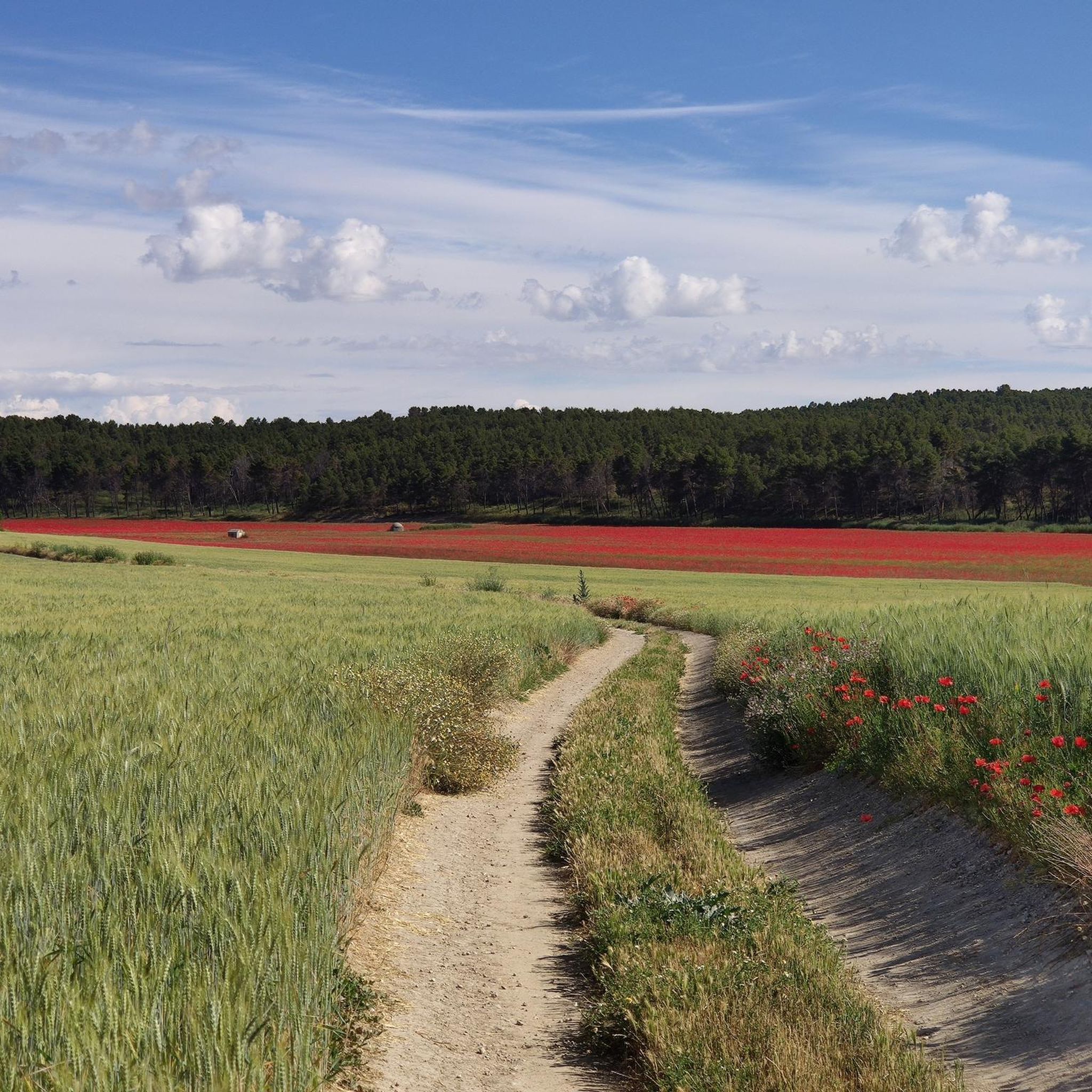
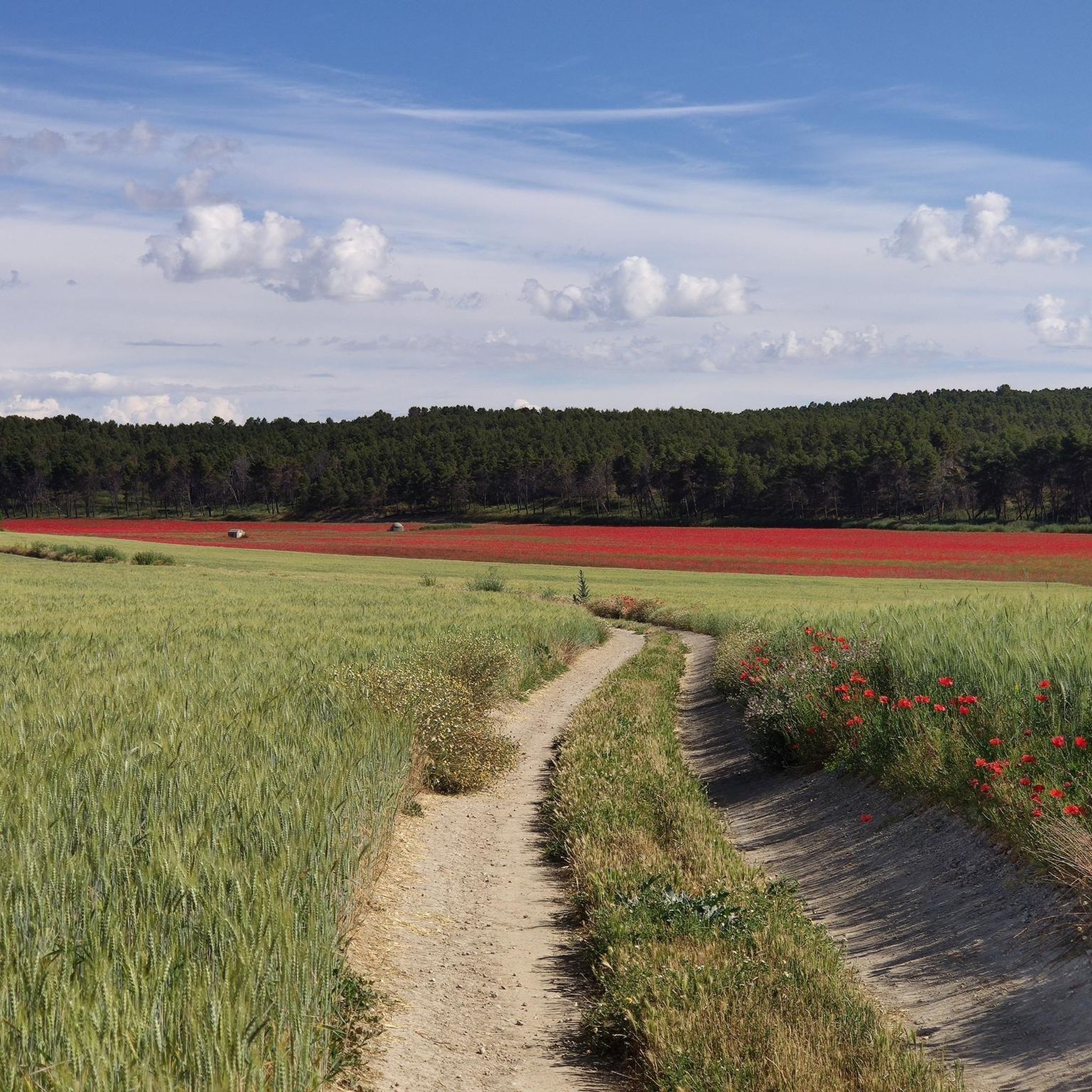
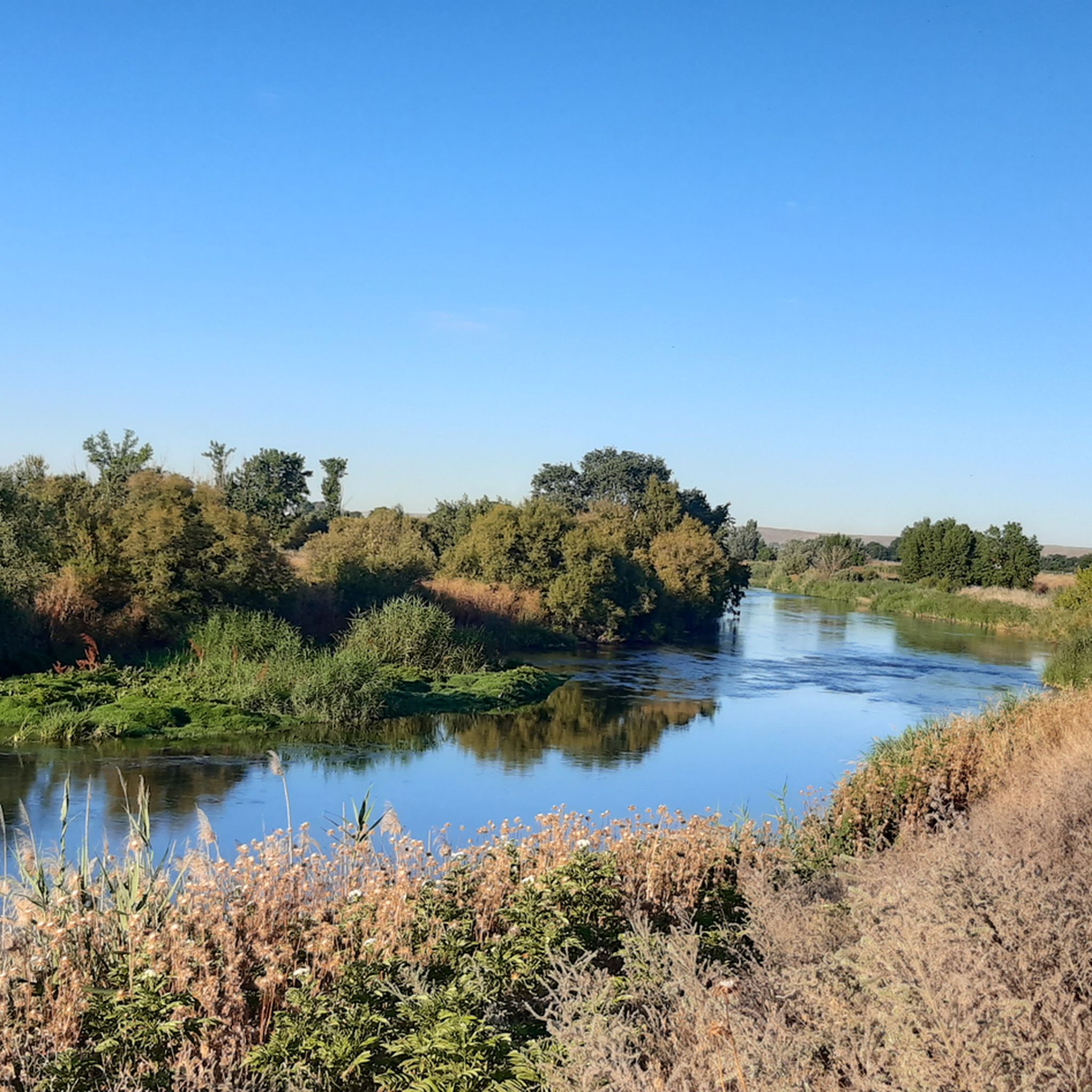
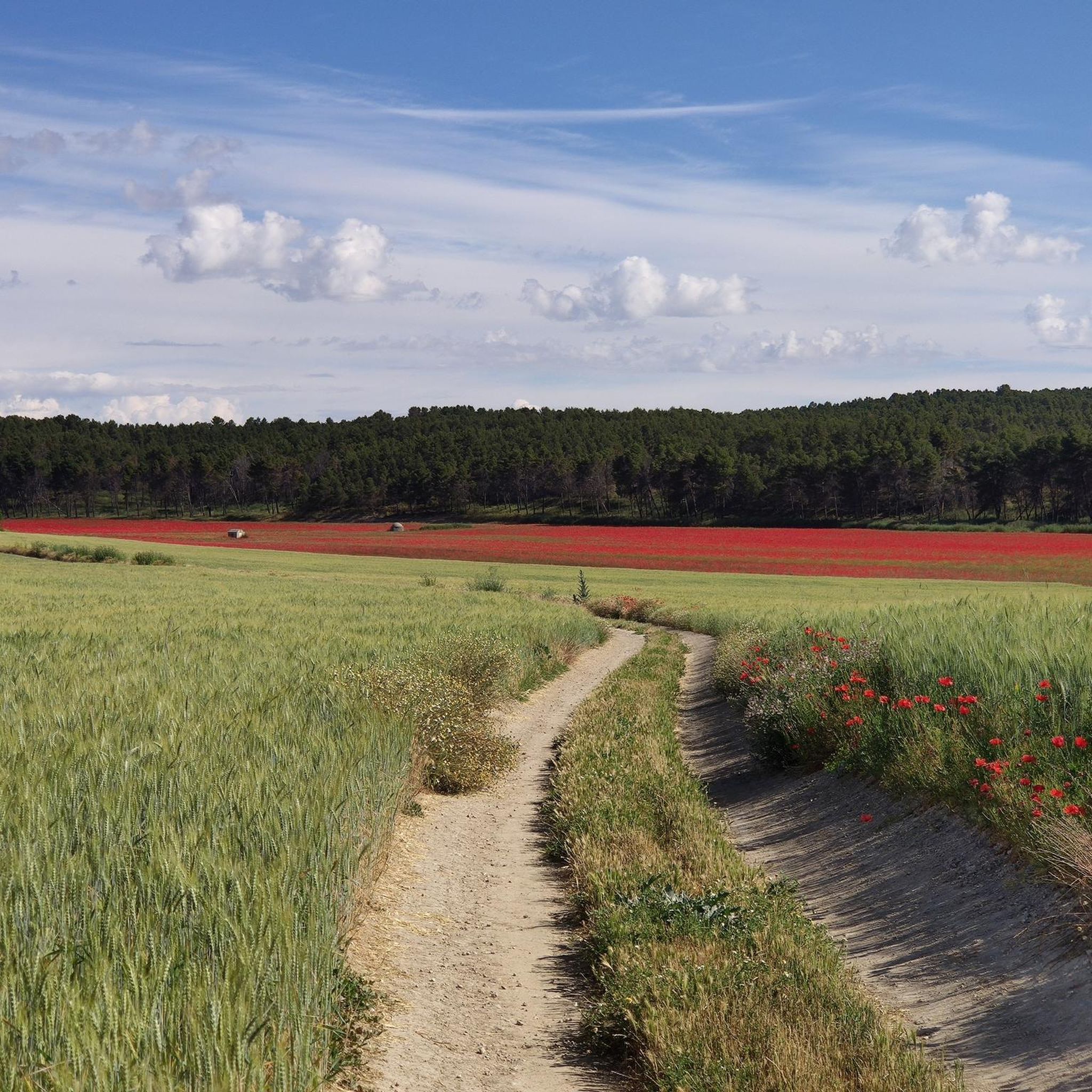

Tips from the Community

This lagoon is artificial, created from the extraction of aggregates in the Jarama River basin during the 1960s and 1970s. It is an ideal place to enjoy nature, hike, or cycle. The lagoon's perimeter measures approximately 5.5 km, and its average depth is 6 meters, although in some areas it can reach 20 meters. It also has a natural resources interpretation center that organizes workshops and educational activities.
2
0
The Campillo Lagoon is located in Rivas Vaciamadrid, within the Southeast Regional Park, about 20 km from Madrid. It is a protected natural area, ideal for peaceful walks and outdoor activities. Origin: Artificial, formed in the 1960s and 70s after the extraction of aggregates in the Jarama River basin. Water from the aquifer filled the excavations and over time became a wetland with great biodiversity.
2
0
The Old Cornicabra Station is a site steeped in railway history located in Morata de Tajuña, in the Community of Madrid. Cornicabra Station was a railway siding that formed part of the Tajuña Railway, a narrow-gauge line connecting Madrid with the Tajuña Valley and the Alcarria region. This railway was crucial for the transport of goods and people in the area during the 20th century. Today, the station is disused, but it is located next to the Tajuña River Greenway, a natural and tourist route that utilizes the old railway line. It is an interesting place for: Walking or cycling Photographing industrial heritage Connecting with nature and local history
1
0
The Old Cornicabra Station is a site steeped in railway history located in Morata de Tajuña, in the Community of Madrid. Cornicabra Station was a railway siding that formed part of the Tajuña Railway, a narrow-gauge line connecting Madrid with the Tajuña Valley and the Alcarria region. This railway was crucial for the transport of goods and people in the area during the 20th century. Today, the station is disused, but it is located next to the Tajuña River Greenway, a natural and tourist route that utilizes the old railway line. It is an interesting place for: Walking or cycling Photography of industrial heritage Connecting with nature and local history
1
0

Several pleasant breakfast bars, a good option for bikers or cyclists, and the old iron bridge over the Jarama is beautiful...
0
0

Short but tough ramp to climb to this viewpoint
1
0

The bridge is now reopened and restored
0
0

It is a very nice area going down the greenway
1
0
Frequently Asked Questions
What natural features can I explore around San Martín De La Vega?
San Martín De La Vega is rich in natural beauty, with a significant portion lying within the Sureste Regional Park. You can explore the meandriform course of the Jarama River, visit the Campillo Lagoon, a valuable natural reserve perfect for bird watching and tranquil walks. Other notable natural spots include the Bolitas del Airón Natural Park, Presa del Rey for scenic views and cycling, and Lagunas Las Madres, ideal for family outings with picnic areas.
Are there any historical or cultural sites to visit in San Martín De La Vega?
Yes, the region offers several historical and cultural sites. The 16th-century Parish Church of the Nativity of Our Lady is a significant landmark. You can also see the Town Hall Building, which incorporates the old hermitage of San Martín, and the House-Palace of Gózquez de Arriba. For a glimpse into the past, explore archaeological sites along the Jarama River, or visit the restored La Poveda Railway Bridge, which now facilitates pedestrian and cyclist access.
What family-friendly activities are available in San Martín De La Vega?
Families will find plenty to do. A major attraction is Parque Warner Madrid, offering a wide array of rides and shows for all ages. The Campillo Lagoon is great for children, with viewpoints for bird watching and a track around its perimeter. Lagunas Las Madres provides a serene natural space with picnic areas, boating, and horseback riding, making it perfect for family outings.
What cycling routes are available near San Martín De La Vega attractions?
There are numerous cycling opportunities around San Martín De La Vega. You can find various routes for road cycling, mountain biking, and touring. For example, you can explore routes like the 'Chinchón Loop' for road cycling or the 'Laguna del Campillo – Jarama River Irrigation Canal loop' for mountain biking. Discover more options on the dedicated cycling guides: Road Cycling Routes, MTB Trails, and Cycling around San Martín De La Vega.
Are there any unique historical landmarks related to old railways?
Yes, the region has interesting sites related to its railway history. The La Poveda Railway Bridge, originally destroyed during the civil war and rebuilt, now supports a tourist railway and is accessible for pedestrians and cyclists. Additionally, the Cornicabra Station and Quarries are ruins of an old train stop where lime and rocks from nearby quarries were loaded, offering a curious glimpse into industrial heritage.
What do visitors enjoy most about the attractions in San Martín De La Vega?
Visitors particularly appreciate the blend of natural beauty and historical significance. The Campillo Lagoon is often described as a 'small natural paradise' for its riverside flora and numerous birds. The landmarks of the Camino de Uclés, such as the Camino de Uclés marker on the Manzanares River, are valued for their historical context and the passion of their rediscoverer. The charm of villages like Titulcia Main Square is also frequently highlighted by visitors.
Are there any archaeological sites in the area?
Yes, San Martín De La Vega is home to several archaeological sites. These include Las Cañadillas and two locations along the Jarama River. These sites contain vestiges spanning from the Lower Paleolithic period through the Visigothic and even the Muslim eras, offering a rich historical journey for researchers and history enthusiasts.
Can I find places for tranquil walks and bird watching?
Absolutely. The Campillo Lagoon, located within the Sureste Regional Park, is an excellent spot for tranquil walks. It features viewpoints specifically designed for bird watching, allowing you to observe the diverse waterfowl and lake ecosystems that thrive there. The entire Sureste Regional Park offers numerous opportunities for peaceful exploration amidst nature.
What kind of landscapes can I expect to see in San Martín De La Vega?
The municipality is characterized by a variety of picturesque landscapes. You can expect to see diverse scenery including riverine areas along the Jarama, groves of holm oaks and kermes oaks, irrigated agricultural lands, drylands, and pine forests. This rich mix contributes to the high scenic quality of the region, offering varied backdrops for outdoor activities.
Is there a main square or central point of interest in the local towns?
Yes, many towns in the region have charming central squares. For instance, the Titulcia Main Square is a very nice village square, often highlighted by visitors as a good spot for a snack break. The current Town Hall building in San Martín De La Vega is also situated in the expansive Plaza de la Constitución, serving as a central point.
Are there any attractions related to the Camino de Santiago?
While not directly on the main Camino de Santiago, the region features landmarks related to the recently rediscovered Camino de Uclés, a Jacobean route. You can find the Camino de Uclés marker on the Manzanares River, characterized by the cross of Santiago and red arrows, which are part of the signs created by its rediscoverer, Manuel Rossi.
Most popular routes around San Martín De La Vega
Most popular attractions around San Martín De La Vega

Get inspired with the komoot mobile app


Explore more
Still not found the Highlight you’re looking for? See guides of the top attractions in other regions:
