The best running trails around Monflorite-Lascasas
4.6
(7)
1,610
runners
126
runs
Jogging routes around Monflorite-Lascasas traverse a diverse landscape within the Hoya de Huesca region, transitioning between pre-Pyrenean mountains and the Ebro river valley. The area features varied terrain, from flatter paths suitable for all fitness levels to more challenging routes with significant elevation changes. Runners can experience geological formations, river valleys, and a mix of flora including holm oaks, pines, and cereal fields. This network of trails provides a constantly changing backdrop for outdoor exercise.
Best jogging routes around Monflorite-Lascasas
…Last updated: July 12, 2026
37
runners
17.9km
01:52
80m
80m
Hard run. Very good fitness required. Mostly paved surfaces. Suitable for all skill levels.
25
runners
16.5km
01:46
160m
160m
Hard run. Very good fitness required. Mostly paved surfaces. Suitable for all skill levels.

Sign up for free
24
runners
14.6km
01:33
70m
70m
Moderate run. Good fitness required. Mostly paved surfaces. Suitable for all skill levels.
18
runners
22.3km
02:23
240m
240m
Hard run. Very good fitness required. Mostly paved surfaces. Suitable for all skill levels.
15
runners
16.1km
01:41
90m
90m
Hard run. Very good fitness required. Mostly paved surfaces. Suitable for all skill levels.
Get access to more routes and recommendations from other explorers.
Sign up for free
Already have an account?
Our route recommendations are based on thousands of hikes, rides, and runs completed by other people on komoot.
Start today with a free account
Your next adventure awaits.
Login or Signup

Tips from the Community


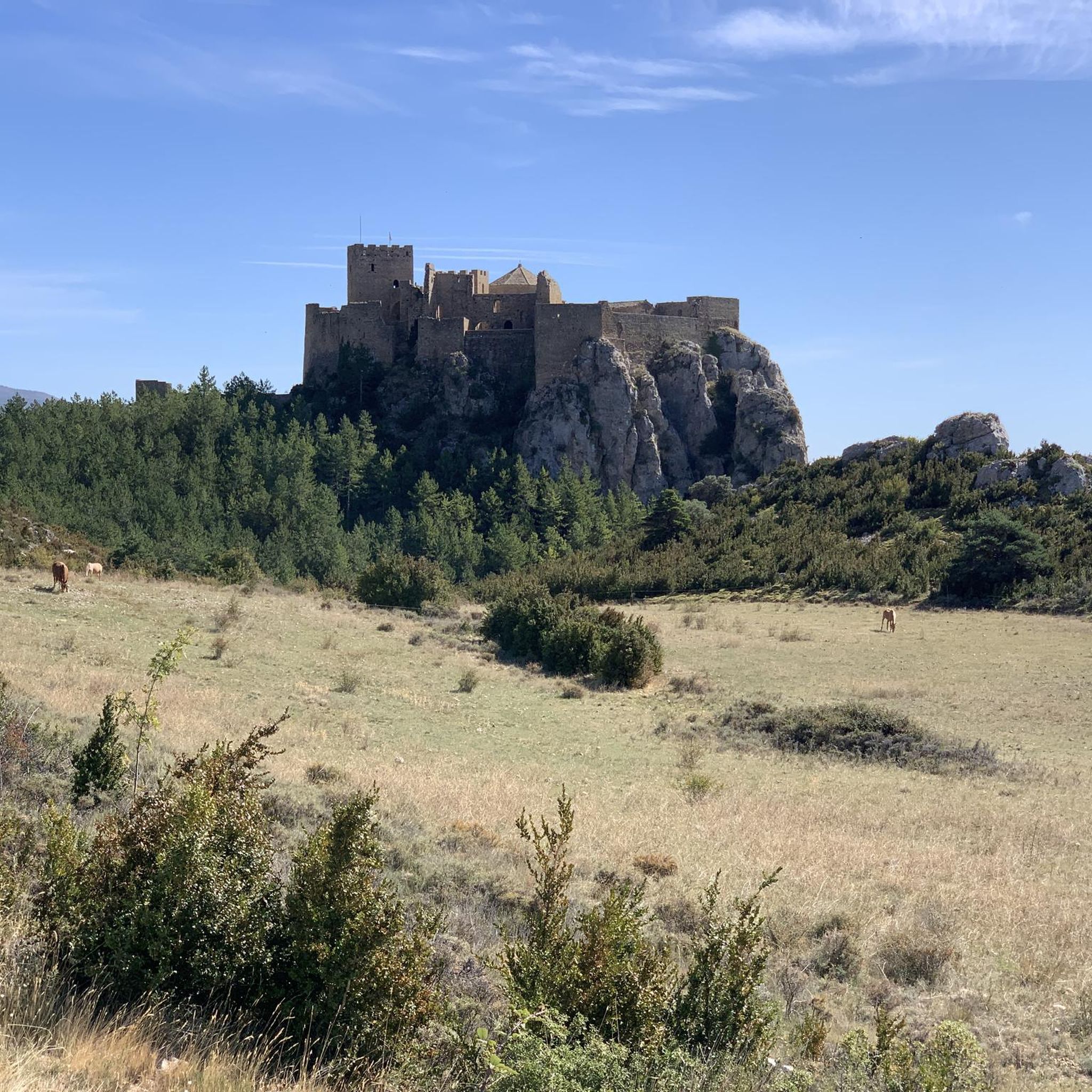
Really beautiful castle in the middle of a semi arid landscape with perfect gravel roads. Surprisingly empty!
1
0

This town in the region of Hoya de Huesca in the community of Aragón appears mentioned for the first time in 1104, in a concord between the bishop of Huesca and the abbot of Montearagón. Its origin is Roman, a link that still survives in the tradition of the "vote", which unites Alerre with six other towns that surround Huesca and form the "Seven Places". This historical community was united by the promise of a vote destined to ask for the holy protection of a saint, Lorenzo, son of two Roman subjects who lived in a Roman settlement near present-day Huesca, and who was martyred in Rome. Alerre has an interesting costume and footwear museum, located in the keep, next to the town hall, and which collects more than 3,000 pieces from all over the world, donated by the Scottish diplomat of Spanish origin Tomás Moyano.
1
0
Founded and built by Sancho Ramírez of Aragón in Romanesque style in the 11th and 12th centuries, Montearagón Castle was a fortified complex that included military housing, a church and a royal monastery. It is located on a strategic promontory in the Huesca town of Quicena, in the Hoya de Huesca region, Aragon. Although its military function ended with the taking of Huesca and the end of the Spanish-Arab wars, it continued to house the canonical abbey under the name of the Abbey of Jesús de Nazaret de Montearagón. Several Aragonese kings were buried in the castle in addition to its founder, Sancho Ramírez of Aragón.
2
0
And you can't enter with your dog
0
1

Montearagón Castle is an abandoned castle-abbey located in the municipality of Quicena, in the province of Huesca. It was strategically built in 1085 by Sanç I of Aragon and Pamplona to help in the conquest of Washka (Husca) in the Taifa of Zaragoza.
1
0
Huesca is the capital of one of the three Aragonese provinces, Huesca. the city, with a very large old town, a set of well-known architectural elements appear: the museum, the cathedral or the monastery are the case. Also the Plaça de Toros or the Plaça de D. Luis López Allué.
0
0
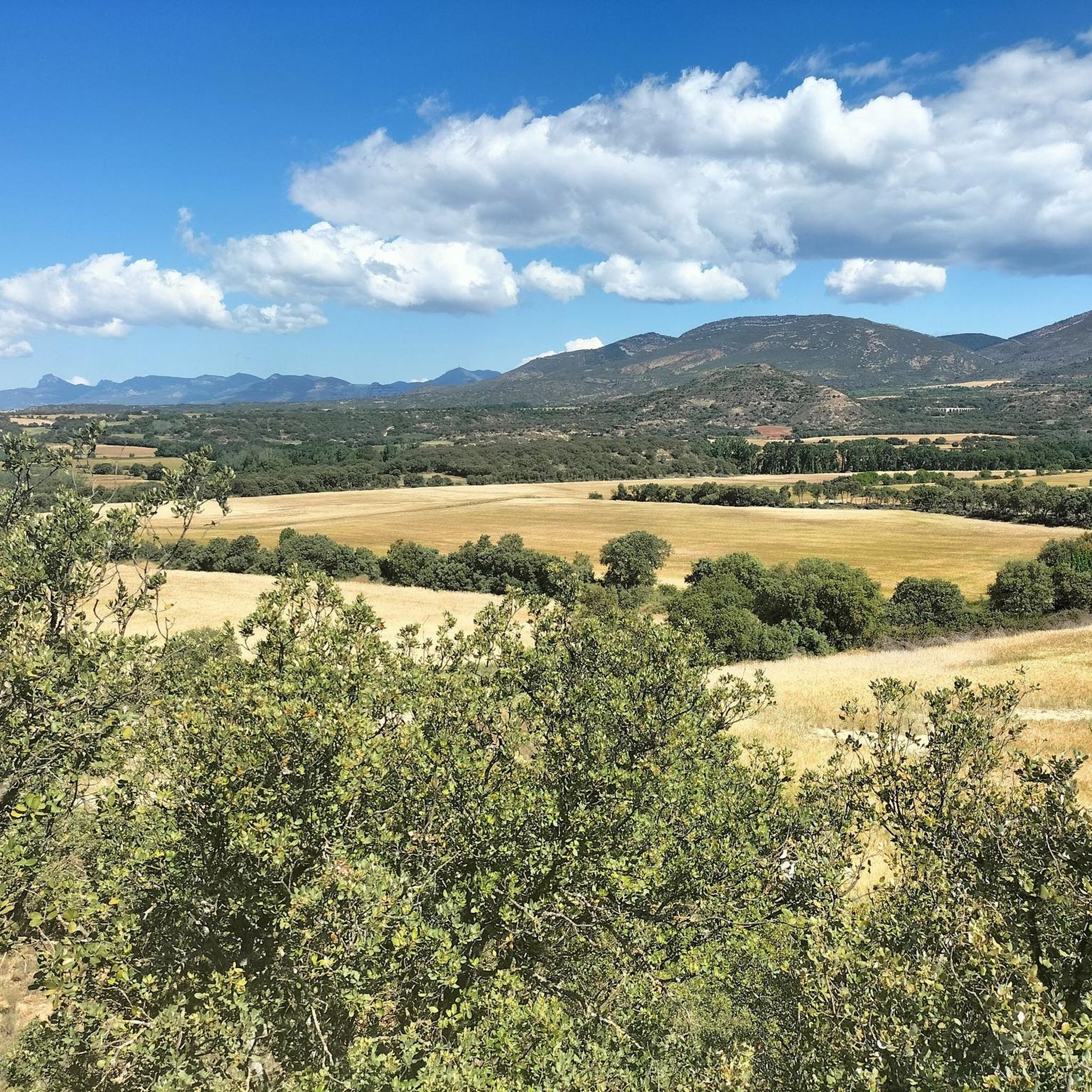
Alerre is one of the localities found within the Hoya d'Osca, at its north-west end. The population is small and in the background, you can see the first pre-Pyrenean mountains.
0
0
Frequently Asked Questions
How many running routes are available around Monflorite-Lascasas?
There are over 120 dedicated running routes around Monflorite-Lascasas, catering to various fitness levels. You'll find a good mix of easy, moderate, and challenging trails to explore.
What kind of terrain can I expect on the jogging trails in Monflorite-Lascasas?
The terrain is quite diverse, reflecting the region's position between the pre-Pyrenean mountains and the Ebro river valley. You can expect everything from flatter paths through cereal fields and orchards to more challenging routes with significant elevation changes, often traversing varied environments with holm oaks and pines.
Are there any easy running routes suitable for beginners in Monflorite-Lascasas?
Yes, Monflorite-Lascasas offers several easy running routes. Many trails are designed with gentler gradients, making them suitable for beginners or those looking for a more relaxed run. Look for paths that stick to the flatter areas of the Hoya de Huesca region.
Can I find circular running routes in the Monflorite-Lascasas area?
Absolutely. Many of the running routes around Monflorite-Lascasas are designed as loops, allowing you to start and finish at the same point. For example, the Ermita de Salas loop from Huesca is a popular moderate option, and the Parque Miguel Servet – Alberca de Loreto loop from Huesca offers another moderate circular experience.
What historical landmarks or natural attractions can I see while running in Monflorite-Lascasas?
The region is rich in both natural beauty and historical sites. You can incorporate runs that pass by impressive geological formations like the Mallos of Riglos (in the wider Hoya de Huesca). For historical interest, consider routes that offer views of the imposing Montearagón Castle or the Huesca Cathedral. The Trenches Route also provides a unique historical path.
Are there any running routes that pass through parks or green spaces?
Yes, several routes connect with or pass through local green spaces. For instance, the Plaza de Luis López Allué – Parque Miguel Servet loop from Huesca integrates urban parks into a longer running experience, offering a pleasant mix of scenery. The Parque Miguel Servet itself is a notable green area.
What do other runners say about the trails in Monflorite-Lascasas?
The running routes in Monflorite-Lascasas are highly rated by the komoot community, with an average score of 4.6 stars. Runners often praise the diverse landscapes, the mix of challenging and leisurely options, and the opportunity to combine physical activity with scenic and historical exploration.
Are the running trails in Monflorite-Lascasas suitable for families?
Yes, many of the flatter and easier paths are suitable for families. The varied terrain means you can choose routes that are less strenuous and offer pleasant, accessible environments for a family jog or walk, especially those that traverse cereal fields or pass through local parks.
Can I bring my dog on the running trails around Monflorite-Lascasas?
Many trails in the Monflorite-Lascasas area are dog-friendly, especially those in natural environments away from urban centers. It's always advisable to keep your dog on a leash and ensure you clean up after them to maintain the natural beauty of the paths for everyone.
What is the best season for running in Monflorite-Lascasas?
The diverse climate of the Hoya de Huesca region means that spring and autumn generally offer the most pleasant running conditions with mild temperatures and vibrant scenery. Summer can be warm, so early morning or late evening runs are recommended, while winter offers crisp air, though some higher elevation paths might be cooler.
Are there any challenging running routes for experienced runners?
Yes, for experienced runners seeking a challenge, Monflorite-Lascasas and the surrounding Hoya de Huesca region offer routes with significant elevation gains. Examples include the Montearagón Castle – Huesca Cathedral loop from Huesca or the longer Parque Miguel Servet – Plaza de Luis López Allué loop from Huesca, both classified as difficult due to their distance and elevation.
Is public transport available to access the running trails?
While Monflorite-Lascasas itself is a smaller locality, many routes start from nearby Huesca, which has better public transport connections. From Huesca, you can often access trailheads or areas that link to the broader network of running paths in the region.
Most popular routes around Monflorite-Lascasas
Most popular attractions around Monflorite-Lascasas

Get inspired with the komoot mobile app


Explore more
Browse the best Running Trails & Routes in other regions.
