Attractions and Places To See around Siétamo - Top 20
Best attractions and places to see around Siétamo include a blend of historical landmarks and natural features within the Hoya de Huesca region of Aragon, Spain. The municipality, with Roman origins, is situated on a gentle hill near the Guatizalema River. Visitors can explore a variety of sites, from ancient castles to natural water formations. The area offers diverse points of interest for those seeking historical insights and natural landscapes.
Best attractions and places to see around Siétamo
- The most…
Last updated: May 9, 2026
Salto de Bierge
Highlight • Waterfall
Translated by Google •
Tip by

Montearagón Castle
Highlight • Castle
Translated by Google •
Tip by

Sign up now to discover places like this
Get recommendations on the best single tracks, peaks, & plenty of other exciting outdoor places.
Sign up for free
Esconjuradero of Morrano
Highlight • Religious Site
Translated by Google •
Tip by

Vadiello Dam
Highlight • Lake
Translated by Google •
Tip by
Arab Wall of Huesca
Highlight • Historical Site
Translated by Google •
Tip by
Sign up for free to discover even more attractions around Siétamo.
Sign up for free
Already have an account?
Start today with a free account
Your next adventure awaits.
Login or Signup

Tips from the Community

A beautiful waterfall. The experience is worth it: there are picnic tables and restaurants nearby. Access to the "area" costs €3 as of July 2025. With this ticket, you have access to the entire riverbank. It's recommended to wear a swimsuit, since to access the area, you have to cross the (very cold) river. There are restrooms that can be used as changing rooms before crossing the river. Once you've crossed, you can settle down wherever you like and take a dip. At the first corner of the river, you can jump from a safe rock. A place for teenagers. You can go upstream as far as you want.
2
1

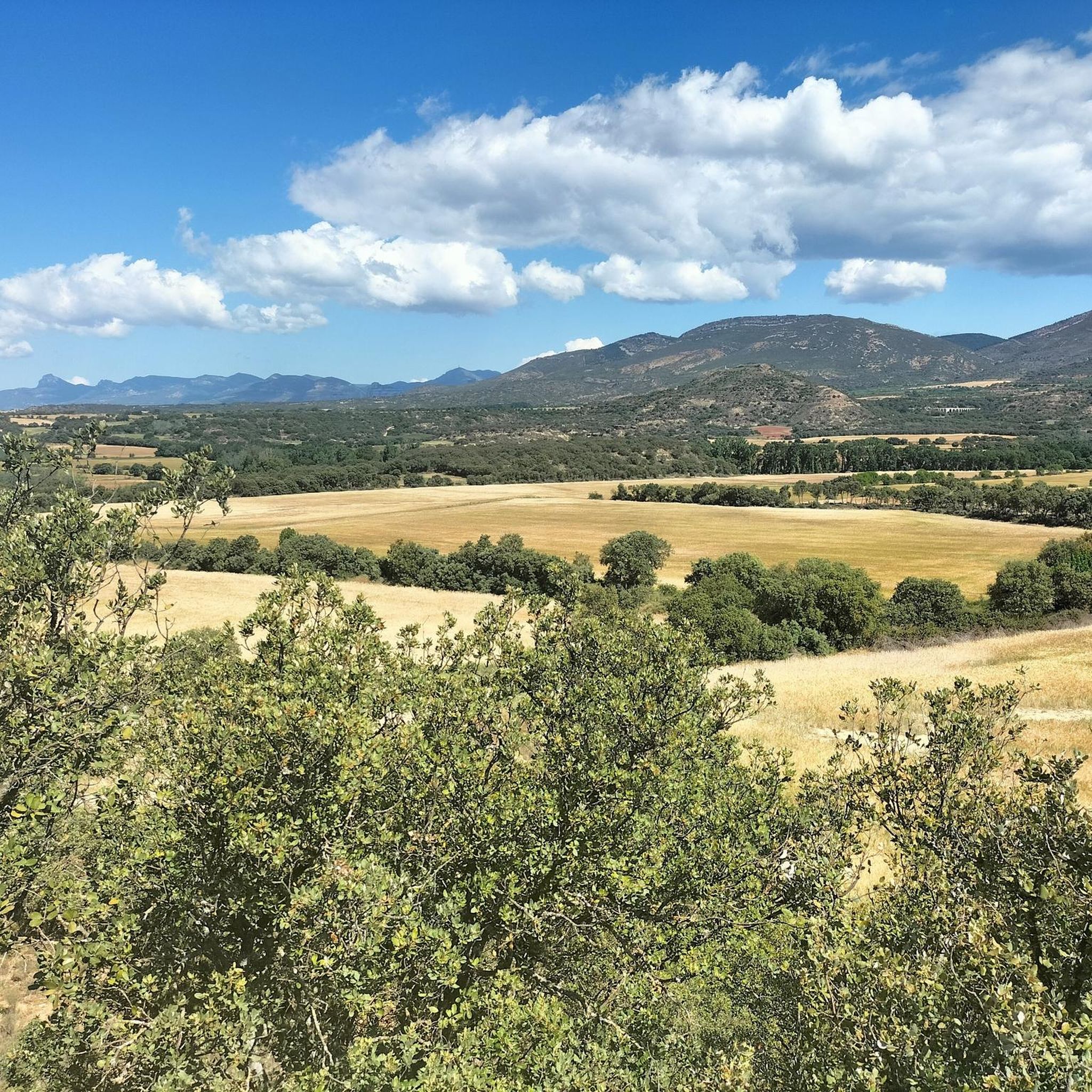
Really beautiful castle in the middle of a semi arid landscape with perfect gravel roads. Surprisingly empty!
1
0

Founded and built by Sancho Ramírez of Aragón in Romanesque style in the 11th and 12th centuries, Montearagón Castle was a fortified complex that included military housing, a church and a royal monastery. It is located on a strategic promontory in the Huesca town of Quicena, in the Hoya de Huesca region, Aragon. Although its military function ended with the taking of Huesca and the end of the Spanish-Arab wars, it continued to house the canonical abbey under the name of the Abbey of Jesús de Nazaret de Montearagón. Several Aragonese kings were buried in the castle in addition to its founder, Sancho Ramírez of Aragón.
2
0

The conjuraderos are small religious constructions typical of Aragon where, in the past, the priests of the towns officiated ceremonies to ward off storms or evil spirits. Currently, they are curious shady buildings very well located in natural spaces.
0
0

Montearagón Castle is an abandoned castle-abbey located in the municipality of Quicena, in the province of Huesca. It was strategically built in 1085 by Sanç I of Aragon and Pamplona to help in the conquest of Washka (Husca) in the Taifa of Zaragoza.
1
0

In places like this, priests performed rituals invoking saints to stop violent storms, associated with witches and the devil. The four arches are oriented to the cardinal points to observe the direction in which the storms were moving. More information: heraldo.es/noticias/viajes/2022/06/10/esconjuraderos-que-son-estas-construcciones-y-donde-encontrarlas-en-aragon-1580356.html
1
0
Huesca is one of the oldest important cities on the Peninsula, being a main nucleus in pre-Roman Iberian times. Later in time, when it came under Arab rule, the caliphate of Córdoba around 874 gave the powerful governor of "Waska" Amrus-ibn-Umar the order to wall the city to protect it from the threatening incursions of the troops of Charlemagne. When the city was taken by Pedro I, the Islamic population was expelled to the Moors south of the walls, outside the walls.
1
0
In places like this, priests performed rituals invoking saints to stop violent storms, associated with witches and the devil. The four arches are oriented to the cardinal points to observe the direction in which the storms were moving. More information: https://www.heraldo.es/noticias/viajes/2022/06/10/esconjuraderos-que-son-estas-construcciones-y-donde-encontrarlas-en-aragon-1580356.html
1
0
Frequently Asked Questions
What natural attractions can I explore around Siétamo?
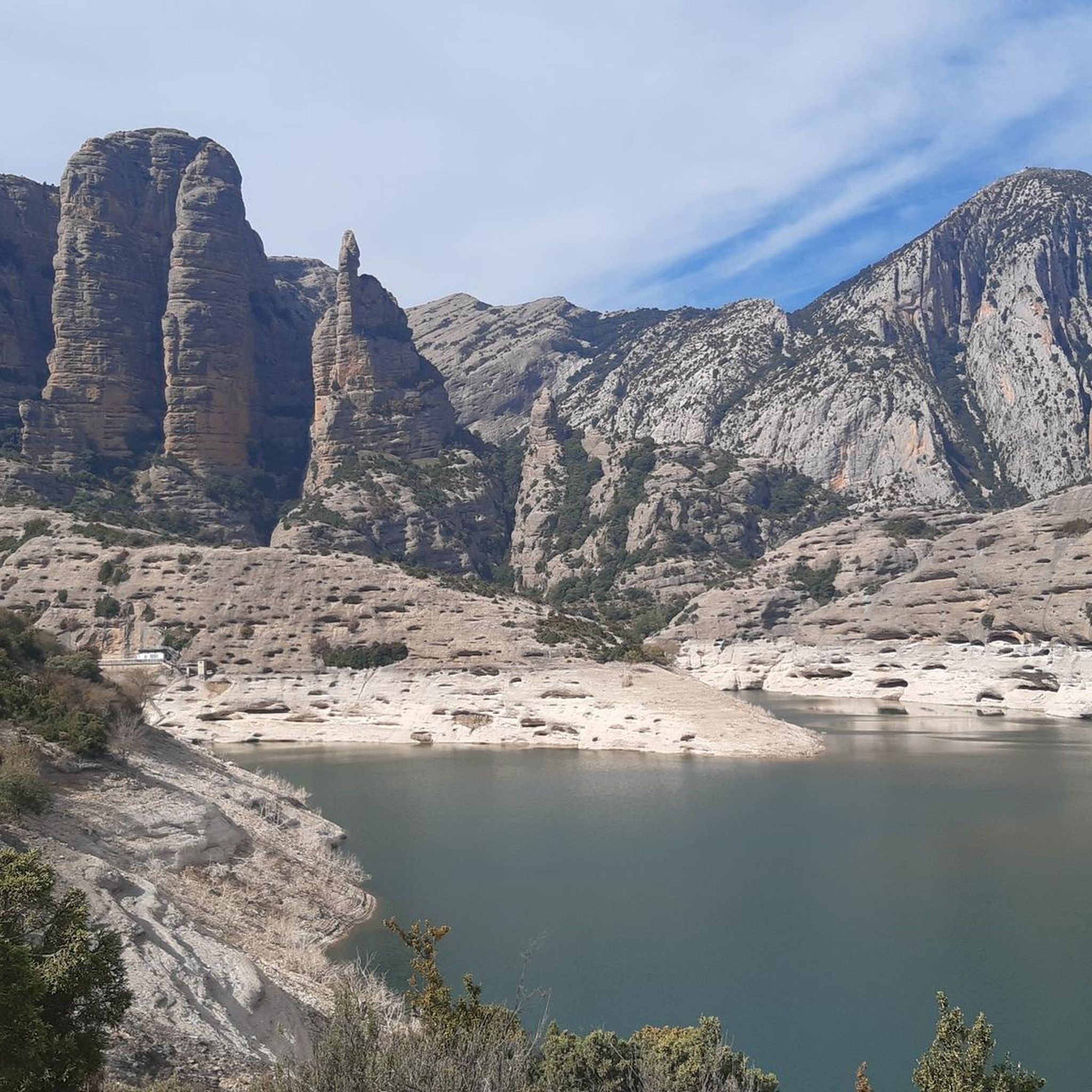
The region around Siétamo offers several beautiful natural spots. The Vadiello Reservoir and Vadiello Dam are must-sees, forming a spectacular landscape with turquoise waters surrounded by impressive rock formations in the Guatizalema river canyon. You can also visit Salto de Bierge, a wide waterfall popular for cooling off.
Are there historical sites or cultural landmarks to visit in Siétamo and its surroundings?
Yes, Siétamo and its vicinity are rich in history. You can explore the ruins of the Castle of the Count of Aranda within Siétamo itself, or visit the 16th-century Gothic Church of San Vicente de Siétamo. Nearby, the Romanesque Montearagón Castle, founded in the 11th century, stands on a strategic promontory. Other notable sites include the Church of Nuestra Señora de los Ángeles in Arbaniés with its Romanesque origins and Gothic mural paintings, and the unique Esconjuradero of Morrano.
Where can I go for a refreshing swim or cool off near Siétamo?
The Salto de Bierge waterfall is a popular and often crowded spot in the Sierra de Guara for bathing and cooling off. However, it's important to note that bathing is prohibited in the Vadiello Reservoir and Vadiello Dam as it is a drinking water reservoir.
Are there any unique historical structures or hidden gems in the Siétamo area?
Beyond the main attractions, you can discover the Esconjuradero of Morrano, a small religious construction where priests once performed rituals to ward off storms. In Castejón de Arbaniés, you can find a beautiful stone cross (crucero) and an ancient lime kiln, offering a glimpse into local heritage.
What kind of outdoor activities, like hiking or running, are available near Siétamo's attractions?
The area around Siétamo is excellent for outdoor activities. You can find numerous routes for hiking, running, and mountain biking. For example, there are running trails around Montearagón Castle, and hiking routes like the 'Vadiello, San Cosme, and El Huevo Loop'. You can explore more options on the dedicated guides for Running Trails around Siétamo, Hiking around Siétamo, and MTB Trails around Siétamo.
Are there specific hiking trails suitable for different difficulty levels around Siétamo?
Yes, the hiking trails near Siétamo cater to various skill levels. You can find easy routes like the 'Ermita de Salas loop from Huesca', moderate options such as the 'View of the Calcón Reservoir loop from Aguas', and more challenging trails like the 'Vadiello, San Cosme, and El Huevo Loop'. For detailed information on routes and their difficulty, refer to the Hiking around Siétamo guide.
Can I find mountain biking routes in the Siétamo region?
Absolutely. The Siétamo region offers a variety of mountain biking routes. Options range from easy, like the 'Hoya de Huesca – circular por el río Flumen y Monflorite', to moderate and difficult trails, including the 'Huesca and the Reservoirs of Sierra de Guara Loop'. More routes can be found in the MTB Trails around Siétamo guide.
What do visitors particularly enjoy about the attractions around Siétamo?
Visitors appreciate the blend of historical significance and natural beauty. The Vadiello Reservoir is highly praised for its impressive turquoise waters and rock formations, making it a favorite for nature lovers. The Montearagón Castle is admired for its beauty in a semi-arid landscape, often surprisingly empty. The Salto de Bierge is loved as a refreshing spot to cool off.
Are there any easy walks or family-friendly routes near Siétamo?
Yes, the Ruta de las Fuentes is a recommended route connecting Siétamo with Velillas, passing through Castejón de Arbaniés, Arbaniés, and Liesa. It's known for its comfortable and easy walk due to its gentle terrain, making it suitable for families. The Salto de Bierge, while popular, can also be a fun family destination for cooling down.
What is the best time to visit Siétamo for outdoor activities?
While specific data isn't provided, generally, the Hoya de Huesca region, where Siétamo is located, is best enjoyed for outdoor activities during spring (April-June) and autumn (September-October). These seasons offer pleasant temperatures for hiking, running, and exploring historical sites without the intense heat of summer or the chill of winter.
Can I explore Roman archaeological sites in Siétamo?
Siétamo's name, derived from 'Septimum miliarium' (the seventh mile from the ancient Roman city of Osca), suggests its Roman origins. While specific sites are not detailed, visitors can explore these archaeological areas, hinting at the town's deep historical roots.
What is the significance of the Esconjuradero of Morrano?
The Esconjuradero of Morrano is a unique religious construction typical of Aragon. In the past, priests performed rituals here, invoking saints to stop violent storms, which were often associated with witches and the devil. Its four arches are oriented to the cardinal points, allowing observation of storm directions.
Most popular routes around Siétamo
Most popular attractions around Siétamo

Get inspired with the komoot mobile app


Explore more
Still not found the Highlight you’re looking for? See guides of the top attractions in other regions:
