The 20 Most Amazing Peaks around La Orotava
Best mountain peaks around La Orotava, located in northern Tenerife, are part of a dramatic mountainous landscape. This region extends from the coast up to the summit of Teide, offering diverse natural features. The area is characterized by volcanic terrain, ancient calderas, and unique rock formations. It provides opportunities for exploring significant geological sites and panoramic viewpoints.
Best mountain peaks around La Orotava
- The most popular mountain peaks is Roque Cinchado, a natural monument that is a distinctive rock…
Last updated: July 7, 2026
Roque Cinchado
Highlight • Natural Monument
Translated by Google •
Tip by

Guajara
Highlight • Summit
Tip by

Sign up now to discover places like this
Get recommendations on the best single tracks, peaks, & plenty of other exciting outdoor places.
Sign up for free
Mount Teide summit
Highlight • Summit
This dormant volcano offers absolutely unique panoramas …
Translated by Google •
Tip by

Teide Cable Car Upper Station
Highlight • Summit
Translated by Google •
Tip by

Montaña Negra
Highlight • Volcano
Translated by Google •
Tip by

Sign up for free to discover even more peaks around La Orotava.
Sign up for free
Already have an account?
Start today with a free account
Your next adventure awaits.
Login or Signup
Popular around La Orotava
From the coast to the Teide - Tenerife Bluetrail by UTMB
The giant of Tenerife — around Teide by road bike
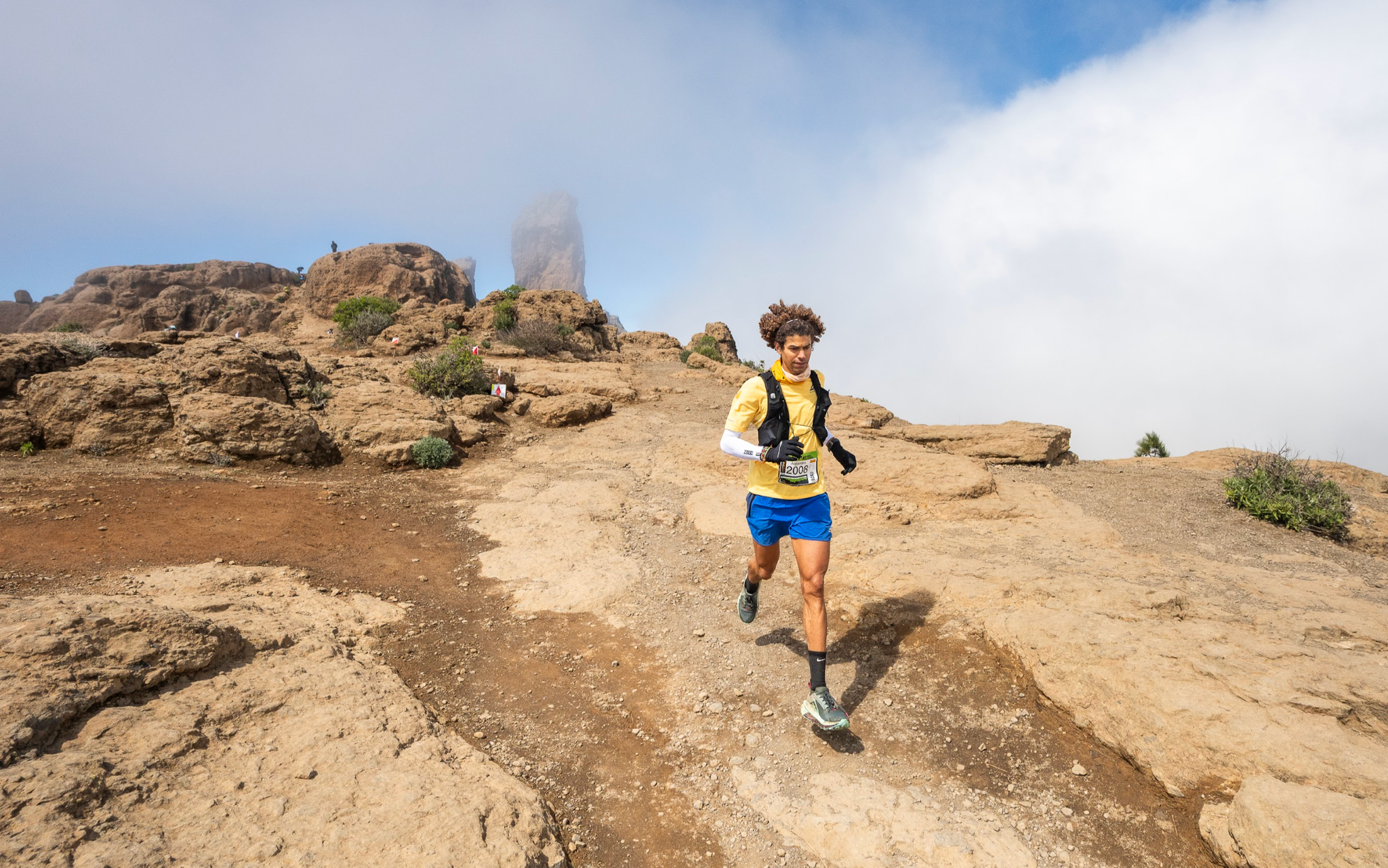
Trail on the Canary Islands – discover the legendary races!
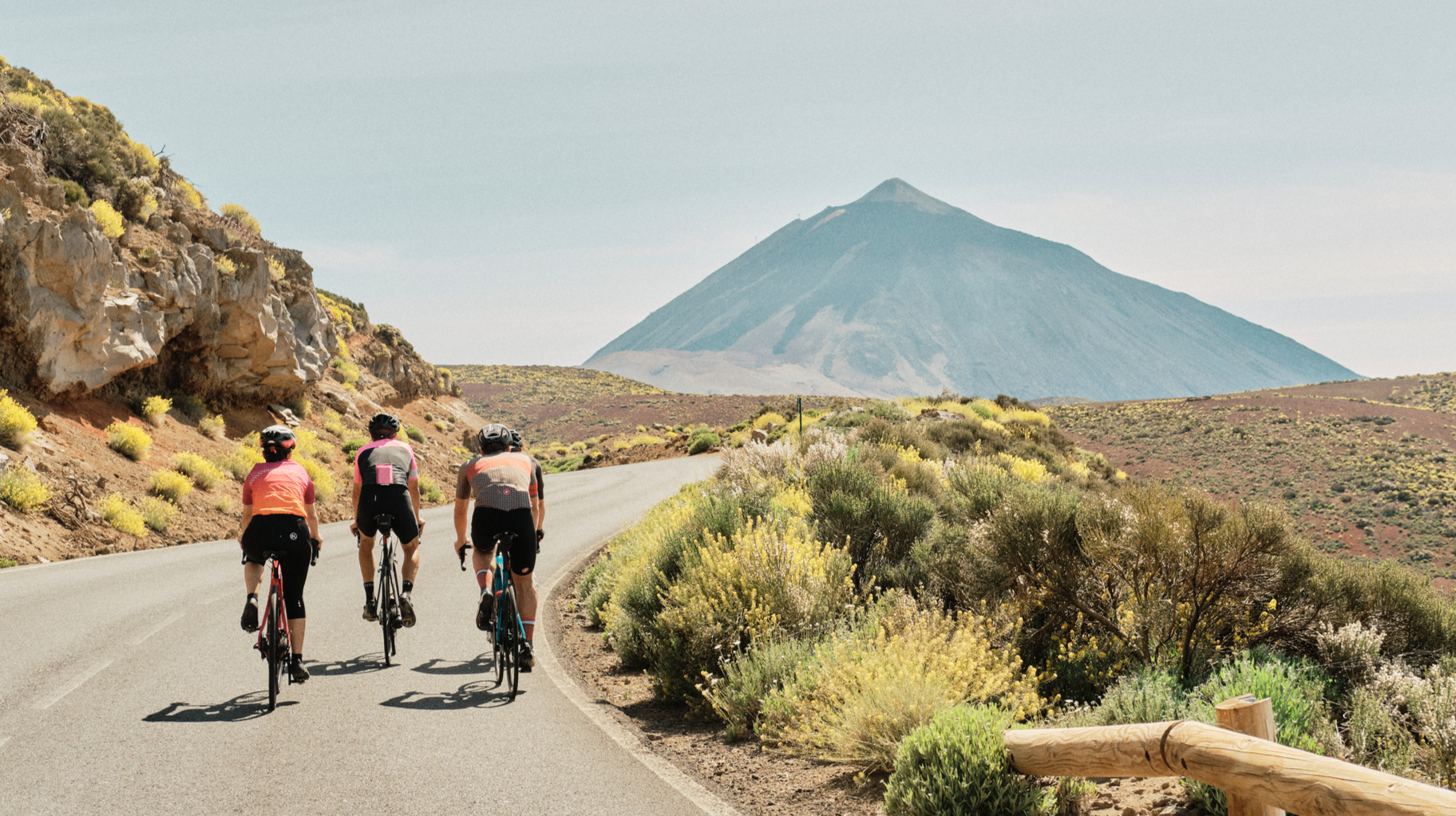
Tenerife by road bike — cycling between forests and volcanoes
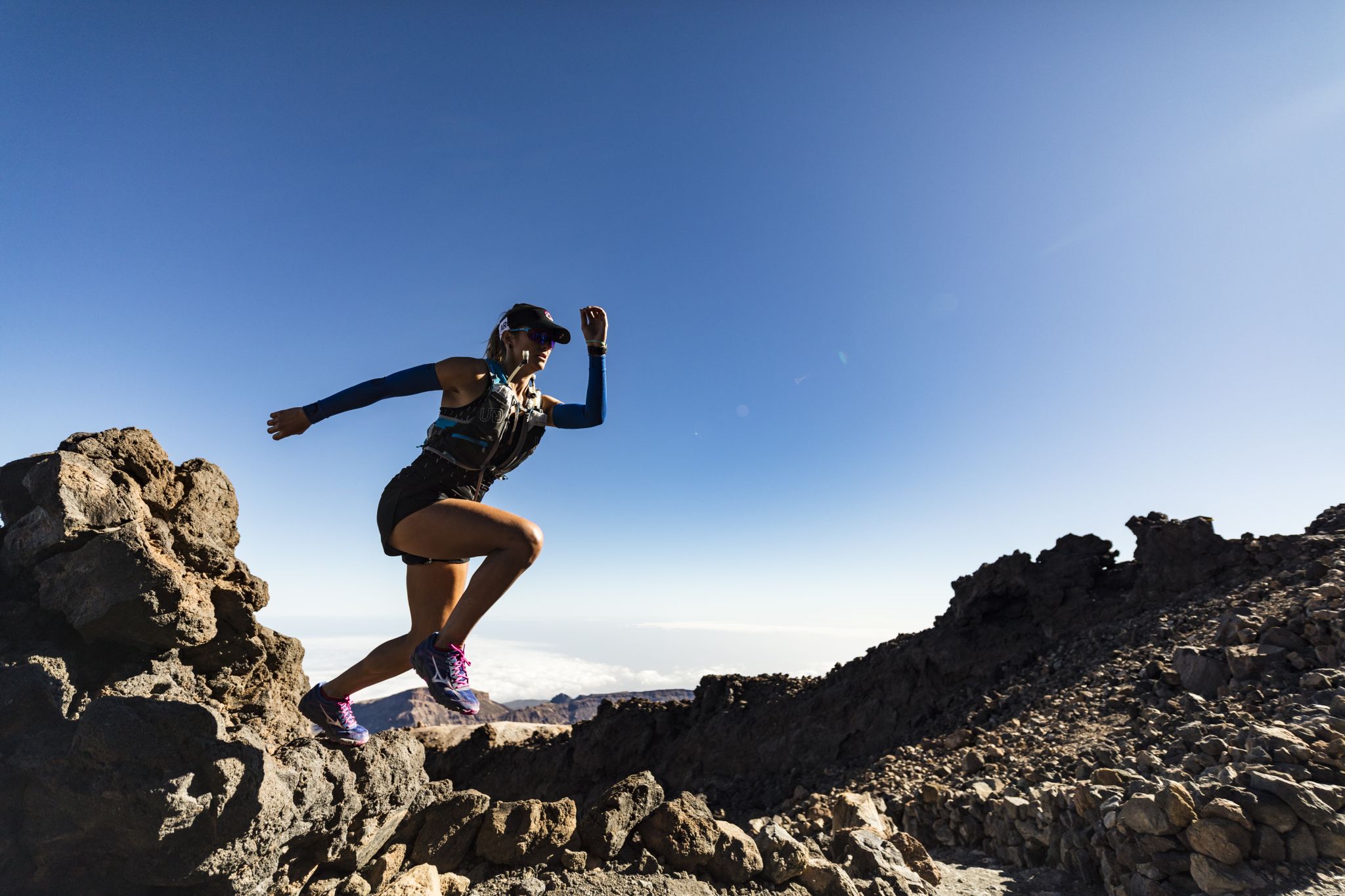
Trail running in Tenerife – dreamy routes between sea and mountain
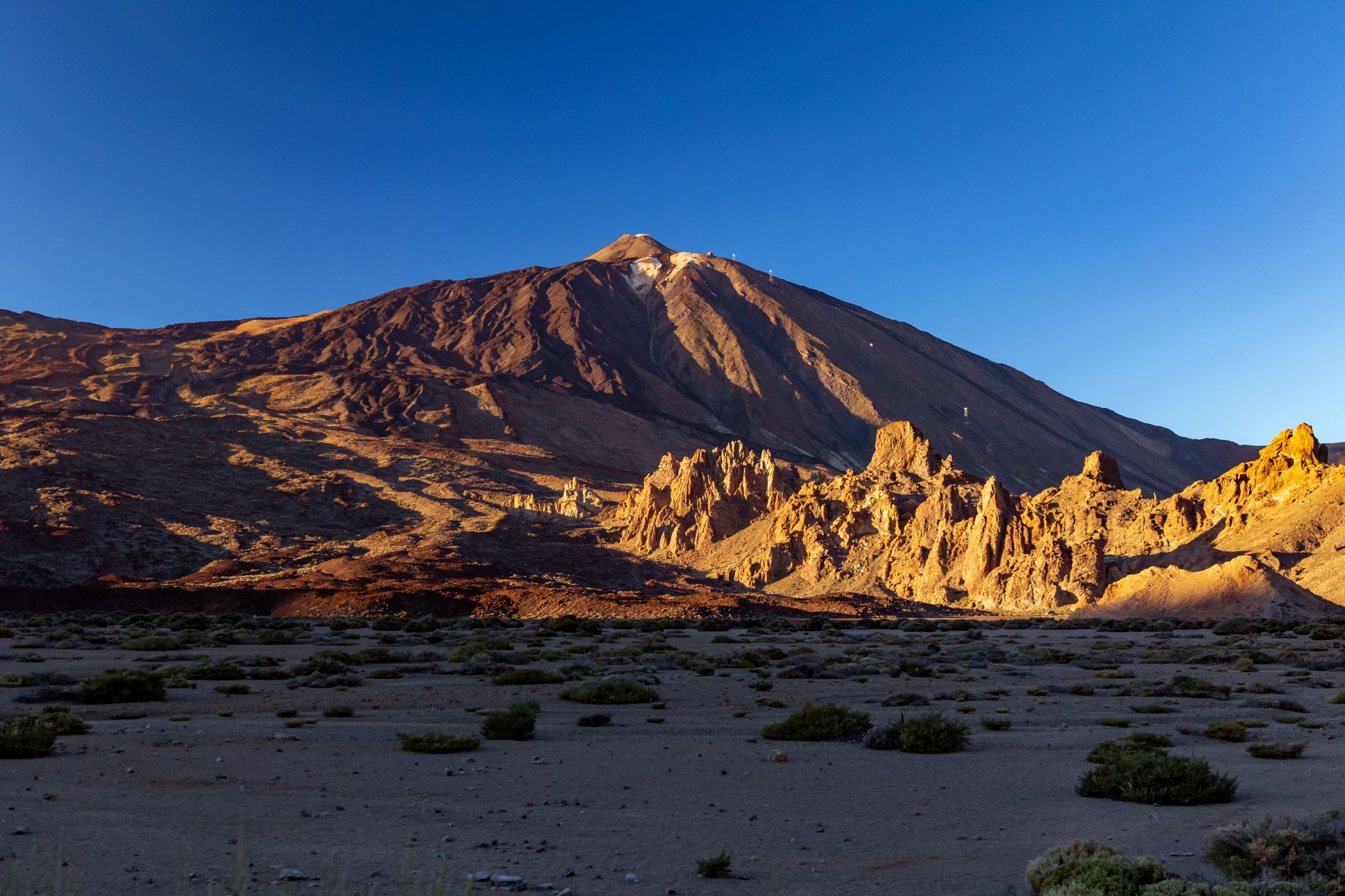
Six fascinating ways to discover the Canary Islands on foot
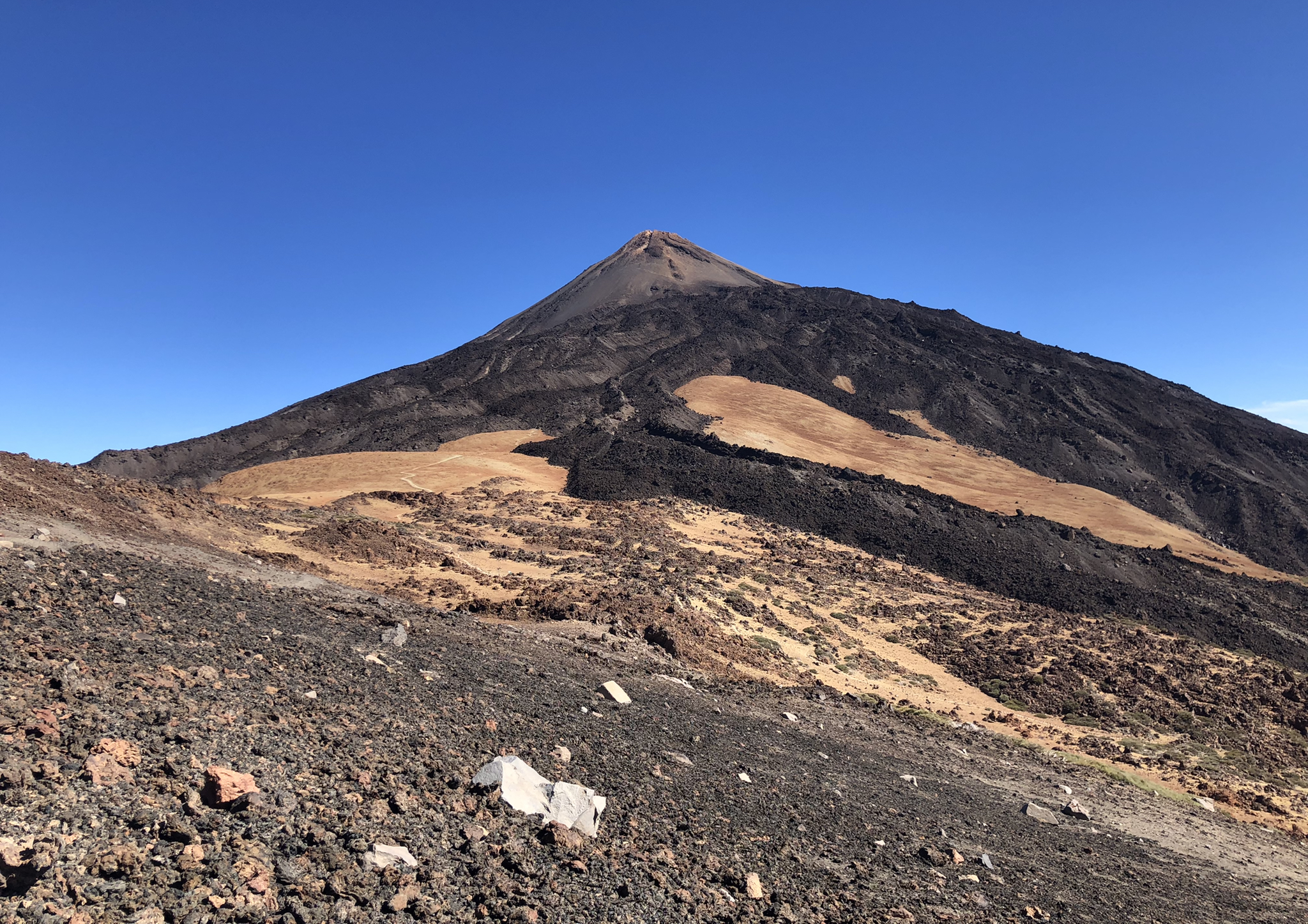
Volcanoes, lava and forests – running in Tenerife
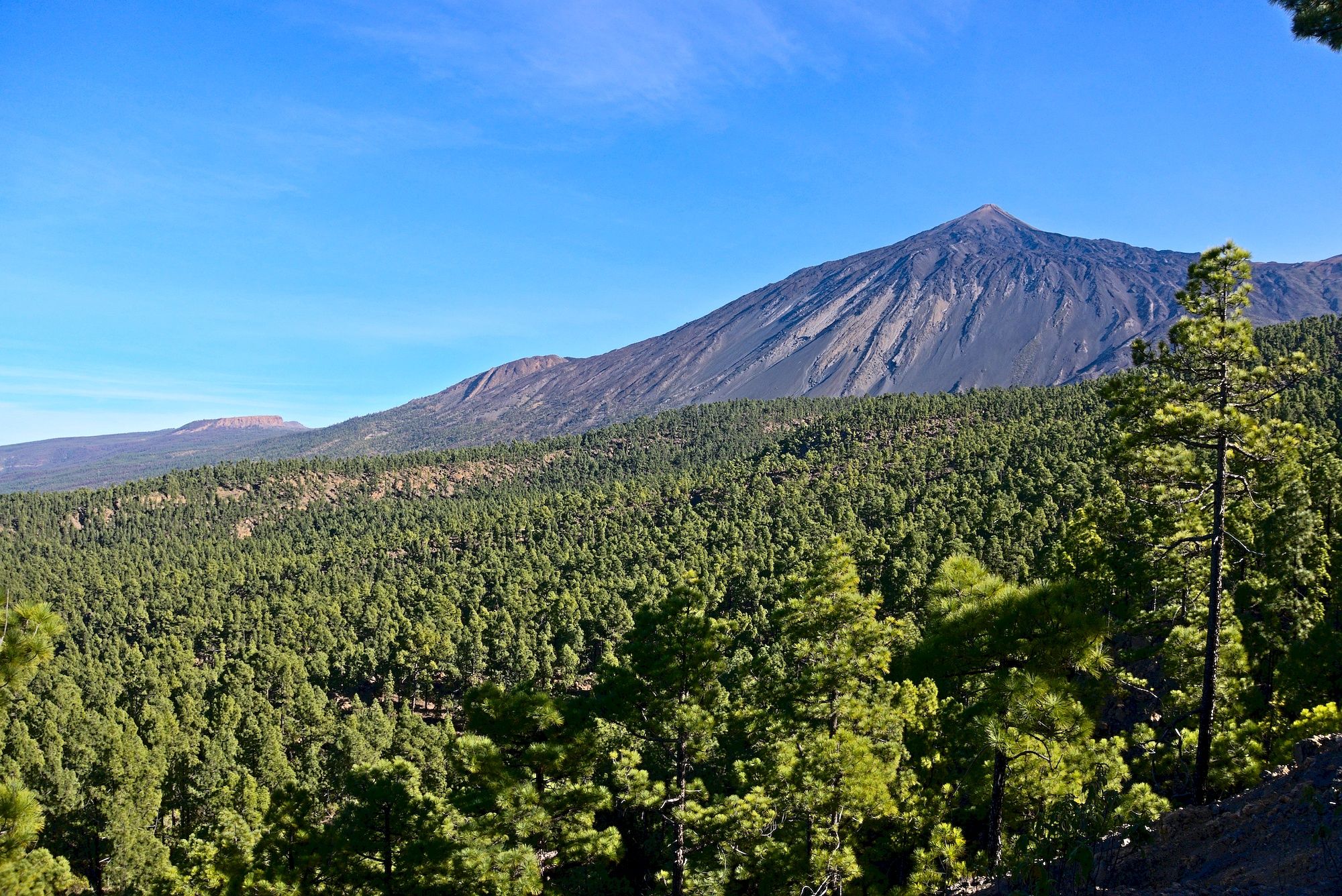
The fantastic forest of Tenerife – northern forest MTB route
An island pilgrimage – Camino de Santiago de Tenerife
Tenerife from north to south – Camino Natural de Anaga-Chasna
Other adventures around La Orotava


Tips from the Community

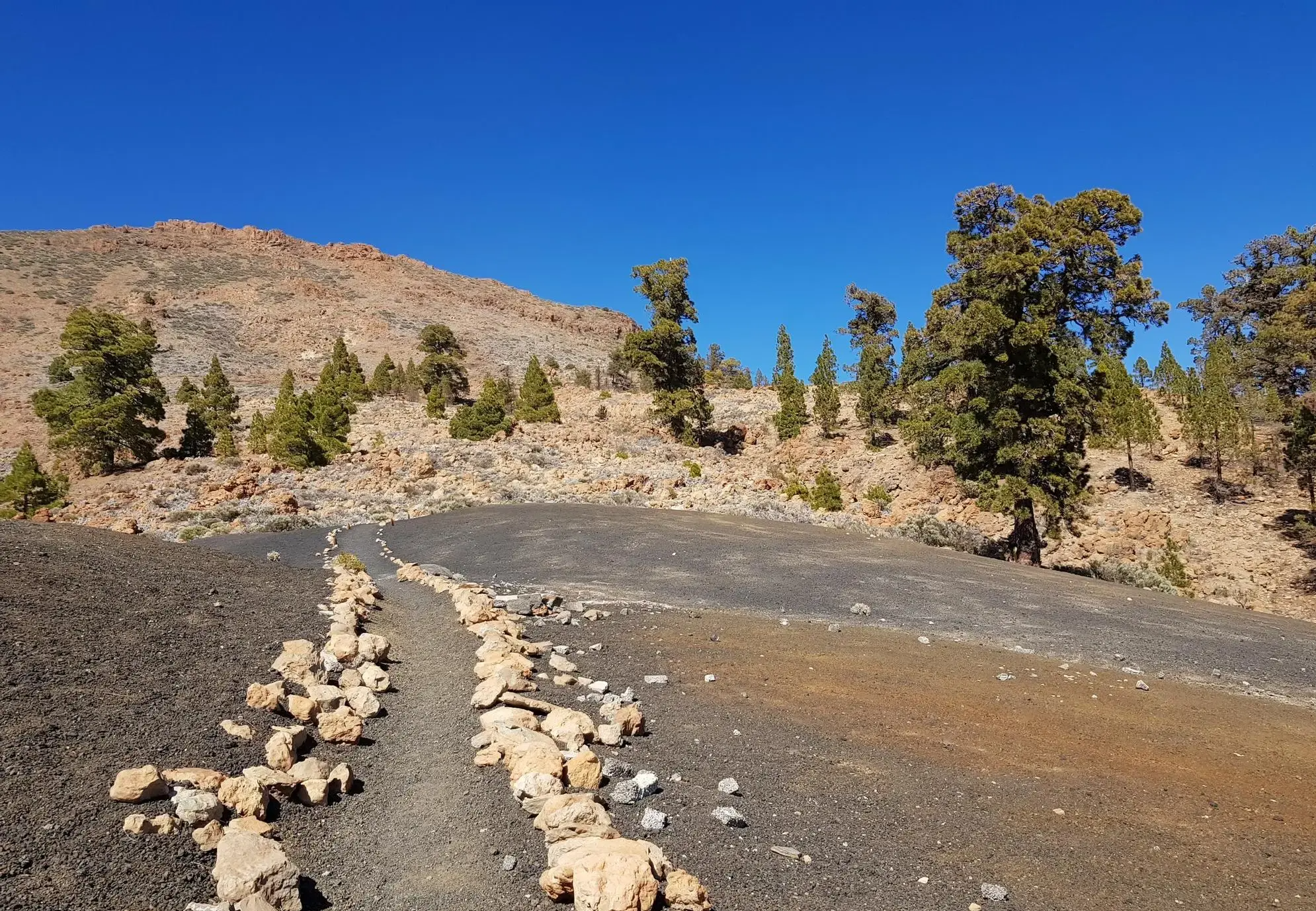
Great path through lava fields and pine forest
1
0

View of the Montaña Negra volcano - also called Montaña del Estrecho (Volcán Garachico) - erupted in 1706. The eruption lasted nine days and caused extensive damage. The former port city of Garachico is located 8 kilometers as the crow flies from Montaña Negra. Two lava flows about 500 meters wide poured over the place. This was largely destroyed.View of the Montaña Negra volcano - also called Montaña del Estrecho (Volcán Garachico) - erupted in 1706. The eruption lasted nine days and caused extensive damage. The former port city of Garachico is located 8 kilometers as the crow flies from Montaña Negra. Two lava flows about 500 meters wide poured over the place. This was largely destroyed.
5
0

A hike that is always worthwhile. Depending on the season and current weather conditions, there is always something beautiful to discover here. An absolute recommendation - for newcomers as well as old hands on Tenerife.
4
0

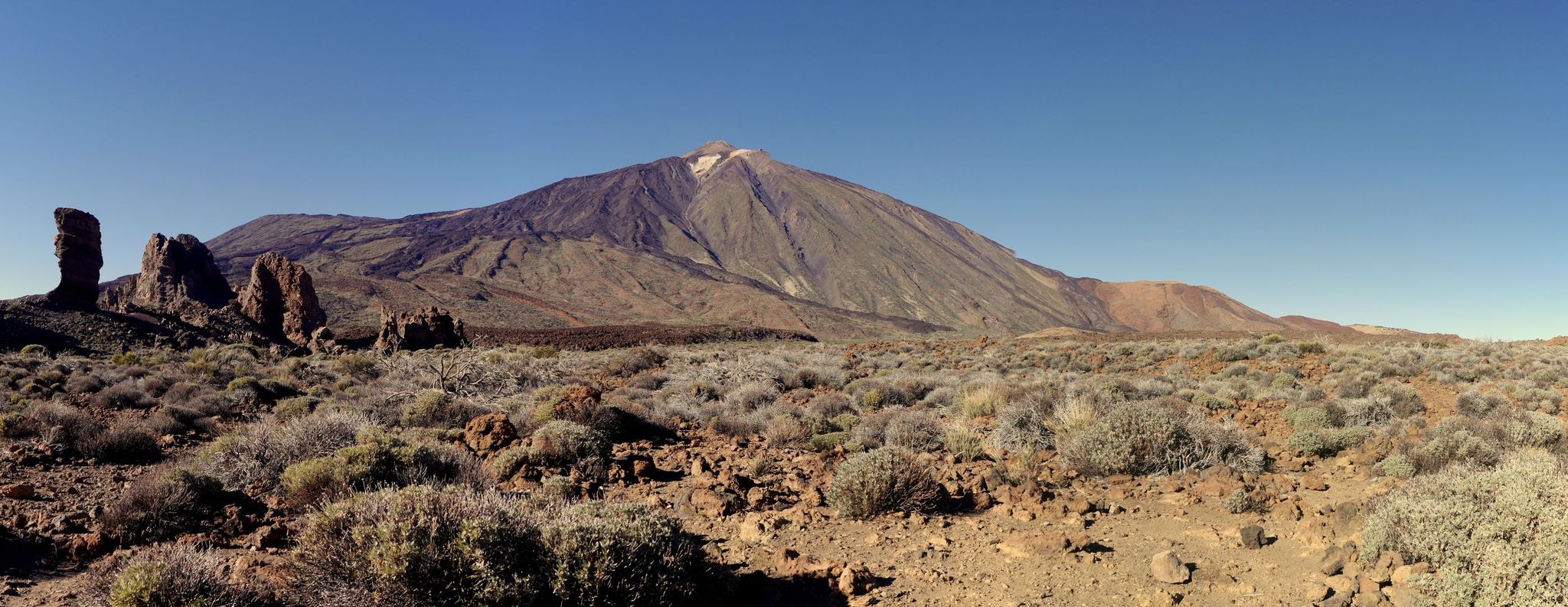
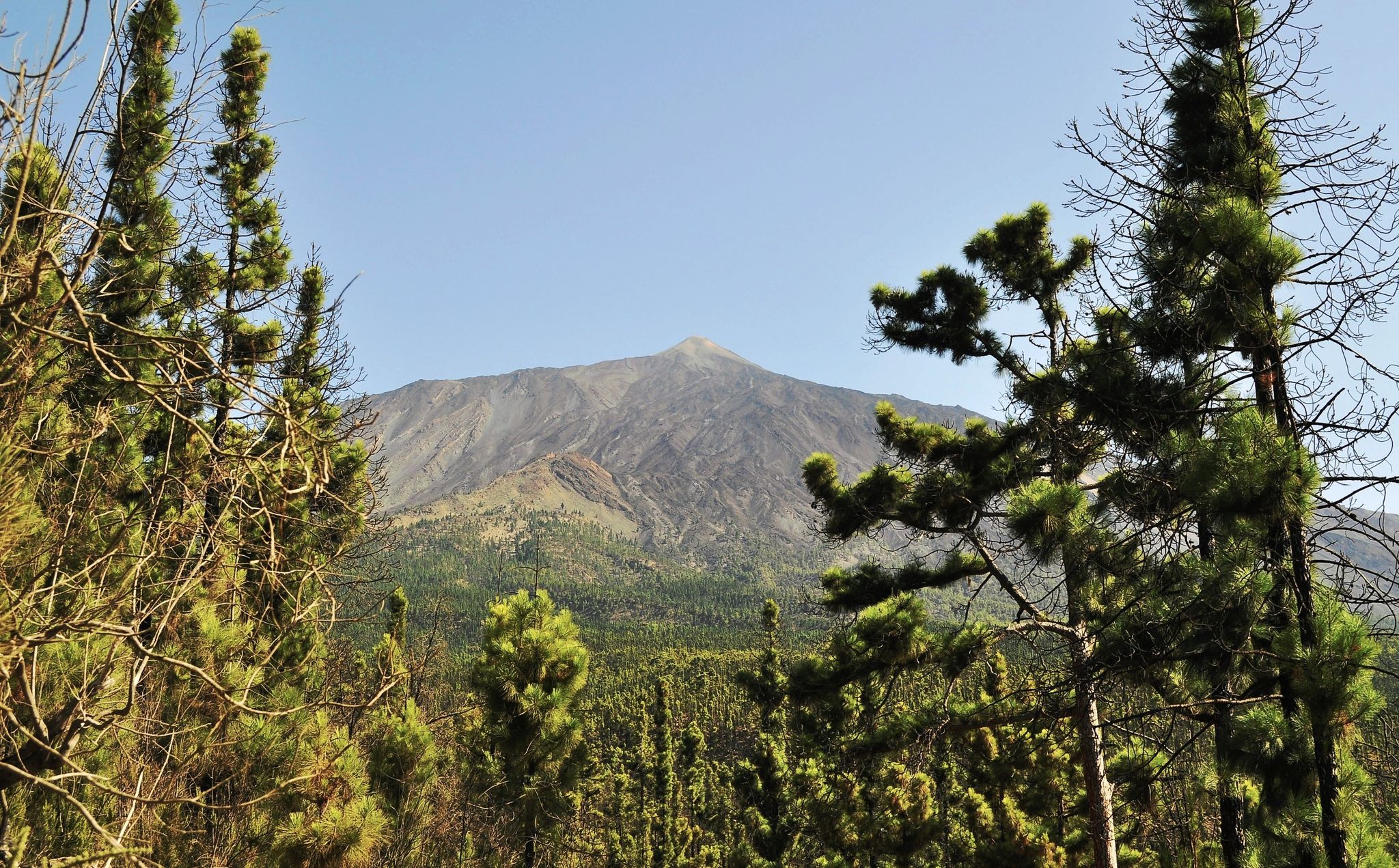
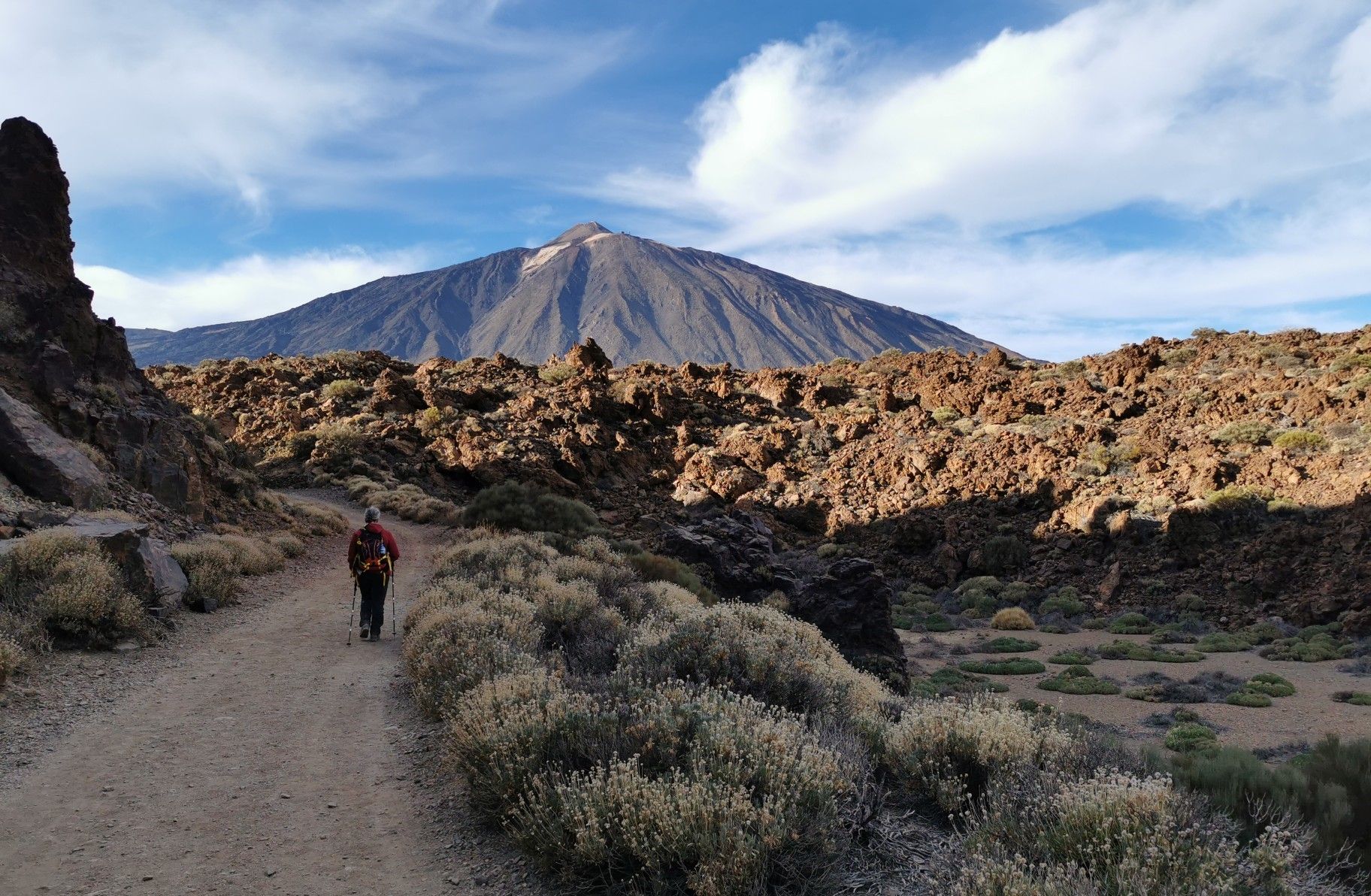
Teide is a volcano on the Spanish island of Tenerife. The highest point in Spain, it rises to 3,715 meters above sea level. This dormant volcano offers absolutely unique panoramas over the whole island. Access to its summit remains subject to a daily quota of authorizations that must be reserved sufficiently in childhood. You can find more information on the park's website: https://www.reservasparquesnacionales.es/real/parquesnac/usu/html/listado-actividades-oapn.aspx?ii=1ES&cen=2
0
1

Very impressive to hike again and again around the Montana Negra. The Teide in the background is extremely beautiful to look at, especially with snow.
5
0

With 2,715 meters, the rugged Guajara is the highest peak along the ancient crater. It bears a lot of history as it was this location where the first observatory in the high mountains worldwide was installed. You can still see the ruins at the summit. The view from the Guajara is exceptionally beautiful: the majestic Teide, the impressive Cañadas and the islands of El Hierro, Gran Canaria and La Gomera.
16
1

Best early in the morning or late in the evening
11
0

Frequently Asked Questions
Which are the most popular mountain peaks to visit around La Orotava?
Among the most popular peaks, you'll find Roque Cinchado, known for its distinctive rock formation and as a symbol of the Cañadas. Another highly regarded spot is Guajara, offering expansive views. Visitors also frequently explore Montaña Negra, which provides a unique experience of recent volcanic activity.
What unique geological features can I expect to see among the peaks?
The region is rich in volcanic geology. You can witness the distinctive erosion patterns of Roque Cinchado, part of the spectacular Roques de García. Montaña Negra features an almost black scree desert and lava fields, showcasing recent volcanic activity. Mount Teide itself presents unique, lunar-like landscapes and vast volcanic craters.
Are there any historical sites on these mountain peaks?
Yes, Guajara, with an elevation of 2,715 meters, holds historical significance as the site of the world's first high-mountain observatory. You can still see the ruins of this observatory at its summit, connecting you to early astronomical endeavors.
Where can I find the best panoramic views of the region?
For breathtaking panoramic views, Guajara offers exceptional vistas of Mount Teide, the impressive Cañadas, and the islands of El Hierro, Gran Canaria, and La Gomera. The summit of Mount Teide provides views across the entire island of Tenerife and to neighboring Canary Islands. Even from the Teide Cable Car Upper Station, you get incredible perspectives.
What kind of hiking opportunities are available near La Orotava's peaks?
The area offers diverse hiking opportunities, from challenging ascents to scenic walks. You can explore routes like the 'Roque Cinchado – Roque Blanco loop from Roques de García' or the more demanding 'Teide via Montaña Blanca – Tenerife' trail. For more options, refer to the Hiking around La Orotava guide.
Are there challenging hikes for experienced mountaineers?
Absolutely. The ascent to the summit of Mount Teide is a challenging endeavor, requiring a permit and good physical condition. The route to Guajara also involves strenuous sections, particularly over scree fields. You can find difficult routes such as 'Teide via Montaña Blanca – Tenerife' in the Hiking around La Orotava guide.
Are there family-friendly mountain walks around La Orotava?
Yes, the area around Roque Cinchado offers a simple circular hike at the Roques de García, which is considered family-friendly and provides impressive views without extreme difficulty.
Do I need a permit to hike to the summit of Mount Teide?
Yes, reaching the absolute summit of Mount Teide requires a special permit due to daily quotas. These permits must be obtained in advance. You can find more information and reserve your permit on the park's website: reservasparquesnacionales.es.
What is the best way to access Mount Teide?
You can take the Teide Cable Car almost to the summit, reaching an altitude of 3555 meters. From the upper station, you can walk to viewpoints like Mirador de La Fortaleza, or continue to the summit with a pre-arranged permit. It's advisable to check cable car operating conditions, as strong winds can cause closures.
What should I bring when hiking Teide, especially in winter?
Even if it's warm at sea level, temperatures at the summit of Teide can be significantly colder, often with snow in winter. Appropriate clothing, including layers, a warm jacket, and sturdy hiking boots, is essential. Sufficient water is also crucial due to the altitude and sun intensity. The air is thinner, so be prepared for less oxygen.
Can I go cycling near the mountain peaks of La Orotava?
Yes, the mountainous terrain around La Orotava offers excellent cycling opportunities. You can find challenging road cycling routes, such as the 'Loop from La Orotava through Teide National Park,' or touring bicycle routes like the 'Gravel Path Through Forest – View of La Orotava loop.' Explore more options in the Road Cycling Routes around La Orotava and Cycling around La Orotava guides.
What do visitors enjoy most about the mountain peaks around La Orotava?
Visitors are consistently impressed by the dramatic volcanic landscapes, the unique geological formations like Roque Cinchado, and the panoramic views that stretch across the island and beyond. The experience of hiking through diverse terrains, from lunar-like surfaces to pine forests, and witnessing the resilience of nature, is highly valued.
Most popular routes around La Orotava
Most popular attractions around La Orotava

Get inspired with the komoot mobile app


Explore more
See even more amazing summits around La Orotava with these guides:
