Attractions and Places To See around La Sotonera - Top 20
Best attractions and places to see around La Sotonera, located in Aragón, Spain, offer a blend of natural beauty and rich heritage. The region features impressive natural landscapes, including wetlands at the foot of the Pyrenees and pre-Pyrenean mountain ranges. Visitors can explore historical and cultural sites alongside diverse natural points of interest. This area provides a compelling experience for those seeking to immerse themselves in Aragón's natural beauty and historical depth.
Best attractions and places to see around La…
Last updated: May 9, 2026
Loarre Castle
Highlight • Castle
Translated by Google •
Tip by

Salto Roldán Viewpoint
Highlight • Viewpoint
Translated by Google •
Tip by

Sign up now to discover places like this
Get recommendations on the best single tracks, peaks, & plenty of other exciting outdoor places.
Sign up for free
Arguis Reservoir
Highlight • Lake
Translated by Google •
Tip by

Marcuello Castle
Highlight • Castle
Translated by Google •
Tip by

Tozal de Gratal
Highlight • Summit
Translated by Google •
Tip by

Sign up for free to discover even more attractions around La Sotonera.
Sign up for free
Already have an account?
Start today with a free account
Your next adventure awaits.
Login or Signup
Popular around La Sotonera
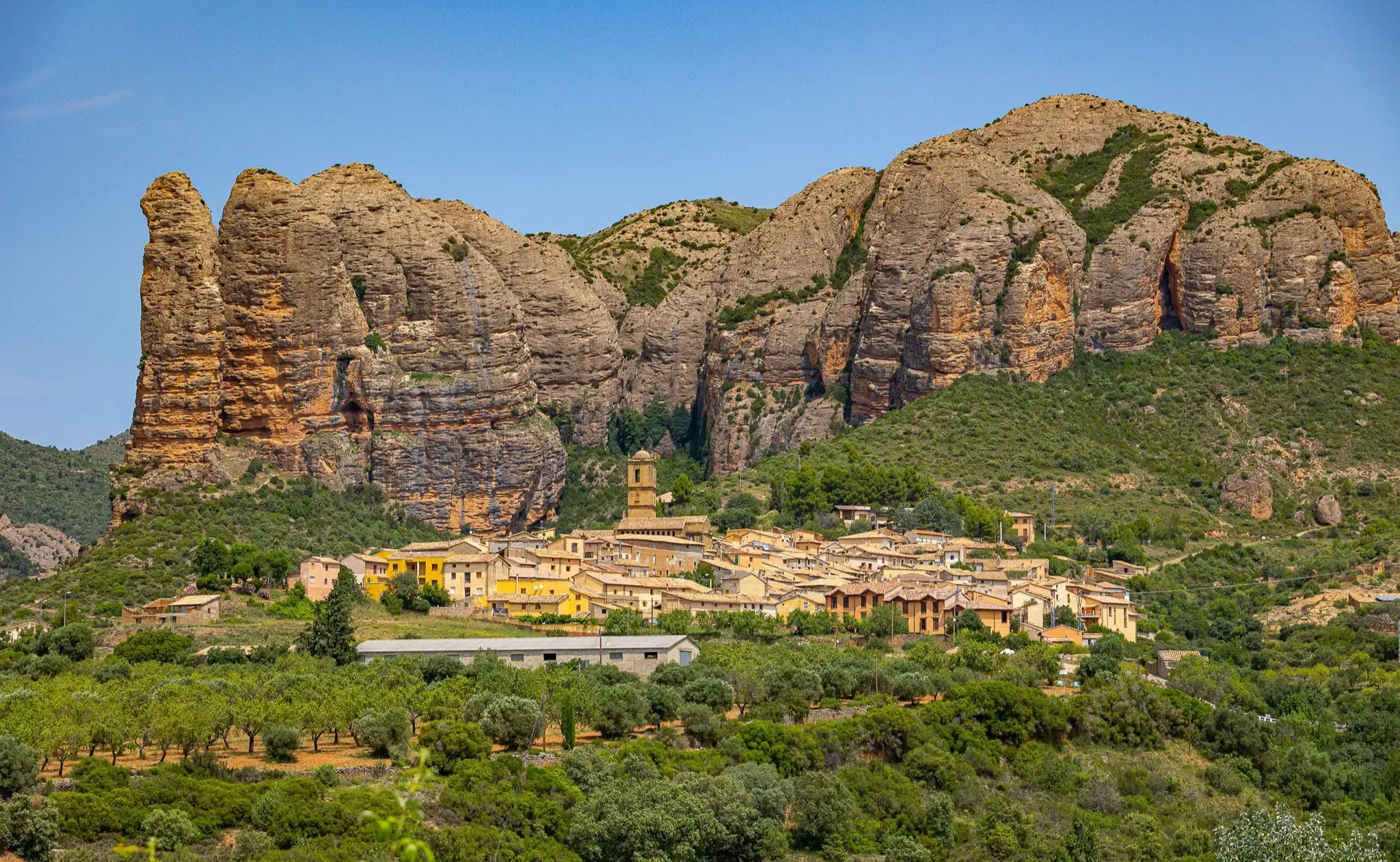
Hiking between geology and history – GR1 in Aragón
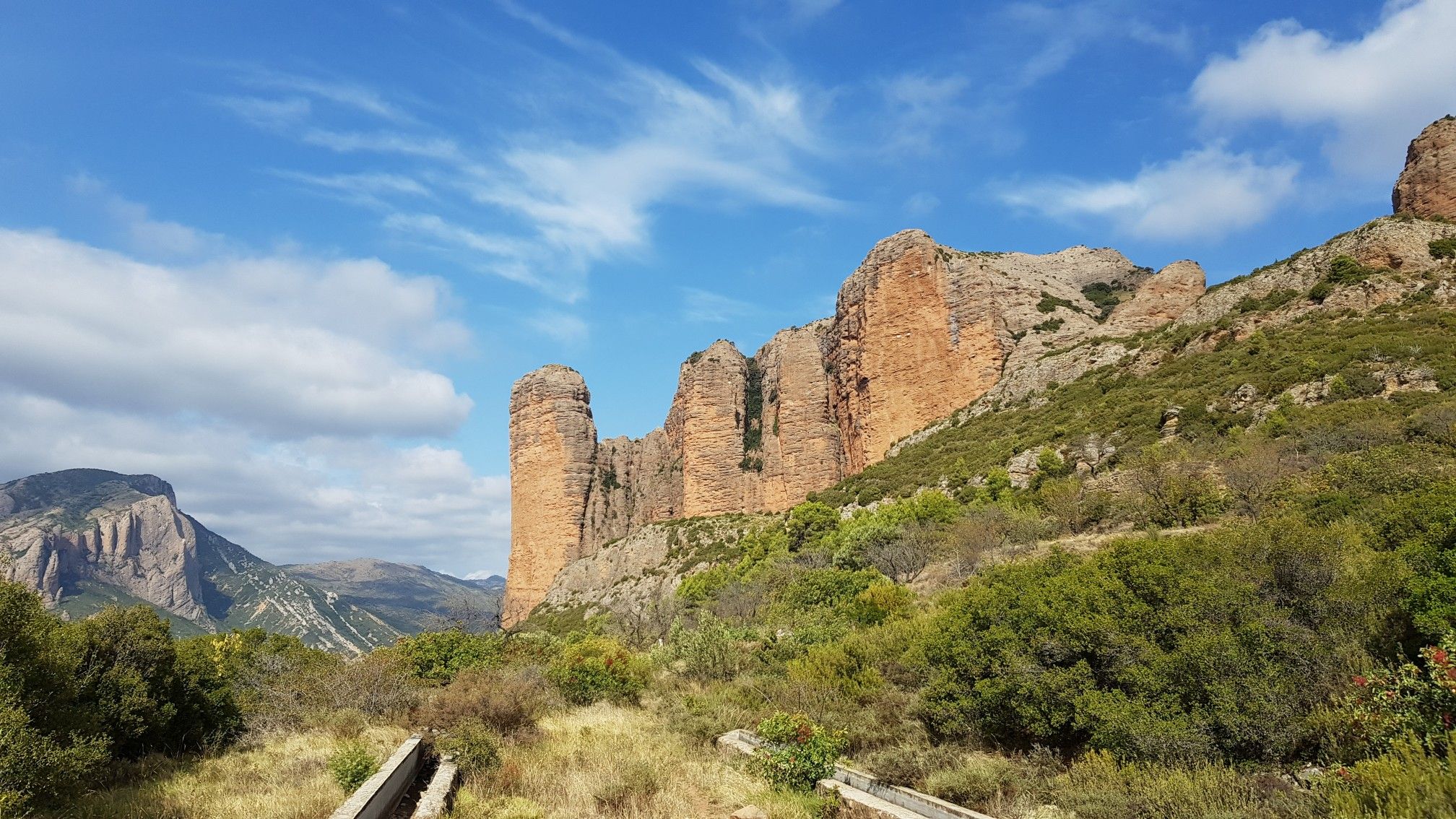
Monumental landscapes and culture — the Pre-Pyrenees by MTB
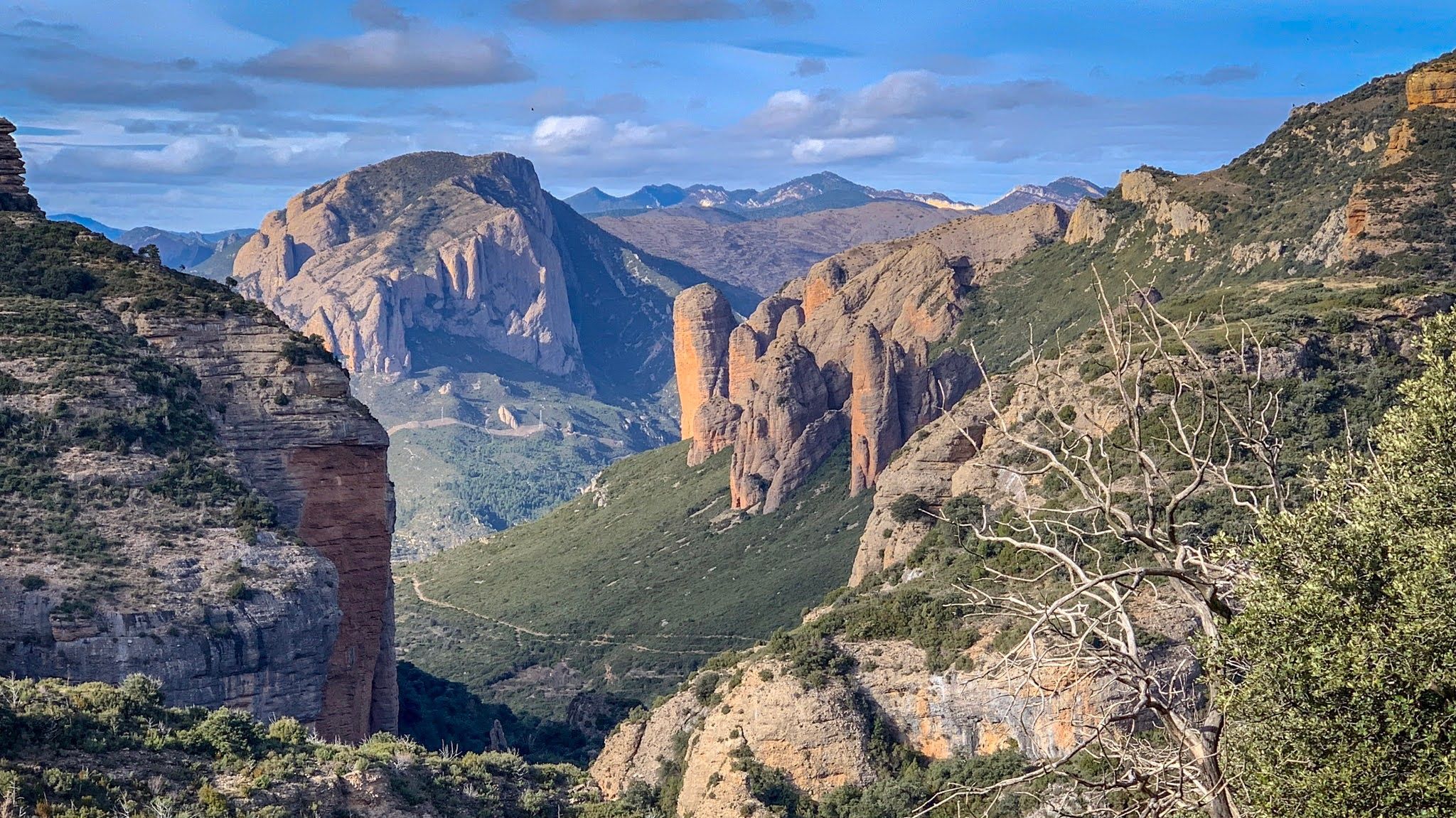
Gravel and geology – Huesca Valley nature trail
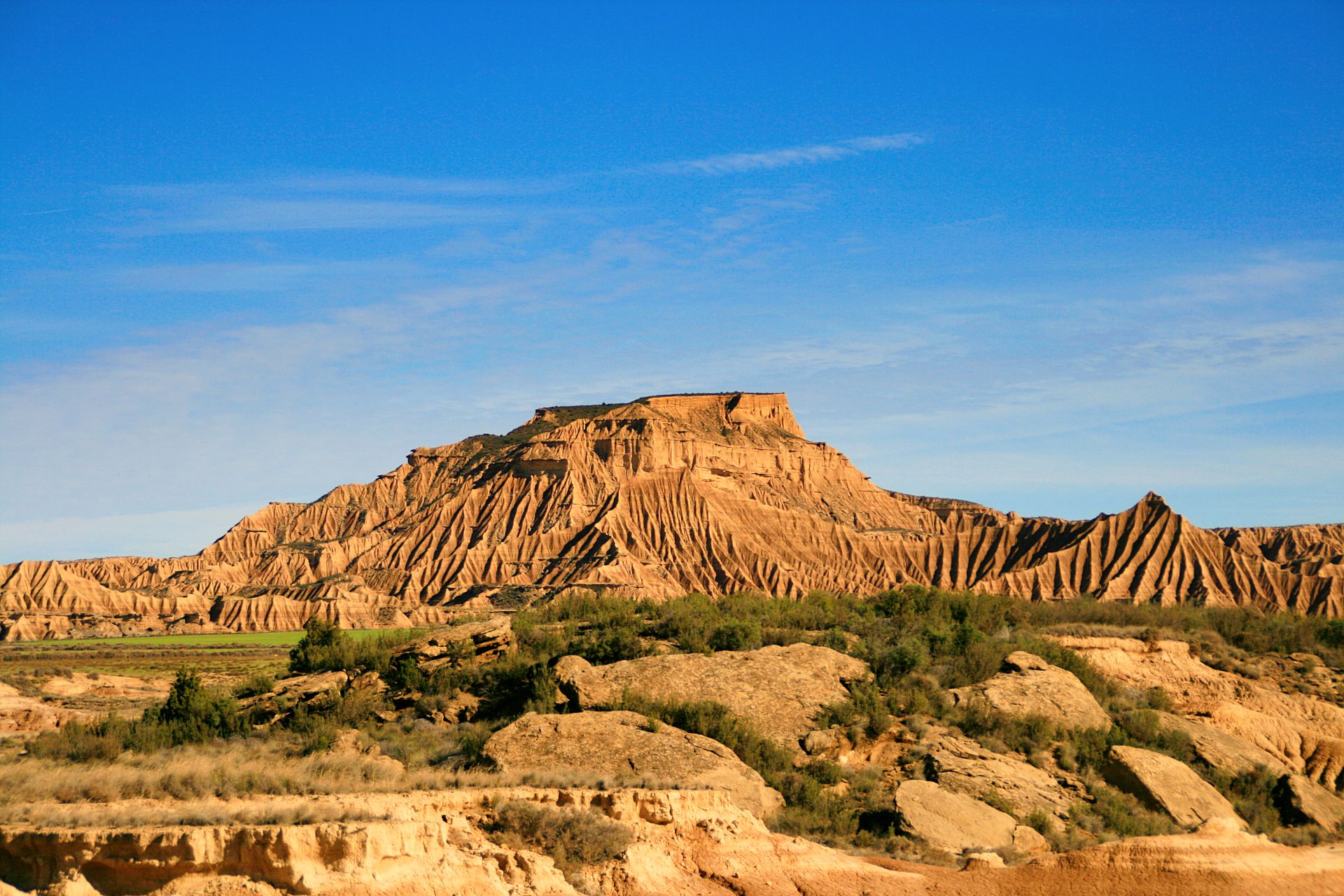
Spain’s Wild West – Sierra de Guara to the Bardenas
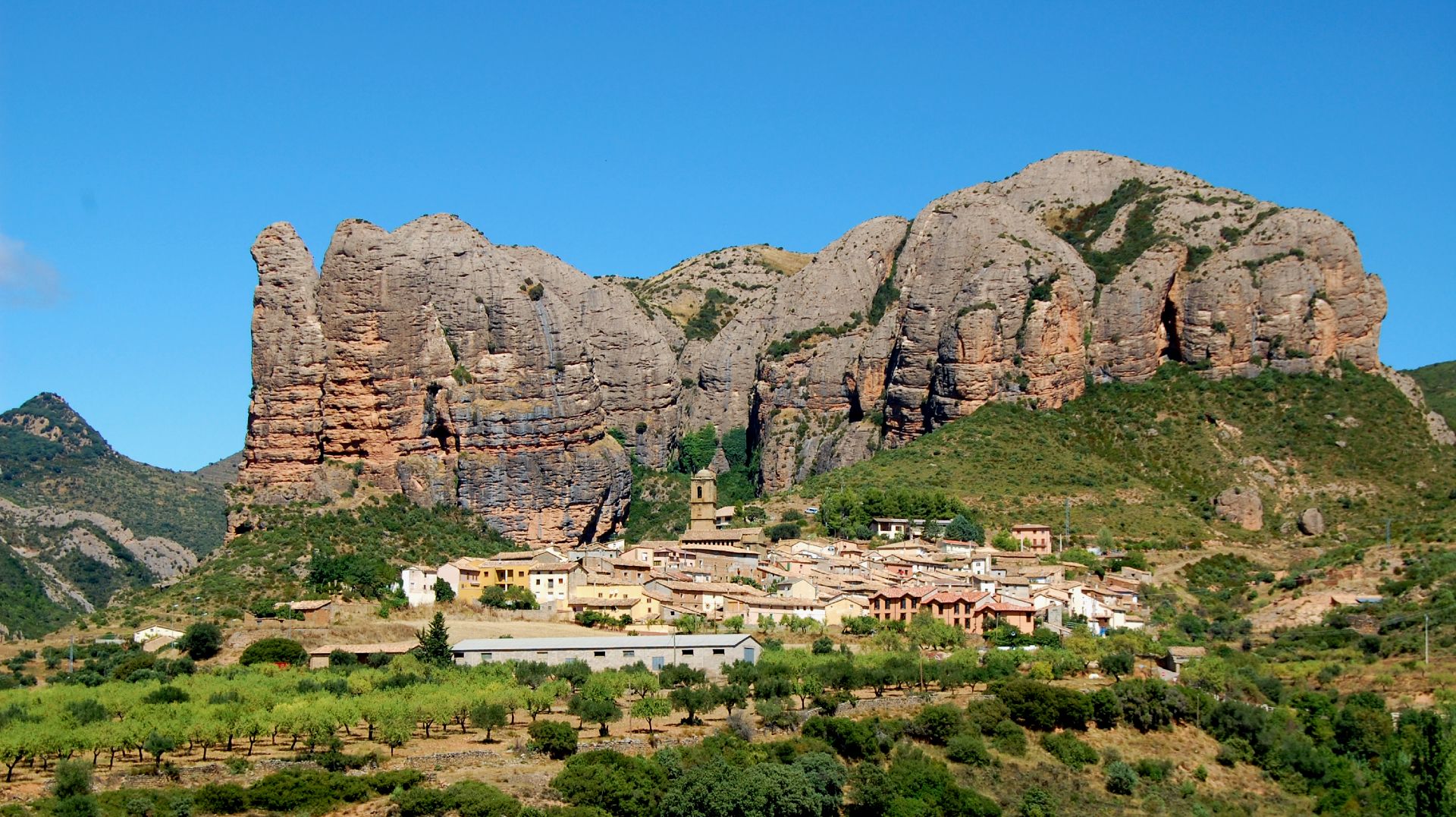
Land of rock and water – Sendero Histórico en Aragón
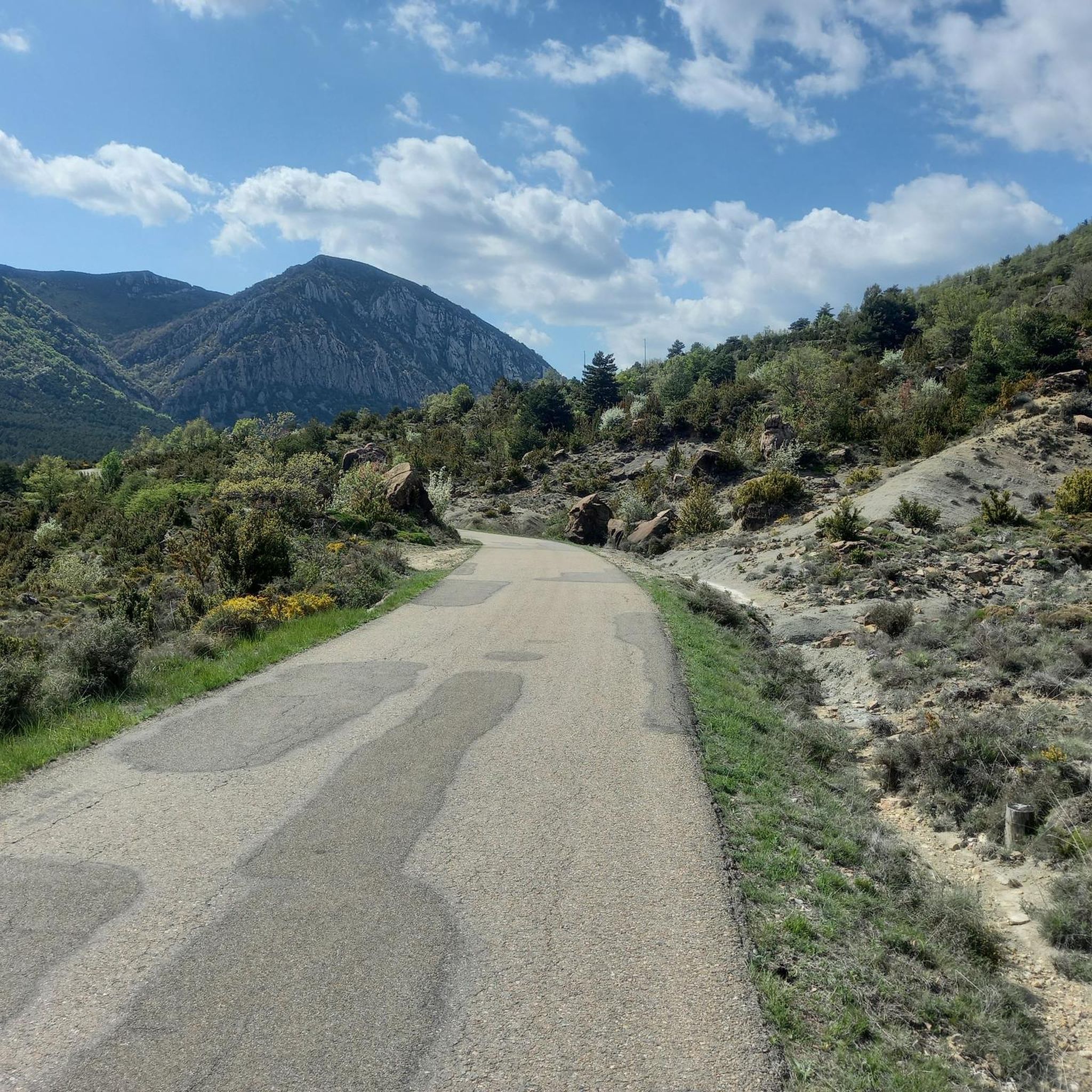
Road Cycling Routes around La Sotonera
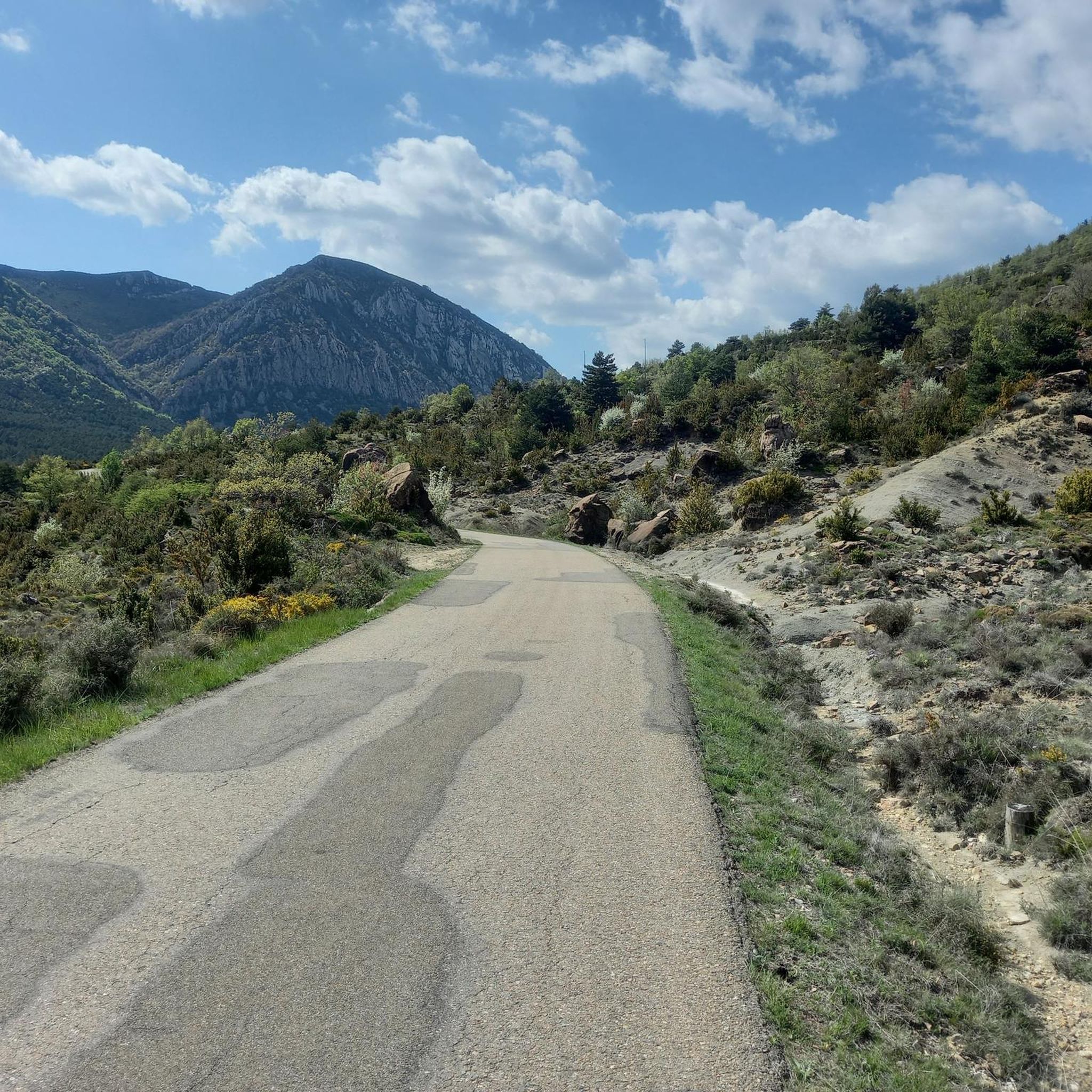
Hiking around La Sotonera
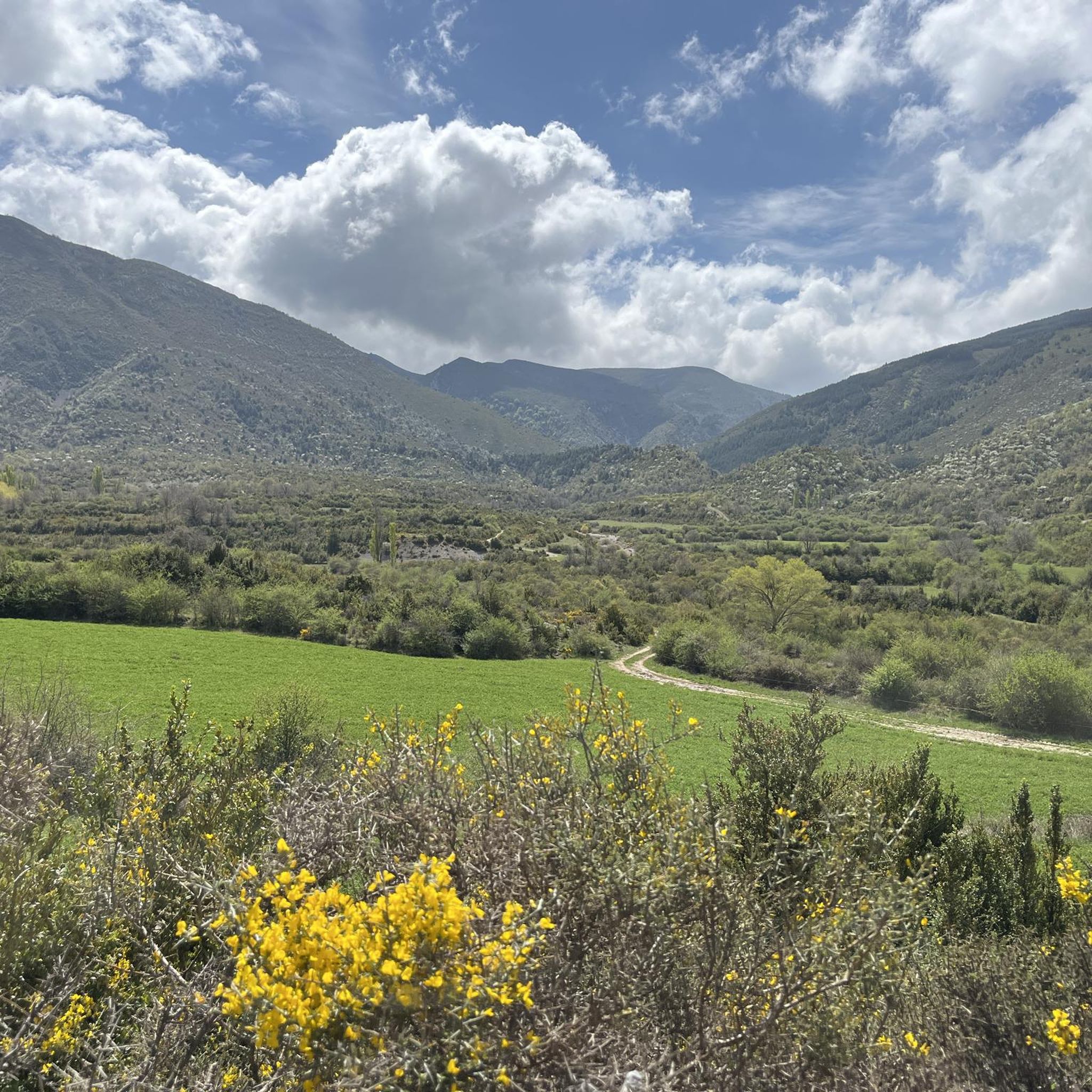
Cycling around La Sotonera
Running Trails around La Sotonera

Gravel biking around La Sotonera
Other adventures around La Sotonera


Tips from the Community

The castle contains elements of Romanesque architecture and has Bien de Interés Cultural status, which indicates its importance to the Spanish architectural heritage.
2
0

Gorgeous, and the trails in the area are spectacular.
0
0

Loarre Castle or Loarre Abbey Castle (in Aragonese castiello de Lobarre) is a Romanesque castle located in the province of Huesca, Aragon, Spain. It was built in the 11th century and is in a good state of preservation, making it one of the best examples of Romanesque military and civil architecture in Spain. The castle sits on a limestone promontory that it uses as a foundation. This was a great defensive advantage, since the walls could not be mined (a common technique in the siege of fortresses, which consisted of building a tunnel under the wall and then collapsing it to open a breach through which to attack). It is also surrounded by a wall with towers. The castle is in a fairly good state of preservation (except for the part of the old castle of Sancho III of Navarre, which is much more deteriorated) and is considered the best preserved Romanesque fortress in Europe.
2
0

the pleasure of seeing the vultures resting on the ruin of this castle
0
0

It is worth visiting this medieval castle, which was also the setting for famous films.
1
0

No matter from which perspective, the view of the castle of Loarre is simply impressive. And it is that, located on a limestone promontory, this is the Romanesque castle in the best state of conservation in all of Europe. It was built in the 11th century by order of King Sancho III and in recent decades it has featured in several films, notably Ridley Scott's Kingdom of Heaven.
3
0

Remains of one of the castles that were within the area of the central pre-Pyrenees. The place can be seen from the track that connects with Sarsamacuello and the panoramic view is especially beautiful. Place that in the s. XII was governed by queen widow Berta. There is no established reasoning about its origin, believing that since the time of Sancho I the work could have begun around 1074. It is known that it was uninhabited around 1610, like Loarre. The place with a privileged position, on a plane the location was with the river Gállego at its feet, and the Mallos behind, allowing a defense from all fronts. To this day, there are remains of what was the fortification tower, as well as two religious spaces from the Romanesque period.
0
0

The ruins of this castle continue to deteriorate over the years, becoming more and more like a mallo rather than what it was originally. A good place to use your imagination.
0
0
Frequently Asked Questions
What historical sites can I visit near La Sotonera?
The region is rich in history. You can explore Loarre Castle, one of Europe's best-preserved Romanesque castles, dating back to the 11th century. Also, consider visiting the majestic Colegiata de Bolea, the historic Iglesia de San Esteban in Loarre, or the ruins of Marcuello Castle, which offers spectacular views.
Where can I go for birdwatching around La Sotonera?
The Embalse de la Sotonera and Alberca de Alboré are significant wetlands at the foot of the Pyrenees, making them a paradise for birdwatchers. They serve as a temporary home for many waterfowl and a crucial rest stop for thousands of cranes during migration.
What natural landscapes are worth exploring in La Sotonera?
Beyond the wetlands, you can discover the impressive rock formation of Salto de Roldán. The Sierras de Gratal and Caballera, located north of La Sotonera, offer a rich diversity of flora and fauna, and geological history. Don't miss Tozal de Gratal, an emblematic peak with panoramic views.
Are there any reservoirs or lakes for outdoor activities?
Yes, the Arguis Reservoir, located about 20 kilometers from Huesca, is a picturesque area popular for fishing and hiking. The Embalse de la Sotonera itself is also a key natural feature, formed by the damming of the Sotón River.
What kind of hiking trails are available near La Sotonera?
The area around La Sotonera offers various hiking opportunities. You can find trails that lead to viewpoints like Tozal de Gratal, or explore natural monuments like Gorgas de San Julián. For more detailed routes, including those around Arguis Reservoir and Pico de la Calma Alta, check out the Running Trails around La Sotonera guide.
Can I find cycling routes around La Sotonera?
Absolutely. The region provides diverse cycling experiences, from moderate to difficult routes. You can explore trails around Loarre Castle or venture towards areas like Vultures Viewpoint and Peñas de Riglos. For specific routes and difficulty ratings, refer to the MTB Trails around La Sotonera and Gravel biking around La Sotonera guides.
Are there family-friendly attractions in La Sotonera?
Yes, the Arguis Reservoir is noted as a family-friendly natural area, perfect for a day out with fishing and gentle walks. The natural spaces around the Embalse de la Sotonera are also suitable for families interested in birdwatching and enjoying nature.
Where can I find the best panoramic views in La Sotonera?
For breathtaking panoramic views, head to Tozal de Gratal, where you can see the Sierra de Guara, the plain of Huesca, and the Pyrenees. The ruins of Marcuello Castle also offer spectacular vistas over La Galliguera and the Mallos de Riglos.
Are there any hidden gems or unique spots to discover?
Certainly! The Ermita rupestre Virgen de la Peña is an unexpected rock-hewn hermitage nestled in a gorge, offering a unique and serene experience. Another intriguing spot is the Ermita de San Julián, uniquely situated within a cave in the mountains. Don't forget the spectacular Gorgas de San Julián, a short walk from the hermitage.
What is the best time of year to visit La Sotonera for outdoor activities?
La Sotonera, located in Aragón, Spain, generally offers pleasant conditions for outdoor activities for much of the year. Spring and autumn are particularly ideal, with milder temperatures perfect for hiking, cycling, and birdwatching. Summers can be warm, but the reservoirs and shaded trails offer respite. Winter provides a different charm, especially for birdwatching during crane migrations.
What cultural sites are there in the nearby towns?
The charming town of Bolea, very close to La Sotonera, boasts the majestic Colegiata de Bolea, an architectural treasure with spectacular regional views. Ayerbe, a short drive away, also offers its own historical and architectural appeal, strategically located between the Mallos de Riglos and Loarre Castle.
Most popular routes around La Sotonera
Most popular attractions around La Sotonera

Get inspired with the komoot mobile app


Explore more
Still not found the Highlight you’re looking for? See guides of the top attractions in other regions:
