The best walks and hikes around Uterga
4.3
(160)
1,310
hikers
109
hikes
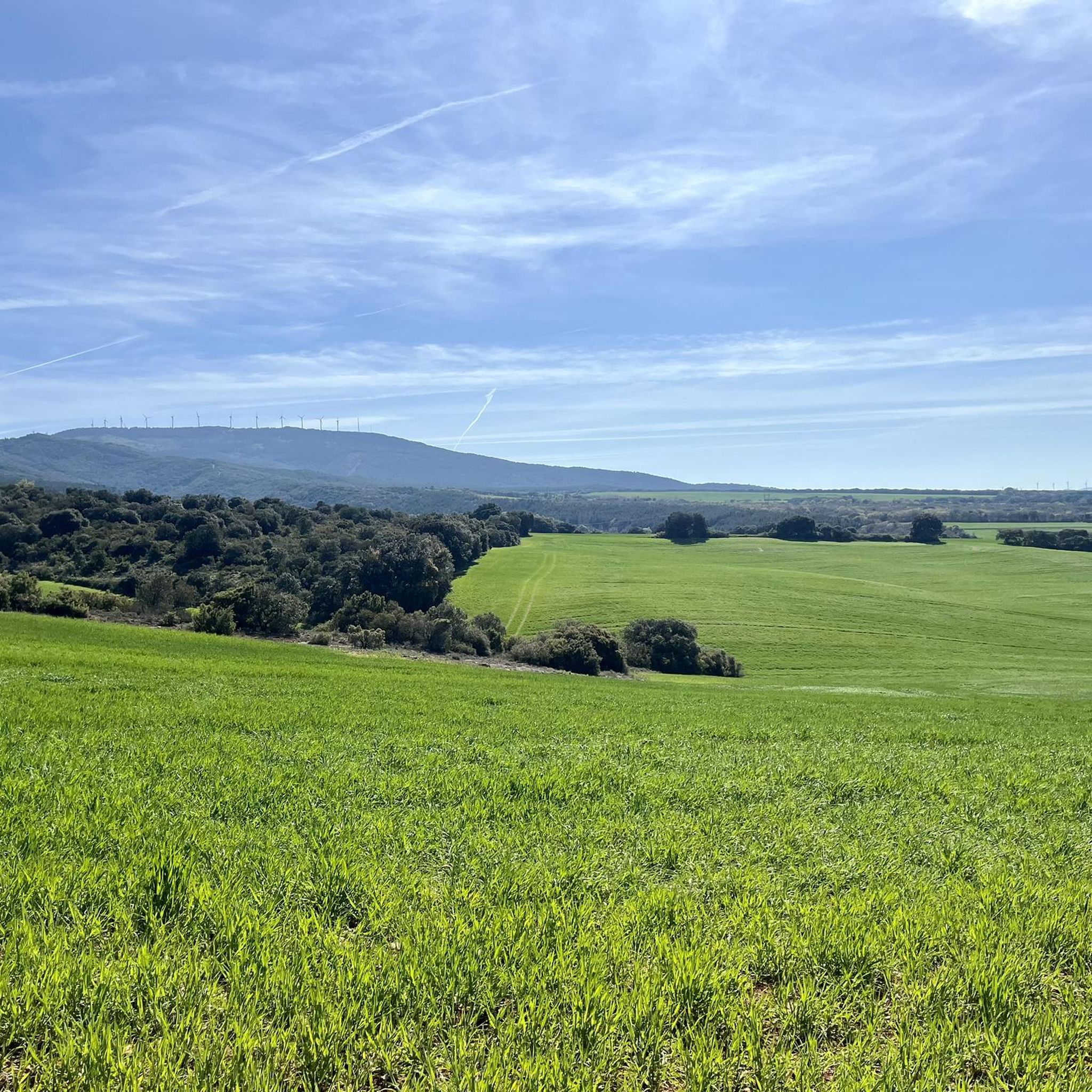
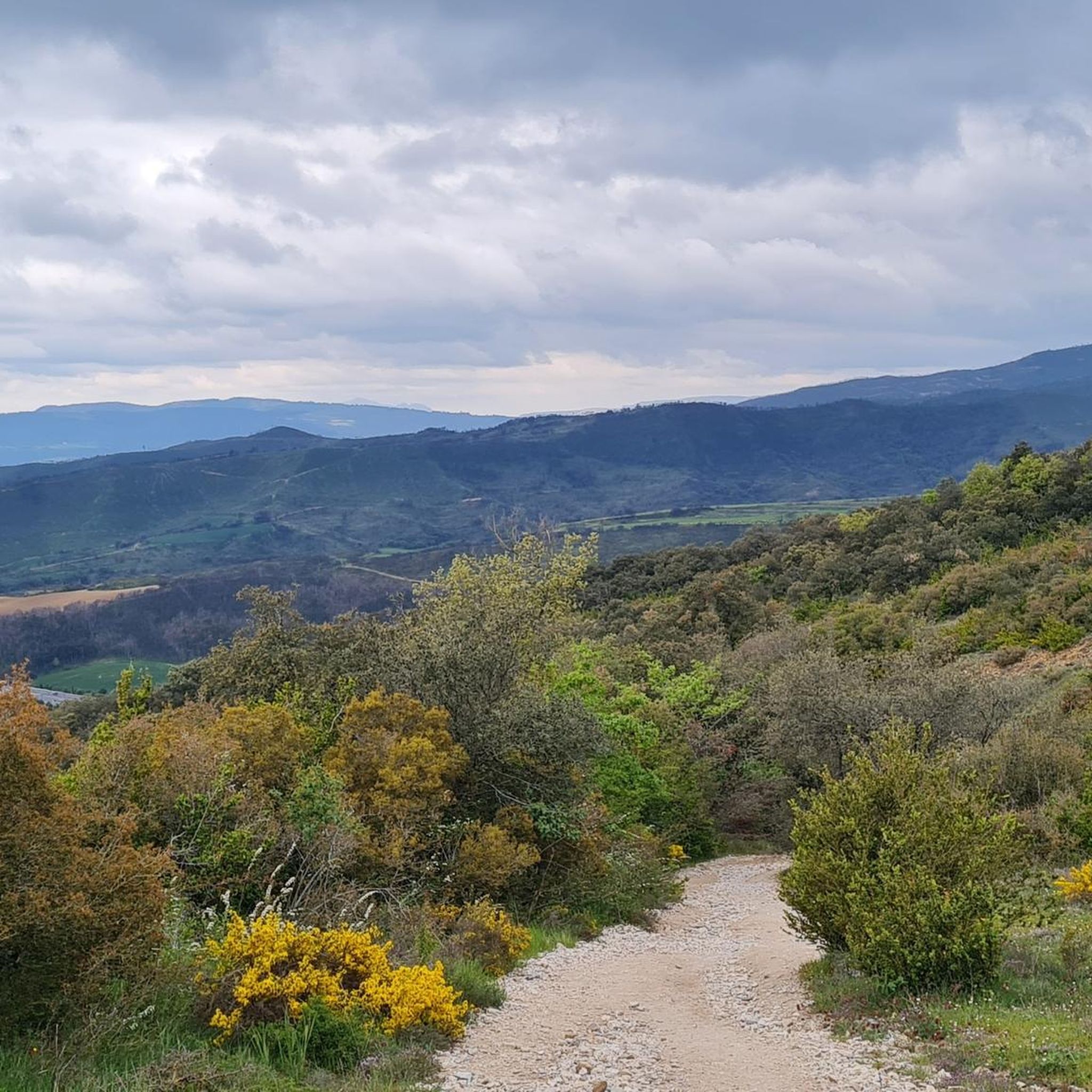
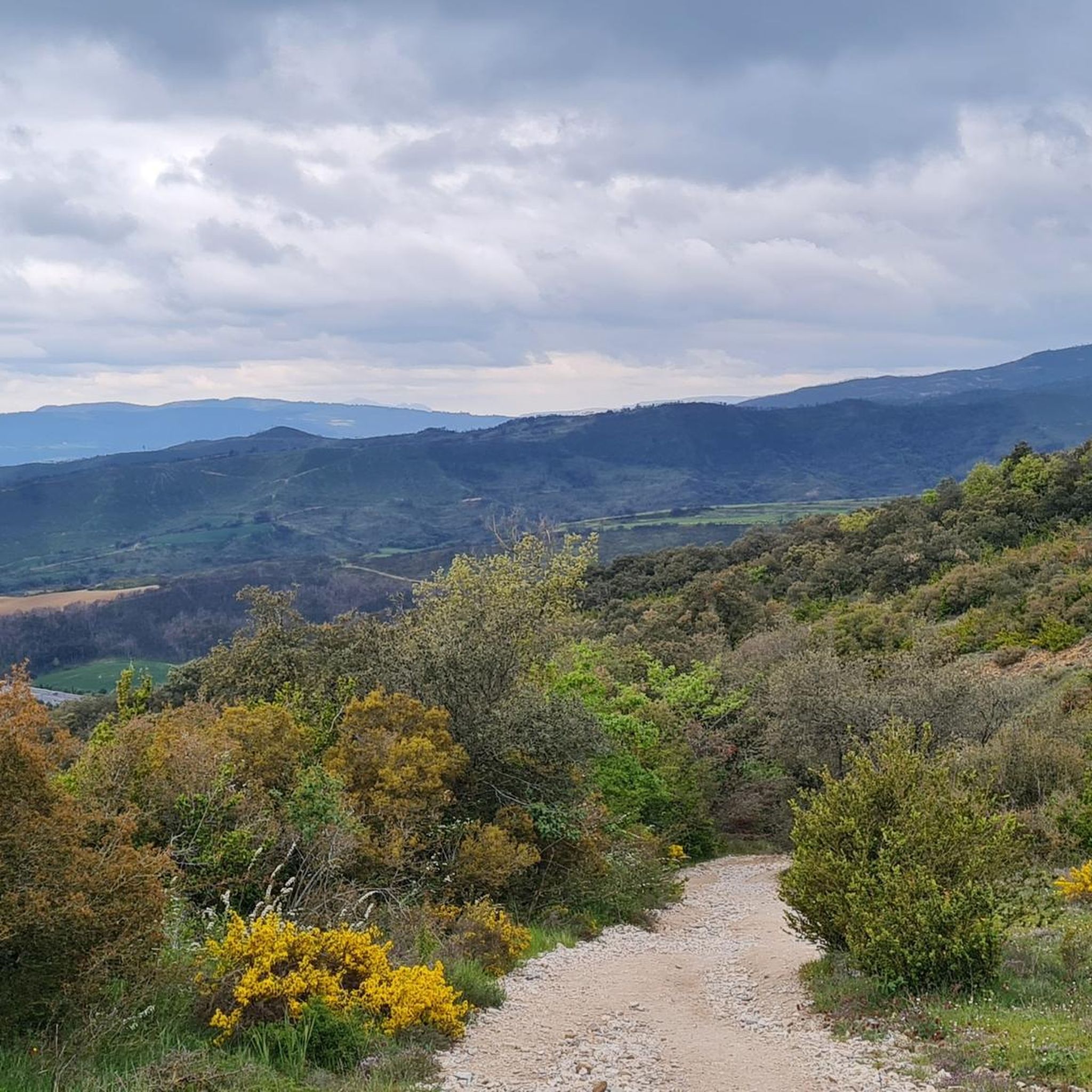
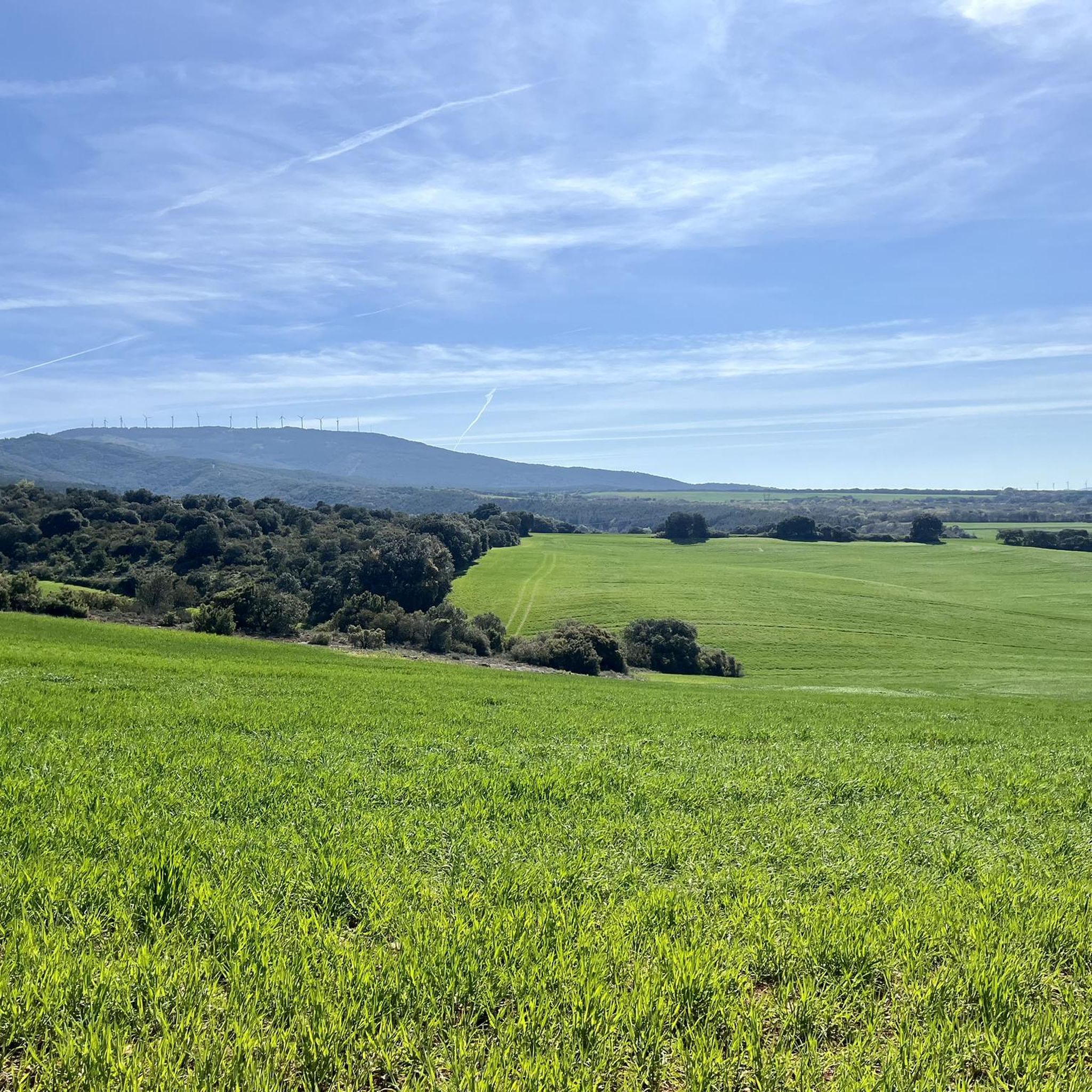
Hiking around Uterga offers access to varied terrain in the Navarra region of Spain, notably as a stop on the Camino de Santiago. The landscape features significant ascents like the Alto del Perdón, reaching around 770 meters, which provides panoramic views. Trails also traverse farmlands and can include challenging descents with loose gravel. The area is close to natural parks such as Urbasa-Andía, characterized by limestone pavements, extensive beech groves, and the turquoise waters of the Urederra River.
Best hiking…
Last updated: July 2, 2026
1.0
(1)
9
hikers
10.2km
02:53
230m
230m
Moderate hike. Good fitness required. Mostly accessible paths. Sure-footedness required.
4.8
(12)
50
hikers
24.1km
06:37
380m
380m
Hard hike. Very good fitness required. Easily-accessible paths. Suitable for all skill levels.

Sign up for free
4.2
(5)
39
hikers
25.8km
07:43
600m
610m
Hard hike. Very good fitness required. Sure-footedness, sturdy shoes and alpine experience required.
4.8
(4)
26
hikers
Moderate hike. Good fitness required. Easily-accessible paths. Suitable for all skill levels.
4.7
(3)
21
hikers
8.36km
03:02
370m
370m
Hard hike. Good fitness required. Sure-footedness, sturdy shoes and alpine experience required.
Get access to more routes and recommendations from other explorers.
Sign up for free
Already have an account?
Our route recommendations are based on thousands of hikes, rides, and runs completed by other people on komoot.
Start today with a free account
Your next adventure awaits.
Login or Signup
Tips from the Community

The Punte la Reina Bridge (Queen's Bridge) was built in the 11th century to facilitate pilgrims' crossing of the river. The Aragonese and Navarrese branches of the Way of St. James converge at Puente la Reina; the common route crosses the Arga River over the bridge of the same name.
0
0

Santa María de Eunate is a Romanesque church on the Aragonese branch of the Way of St. James in Navarre. The church was built at the end of the 12th century in the Romanesque style with Mozarabic influences. The octagonal design is a reference to the Templars. There used to be a hospice here that belonged to the Order of St. John and today it is a hostel for pilgrims.
0
0

The Iglesia del Crucifijo in Puente la Reina is a fascinating historical monument deeply rooted in the history of the Camino de Santiago. Originally built in the 12th century by the Knights Templar, the church was later taken over by the Order of St. John of Jerusalem. The church consists of two different naves: a Romanesque one from the 12th century and a Gothic one that was added later. What makes this church really special is the impressive Gothic crucifix in the shape of a “Y”, one of the most remarkable Gothic sculptures in Spain.
2
0
The Church of San Juan Bautista in Obanos, located in the Plaza de los Fueros, is a beautiful example of neo-Gothic architecture. Built in 1912, this church exudes an impressive historical charm. The church’s façade features a portico and a square tower, which contribute to the building’s majestic appearance. Inside, the church exudes a serene and sacred atmosphere, with beautiful stained glass windows and detailed decorations that reflect the church’s rich history.
1
0

This room allows every pilgrim to write down intercessions and prayers to place at the Jesus statue or write them in the prayer book. A simple, beautiful room that has preserved much of the old spirituality. Pilgrim station.
1
1

Right now I'm sorry...it's a very top site...anyone here?
0
0

One of the few octagonal churches in the world, belonging to the Templars.
1
0

There is something magical about this place
2
0
Frequently Asked Questions
How many hiking trails are available around Uterga?
There are over 100 hiking routes around Uterga, offering a wide range of options for different skill levels. You'll find 30 easy routes, 66 moderate trails, and 14 more challenging hikes.
What kind of terrain can I expect on hikes near Uterga?
The terrain around Uterga is quite varied. You can expect paths through farmlands with fields of poppies and canola, as well as significant ascents like the Alto del Perdón. Some descents, particularly from Alto del Perdón, are known for loose gravel and stepped paths, requiring careful footing.
Are there any family-friendly hiking options near Uterga?
While many trails around Uterga are part of the Camino de Santiago and can be challenging, the wider Navarra region offers family-friendly options. The trail to the Source of the River Urederra, located in Urbasa-Andía Natural Park, is a relatively easy 6.2-kilometer hike with a gentle gradient, suitable for families and showcasing beautiful turquoise waters and waterfalls.
Can I bring my dog on the hiking trails around Uterga?
Many trails in the Navarra region, including those around Uterga, are generally dog-friendly. However, it's always recommended to keep dogs on a leash, especially in areas with livestock or protected wildlife. Be mindful of the challenging terrain on some routes, such as the loose gravel descents from Alto del Perdón, which might be difficult for some pets.
What are some notable landmarks or viewpoints to see while hiking near Uterga?
A significant landmark is the Monumento al Peregrino at the summit of Alto del Perdón, offering breathtaking panoramic views of the surrounding countryside and distant Pyrenees. The Puente la Reina Romanesque Bridge is another iconic sight along the Camino de Santiago.
Are there any circular hiking routes available from Uterga?
Yes, there are several circular routes. One popular option is the Muruzabal-Arnotegi – circular via the Camino Frances, a 10.2 km trail that follows a segment of the historic pilgrimage path.
What is the best time of year to go hiking in Uterga?
Spring and autumn are generally the best times for hiking around Uterga. The weather is milder, and the landscapes are vibrant with spring blooms or autumn colors. Summer can be hot, especially on exposed sections of the Camino, while winter may bring colder temperatures and potentially snow at higher elevations like Alto del Perdón.
What do other hikers enjoy most about hiking in Uterga?
The area is highly rated by the komoot community, with an average score of 4.4 stars from over 120 reviews. Hikers often praise the historical significance of the Camino de Santiago, the stunning panoramic views from Alto del Perdón, and the diverse landscapes ranging from farmlands to more challenging mountain paths.
Are there any challenging hikes for experienced hikers near Uterga?
Yes, Uterga offers challenging routes for experienced hikers. The ascent to Alto del Perdón is physically demanding, and routes like the St. Andrew's Church – Puente la Reina Bridge loop from Uterga, a 25.8 km trail, feature significant elevation gain and varied terrain, often taking nearly 8 hours to complete.
Are there any waterfalls or unique natural features to explore?
While not directly in Uterga, the nearby Source of the River Urederra in Urbasa-Andía Natural Park is famous for its strikingly turquoise waters, numerous waterfalls, and natural pools. It's a beautiful natural reserve that makes for a rewarding day trip from Uterga.
Is there public transport or parking available for hikers in Uterga?
Uterga is a stop on the Camino de Santiago, so it is accessible. While specific public transport details for trailheads may vary, Uterga itself has basic amenities. Parking is generally available within the village, but it's advisable to check local regulations, especially during peak pilgrimage seasons.
What is the typical duration for hikes around Uterga?
Hike durations vary significantly based on the route's length and difficulty. Shorter, moderate trails like the Muruzabal-Arnotegi – circular via the Camino Frances can take around 3 hours. More difficult and longer routes, such as the St. Andrew's Church – Puente la Reina Bridge loop from Uterga, can take nearly 8 hours.
Most popular attractions around Uterga

Get inspired with the komoot mobile app


Explore more
Browse the best Hikes in other regions.
