The best gravel rides around Uterga
3.9
(6)
58
riders
33
rides
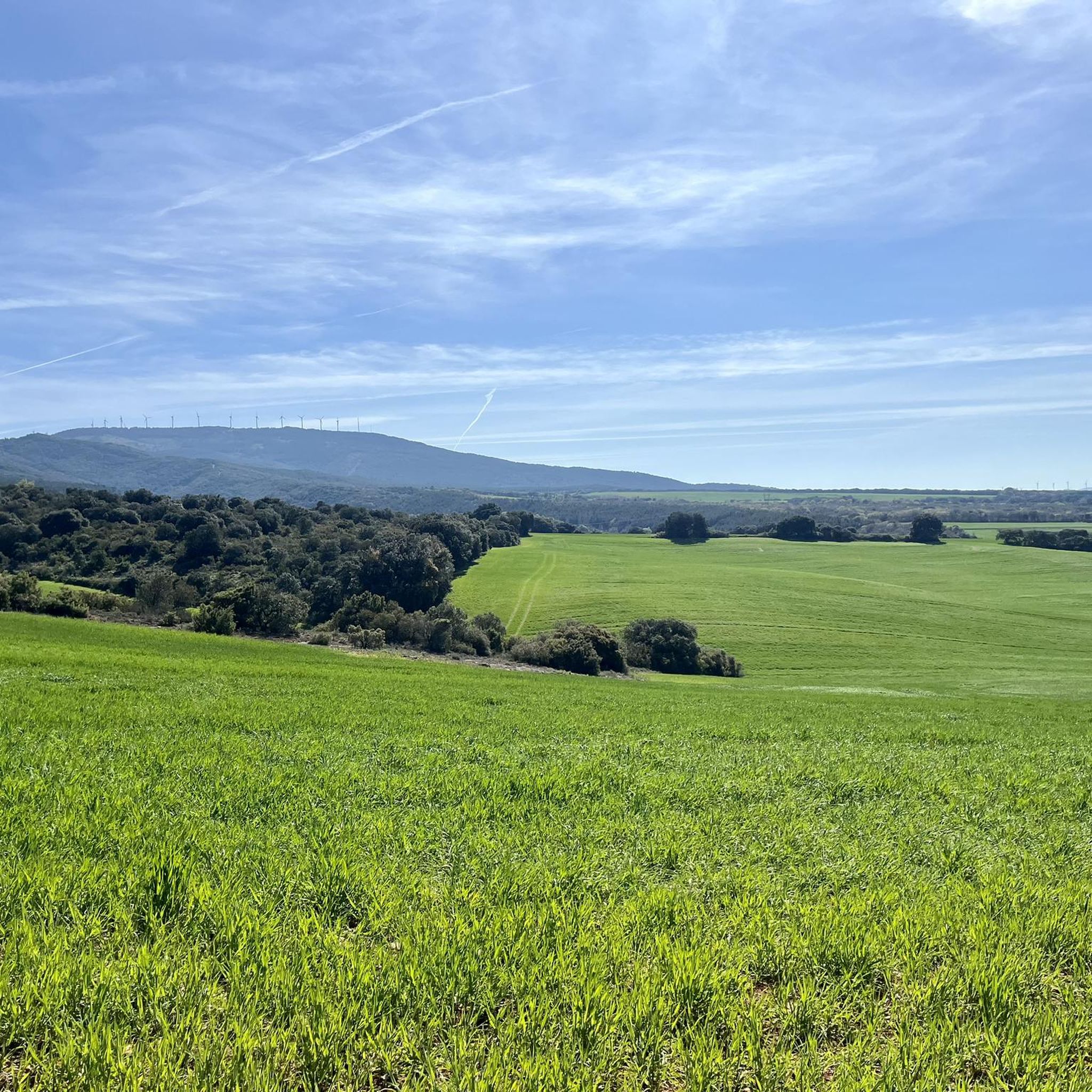
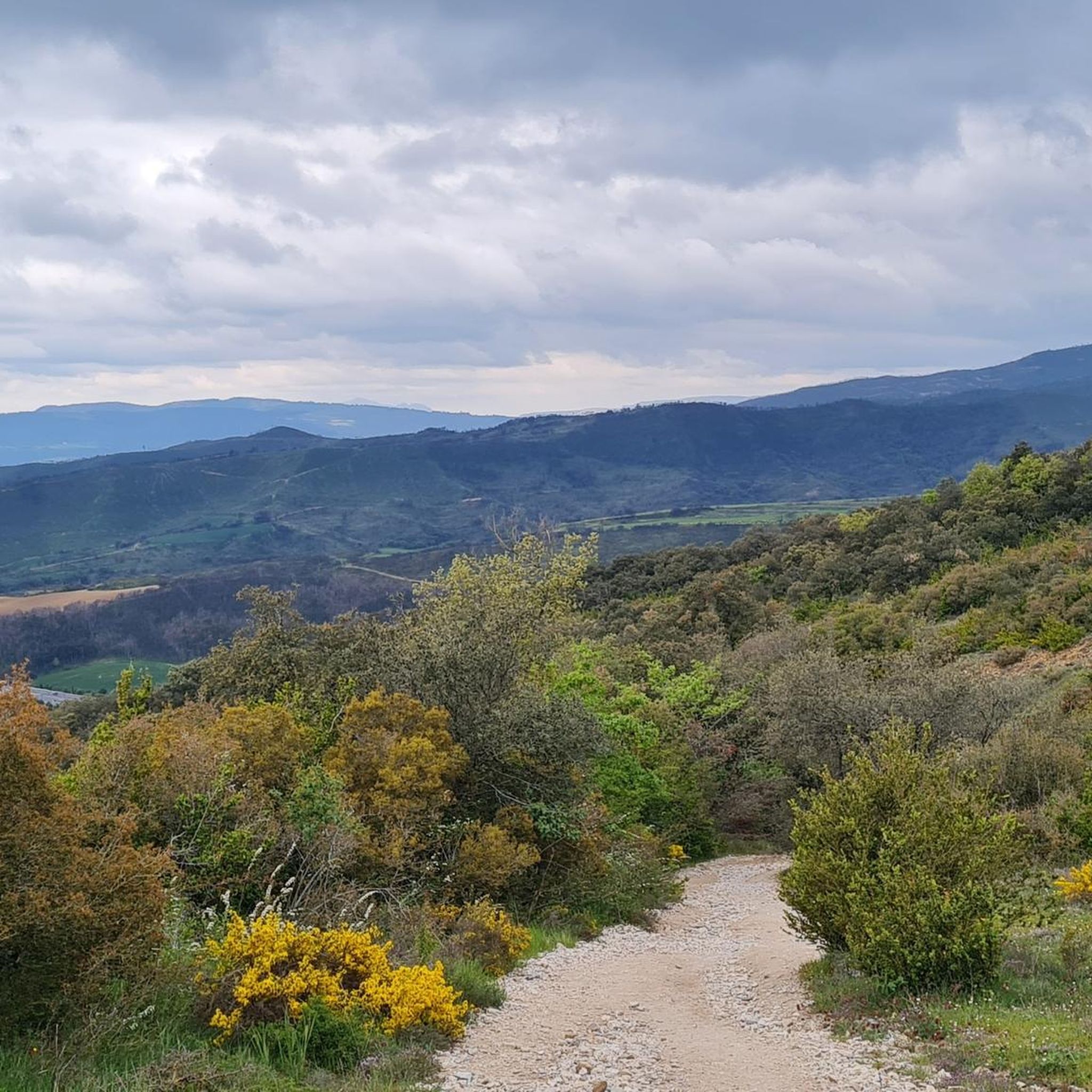
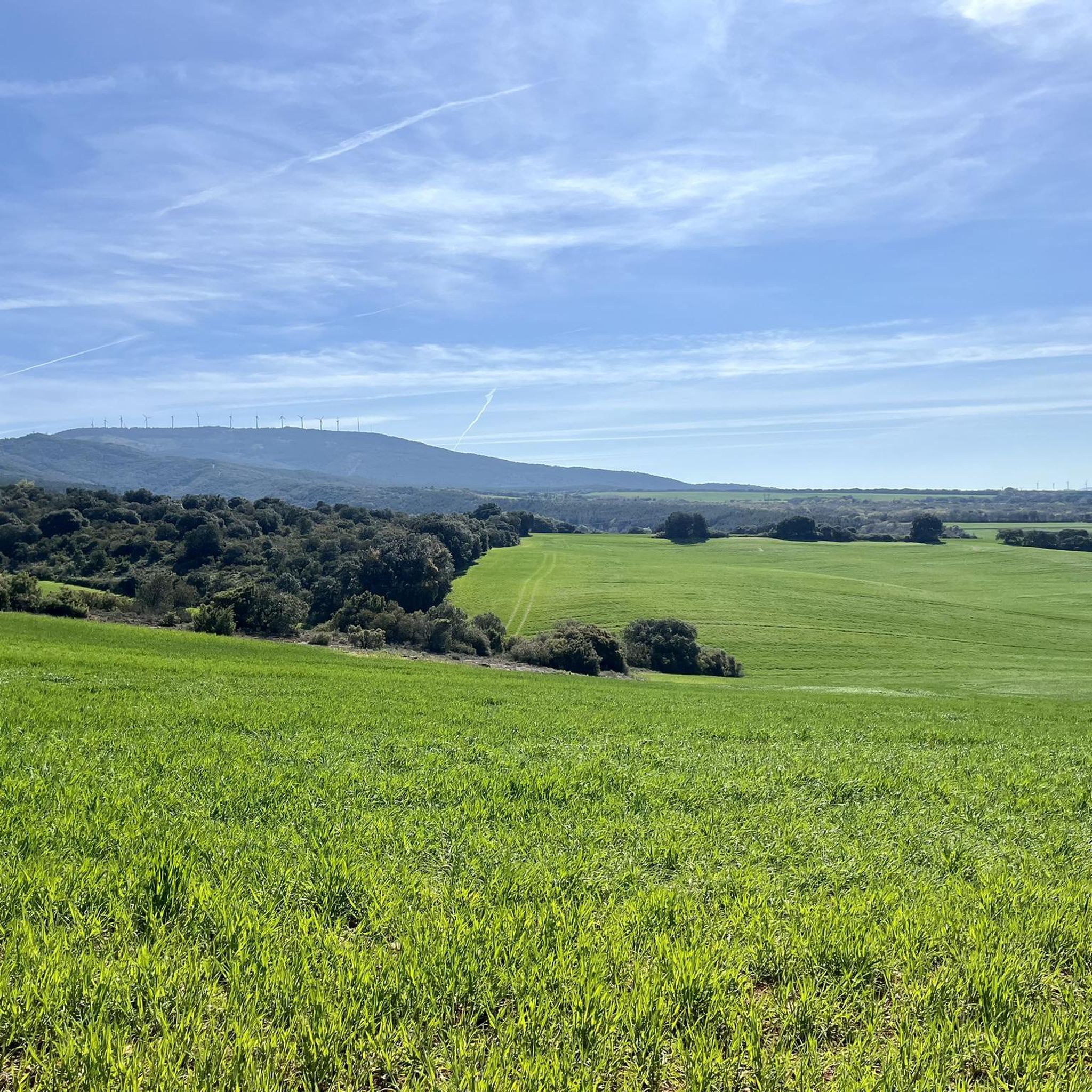
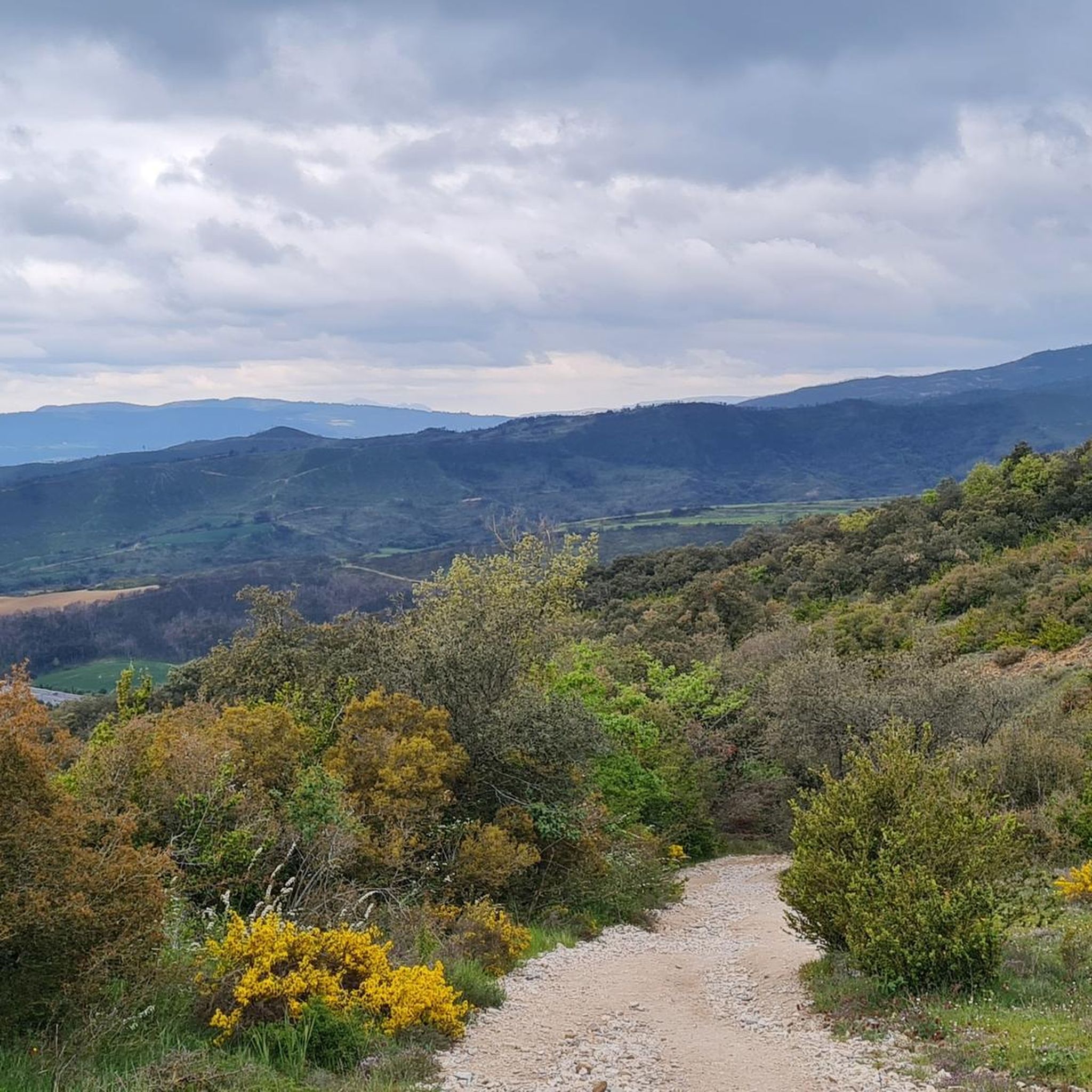
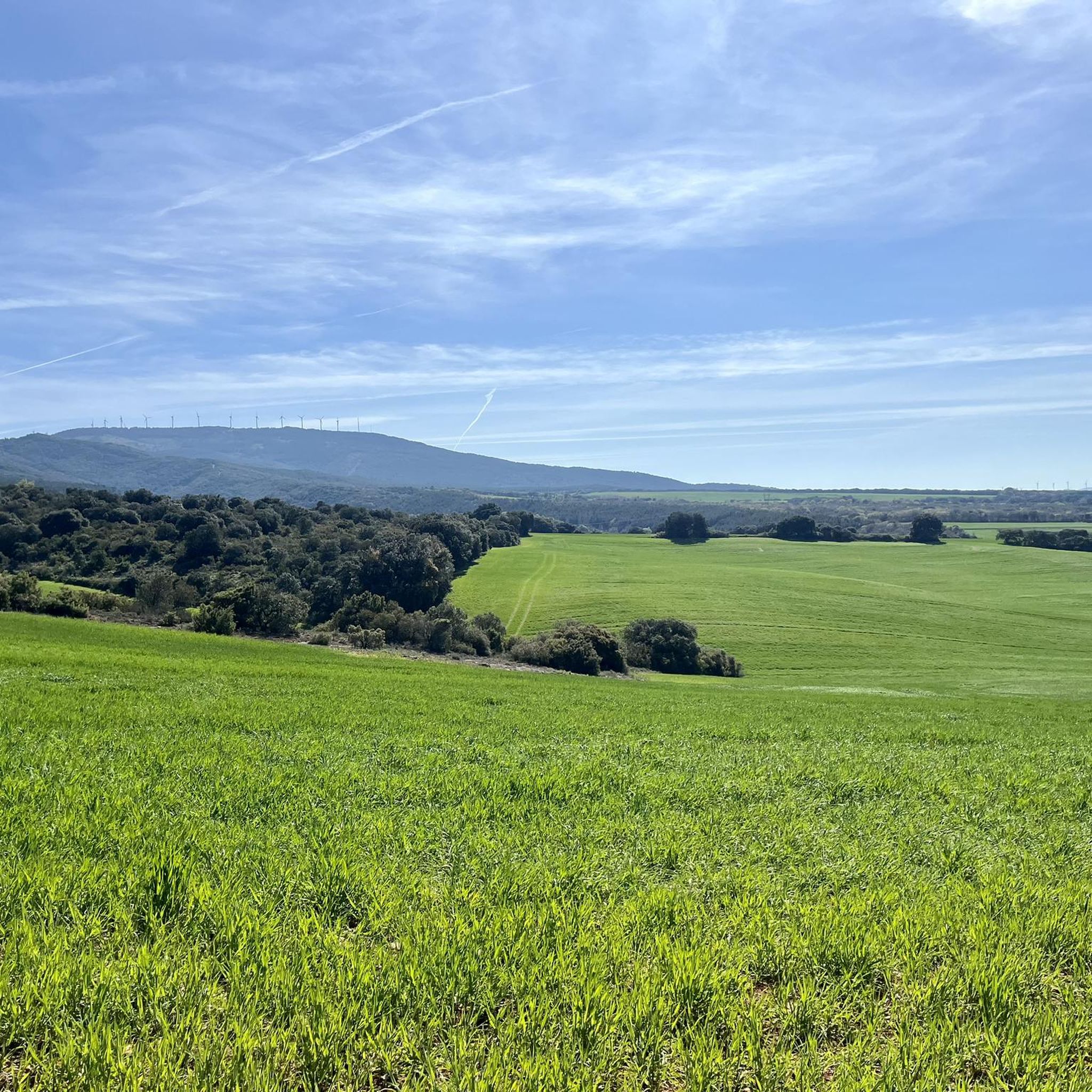
Gravel biking around Uterga explores a landscape characterized by rolling hills, agricultural plains, and scattered woodlands in the Navarre region of Spain. The area features a network of unpaved roads and tracks, connecting historical villages and natural features. Routes often traverse open countryside, offering views of distant hills and local architecture. The terrain typically involves moderate ascents and descents suitable for gravel bikes.
Best gravel bike trails around Uterga
- The most popular gravel bike trail is Gothic House of Biurrun…
Last updated: October 24, 2026
4.3
(3)
10
riders
Hard gravel ride. Very good fitness required. Mostly paved surfaces.
4.5
(2)
16
riders
103km
06:03
1,340m
1,340m
Hard gravel ride. Very good fitness required. Mostly paved surfaces.

3
riders
Hard gravel ride. Very good fitness required. Mostly paved surfaces.
3.0
(1)
10
riders
Hard gravel ride. Very good fitness required. Mostly paved surfaces.
11
riders
51.5km
03:19
920m
920m
Hard gravel ride. Very good fitness required. Mostly paved surfaces.
Get access to more routes and recommendations from other explorers.
Already have an account?
Our route recommendations are based on thousands of hikes, rides, and runs completed by other people on komoot.
Start today with a free account
Your next adventure awaits.
Tips from the Community

Beautiful Romanesque church with a small but beautiful cloister in which we can find an intertwined column.
0
0

Gothic House Gothic house from the end of the 15th century, which is notable for the enormous pointed doorway with a moulded ring and large voussoirs, on the keystone of which a quartered coat of arms is engraved, on the first and fourth floors, three bands with wolves inscribed on them, and on the second and third floors, panels. On the second floor, there are three pairs of twinned windows, with semicircular arches, with second lobed arches with balls and ogees. The wooden eaves that crown the building are notable.
0
0

Endless expanses in the midst of nature
0
0

Santa María de Eunate is a Romanesque church on the Aragonese branch of the Way of St. James in Navarre. The church was built at the end of the 12th century in the Romanesque style with Mozarabic influences. The octagonal design is a reference to the Templars. There used to be a hospice here that belonged to the Order of St. John and today it is a hostel for pilgrims.
0
0

San Pedro de la Rúa is a beautiful historic church located in the heart of the medieval town of Estella-Lizarra, along the famous Camino de Santiago. Built in the 12th century, this church is a magnificent example of Romanesque architecture. Its most striking feature is the cloister, considered one of the richest sculptural ensembles in Navarra. The church itself is imposing and exudes a serene tranquility. Inside you will find beautiful vaults and historical works of art that reflect the rich history of the region. San Pedro de la Rúa’s location, high above the town, offers magnificent views over Estella and the surrounding landscapes.
1
0
The Iglesia del Crucifijo in Puente la Reina is a fascinating historical monument deeply rooted in the history of the Camino de Santiago. Originally built in the 12th century by the Knights Templar, the church was later taken over by the Order of St. John of Jerusalem. The church consists of two different naves: a Romanesque one from the 12th century and a Gothic one that was added later. What makes this church really special is the impressive Gothic crucifix in the shape of a “Y”, one of the most remarkable Gothic sculptures in Spain.
2
0

The centre of the ''Plaza do Castillo'' has been occupied since 28 June 1943 by an 18-metre-high bandstand raised on a stepped drum and whose dome is supported by Ionic columns. Previously, there was a wooden one that replaced the Beneficencia fountain in 1910, the work of Luis Paret, known in Pamplona as "La Mariblanca", which currently adorns the city's Taconera gardens.
1
0

This room allows every pilgrim to write down intercessions and prayers to place at the Jesus statue or write them in the prayer book. A simple, beautiful room that has preserved much of the old spirituality. Pilgrim station.
1
1
Frequently Asked Questions
How many gravel bike trails are available around Uterga?
There are over 20 gravel bike routes documented around Uterga on komoot, offering a variety of experiences through the Navarre landscape. These routes are highly rated by the komoot community, with an average score of 4.8 stars.
Are there any easy gravel bike routes suitable for beginners in Uterga?
While many routes around Uterga are rated as difficult due to elevation changes, the region's network of unpaved roads and tracks offers options for varying skill levels. For a moderate introduction, consider routes that stick to the flatter agricultural plains. Always check the route details for elevation and distance before you go.
What are some longer gravel cycling routes near Uterga?
For a challenging long-distance ride, the Estella-Lizarra – Puente la Reina loop from Bidaurreta covers an extensive 67.8 miles (109.1 km), connecting two historic towns through varied terrain.
Are there circular gravel bike routes available in Uterga?
Yes, many of the gravel routes around Uterga are circular, allowing you to start and finish at the same point. An example is the Gothic House of Biurrun – Ardoi–Muru-Astráin Link Track loop from Zizur Mayor / Zizur Nagusia, which is 27.1 miles (43.6 km) long and features historical structures.
What kind of terrain can I expect on Uterga's gravel bike trails?
The terrain typically involves a mix of unpaved roads, agricultural paths, and tracks. You'll encounter rolling hills, open countryside, and scattered woodlands, with moderate ascents and descents characteristic of the Navarre region.
What is the best season for gravel biking in Uterga?
Uterga's climate generally allows for gravel biking through much of the year. Spring and autumn offer pleasant temperatures and vibrant landscapes. Summers can be warm, so early morning or late afternoon rides are often preferred, while winters are generally mild but can have cooler, wetter conditions.
Are there any family-friendly gravel bike routes around Uterga?
While many routes have significant elevation, families might find shorter, less strenuous sections of the agricultural paths more suitable. Look for routes with minimal elevation gain and shorter distances, focusing on the open countryside for a relaxed experience.
What are some interesting landmarks or viewpoints along the gravel routes?
Many routes offer views of distant hills and local architecture. You can also find notable landmarks such as the Pilgrim Monument at Alto del Perdón, the Puente la Reina Romanesque Bridge, and the Church of Santa María de Eunate. The View from Alto del Perdón is also a popular stop.
Are there places to stop for refreshments or cafes near the gravel trails?
The routes often connect historical villages, which typically offer opportunities for refreshments. Towns like Puente la Reina, Estella-Lizarra, and Zizur Mayor / Zizur Nagusia, which are starting points or pass-throughs for many routes, will have cafes and amenities.
What should I wear for gravel biking in Uterga?
Given the varied terrain and potential for moderate ascents and descents, wear comfortable cycling attire suitable for the season. Layers are always recommended, especially in spring and autumn. A helmet, gloves, and appropriate cycling shoes are essential for safety and comfort on unpaved surfaces.
Where can I find parking for gravel bike trails in Uterga?
Many routes start from or pass through villages like Zizur Mayor / Zizur Nagusia, Bidaurreta, and Noain-Aeropuerto / Aireportua. These locations typically offer public parking options. It's advisable to check specific starting points for designated parking areas.
Can I reach Uterga's gravel trails using public transport?
While Uterga itself is a smaller village, larger nearby towns that serve as starting points for some routes, such as Zizur Mayor / Zizur Nagusia, may have better public transport connections. Consider planning your route to start from a location accessible by bus or train if you're relying on public transport.
What do other gravel bikers say about the trails in Uterga?
The gravel biking community on komoot highly rates the routes around Uterga, with an average score of 4.8 stars from over 5 reviews. Users often praise the mix of agricultural paths, the connections to historic villages, and the scenic views across the Navarre landscape.
Are there any advanced gravel trails for experienced riders?
Yes, Uterga offers several challenging routes for experienced riders. The Medieval Bridge of Monreal – View of the Elorz Valley loop from Noain-Aeropuerto / Aireportua, at 48.4 km with significant elevation, provides a demanding ride. Another option is the Balsa de Idiazabal – Views of the fields loop from Cizur, which also features substantial climbing over 48 km.
Most popular attractions around Uterga

Get inspired with the komoot mobile app


Explore more
Browse the best Gravel rides in other regions.
