Attractions and Places To See around Salvaterra De Miño - Top 20
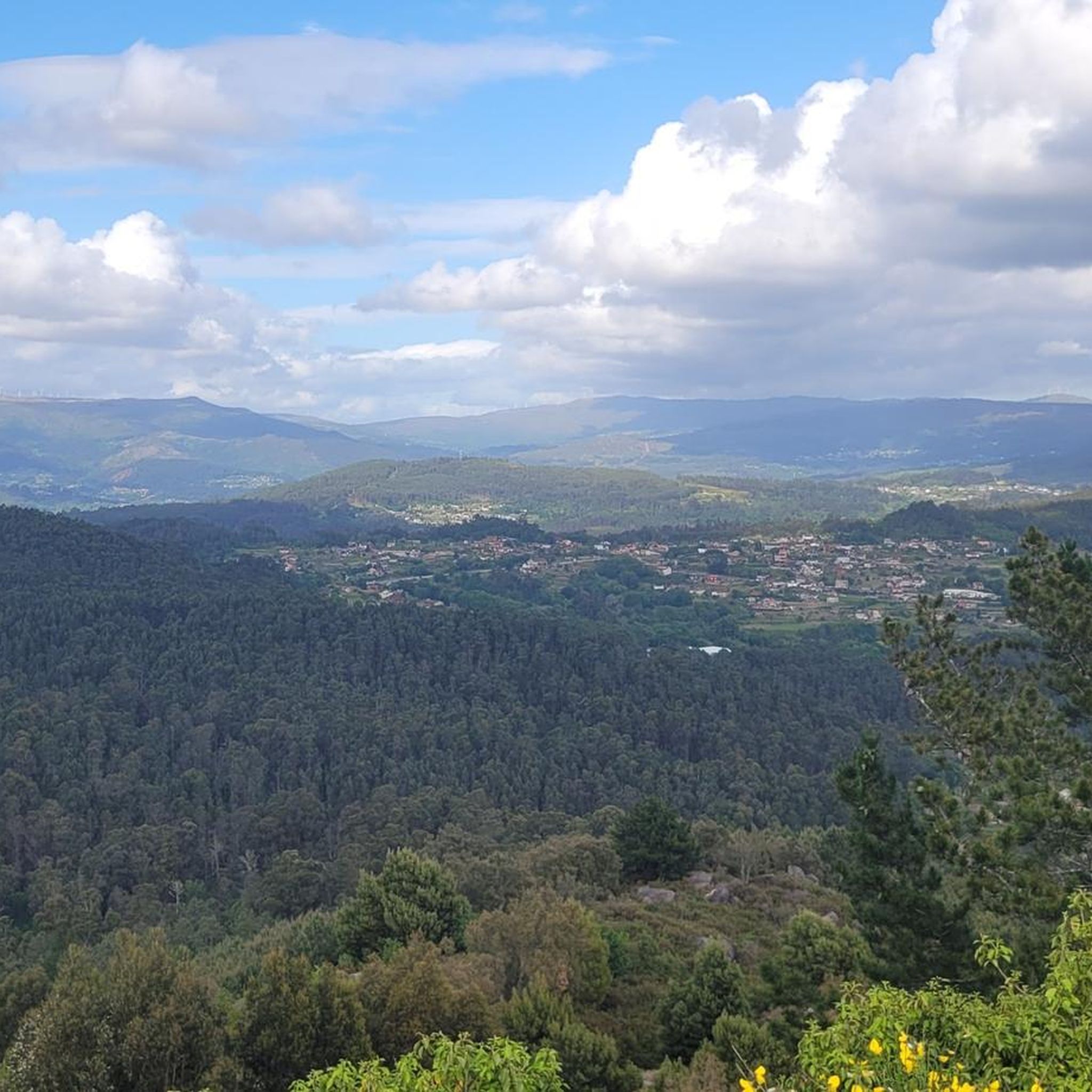
Attractions and places to see around Salvaterra De Miño are situated in Galicia, Spain, on the northern bank of the Miño River, bordering Portugal. This region features a blend of historical sites, natural landscapes, and cultural experiences. Visitors can explore ancient fortresses, expansive parks, and thermal springs. The area offers diverse points of interest for those seeking to discover its unique character.
Best attractions and places to see around Salvaterra De Miño
- The most popular attractions is Roman Bridge of Orbenlle, a bridge that crosses the Louro River. This path offers a splendid environment for exploration.
- Another must-see spot is Tui-Valencia International Bridge, a bridge connecting Tui in Spain and Valença do Minho in Portugal over the Miño River. It was constructed between 1882 and 1884, serving both road and rail traffic.
- Visitors also love Fortress of Valença, a historical site and fort. This imposing 17th-century fortress, built on the ruins of an older castle, is a significant example of military architecture with star-shaped walls extending over 5 kilometers.
- Salvaterra De Miño is known for its historical sites, natural parks, and traditional bridges. The region offers a variety of attractions to see and explore, from ancient structures to riverine landscapes.
- The attractions around Salvaterra De Miño are appreciated by the komoot community, with over 500 upvotes and more than 120 photos shared.
Last updated: July 20, 2026
Roman Bridge of Orbenlle
Highlight • Bridge
Translated by Google •
Tip by

Tui-Valencia International Bridge
Highlight • Bridge
Translated by Google •
Tip by
Sign up now to discover places like this
Get recommendations on the best single tracks, peaks, & plenty of other exciting outdoor places.
Sign up for free
Fortress of Valença
Highlight • Historical Site
Built in the 17th century on the ruins of an ancient 13th-century castle, the fortress is a masterful example of military architecture of the period, with its star-shaped walls stretching for an impressive 5.5 kilometers.
Upon entering, one immediately senses the strength and grandeur of Valença, one of the oldest towns in Portugal.
Translated by Google •
Tip by

Ponte da Veiga
Highlight • Bridge
The Ponte de A Veiga was built of granite and consists of four arches. It was part of the ancient Roman Via XIX, which connected Bracara (present-day Braga, Portugal) with Santiago de Compostela.
Pilgrims walking the Portuguese Way to Santiago de Compostela pass over this bridge, making it a place of great historical significance.
If you ever visit Tui, don't miss the opportunity to cross this beautiful bridge and immerse yourself in its history and charm. 🌉🚶♂️
Translated by Google •
Tip by
Portico of the Church of Santa María de la Asunción, Baiona
Highlight • Religious Site
It began to be built in 1120, although it would not be consecrated until 1225, already in the time of King Alfonso IX. It has the appearance of a fortification, especially due to its crenellated towers.
Translated by Google •
Tip by
Sign up for free to discover even more attractions around Salvaterra De Miño.
Sign up for free
Already have an account?
Start today with a free account
Your next adventure awaits.
Login or Signup
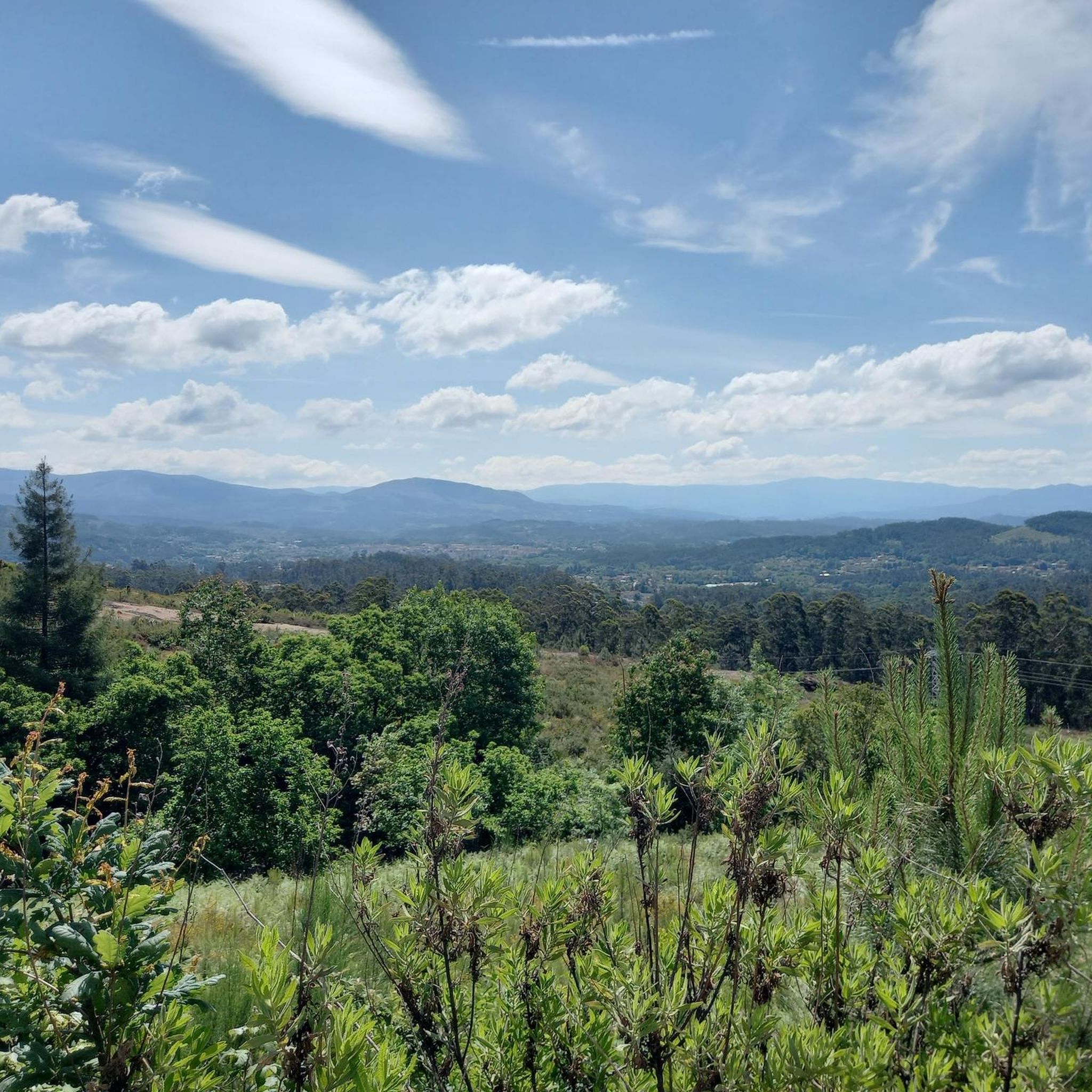
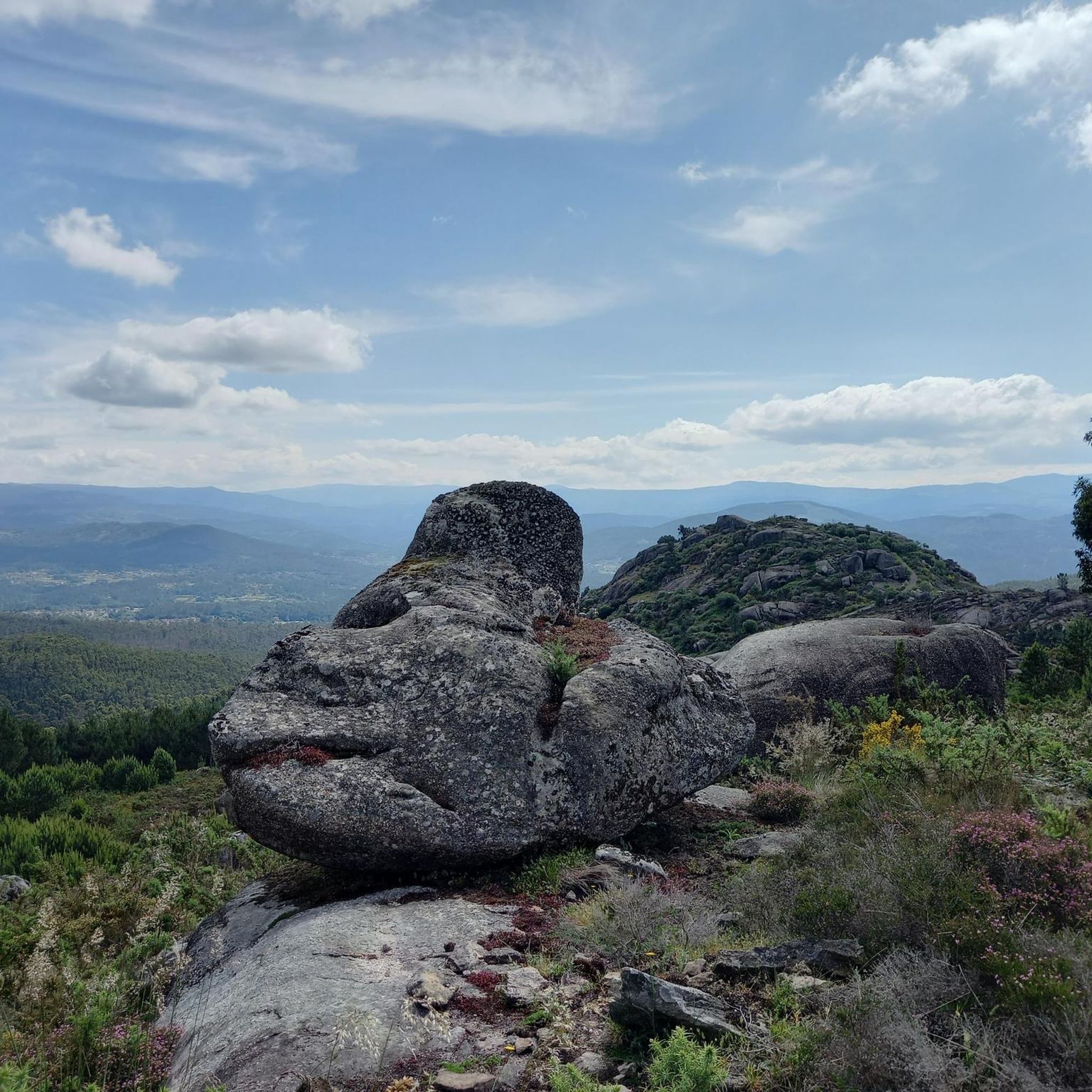
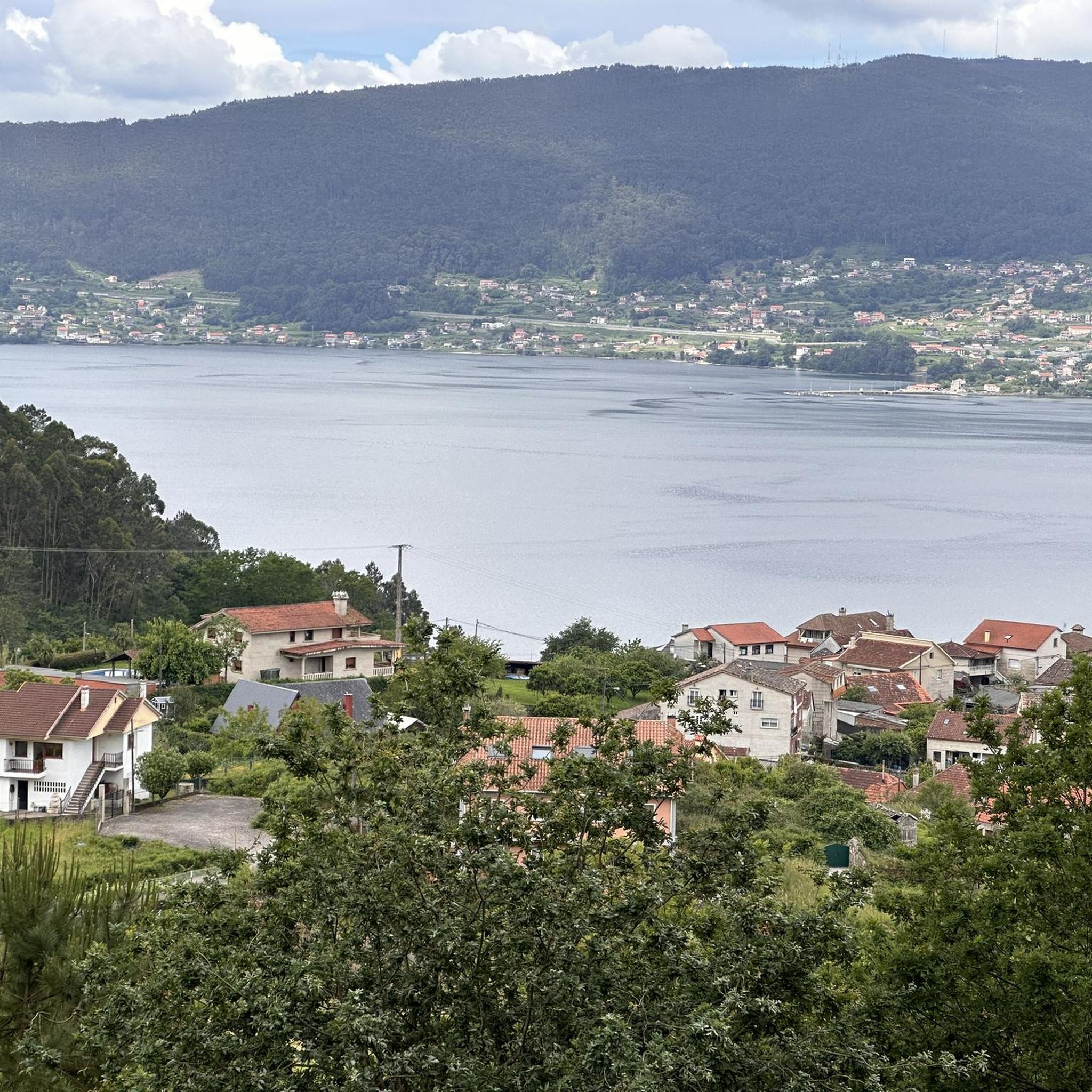
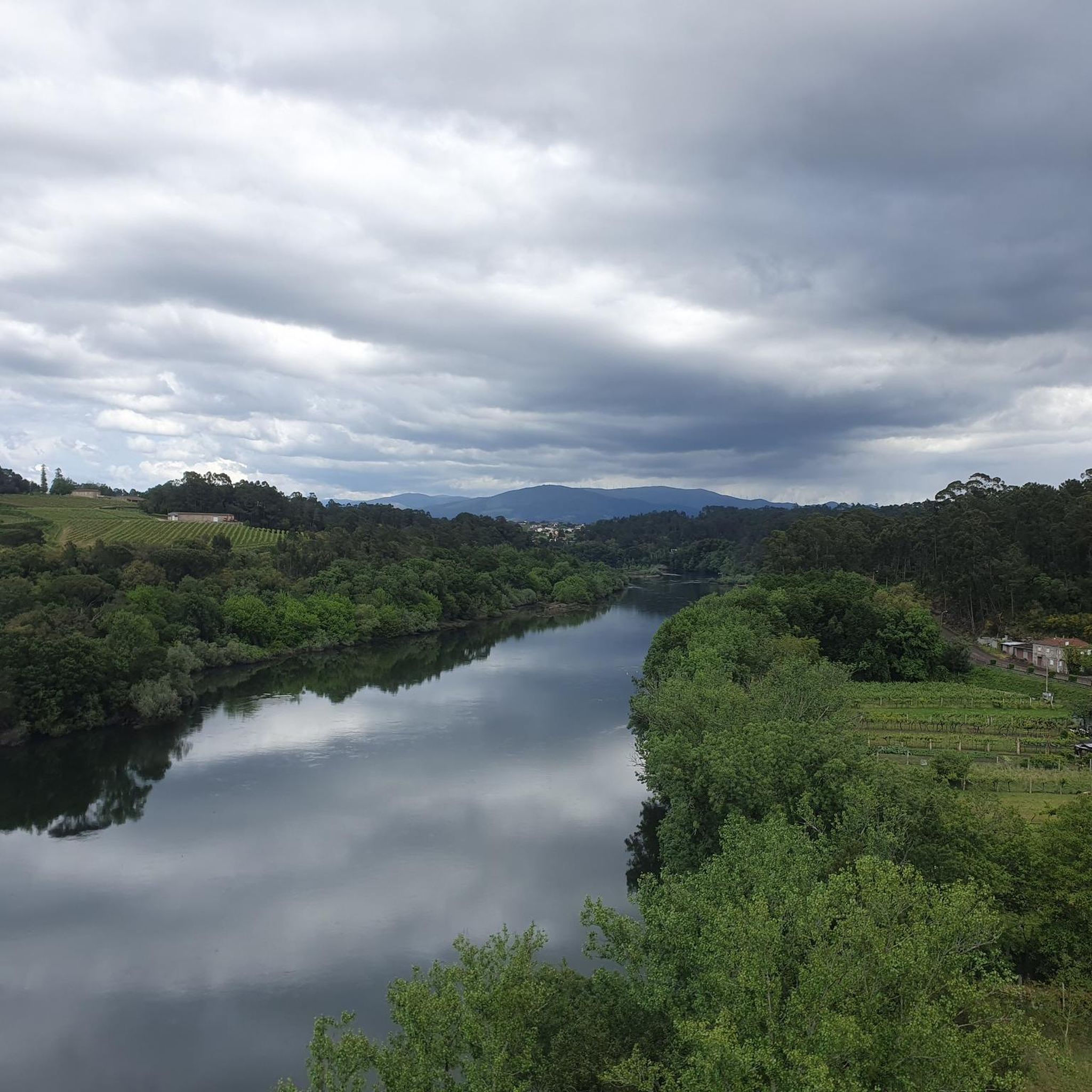

Tips from the Community

Valença Fortress, also known as Praça-forte de Valença do Minho, is an imposing jewel of Portuguese military architecture with over eight centuries of history. Its origins date back to the 13th century, when King Sancho I and later Afonso III fortified it to protect the border with Galicia. During the Restoration War (17th–18th centuries), it was transformed into a Vauban-style fortress under the engineer Miguel de l’École and the architect Manuel Pinto de Vilalobos, being completed in 1713. The fortress withstood attacks during the Restoration, was captured and recaptured several times, and was also defended during the Napoleonic Wars and the Liberal Wars.
4
0

The imposing Valença Fortress rises atop a hill, dominating the landscape and leaving an unforgettable impression on those who arrive. More than a symbol, it is the soul of the city, preserving centuries of history within its walls. Built in the 17th century on the ruins of an ancient 13th-century castle, the fortress is a masterful example of military architecture of the period, with its star-shaped walls stretching for an impressive 5.5 kilometers. Upon entering, one immediately senses the strength and grandeur of Valença, one of the oldest towns in Portugal.
2
0

Superbly preserved and well-maintained star-shaped fortress
5
1

The well-preserved star fortress of Valença dominates the Minho valley from an elevated position and offers wide views in all directions.
4
1
Path that crosses the Louro River, with a splendid environment. 🌞🚶😎
9
0
Pilgrims walking the Portuguese Way to Santiago de Compostela pass this bridge, making it a place of great historical significance. If you ever visit Tui, don't miss the opportunity to cross this beautiful bridge and immerse yourself in its history and charm. 🌉🚶♂️
2
0

The Romanesque Cathedral of Santa María with Gothic influences is a fortress-like cathedral that was begun in 1120 but not consecrated until 1225. Its cloister (13th century) is worth mentioning, the only complete medieval cloister that has been preserved in a cathedral in Galicia, and the Santiago Chapel inside the church. The interior can be visited for €3, and you can get your pilgrim stamp at the ticket office.
4
1
Frequently Asked Questions
What historical sites can I explore in Salvaterra de Miño?
Salvaterra de Miño is rich in history. A prominent site is the Fortaleza de Salvaterra do Miño, a medieval fortress with a significant past, housing the Casa del Conde and the Chapel of the Virgen de la Oliva. You can also visit the Tui-Valencia International Bridge, an impressive 19th-century structure connecting Spain and Portugal, and the imposing Fortress of Valença just across the border, known for its star-shaped walls.
Are there any natural parks or green spaces for relaxation?
Yes, the Parque Público de A Canuda is a vast public park on the banks of the Miño River, considered the largest in Galicia. It offers a wide variety of trees, recreational facilities, picnic areas, and a botanical orchid garden. It's also a starting point for several hiking trails along the Miño and Tea rivers.
Where can I find natural viewpoints with scenic views?
For spectacular views, visit the Mirador del Río Miño en Salvaterra or the Mirador del Contrabando, both offering panoramic vistas of the Miño River and the border with Portugal. Additionally, Monte Castelo provides incredible panoramic views, with the Chapel of Nuestra Señora de la Asunción nestled beneath a gigantic rock.
Are there any family-friendly attractions or activities?
Many attractions in Salvaterra de Miño are suitable for families. The Parque Público de A Canuda offers extensive green spaces, playgrounds, and recreational facilities. Historical sites like the Fortaleza de Salvaterra do Miño and the Fortress of Valença are engaging for all ages. The Roman Bridge of Orbenlle and Ponte da Veiga are also great for a family stroll.
What outdoor activities can I do near these attractions?
The region offers diverse outdoor activities. You can explore numerous trails for running, road cycling, and gravel biking. For instance, there are several running loops around Salvaterra de Miño, and gravel biking routes like the 'Minho River Greenway – Canuda Park loop'. You can find more details and routes on the Road Cycling Routes around Salvaterra De Miño, Running Trails around Salvaterra De Miño, and Gravel biking around Salvaterra De Miño guide pages.
Are there any thermal springs or places to relax in nature?
Yes, the Teáns Hot Springs in the parish of Oleiros are considered the largest public thermal baths in Galicia. They feature four pools with sulphurous, mineral-medicinal waters known for their healing properties, offering a unique natural relaxation experience by the Miño River.
What are some unique natural features or hidden gems in the area?
Beyond the main parks, you can discover the beautiful Illa de Fillaboa, a somewhat unknown island rich in native Galician flora and fauna, perfect for quiet walks. The Fervenza de Uma (Uma Waterfall) and the ruins of an old hydroelectric plant also offer picturesque spots. Don't miss the Piñeiro de Alxén, the tallest and oldest pine tree in Galicia.
What is the local cuisine like, and are there any wine-related experiences?
The local cuisine is rich, with a focus on river products like lamprey, eel, and trout, often caught using traditional *pesqueiras*. The region is also renowned for its Albariño and Condado wines. You can delve into wine culture at the Museo da Ciencia do Viño (Wine Science Museum) within the Salvaterra Fortress, or explore local wineries for tastings and tours.
Can I find any ancient Roman sites or ruins?
Yes, the area has Roman connections. The Roman Bridge of Orbenlle is a historical bridge crossing the Louro River. The Ponte da Veiga, also known as the 'Roman Bridge,' is another ancient structure over the Louro River. Additionally, you can find evidence of ancient Roman gold mining at the Minas romanas de oro de Fillaboa.
What do visitors enjoy most about Salvaterra de Miño?
Visitors frequently appreciate the blend of historical significance and natural beauty. The feeling of crossing the Tui-Valencia International Bridge, connecting two countries, is often highlighted. The well-preserved Fortress of Valença with its wide views and the splendid environment around the Roman Bridge of Orbenlle are also highly rated experiences.
Are there any traditional Galician Pazo houses I can see?
While many Pazo houses are private, the 'Ruta de los pazos de Salvaterra' allows you to appreciate these stately homes from the outside. Some, like Pazo de Lira and Pazo de San Amaro, may offer visiting opportunities, providing a glimpse into the region's noble past.
What is the best time of year to visit Salvaterra de Miño for outdoor activities?
The spring and autumn months generally offer pleasant weather for outdoor activities, with milder temperatures ideal for hiking, cycling, and exploring. Summer can be warm, perfect for enjoying the river beaches like Arenal San Mauro or the thermal springs. Winter offers a quieter experience, though some activities might be weather-dependent.
Most popular routes around Salvaterra De Miño
Most popular attractions around Salvaterra De Miño

Get inspired with the komoot mobile app


Explore more
Still not found the Highlight you’re looking for? See guides of the top attractions in other regions:
