The best walks and hikes around Colera
4.6
(120)
582
hikers
19
hikes
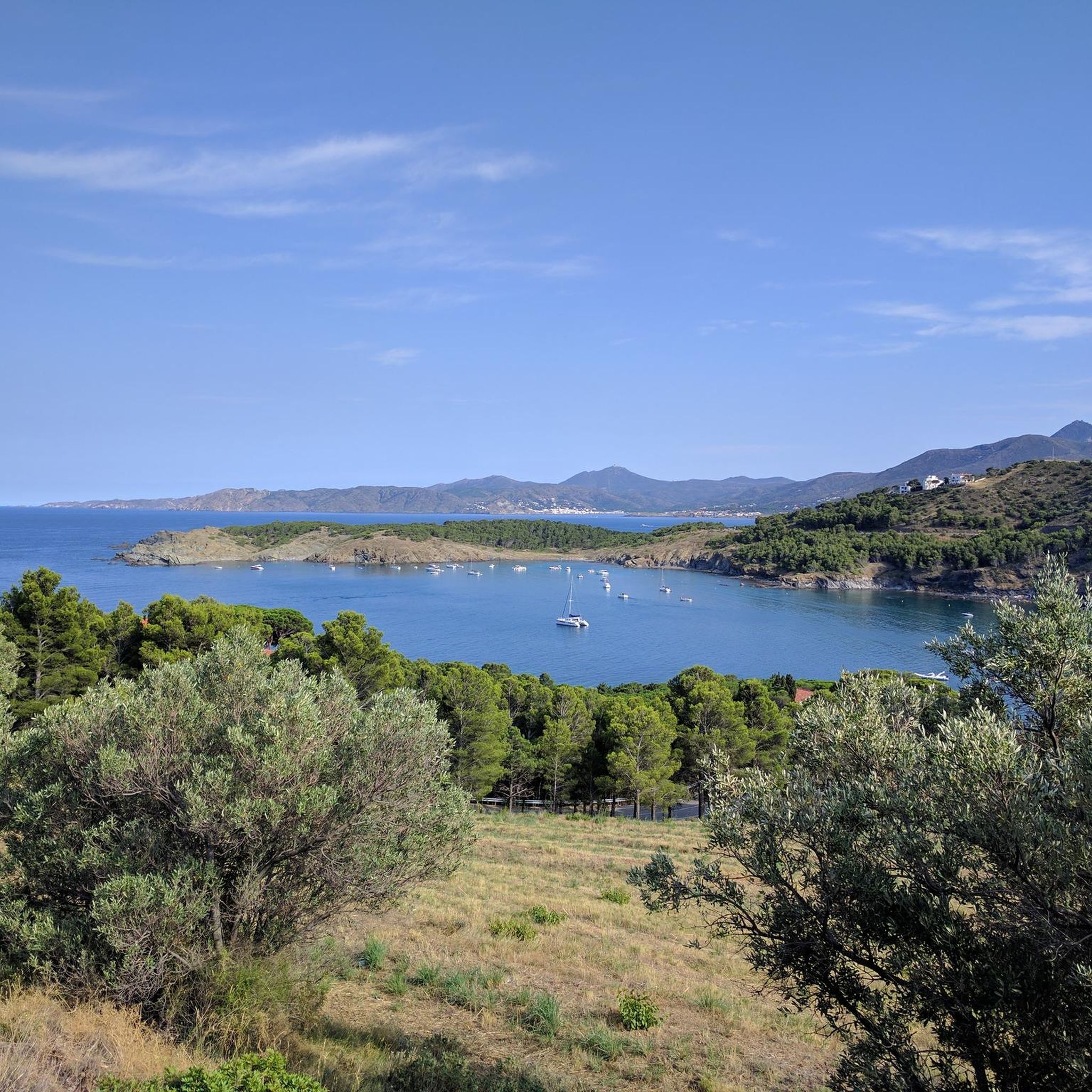
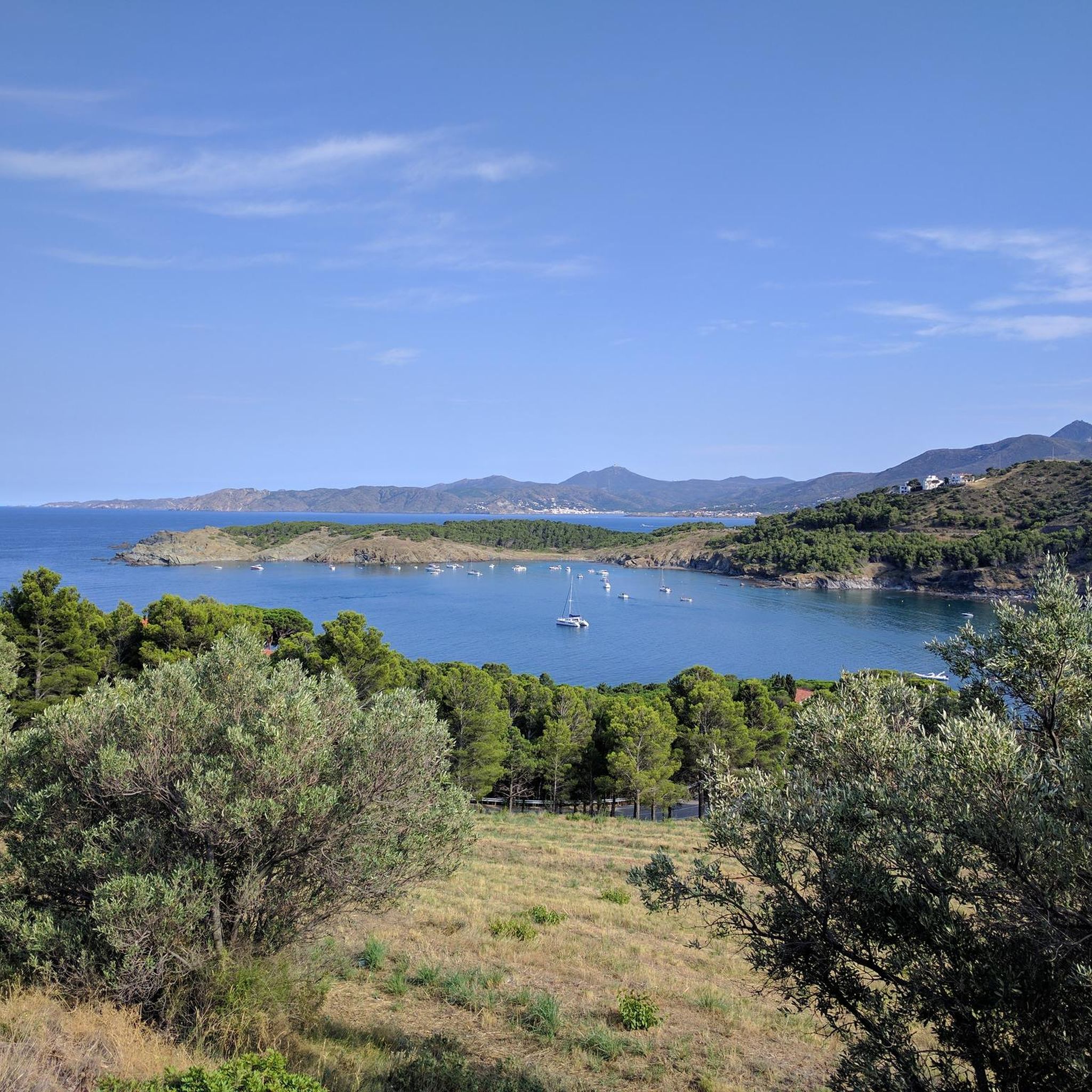
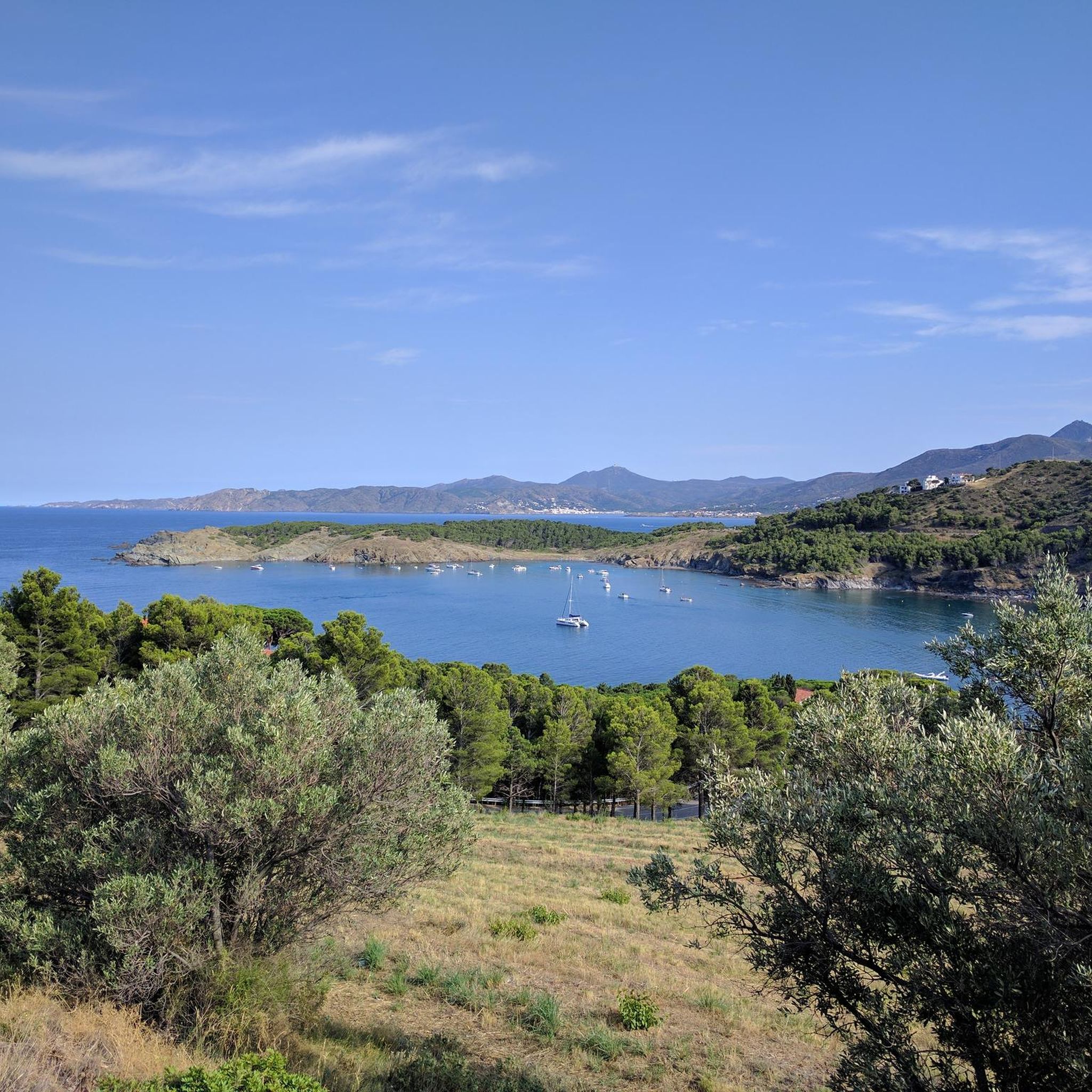
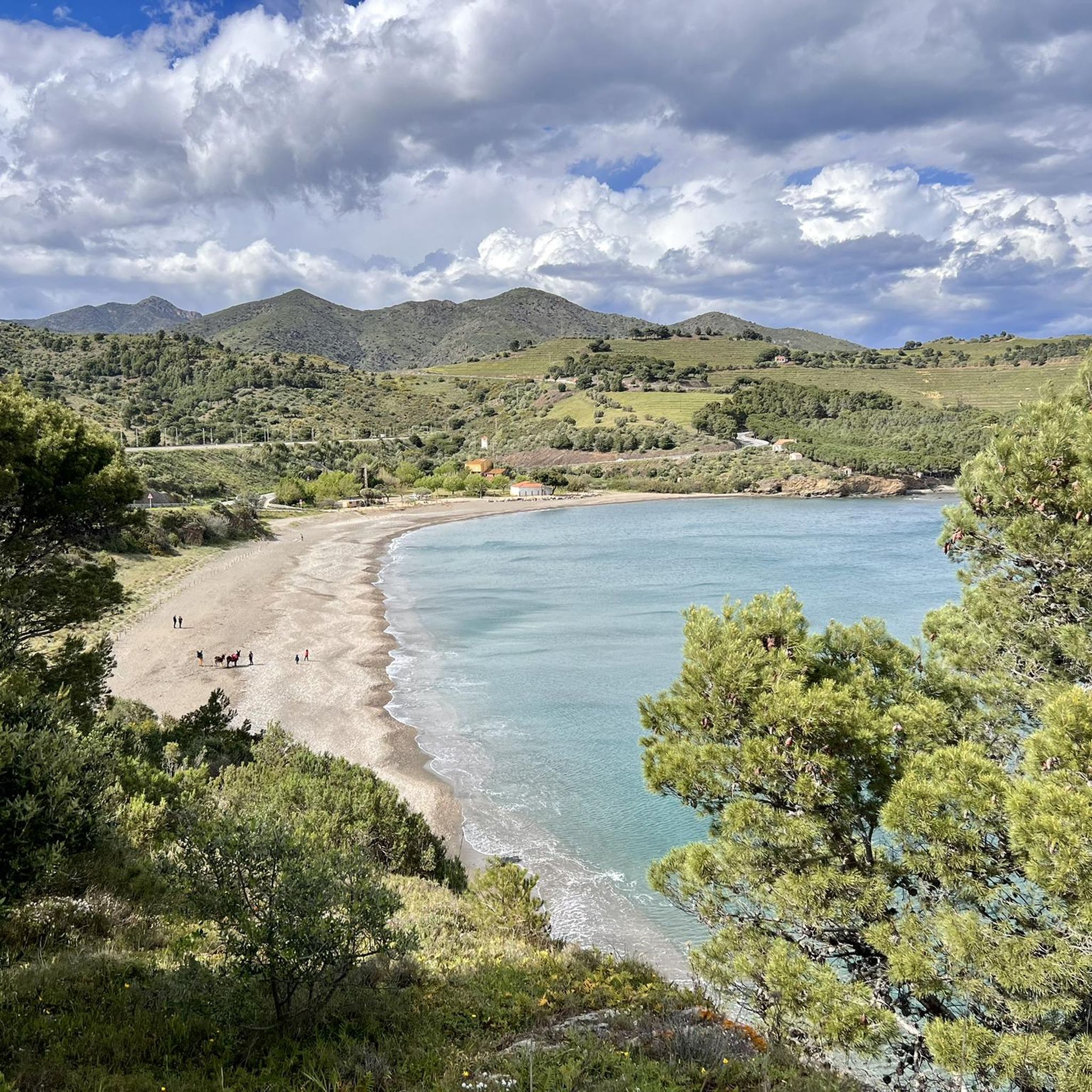
Hiking around Colera offers access to a diverse landscape where the Albera mountains meet the Mediterranean Sea. The region features a mix of coastal trails, uncrowded pebble beaches, and mountainous terrain. This area is characterized by its rugged coastline, numerous coves, and the foothills of the Albera mountain range, providing varied elevations and natural features for outdoor activities.
Best hiking trails around Colera
- The most popular hiking route is Colera Marina – Els Canons Viewpoint loop from Colera, a 4.0 miles (6.5 km) trail that takes 1 hour 52 minutes to complete. This easy route offers views of the marina and coastline.
- Another top favourite among local hikers is Bramant Cove – Garbet Beach loop from Colera, an easy 3.8 miles (6.1 km) path. This trail explores scenic coves and beaches along the coast.
- Local hikers also love the Great views on the ocean, beaches and coastline – View of Colera loop from Colera, a 7.9 miles (12.7 km) trail leading through coastal viewpoints, often completed in about 3 hours 47 minutes.
- Hiking around Colera is defined by coastal paths, the foothills of the Albera mountains, and numerous coves and beaches. The network offers options for different ability levels, from easy strolls to more challenging ascents.
- The routes in Colera are highly rated by the komoot community with an average score of 4.6 stars from over 80 reviews. More than 500 hikers have used komoot to explore Colera's varied terrain.
Last updated: June 28, 2026
4.6
(17)
89
hikers
6.00km
01:47
160m
160m
Easy hike. Great for any fitness level. Easily-accessible paths. Suitable for all skill levels.
4.8
(11)
86
hikers
6.08km
01:37
60m
60m
Easy hike. Great for any fitness level. Easily-accessible paths. Suitable for all skill levels.

Sign up for free
4.5
(11)
41
hikers
Moderate hike. Good fitness required. Easily-accessible paths. Suitable for all skill levels.
5.0
(3)
19
hikers
11.7km
03:49
440m
440m
Moderate hike. Good fitness required. Mostly accessible paths. Sure-footedness required.
4.8
(4)
12
hikers
9.22km
02:46
280m
280m
Moderate hike. Good fitness required. Easily-accessible paths. Suitable for all skill levels.
Get access to more routes and recommendations from other explorers.
Sign up for free
Already have an account?
Our route recommendations are based on thousands of hikes, rides, and runs completed by other people on komoot.
Start today with a free account
Your next adventure awaits.
Login or Signup


Tips from the Community

Hiking trails well signposted
1
0


Platja Gran De Portbou is located in the town of Portbou, on the North Costa Brava, in the Alt Empordà region. It is a beach located in a natural area with a high level of occupancy in the summer. Oriented to the north, the surface of the beach is composed of thick, dark-colored sand. It has a length of 280 meters and a width of 20. It has been awarded the blue flag for the quality of its services. It is adapted for the disabled and people in wheelchairs.
2
0
Portbou station (PK 273.1 of the Tarragona-Barcelona-Portbou line) was put into service in 1878, with the arrival of the train from Figueres. The facilities, given their situation as a border station, are large, in which it could be divided between the passenger area and the goods area. As for the passenger area, the station has five Iberian-wide tracks with three platforms, connected by level crossings and an underpass. This area of tracks is covered by a large canopy built in 1929, in the image of the famous cover of the Estación de France. The large passenger building is located to the right of the tracks and has three floors. The ground floor houses, among other facilities, the ticket offices, waiting room and a cafeteria. In the past it also housed border control facilities, which have disappeared thanks to the free movement treaty for the European Union. To access the station from the village of Portbou you must use an underpass that leads right into the passenger building. On the east side of the building, there are two international-gauge tracks with side platforms for French trains that arrive at the station with passage and leave empty for Cervera. In order for these trains to carry out maneuvers there is a tunnel heading south with an international gauge track parallel to the Pineda tunnel. Of the facilities dedicated to passengers, the Talgo gauge interchange in operation since 1968, located at the exit of the station on the north side and with access from route 1, should also be highlighted. Parallel to the area of Iberian-wide platforms, there are 8 tracks without a reception-dispatch platform for Renfe trains and 2 more tracks with ditches for train inspection, as well as two workshop tracks for motor equipment. Also worth mentioning between the Iberian and international tracks is the warehouse where parcel and postal traffic was transferred, with a track from each administration entering this facility. The area strictly for goods stands out especially for the combined transport traffic, carrying out transshipment operations of containers with gantry cranes, having eight routes for this task. Other types of goods are also transferred between goods wagons through loading docks flanked by a track of each width. Some of the tracks on the entire freight line (a total of 28 tracks) have three lanes, for the circulation of trains of both track widths. At the exit from Portbou towards Cervera is the Balitres tunnel, which has a track of each width and a blind escape tunnel for maneuvers of 300 meters in length built between 1983 and 1984.
1
0

Idyllic place, rocky coves and small pebble beaches. Pine forests around. Essential route Length: 380 meters Width: 17 meters Environment: Semi-urban Composition: Sand, Skittles, Rock Swimming conditions: Moderate waves Nudist beach: No Occupancy level: Low Semi-urban https://www.youtube.com/watch?v=K68MjHNC1PM
0
0
https://www.youtube.com/watch?v=iQg7RA3hflI Les Portes beach is located in the heart of the urban center of Colera, right in front of the port. It is made up of stones and coarse sand and has a high level of occupancy, especially by families. Les Portes beach has the possibility of renting boats and practicing any type of water sport. Its geographical location means that it has a large number of services within a few minutes: bars, restaurants and even a diving school. It has easy access on foot, by car and even by bus. It is also accessible for people with reduced mobility thanks to the ramps located on the side.
1
0
Garbet beach is located right next to the N-260 road, going from Llançà in the direction of Colera, and offers the possibility of parking right on the beach. Even so, in summer it is more complicated and, depending on the time you visit the beach, you may even have to leave the car near the road. Composed of large and small riverside stones, it is a beach with a very familiar atmosphere, where until recently it could be easily reached by train, as it had a railway stop right next door. The beach has a length of more than six hundred meters and a width of about 30.
3
0
It is a beautiful beach that stretches approximately 450 meters long and 35 meters wide. This beach is known for its pebbles and family atmosphere. It is located in a natural and mountainous environment, with little urbanization around, which gives it an air of virgin and preserved nature. The beach is accessible by vehicle and has free parking at the entrance. It can also be reached by bus, although it is no longer accessible by train even though the signs for the station-halt are still maintained. Among its services, Garbet Beach offers showers and a beach bar, in addition to the famous Garbet Restaurant, located on the seafront and known for its exquisite cuisine. The restaurant even has a boat taxi service for those who decide to anchor on the beach. In summer, the bay in which the beach is located becomes a popular destination for pleasure boats, although the mooring buoy area and the area suitable for swimming are clearly delimited. The beach is protected from the north winds thanks to its location in the bay, and its calm waters and sandy bottoms make it ideal for enjoying swimming. Garbet Beach is included in the Catalog of Spaces of Natural and Landscape Interest of the Costa Brava, standing out for its beautiful nature with no nearby buildings. Additionally, at the northern end of the bay is the summer residence of the Peralada Palace, and behind the beach, the vineyards of Finca Garbet produce high-quality wines.
3
0
Frequently Asked Questions
What types of hiking trails can I find around Colera?
Colera offers a diverse range of hiking trails, blending coastal paths with routes through the foothills of the Albera mountains. You'll find everything from easy strolls along uncrowded pebble beaches and coves to more challenging ascents into the mountains, providing varied elevations and natural features.
Are there easy hiking options suitable for beginners or casual walkers?
Yes, Colera has plenty of easy hiking options. For instance, the Colera Marina – Els Canons Viewpoint loop from Colera is an easy 4.0-mile (6.5 km) trail offering scenic views of the marina and coastline. Another accessible choice is the Colera Bridge – Colera Marina loop from Colera, which is 4.5 miles (4.5 km) and also considered easy.
Can I find trails with great viewpoints in Colera?
Absolutely. The region is known for its spectacular viewpoints. The Great views on the ocean, beaches and coastline – View of Colera loop from Colera is a moderate 7.9-mile (12.7 km) trail specifically designed to showcase coastal vistas. You can also find breathtaking views from higher points like Les Orelles de la Mula in the Albera mountains, or Rocas Martinas overlooking the Costa Brava coastline.
Are there any circular hiking routes in the area?
Yes, many of the trails around Colera are circular, allowing you to start and end in the same location. Examples include the Bramant Cove – Garbet Beach loop from Colera, an easy 3.8-mile (6.1 km) path exploring scenic coves, and the View of Colera – Great views on the ocean, beaches and coastline loop from Colera, a moderate 5.7-mile (9.2 km) route.
What historical or cultural landmarks can I discover while hiking near Colera?
Beyond natural beauty, Colera's trails lead to several historical sites. You can explore megalithic culture, such as the Dolmen of Puig d'Esquers, or visit historic buildings like the Sant Miquel de Colera church and the Molinàs castle. The Castle ruins and the Art Parc at Playa d'en Goix are also notable attractions. For a significant historical hike, consider the Walter Benjamin trail.
Are there any beaches or coves accessible via hiking paths for swimming or relaxation?
Yes, Colera boasts numerous beautiful beaches and coves that are often part of hiking routes. These include Garbet, Borró, Assutzenes, Portes, Morts, Goixa, Carbassó, and Cala Rovellada. Many offer clear waters ideal for activities like paddle surfing, snorkeling, or kayaking after your hike. Garbet Beach is a popular spot.
What is the best time of year to go hiking in Colera?
Colera offers pleasant hiking conditions for much of the year. The spring and autumn months generally provide mild temperatures, making them ideal for exploring both coastal and mountain trails. Summer can be warm, but coastal breezes and opportunities for swimming in the coves can make it enjoyable. Winter offers cooler, quieter trails, especially in the mountains.
Are there any challenging hikes for experienced trekkers?
While many routes are easy to moderate, Colera also offers more challenging options, particularly in the Albera mountains. Ascents like the one to Les Orelles de la Mula are highly recommended for their breathtaking views from approximately 690 meters above sea level, requiring good fitness and sure-footedness. The Walter Benjamin trail is also noted as a challenging hike.
What do other hikers say about the trails in Colera?
The hiking routes in Colera are highly rated by the komoot community, with an average score of 4.6 stars from over 80 reviews. Hikers often praise the diverse landscape, stunning coastal views, and the variety of trails suitable for different ability levels. Over 500 hikers have used komoot to explore Colera's varied terrain.
Are there any natural monuments or peaks to visit near Colera?
Yes, the region is rich in natural monuments and peaks. You can explore the Summit of Puig d'Esquers or the Sallfort Peak. Other notable natural features include Banyuls Pass and the impressive Madeloc peak, offering expansive views.
Are the hiking trails in Colera suitable for families with children?
Many of Colera's easier coastal loops and shorter trails are well-suited for families. The diverse scenery, including beaches and coves, provides engaging points of interest for children. Look for routes described as 'easy' with shorter distances and minimal elevation gain for a comfortable family outing.
Are there opportunities for wild swimming or finding natural springs along the trails?
Yes, outings into the nearby mountains can lead to natural springs like Font del Ferro and Font de la Boixa. Additionally, many of the coastal hiking paths provide access to secluded coves and beaches with clear waters, perfect for a refreshing dip or wild swimming during warmer months.
Most popular routes around Colera
Most popular attractions around Colera

Get inspired with the komoot mobile app


Explore more
Browse the best Hikes in other regions.
