The best cycling routes around Colera
4.5
(273)
3,834
riders
120
rides
Touring cycling routes around Colera are set in a unique geographical location where the Albera mountain range meets the Mediterranean Sea. This convergence creates a diverse landscape featuring coastal paths, hilly terrain, and views of the Cap de Creus Natural Park. The region offers a mix of challenging ascents and scenic routes along the rugged Costa Brava coastline.
Best touring cycling routes around Colera
- The most popular touring cycling route is Port de la Selva – View of Roses loop…
Last updated: June 28, 2026
4.6
(14)
653
riders
57.6km
04:00
1,000m
990m
Hard bike ride. Very good fitness required. Mostly paved surfaces. Suitable for all skill levels.
4.9
(14)
275
riders
47.7km
03:13
730m
730m
Hard bike ride. Very good fitness required. Mostly paved surfaces. Suitable for all skill levels.

Sign up for free
4.8
(11)
143
riders
53.6km
03:36
830m
830m
Hard bike ride. Very good fitness required. Mostly paved surfaces. Suitable for all skill levels.
4.8
(10)
131
riders
47.0km
03:21
900m
900m
Hard bike ride. Very good fitness required. Mostly paved surfaces. Suitable for all skill levels.
4.5
(8)
79
riders
37.8km
02:30
530m
530m
Hard bike ride. Very good fitness required. Mostly paved surfaces. Suitable for all skill levels.
Get access to more routes and recommendations from other explorers.
Sign up for free
Already have an account?
Our route recommendations are based on thousands of hikes, rides, and runs completed by other people on komoot.
Start today with a free account
Your next adventure awaits.
Login or Signup
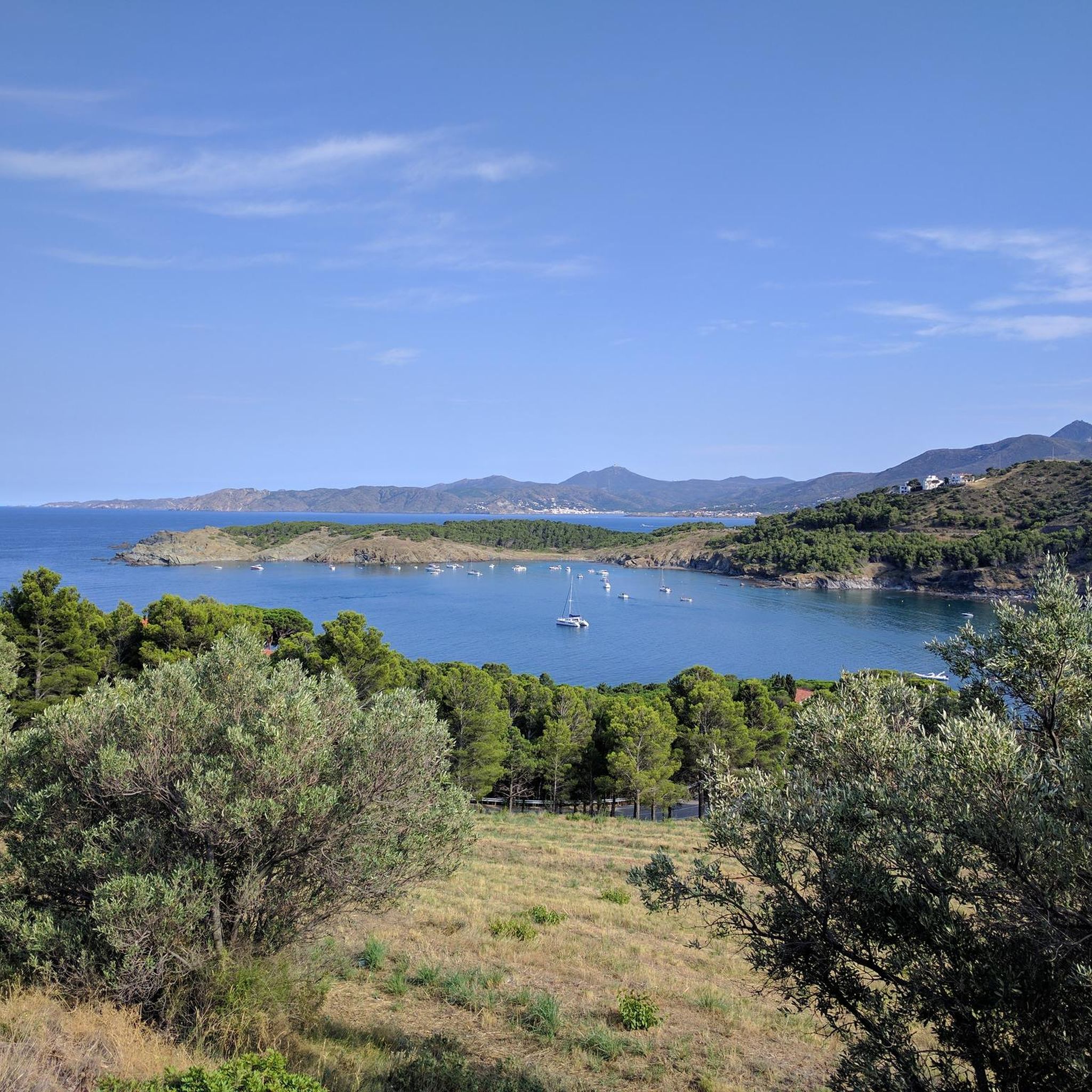
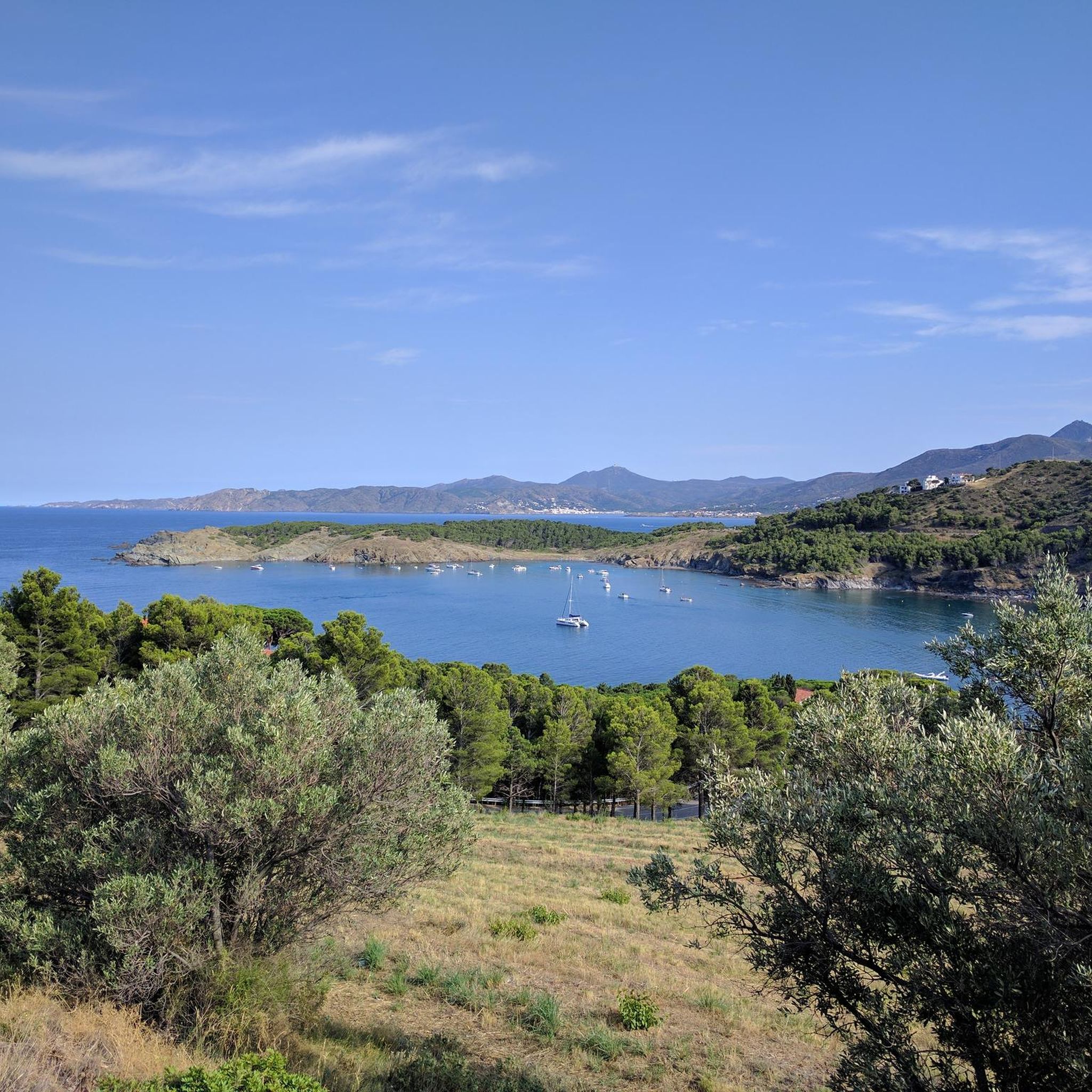
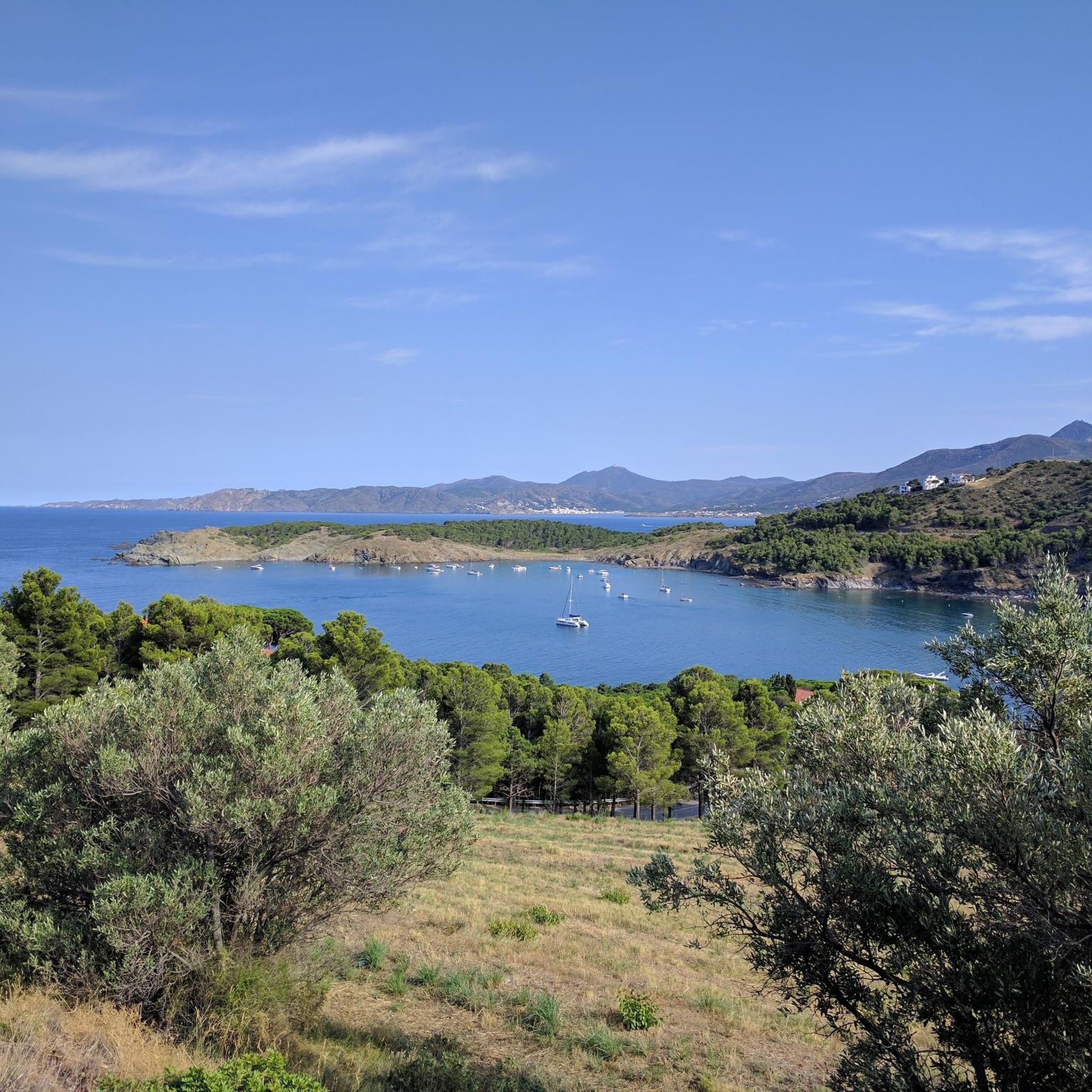
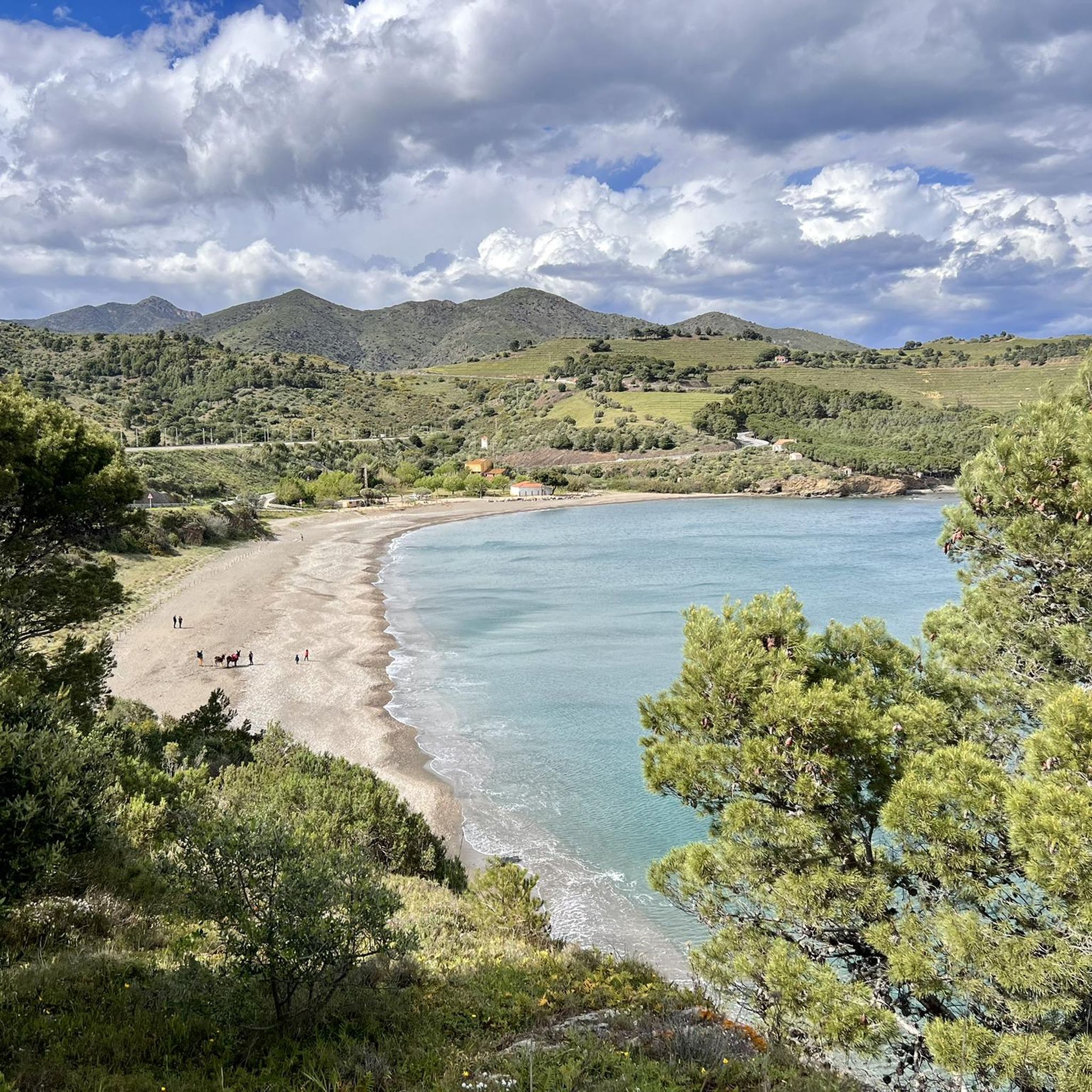


Tips from the Community

Always a wonderful experience 👍
0
0


small bathing bay
0
0

Beautiful views of the rustic landscape of the Costa Brava away from the beaches
0
0
Nice, not too difficult climb, but the road is very busy on weekends
0
0

Beautiful views of the Mar d'Amunt with views of Llançà, Port de la Selva and Cap de Creus.
1
0

Beautiful climb to Spain
0
0
Short stop to contemplate the bay
0
0
Frequently Asked Questions
How many touring cycling routes are available around Colera?
Colera offers a wide variety of touring cycling routes, with over 125 different options available. These routes cater to various skill levels, including 20 easy, 46 moderate, and 59 difficult trails.
What kind of terrain can I expect on touring cycling routes in Colera?
The terrain around Colera is incredibly diverse, thanks to its unique location where the Albera mountain range meets the Mediterranean Sea. You can expect a mix of coastal paths with stunning sea views, hilly and mountainous sections with challenging ascents, and routes that traverse through the Cap de Creus Natural Park. This variety ensures options for both scenic, flatter rides and more demanding climbs.
Are there any easy touring cycling routes suitable for beginners in Colera?
Yes, Colera offers 20 easy touring cycling routes, perfect for beginners or those looking for a more relaxed ride. While specific easy routes are not detailed here, these trails typically feature less elevation gain and smoother surfaces, allowing you to enjoy the beautiful coastal scenery and charming village surroundings at a comfortable pace.
What are some notable landmarks or natural features I can see along the touring cycling routes?
Touring cycling routes around Colera offer access to a wealth of natural beauty and historical sites. You can explore the dramatic landscapes of the Banyuls Pass, enjoy the serene Garbet Beach, or ascend to viewpoints like the Summit of Puig d'Esquers or Sallfort Peak for magnificent panoramas. Historically, routes may pass by the impressive Sant Pere de Rodes Monastery or the Sant Salvador de Verdera Castle Ruins.
Are there any family-friendly touring cycling routes in Colera?
While many routes in Colera feature challenging ascents due to the mountainous terrain, the presence of 20 easy routes suggests options suitable for families. These easier trails often stick to coastal paths or less strenuous inland sections, providing a pleasant experience for all ages. The village itself has well-maintained sidewalks and parks, contributing to a pleasant cycling environment for families.
What is the best time of year for touring cycling in Colera?
The best time for touring cycling in Colera is generally during the spring (April to June) and autumn (September to October). During these months, the weather is typically mild and pleasant, avoiding the intense heat of summer and the cooler, potentially wetter conditions of winter. This allows for comfortable riding and optimal enjoyment of the scenic landscapes.
Where can I find parking for touring cycling routes in Colera?
Colera is a small, serene village, and parking is generally available within the village itself. You can often find parking near the town center or close to the beaches, which serve as convenient starting points for many routes. For specific trailheads, local signage or online maps can provide more precise parking information.
Is public transport available for cyclists in Colera?
Colera is connected by train, making it accessible via public transport. While specific details on bike carriage policies for local buses or trains should be verified with the transport providers, trains often allow bikes, especially outside of peak hours. This can be a good option for reaching Colera or connecting to different parts of the region for your cycling adventures.
Are there any circular touring cycling routes around Colera?
Yes, there are several circular touring cycling routes available. For instance, the Port de la Selva – View of Roses loop from Llançà and the View of Cadaqués – Port de la Selva loop from Llançà are popular circular options. Another local favorite is the Monastery of Sant Pere de Rodes – El Port de la Selva loop from Colera, which takes you through mountainous terrain to historical sites.
What do other touring cyclists enjoy the most about touring cycling in Colera?
The touring cycling routes around Colera are highly rated by the komoot community, with an average score of 4.7 stars from over 280 reviews. Cyclists frequently praise the diverse landscapes where the mountains meet the sea, the challenging climbs offering expansive coastal views, and the opportunity to explore both the rugged Costa Brava coastline and the Cap de Creus Natural Park.
Can I find places to eat or stay that are cyclist-friendly in Colera?
Colera is known for its laid-back atmosphere and is a suitable town for active tourism. While specific cyclist-friendly establishments are not detailed here, the village center offers cafes and shops. Given its appeal to cyclists, you can generally find accommodations and eateries that welcome outdoor enthusiasts. For more general information about the destination, you can visit Spain.info's Colera page.
Are there any advanced or challenging touring cycling routes in Colera?
Absolutely. Colera is well-suited for experienced touring cyclists seeking a challenge, with 59 routes classified as difficult. These routes often feature significant elevation gains and cover longer distances, such as the Flat serpentines to Banyul – Tour de Madeloc loop from Colera, which includes over 1450 meters of ascent. These trails provide demanding climbs and rewarding panoramic views.
Most popular routes around Colera
Most popular attractions around Colera

Get inspired with the komoot mobile app


Explore more
Browse the best Cycling routes in other regions.
