Top 17 Mountain Passes around Espolla
Mountain passes around Espolla are situated between the Albera massif and the Alt Empordà plain in Catalonia, Spain. This region features a mountainous landscape within the eastern Pyrenees. These passes provide routes through the terrain and hold historical significance. The area offers natural features for exploration.
Best mountain passes around Espolla
- The most popular mountain pass is Banyuls Pass, a mountain pass that connects the Espolla area with the Sierra de l'Albera mountain range, extending into France. It is…
Last updated: June 26, 2026
Banyuls Pass
Highlight • Mountain Pass
Translated by Google •
Tip by

Rumpissa Pass
Highlight • Mountain Pass
Translated by Google •
Tip by

Sign up now to discover places like this
Get recommendations on the best single tracks, peaks, & plenty of other exciting outdoor places.
Sign up for free
Ascent to Coll de Banyuls from Espolla
Highlight (Segment) • Mountain Pass
Translated by Google •
Tip by

Coll de l'Estaca
Highlight • Mountain Pass
Translated by Google •
Tip by

Ullat Pass
Highlight • Mountain Pass
Translated by Google •
Tip by

Sign up for free to discover even more mountain passes around Espolla.
Sign up for free
Already have an account?
Start today with a free account
Your next adventure awaits.
Login or Signup


Tips from the Community

Beautiful route and a great view
0
0

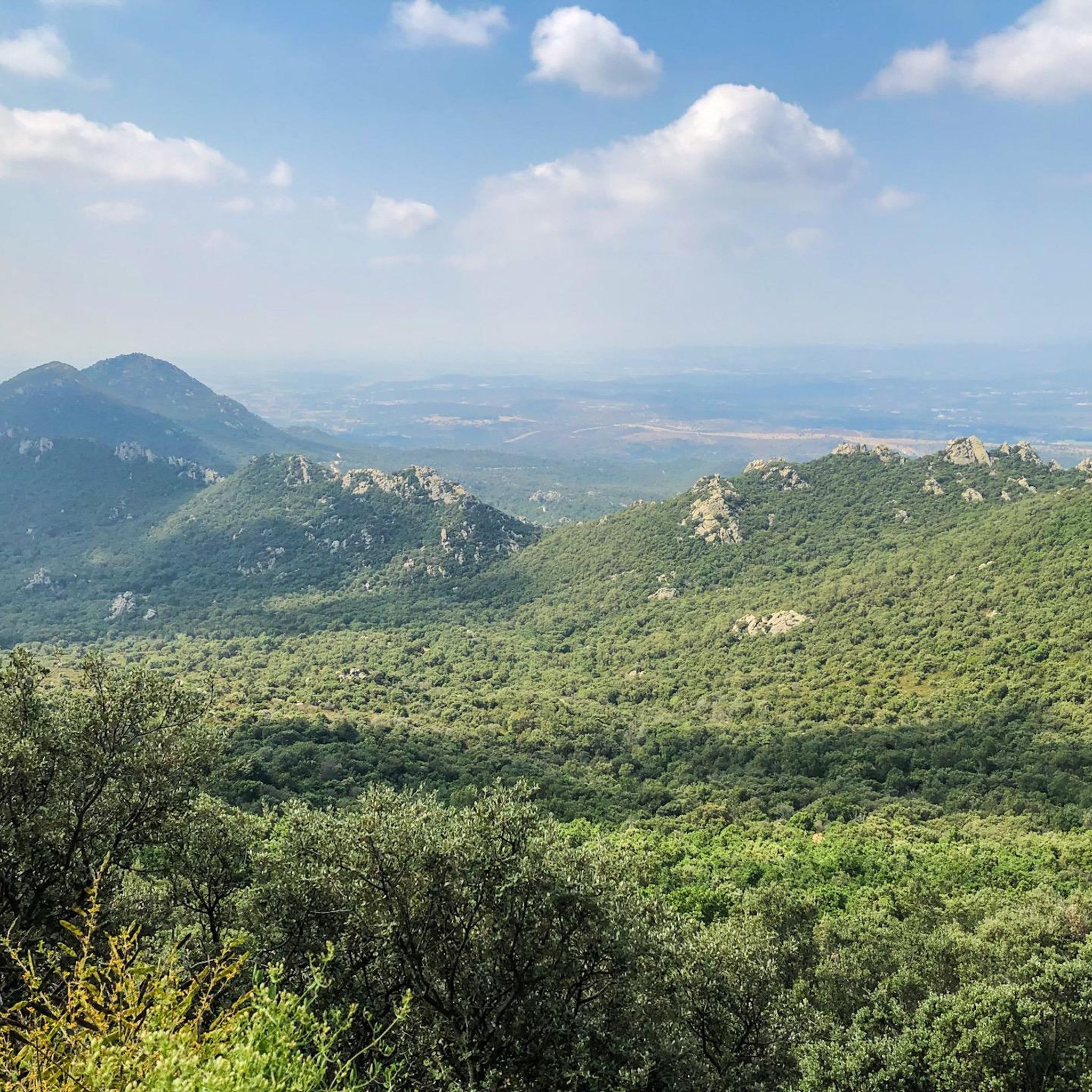
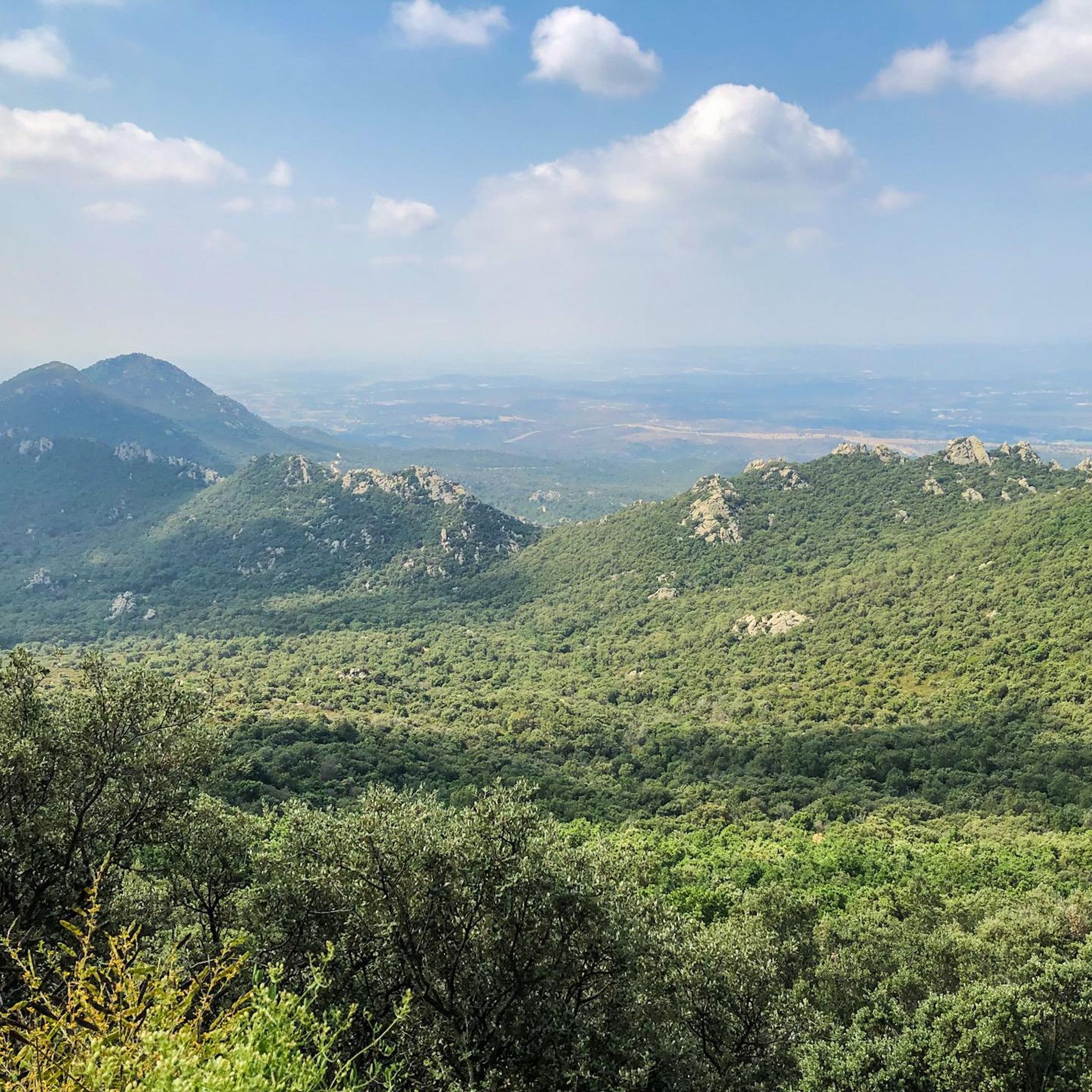
A hill with spectacular views. Several trails depart from here. It's worth taking a detour when descending from Puig Neulós to visit this spot with views on the border between the French eastern Pyrenees and the Catalan Pyrenees.
1
0

The Green MEPs Jordi Solé and François Alfonsi, and the Social Democrat Éric Andrieu, launched a letter to Pedro Sánchez and Emmanuel Macron, presidents of Spain and France respectively, calling for the reopening of the crossings to be discussed at the 27th Franco-Spanish summit on 19 January in Barcelona. The letter, signed by 31 MEPs, was presented at a press conference at the European Parliament in Strasbourg. Two days later, on 20 January, residents of Espolla reopened the coll for the annual Feria de l'Oli y de l'Olivera in the village. However, on 23 January the French authorities closed the crossing again.
3
0
It is located at an altitude of approximately 936 metres in the Albera mountain range in the Pyrénées-Orientales, France. It is accessible by road via a narrow, paved route, which climbs from Le Boulou and Laroque-des-Albères. The road offers panoramic views as it ascends through the forest.
3
0
At the Col de l'Ullat, there is also a refuge that offers basic services for hikers. Surrounded by forests and with panoramic views, it is an ideal place to enjoy nature and explore the region.
3
1

very nice to drive with great views
1
0

Cross-border crossing between the two states that divided Catalonia after signing the Treaty of the Pyrenees on November 7, 1659. It is part of the Walter Benjamin Route, in total it is approximately 15 km (we know that Benjamin spent a night in the middle of the road) that can be done in one direction for about 5 or 6 hours to return by train from Banyuls to in Portbou. The route, which is signposted, is relatively easy and also coincides with an old smugglers' trail and with the so-called Lister Route, since it was here where the Republican general retreated with his troops in 1939, after of the defeat against the Francoist side.
0
1
Through the Coll de Banyuls, formerly called the Coll d'Espills, one of the routes that connected southern Catalonia, l'Empordà, with northern Catalonia, el Rosselló, ran. It was one of the three passes, the central one, that the Visigoth king Wamba used to cross the Serra de l'Albera in the direction of Septimania. It went up from the Roussillon coast towards the mountains through the Ravaner valley. To its west, another step was through the Vall de Sant Martí, towards the Torre de la Maçana and the Coll de la Carbassera, and to the east, towards Cotlliure via the Coll de la Farella.
3
0
Frequently Asked Questions
What are some of the most notable mountain passes around Espolla?
Among the most notable passes in the region is Banyuls Pass, known for its historical significance as an ancient route between Spain and France. Another significant pass is Rumpissa Pass, which also marks a historical border crossing and is part of the Walter Benjamin Route. Ullat Pass offers great views from its 938-meter elevation.
What kind of natural features and views can I expect at the mountain passes near Espolla?
The mountain passes around Espolla offer diverse natural beauty. For instance, Banyuls Pass provides stunning views that combine mountainous landscapes with glimpses of the Mediterranean. The area is within the Albera Massif, known for its ancient vegetation, cork oaks, and diverse landscapes. Passes like Ascent to Coll de Banyuls from Espolla offer views of Espolla and the Orlina River area.
Are there any historical sites or significant landmarks at these mountain passes?
Yes, several passes have rich historical significance. Banyuls Pass was an ancient route between Spain and France, with memorial plaques at the pass commemorating those who fled the Franco regime. Rumpissa Pass is a historical border crossing and a key part of the Walter Benjamin Route, used by the philosopher to flee Nazi persecution. It also marks a route used during the Treaty of the Pyrenees and the Lister Route.
What are the typical terrain and difficulty levels for exploring mountain passes around Espolla?
The terrain varies, offering routes from challenging climbs to more manageable trails. For example, the climb to Banyuls Pass from Espolla spans approximately 11 km with an elevation gain of +293 meters and an average gradient of 3.3%, though some sections can reach over 14%, making it challenging for cyclists. Other passes might be more accessible, with many routes featuring natural monuments and cycle ways.
Are there any amenities like cafes or accommodation near the mountain passes?
While specific amenities directly at every pass are not common, Ullat Pass, for instance, has a restaurant called the Chalet de l'Albère. For broader options, the municipality of Espolla itself offers cafes, pubs, and accommodation, and some routes might pass through or near villages with these facilities.
What outdoor activities can I do near the mountain passes around Espolla?
The region offers a variety of outdoor activities. You can find numerous hiking trails, such as the 'Dolmen of the Ravine – Sant Jaume Church loop' or the 'Fuente 1033 – Sant Jaume Church loop'. There are also options for gravel biking and mountain hikes. For more details on routes, you can explore the Hiking around Espolla or Gravel biking around Espolla guides.
Are there specific hiking trails that incorporate these mountain passes?
Yes, many hiking routes in the region traverse these passes. For example, the Walter Benjamin Route incorporates Rumpissa Pass. The mountainous terrain of the Albera Massif, where these passes are located, is crisscrossed with trails that lead to points of interest, including megalithic monuments. You can find detailed hiking routes in the Hiking around Espolla guide.
What do visitors particularly enjoy about the mountain passes in the Espolla region?
Visitors appreciate the blend of natural beauty and historical context. Many enjoy the immersive natural experience and stunning views, such as those from Banyuls Pass. The quiet routes through vineyards and the sense of crossing into 'another world' at the border passes are also frequently mentioned highlights. The historical significance, like the Walter Benjamin Route at Rumpissa Pass, adds a unique dimension to the experience.
Is there a mountain pass near Espolla that is particularly good for cycling?
Yes, Banyuls Pass is well-regarded by cyclists. The approach from Catalonia is described as pleasant, leading through a pretty, lonely landscape with little car traffic. While generally manageable, some sections can reach gradients exceeding 14%, offering a good challenge. The route from Espolla to Coll de Banyuls through wine vineyards is also highlighted as quite nice and not too demanding until the final part of the climb.
Are there any mountain passes that offer a refuge or resting spots?
At Banyuls Pass, on the Catalan side, there is a small but solid, publicly accessible refuge. It includes a table, oven, and an extra bedroom, along with a spring that trickles sparingly. This provides a convenient resting spot for those exploring the pass.
What is the elevation of the mountain passes in the Espolla area?
The elevation of the passes varies. For example, Banyuls Pass has its summit around 357–362 meters above sea level. Rumpissa Pass is located at 535 meters, and Ullat Pass is at a higher elevation of 938 meters, offering expansive views.
Can I find routes with minimal car traffic around the mountain passes?
Yes, several routes around the passes are known for minimal car traffic. The road leading to Ascent to Coll de Banyuls from Espolla is largely free of vehicles. Similarly, the entire route to Banyuls Pass, especially the approach from Catalonia, is noted for having little car traffic, making it enjoyable for cyclists and hikers.
Most popular routes around Espolla
Most popular attractions around Espolla

Get inspired with the komoot mobile app


Explore more
See even more epic mountain passes by checking out these guides around Espolla:
