Attractions and Places To See around Vilalba - Top 20
Best attractions and places to see around Vilalba, a town in Lugo, Spain, offer a blend of historical landmarks, cultural sites, and natural features. The region is known for its historical legacy as a stop on the Camino del Norte. Visitors can explore a variety of sites, from ancient structures to natural areas. The landscape includes agricultural lands, rivers, and viewpoints.
Best attractions and places to see around Vilalba
- The most popular attractions is Old bridge, a bridge that is often found on the Camino del Norte. It is a moss-covered stone bridge, a common sight on the Camino del Norte.
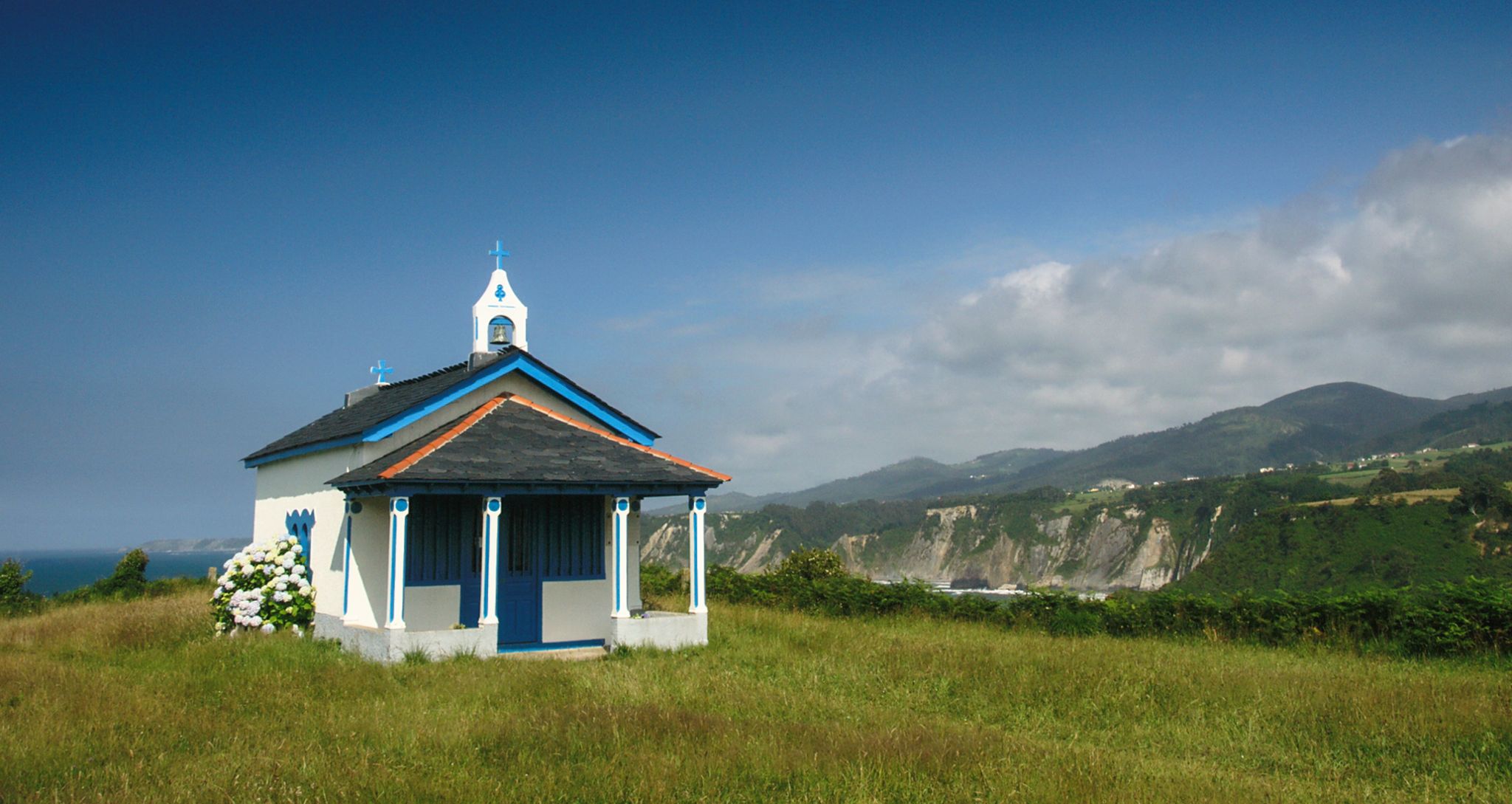
- Another must-see spot is San Alberte Chapel, a religious building located in a natural environment. It is situated next to the Parga River within the Terras do Miño Biosphere Reserve.
- Visitors also love Andrade Tower, an octagonal tower, the sole remnant of Vilalba's medieval castle. This 15th-century tower is a prominent symbol of the town and now houses a Parador hotel.
- Vilalba is known for its historical sites, religious buildings, and natural areas. The region offers a variety of attractions to see and explore, including ancient bridges, chapels, and remnants of medieval castles.
- The attractions around Vilalba are appreciated by the komoot community, with over 120 upvotes and 30 photos shared.
Last updated: August 16, 2026
Andrade Tower
Highlight • Castle
Translated by Google •
Tip by

Old bridge
Highlight • Bridge
Translated by Google •
Tip by
Sign up now to discover places like this
Get recommendations on the best single tracks, peaks, & plenty of other exciting outdoor places.
Sign up for free
Baamonde Church
Highlight • Religious Site
Gothic building built with details of Romanesque tradition in its sculptural decoration. The Romanesque part accuses or influenced pilgrimages to Santiago and has two kinds of stonemason signs: one in the shape of an S and the other in the shape of a square with a dot in the middle.
Translated by Google •
Tip by
Cemetery with a small chapel
Highlight • Religious Site
Translated by Google •
Tip by
San Alberte Bridge
Highlight • Bridge
Although believed to have Roman origins, the current structure is Gothic in style, built in the 14th century and renovated in the 18th century and again in 2006.
Translated by Google •
Tip by
Sign up for free to discover even more attractions around Vilalba.
Sign up for free
Already have an account?
Start today with a free account
Your next adventure awaits.
Login or Signup

Tips from the Community

The original castle dates back to the 11th century, although the current tower was rebuilt in the 15th century after the Irmandiño revolts, which destroyed much of the fortress. It was owned by the lords of Lemos and later passed into the hands of Fernán Pérez de Andrade, who left his heraldic mark on the tower with the figure of the wild boar, a symbol of his lineage. In the 19th century, during the First Carlist War, the tower was reused as a defensive bastion and later restored.
3
0
The Andrade Tower in Vilalba (Lugo) is an impressive medieval building that constitutes the only vestige of the old Vilalba Castle, and one of the most important historical symbols of the Terra Chá region.
3
0
The Santo Alberte Bridge, also known as Ponte de San Alberte, is a medieval gem located in the municipality of Guitiriz (Lugo), over the Parga River, in the heart of the Terras do Miño Biosphere Reserve. Although believed to have Roman origins, the current structure is Gothic in style, built in the 14th century and renovated in the 18th century and again in 2006.
3
0

A mighty and historic tower with a beautiful coat of arms 🤙
0
1

The San Alberte Bridge is a medieval Gothic bridge over the Parga River on the Camino de Santiago North in Lugo, Galicia. It is located between Baamond and Guitiriz
1
0

Small masonry bridge with 3 arches over the Batán river located on the commercial route between Vilalba and Mondoñedo. Magical place surrounded by native Galician forest.
2
1
Frequently Asked Questions
What historical landmarks can I explore in Vilalba?
Vilalba is rich in history. You can visit the iconic Andrade Tower, the sole remnant of Vilalba's medieval castle, which now houses a Parador hotel. Other notable historical sites include the 17th-century Martiñán Bridge and the ancient Saá Bridge, both spanning local rivers. The Baamonde Church also offers a glimpse into Gothic architecture with Romanesque traditions.
Are there any natural areas or viewpoints to visit around Vilalba?
Yes, Vilalba offers several beautiful natural spots. The Recreational Area of Madalena provides a tranquil river walk along the Magdalena River, complete with a river beach and walking paths. For panoramic views of the agricultural landscape, consider a climb to the 935-meter summit of Mount Monseivane. The Lagoon of Cospeito is another significant natural attraction, offering a 17 km route along its riverbanks with various viewpoints.
What cultural sites are there in Vilalba?
Beyond historical landmarks, Vilalba has several cultural sites. The Church of Santa María, located in the main square, showcases eclectic historicist architecture. You can also discover the emblematic Cruceiros (stone crosses) found at crossroads and paths throughout the region, such as the Goiriz Cross. The Museum of Prehistory and Archaeology of Vilalba (MUPAV) houses an extensive collection covering ancient cultures from the Palaeolithic to the Roman era.
Are there family-friendly activities or attractions in Vilalba?
Many attractions in Vilalba are suitable for families. The Recreational Area of Madalena, with its river beach and park, is perfect for a relaxing day out. The San Alberte Chapel is situated in a beautiful natural environment, offering a pleasant visit for all ages. Exploring the historic bridges or the Andrade Tower can also be engaging for children interested in history.
Where can I find hiking trails near Vilalba?
Vilalba is a great base for hiking. You can find various trails, including moderate routes like 'Churches of San Xiao de Mourence and Santiago de Boizán – circular from Vilalba' or easier options such as 'Cospeito Lagoon – Laguna de Cospeito loop from Área de Cospeito'. For more details and a wider selection of routes, check out the Hiking around Vilalba guide.
What about running or cycling routes in the area?
For runners, there are several options, including the 'Route of the Madalena River - circular from Vilalba' which is an easy 4.5 km loop. Cyclists can enjoy longer routes like the 'Tower of Homage of Vilalba – Lago de As Pontes loop from Vilalba'. You can explore more running trails in the Running Trails around Vilalba guide and cycling routes in the Road Cycling Routes around Vilalba guide.
Are there any unique or 'hidden gem' attractions in Vilalba?
Yes, Vilalba holds some unique spots. The Charca do Alligal, a spring in Codesido, is famous for its believed medicinal waters, offering a relaxing wellness experience. The ancient maple tree known as La Pravia in Suso Gayoso Square is a significant feature in the historic quarter. Additionally, the Cemetery with a small chapel (San Xoán de Alba Church and Neo-Gothic Cemetery) is noted for its picturesque setting and characteristic pinnacles.
What archaeological sites can I visit near Vilalba?
For those interested in archaeology, Vilalba offers insights into ancient settlements. You can visit Iron Age forts like Castro de Nete, Belesar (also known as Santa Catarina), and Gondaísque Castro. These sites provide a glimpse into military settlements, some of which were Romanized, and feature defensive walls and remains of Roman villas.
What do visitors enjoy most about the attractions around Vilalba?
Visitors frequently appreciate the blend of historical significance and natural beauty. The moss-covered Old bridge on the Camino del Norte is often highlighted for its historical charm. The tranquil natural settings, such as those surrounding the San Alberte Chapel, are also highly valued for their serene atmosphere.
When is the best time to visit Vilalba's attractions?
Vilalba can be enjoyed throughout the year. The summer months are ideal for enjoying outdoor activities like the river beach at Madalena and the facilities at Charca do Alligal. Spring and autumn offer pleasant temperatures for hiking and exploring historical sites, while the lush green landscapes are particularly vibrant. The region's historical and cultural sites are accessible year-round.
Are there any religious sites of interest in Vilalba?
Vilalba has several significant religious sites. The Church of Santa María in the main square is a prominent parish church. The San Alberte Chapel is a beautiful Gothic chapel set in a natural environment. Additionally, the San Xoán de Alba Church, with its free-standing portico and surrounding cruceiros, offers a glimpse into local religious heritage.
Most popular attractions around Vilalba

Get inspired with the komoot mobile app


Explore more
Still not found the Highlight you’re looking for? See guides of the top attractions in other regions:
