Attractions and Places To See around Santa María La Real De Nieva - Top 15
Best attractions and places to see around Santa María La Real De Nieva include a mix of historical sites, cultural landmarks, and natural landscapes. This municipality in Segovia, Spain, is situated on a hill overlooking the Voltoya River and is part of the Camino de Santiago de Madrid route. The area features significant historical architecture, including a 15th-century Gothic monastery, and offers natural paths along old railway lines and rivers. Visitors can explore a diverse range of points of interest…
Last updated: May 10, 2026
Ortigosa del Pestaño — Abandoned Railway Station
Highlight • Monument
Translated by Google •
Tip by

Old Hontanares de Eresma Station
Highlight • Monument
Translated by Google •
Tip by
Sign up now to discover places like this
Get recommendations on the best single tracks, peaks, & plenty of other exciting outdoor places.
Sign up for free
Old Yanguas de Eresma Station
Highlight • Historical Site
Translated by Google •
Tip by
Section of the Eresma Valley Greenway
Highlight • Cycleway
The surface is very good and …
Translated by Google •
Tip by
Hermitage of the Virgin of the Well
Highlight • Religious Site
Translated by Google •
Tip by
Sign up for free to discover even more attractions around Santa María La Real De Nieva.
Sign up for free
Already have an account?
Start today with a free account
Your next adventure awaits.
Login or Signup
Popular around Santa María La Real De Nieva
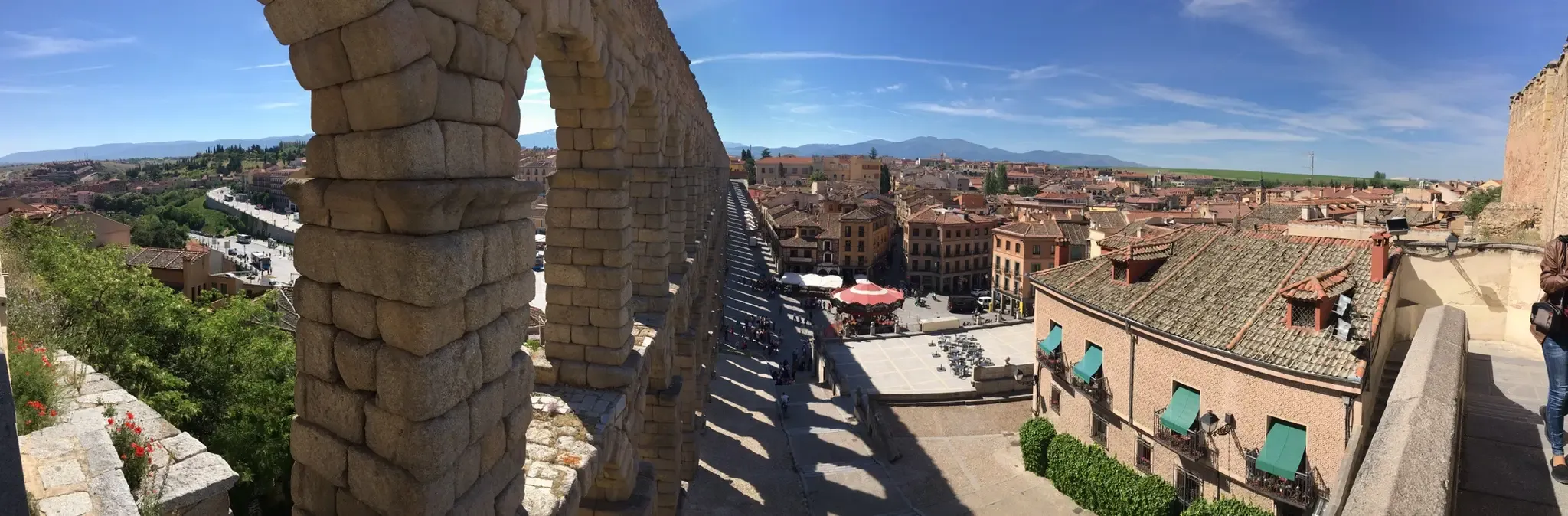
Riding through Spain’s Segovian countryside — Eresma Valley Greenway
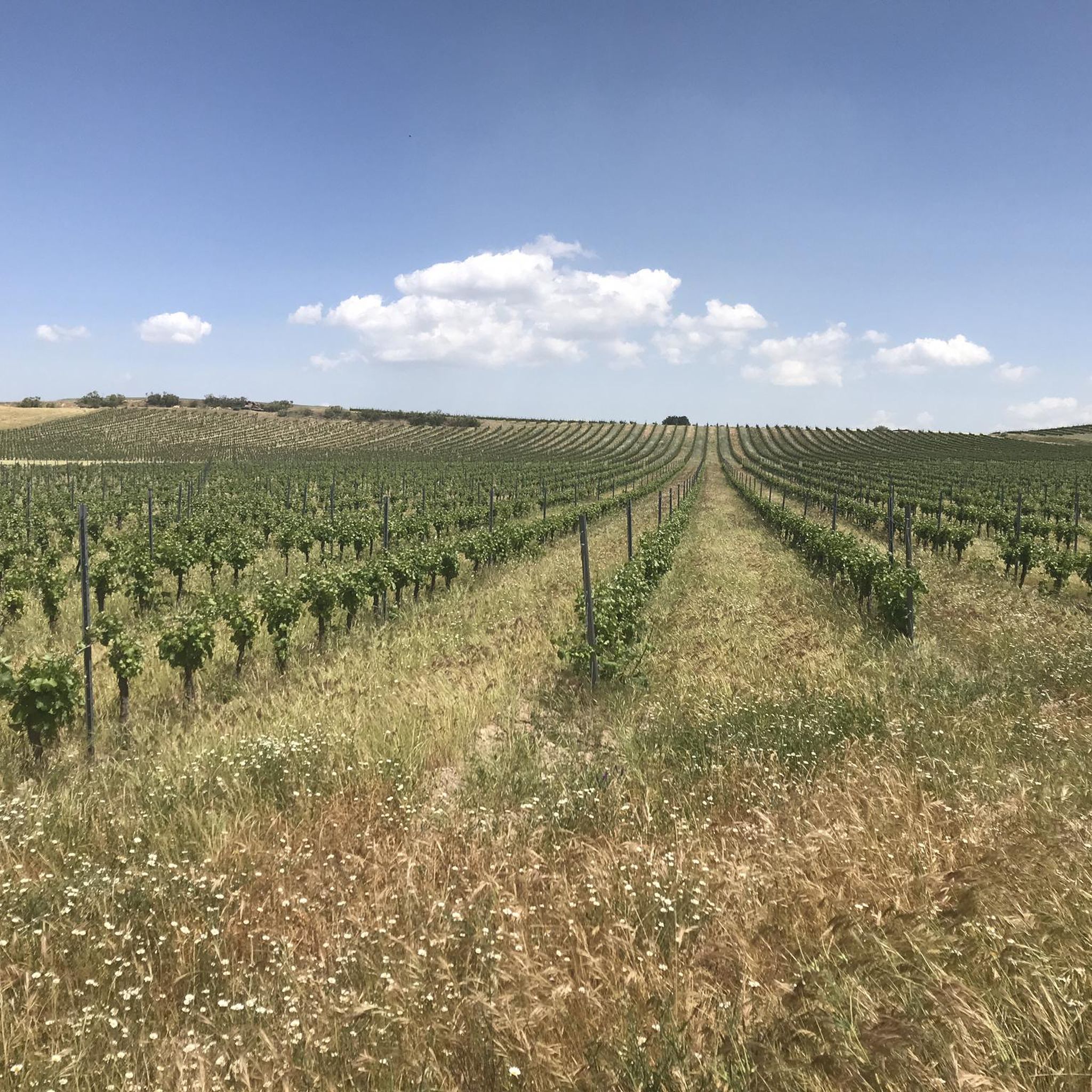
Road Cycling Routes around Santa María La Real De Nieva
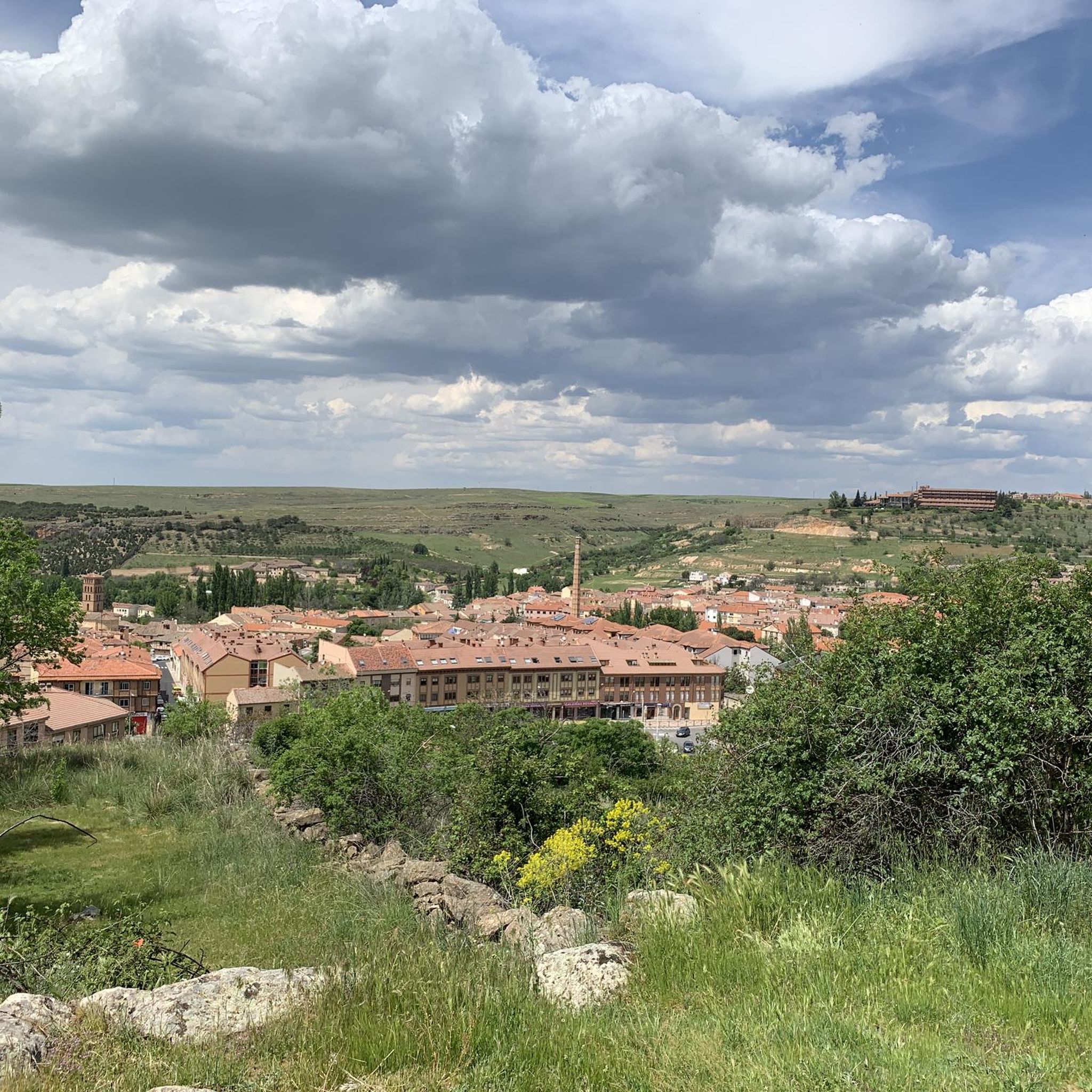
Hiking around Santa María La Real De Nieva
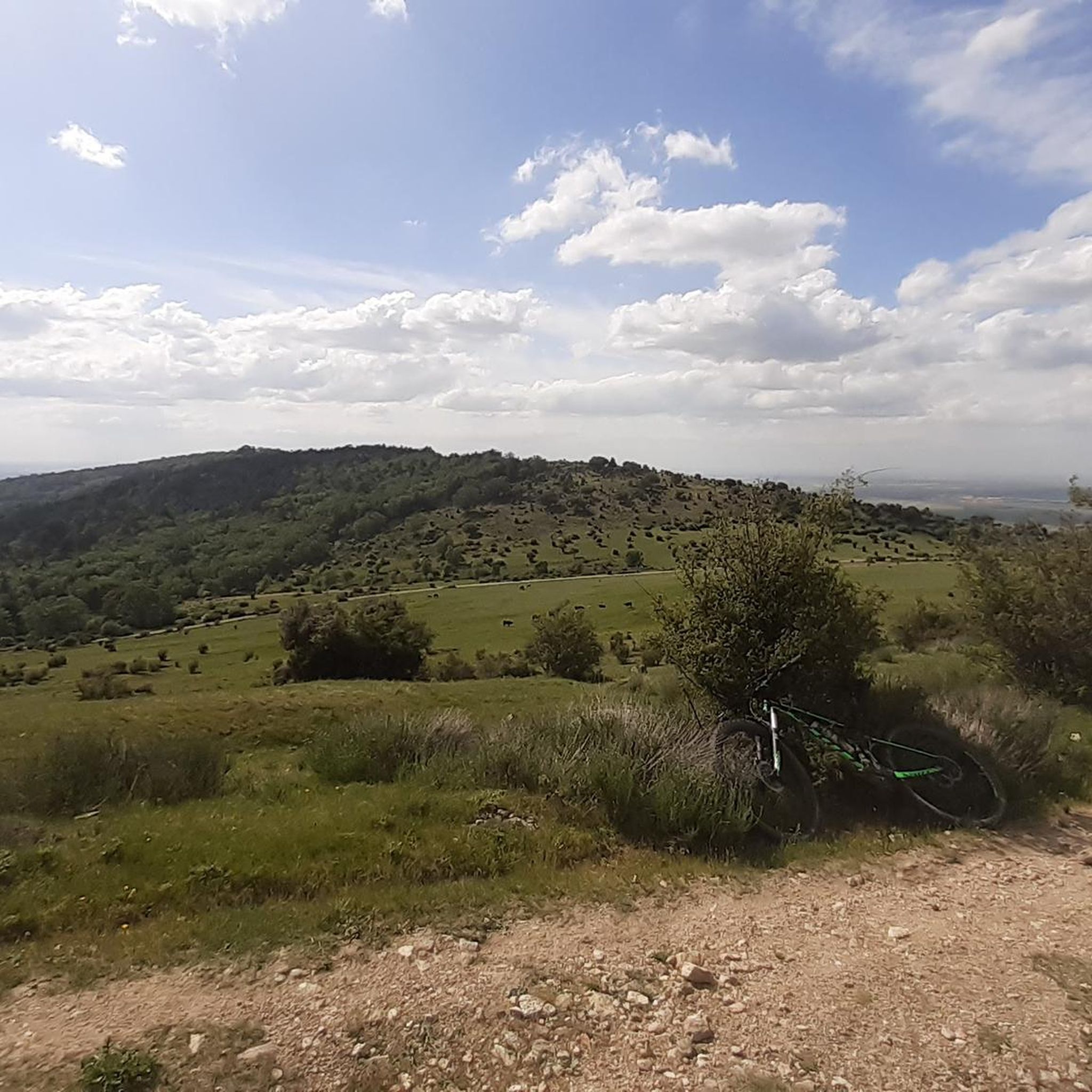
MTB Trails around Santa María La Real De Nieva
Running Trails around Santa María La Real De Nieva
Cycling around Santa María La Real De Nieva

Gravel biking around Santa María La Real De Nieva
Other adventures around Santa María La Real De Nieva

Tips from the Community

a very nice route to enjoy by bike
0
0

Old abandoned station
0
0

Hontanares de Eresma is a charming municipality and town in the province of Segovia, within the autonomous community of Castilla y León. Hontanares de Eresma is mentioned for the first time in 1247 as “Fontanares” and until the 19th century it was simply called “Hontanares”.
2
0

Population center that is divided into two scattered areas, one called Hontanares de Eresma and the other the Estación. This second one was well known since it is where the train station of the center was located and that currently passing through the greenway can still be seen.
1
0

Temple of Romanesque origin that was built in the 13th century and that still today houses pilgrimages for the residents of Nieva. In its surroundings there is a rest area in the shade, with benches and tables.
2
0
Old station on the track that was active for 100 years. These abandoned infrastructures seem like an architectural time capsule where you can sense what the dynamics of rail communication were like then, especially compared to the current nearby high-speed train line.
3
0
Remnant of a road that was in use for 100 years. Stations such as Yanguas de Eresma represent a heritage that tells the story of lands that were protagonists in recent history in the development of civil life.
2
0
This greenway runs along the old train route that linked Segovia and Medina del Campo. Next to the road runs the current railway line. The surface is very good and you can enjoy the passage through the cereal fields and pine forests of the Segovian countryside.
0
0
Frequently Asked Questions
What historical sites can I explore in Santa María La Real De Nieva?
The region is rich in history. You can visit the 15th-century Gothic Monastery of Nuestra Señora de la Soterraña, a National Monument known for its intricately carved cloister. Another significant site is the Bullring of Santa María la Real de Nieva, one of Spain's oldest, built with distinctive slate. Don't miss the charming 12th-century Hermitage of San Miguel de Villoslada.
Are there any family-friendly attractions in the area?
Yes, several attractions are suitable for families. The Section of the Eresma Valley Greenway is perfect for a leisurely walk or bike ride, offering scenic views. The Old Hontanares de Eresma Station, a former railway station, provides an interesting glimpse into the past and is tagged as family-friendly. Additionally, the Hermitage of the Virgin of the Well offers a peaceful setting with a rest area.
What natural features can I discover around Santa María La Real De Nieva?
The municipality boasts diverse natural beauty. You can explore the Vía Verde del Valle del Eresma, which follows an old railway line through cereal fields and pine forests. For panoramic views, head to Alto de Peña Pinilla, the highest point in the municipality. The Moros and Voltoya rivers, along with various streams, also offer tranquil spots, especially during summer.
Where can I find archaeological insights into the region's past?
For a deeper dive into the area's history, visit the Archaeological Interpretation Center of the Villa Romana de Paradinas. This center provides insights into the municipality's history from prehistory and Romanization, showcasing Roman mosaic remains and the various cultures that have inhabited the area.
Are there any unique architectural relics to see?
Yes, the area is known for its abandoned railway stations, which are fascinating architectural relics. You can visit the Ortigosa del Pestaño — Abandoned Railway Station and the Old Yanguas de Eresma Station. These structures are part of the historical railway line that once connected Segovia and Medina del Campo, offering a glimpse into the past of rail communication.
What outdoor activities can I do near these attractions?
The region offers excellent opportunities for outdoor activities. You can enjoy cycling or hiking along the Section of the Eresma Valley Greenway. For more structured routes, explore the nearby running trails or road cycling routes. For example, there are various running trails and road cycling routes around Santa María La Real De Nieva, catering to different difficulty levels.
What is the best time to visit Santa María La Real De Nieva for outdoor activities?
The region's climate makes spring and autumn ideal for outdoor activities. During these seasons, the weather is generally mild and pleasant for hiking, cycling, and exploring historical sites. The forests also yield significant quantities of mushrooms in autumn, adding another dimension to your visit.
Can I find ancient religious buildings in the area?
Absolutely. Besides the prominent Monastery of Nuestra Señora de la Soterraña, you can find the 12th or early 13th-century Romanesque Hermitage of San Miguel de Villoslada. Another notable religious site is the 16th-century Gothic Church of Our Lady of Assumption in Paradinas, which also features neoclassical elements.
What kind of wildlife can be found in the forests around Santa María La Real De Nieva?
The pine and holm oak forests near the Moros River and in areas like Paradinas and Villoslada support diverse wildlife. You might encounter wild boars, foxes, rabbits, and various birds of prey, among other native species. These forests are also important for pine nut, resin, and wood production.
Are there any notable stately homes or civil architecture examples?
Yes, in Pinilla Ambroz, you can find the Casa Fuerte. This 15th-century stately home, which later adopted a Renaissance military style, is considered a significant example of civil architecture in Segovia.
What do visitors enjoy most about the attractions in Santa María La Real De Nieva?
Visitors particularly appreciate the blend of historical depth and natural beauty. The abandoned railway stations, like the one in Ortigosa del Pestaño, are often highlighted as 'architectural time capsules.' The Eresma Valley Greenway is praised for its 'very nice route to enjoy by bike' and the scenic passage through cereal fields and pine forests.
Most popular routes around Santa María La Real De Nieva

Get inspired with the komoot mobile app


Explore more
Still not found the Highlight you’re looking for? See guides of the top attractions in other regions:
