Top 20 Mountain Passes around Ansó
Best mountain passes around Ansó are found in the Ansó Valley, a region in the Aragonese Pyrenees. This area features a variety of mountain passes and deep gorges. These natural corridors offer diverse landscapes, rich biodiversity, and historical significance. The terrain includes high mountain meadows, stony areas, and vertical rock walls.
Best mountain passes around Ansó
- The most popular mountain passes is Somport Pass, a mountain pass that sits on the border between France and Spain at 1,632 meters…
Last updated: June 26, 2026
Pierre Saint-Martin Pass
Highlight • Mountain Pass
Translated by Google •
Tip by

Somport Pass
Highlight • Mountain Pass
Translated by Google •
Tip by

Sign up now to discover places like this
Get recommendations on the best single tracks, peaks, & plenty of other exciting outdoor places.
Sign up for free
Collado de Argibiela
Highlight • Mountain Pass
Translated by Google •
Tip by

Canfranc Valley
Highlight • Mountain Pass
Translated by Google •
Tip by

Soudet Pass
Highlight • Mountain Pass
Translated by Google •
Tip by
Sign up for free to discover even more mountain passes around Ansó.
Sign up for free
Already have an account?
Start today with a free account
Your next adventure awaits.
Login or Signup
Popular around Ansó
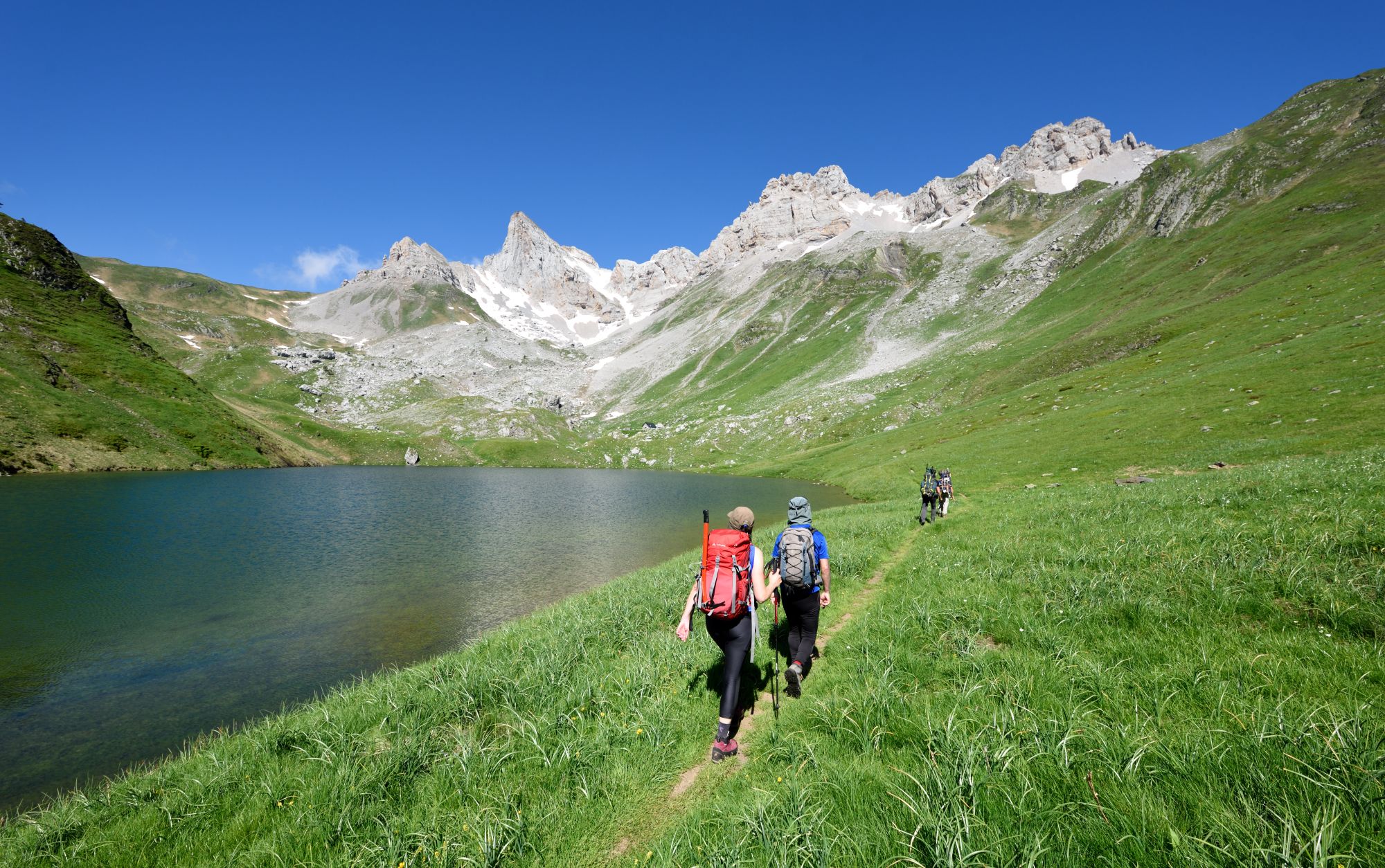
Classic Swallows Route in Spain – Mountains with history
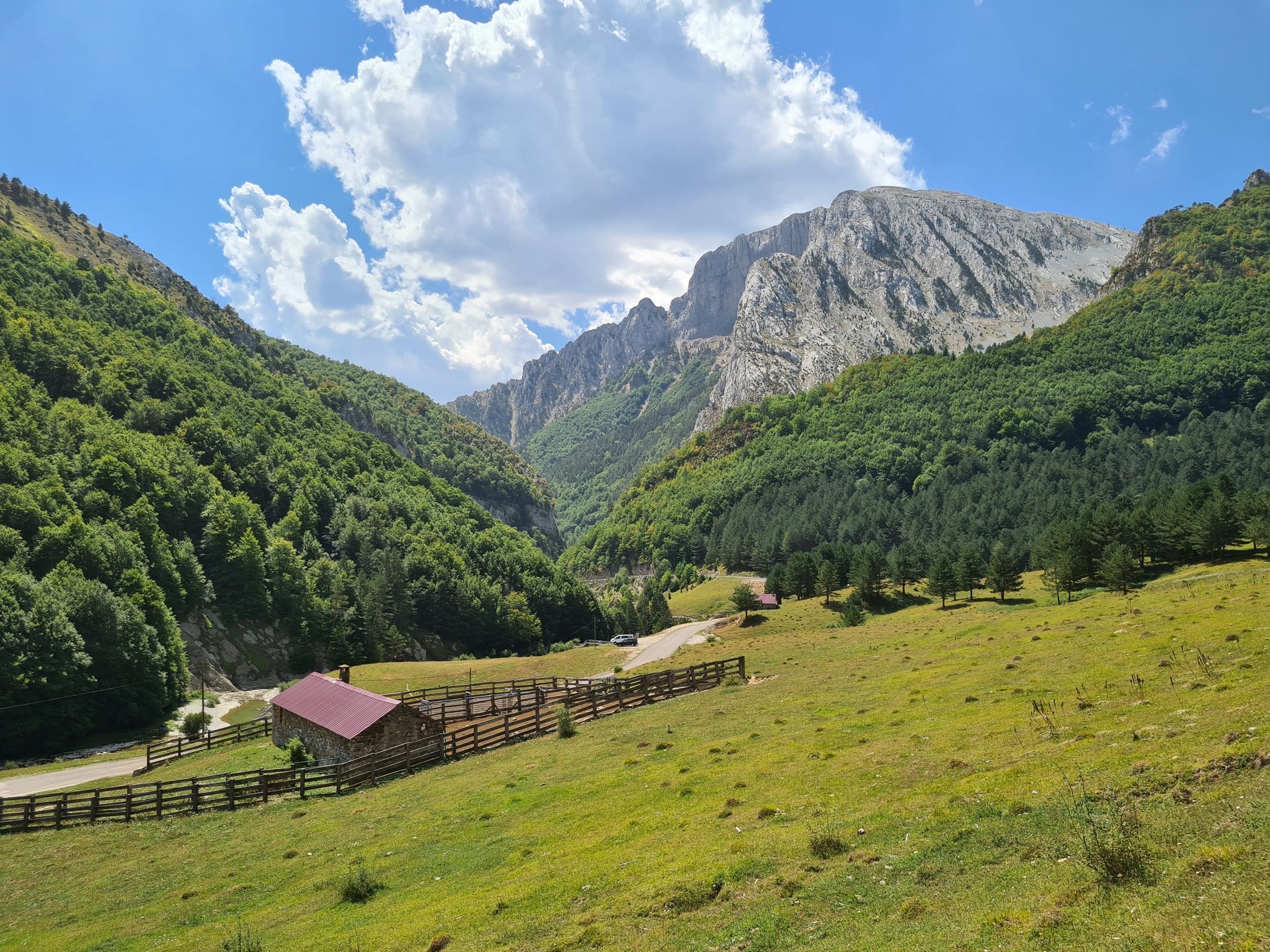
On the other side of the Pyrénées
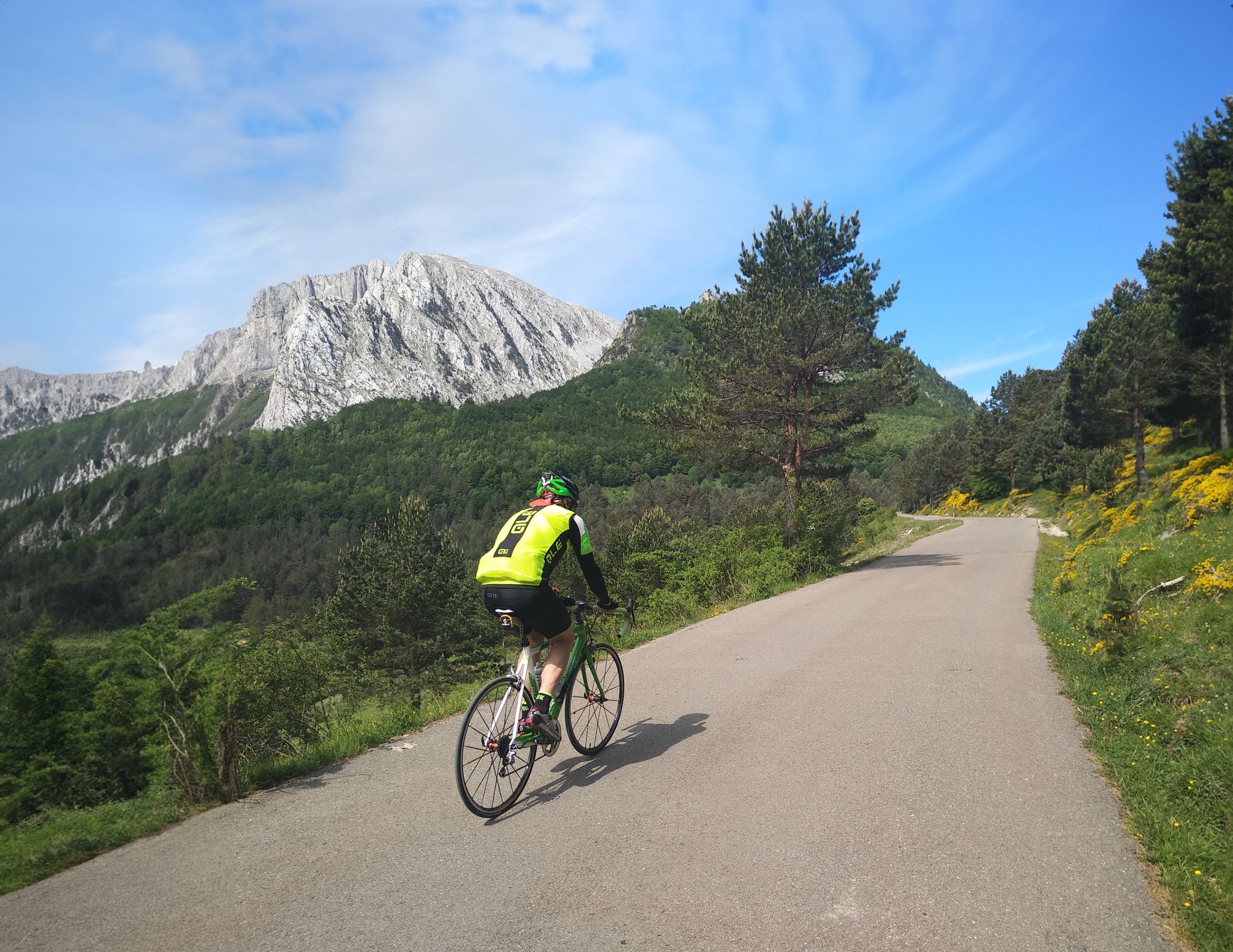
The Bay of Biscay to the Mediterranean — southern Pyrenees cycle tour
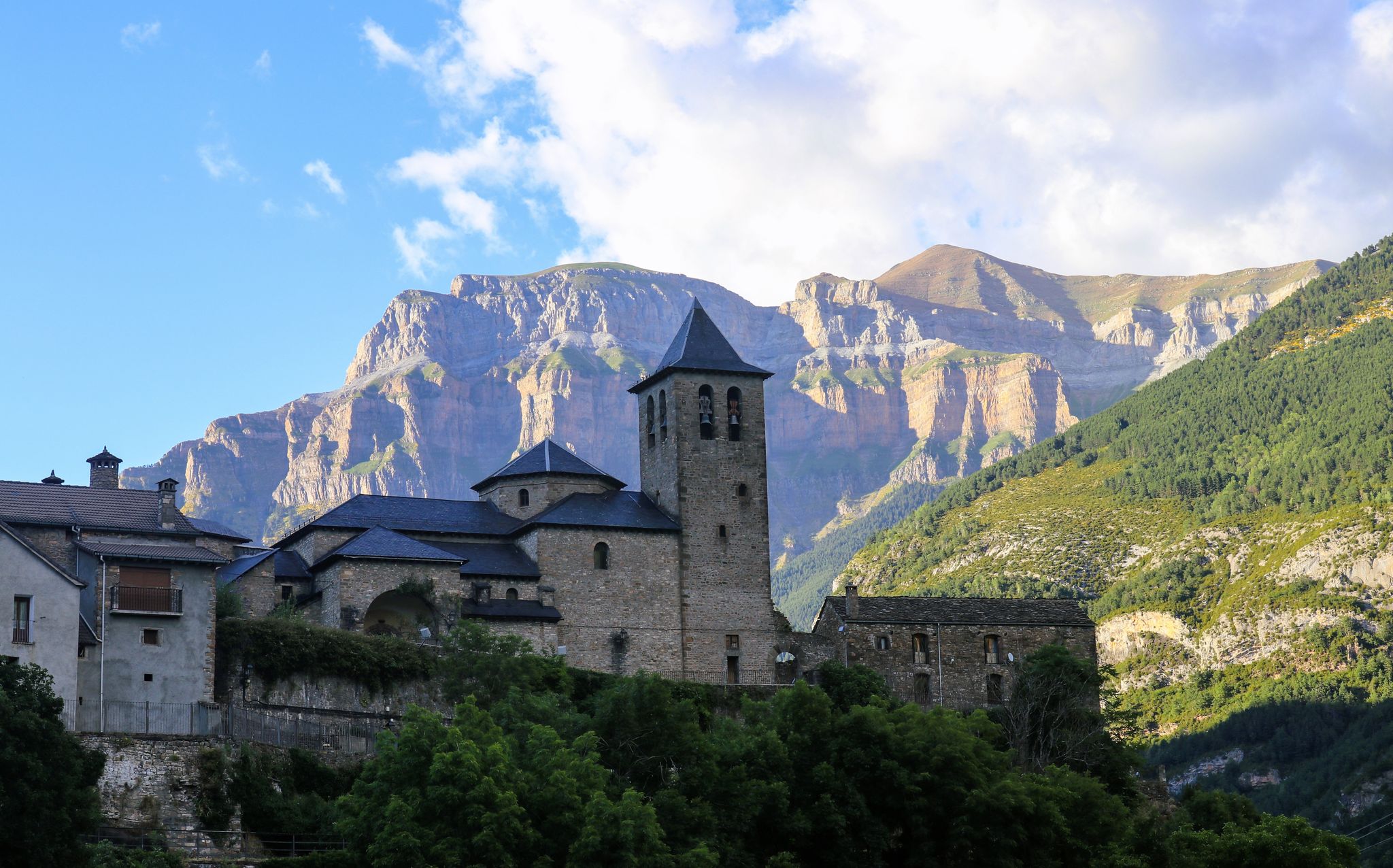
Between summits and villages – magical Pre-Pyrenees Trail (GR 15)
Aragon along the Pyrenean Trail – GR 11
Valleys and monasteries — the Origins of the Kingdom of Aragon
Hiking around Ansó
Road Cycling Routes around Ansó
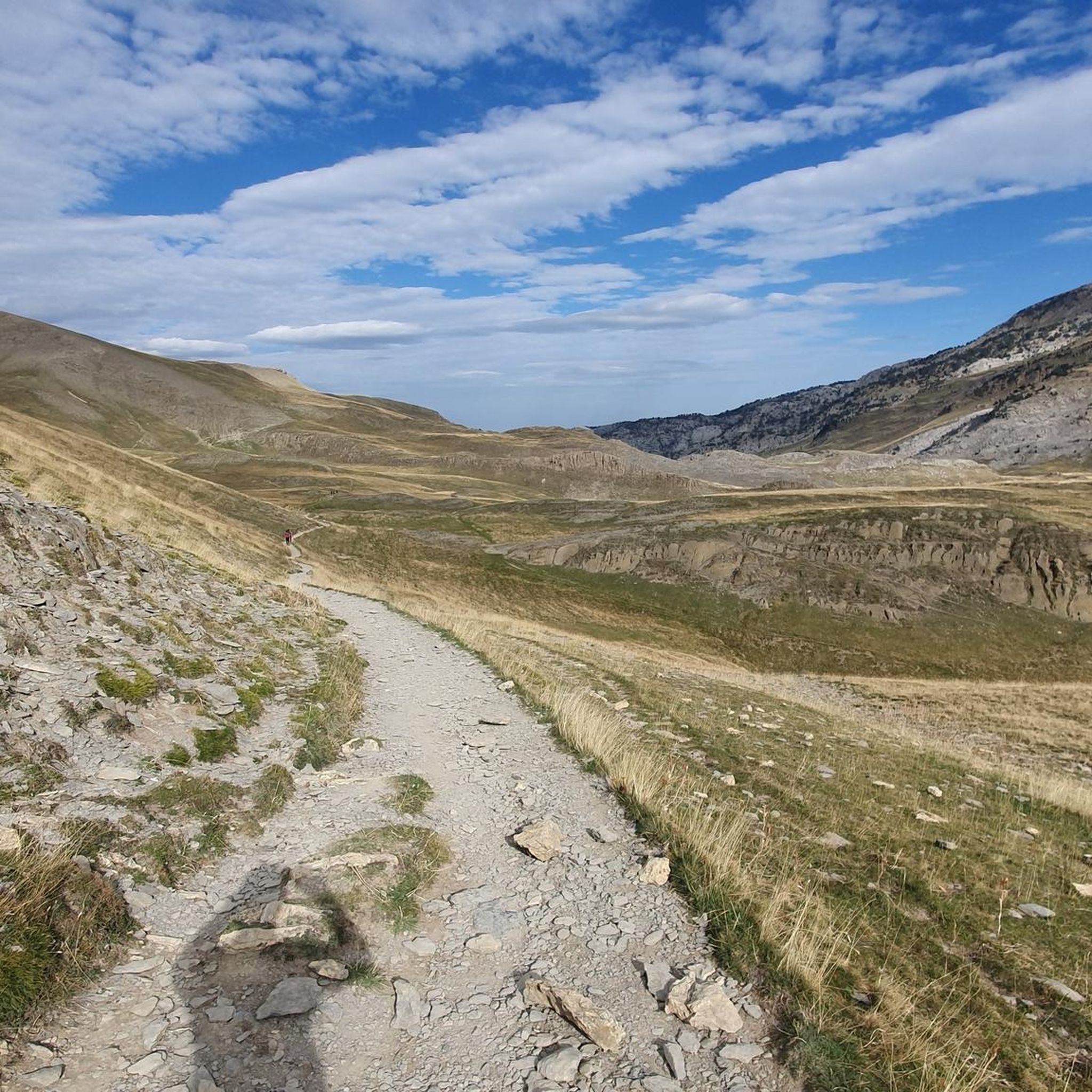
MTB Trails around Ansó
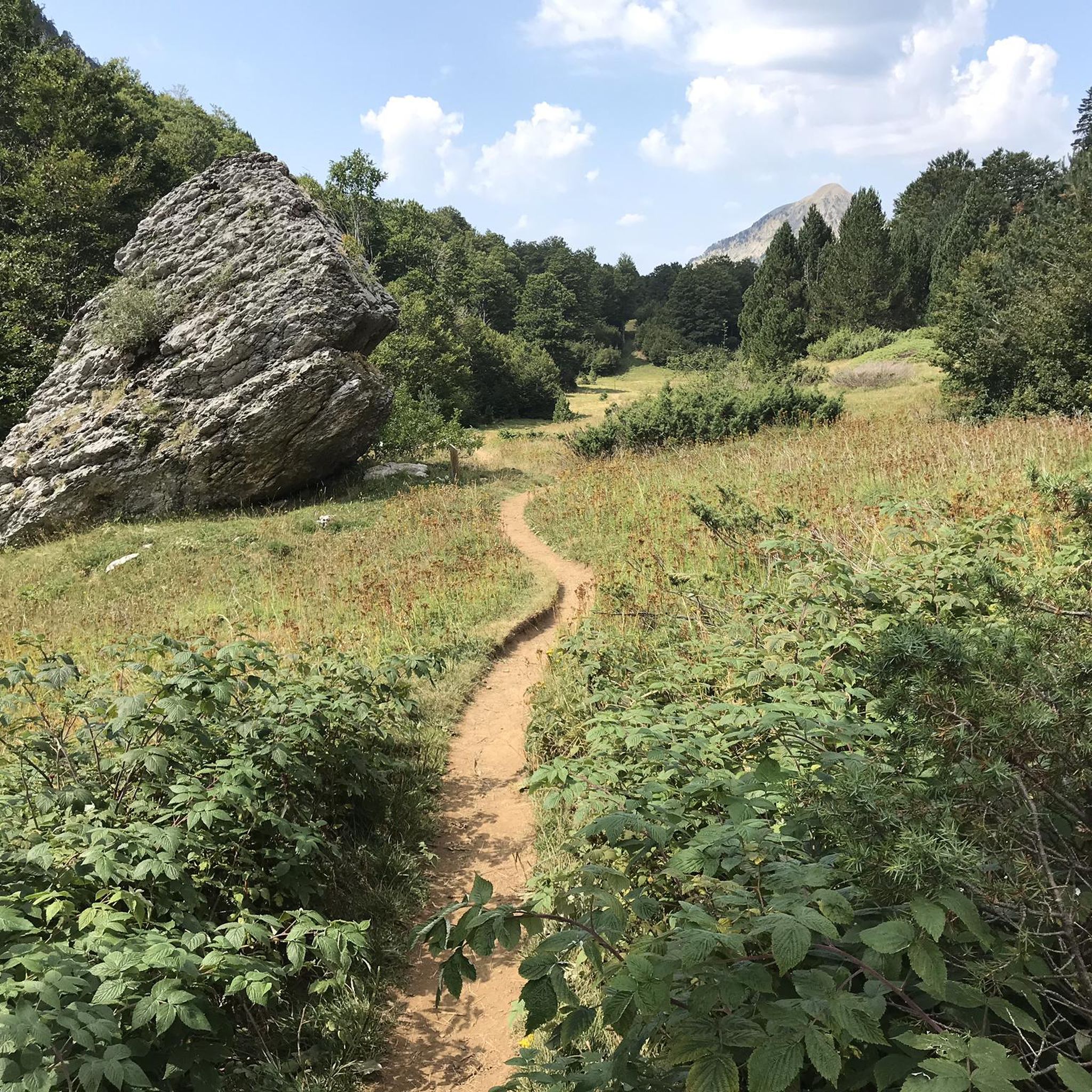
Running Trails around Ansó
Other adventures around Ansó


Tips from the Community

Beautiful Pyrenean valley, at the end you reach the Anayet glacial lakes, a deserved reward.
0
0

beautiful climb starting from the valley of Larrau. Count 21km but the bulk of the elevation gain starts in Saint Engrace
0
0


Without a doubt, the Col de la Piedra de Saint Martin or Pierre Saint-Martin is one of the Top 10 in the whole of the Pyrenees. Without exceeding 2000 metres of altitude, it is a very long pass, with a lot of accumulated gradient (due to the innumerable French slopes, the gradient is 1,450 metres), with very hard slopes and several kilometres above 10%, with wonderful landscapes and panoramic views and with little traffic, except for the slopes crossed by the main road (D132 in France, the NA 137 in Spain). It is a pass with many slopes; in Europe there are few other passes that have as many slopes as this one (col de Turini, Passo delle Erbe, would be comparable in number of slopes approximately). I have only climbed it by 2 slopes: (i) my first time was from Lourdios Ichère, crossing the col de Labays and the col de Soudet. Simply spectacular; (ii) I have subsequently climbed the Spanish side on several occasions, which is unique, and which starts from Belagua and crosses the Belagua cross-country ski resort to reach the mountain pass. It is also very beautiful, with a landscape and views different from the north-east side. If I had to choose one of the two, I liked the north-west side better because it is more remote, harder and in my opinion more authentic. It is also a culturally special mountain pass because the Tribute of the 3 cows takes place on its summit every 13th of July, which is considered the oldest treaty in force in Europe. So... you know... you cannot miss the opportunity to come here and enjoy this wonderful jewel of the Pyrenees!!!!
1
0
A beautiful port that unites the communities of Navarra and Aragón, specifically the towns of Ansó and Isaba. Specifically, it connects the Zuriza valley with the Roncal valley. It is a very affordable port and highly recommended because it allows you to travel through spectacular landscapes, on both sides. The Navarrese slope is shorter but more difficult than the Aragonese slope, which is very steep, except for the final kilometer which is 7 - 8%. What has been said, I reaffirm that it is a beautiful port that must be enjoyed.
0
0

Here the Camino Aragones begins at the top of the pass on the Spanish side of the pass. A great view down into the valley.
1
1
The Aragonese Way of St. James begins at the top of the Somport pass. From above you have a wonderful view down into the valley towards Jaca. A very good start to the Camino Aragones, which still remains really original.
1
0

This pass, both from the Ansó slope and the Isaba slope, presents the cyclist with a long climb (13 and 12 kilometres, respectively). On both slopes, the hardest part is at the end, highlighting the final kilometer of the ascent from Ansó, with an 8% unevenness. It is a quiet road with magnificent views of both the valleys and the nearby peaks.
1
0
Frequently Asked Questions
What are some notable mountain passes and gorges in the Ansó Valley?
The Ansó Valley features a variety of impressive natural corridors. Key passes include the historic Somport Pass, which is open all year, and the challenging Pierre Saint-Martin Pass. Other significant passes mentioned in the region are Collado del Petrechema, Collado de Linza, and Puerto del Palo. The valley also boasts spectacular gorges like Foz de Biniés and Foz de Fago.
What kind of natural features and biodiversity can I expect to see around the mountain passes in Ansó?
The region is known for its stunning natural beauty, including deep gorges with impressive vertical rock walls, high mountain meadows, and stony terrain. The Foz de Biniés, for example, is a protected landscape where Mediterranean and Euro-Siberian vegetation coexist, and you might spot wildlife such as otters, Egyptian vultures, and bearded vultures. The Foz de Fago is renowned for its emerald green waters and tufa formations.
Are there any historically significant mountain passes in the Ansó region?
Yes, several passes hold historical importance. The Somport Pass is a historical passage and a starting point for the Aragonese Way of the Camino de Santiago. Puerto del Palo is another ancient Roman road and the oldest entry point into Aragón through the Pyrenees, also forming part of an early Camino de Santiago route. Additionally, the Mesa de los Tres Reyes peak, often accessed via passes, is legendary as a meeting point for ancient kings.
What are the difficulty levels for exploring mountain passes around Ansó?
The difficulty varies significantly. Some passes, like Pierre Saint-Martin Pass, are considered challenging with long climbs and significant elevation gain. Others, such as Collado de Argibiela, are intermediate, offering long but manageable climbs. The Foz de Fago gorge can be challenging for canyoning, especially with high water levels. There are also well-marked paths around areas like Collado de Linza, which can be more accessible.
What outdoor activities can I do near the mountain passes in Ansó?
The Ansó region offers a wide range of outdoor activities. You can find numerous MTB trails, including challenging loops around Somport Pass. There are also many running trails, such as the Ibon de Acherito loop or the Txamantxoia Loop from Linza Refuge. For road cycling, you can explore routes like the Foz de Biniés and Foz de Fago Loop.
Which mountain passes offer the best panoramic views?
Many passes in the Ansó Valley provide breathtaking vistas. Pierre Saint-Martin Pass is known for its panoramic views. From Collado del Petrechema, you can see the towering Agujas de Ansabere. The ascent to Mesa de los Tres Reyes offers panoramic views of the Pyrenees, including peaks like Anie and Petrechema. Collado de Argibiela also provides magnificent views of both the Zuriza and Roncal valleys and nearby peaks.
Is the Ansó Valley suitable for family-friendly excursions around mountain passes?
While some high-mountain passes require significant effort, there are areas suitable for families. The region around Collado de Linza, for instance, offers well-marked paths through grassy areas that are generally more accessible. The Foz de Biniés has vantage points along the road to appreciate its magnitude, which can be enjoyed by families. It's advisable to check specific route details for difficulty and length when planning family outings.
What is the best time of year to visit the mountain passes in Ansó?
The best time to visit largely depends on the activity. For hiking and cycling in high-mountain areas, late spring to early autumn (June to September) generally offers the most favorable weather conditions. The Somport Pass is notable for being one of the few Pyrenean passes open all year. However, some gorges like Foz de Fago are best for canyoning when water levels are high, but lose appeal when dry in summer. Winter offers opportunities for snow-related activities, but conditions can be challenging.
What makes the Foz de Biniés and Foz de Fago gorges unique?
The Foz de Biniés is a spectacular canyon carved by the Veral River, featuring impressive vertical rock walls over 200 meters high and a unique ecosystem. The Foz de Fago, formed by the Majones River, is particularly renowned for canyoning due to its emerald green waters, tufa formations, and opportunities for rappelling and jumping. Both are part of protected landscapes rich in diverse flora and fauna.
What do visitors enjoy most about the mountain passes around Ansó?
Visitors frequently praise the stunning landscapes and panoramic views. For example, the Pierre Saint-Martin Pass is considered one of the Top 10 in the Pyrenees for its wonderful landscapes and panoramic views. The quiet roads and magnificent scenery of passes like Collado de Argibiela are also highly appreciated. The sense of adventure and the rich history of the region's passes also contribute to a rewarding experience.
Are there specific routes for cycling that include mountain passes in the Ansó area?
Yes, the region is popular for cycling. The Collado de Argibiela is a beautiful pass that connects the Zuriza and Roncal valleys, offering a rewarding climb for cyclists. The Pierre Saint-Martin Pass is also a very long and challenging climb with multiple slopes, considered a jewel of the Pyrenees for cyclists. You can find more cycling routes in the Cycling around Ansó guide.
What is the significance of the Collado de Linza?
The Collado de Linza, situated at approximately 1,937 to 1,940 meters, is a crucial hub for exploring the high mountains of Ansó. It serves as a popular starting point for routes to major peaks such as Mesa de los Tres Reyes and Petrechema. The area around the pass, accessible from the Linza refuge, is known for its well-marked paths through varied terrain.
Most popular attractions around Ansó

Get inspired with the komoot mobile app


Explore more
See even more epic mountain passes by checking out these guides around Ansó:
