The best cycling routes around Muxía
4.7
(115)
1,406
riders
17
rides
Touring cycling routes around Muxía offer diverse experiences along the rugged Costa da Morte in Galicia, Spain. The region is characterized by its dramatic Atlantic coastline, rocky shores, and a varied terrain that includes quiet paved roads, gravel paths, and inland trails. Cyclists can explore areas featuring natural pools, river paths with historic mills, and serene beaches, alongside routes that range from gentle gradients to those with significant elevation gains.
Best touring cycling routes around Muxía
- The most popular touring…
Last updated: August 26, 2026
5.0
(2)
17
riders
64.3km
04:25
1,070m
1,070m
Hard bike ride. Very good fitness required. Mostly paved surfaces. Suitable for all skill levels.
4.5
(6)
53
riders
Moderate bike ride. Good fitness required. Mostly paved surfaces. Suitable for all skill levels.

Sign up for free
5.0
(2)
30
riders
64.0km
04:34
1,040m
1,040m
Hard bike ride. Very good fitness required. Mostly paved surfaces. Suitable for all skill levels.
5.0
(2)
20
riders
62.9km
04:18
990m
990m
Hard bike ride. Very good fitness required. Mostly paved surfaces. Suitable for all skill levels.
5.0
(1)
14
riders
26.2km
01:45
380m
380m
Moderate bike ride. Good fitness required. Mostly paved surfaces. Suitable for all skill levels.
Get access to more routes and recommendations from other explorers.
Sign up for free
Already have an account?
Our route recommendations are based on thousands of hikes, rides, and runs completed by other people on komoot.
Start today with a free account
Your next adventure awaits.
Login or Signup
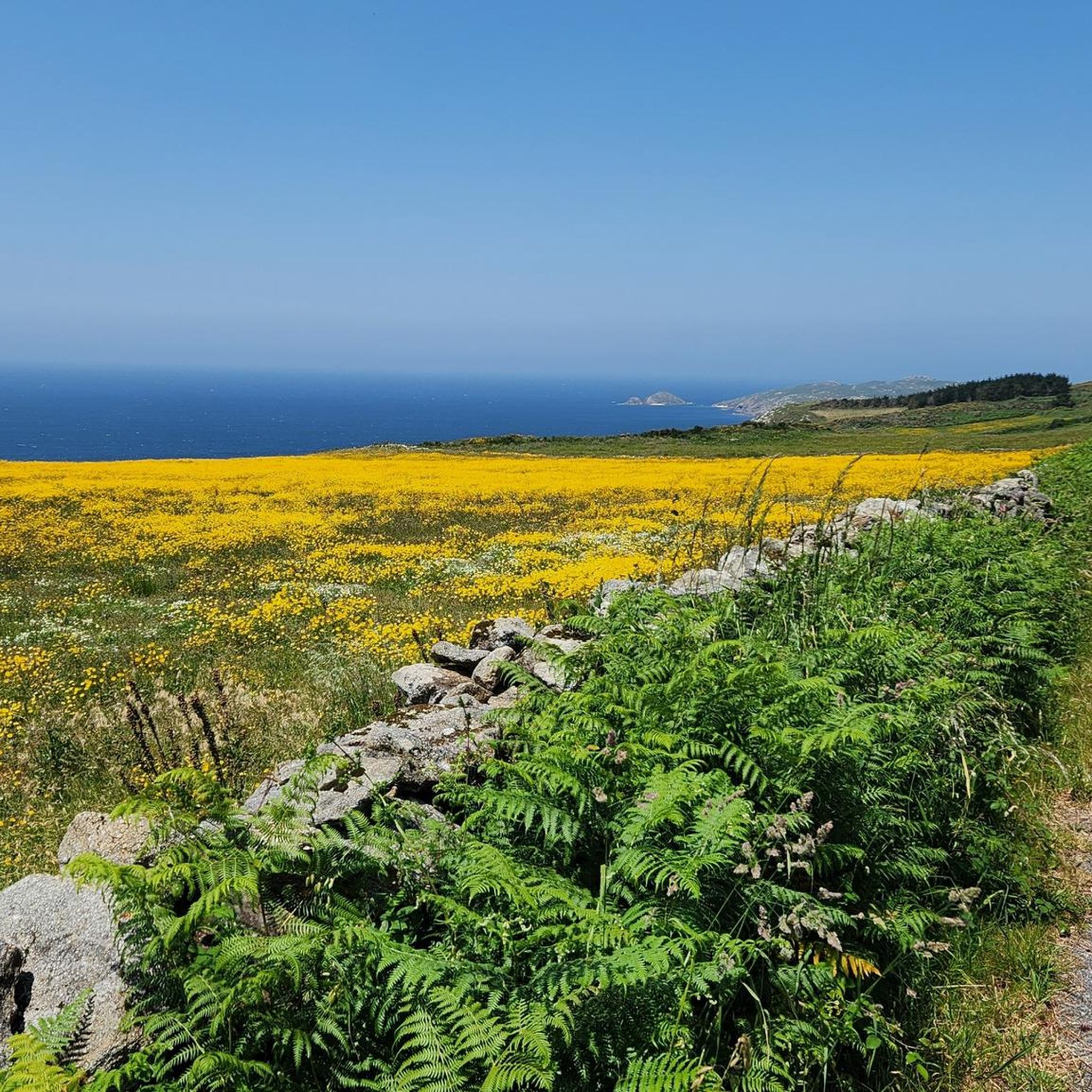
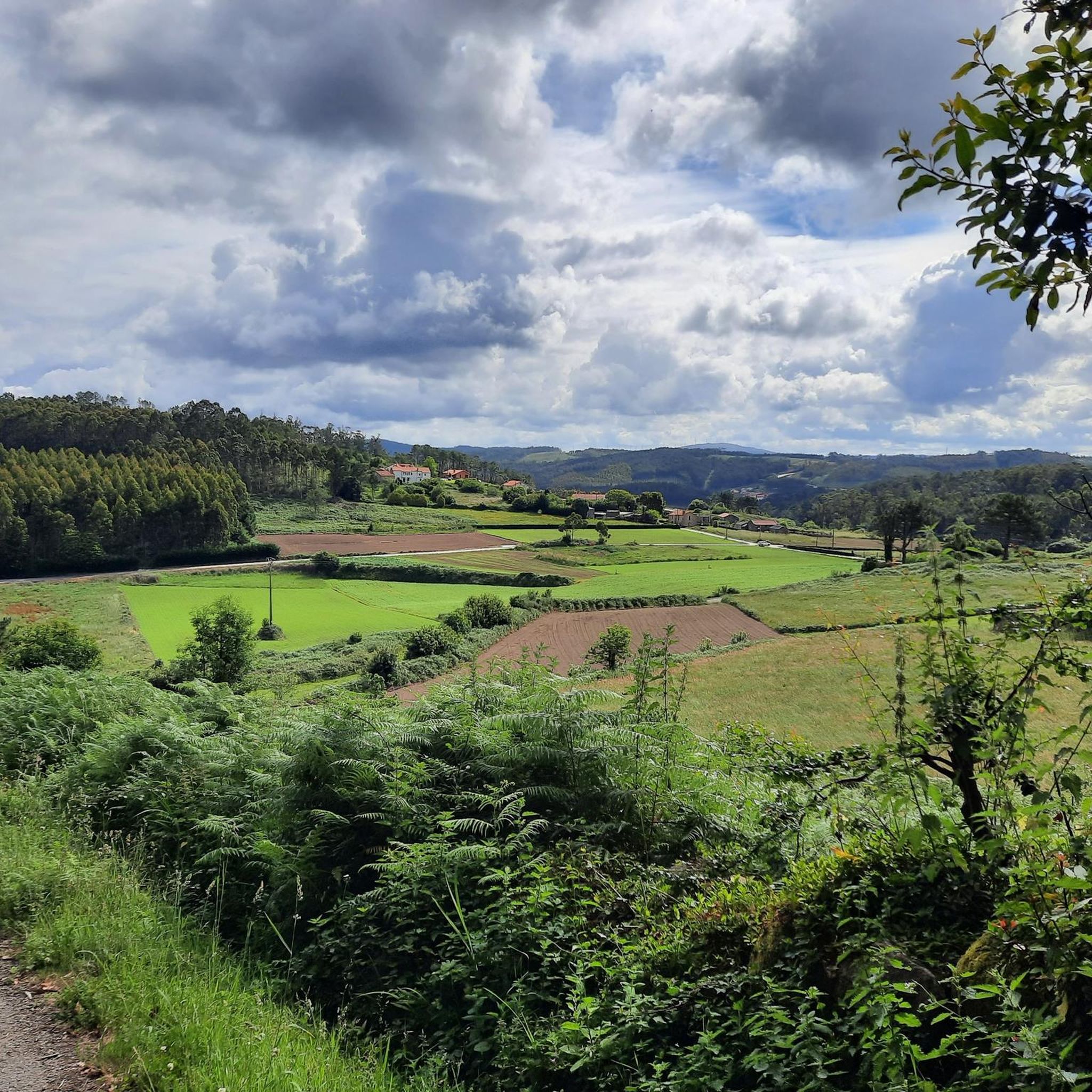
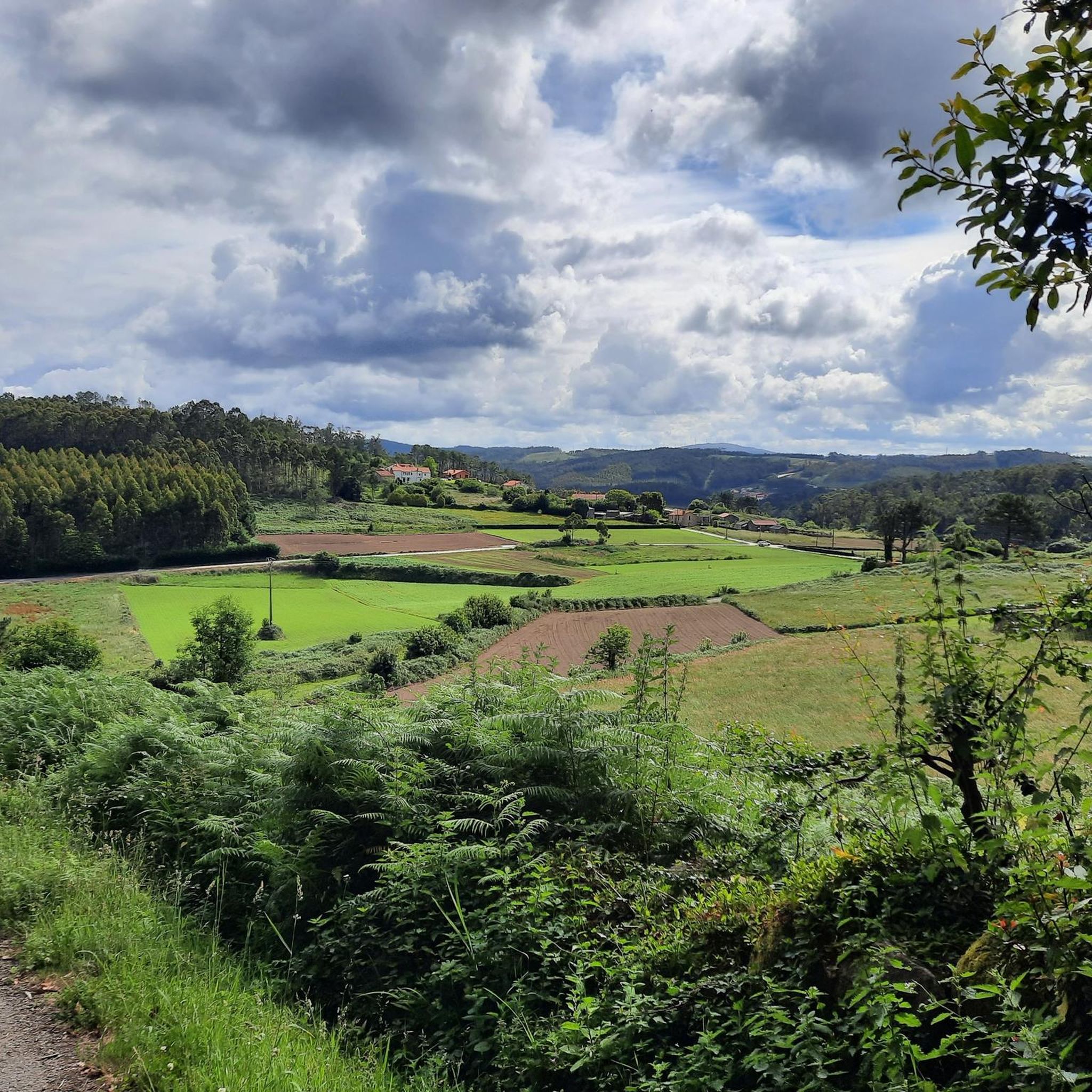
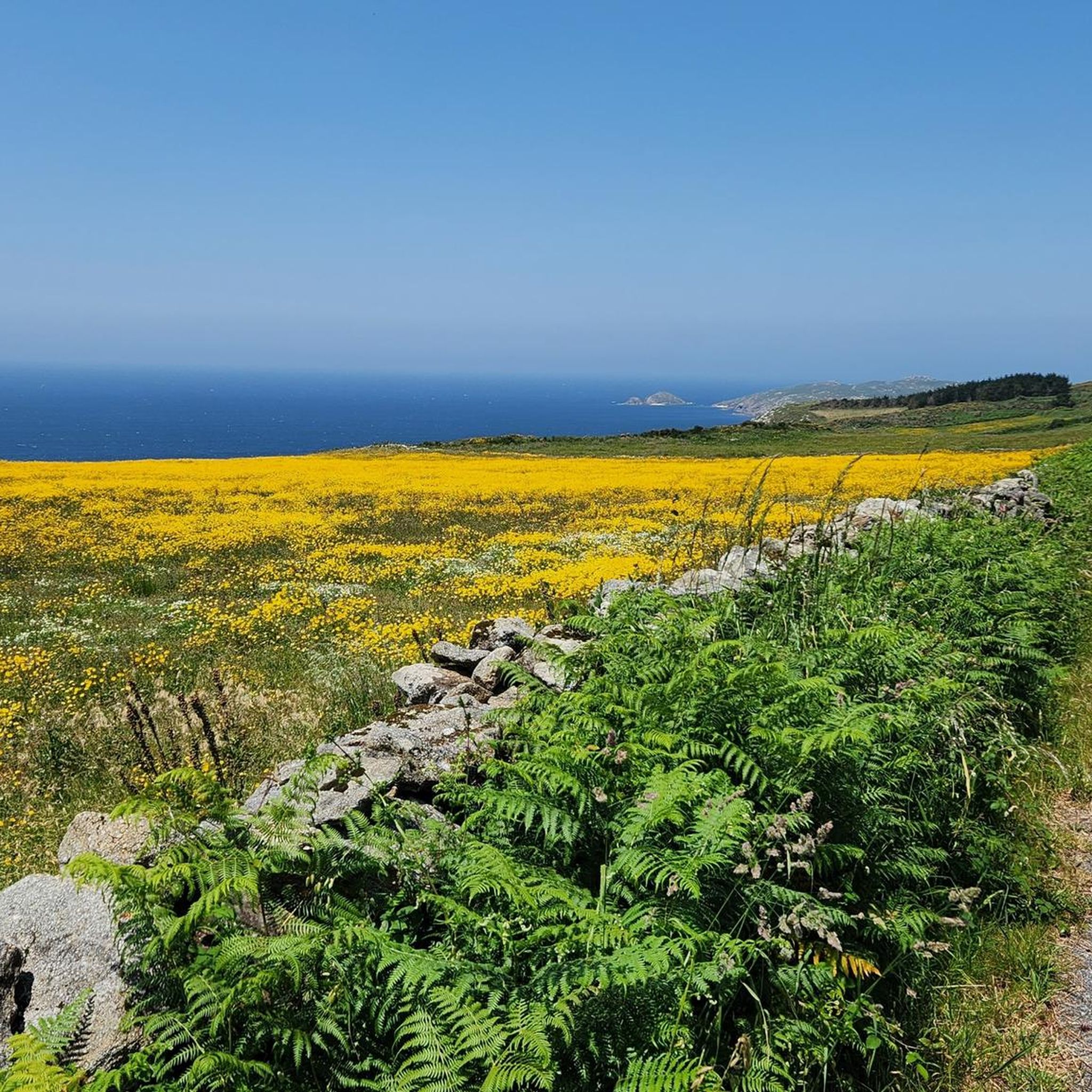
Tips from the Community


Hape Kerkeling, a well-known comedian in Germany, set out on the Way of St. James through Spain in 2001 and kept a diary that was later published as a book. In the 'Real Monasterio San Zoilo', he writes: "The enormous crucifix hangs directly above it, and for the first time, I consciously perceive that the crucified Christ is clearly looking in one direction: From our perspective, in most depictions, Jesus Christ is looking to the left. Towards the west. Towards the sunset, the night, and death. But from his perspective, he is looking to the right, to the east. Towards the sunrise and life. What appears to us as a gloomy end is, in truth, for him a radiant beginning. And without a doubt, only his perception can be considered the correct one." (Hans-Peter Kerkeling in "I'm Off Then. My Journey on the Way of St. James") Even though this cross here on the coast—which for many centuries represented the "end of the world"—is without a body, we can certainly adopt Christ's perspective as we gaze upon the endless expanse of the sea.
3
0

We are at the end of a long journey. At the dreamed halfway point. A look at the ocean and a photo.
4
0

A memorial and a very beautiful memory.
4
0

The monument, also known as the Muxia Monument, commemorates a tanker accident. Through the gap in the work of art you can see the wide sea. The rough but beautiful landscape with the strong surf reveals why this area is called the Death Coast (Galician: Costa da Morte, Galician, Spanish: Costa de la Muerte). Here is a final stone of the Way of St. James (km 0.000).
1
0

Located outside the center of Fisterra is a beach with turquoise waters.
0
0

On November 13, 2002, off the coast of northern Spain, one of the world's greatest environmental disasters occurred: The tanker "Prestige", 77,000 tons of heavy fuel oil on board, reported a leak in the hull over the radio, was towed out to sea and broke up there. Thousands of tons of the highly toxic heavy oil pour into the sea - and a short time later spill onto the beaches.
5
0
This memorial to commemorate a serious tanker accident in 2002 can also be found here in the system under the name "Piedra a Ferida". The crack in the stone is symbolic of the bursting of the tanker, which led to a very large environmental disaster.
9
0
Frequently Asked Questions
What kind of terrain can I expect on touring cycling routes around Muxía?
Muxía offers a diverse range of terrain for touring cyclists. You'll find quiet paved roads, gravel paths, and inland trails. The region is characterized by its dramatic Atlantic coastline, rocky shores, and varied landscapes, including forest paths, beautiful pastures, and river routes. Some routes feature gentle gradients, while others have significant elevation gains, catering to different skill levels.
Are there any easier touring cycling routes suitable for beginners or families in Muxía?
While many routes in Muxía are classified as difficult, there are options for those seeking a more moderate experience. For example, the Sanctuary of Our Lady of the Boat – A Ferida Monument loop from Restaurante El Paraiso is a moderate 19.0 km (11.8 miles) trail that takes about 1 hour 19 minutes to complete, leading through coastal areas and past significant landmarks. This route offers a less strenuous option compared to the longer, more challenging coastal trails.
What natural features or viewpoints can I discover while cycling in Muxía?
Muxía's touring cycling routes offer access to stunning natural features and viewpoints. You can experience the wild beauty of the Costa da Morte, with its rocky shores and powerful Atlantic surf. Highlights include Punta da Barca Lighthouse, offering panoramic coastal views. The region also features the Caldeiras do Castro, where the river cascades into natural pools, and the Río Negro path with its seventeen restored mills leading to Areamaior beach. You might also encounter serene beaches like Praia do Lago.
Are there any circular touring cycling routes around Muxía?
Yes, Muxía offers several circular touring cycling routes. An example is the challenging Muxía Harbor – View of Praia and Lago River loop from A Gurita, a 51.8 km (32.2 miles) path that explores the Muxía coastline and follows the Lago River. Another option is the moderate Sanctuary of Our Lady of the Boat – A Ferida Monument loop from Restaurante El Paraiso, which is a 19.0 km (11.8 miles) loop through coastal areas.
What historical or cultural landmarks can I visit along the cycling routes in Muxía?
Muxía is rich in historical and cultural landmarks. Cyclists can visit the iconic Sanctuary of Our Lady of the Boat, a 12th-century hermitage on a rocky coastal outcrop, known for its 'magic stones'. You can also see the A Ferida Monument, which commemorates the Prestige disaster. The region also boasts Romanesque churches like San Xiao de Moraime and Santa Leocadia de Frixe, showcasing its rich architectural heritage.
What do other touring cyclists enjoy most about cycling in Muxía?
The touring cycling routes in Muxía are highly rated by the komoot community, with an average score of 4.7 stars from over 80 reviews. Cyclists frequently praise the dramatic Atlantic coastline, the diverse inland trails, and the historic sites. The variety of routes, catering to different ability levels, is also a significant draw, allowing many to explore Muxía's varied terrain.
Are there any long-distance touring cycling routes that pass through Muxía?
Yes, Muxía is a significant point on several well-known cycling routes. It's a popular extension for pilgrims on the Camino Finisterre-Muxía, leading to the 'End of the World' with stunning coastal views. The Lighthouse Way (Camiño dos Faros) also includes a stage through Muxía, offering a mix of paved roads, gravel, and singletracks designed to avoid heavy car traffic. A challenging route connecting Muxía with the iconic Cape Finisterre is the Muxia - Cabo Finisterre Vuelta, spanning 64.3 km (39.9 miles).
What is the best time of year to go touring cycling in Muxía?
While specific seasonal data isn't provided, Muxía's location on the Costa da Morte suggests that spring and autumn would likely offer the most pleasant cycling conditions. These seasons typically provide milder temperatures and less extreme weather than the peak summer heat or winter storms, making for a more comfortable experience on the varied terrain.
Are there any touring cycling routes that explore the area around Punta de Rostro?
Yes, you can explore the area around Punta de Rostro on a touring bike. The Trail to Punta de Rostro – Estorde Beach loop from Lugar de Arriba is a difficult 60.9 km (37.8 miles) route that takes you through this scenic coastal area, offering expansive views and a challenging ride.
How many touring cycling routes are available around Muxía?
There are over 15 touring cycling routes available around Muxía, offering a wide range of experiences. These include routes of varying difficulty, from moderate trails to more challenging rides with significant elevation gain, ensuring options for different skill levels and preferences.
Can I find routes that combine coastal views with inland exploration in Muxía?
Absolutely. Muxía's geography allows for routes that beautifully blend coastal vistas with inland exploration. Many trails follow the dramatic Atlantic coastline, offering stunning sea views, while also venturing into the interior through forest paths, pastures, and along rivers like the Río Negro, providing a diverse cycling experience.
Are there any routes that start or end near the Sanctuary of Our Lady of the Boat?
Yes, the iconic Sanctuary of Our Lady of the Boat is a prominent landmark and a starting point for several routes. For instance, the Sanctuary of Our Lady of the Boat – A Ferida Monument loop from Praia de Moreira is a challenging 43.9 km (27.3 miles) route that incorporates this significant site.
Most popular attractions around Muxía

Get inspired with the komoot mobile app


Explore more
Browse the best Cycling routes in other regions.
