Attractions and Places To See around Gondomar - Top 20
Attractions and places to see around Gondomar, a municipality situated on the right bank of the Douro River near Porto, Portugal, offers a diverse range of points of interest. The area features historical landmarks, natural beauty, and cultural sites. Visitors can explore river beaches, viewpoints, and pedestrian routes along the Douro River, which spans 30 kilometers of the municipality. Gondomar is also recognized for its traditional filigree craftsmanship.
Best attractions and places to see around Gondomar
- The most popular attractions…
Last updated: July 20, 2026
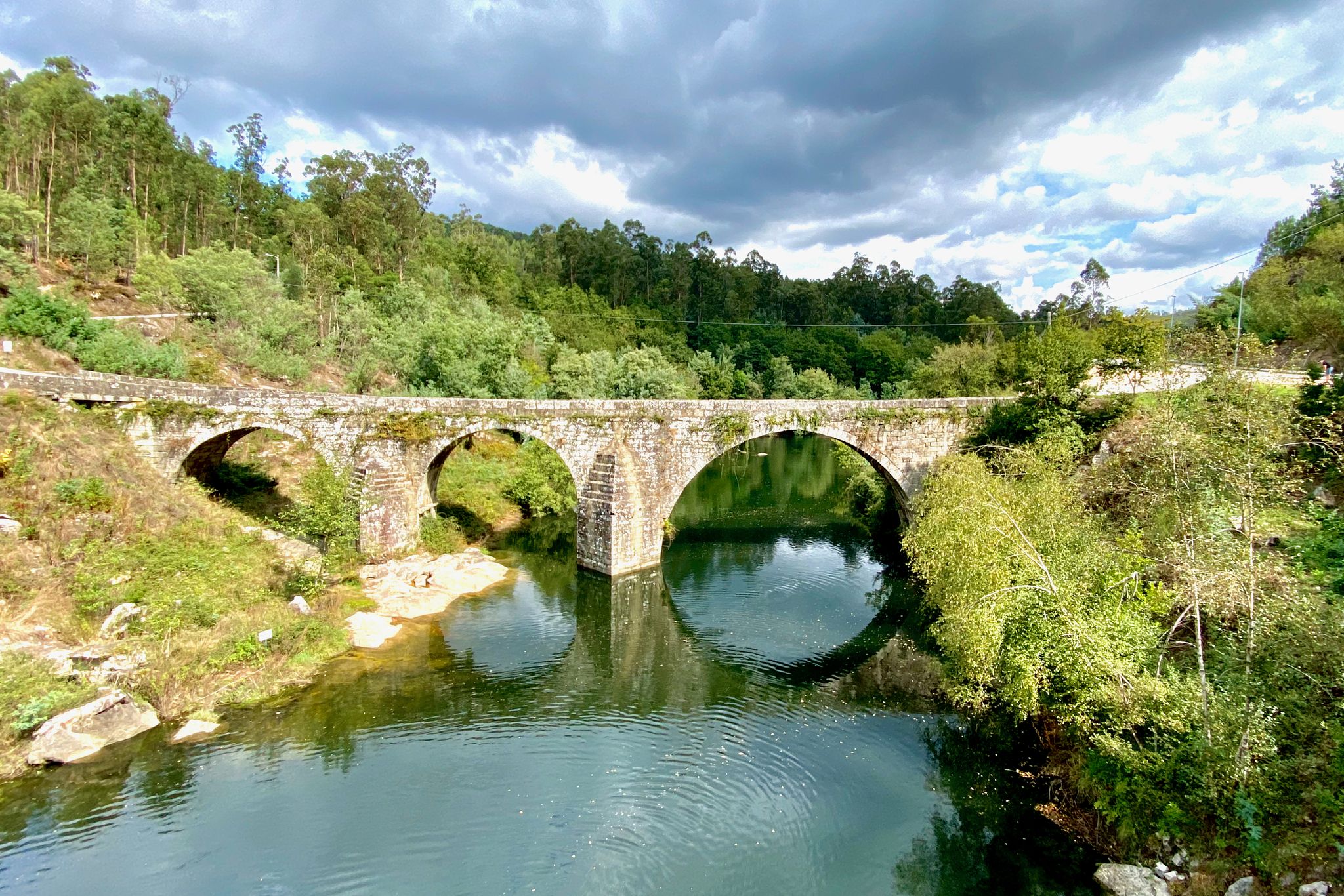
Roman Bridge of Orbenlle
Highlight • Bridge
Translated by Google •
Tip by

Tui-Valencia International Bridge
Highlight • Bridge
Translated by Google •
Tip by
Sign up now to discover places like this
Get recommendations on the best single tracks, peaks, & plenty of other exciting outdoor places.
Sign up for free
Fortress of Valença
Highlight • Historical Site
Translated by Google •
Tip by

Ponte da Veiga
Highlight • Bridge
Translated by Google •
Tip by
Ancient Roman Road of Camiño da Portela
Highlight • Trail
Translated by Google •
Tip by

Sign up for free to discover even more attractions around Gondomar.
Sign up for free
Already have an account?
Start today with a free account
Your next adventure awaits.
Login or Signup
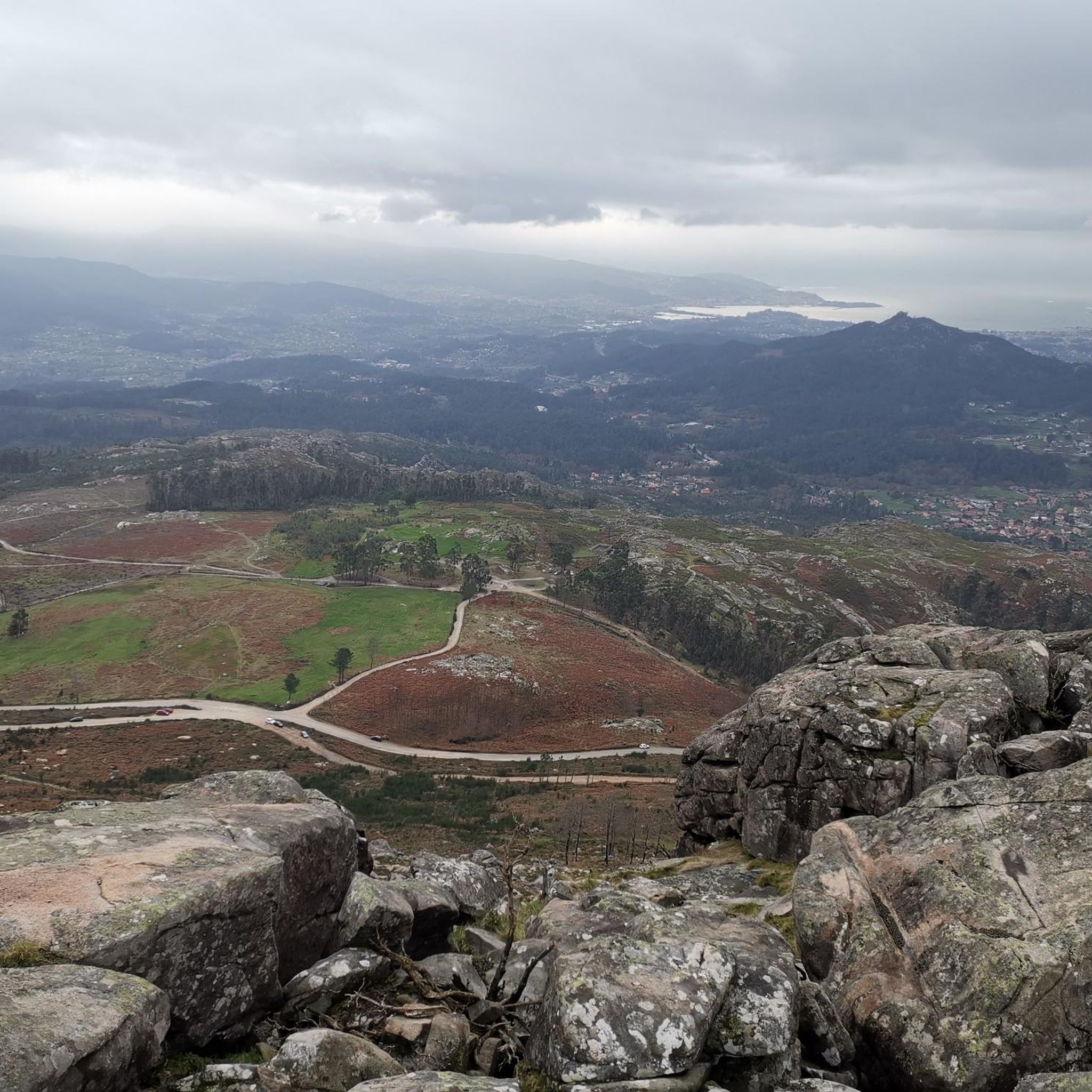
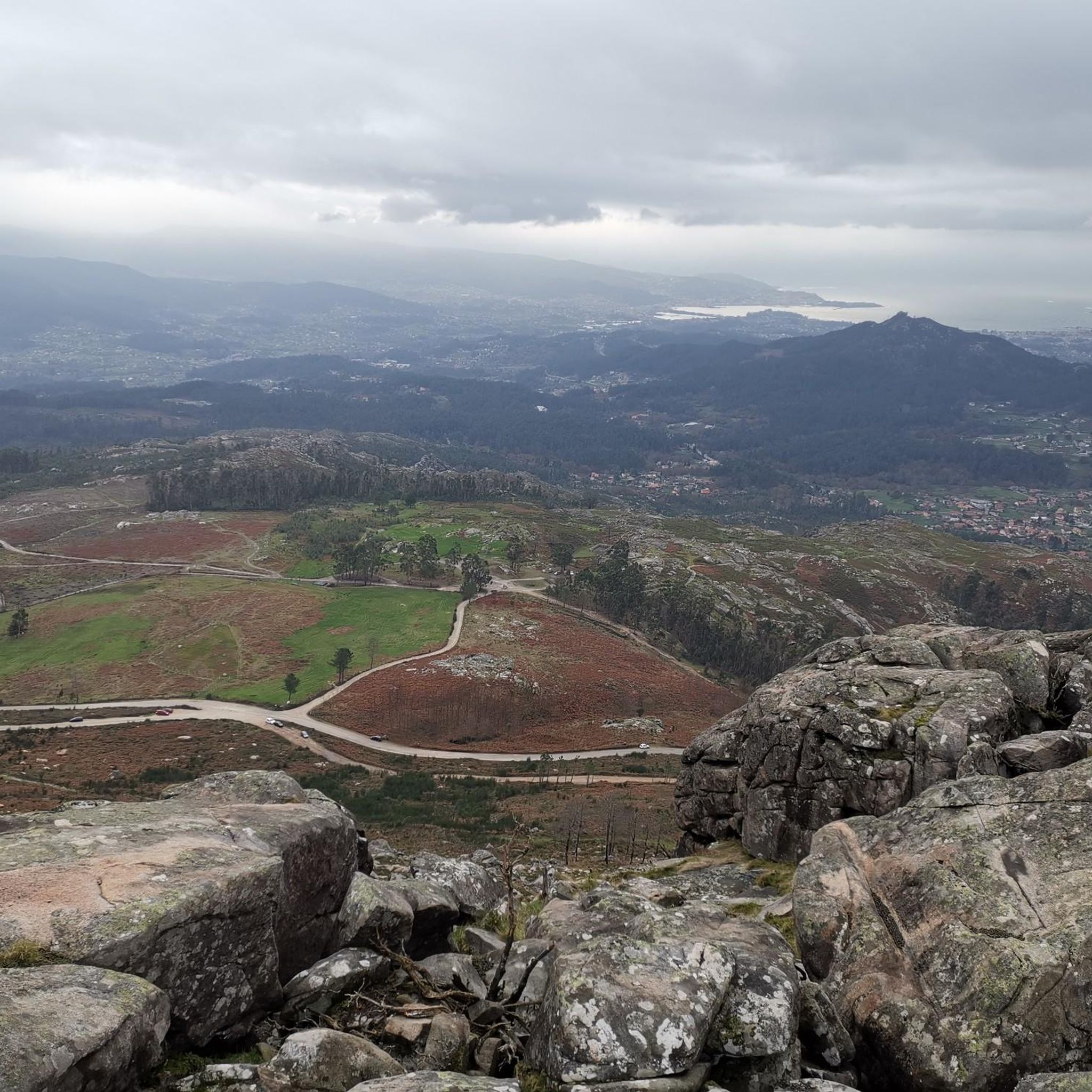
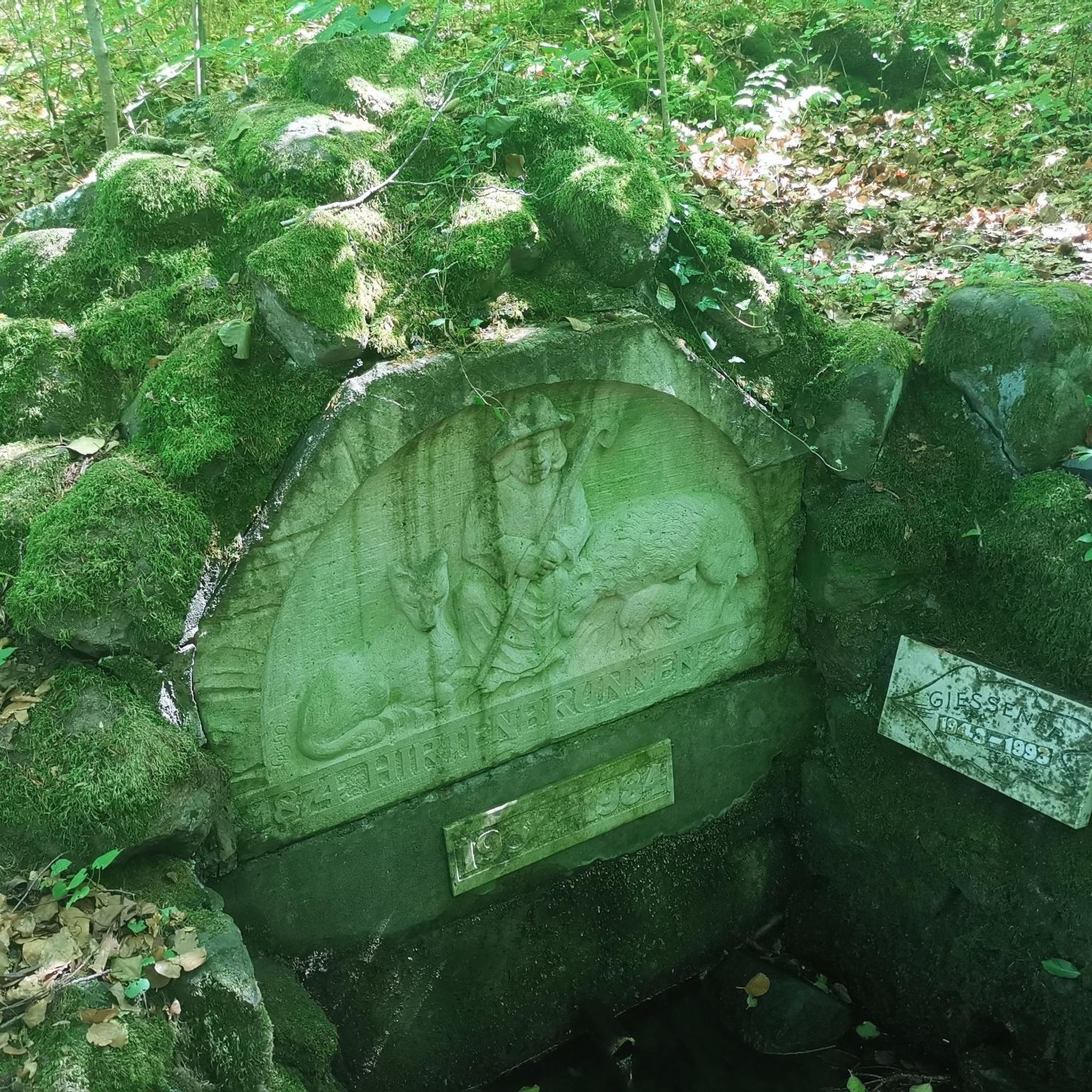
Other adventures around Gondomar

Tips from the Community

Valença Fortress, also known as Praça-forte de Valença do Minho, is an imposing jewel of Portuguese military architecture with over eight centuries of history. Its origins date back to the 13th century, when King Sancho I and later Afonso III fortified it to protect the border with Galicia. During the Restoration War (17th–18th centuries), it was transformed into a Vauban-style fortress under the engineer Miguel de l’École and the architect Manuel Pinto de Vilalobos, being completed in 1713. The fortress withstood attacks during the Restoration, was captured and recaptured several times, and was also defended during the Napoleonic Wars and the Liberal Wars.
4
0
The ancient Roman road of Camiño da Portela, in the municipality of Oia, is part of the historical legacy of Roman roads in Galicia, specifically the Via Nova (also known as Via XVIII of the Antonine Itinerary), which connected Bracara Augusta (present-day Braga, in Portugal) with Asturica Augusta (Astorga, in León).
1
0

The imposing Valença Fortress rises atop a hill, dominating the landscape and leaving an unforgettable impression on those who arrive. More than a symbol, it is the soul of the city, preserving centuries of history within its walls. Built in the 17th century on the ruins of an ancient 13th-century castle, the fortress is a masterful example of military architecture of the period, with its star-shaped walls stretching for an impressive 5.5 kilometers. Upon entering, one immediately senses the strength and grandeur of Valença, one of the oldest towns in Portugal.
2
0

Superbly preserved and well-maintained star-shaped fortress
5
1

The well-preserved star fortress of Valença dominates the Minho valley from an elevated position and offers wide views in all directions.
4
1
Path that crosses the Louro River, with a splendid environment. 🌞🚶😎
9
0
Pilgrims walking the Portuguese Way to Santiago de Compostela pass this bridge, making it a place of great historical significance. If you ever visit Tui, don't miss the opportunity to cross this beautiful bridge and immerse yourself in its history and charm. 🌉🚶♂️
2
0
Frequently Asked Questions
What historical landmarks can I explore around Gondomar?
Gondomar and its surroundings offer several significant historical landmarks. You can visit the Fortress of Valença, an imposing 17th-century military structure with wide views. There are also ancient bridges like the Roman Bridge of Orbenlle and the Ponte da Veiga, both with historical ties to Roman times. The Tui-Valencia International Bridge, connecting Portugal and Spain, is another notable historical engineering feat. Additionally, the Ancient Roman Road of Camiño da Portela provides a glimpse into the region's past.
Are there any museums or cultural centers worth visiting in Gondomar?
Yes, Gondomar has several cultural sites. The Municipal Filigree Museum, located in the Casa Branca de Gramido, showcases the history and artistry of filigree, a traditional craft of the region. You can also explore the Museu Mineiro de São Pedro da Cova, which offers insights into the area's mining history. For art enthusiasts, the Júlio Resende Foundation (Lugar do Desenho) in Valbom is dedicated to the work of painter Júlio Resende, housing a collection of his drawings and hosting various cultural events.
What natural attractions can I find along the Douro River in Gondomar?
The Douro River is a major natural highlight in Gondomar, embracing the municipality for 30 kilometers. Along its banks, you'll discover picturesque river beaches such as Praia Fluvial de Zebreiros, Melres, Areinho, and Lomba, known for their clear waters and tranquil settings. The river also offers various viewpoints, terraces, and walkways, providing opportunities for nature tourism activities like canoeing, rowing, and boat trips.
Are there opportunities for hiking or walking near Gondomar's attractions?
Absolutely. Gondomar offers a variety of pedestrian routes, allowing you to explore rural paths, mountains, and local biodiversity. One notable option is the Ancient Roman Road of Camiño da Portela, which provides historical context alongside scenic forest and coastal views. For more extensive options, you can find numerous running trails around Gondomar that are also suitable for walking.
What kind of cycling routes are available around Gondomar?
Gondomar is a great base for cyclists. You can find a range of routes, including gravel biking trails that take you through diverse landscapes. For those who prefer paved roads, there are also many road cycling routes around Gondomar, offering scenic rides through the region.
Where can I find panoramic views of the region?
For breathtaking panoramic views, consider visiting Monte Crasto, which stands at 194 meters above sea level and offers magnificent vistas over the municipality. The Labercos Viewpoint in Lomba is another excellent spot for scenic outlooks. Many of the historical sites also provide great vantage points, such as the Fortress of Valença and the Ancient Roman Road of Camiño da Portela, which offer wide views of the surrounding landscape and coastline.
Are there family-friendly attractions around Gondomar?
Yes, several attractions are suitable for families. The Roman Bridge of Orbenlle and Ponte da Veiga are easy to access and offer pleasant surroundings for a family stroll. The Fortress of Valença is also considered family-friendly, allowing children to explore its historic walls. Just across the Douro River, the Zoo Santo Inácio in Vila Nova de Gaia is the largest zoo in Northern Portugal and a fantastic option for a family day out, housing around 800 animals.
What is the best time of year to visit Gondomar for outdoor activities?
The best time to visit Gondomar for outdoor activities generally spans from spring to early autumn (April to October). During these months, the weather is typically mild and pleasant, ideal for exploring pedestrian routes, enjoying the river beaches, and engaging in cycling or other outdoor pursuits. The Douro River's gastronomy, particularly lamprey and shad, is prominent from January to April, offering a unique culinary experience during the cooler months.
What is the significance of filigree in Gondomar?
Gondomar is proudly known as the 'Capital of Jewelry,' particularly celebrated for its exquisite filigree craftsmanship. This traditional art form involves intricate work with fine threads of gold or silver, creating delicate and beautiful pieces. The Municipal Filigree Museum provides a deep dive into this heritage, showcasing historical tools, unique items like a famous filigree dress, and even offering interactive experiences to learn about creating a Viana heart.
Can I find any unique architectural sites in the area?
Beyond its historical churches, Gondomar boasts several unique architectural sites. The Casa Branca de Gramido, where the Gramido Convention was signed, is a historically significant building now housing the Municipal Filigree Museum. The Multiusos de Gondomar is a modern architectural landmark designed by the acclaimed architect Siza Vieira. Additionally, the Foz do Sousa Bridge, designed by Eng. Edgar Cardoso, shares architectural features with the iconic Arrábida Bridge, making it an interesting sight.
Are there any specific historical churches to visit?
Yes, Gondomar is home to several historic churches. The Igreja Matriz De Gondomar, inaugurated in the early 17th century, is a significant historical monument known for its intricate Baroque style, rich interior decorations, and statues of its patron saints. Another notable church is the Igreja de Rio Tinto, built atop an older medieval structure and distinguished by its white and blue tile panels depicting patron saints.
What are some lesser-known or 'hidden gem' attractions around Gondomar?
Beyond the main highlights, you might enjoy exploring the Quinta de Villar d'Allen, a historic estate featuring a beautiful garden combining French parterre and English romantic styles, complete with streams, a pond, and exotic plants. The Rio Tinto Railway Station is also a hidden gem, renowned for its magnificent tile panels from 1936, which depict scenes of local life and legends. For a glimpse into civil architecture, the Solar da Bandeirinha in Melres and the Manor House of Montezelo in Fânzeres offer unique historical insights.
Most popular routes around Gondomar
Most popular attractions around Gondomar

Get inspired with the komoot mobile app


Explore more
Still not found the Highlight you’re looking for? See guides of the top attractions in other regions:
