The best road cycling routes around Isaba/Izaba
4.6
(54)
2,862
riders
15
rides
Road cycling routes around Isaba/Izaba are characterized by diverse and challenging terrain within the Roncal Valley of Navarra, Spain. The region features rugged mountainous landscapes, including prominent peaks and numerous mountain passes on both the Spanish and French sides of the border. Cyclists will find quiet roads winding through lush forests and scenic river valleys, offering varied elevation gains. This environment provides a tranquil setting for exploring the area's natural features.
Best road cycling routes around Isaba/Izaba
- The most popular road cycling route is Laza Pass (1,129 m) – Larrau Pass loop from Uztárroz / Uztarroze, a 40.4 miles (65.0 km) trail that takes 3 hours 50 minutes to complete. This difficult route includes significant elevation gain, traversing two notable mountain passes.
- Another top favourite among local road cyclists is Pierre Saint-Martin Pass – Soudet Pass loop from Belagua, a difficult 42.1 miles (67.7 km) path. This route offers extensive climbing through high mountain passes, providing a demanding cycling experience.
- Local road cyclists also love the Laza Pass (1,129 m) – Isaba Village loop from Isaba / Izaba, a 29.3 miles (47.1 km) trail leading through the Roncal Valley and over Laza Pass, often completed in about 2 hours 21 minutes.
- Road cycling around Isaba/Izaba is defined by challenging mountain passes, scenic river valleys, and extensive forests. The network offers options for different ability levels, from moderate loops to difficult ascents.
- The routes in Isaba/Izaba are highly rated by the komoot community with an average score of 5.0 stars from over 3 reviews. More than 300 road cyclists have used komoot to explore Isaba/Izaba's varied terrain.
Last updated: May 6, 2026
5.0
(2)
83
riders
64.7km
03:48
1,450m
1,450m
Hard road ride. Very good fitness required. Mostly well-paved surfaces and easy to ride.
5.0
(1)
45
riders
67.7km
04:13
1,880m
1,880m
Hard road ride. Very good fitness required. Mostly well-paved surfaces and easy to ride.

Sign up for free
48
riders
47.8km
02:24
770m
770m
Moderate road ride. Good fitness required. Mostly well-paved surfaces and easy to ride.
25
riders
116km
06:31
2,600m
2,600m
Hard road ride. Very good fitness required. Mostly well-paved surfaces and easy to ride.
23
riders
88.8km
04:16
1,270m
1,280m
Hard road ride. Very good fitness required. Mostly well-paved surfaces and easy to ride.
Get access to more routes and recommendations from other explorers.
Sign up for free
Already have an account?
Our route recommendations are based on thousands of hikes, rides, and runs completed by other people on komoot.
Start today with a free account
Your next adventure awaits.
Login or Signup
Popular around Isaba/Izaba
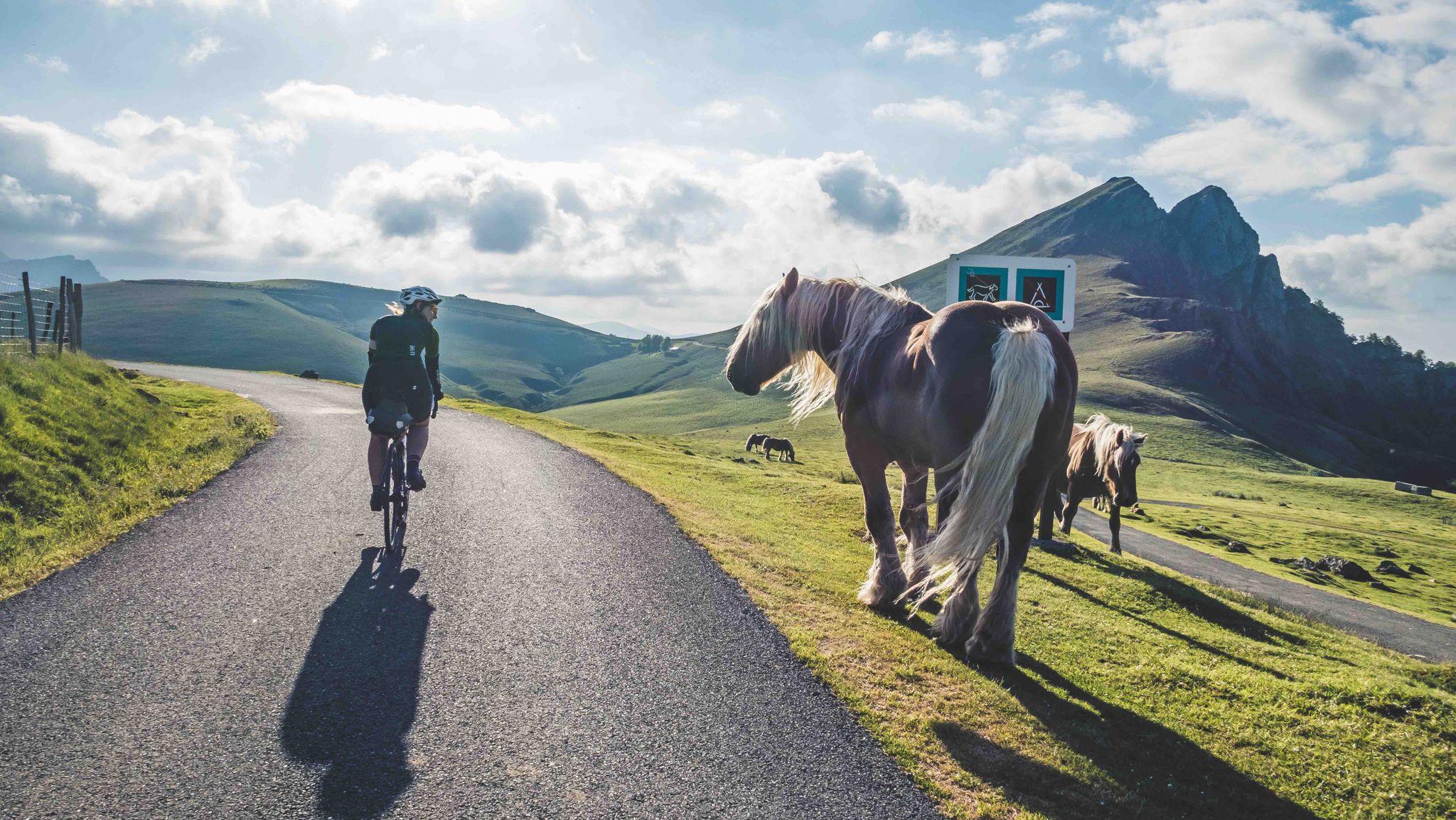
France & Spain: With TOUR in the Atlantic Pyrenees
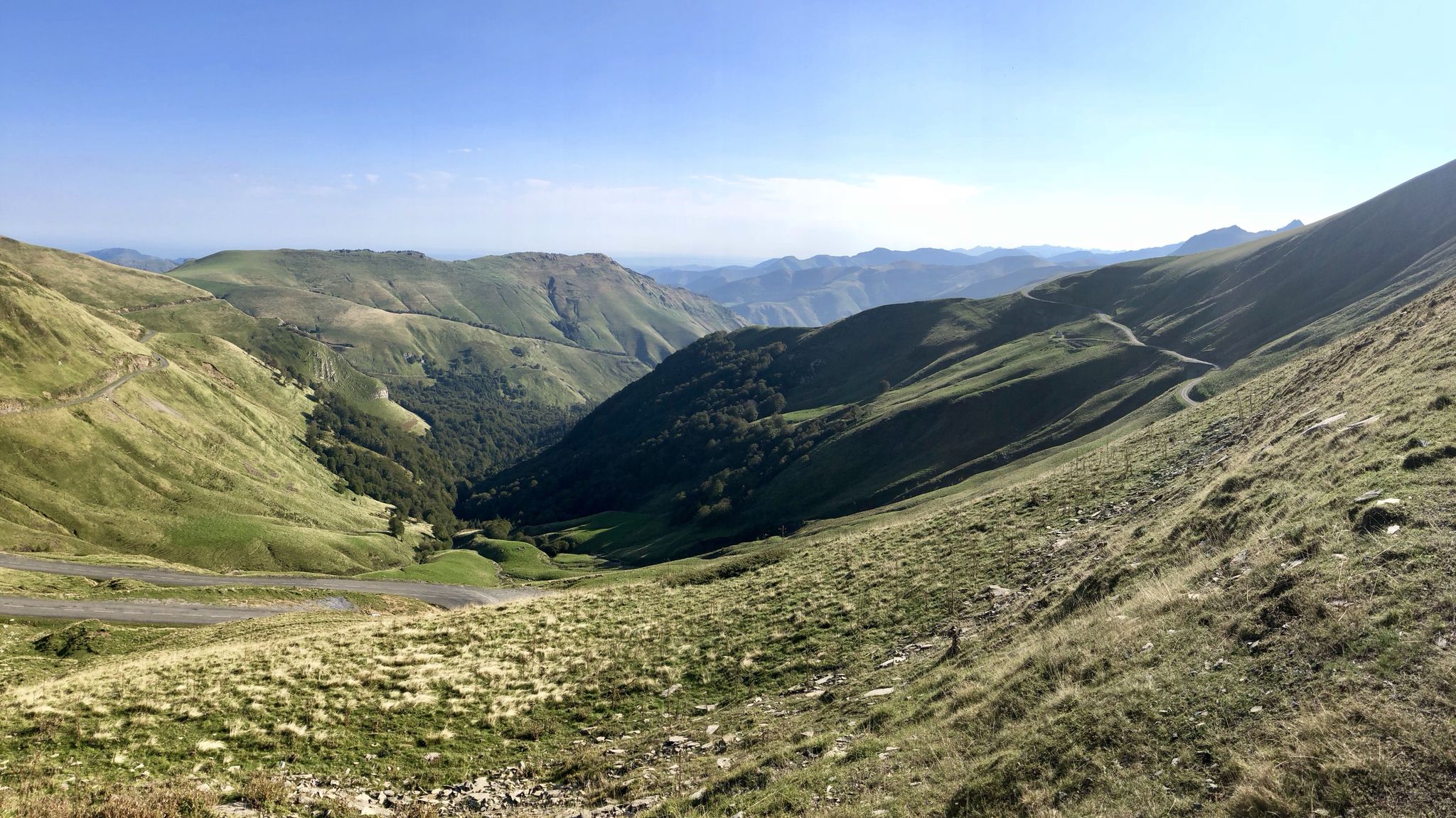
Euskal Herria footpath (GR 12) – The infinite mountain range
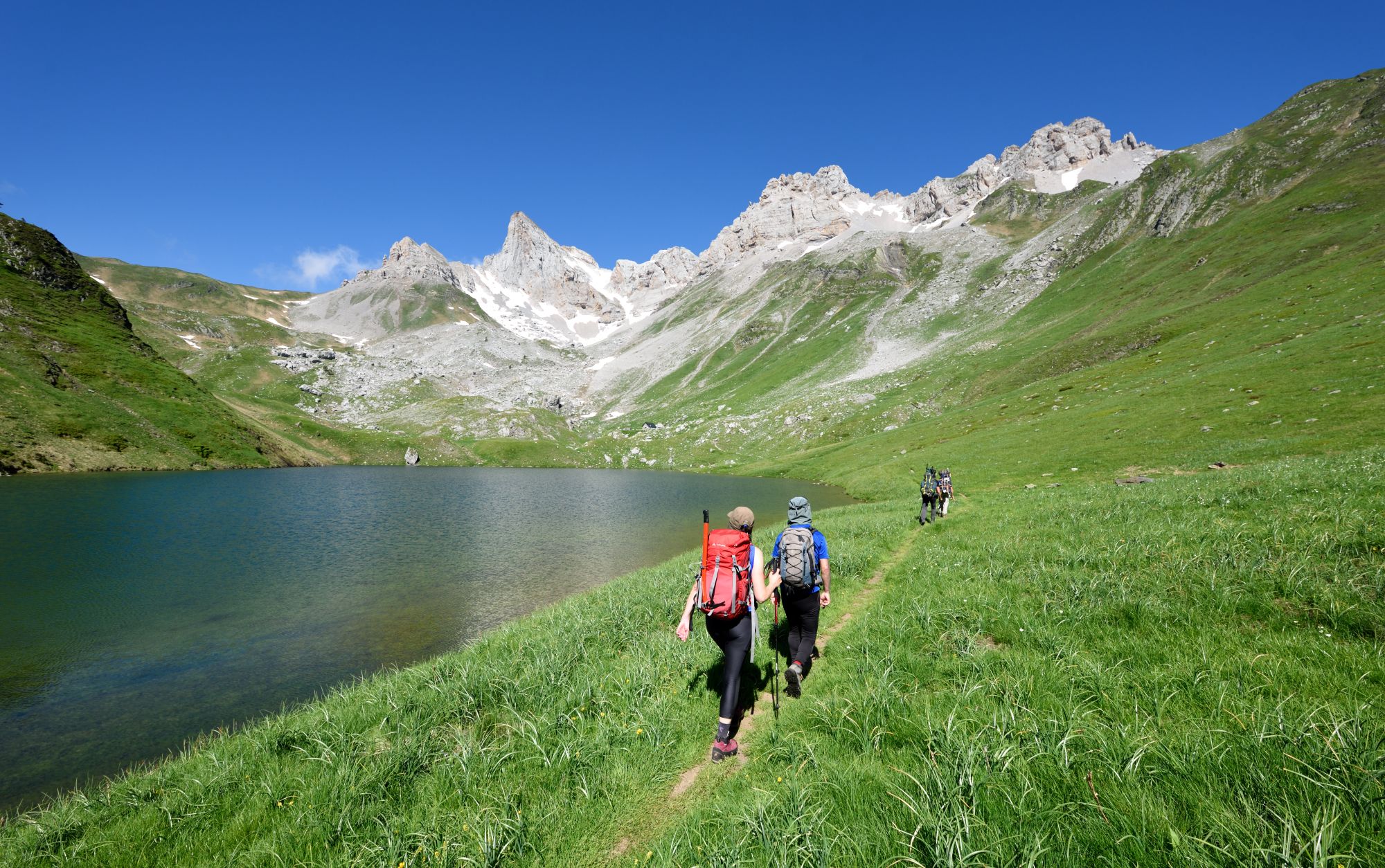
Classic Swallows Route in Spain – Mountains with history
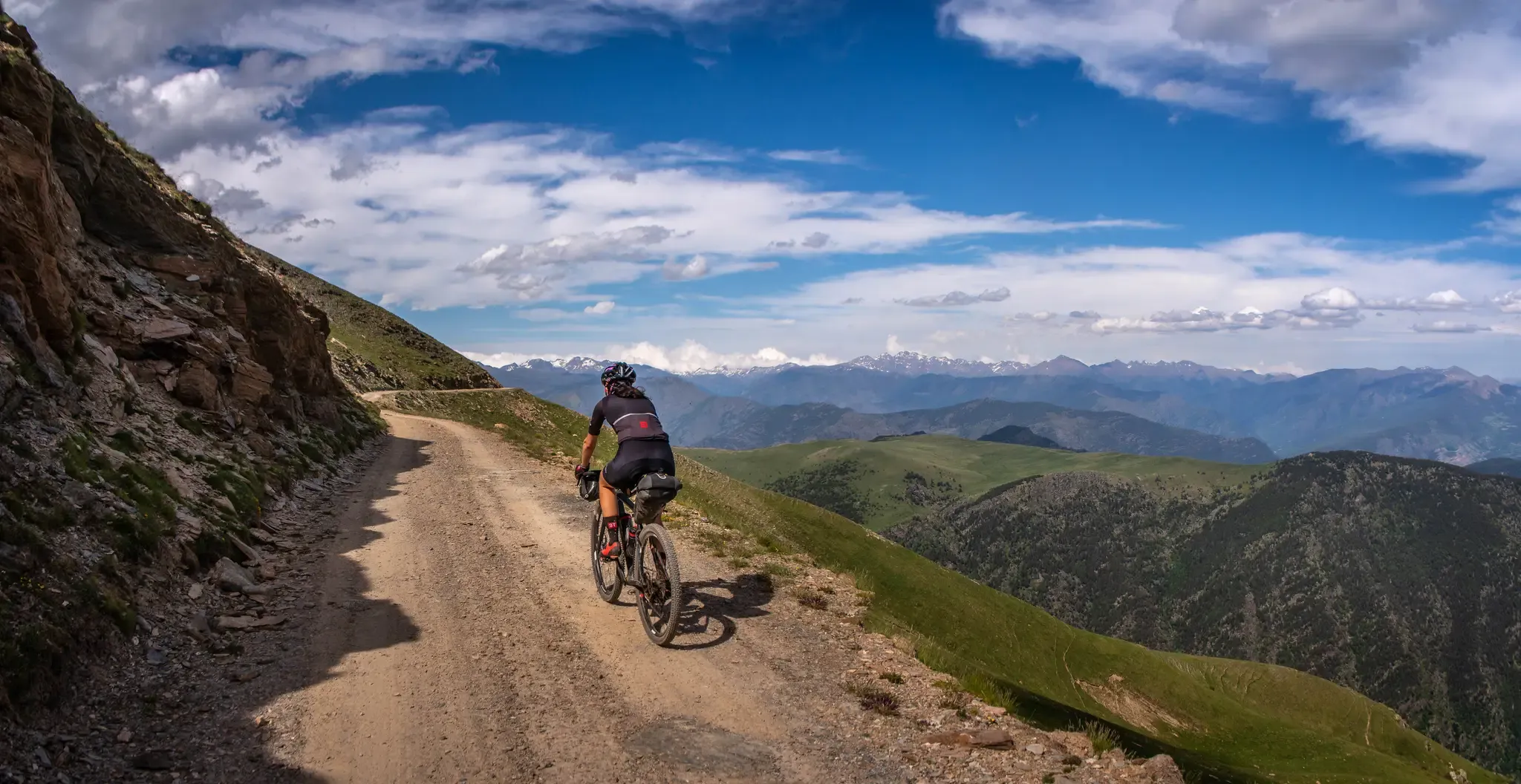
A high-altitude journey – Transpirenaica MTB
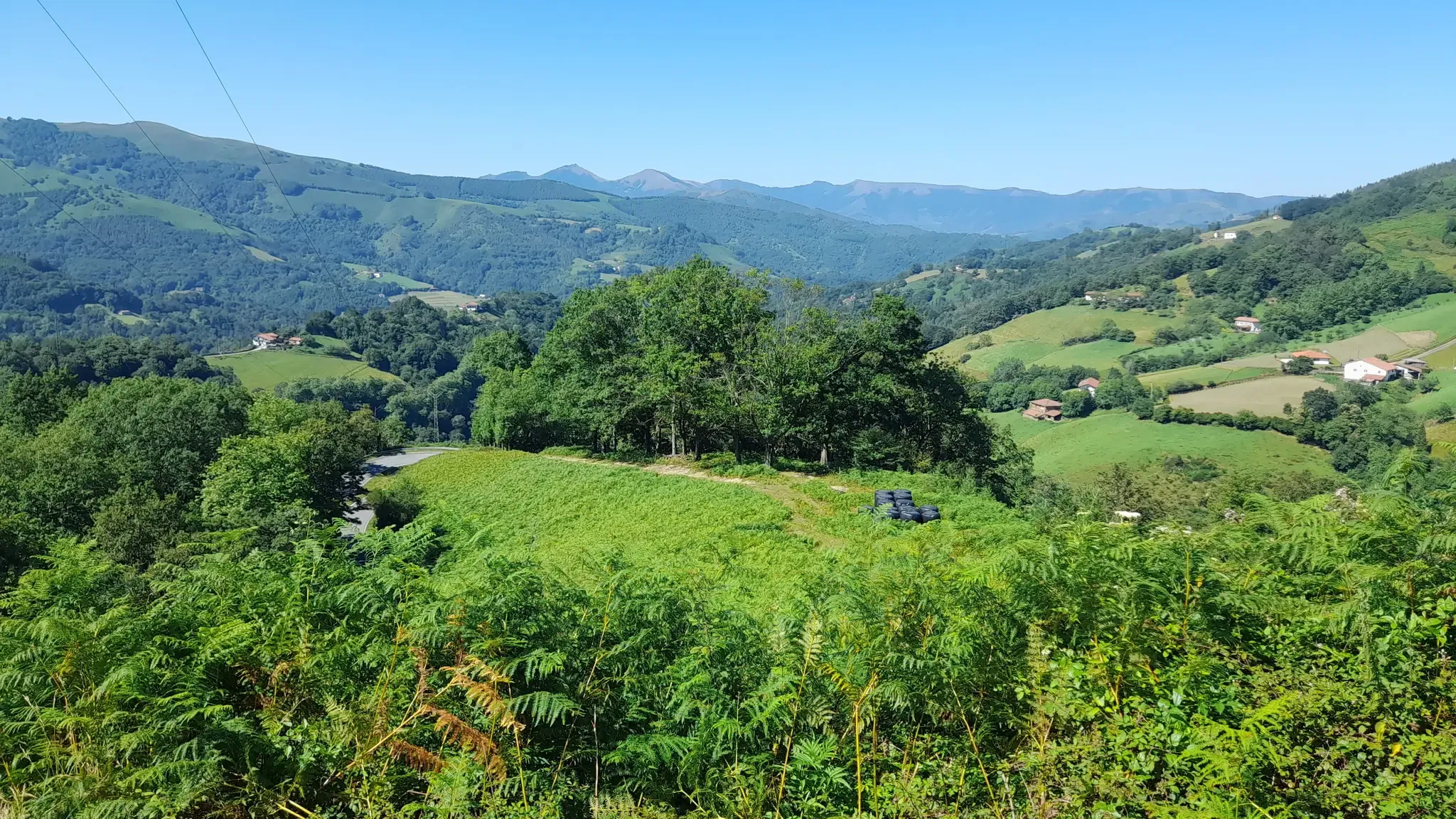
Discover the Basque Country and Navarre on the Pyrenean Path – GR 11
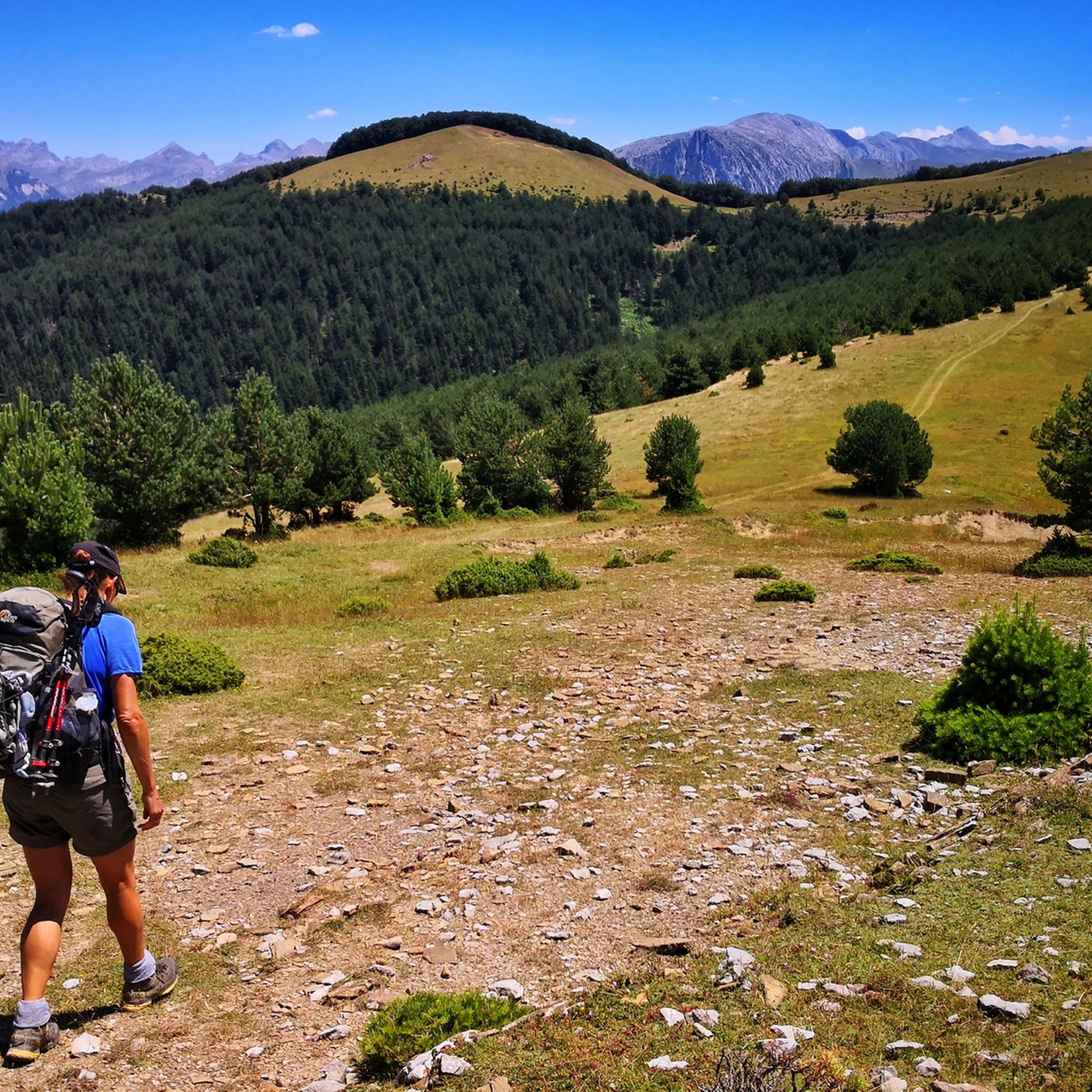
Hiking around Isaba/Izaba
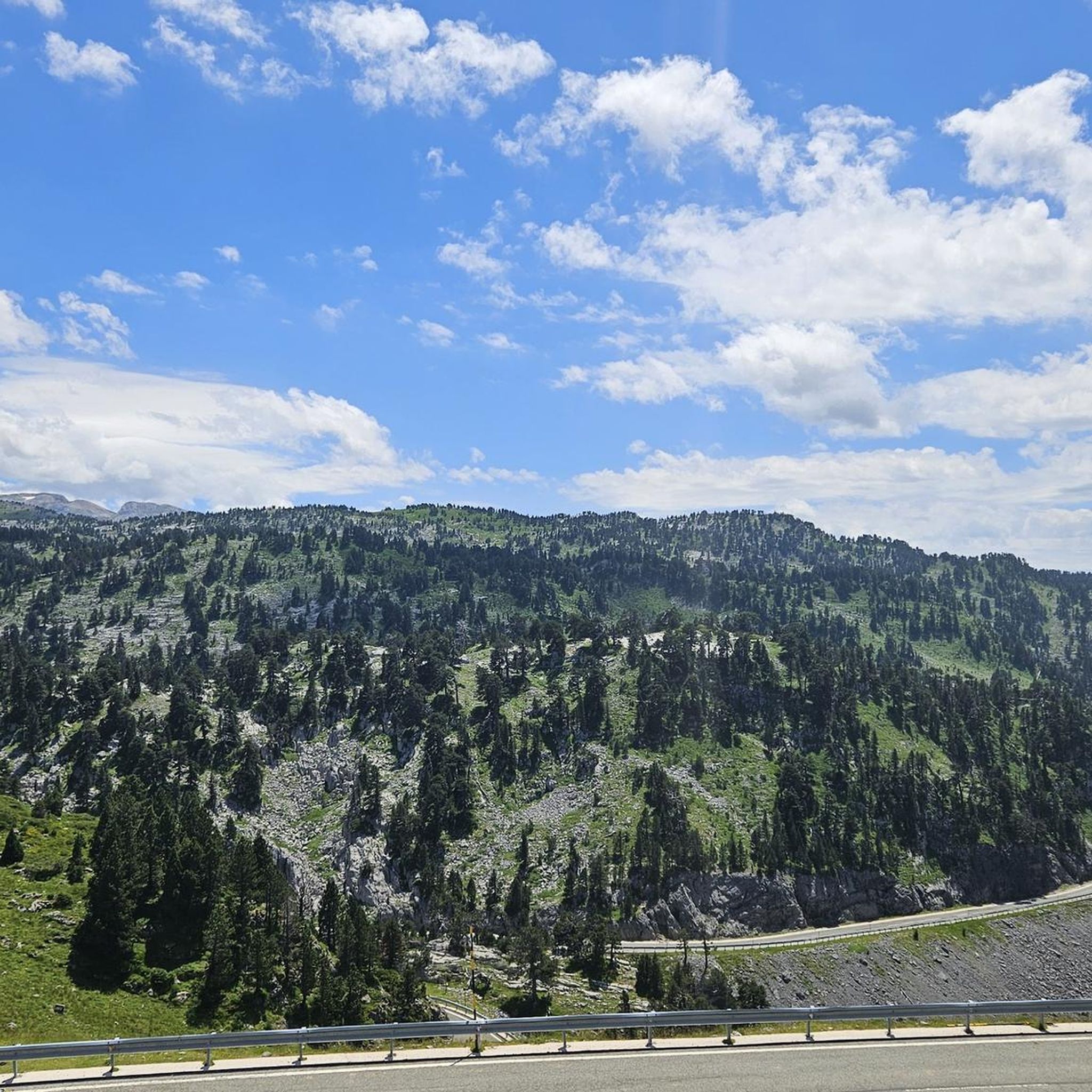
Running Trails around Isaba/Izaba
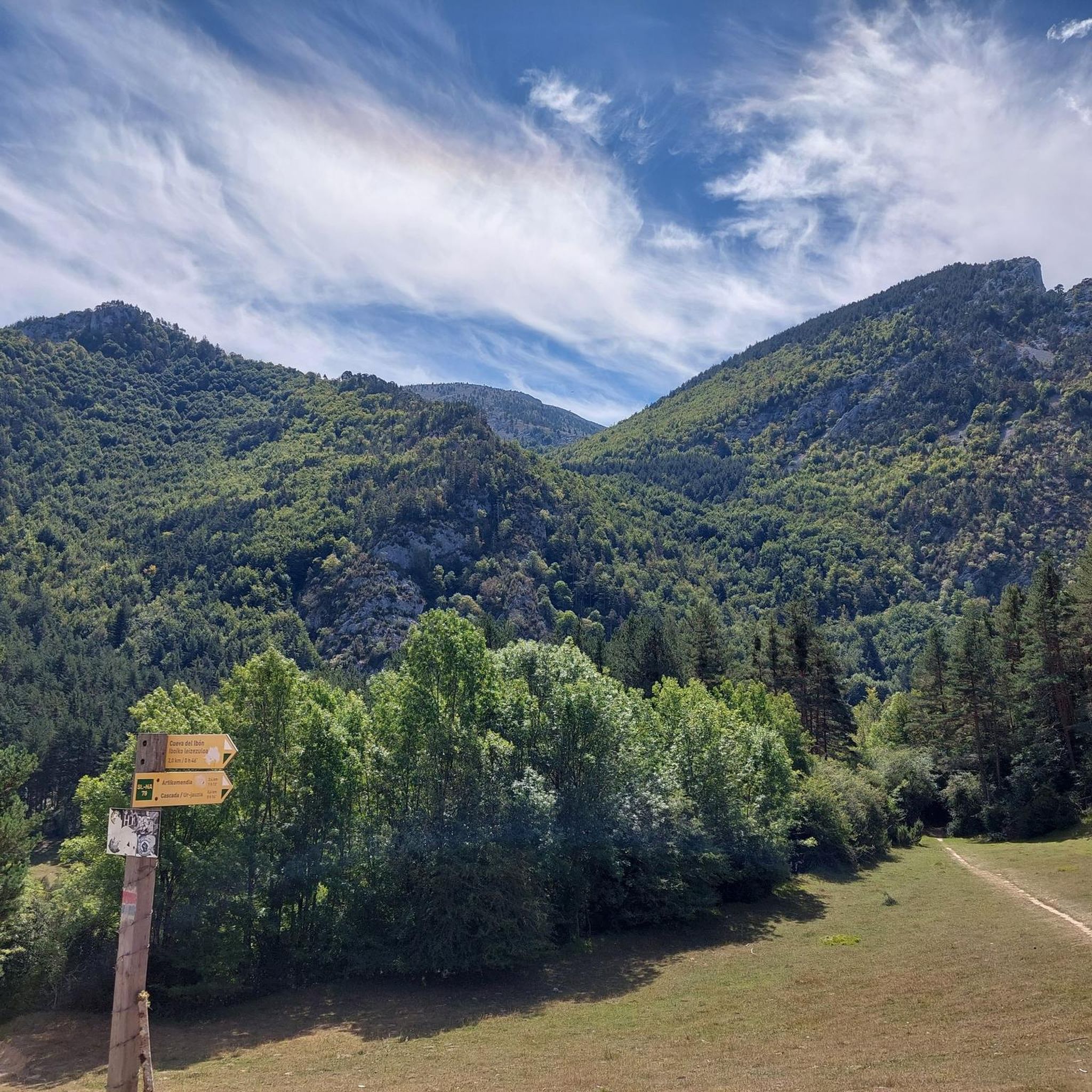
Cycling around Isaba/Izaba
MTB Trails around Isaba/Izaba

Mountain Hikes around Isaba/Izaba
Other adventures around Isaba/Izaba


Tips from the Community

They have the best accessible toilet within a 20 km radius.
0
0

Burgui is the starting point in the lower or southern part of the Roncal Valley, which ends in Belagua, at the foot of the Piedra de San Martín. It is a very pretty and peaceful village, with all kinds of services for staying for a few days and using it as a starting point for the various cycling excursions in the area. It is also highly recommended to reach Burgui via the road from Salvatierra de Esca, following the course of the Esca River through the Esca Gorge.
0
0
Without a doubt, the Col de la Piedra de Saint Martin or Pierre Saint-Martin is one of the Top 10 in the whole of the Pyrenees. Without exceeding 2000 metres of altitude, it is a very long pass, with a lot of accumulated gradient (due to the innumerable French slopes, the gradient is 1,450 metres), with very hard slopes and several kilometres above 10%, with wonderful landscapes and panoramic views and with little traffic, except for the slopes crossed by the main road (D132 in France, the NA 137 in Spain). It is a pass with many slopes; in Europe there are few other passes that have as many slopes as this one (col de Turini, Passo delle Erbe, would be comparable in number of slopes approximately). I have only climbed it by 2 slopes: (i) my first time was from Lourdios Ichère, crossing the col de Labays and the col de Soudet. Simply spectacular; (ii) I have subsequently climbed the Spanish side on several occasions, which is unique, and which starts from Belagua and crosses the Belagua cross-country ski resort to reach the mountain pass. It is also very beautiful, with a landscape and views different from the north-east side. If I had to choose one of the two, I liked the north-west side better because it is more remote, harder and in my opinion more authentic. It is also a culturally special mountain pass because the Tribute of the 3 cows takes place on its summit every 13th of July, which is considered the oldest treaty in force in Europe. So... you know... you cannot miss the opportunity to come here and enjoy this wonderful jewel of the Pyrenees!!!!
1
0
It is a beautiful mountain pass that links the Roncal Valley (Navarra) with the Ansó Valley (Aragon). It is a mountain pass that I am very fond of for several reasons: (i) the road is very winding, with many curves and hairpin bends, especially on the Navarre side (ii) it is a mountain pass with no steep slopes on either side (iii) there is hardly any car or motorcycle traffic. It is very peaceful and you can fully concentrate on the climb, on your pace, on your sensations. The asphalt on the Aragonese side is in very poor condition, although that also makes it attractive because you can imagine what the roads were like that professionals used in the 90s and before. It can be linked to other ports and is a beautiful gateway to the Pyrenees.
0
0

Isaba, also known as Izaba in Basque, is a picturesque village located in the Roncal Valley in the Navarrese Pyrenees, northern Spain. This charming village is known for its rich history dating back to the Middle Ages, when it was a strategic outpost for the Kingdom of Navarre. Isaba offers breathtaking scenery with lush green meadows in spring, colorful autumn leaves and snow-capped mountains in winter.
1
0

I would not recommend right now. They recently did a chip and seal so a LOT of loose gravel. I live in the area and even the road to Osse en Aspe.
1
0
The Puerto de Laza is a small and beautiful hill that joins the valleys of Roncal (starting from Isaba) and Salazar (starting from Ochagavía) in the Navarrese Pyrenees. Both sides are very similar: a very easy start on a winding road, in perfect condition but without a hard shoulder, passing through small towns and going up the course of the respective rivers Anduña (Salazar valley) and Urbi (Roncal valley); a final stretch of 2 - 3 kms that is harder without being too much so, although there are some slopes above 10%. The Salazar valley side becomes harder when leaving behind the detour to the Larrau port. From here to the port there are 3 km with an average gradient of 7%. On the other hand, the Roncal valley side becomes harder when overcoming a bridge over the river that has been with us since we left Isaba behind. From here it is barely 2 km with an average gradient of 7%. From a landscape perspective, it is a port that I love because you can enjoy the exuberance of the vegetation of the Pyrenees, crossing narrow valleys and only with panoramic views when you reach the top, where there is a viewing point that is worth looking out at. A port that I always recommend for enjoying cycle tourism. I leave you the profile of both sides produced by the website www.cyclingcols.com --> http://www.cyclingcols.com/col/Laza
0
1

Frequently Asked Questions
How many road cycling routes are available around Isaba/Izaba?
There are over 15 road cycling routes around Isaba/Izaba, offering a variety of experiences. These include 5 moderate routes and 10 difficult routes, catering to different skill levels.
What is the best time of year for road cycling in Isaba/Izaba?
The region is excellent for road cycling, especially from spring through autumn. The annual Larra Larrau cyclosportive, held every September, highlights the area's suitability during this period. Always check local weather conditions before heading out, as mountain passes can be affected by snow or adverse weather outside of peak seasons.
Are there challenging road cycling routes in Isaba/Izaba?
Yes, Isaba/Izaba is renowned for its challenging mountain passes on both the Spanish and French sides of the border. Routes like the Pierre Saint-Martin Pass – Soudet Pass loop from Belagua, which covers 67.7 km with significant elevation gain, offer a demanding experience. Other notable climbs include La Piedra de San Martin, Belabarze, and Puerto de las Coronas.
Are there circular road cycling routes in Isaba/Izaba?
Many of the road cycling routes around Isaba/Izaba are designed as loops, allowing you to start and finish in the same location. An example is the Laza Pass (1,129 m) – Larrau Pass loop from Uztárroz / Uztarroze, a difficult 65 km ride, or the Laza Pass (1,129 m) – Isaba Village loop from Isaba / Izaba, a moderate 47.1 km option.
What natural attractions can I see along road cycling routes in Isaba/Izaba?
The routes often pass through stunning natural landscapes. You can encounter majestic mountains like the Mesa de los Tres Reyes and Peña Ezkaurre, extensive forests, and scenic river valleys. Some routes may offer views of waterfalls such as Belabarzeko Urjausia or Arrako Waterfall, and the picturesque Valle de Belagua.
Are there any historical or cultural sights to explore near the road cycling routes?
Yes, Isaba/Izaba and its surroundings offer rich cultural heritage. You can find traditional stone and wood architecture, the 16th-century Iglesia de San Cipriano, and the medieval Basílica de Nuestra Señora de Idoya. Ancient Romanesque bridges, like the 1568 Otsindundua bridge, and megalithic remains also dot the landscape, providing interesting stops during your ride.
Where can I find parking for road cycling routes in Isaba/Izaba?
Isaba village serves as a central point for many routes, and you can typically find parking within the village or at designated starting points for specific trails. Given the region's focus on outdoor activities, parking facilities are generally available for visitors accessing the routes.
Can I reach road cycling routes in Isaba/Izaba using public transport?
While Isaba/Izaba is a somewhat remote mountain village, local bus services connect it to larger towns in Navarra. However, public transport options directly to specific route starting points might be limited, so checking local schedules and accessibility for bikes is recommended.
Are there cafes or places to stop for refreshments along the road cycling routes?
Isaba village itself offers amenities like cafes and restaurants. While some longer or more remote routes might have fewer options, many passes and villages along the way, especially those frequently used by cyclists, often provide opportunities for refreshments. It's always a good idea to carry sufficient water and snacks, especially on longer rides.
What are the road conditions like on the cycling routes around Isaba/Izaba?
The region is known for its quiet roads with low traffic, making it ideal for cyclists. While many routes feature well-paved surfaces, some segments, particularly in more remote areas or mountain passes, may be unpaved or have varying surface quality, adding to the adventure. Always be prepared for diverse road conditions.
What do other road cyclists enjoy about the routes in Isaba/Izaba?
The road cycling routes in Isaba/Izaba are highly rated by the komoot community, with an average score of 5.0 stars. Cyclists frequently praise the diverse and challenging terrain, the stunning natural landscapes of the Roncal Valley, and the tranquil environment with low traffic, which makes for an enjoyable and immersive cycling experience.
Are there any notable cycling events in the Isaba/Izaba region?
Yes, the region hosts the annual Larra Larrau cyclosportive. This popular event has attracted over a thousand cyclists to Isaba every September since 1993, underscoring the area's reputation as a premier road cycling destination.
Are there any road cycling routes that cross into France from Isaba/Izaba?
Absolutely. Isaba/Izaba is strategically located near the French border, offering access to iconic climbs in the French Pyrenees. Cyclists can tackle challenging passes like Larrau, Soudet, Issarbe, Bagargi, and Errozate, known for their steeper gradients, directly from the Spanish side.
Most popular attractions around Isaba/Izaba

Get inspired with the komoot mobile app


Explore more
Browse the best Road cycling routes in other regions.
