Attractions and Places To See around Cangas Del Narcea - Top 20
Best attractions and places to see around Cangas Del Narcea include a rich tapestry of natural landscapes and historical sites in southwest Asturias, Spain. This region is the largest municipality in Asturias, recognized for its natural environment and cultural heritage. Visitors can explore ancient forests, significant religious buildings, and historical town centers. The area offers a variety of experiences, from natural parks to cultural landmarks.
Best attractions and places to see around Cangas Del Narcea
- The most popular attractions is…
Last updated: August 30, 2026
Santa Marina de Buspol Chapel
Highlight • Religious Site
The altar has images of Santa Marina, Santa María Magdalena and San Antonio.
Translated by Google •
Tip by

Hermitage of San Roque of Tineo
Highlight • Religious Site
Translated by Google •
Tip by

Sign up now to discover places like this
Get recommendations on the best single tracks, peaks, & plenty of other exciting outdoor places.
Sign up for free
Tineo Town Centre
Highlight • Settlement
Translated by Google •
Tip by

Monastery of San Juan de Riva
Highlight • Religious Site
Translated by Google •
Tip by

Puerto del Palo Pass
Highlight • Mountain Pass
Translated by Google •
Tip by

Sign up for free to discover even more attractions around Cangas Del Narcea.
Sign up for free
Already have an account?
Start today with a free account
Your next adventure awaits.
Login or Signup
Popular around Cangas Del Narcea
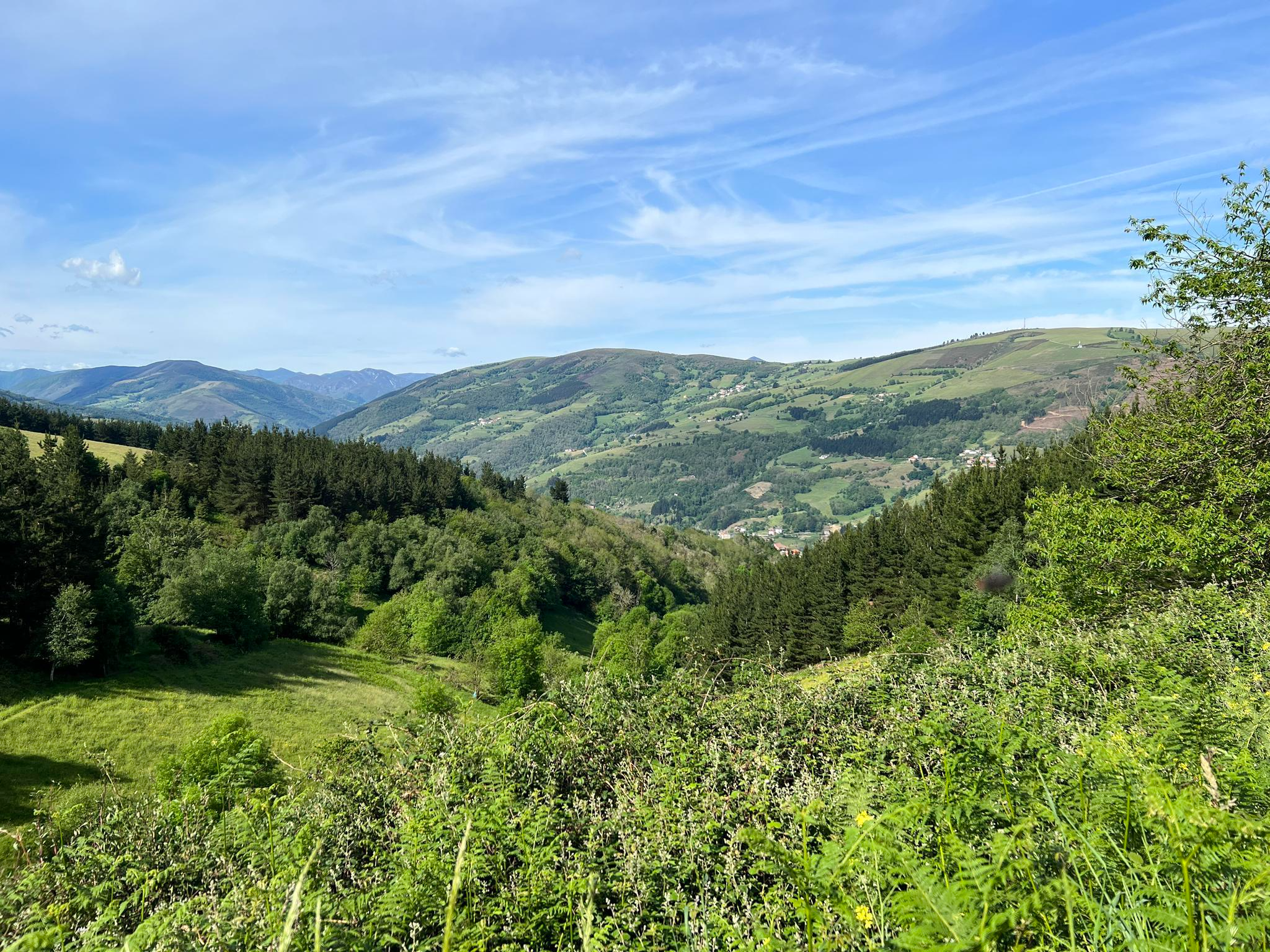
Wild Asturias - Where the bear walks (GR 203)
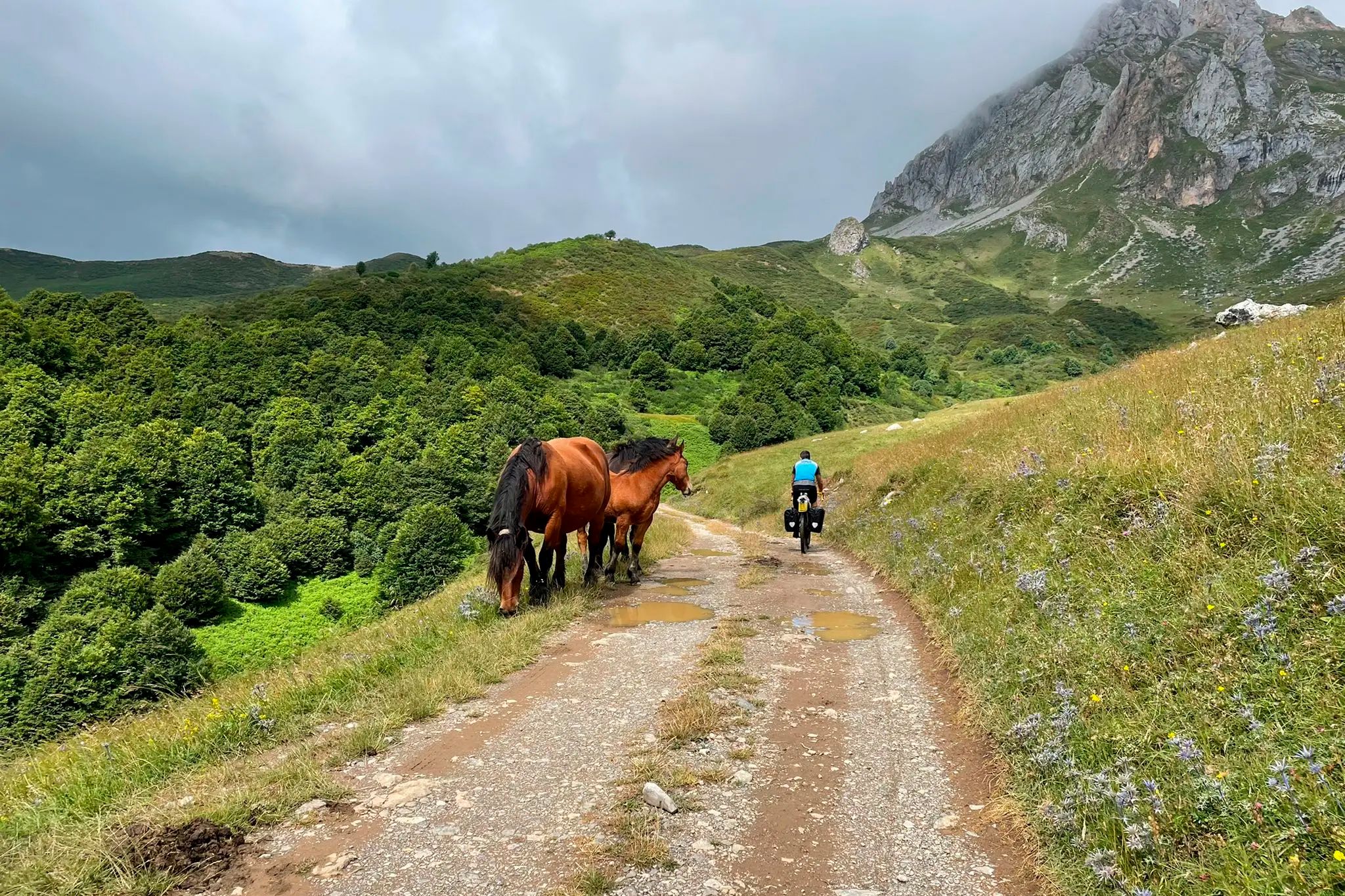
TransCantabrica – Extreme mountain biking in northern Spain
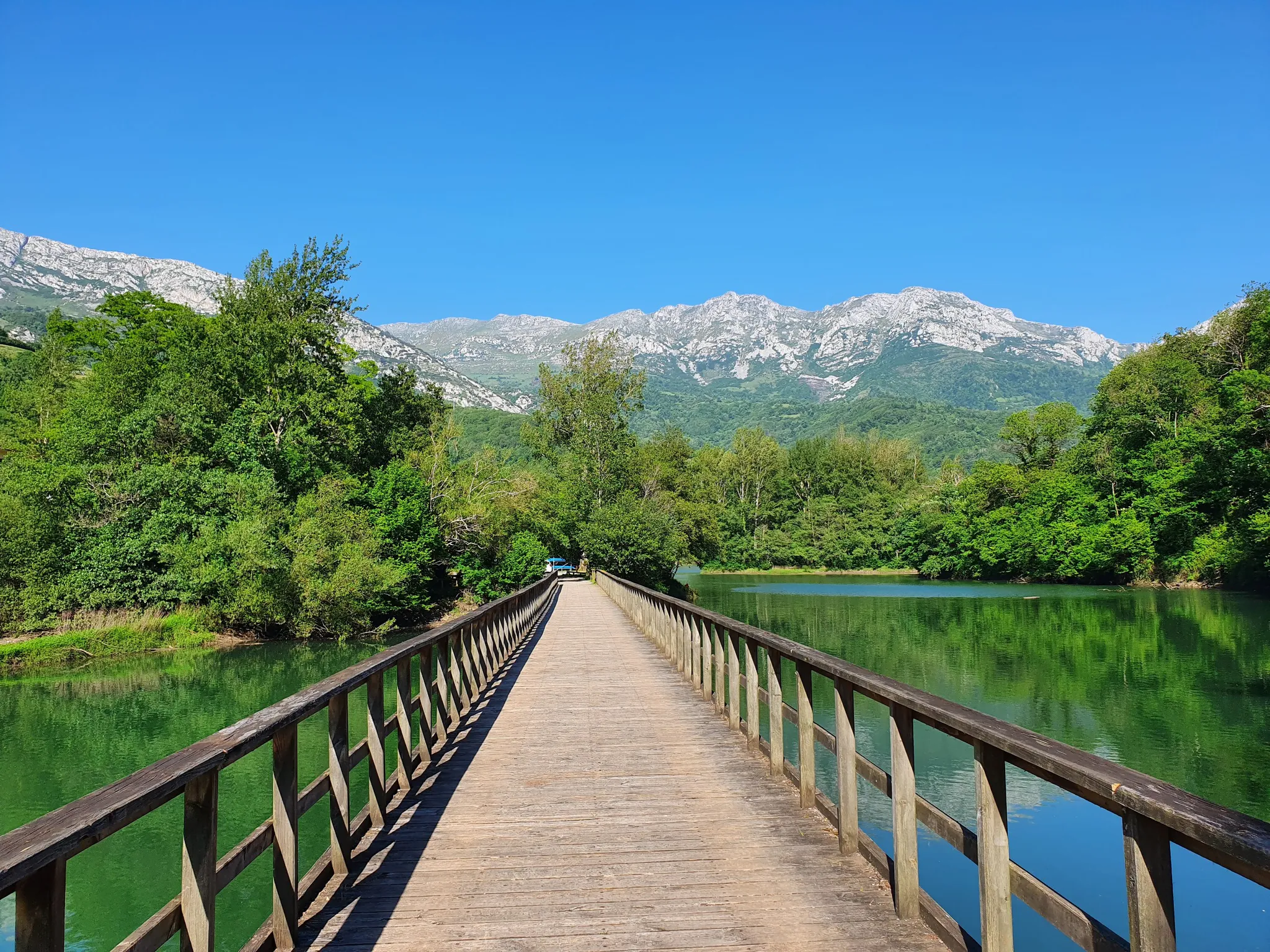
The secrets of the Cantabrian Mountains – GR 109 Asturias Interior
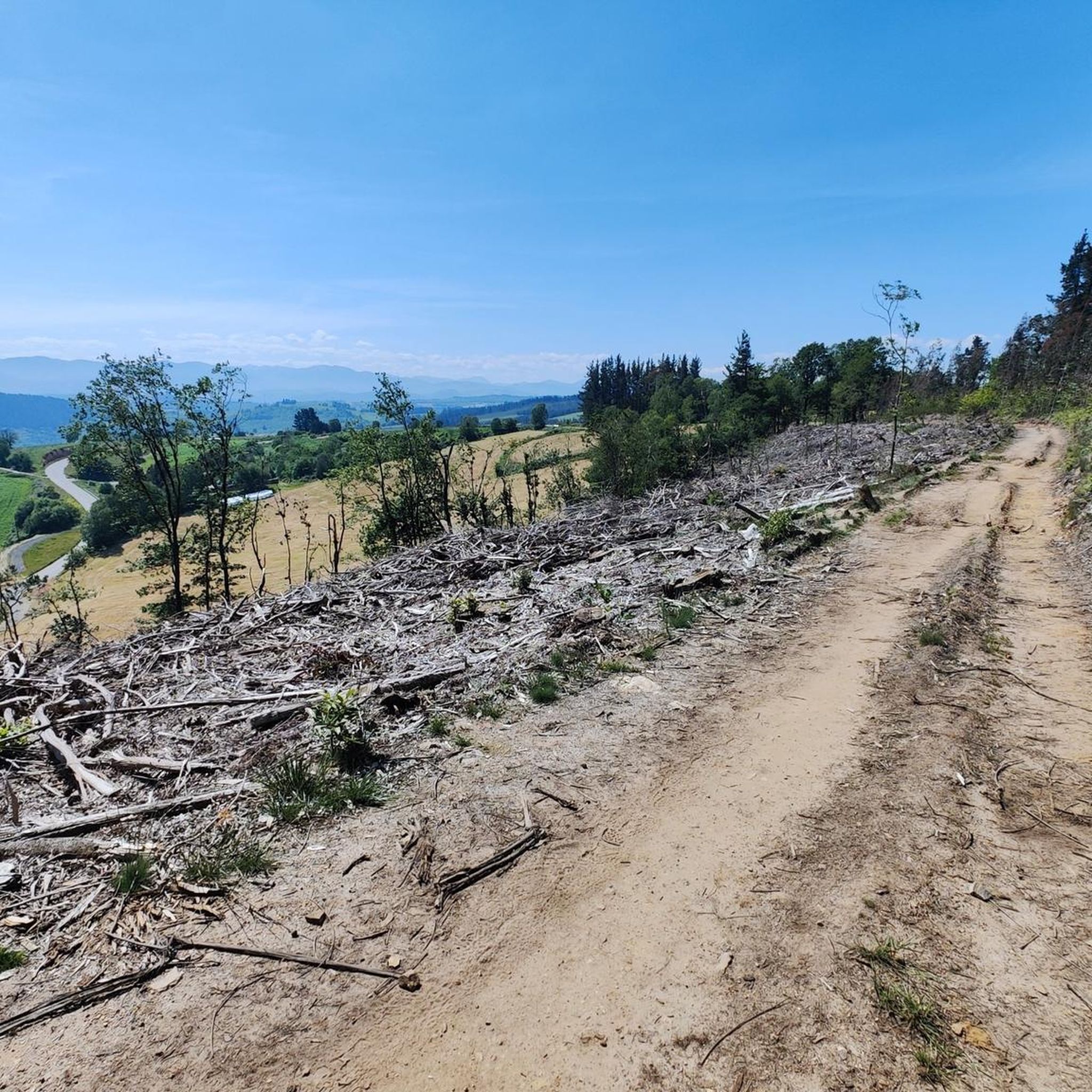
Cycling around Cangas Del Narcea
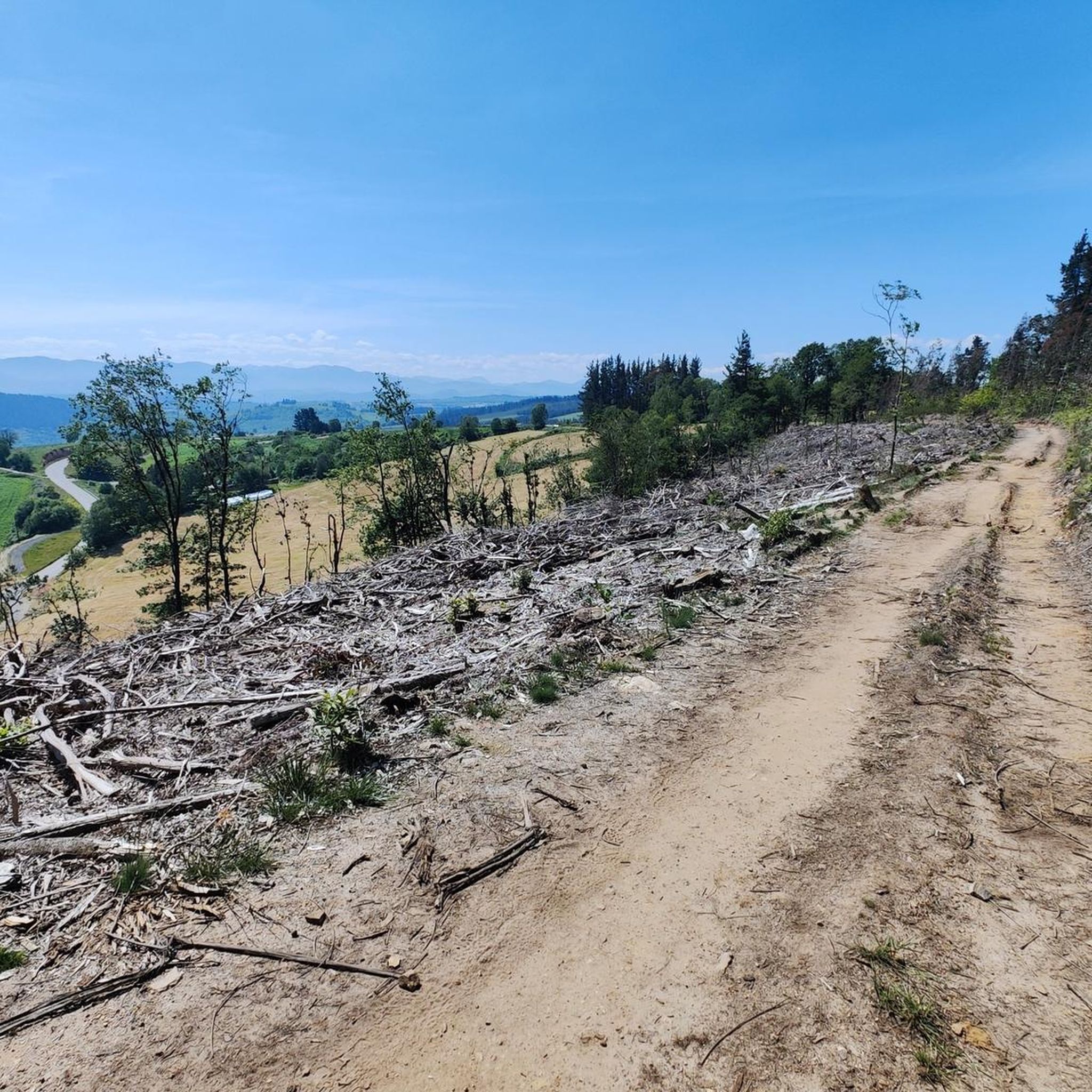
Hiking around Cangas Del Narcea
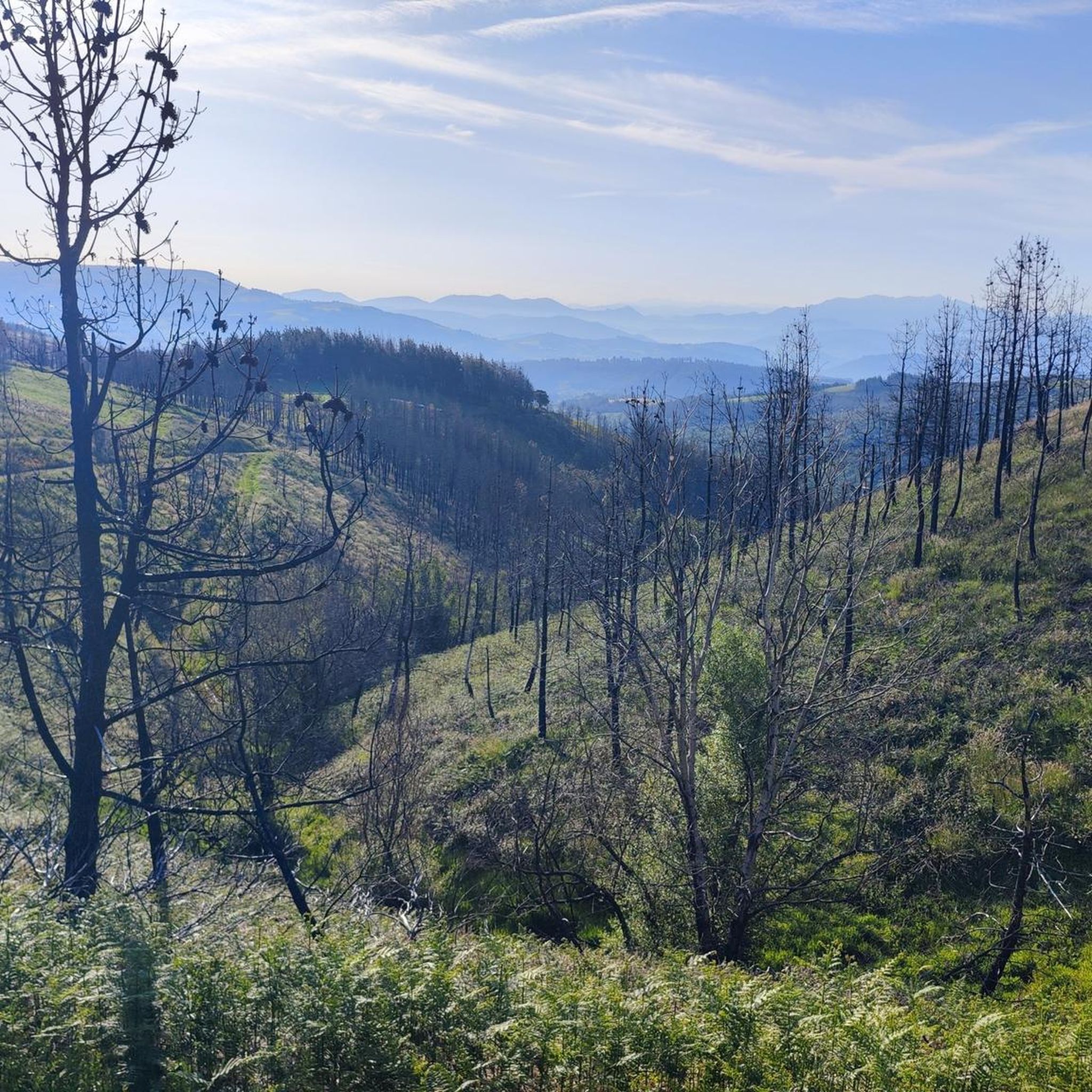
MTB Trails around Cangas Del Narcea
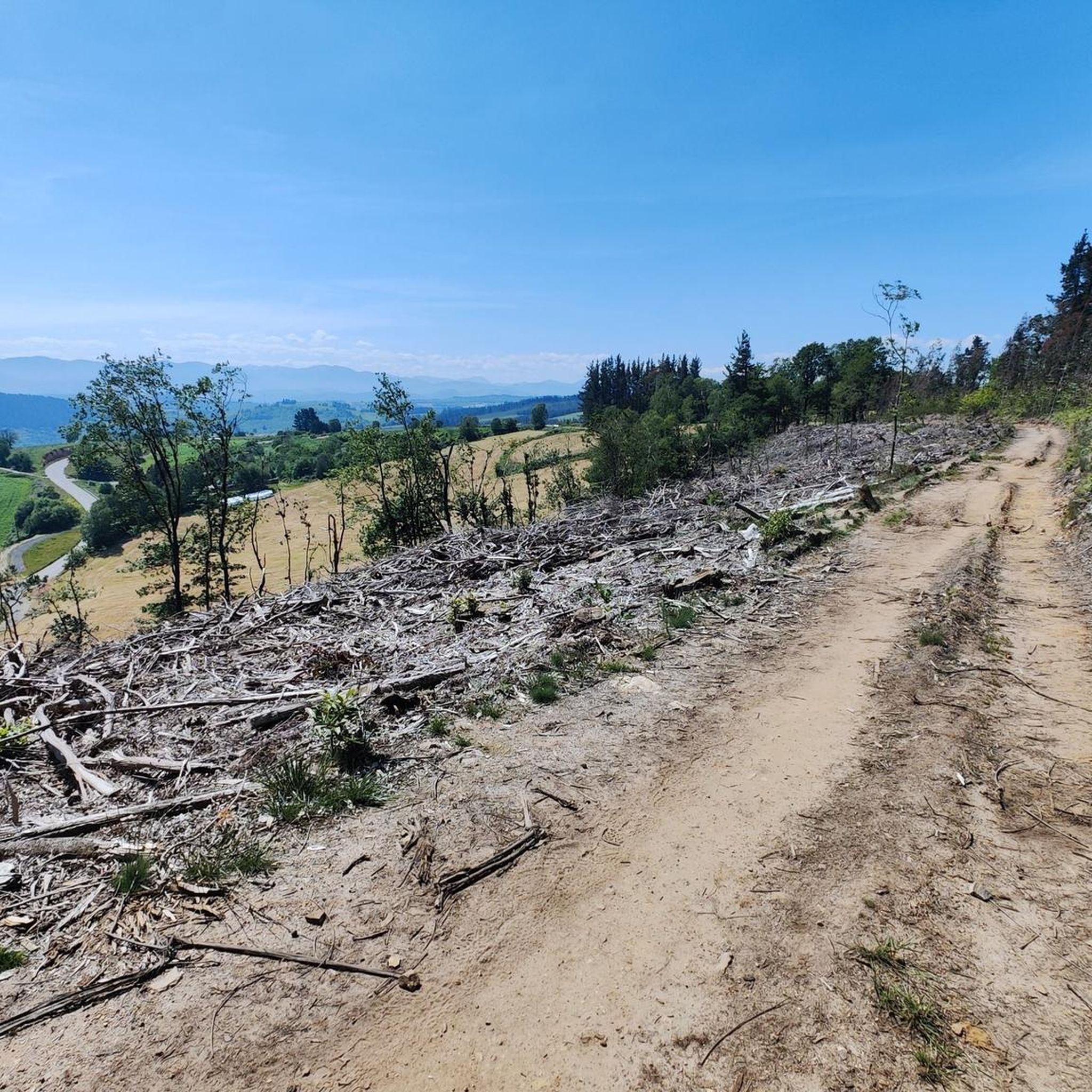
Road Cycling Routes around Cangas Del Narcea
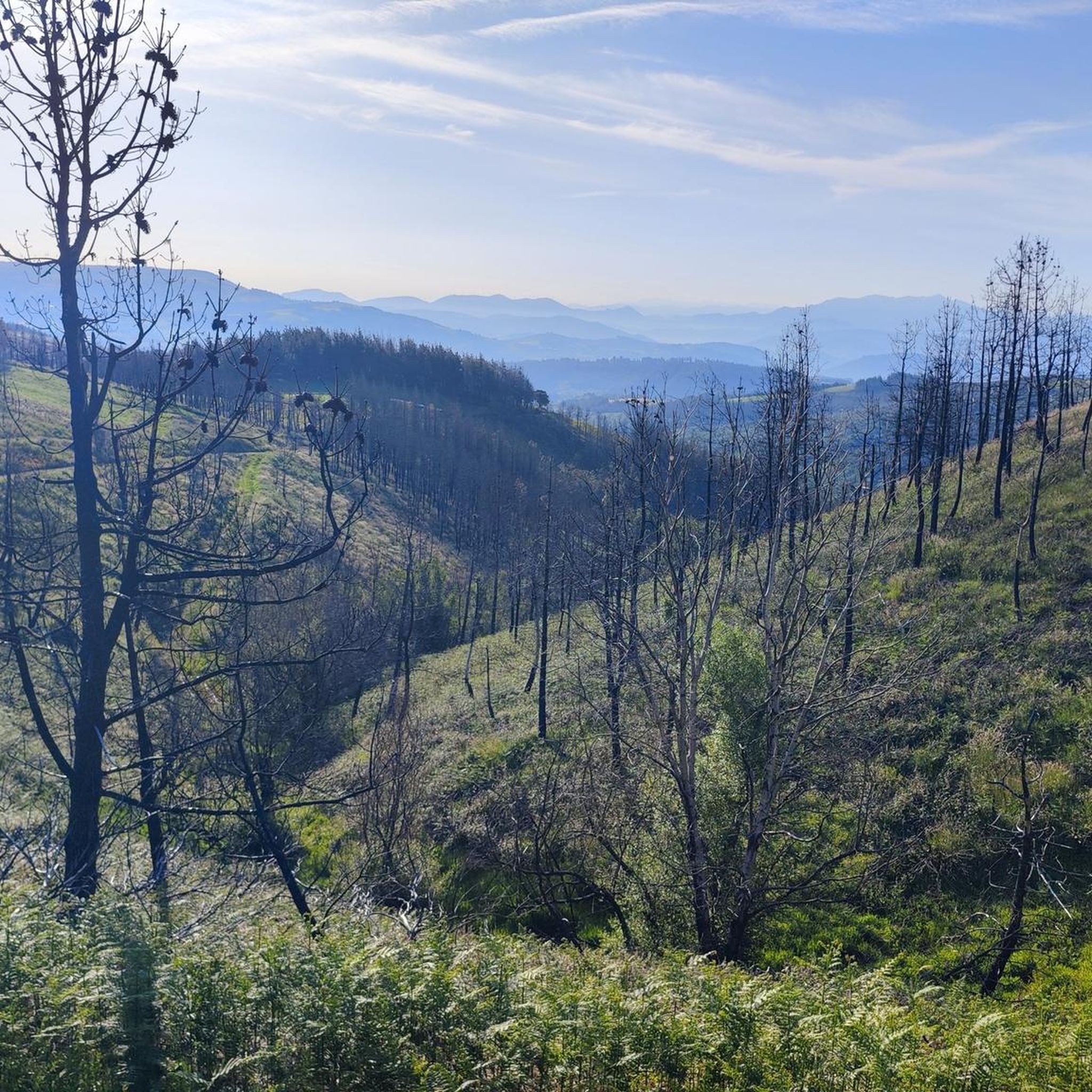
Running Trails around Cangas Del Narcea
Other adventures around Cangas Del Narcea


Tips from the Community

right in the center of Tineo, a very interesting area
0
1

It's one of the major mountain passes in southwestern Asturias. It connects Pola de Allande with Berducedo. It's part of the northern variant of the Camino de Santiago. Highly recommended for its views, whether climbing its two slopes or from its summit.
0
0

The historic center of Tineo, in Asturias, is a place of great heritage and cultural value, declared a Historic Site. This town, capital of the municipality of the same name, is located in western Asturias and is known for its rich history, its connection to the Primitive Way of St. James, and its exceptional natural surroundings.
1
0
The Monastery of Santa María La Real de Obona was founded, according to a disputed original document that disappeared in the 17th century, by Prince Adelgaster (illegitimate son of King Don Silo) and his wife, Doña Brunilde, on January 17, 780. Obona was a major cultural and economic center. The monks perfected agricultural and livestock techniques, and Latin, philosophy, and theology classes were taught in its classrooms. The church is large and sober, built in the 13th century following the strict principles of the Cistercian order. It has three naves, the central one taller and wider resting on columns, three circular apses preceded by a triumphal arch, and a main portal of Romanesque architecture. Interior highlights include the Holy Christ of Obona, a magnificent Romanesque carving full of tenderness and balance. The outbuildings and the cloister were built in the 18th century, although they were never completed. Here you will find the oldest reference to cider, in a document from the period.
1
1
Right next to the field there is a fountain and also a bar to get a good supply
0
0
Next to the chapel there is a fountain with very good water and also a bar where you can stock up on supplies.
0
0

A very old chapel. There's also a selfie spot here. 👍
0
1

Prepare for descent.
0
1
Frequently Asked Questions
What natural landscapes and viewpoints can I explore around Cangas del Narcea?
Cangas del Narcea is rich in natural beauty. You can visit the Pozo de las Mujeres Muertas Pass, which offers excellent views of western Asturias. The Santa Marina de Buspol Chapel also provides fantastic views of the reservoir and surrounding landscape. Beyond these, the region is home to the vast Fuentes del Narcea, Degaña, and Ibias Natural Park, and the emblematic Cueto de Arbas with its beautiful glacial lake.
Are there any significant historical or religious sites to visit?
Absolutely. The area boasts several historical and religious landmarks. The Santa Marina de Buspol Chapel is a 14th-century chapel with one of Asturias' oldest bells. You can also explore the Hermitage of San Roque of Tineo, which preserves Romanesque elements, and the ruins of the Monastery of San Juan de Riva near the Camino Primitivo. The impressive Monastery of San Juan de Corias, often called the 'Escorial of Asturias,' and the Baroque Church of Santa María Magdalena in Cangas del Narcea are also must-sees.
What are the best hiking routes or walking paths in the area?
Cangas del Narcea offers numerous hiking opportunities. While the Muniellos Biosphere Reserve has restricted access, the Moal Forest provides a great alternative with a circular hiking route. Other notable paths include the Ruta Del Oro, Ruta del Bosque de Mual, and routes around Cueto d'Arbas. For more options, you can explore the Running Trails around Cangas Del Narcea guide, which features routes like the 'Route of Cabril'.
Are there family-friendly attractions or activities around Cangas del Narcea?
Yes, there are several family-friendly options. The Tineo Town Centre is a pleasant place for families to explore, with interesting sites like the Church of San Pedro. The Hermitage of San Roque of Tineo is also considered family-friendly. For leisurely strolls, the Paseo Del Vino Park within Cangas del Narcea is ideal. Many of the natural parks and easier walking routes are also suitable for families.
Where can I experience the local culture and traditions?
To immerse yourself in local culture, visit the Wine Museum of Cangas to learn about the region's winemaking tradition. The village of Bisuyu preserves traditional Asturian architecture and charm, while Ḷḷamas del Mouro is renowned for its unique black pottery, a living craft. If you visit in October, you might experience the 'La Vendimia' festival, celebrating the grape harvest with tastings and tours.
Can I spot wildlife, particularly the Cantabrian brown bear, in this region?
Cangas del Narcea is a crucial area for the Cantabrian brown bear, and efforts are dedicated to their protection. The Muniellos Biosphere Reserve and the Fuentes del Narcea, Degaña, and Ibias Natural Park are key habitats. Areas like Xedré are considered ideal for bear spotting, and there's even a bear lookout point on the route up the Brañas/Leitariegos pass near Cueto de Arbas. Remember to observe wildlife responsibly and from a safe distance.
What cycling routes are available near the attractions?
The region offers diverse cycling routes. For road cycling, consider the 'Ruta de los Puertos' which includes the Pozo de las Mujeres Muertas Pass, or a route to the Santuario de Nuestra Señora del Acebo. You can find more options in the Road Cycling Routes around Cangas Del Narcea and Cycling around Cangas Del Narcea guides.
Are there any unique architectural landmarks in Cangas del Narcea town?
The urban center of Cangas del Narcea is notable for its palaces and emblazoned houses. Key examples include the Omaña Palace House of Culture, Uria Palace, Peñalba Palace, and Toreno Palace. Don't miss the modern Hanging Bridge Street, built in 1973, which offers great views, and the historic Medieval Bridge, popularly known as the Roman Bridge.
What is the best time of year to visit Cangas del Narcea for outdoor activities?
While Cangas del Narcea is beautiful year-round, spring and autumn generally offer the most pleasant weather for outdoor activities like hiking and cycling, with milder temperatures and vibrant natural colors. October is particularly special due to the 'La Vendimia' grape harvest festival.
Are there any places to learn about the local wine production?
Yes, the region has a strong winemaking tradition. The Monastery of San Juan de Corias, now a luxury hotel, also houses a winery where visitors can enjoy tastings and tours. Additionally, the Wine Museum of Cangas provides insights into the local PDO Vino de Cangas.
What are some lesser-known or 'hidden gem' attractions in the area?
Beyond the main highlights, consider visiting the Santuario de Nuestra Señora del Acebo, a 16th-century sanctuary located 12 km from Cangas, offering amazing views and a sense of pilgrimage. The village of Bisuyu, with its preserved traditional architecture, and Ḷḷamas del Mouro, known for its unique black pottery, offer authentic cultural experiences away from the more frequented spots.
Most popular routes around Cangas Del Narcea
Most popular attractions around Cangas Del Narcea

Get inspired with the komoot mobile app


Explore more
Still not found the Highlight you’re looking for? See guides of the top attractions in other regions:
