The 6 Most Amazing Peaks around Cangas Del Narcea
Best mountain peaks around Cangas Del Narcea are found in a vast and naturally rich municipality in Asturias, Spain. The region features impressive mountain peaks, offering diverse landscapes for hikers and nature enthusiasts. Its geography includes glacial origins, wide valleys, cirques, and significant natural reserves like Muniellos Biosphere Reserve. This area provides opportunities to explore untouched natural forests and witness varied mountain scenery.
Best mountain peaks around Cangas Del Narcea
- The most popular mountain peaks is Pico Cornón, a…
Last updated: July 13, 2026
Pozo de las Mujeres Muertas Pass
Highlight • Mountain Pass
Translated by Google •
Tip by

Connio Pass
Highlight • Mountain Pass
Translated by Google •
Tip by
Sign up now to discover places like this
Get recommendations on the best single tracks, peaks, & plenty of other exciting outdoor places.
Sign up for free
Pico Cornón
Highlight • Summit
Translated by Google •
Tip by

Puerto de Leitariegos
Highlight • Mountain Pass
Tip by

Sanctuary of Our Lady of Acebo
Highlight • Religious Site
Translated by Google •
Tip by
Sign up for free to discover even more peaks around Cangas Del Narcea.
Sign up for free
Already have an account?
Start today with a free account
Your next adventure awaits.
Login or Signup
Popular around Cangas Del Narcea
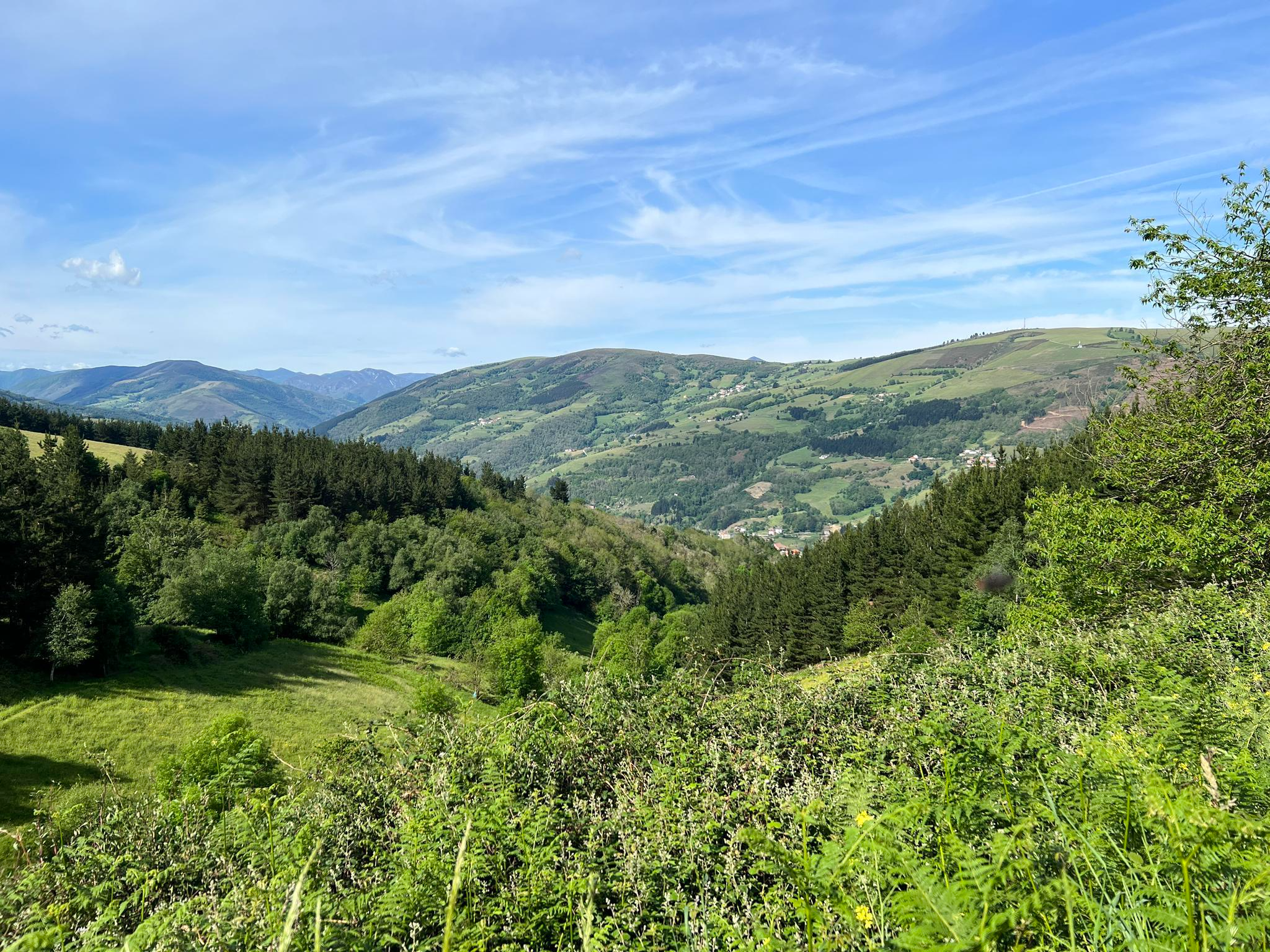
Wild Asturias - Where the bear walks (GR 203)
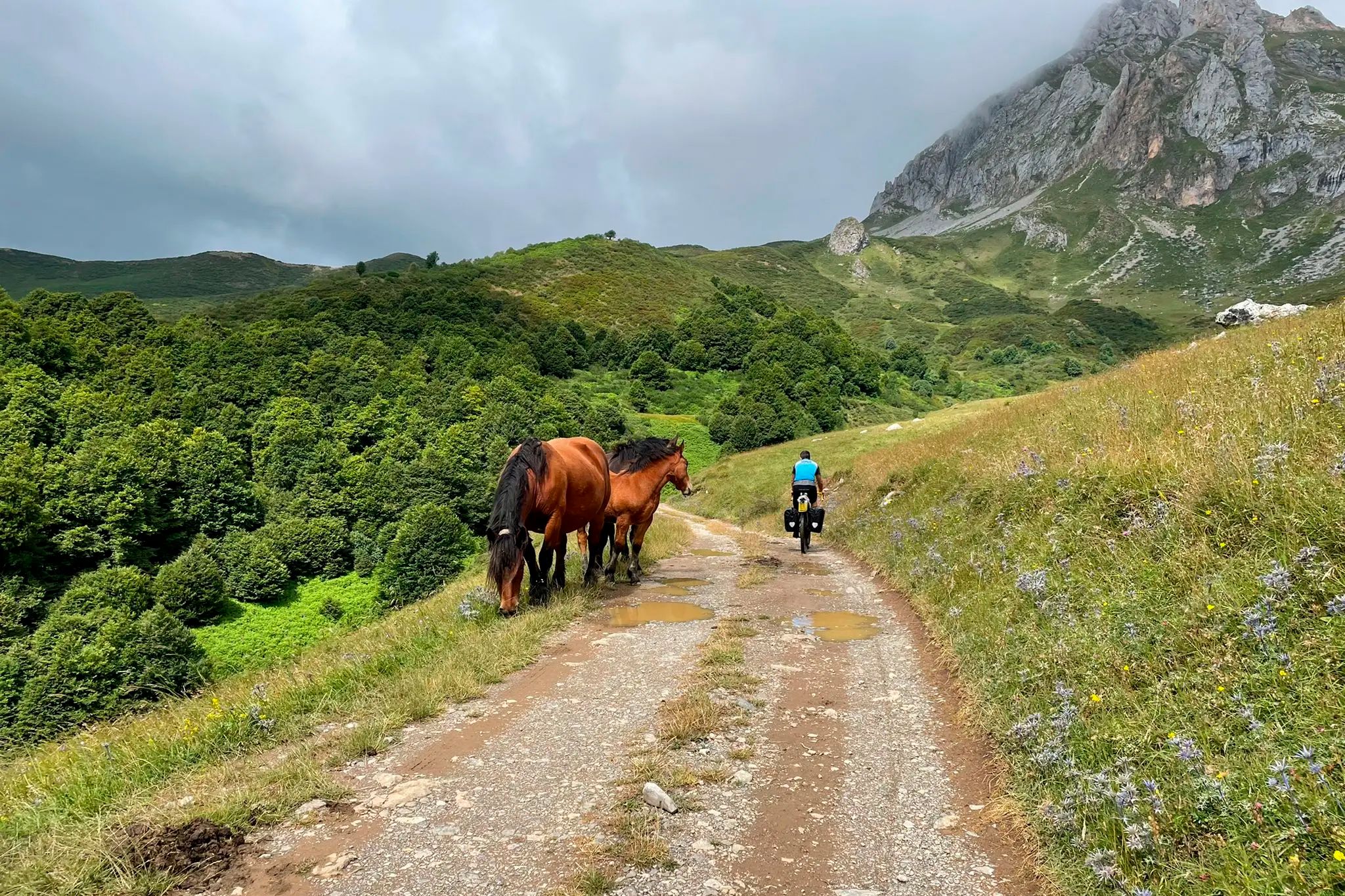
TransCantabrica – Extreme mountain biking in northern Spain
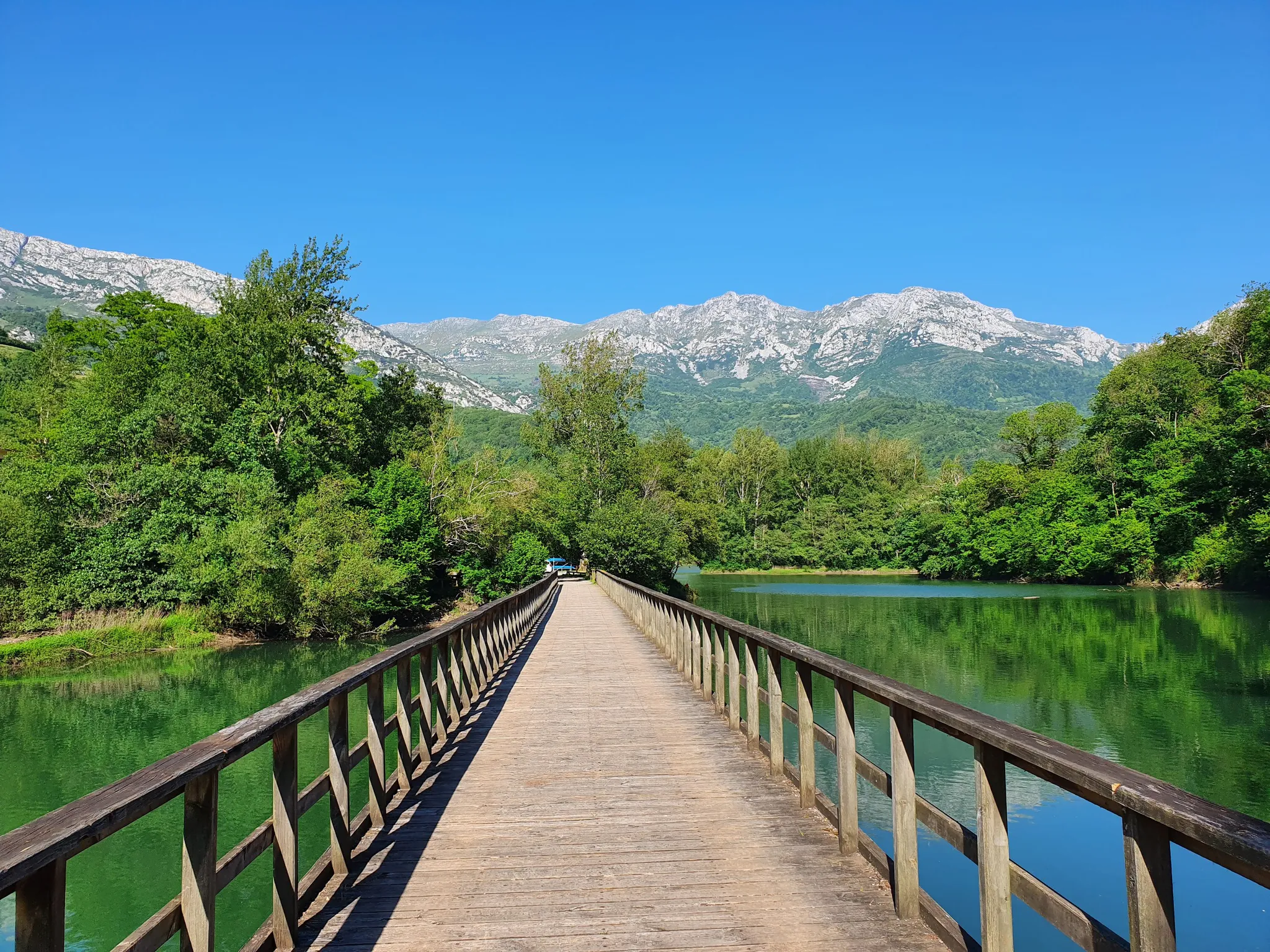
The secrets of the Cantabrian Mountains – GR 109 Asturias Interior
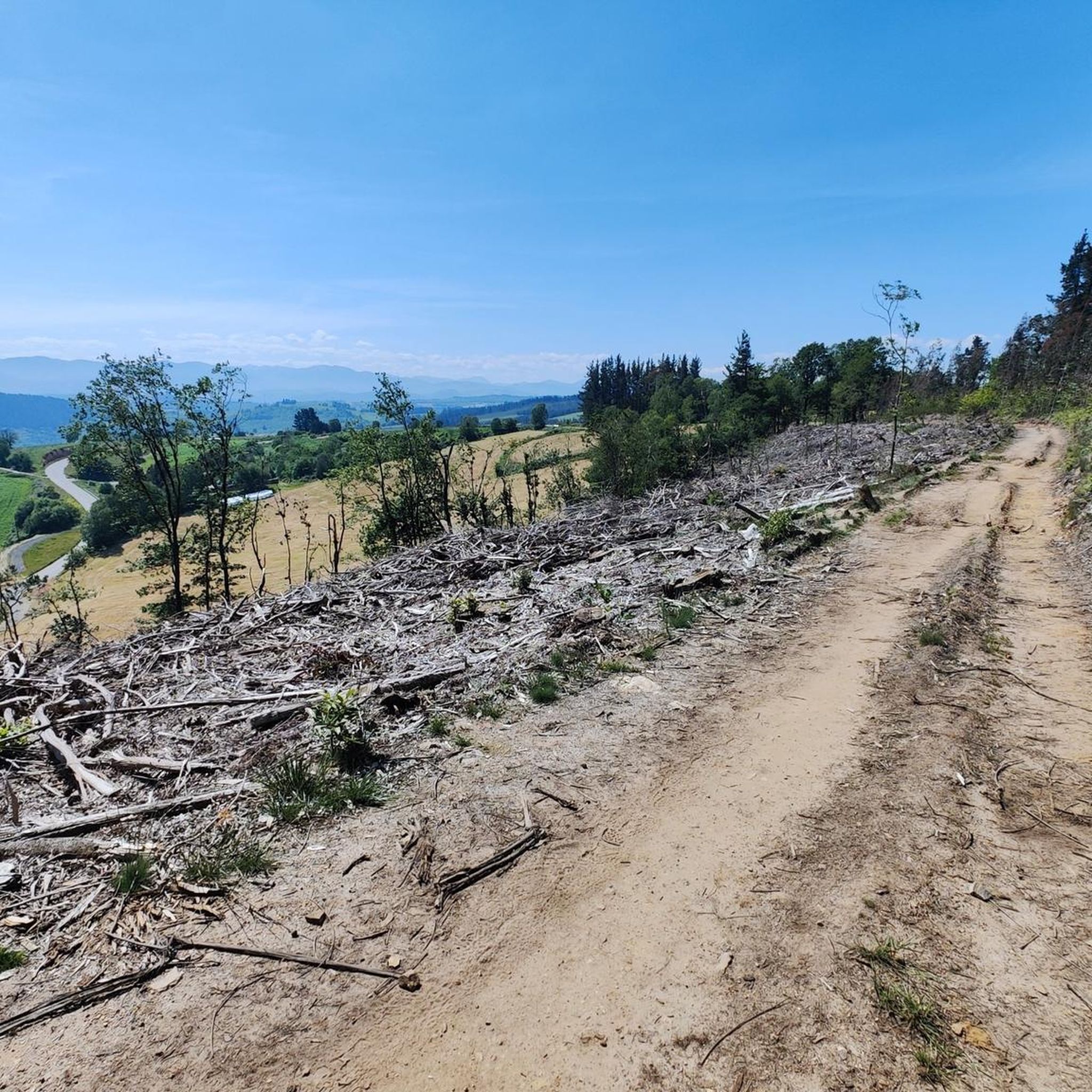
Cycling around Cangas Del Narcea
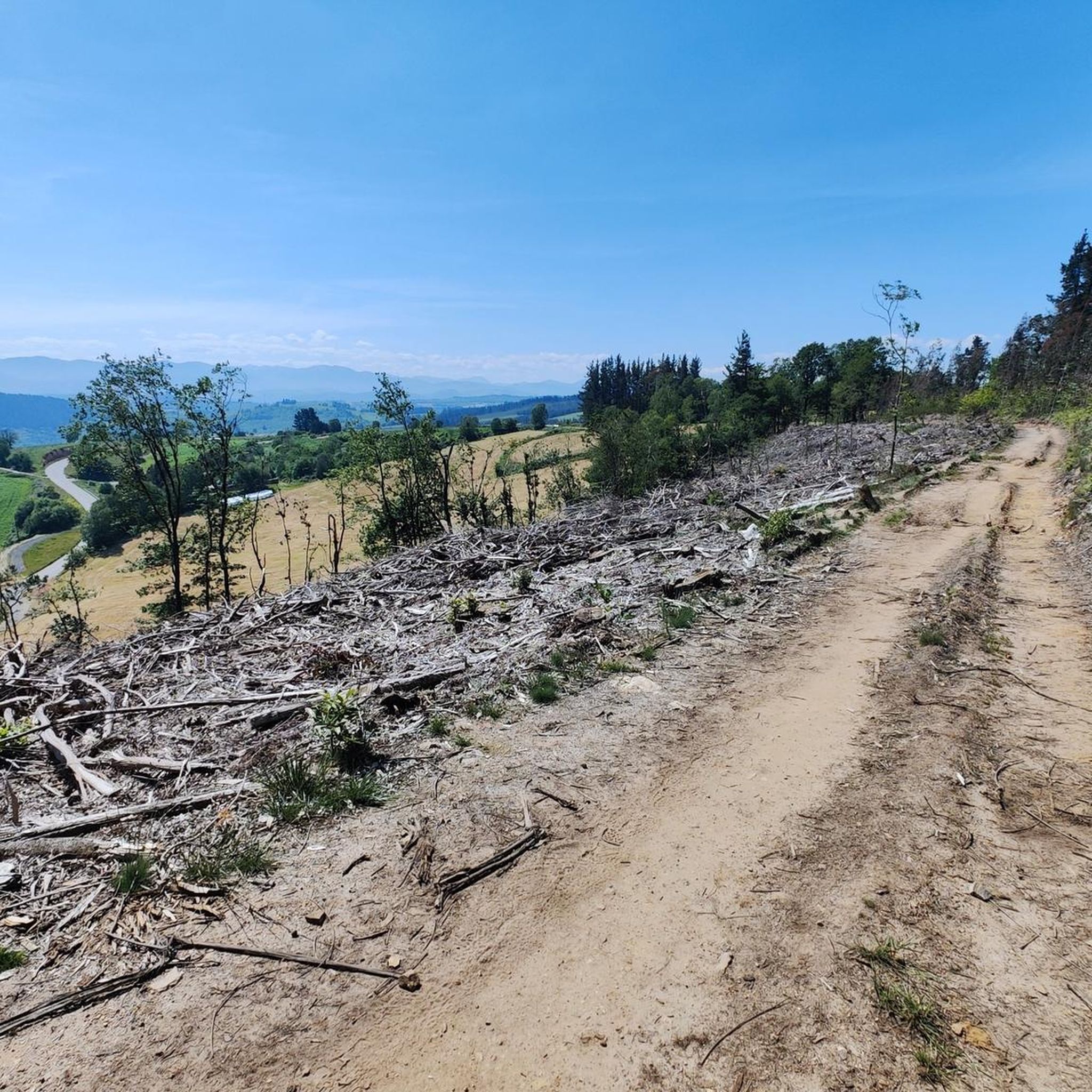
Hiking around Cangas Del Narcea
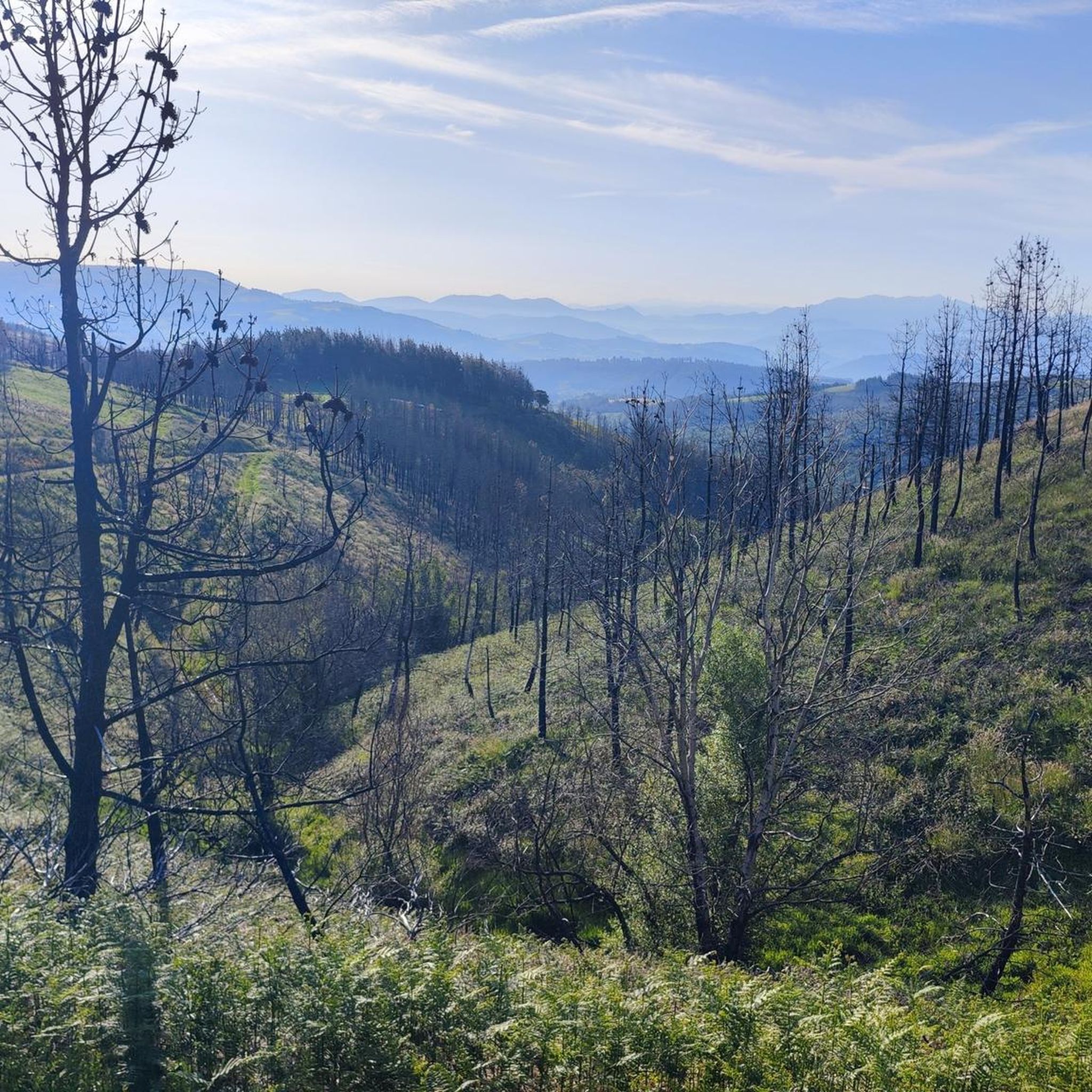
MTB Trails around Cangas Del Narcea
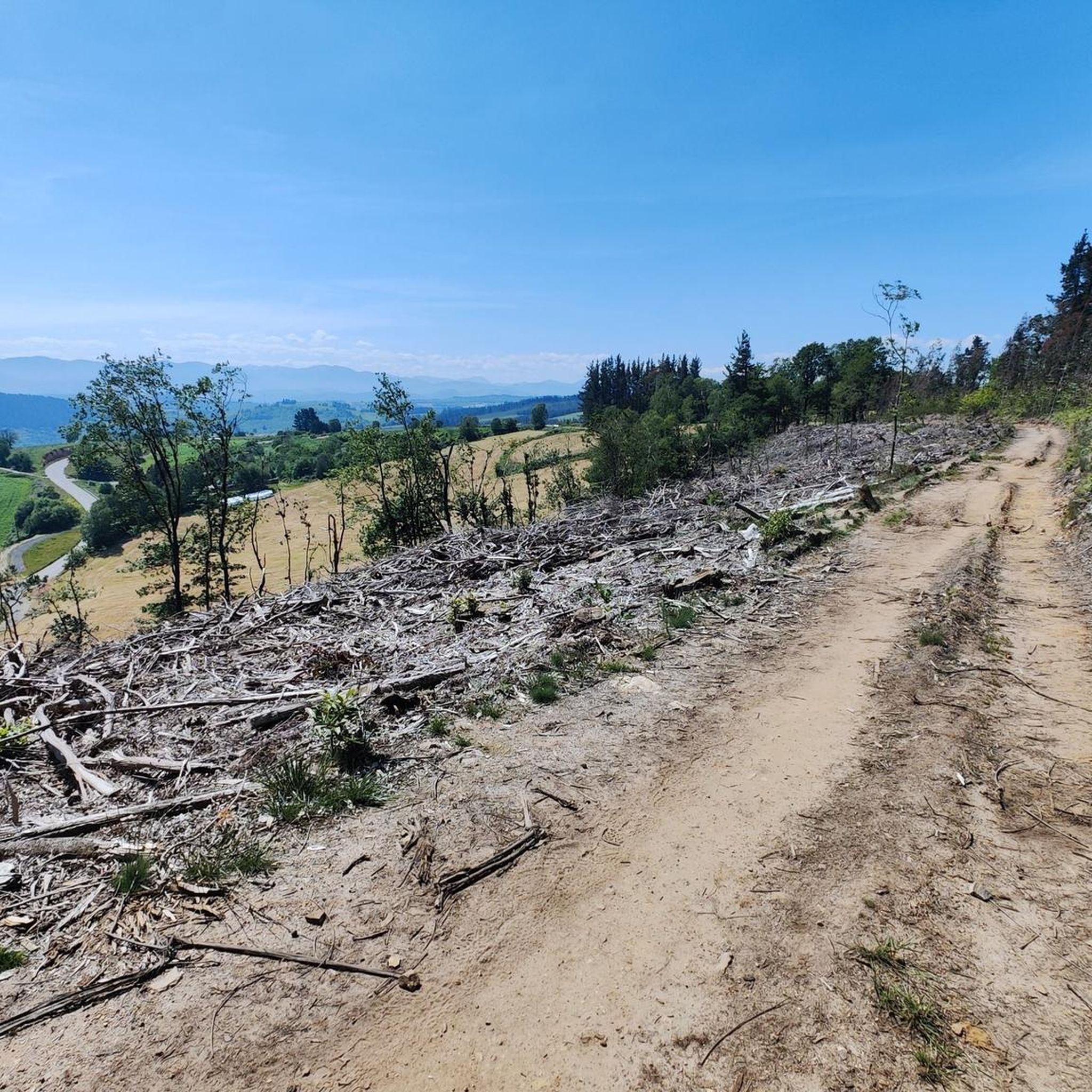
Road Cycling Routes around Cangas Del Narcea
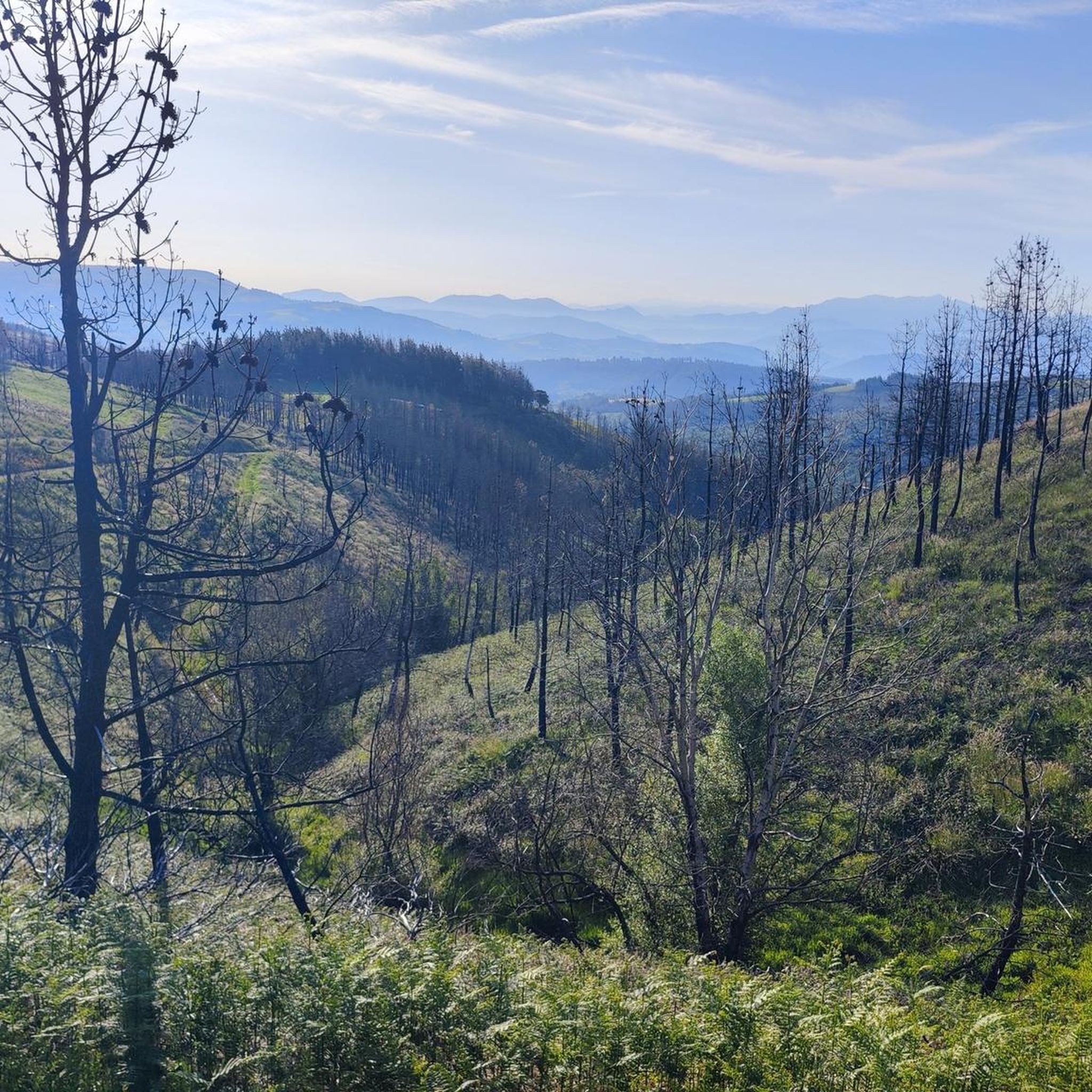
Running Trails around Cangas Del Narcea
Other adventures around Cangas Del Narcea


Tips from the Community

The Leitariegos Pass is a mountain pass located at an altitude of 1,520 meters in a beautiful natural setting. It's an ideal stopover point on the trails and has a bar and restaurant.
0
1
Among the theories surrounding the unusual name of this mountain pass, one is the popular legend that some shepherdesses were caught in a blizzard and died in a nearby shelter. In any case, the pass is located in a stunning setting.
0
0

It is a small Romanesque church located in a mountainous area known as Fuentes del Narcea. According to legend, the church was built in the 9th century by a group of monks who discovered a statue of the Virgin Mary in a holly tree. The statue became known as the "Virgin of the Holly" or the "Virgin of the Holly," and the church was built in her honor. The interior of the church is decorated with frescoes from the 12th and 13th centuries, depicting scenes from the Bible and the life of Christ. The altar has a beautiful reredos carved in wood and painted with gold leaf, with images of the Virgin Mary, Saints Peter and Paul, and other saints. A popular destination for pilgrims and tourists who come to admire the beautiful architecture and rich history of the church. It is also a starting point for several hiking trails that lead to the nearby mountain peaks.
0
0

An ideal place to cool off, drink delicious water, and protect yourself from the sun on the hottest summer days.
0
0
Alto del Acebo is a beautiful place in southwestern Asturias where you can enjoy wonderful panoramic views of the Asturian mountains (the Asturian rural paradise) and where the hermitage of the Virgen del Acebo is located (the pilgrimage is celebrated on September 8, Asturias Day). At the top there are also 2 bars/restaurants where you can eat very well. As can be seen in one of the photos that I just posted, Alto del Acebo has 6 different slopes. All of them are beautiful and very hard. I recommend that you go visit Cangas and Alto del Acebo.
0
0

This 1,525 meter mountain pass is one of the highest climbs in the area. There is a small ski resort here and also good hiking and mountain biking trails.
0
0

Mythical port in the province of Asturias for cyclists. From Cecos, this port awaits us with an altitude of 1,315 meters above sea level, a gradient of 1,024 m and a length of 19.39km with an average % of 5.28 and a maximum slope of 10%.
0
0
The Pozo de las Mujeres Muertas port has 3 slopes, all 3 hard and with ramps above 10%. 1. The eastern slope, which begins in Monasterio del Hermo, has 2 well-differentiated areas, with a second part of 4 km at 10% on average. The road is wide and has smooth asphalt in very good condition. With hardly any trees or traffic. 2. The west slope, which begins in San Antolín de Ibias, is longer and harder than the previous one, with 2 rest sections (including a small downhill section). The ramps are constant and have long straights. It is usually windy as it is a climb without any trees. The road is like the eastern slope. 3. The northern slope, which comes from the Valledor (gold valley), has nothing to do with the previous 2. Narrow and bumpy road, it has the appearance of old ports. It is hard and with constant ramps. With hardly any trees, although the wind blows less. For me, the best aspect. Absence of sources in the 3 slopes. You have to recharge at the starting locations. I once ran out of water on a hot day... and I had a hard time
1
0
Frequently Asked Questions
What are some of the most notable mountain peaks within the Cangas del Narcea municipality?
Within Cangas del Narcea, Cueto de Arbás stands as the highest peak, offering exceptional panoramic views and a chance to see diverse wildlife. Another significant peak is Pico Candanosa, located within the Muniellos Biosphere Reserve, known for its ancient oak forest and glacial lagoons. For easier access and views closer to the town, Alto de Santa Ana provides excellent vistas of the Narcea valley.
Are there any mountain peaks known for their panoramic views?
Yes, several peaks offer stunning panoramic views. Cueto de Arbás provides extensive views of the Naviego Valley, Pico Fraile, Sierra del Cabril, and El Cornón. On clear days, the Ubiñas massif is also visible. El Cabril offers impressive 360-degree views that can reach the Galician and Asturian coast, and the grandeur of the Pigüeña Valley. Additionally, Alto de Santa Ana is an excellent viewpoint overlooking the Narcea valley, the historic Monastery of Corias, and the town of Cangas.
Which mountain peaks are known for their unique natural features or wildlife?
Cueto de Arbás is part of a Partial Nature Reserve characterized by its glacial origins, featuring wide valleys, cirques, and glacial lakes like Laguna de Arbás. It's also a natural corridor for wildlife, including brown bears, wolves, otters, and the Cantabrian capercaillie. Pico Candanosa is within the Muniellos Biosphere Reserve, Spain's largest oak forest, and features famous glacial lagoons such as La Peña, Grande, Fonda, and La Isla.
What are some popular hiking routes or trails near these mountain peaks?
The route to Cueto de Arbás is considered of medium difficulty and is accessible from the village of El Puertu. For a unique experience, the glacial lagoons of Pico Candanosa offer one of the most interesting routes, though access is restricted. The ascent to El Cabril from Xinestosu is a rewarding trek with varied terrain and picturesque views. You can find more hiking options in the area by exploring the Running Trails around Cangas Del Narcea guide, which includes routes like the 'El Cabril Route'.
Are there any challenging mountain passes for cyclists in the region?
Yes, the region is popular with cyclists. The Pozo de las Mujeres Muertas Pass is known for its challenging slopes, with some sections above 10%. Another mythical pass for road cyclists is Connio Pass, which crosses the Muniellos Biosphere Reserve and offers a viewpoint. The Puerto de Leitariegos is also one of the longest and steepest climbs in the area. For more cycling routes, check out the Road Cycling Routes around Cangas Del Narcea guide.
What is the best time to visit the mountain peaks in Cangas del Narcea?
The best time to visit largely depends on your activity. For hiking, spring and autumn offer pleasant temperatures and vibrant landscapes. In winter, Cueto de Arbás is suitable for snowshoeing, providing a different perspective of its beauty. Always check local weather conditions before planning your trip, as mountain weather can change rapidly.
Are there any family-friendly options for exploring the mountains?
While many peaks offer challenging routes, some areas provide more accessible experiences. The Puerto de Leitariegos is listed as family-friendly and features a mountain pass village, a ski station, and a glacier lagoon, offering diverse activities for families. When planning, look for routes described as 'easy' or 'intermediate' and consider the elevation and duration.
Is there a notable peak outside the immediate Cangas del Narcea area that is worth visiting?
Yes, Pico Catoute (2,112 m) is a significant peak located in the nearby Leonese region of El Bierzo, close to the Asturian border. It offers some of the best views of the entire region, with an infinite carousel of mountains and valleys, including Cornón, Ubiñas, and the Ancares and Gistredo mountain ranges. It's a popular destination for experienced hikers seeking challenging yet rewarding routes.
What kind of historical or cultural sites can be found near the mountain peaks?
Near Alto de Santa Ana, you can enjoy views of the historic Monastery of Corias and explore nearby historical sites like the Mirador de Piñolo, believed to be the location of a count's castle. Additionally, the Sanctuary of Our Lady of Acebo, located in the Sierra del Acebo, is an important pilgrimage center and the second most important sanctuary in Asturias, known for its beautiful architecture and rich history.
What should I know about accessing the Muniellos Biosphere Reserve?
Access to the Muniellos Biosphere Reserve, where Pico Candanosa and its lagoons are located, is highly restricted to a limited number of visitors per day (currently 20). This measure ensures the preservation of this untouched natural forest. It's essential to plan ahead and secure permits if you wish to explore this unique area.
What do visitors appreciate most about the mountain peaks in Cangas del Narcea?
Visitors frequently highlight the breathtaking panoramic views from summits like Pico Cornón and the challenging yet rewarding nature of the climbs, such as those found at Pozo de las Mujeres Muertas Pass. The natural beauty, diverse flora and fauna, and the sense of immersion in pristine Asturian mountain scenery are also highly valued.
Are there opportunities for cycling near the mountain peaks?
Absolutely. The region is renowned for its cycling routes, particularly for road cyclists. Passes like Connio Pass and Puerto de Leitariegos are popular destinations. The ascent to Alto de Santa Ana is also a favorite for road cyclists due to its challenging yet scenic routes. You can find detailed cycling routes in the Cycling around Cangas Del Narcea guide.
Most popular routes around Cangas Del Narcea
Most popular attractions around Cangas Del Narcea

Get inspired with the komoot mobile app


Explore more
See even more amazing summits around Cangas Del Narcea with these guides:
