Attractions and Places To See around Vilassar De Mar - Top 20
Best attractions and places to see around Vilassar De Mar, a coastal town in Catalonia, Spain, offer a blend of maritime heritage, cultural sites, and natural landscapes. The region features historical landmarks, museums, and beaches. Visitors can explore a variety of sites that reflect the town's history and natural beauty. The area provides opportunities for cultural immersion and outdoor activities.
Best attractions and places to see around Vilassar De Mar
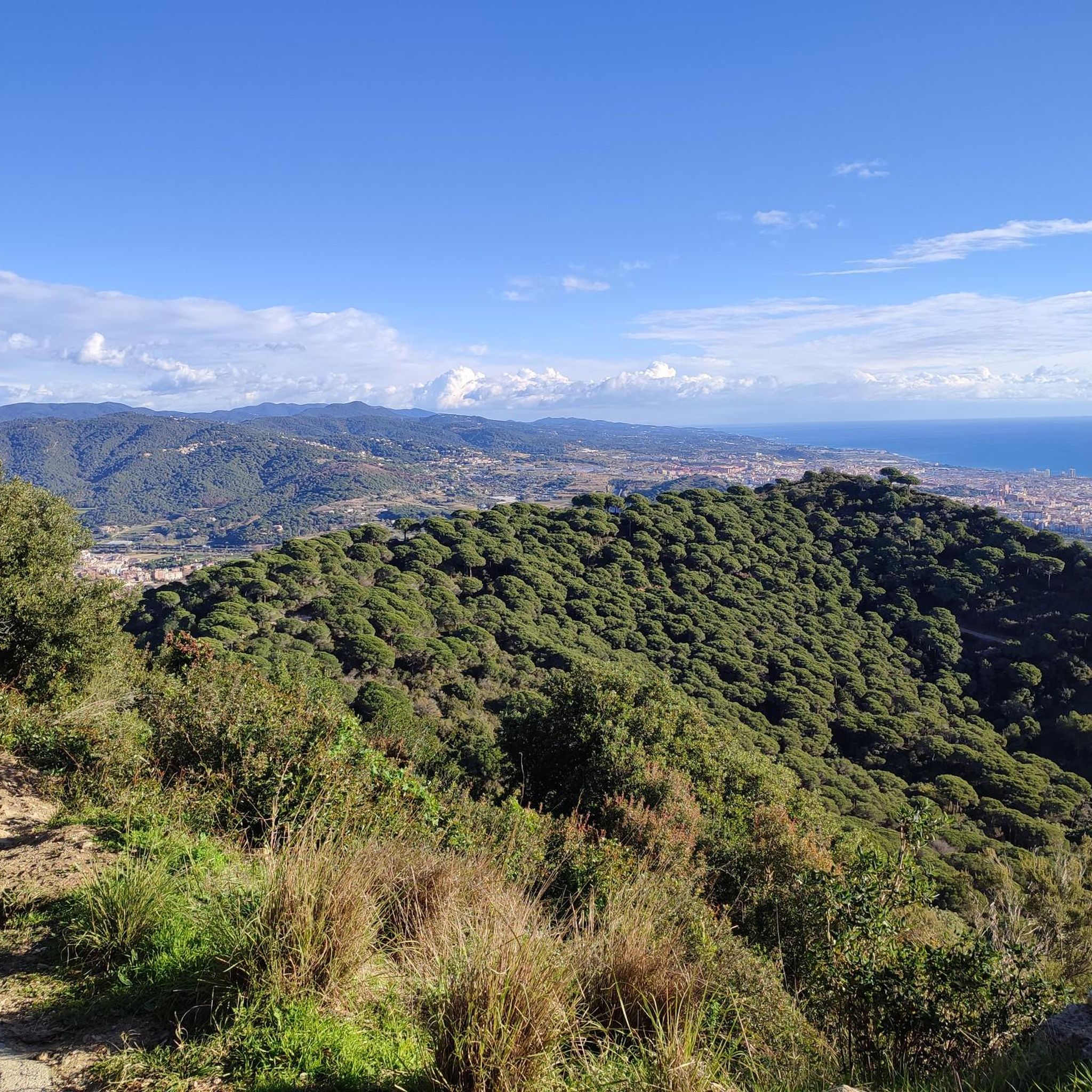
- The most popular attractions is Burriac Castle, a castle that stands on Burriac Hill. The remains of this castle are almost a thousand years old and offer a point of watch and control over the territory.
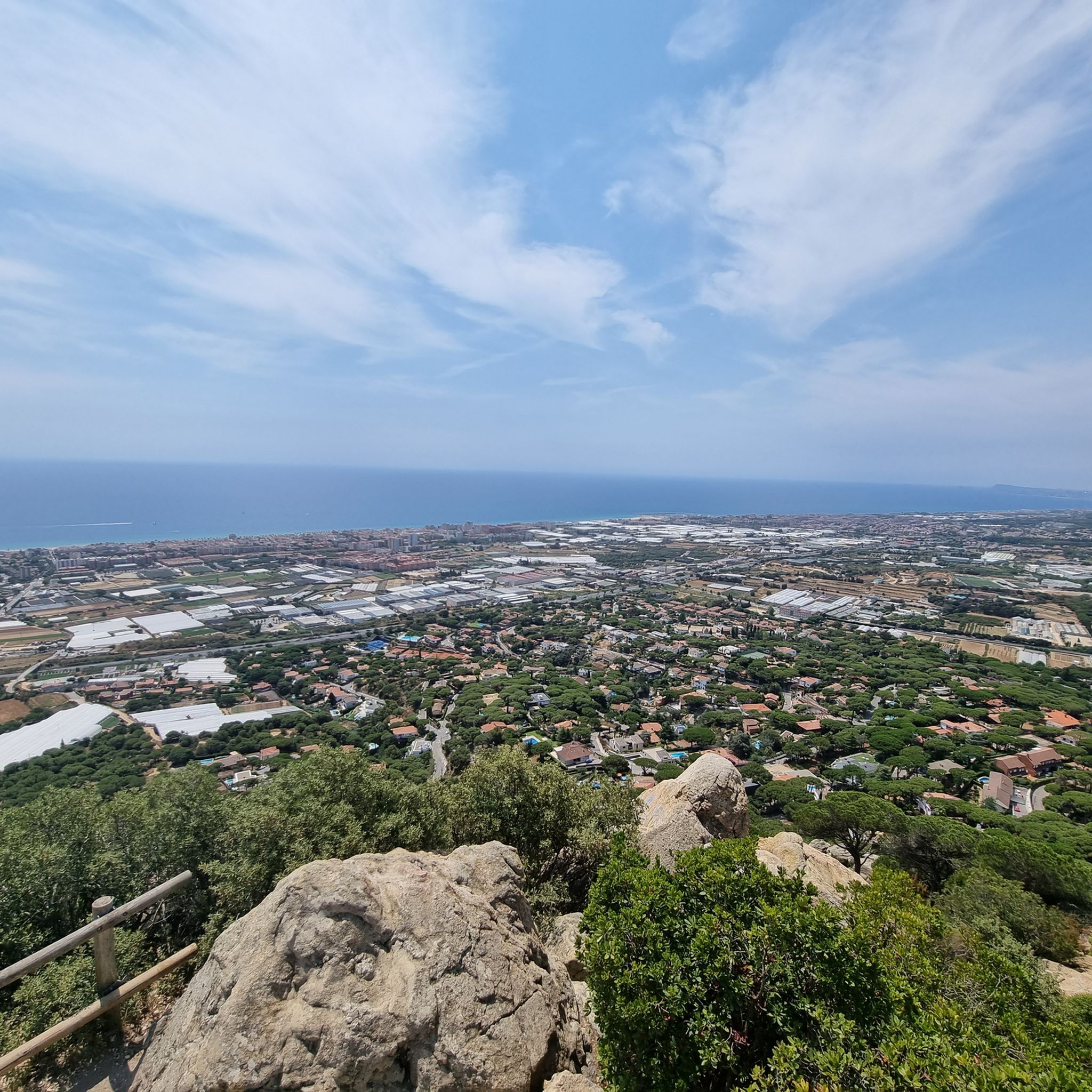
- Another must-see spot is Òrrius Pass, a mountain pass with views of the entire Vallés. This pass serves as a crossing point for MTB, gravel, and road cyclists.
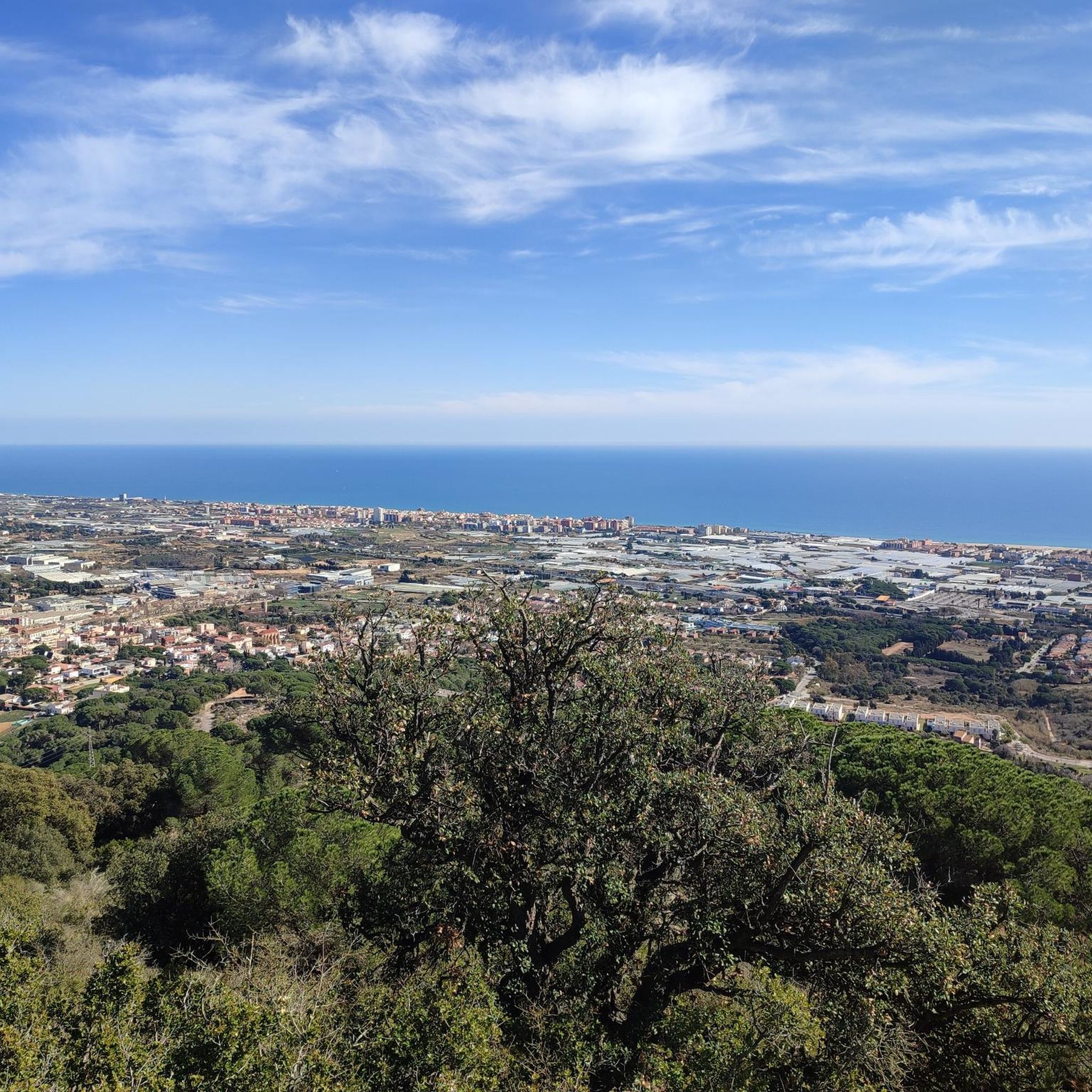
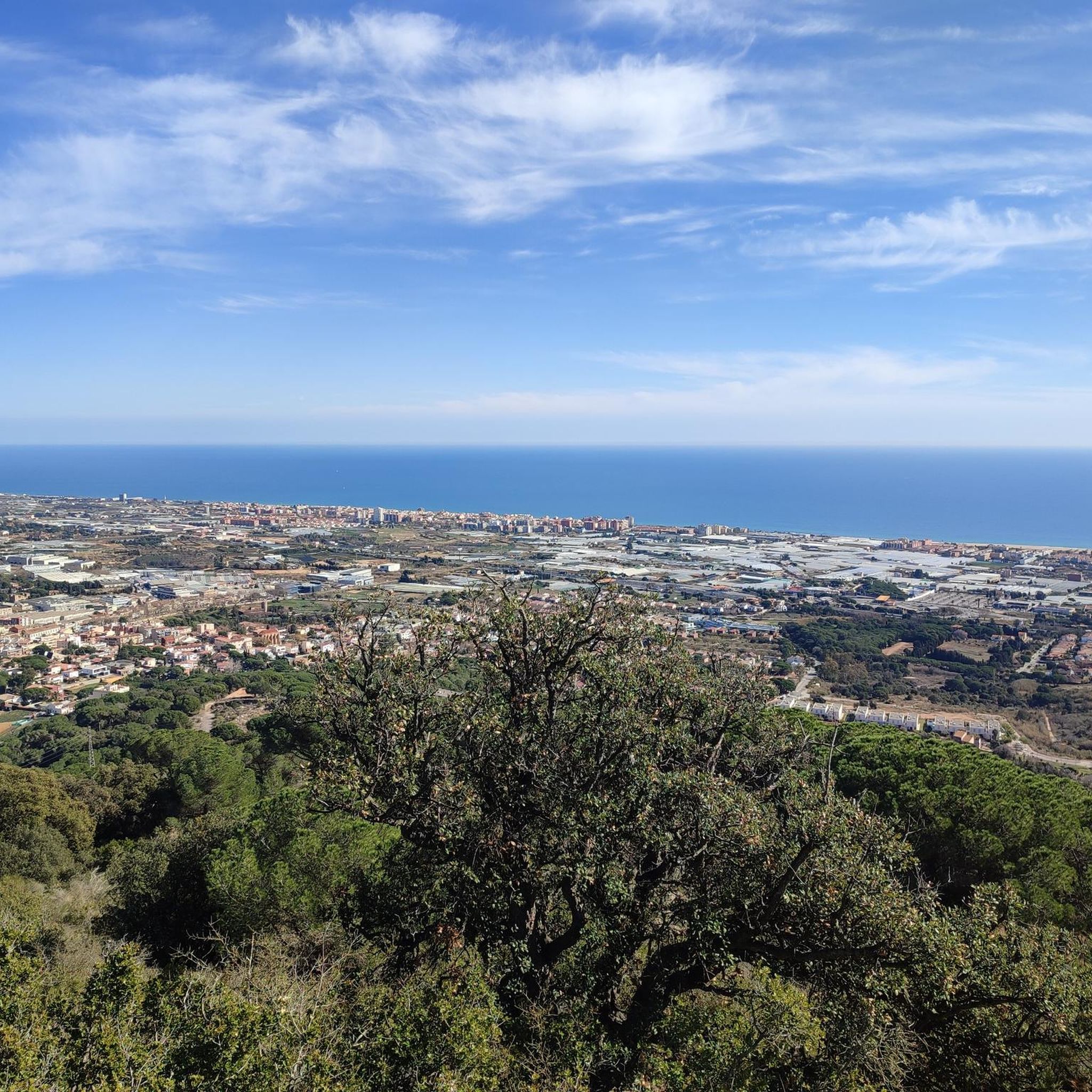
- Visitors also love Parpers Pass, a mountain pass that connects with many ports of the coastal mountain range. The ascent from Roca del Vallés covers 5.3 km with a mean gradient of 3.2%.
- Vilassar De Mar is known for its historical sites, natural parks, and coastal features. The region offers a variety of attractions to see and explore, from ancient dolmens to Romanesque hermitages.
- The attractions around Vilassar De Mar are appreciated by the komoot community, with more than 190 upvotes and 8 photos.
Last updated: July 6, 2026
Parpers Pass
Highlight • Mountain Pass
It is a gentle port on both sides but it is interesting because it connects with many ports of the coastal mountain range.
The ascent by the Roca del Vallés has 5.3 kms. with a very moderate mean of 3.2%. The port goes from East to West along the C-1415c.
Translated by Google •
Tip by

Dolmen of the Roca d'en Toni
Highlight • Historical Site
Translated by Google •
Tip by

Sign up now to discover places like this
Get recommendations on the best single tracks, peaks, & plenty of other exciting outdoor places.
Sign up for free
Burriac Castle
Highlight • Castle
Translated by Google •
Tip by

Sant Bartomeu de Cabanyes Hermitage
Highlight • Religious Site
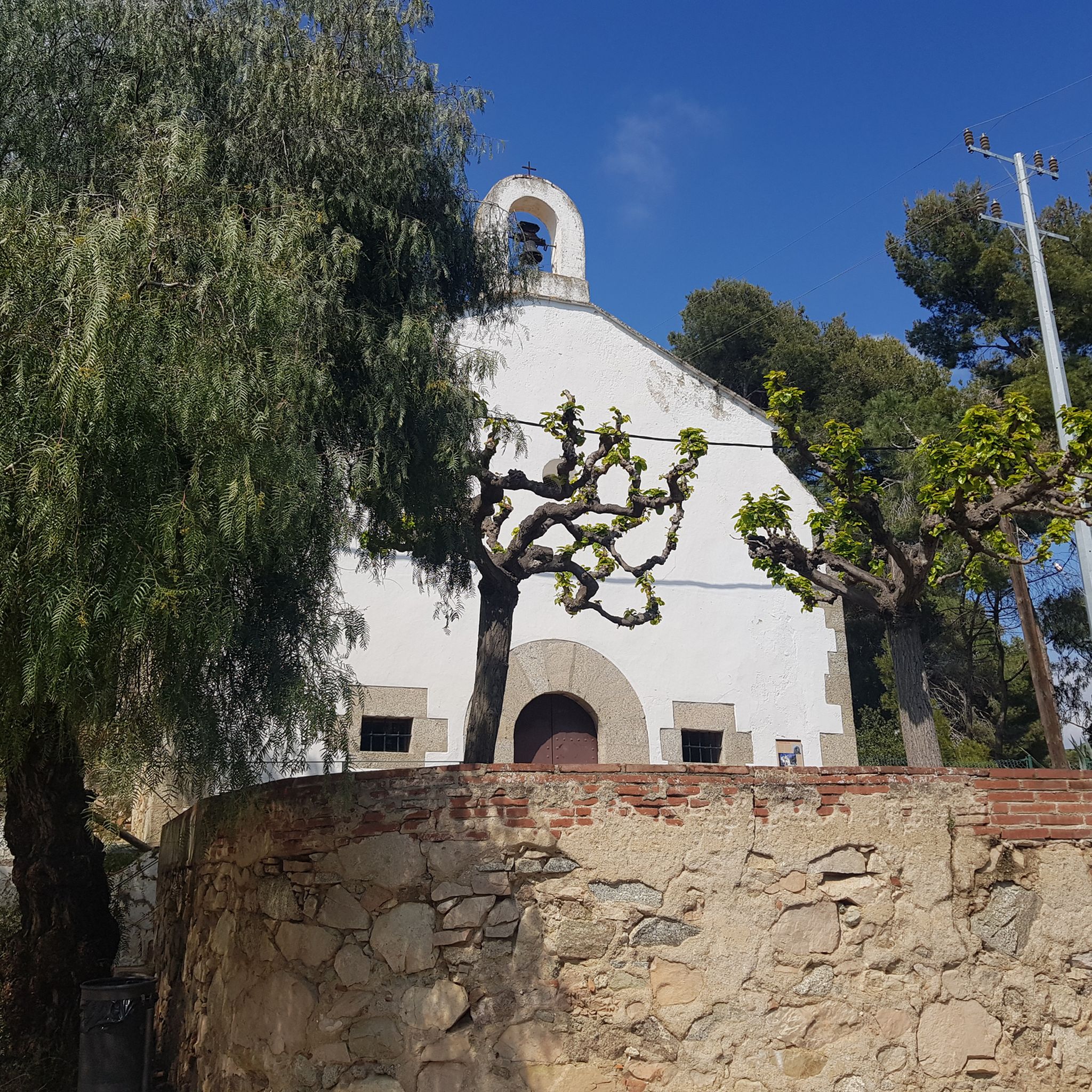
It is a simple 11th-12th century Romanesque construction, consisting of a nave covered with a barrel vault and a semicircular apse with a small central window. It has a single-hollow belfry bell tower. During the Spanish civil war all his images were burned.
Translated by Google •
Tip by
Orrius Pass - Sant Bartomeu Pass
Highlight (Segment) • Mountain Pass
Translated by Google •
Tip by

Sign up for free to discover even more attractions around Vilassar De Mar.
Sign up for free
Already have an account?
Start today with a free account
Your next adventure awaits.
Login or Signup

Tips from the Community

Un monument megalític datat entre el final del neolític i l'edat del bronze, considerat un dels jaciments prehistòrics més importants del Maresme.
0
0

About 300 meters before reaching the hermitage along the track from Òrrius, on the left, dry stone walls are preserved, the remains of a shelter used by Republican militiamen during the Civil War. It's not signposted, but it's visible if you get off your bike and explore a bit. The surroundings are very peaceful and steeped in history: the hermitage was also used as a temporary shelter.
1
0

The uphill stretch from Roca del Valles isn't difficult and is a lovely greenery. The descent to the Orrius junction is similar.
1
0

lonely road with lots of vegetation, very pretty
1
0

Coll de Orrius is also known as Coll de Sant Bertomeu.
1
0
It is one of the many climbs that cross the coastal mountain range of the province of Barcelona, connecting in this case the towns of Argentona with Roca del Vallés. It is a port parallel to Coll de Papers, although this is much harder. The Argentona side is longer and with less slope than the Roca del Vallés. The Argentona side is 6.5 km with an average gradient of 4.5%. There is a rest with a descent in the middle area of the port, the second section being harder than the first. The Roca del Vallés side is barely 4 km with a very constant average gradient of 7%. The views of the valleys, the coast and Montseny from the top of the port are very cool and well worth it.
1
0
This is another of the legendary climbs in the coastal mountain range of the province of Barcelona. It is a very accessible climb with slopes that never exceed 6%. It has approximately 5 km of climbing on both sides. It connects the town of Roca del Vallés with Argentona, next to Mataró, very close to the coast. It is highly recommended because there is hardly any traffic and you can ride in complete peace.
1
0
Frequently Asked Questions
What historical sites can I explore in Vilassar de Mar?
Vilassar de Mar offers a rich historical tapestry. You can visit the well-preserved Dolmen of the Roca d'en Toni, a megalithic monument dating back to the third and second millennium BC. Another significant site is the Sant Bartomeu de Cabanyes Hermitage, an 11th-12th century Romanesque construction nestled in a beautiful natural environment. Don't miss the ancient Burriac Castle, whose remains are almost a thousand years old and offer commanding views from Burriac Hill. The town also features modernist buildings, the Torre d'en Nadal, and the Plaça Pau Vila, one of three remaining defense towers against pirate attacks.
Are there any museums in Vilassar de Mar?
Yes, Vilassar de Mar has several museums that delve into its local history and art. The Museu de la Marina explores the town's seafaring past, while the Museu Enric Monjo is dedicated to the local sculptor Enric Monjo i Garriga. You can also visit the Casa Museu Carme Rovira, showcasing the works and personal items of the Catalan painter, and the Museu de la Mina Vella, which highlights the town's maritime history through its old hydraulic mill and water company.
What natural features and beaches can I find in Vilassar de Mar?
Vilassar de Mar is known for its beautiful sandy beaches, including Platja de Ponent, Platja de Cabrera, De l'Almadrava, and De l'Astillero, all ideal for relaxation and swimming. The picturesque Paseo Marítimo (Promenade) offers stunning views of the Mediterranean. For green spaces, explore La Xinesca Gardens or Can Rafart Park. The town is also a gateway to larger natural areas like Parc Serralada Litoral Natural Park and Montnegre i el Corredor Natural Park, both offering extensive hiking and biking options.
What outdoor activities can I do near Vilassar de Mar?
The area around Vilassar de Mar is excellent for outdoor enthusiasts. You can enjoy various cycling routes, including gravel biking and MTB trails. For instance, explore routes like the 'Òrrius – Can Boquet Cross loop' for gravel biking or the 'ORRIUS – Dolmen of the Roca d’en Toni loop' for MTB. Hiking is also popular, with trails such as the 'Montcabrer — circular route' or the 'Burriac Pass – Burriac Castle loop'. You can find more details on these activities in the Gravel biking around Vilassar De Mar, Hiking around Vilassar De Mar, and MTB Trails around Vilassar De Mar guides.
Are there any family-friendly attractions in Vilassar de Mar?
Families can enjoy several attractions in Vilassar de Mar. The Dolmen of the Roca d'en Toni is considered family-friendly, offering an interesting historical site in a natural setting. The town's beaches, like Platja de Ponent, are easily accessible for a day of swimming and relaxation. Additionally, the various parks and the promenade provide pleasant spaces for walks and outdoor play. Many hiking routes in the region also cater to different difficulty levels, including easier options suitable for families.
What are some notable viewpoints in the area?
For scenic views, head to Òrrius Pass, which offers expansive vistas of the entire Vallés region. The Parpers Pass also provides picturesque scenery and connects to many parts of the coastal mountain range. Additionally, the Burriac Castle, perched on Burriac Hill, offers superb views of the surrounding landscape and the central Maresme area.
What is the best time to visit Vilassar de Mar?
Vilassar de Mar is pleasant throughout much of the year. The summer months are ideal for enjoying the beaches and coastal activities, with the annual Festa Major de Sant Joan taking place in mid-June. Spring and autumn offer milder temperatures, perfect for exploring historical sites, museums, and engaging in hiking or cycling in the nearby natural parks without the peak summer heat.
Are there any cultural events or markets in Vilassar de Mar?
Vilassar de Mar hosts vibrant cultural events and markets. The annual Festa Major de Sant Joan in mid-June is a major local festival featuring music, dance, and fireworks. Beyond this, the Mercat Municipal (Municipal Market) is a lively spot for fresh produce, local cheeses, and artisanal goods. Espai Cultural Can Bisa, housed in a neoclassical building, serves as a popular exhibition space and hosts small concerts and talks, offering a glimpse into the local arts scene.
Can I find good food and local gastronomy in Vilassar de Mar?
Absolutely. Vilassar de Mar boasts a good variety of restaurants serving traditional Catalan dishes, tapas, paella, and fresh seafood, reflecting its coastal location. A historic establishment, Taverna Espinaler, is renowned for its vermouths and preserves since 1896. During the summer, you can also enjoy dining at the various 'chiringuitos' (beach bars) located along the beaches, offering a relaxed atmosphere with sea views.
What are some unique architectural highlights in Vilassar de Mar?
Vilassar de Mar has a valuable architectural heritage, particularly its modernist-style buildings. These structures, often found along the waterfront, reflect the town's prosperity from historical overseas trade. Notable examples include Can Bassa and Ca l'Amat. The Museu de la Marina is housed in the Clock Sènia, an 'Indian' legacy building, showcasing homes built by those who returned wealthy from America in the late 19th century.
Are there any easy walks or short trails suitable for a leisurely stroll?
Yes, for leisurely strolls, you can enjoy the picturesque Paseo Marítimo (Promenade) along the coast. Within the town, La Xinesca Gardens and Can Rafart Park offer tranquil green spaces for easy walks. For a slightly longer but still accessible option, the 'Route of the Americans in Vilassar de Mar' is an easy hiking route that allows you to explore the town's heritage.
How can I get to the attractions using public transport?
Vilassar de Mar is well-connected, making it accessible by public transport. The town has a train station, and many attractions, including the beaches and the old town, are within walking distance or a short local bus ride. For specific routes to natural parks or more remote historical sites like the Dolmen of the Roca d'en Toni, it's advisable to check local bus schedules or consider a short taxi ride from the town center.
Most popular routes around Vilassar De Mar
Most popular attractions around Vilassar De Mar

Get inspired with the komoot mobile app


Explore more
Still not found the Highlight you’re looking for? See guides of the top attractions in other regions:
