Attractions and Places To See around Betancuria - Top 20
Attractions and places to see around Betancuria include historical sites, cultural landmarks, and diverse natural landscapes. As the former capital of Fuerteventura, Betancuria features a well-preserved historic center with traditional architecture. The region is also home to the expansive Betancuria Rural Park, characterized by unique geological formations and varied ecosystems. Visitors can explore ancient ruins, significant religious buildings, and striking coastal features.
Best attractions and places to see around Betancuria
- The most popular attractions is Ermita de la Peña,…
Last updated: August 30, 2026
Ermita de la Peña
Highlight • Religious Site
Translated by Google •
Tip by

Presa de las Peñitas
Highlight • Monument
Translated by Google •
Tip by

Sign up now to discover places like this
Get recommendations on the best single tracks, peaks, & plenty of other exciting outdoor places.
Sign up for free
Ajuy Caves (Cuevas de Ajuy)
Highlight • Cave
Translated by Google •
Tip by

Playa de Ajuy — Black Sand Beach
Highlight • Beach
The somewhat strange name of the bay can be …
Showing Translation
Tip by
Church of Santa María de Betancuria
Highlight • Religious Site
Translated by Google •
Tip by

Sign up for free to discover even more attractions around Betancuria.
Sign up for free
Already have an account?
Start today with a free account
Your next adventure awaits.
Login or Signup
Popular around Betancuria
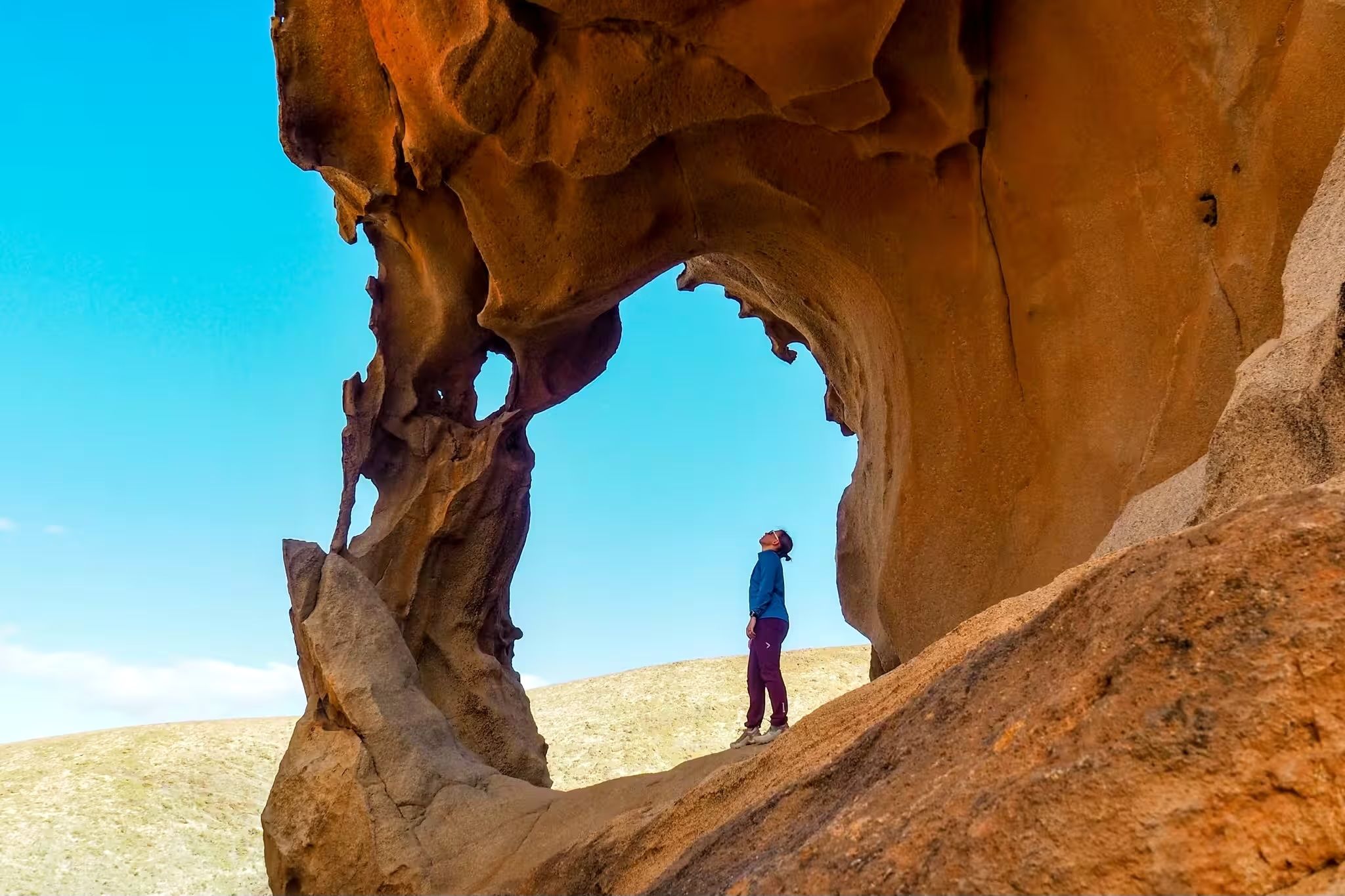
Canary Islands at a slow pace – six hikes immersed in nature
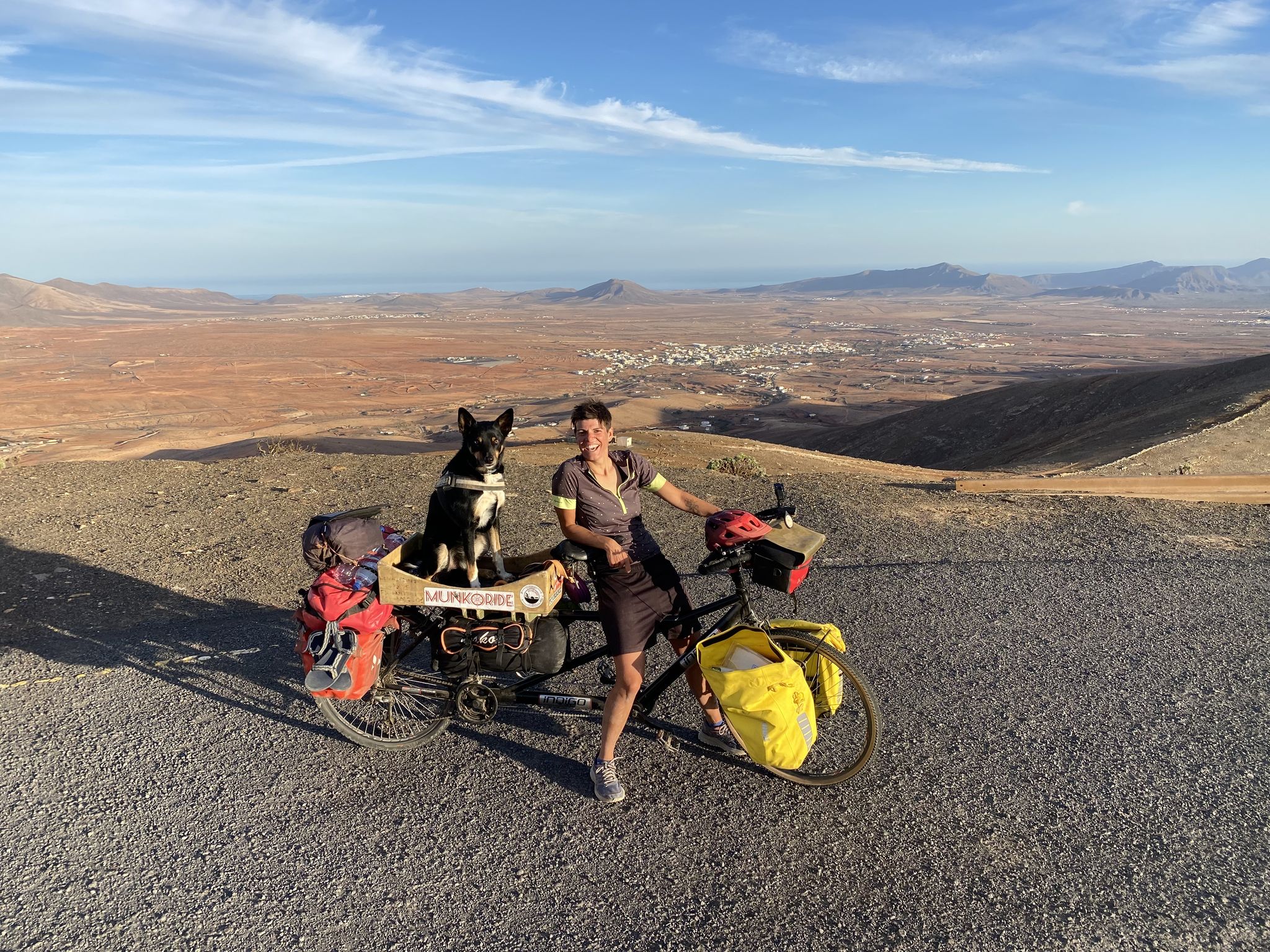
A lunar expedition – Fuerteventura on wheels
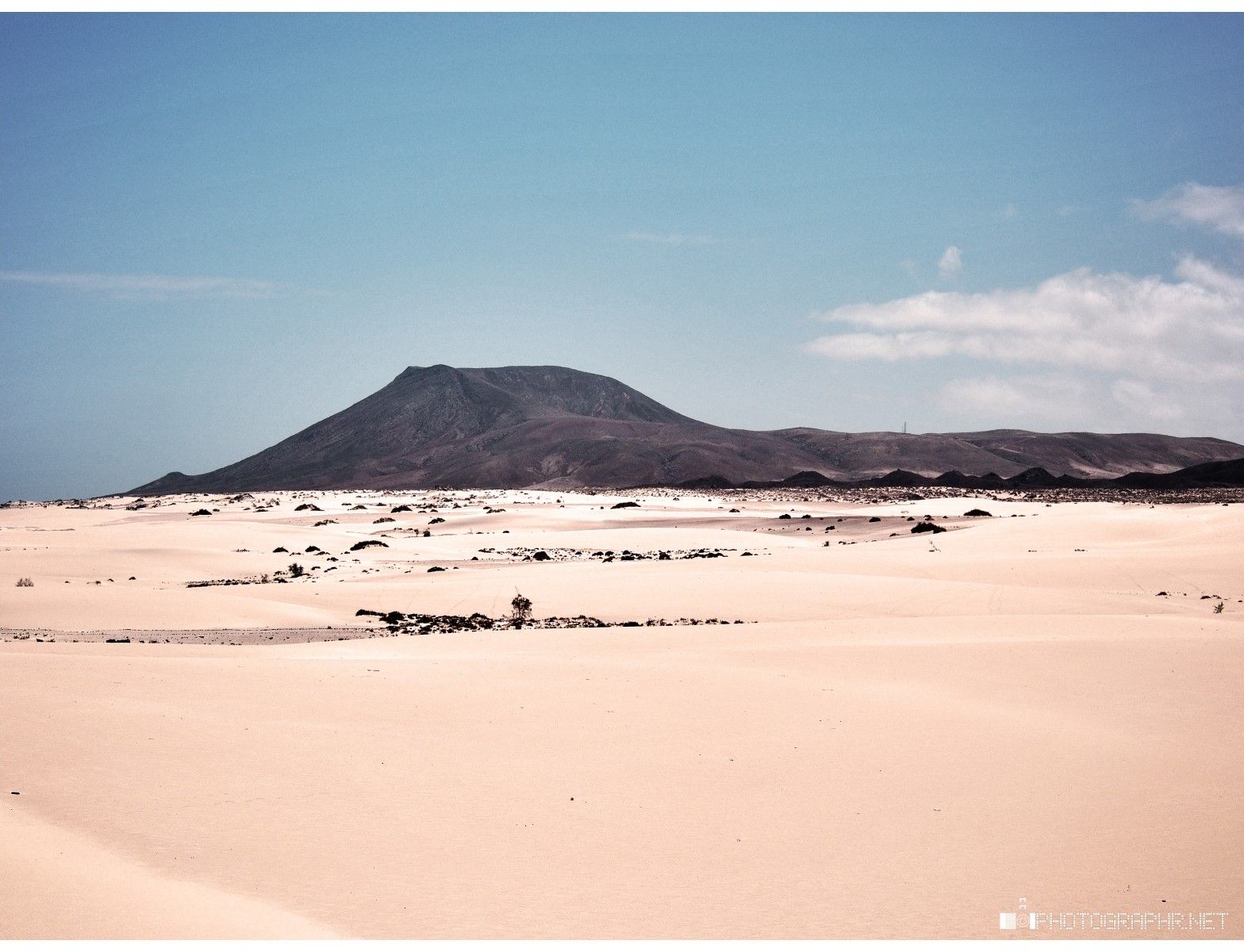
Land of sand and sea – Fuerteventura Nature Trail (GR 131)
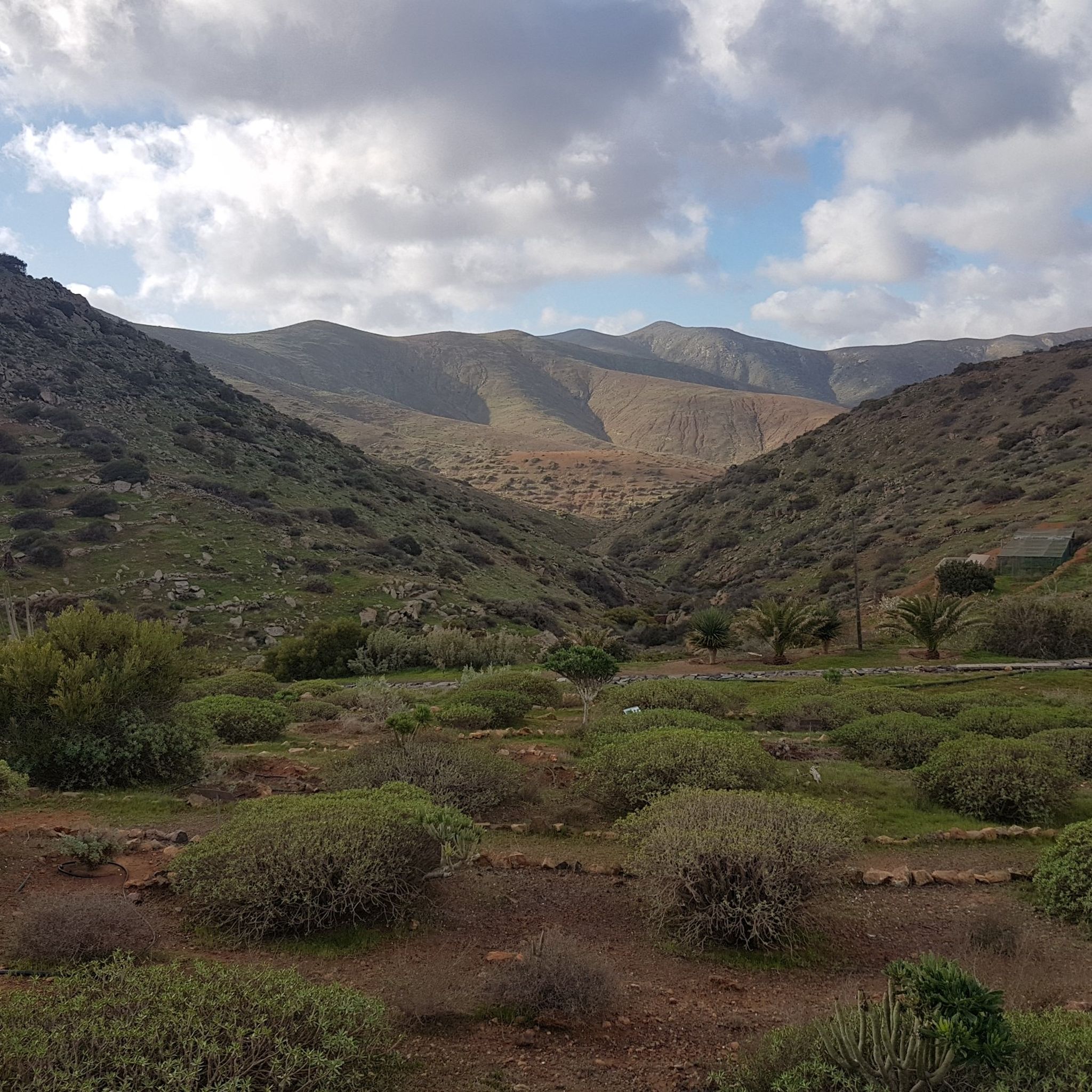
Hiking around Betancuria
Cycling around Betancuria
Road Cycling Routes around Betancuria
Running Trails around Betancuria
MTB Trails around Betancuria
Gravel biking around Betancuria
Other adventures around Betancuria


Tips from the Community

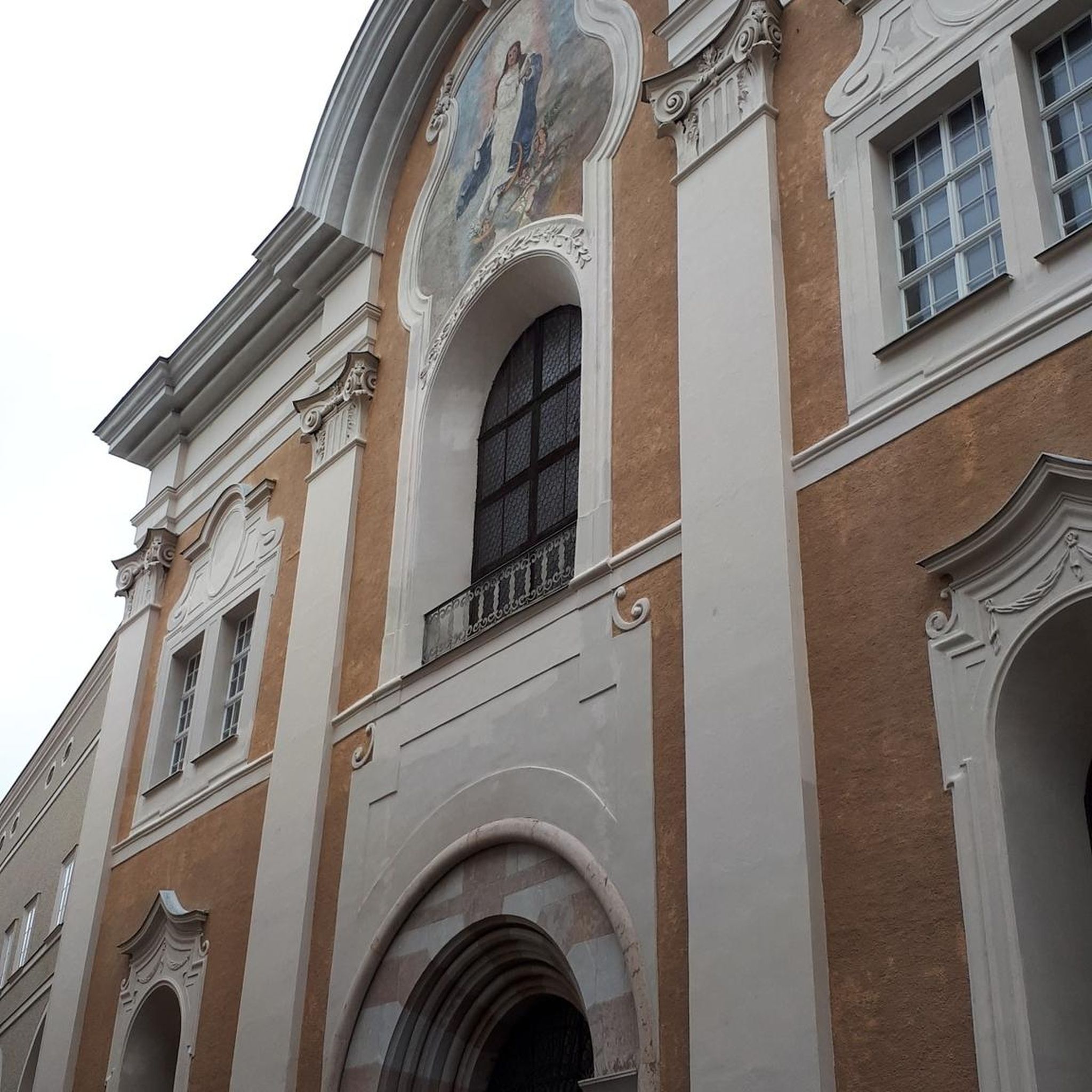
The church was built in 1410. The Iglesia de Santa María de Betancuria is often mistakenly considered the cathedral and thus the first bishopric in the Canary Islands. Antipope Benedict XIII was so impressed by a small chapel near Playa de los Papagayos on Lanzarote that he promptly declared it a cathedral, or bishopric, in 1404. Santa Maria de Bethancuria was burned down in 1593. It was not rebuilt until 1691, and it has survived in this form to this day.
8
0
Betancuria was founded in 1404 and served as the island's capital from then until 1834. Surrounded by mountains, this picturesque town lies in a valley in the interior of Fuerteventura, along the wonderful FV-30 mountain road. Beautiful white houses, several great restaurants and bars, and the Church of Santa Maria de Betancuria invite you to a pleasant stay. It's an absolute must-see when visiting the island.
8
0

A path leads from the beach to Caleta Negra (Black Bay), from where a steep staircase leads down to the caves. Tip: Wear sturdy shoes!
42
2
Stingrays and angel sharks, for example, live inside the caves. An overview of the cave formations can be obtained along a path up to the cliff.
57
0
The beach at Ajuy ("Playa de los Muertos", translated "Beach of the Dead") once served pirate ships as a landing place. The somewhat strange name of the bay can be traced back to past pirate raids, which were frequent along this coastal region. They were mostly terrible massacres, in which many locals lost their lives. Source: https://www.voucherwonderland.com/reisemagazin/fuerteventura-sehenswuerdigkeiten/
55
0

Wonderful beach. It's a great sight when the mostly high waves hit the deep black sand. However, caution is advised when swimming, as the surf is strong!
15
0

Small but fine... and in the immediate vicinity.. Catering options...😊
18
1
Frequently Asked Questions
What historical and cultural sites can I explore in Betancuria?
Betancuria, as the former capital of Fuerteventura, is rich in history. You can visit the Church of Santa María de Betancuria, a significant religious building with Gothic, Renaissance, and Baroque elements. Stroll through the historic center with its cobbled streets and whitewashed houses. Other notable sites include the ruins of the Convento Franciscano de San Buenaventura, the first Franciscan convent in the Canary Islands, and the Sacred Art Museum.
Are there any significant religious sites in the Betancuria area?
Yes, the region is home to several important religious sites. The Ermita de la Peña is the island's main pilgrimage destination, housing the revered sculpture of the Virgen de la Peña. The Church of Santa María de Betancuria is also a key historical and religious landmark in the town itself.
What natural attractions and geological formations can I see around Betancuria?
The Betancuria Rural Park offers diverse natural features. You can explore the unique limestone Ajuy Caves (Cuevas de Ajuy) and the dramatic Playa de Ajuy — Black Sand Beach. The Barranco de las Peñitas features reddish cliffs and the Presa de las Peñitas dam. The Natural Monument of Ajuy is also geologically significant, containing some of the oldest rocks in the Canary Islands.
Where can I find panoramic views of the Betancuria landscape?
For breathtaking panoramic views, visit the Mirador de Guise y Ayose, adorned with large bronze statues of ancient kings, offering vistas of the Betancuria valley. Another excellent spot is Mirador Velosa (Morro Velosa Viewpoint), which provides stunning views of the rural park's mountains and valleys, often extending to the sea.
Are there family-friendly attractions in Betancuria?
Yes, the historic center of Betancuria itself is a pleasant place for families to explore, with its charming streets and traditional architecture. The Church of Santa María de Betancuria is also listed as family-friendly. Exploring the Ajuy Caves and the black sand beach can also be an exciting adventure for children, though caution is advised with strong waves at the beach.
What outdoor activities can I do near Betancuria's attractions?
The area around Betancuria is excellent for outdoor activities. You can find various cycling routes, including touring bicycle, road cycling, and mountain biking trails. For example, explore routes like the 'Pájara Village and Church – Betancuria loop from Antigua' for cycling, or 'Climb to Mirador de las Peñas – Betancuria Historic Town loop from Ajuy' for road cycling. You can find more details on these and other routes in the Cycling around Betancuria, Road Cycling Routes around Betancuria, and MTB Trails around Betancuria guides.
Are there any museums in Betancuria?
Yes, Betancuria offers insights into the island's past through its museums. You can visit the Sacred Art Museum, which houses a collection of religious art, and the Archaeological and Ethnographic Museum of Fuerteventura, which delves into the heritage of the ancient inhabitants, the 'Mahos,' and early European expeditions.
What do visitors enjoy most about the attractions around Betancuria?
Visitors frequently praise the historical significance and picturesque setting of Betancuria, often describing it as a 'must-see' for its beautiful white houses and charming atmosphere. The Ermita de la Peña is appreciated for its serene chapel, and the Ajuy Caves are noted for their unique formations and the dramatic black sand beach. The area's natural beauty and opportunities for exploration are highly valued.
Can I go swimming in natural pools near Betancuria?
Yes, the Aguas Verdes Natural Pools are located among cliffs and volcanic formations, offering a unique and serene swimming experience. These pools are particularly enjoyable at low tide.
What is the significance of the Natural Monument of Ajuy?
The Natural Monument of Ajuy is geologically significant because it contains some of the oldest rocks in the entire Canary Islands archipelago. It offers a fascinating glimpse into the geological history of the region.
Is there a dam or reservoir in the Betancuria area?
Yes, the Presa de las Peñitas is a dam located within the Barranco de las Peñitas. While it was originally created to improve water supply, it now plays a role in sustaining local wildlife, though it can be dry at times.
What kind of wildlife can be found in Betancuria Rural Park?
Betancuria Rural Park is a site of great scientific interest, home to diverse fauna. You might spot protected plant species like tabaiba and tamarisks, and various birds including Egyptian vultures and canaries.
Most popular attractions around Betancuria

Get inspired with the komoot mobile app


Explore more
Still not found the Highlight you’re looking for? See guides of the top attractions in other regions:
