Attractions and Places To See around Corcubión - Top 20
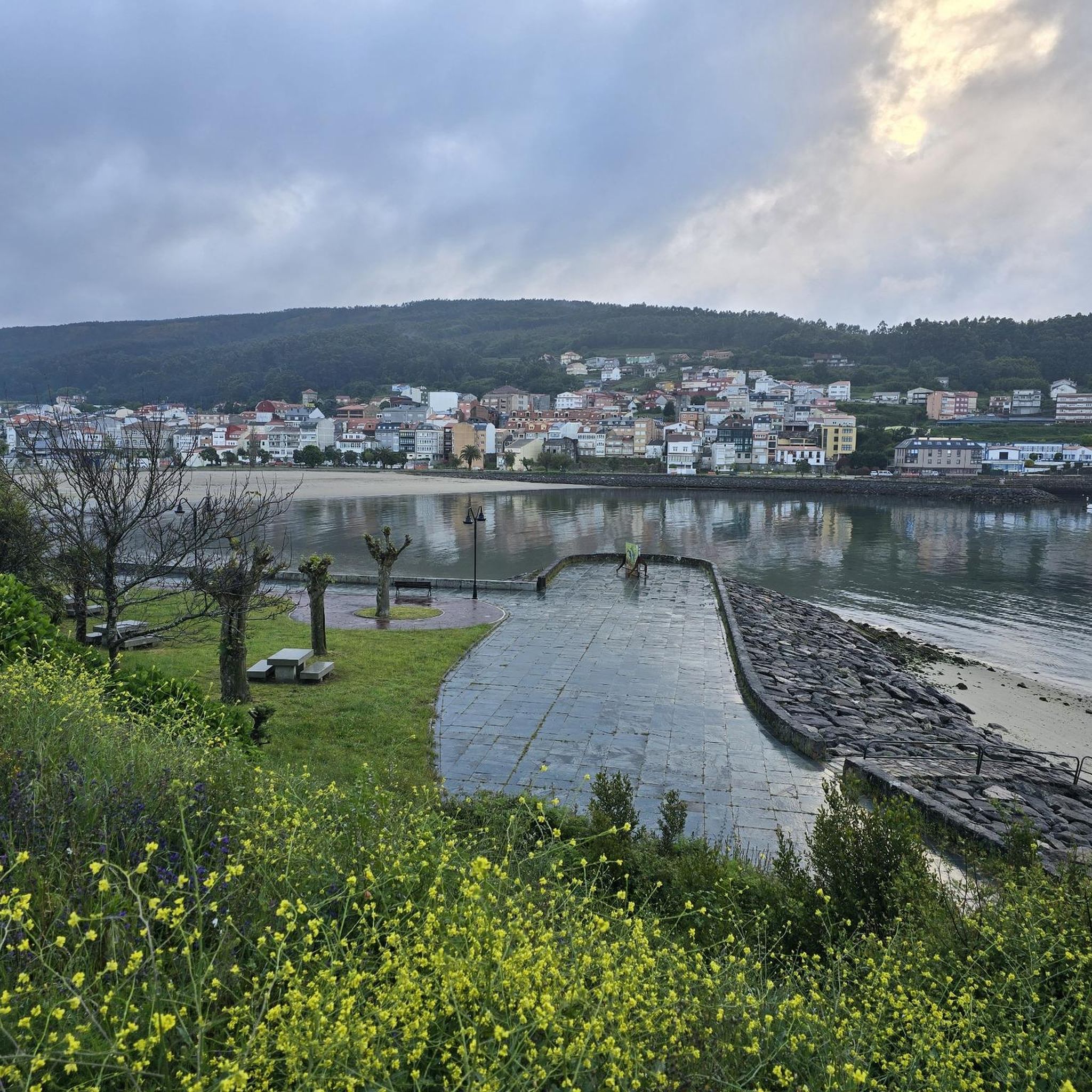
Best attractions and places to see around Corcubión include its historic fishing village, situated at the end of the Corcubión Estuary. This area, declared a Historic-Artistic Site, offers a blend of cultural heritage and natural beauty. Visitors can explore its well-preserved old quarter, enjoy views of Cape Fisterra, and discover various coastal features. The region provides a range of historical landmarks, natural features, and points of interest for exploration.
Best attractions and places to see around Corcubión
- The most popular attractions is Mar de Fóra Beach, a beach that offers a pristine stretch of fine white sand. It is considered one of the wildest beaches on the Costa da Morte, providing a natural experience.
- Another must-see spot is Fisterra Lighthouse, a man-made monument and iconic landmark. This lighthouse is traditionally considered the cape at the end of the world, marking a significant point for pilgrims.
- Visitors also love Kilometre Zero Marker, Cape Finisterre (km 0.000 — Camino de Santiago), a man-made monument. This marker is a popular photo motif and signifies the unofficial endpoint of the Camino de Santiago.
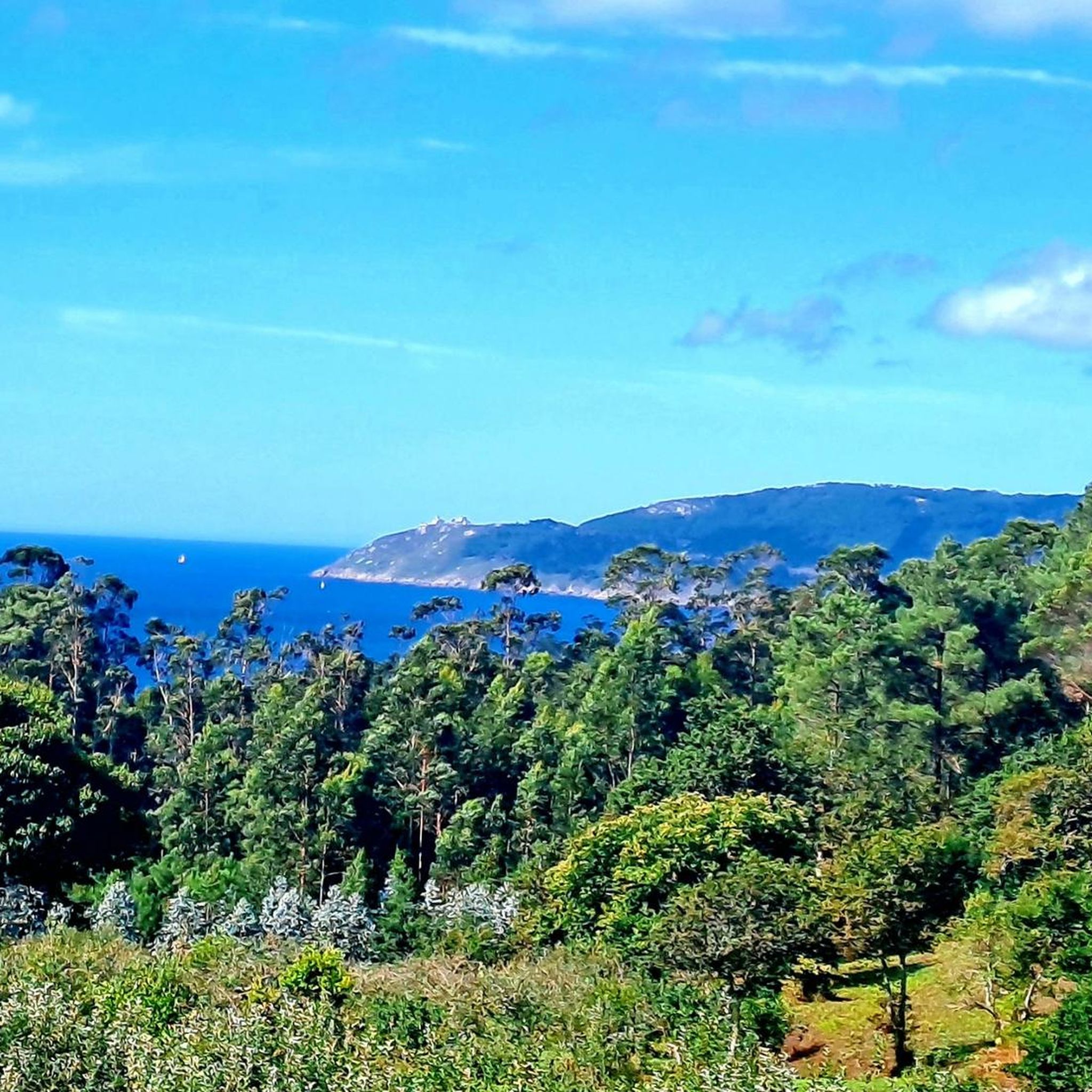
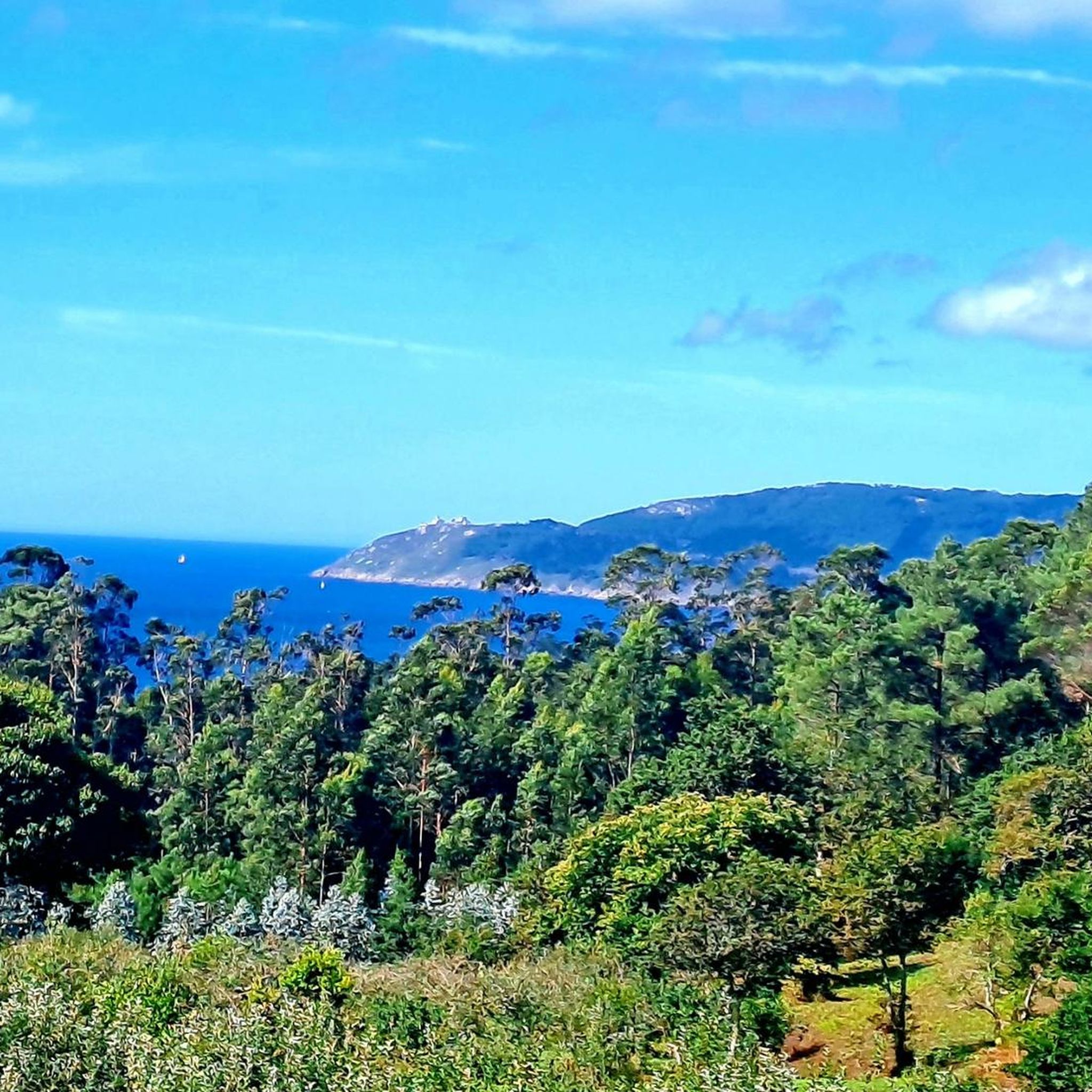
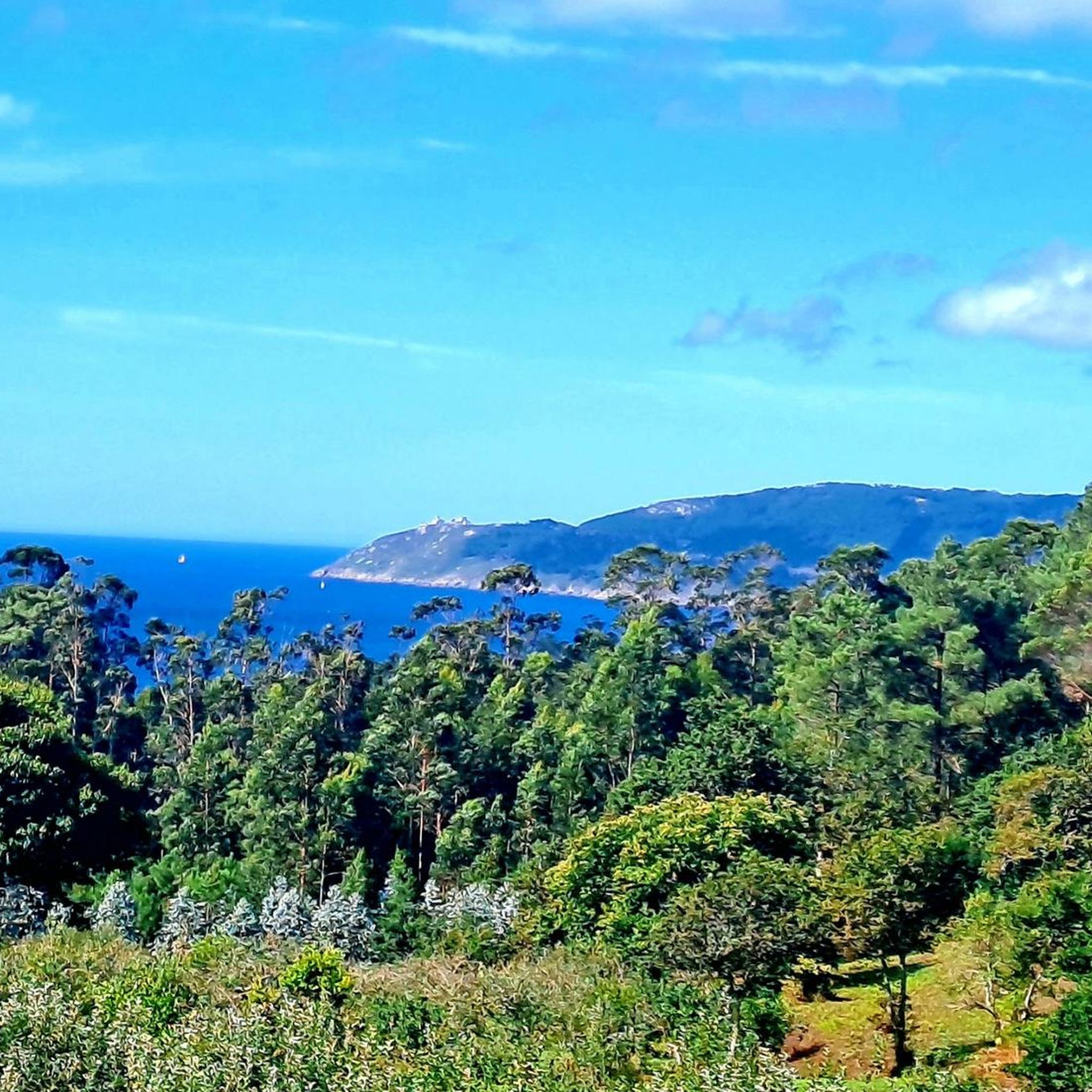
- Corcubión is known for its historic sites, natural coastal features, and Camino de Santiago points of interest. The area offers a variety of attractions, from ancient churches and manor houses to beaches and panoramic viewpoints.
- The attractions around Corcubión are appreciated by the komoot community, with over 540 upvotes and 845 photos shared.
Last updated: August 16, 2026
Fisterra Lighthouse
Highlight • Monument
Translated by Google •
Tip by

Kilometre Zero Marker, Cape Finisterre (km 0.000 — Camino de Santiago)
Highlight • Monument
Translated by Google •
Tip by

Sign up now to discover places like this
Get recommendations on the best single tracks, peaks, & plenty of other exciting outdoor places.
Sign up for free
Saint Jakob statue
Highlight • Monument
Translated by Google •
Tip by
Mar de Fóra Beach
Highlight • Beach
Translated by Google •
Tip by
Santa María das Areas Church
Highlight • Religious Site
Translated by Google •
Tip by
Sign up for free to discover even more attractions around Corcubión.
Sign up for free
Already have an account?
Start today with a free account
Your next adventure awaits.
Login or Signup
Tips from the Community

Santa Maria des Areas. It is a beautiful church from the 12th century. The essential thing to know is that every day at 6 pm there is the Holy Mass of the pilgrim with a special and suggestive blessing.
5
0

Praia do Mar de Fóra, in Fisterra (A Coruña), is one of the wildest and most magical beaches on the Costa da Morte, ideal for those seeking pure nature and a more intimate experience than the tourist beaches.
7
0

Everything ends here, at the end of the world
7
2

Finally at the finish, at km 0
3
1

Pilgrimage monument of Saint James on the way to Cape Finisterre.
4
1

The last 2.5 km to the end,
5
1

0 km: the last stone before the "end of the world"
4
1

Beautiful, mostly lonely beach. Swimming is not recommended here due to undercurrents.
3
0
Frequently Asked Questions
What historical sites can I explore in Corcubión?
Corcubión is a Historic-Artistic Site with a rich past. You can wander through its well-preserved Old Quarter, featuring narrow, cobbled streets and houses dating back to the 16th century. Don't miss the 12th-century Church of San Marcos with its impressive Gothic carving, or the Pazo de los Condes de Altamira, a manor house from the late 15th century. The Maritime Museum Seno de Corcubión, housed in a former salting factory, also offers insights into the region's seafaring history.
Where can I find the best panoramic views around Corcubión?
For breathtaking vistas, head to Cape Cee, located just 4 kilometers from Corcubión towards Fisterra, offering views of the Corcubión estuary, Cape Fisterra, and Monte Pindo. The iconic Fisterra Lighthouse also provides spectacular views, especially at sunset. From various points along the Corcubión Estuary, you can enjoy the blend of calm waters and the wild nature of the Costa da Morte.
Are there any notable beaches in or near Corcubión?
Yes, Corcubión offers beautiful coastal spots. Praia de Quenxe is the main urban beach, known for its calm, wave-free waters, making it ideal for families. Further afield, the Mar de Fóra Beach near Fisterra is considered one of the wildest on the Costa da Morte, offering a pristine natural experience. You can also visit the extensive Carnota Beach, a 7-kilometer-long sandy stretch considered one of Galicia's best.
What natural attractions are there to discover near Corcubión?
Beyond the beaches, the Corcubión Estuary itself is a significant natural feature, offering stunning scenery. The Lobeira Islands, two small archipelagos in the estuary, are protected areas rich in marine life and feature a disused lighthouse. For a more challenging natural experience, Monte Pindo, known as the 'Celtic sacred mountain,' offers unique rock formations and reaches 627 meters, with the Xallas River forming a 40-meter waterfall into the sea at its foot in Ézaro.
What outdoor activities can I do near Corcubión's attractions?
The area around Corcubión is excellent for outdoor enthusiasts. You can find numerous routes for hiking, cycling, and running. For example, there are easy hiking routes like the 'View of the Atlantic Ocean – Corcubión ⚓ loop from Cee' or more challenging ones like the 'View of Langosteira Beach – Talón Beach loop from Hotel Playa de Sardiñeiro'. Cyclists can enjoy routes such as 'Cee - Cape Finisterre Return'. For more detailed information and route options, explore the Hiking around Corcubión, Cycling around Corcubión, and Running Trails around Corcubión guides.
Are there family-friendly places to visit around Corcubión?
Absolutely! Many attractions are suitable for families. Praia de Quenxe is perfect for children due to its calm waters. The iconic Fisterra Lighthouse and the Kilometre Zero Marker at Cape Finisterre are popular and accessible spots for all ages, offering historical significance and stunning views. The Mar de Fóra Beach also provides a natural setting for family outings.
What is the significance of Cape Finisterre for pilgrims?
Cape Finisterre, traditionally considered the 'end of the known world' by Romans, holds immense significance for pilgrims completing the Camino de Santiago. Many pilgrims extend their journey beyond Santiago de Compostela to reach the Fisterra Lighthouse and the Kilometre Zero Marker, symbolizing the unofficial endpoint of their pilgrimage. It's a place of reflection and a popular photo spot.
What is the 'Hórreo de Carnota' and where is it located?
The Hórreo de Carnota is a remarkable traditional Galician granary located in the nearby village of Carnota. It is famous for being Galicia's largest 'hórreo,' measuring an impressive 35 meters long. It's a fascinating example of regional architecture and agricultural heritage, well worth a visit if you're exploring the area around Corcubión.
What do visitors enjoy most about the attractions around Corcubión?
Visitors frequently praise the pristine beauty of beaches like Mar de Fóra Beach, often highlighting its wild and magical atmosphere. The historical and symbolic importance of the Fisterra Lighthouse and the Kilometre Zero Marker is also a major draw, with many appreciating the unique mood among pilgrims. The stunning panoramic views from various viewpoints are consistently mentioned as a highlight.
Can I visit the Castle of El Cardenal?
The Castle of El Cardenal, built in the 18th century, played a strategic role near the port of Corcubión. While it is an important historical landmark, it is currently private property and not open to the public for visits.
What is the best time of year for outdoor activities in Corcubión?
The best time for outdoor activities in Corcubión generally aligns with the warmer, drier months, typically from late spring to early autumn (May to October). During this period, the weather is more favorable for hiking, cycling, and enjoying the beaches and viewpoints. The coastal walks offer pleasant conditions, though it's always wise to check local weather forecasts as coastal conditions can be variable.
Are there any unique geological features along the Corcubión coast?
Yes, the Corcubión coast and its surroundings offer interesting geological features. Monte Pindo is characterized by large, uniquely shaped granite rocks, giving it a distinctive appearance. The coastline itself, part of the Costa da Morte, showcases rugged cliffs and coves shaped by the Atlantic, providing a dramatic natural landscape.
Most popular attractions around Corcubión

Get inspired with the komoot mobile app


Explore more
Still not found the Highlight you’re looking for? See guides of the top attractions in other regions:
