The best walks and hikes around Alcalalí
4.3
(514)
2,197
hikers
34
hikes
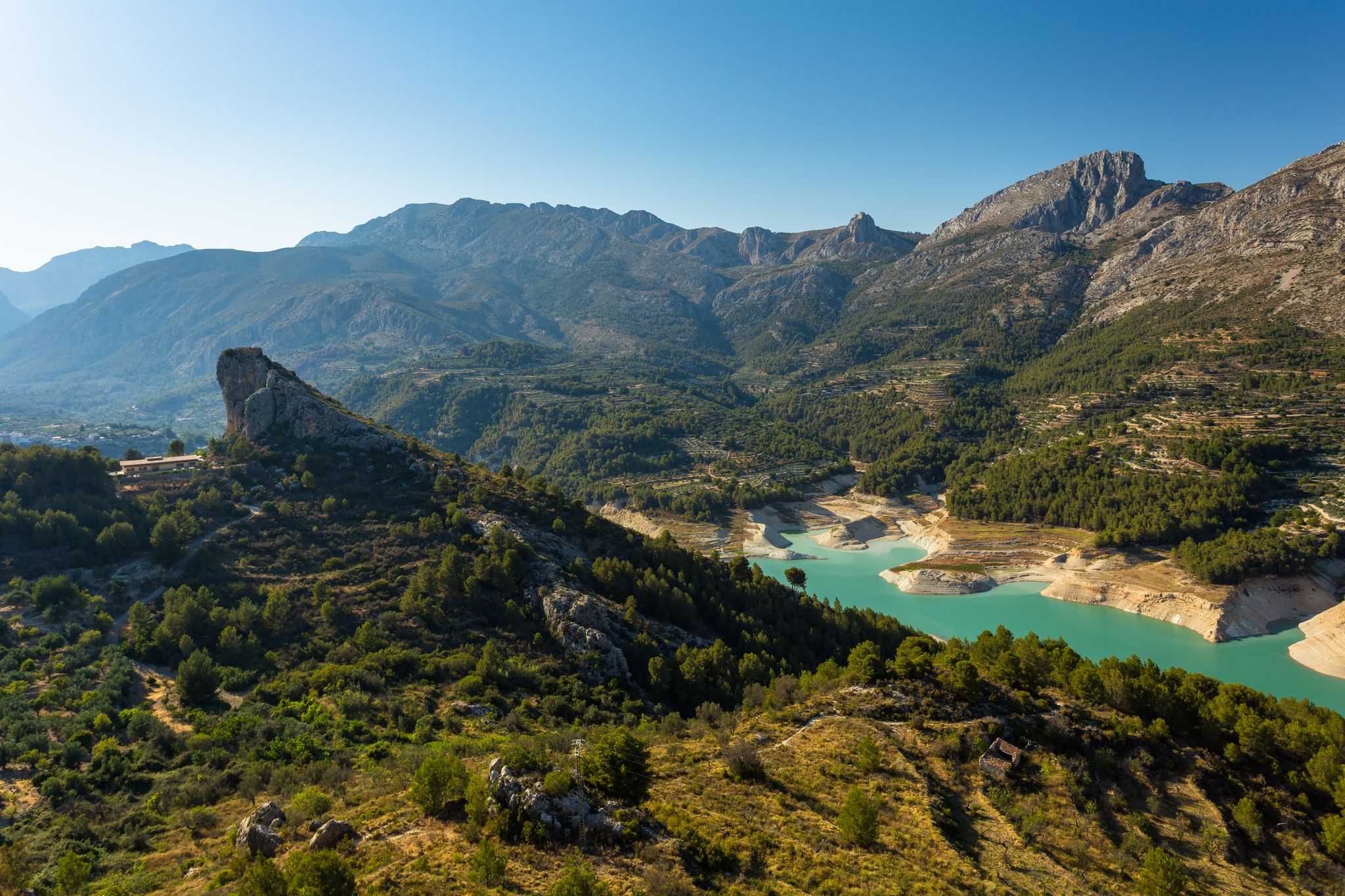
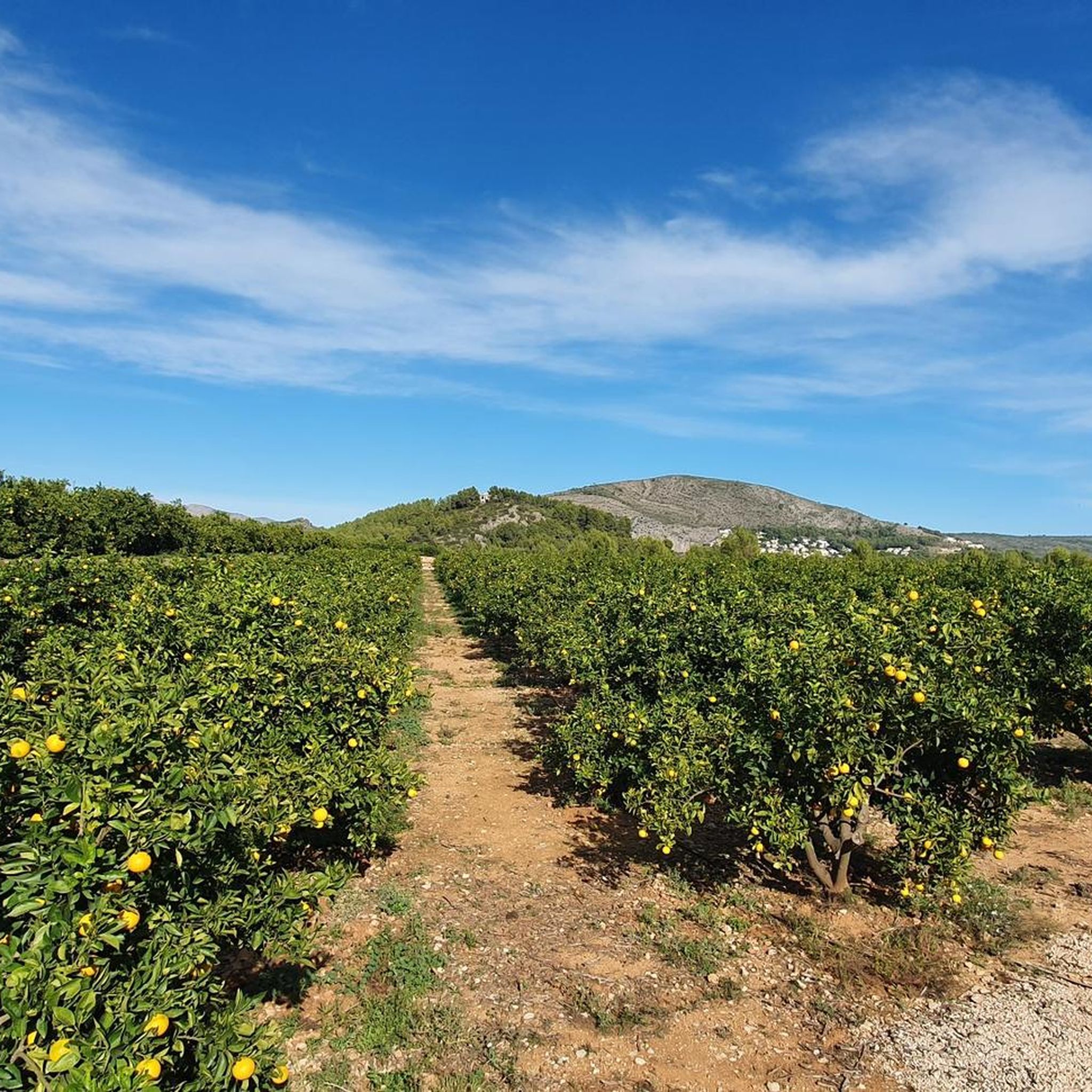
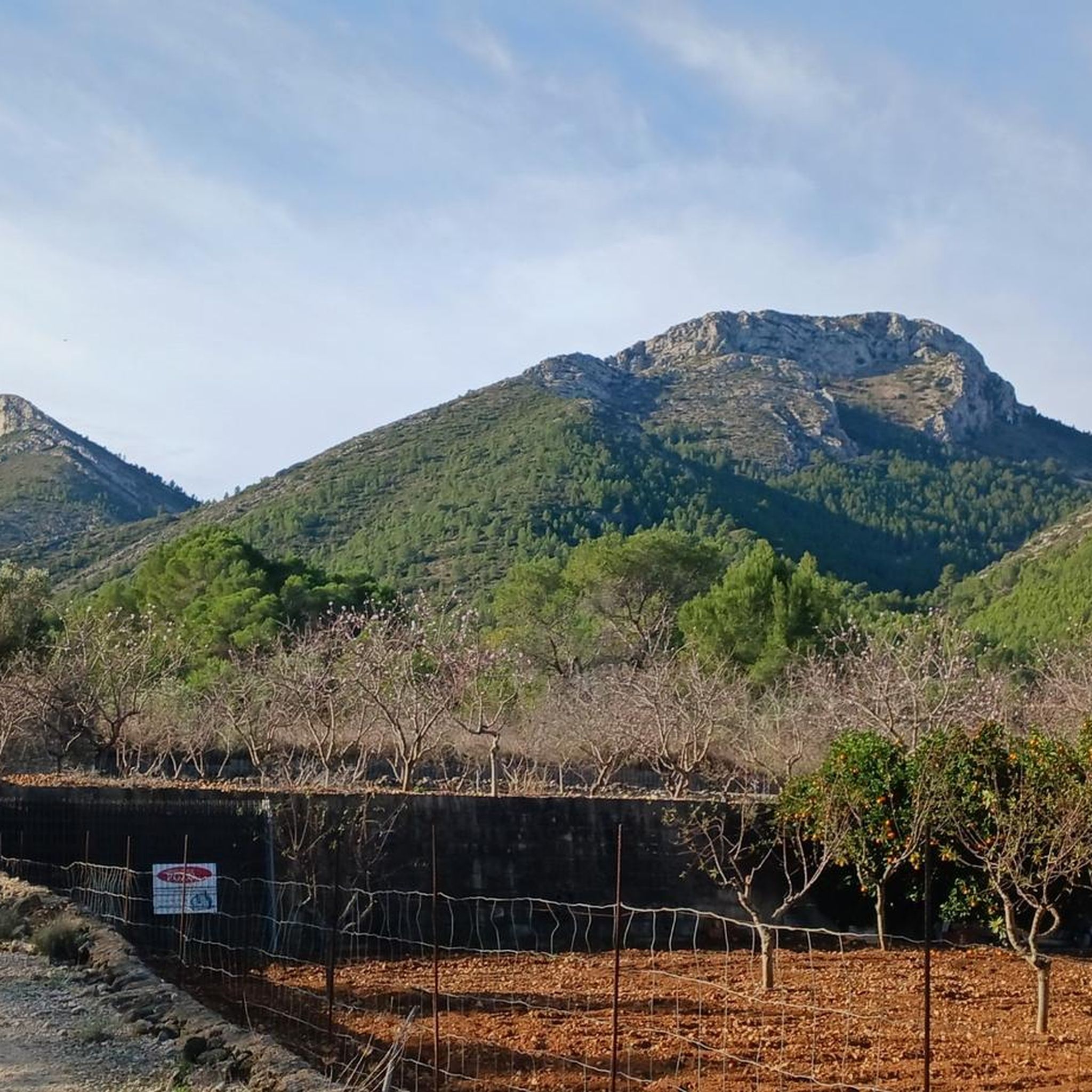
Hiking around Alcalalí offers access to the diverse landscapes of the Vall de Pop in Spain's Marina Alta region. The area is characterized by expansive agricultural lands, including vineyards and almond groves, framed by surrounding mountains like the Sierra de Bèrnia. The Gorgos River flows through the region, contributing to unique landscapes and supporting specific routes. Terraced hills and ancient dry stone walls are also prominent features of the terrain.
Best hiking trails around Alcalalí
- The most popular hiking route…
Last updated: August 30, 2026
4.5
(75)
265
hikers
9.47km
02:37
160m
160m
Moderate hike. Good fitness required. Easily-accessible paths. Suitable for all skill levels.
4.6
(50)
109
hikers
6.32km
01:44
100m
100m
Easy hike. Great for any fitness level. Easily-accessible paths. Suitable for all skill levels.

Sign up for free
4.5
(27)
94
hikers
7.38km
02:01
110m
110m
Moderate hike. Good fitness required. Easily-accessible paths. Suitable for all skill levels.
4.6
(25)
71
hikers
6.05km
02:10
170m
170m
Moderate hike. Good fitness required. Mostly accessible paths. Sure-footedness required.
4.8
(14)
29
hikers
9.03km
02:29
150m
150m
Moderate hike. Good fitness required. Easily-accessible paths. Suitable for all skill levels.
Get access to more routes and recommendations from other explorers.
Sign up for free
Already have an account?
Our route recommendations are based on thousands of hikes, rides, and runs completed by other people on komoot.
Start today with a free account
Your next adventure awaits.
Login or Signup

Other adventures around Alcalalí

Tips from the Community

The medieval tower of Alcalalí stands in the Plaça de l'Ajuntament and was for a long time the tallest building in the city, until a church was built in front of it in the 18th century. Even today, they remain the two tallest buildings in Alcalalí, and no modern construction has detracted from the charm and essence of the historic center. The medieval tower of Alcalalí was built at the end of the 14th century. At that time, Alcalalí and La Vall de Pop were frequently attacked by pirates and bandits; the tower served as a watch post and a refuge in case of invasion. Later, at the behest of the Ruiz de Lihory family, a palatial residence was built, connected to the tower by a drawbridge. This family ruled Alcalalí until 1837, which is why the building is also known as the Torre y Palacio Señorial de Rois de Liori (Torre and Palace of the Kings of Lihory). Since 1992, the tower has belonged to the Alcalalí city council, which restored it and transformed it into a viewpoint that visitors can climb to enjoy the incredible panorama of the Vall de Pop. The tower's original five-story structure has been preserved, and the first and second floors now house a museum. On the third floor, you can admire engravings and graffiti from the 16th to 18th centuries, offering a glimpse into the customs and traditions of Alcalá's inhabitants during that period.
2
0
Located on the Plaça de l'Ajuntament is the Església de la Nativitat de Nostra Senyora, the parish church of the charming town of Alcalalí. It is a building with a long history, although it is not the first Catholic church in Alcalalí; that one was built in 1577. The Església de la Nativitat de Nostra Senyora, as we know it today, was built between 1768 and 1808. Unfortunately, a large part of the building was destroyed during the Spanish Civil War. Many residents hid valuable items in their homes, which were returned after the war. Reconstruction of the church was completed in 1961, and today this imposing basilica is open to visitors. It is a neoclassical building with a Latin cross floor plan and two bays with side chapels between the buttresses. The interior is decorated with neoclassical motifs and the image of Cristo de la Salud, which is of significant historical value. Equally important is the bell of Sant Joanet de la Mosquera, located in the belfry; it is a cultural treasure that originated from the chapel of Sant Joan de la Mosquera. The parish museum of San Juan de la Ribera, located inside the church, is well worth a visit. It houses paintings, sculptures, gold and silver work, clothing belonging to the Lihori family, and a library detailing the history of the parish.
2
0

very slippery on rocks when wet
0
0

Waypoint: Barranc de la Foia / Rio Gorgos [210m]
0
0

short VIDEO about hiking in this area could be found at the following link: https://www.youtube.com/watch?v=kfHMhDC-C0U
0
0

Lots of pebbles
0
0
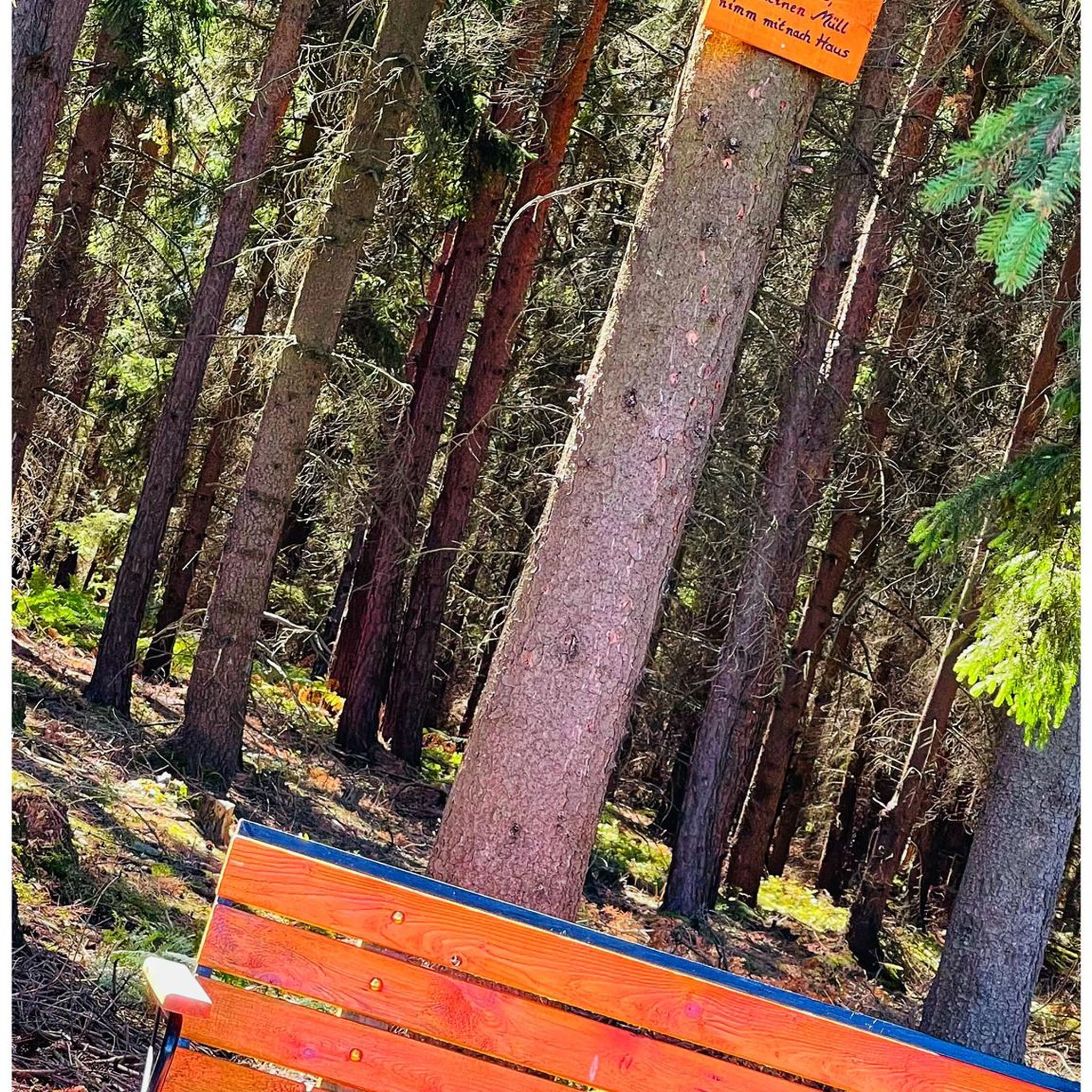
Picnic tables available.
0
0
Frequently Asked Questions
How many hiking trails are available around Alcalalí?
Alcalalí offers a diverse network of nearly 30 hiking trails, catering to various skill levels. You'll find everything from easy strolls through the valley to more challenging mountain ascents.
What is the best time of year to go hiking in Alcalalí?
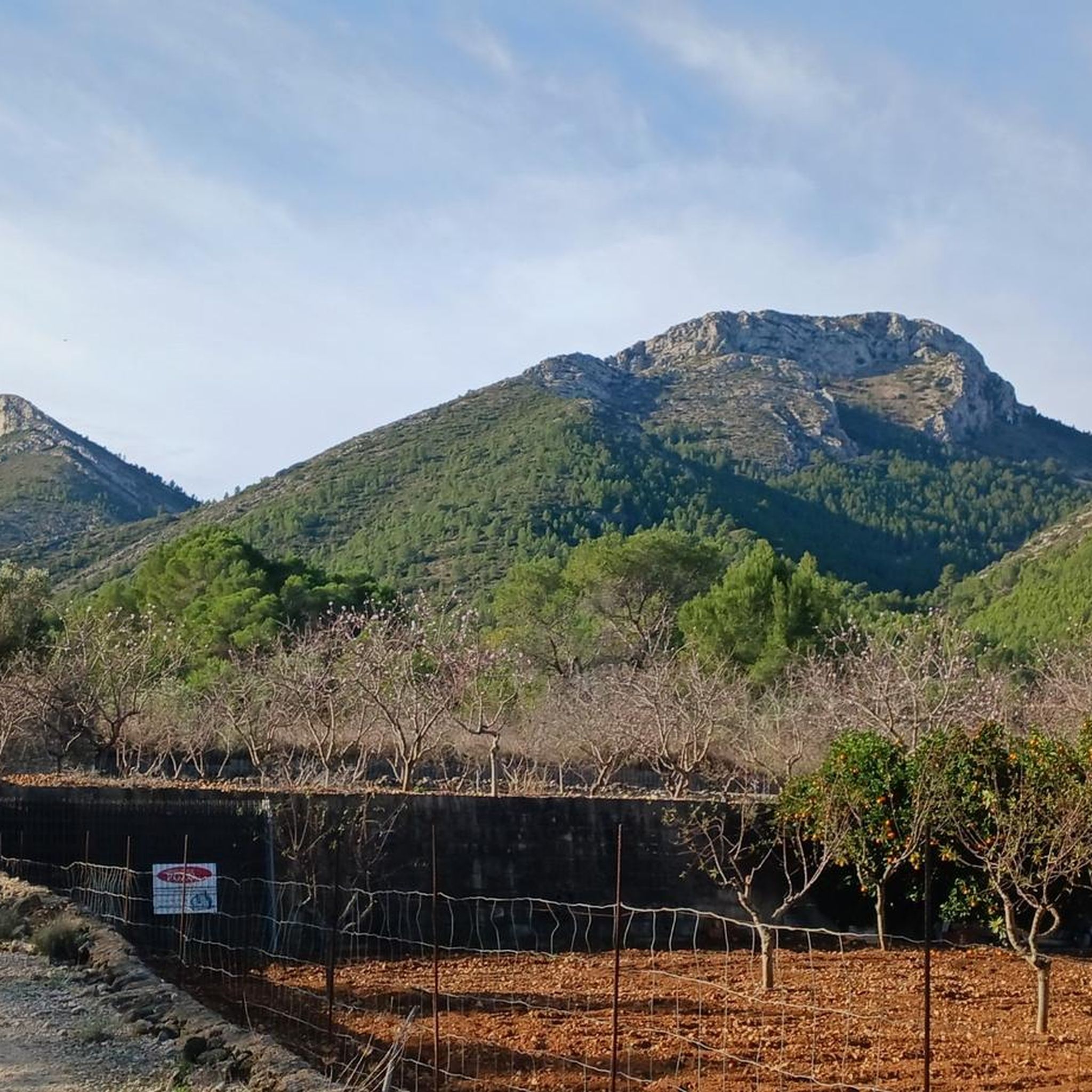
The most spectacular time to hike in Alcalalí is typically in February, when the almond trees blossom, transforming the Vall de Pop into a vibrant display of pink and white. Spring and autumn also offer pleasant temperatures for hiking, while summers can be quite hot.
Are there many circular hiking routes in Alcalalí?
Yes, Alcalalí features several excellent circular routes. A popular moderate option is the Almond Blossom in Vall de Pop – Riu Xaló Crossing loop from Alcalalí. For a more challenging experience, the Sierra de Bèrnia Circular Route (PR-CV 7) is highly recommended, featuring the natural tunnel known as El Forat and the ruins of Fort de Bèrnia.
Are there easy hiking trails suitable for beginners or families in Alcalalí?
Absolutely. Alcalalí has 9 easy trails perfect for beginners or families. An accessible option is the Riu Xaló Crossing – Rio Gorgos road / ford loop from Alcalalí, which traces the course of the Gorgos River. The Peña Talai route is another low-difficulty circular path showcasing the region's terraced hills.
What kind of natural landscapes can I expect to see while hiking in Alcalalí?
Hiking in Alcalalí immerses you in the varied landscapes of the Vall de Pop. You'll encounter expansive agricultural lands with vineyards and almond groves, framed by mountains like the Sierra de Bèrnia. The Gorgos River contributes to unique riverine landscapes, and you'll also see characteristic terraced hills and ancient dry stone walls reflecting centuries of tradition.
Are there any waterfalls or gorges to explore near Alcalalí?
Yes, the region around Alcalalí features several impressive natural water features. You can explore highlights such as the Algar Springs Waterfalls or the Gorgos Riverbed and Aqueduct in Gata de Gorgos. The Barranco del Infierno also offers unique riverbed crossings and an old dam.
Can I find any caves or interesting geological formations on the trails?
The area is rich in geological interest. A notable formation is El Forat, a natural tunnel on the Sierra de Bèrnia Circular Route that hikers can pass through. Other caves in the vicinity include the Forat de Bèrnia and the Cave of the Skulls.
What historical landmarks or points of interest can I visit while hiking?
Beyond the natural beauty, you can discover historical sites. The ruins of Fort de Bèrnia, a 16th-century defensive structure, are a significant landmark. The restored 14th-century Medieval Tower of Alcalalí offers panoramic views across the Vall de Pop and is a great starting or ending point for exploration.
What do other hikers enjoy most about the trails in Alcalalí?
The trails in Alcalalí are highly rated by the komoot community, with an average score of 4.2 stars from over 400 reviews. Hikers frequently praise the diverse landscapes, from almond groves to mountain views, and the well-maintained paths that cater to all abilities.
Are there any challenging hikes for experienced trekkers in Alcalalí?
For experienced hikers seeking a challenge, the Cresta del Ferrer offers a high-difficulty circular path with impressive views of both the Marina Baixa and Marina Alta regions. The Sierra de Bèrnia Circular Route, while moderate in parts, also presents sections that are more demanding, especially when navigating El Forat.
Is it possible to spot wildlife while hiking in Alcalalí?
The Sierra de Bèrnia y Ferrer Protected Landscape, which encompasses Alcalalí, is known for its diverse flora and fauna. While specific sightings can vary, hikers often have the opportunity to observe local wildlife and a rich variety of plant species, especially in quieter areas of the mountains and along the Gorgos River.
Are the hiking trails around Alcalalí well-marked?
Yes, the region benefits from a network of well-maintained and clearly marked trails. Routes like the Alcalalí – Coll de Rates (PR-CV425) are approved and signposted, making navigation straightforward for hikers of all experience levels.
Most popular attractions around Alcalalí

Get inspired with the komoot mobile app


Explore more
Browse the best Hikes in other regions.
